
Ta' Bistra Catacombs: A Visitor's Guide to the Mosta Hypogeum

Ta' Bistra Catacombs are an early-Christian burial complex cut into rock on the outskirts of Mosta, in an area known as il-Besbiżija. The complex sits on both sides of the road and is under the management of Heritage Malta, which gives it more structure than a roadside curiosity but far less traffic than the better-known catacombs at Rabat. This guide covers what you see underground, how the visit works, and how to fit it around the rest of Mosta.
What the Ta' Bistra Catacombs are
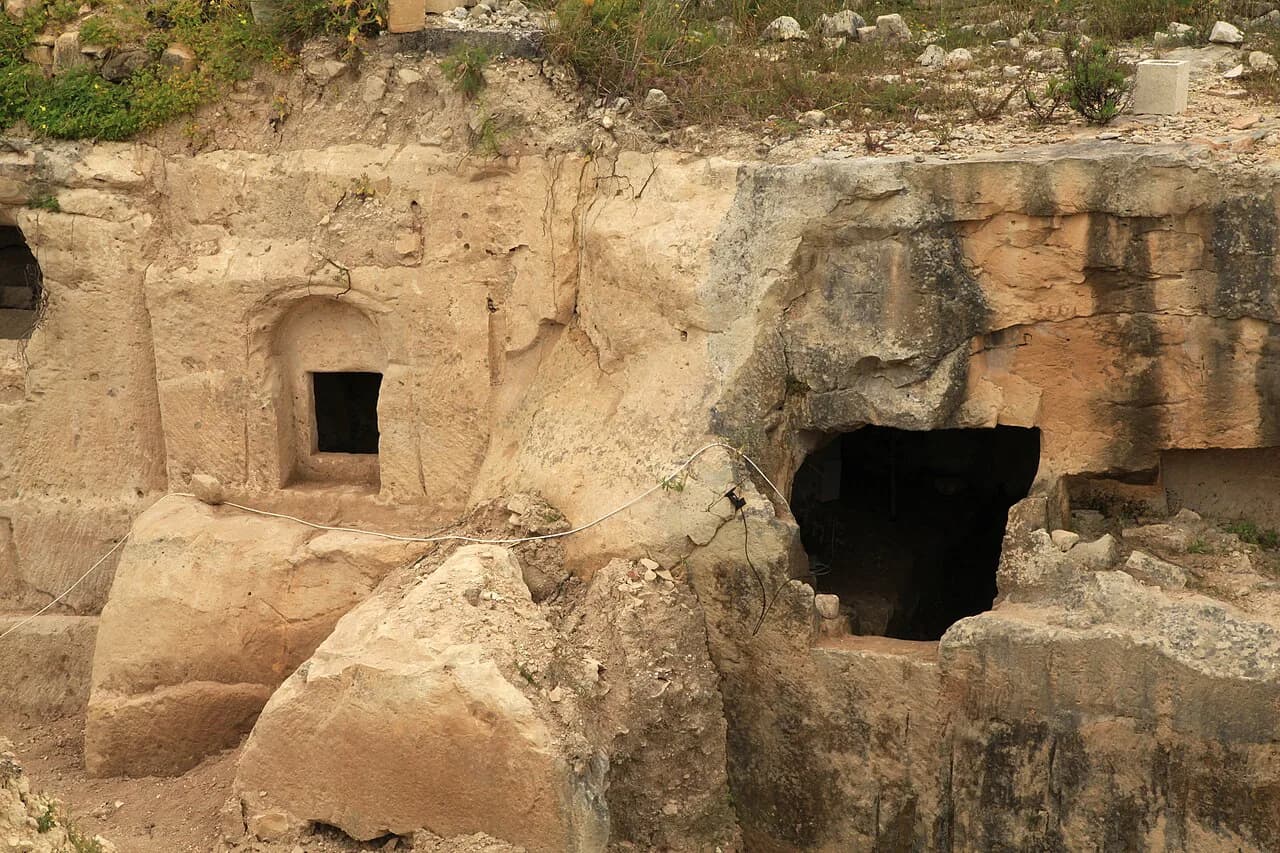
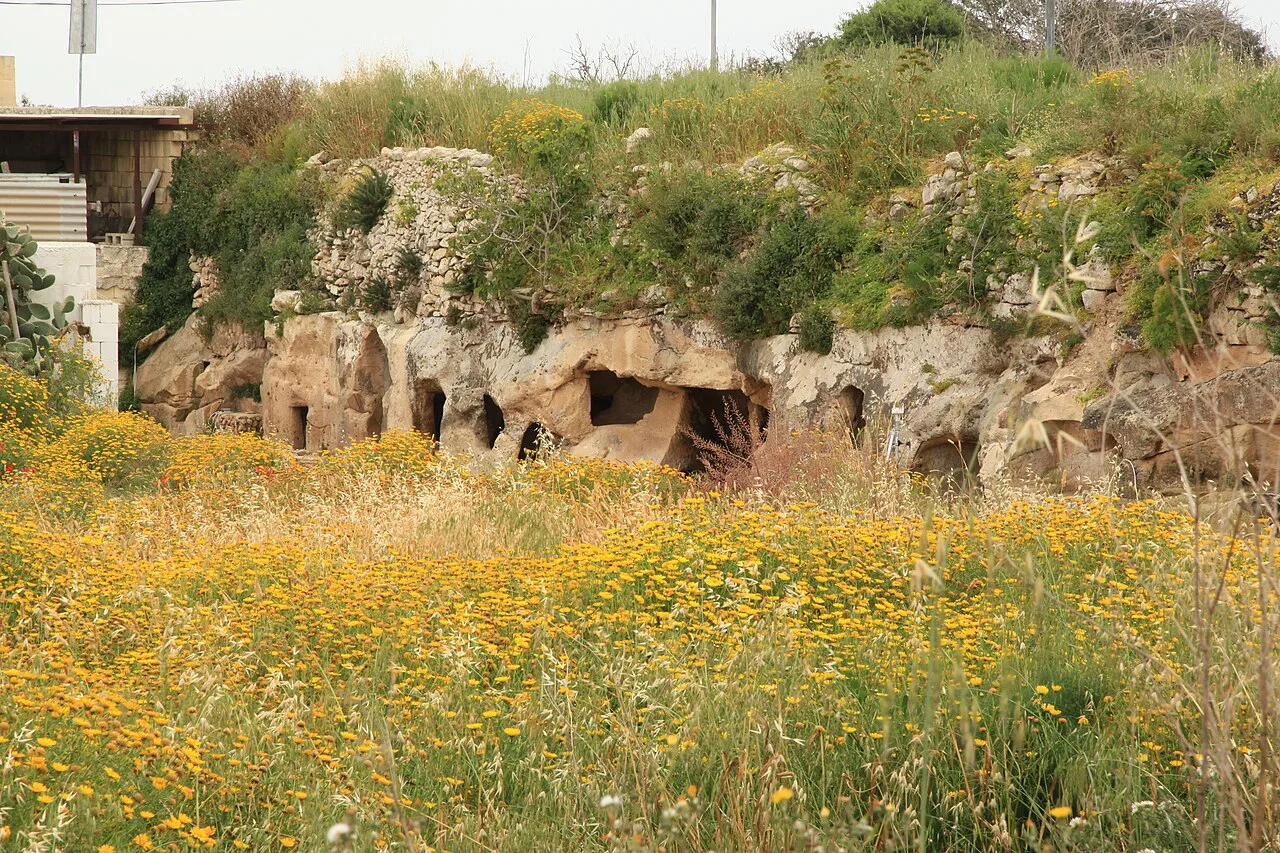
The catacombs are a Hypogeum, a burial place dug into the living rock rather than built above ground, dating to the fourth century. Tombs are arranged across 16 rooms, a scale that makes the complex worth a detour for anyone interested in early Christian burial practice. The chambers sit on both sides of the road, so expect the site to read as two rock faces rather than one sealed underground tour.
Burial here was plain. The window tombs at Ta' Bistra carry no decoration, which suggests the community buried there was not sharply divided by wealth or rank. That absence is the point: you are looking at uniformity rather than display, and it changes how you read the carved spaces once you are inside.

Where they are and how to reach them
The site lies in the il-Besbiżija area on the edge of Mosta, and a Polish-language guide lists an address on Triq il-Missjunarji Maltin in Mosta. If you are staying in Mosta itself, treat it as a short run out of town rather than a day trip, and plan your own transport rather than relying on a published timetable.

Opening hours and tickets
Published opening hours differ. A 2019 Heritage Malta open day ran from 09:00 to 15:00, a travel blog describes opening on the last Sunday of each month from 10:00 to 16:00 with last admission at 15:30, and a Polish-language guide lists Tuesday, Thursday and Saturday opening from 09:00 to 17:00. Check the day and hours directly with Heritage Malta before building a morning around the catacombs, because a closed gate is the one thing that stops the visit dead.
Admission is listed as €5 for adults, with reduced rates for youths, seniors, students and children on the same Polish-language page. Treat the prices as indicative rather than a guarantee and confirm the current entry charge with Heritage Malta when you check opening. The adult rate is modest, so the real cost of a visit is the scheduling uncertainty rather than the ticket.
Heritage Malta has run open days at Ta' Bistra alongside memory-collection events, including a free one in September 2019 that welcomed visitors from 09:00 to 15:00. Treat any such event as a one-off in that year rather than a standing arrangement, and watch the events listings if a free entry would sway your plans.
What to see inside
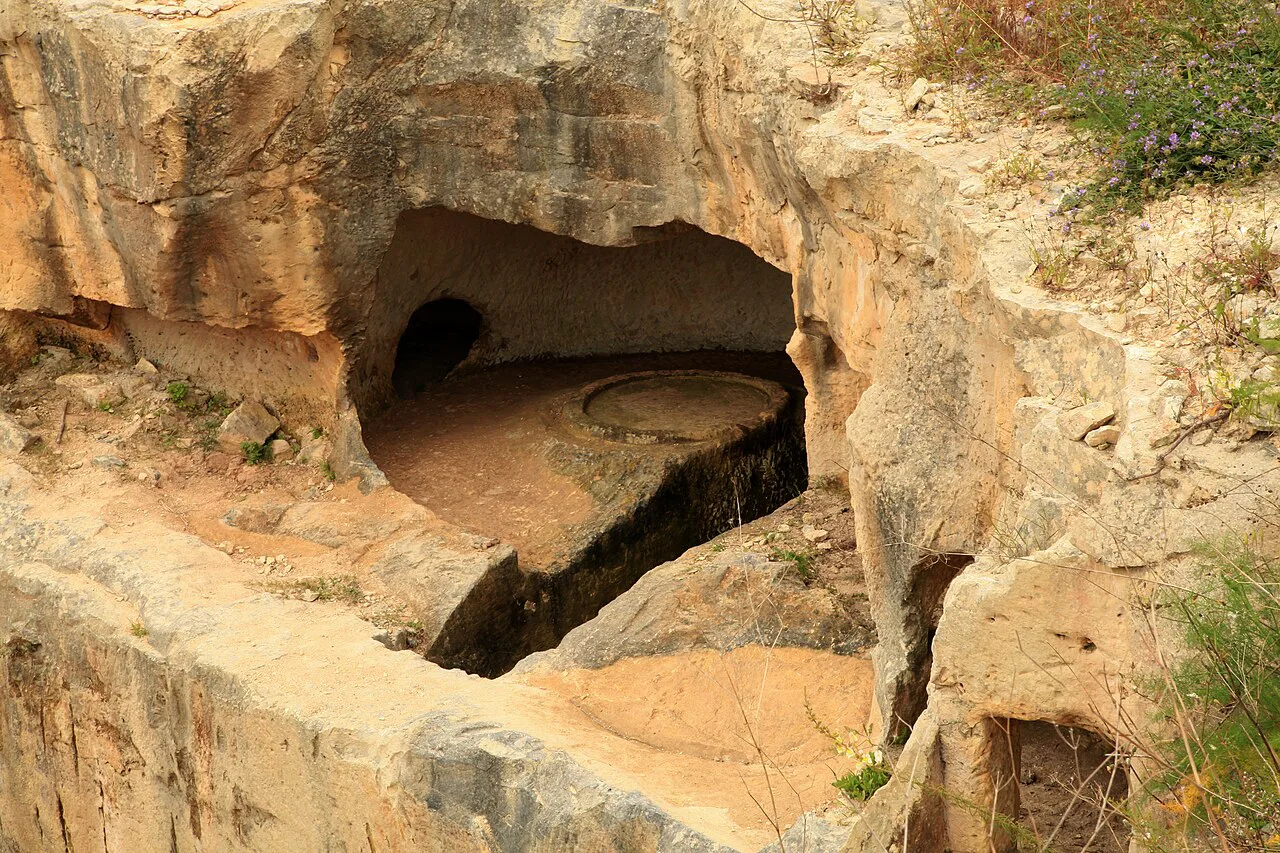
Look first for the window tomb, a design common in Maltese catacombs but here left undecorated. Then find the cubiculum with arcosolia: a burial room with arched niches cut into the walls to hold the dead. These two features carry most of the architectural interest, and knowing the names helps you pick them out in low light.
The complex also has a triclinium, a dining area used for commemorative meals near the graves, and a double headrest carved with bottle holders. The triclinium places the catacombs in a wider ritual landscape rather than a simple cemetery. The headrest detail is easy to walk past, so slow down in the side chambers.
Children's tombs are absent from the complex, which raises questions about local burial custom rather than offering a neat answer. One reading is that children were buried with their parents. Keep that in mind as you move between rooms, because the uniformity of the graves is itself the story here.
Why the layout is hard to read
Quarrying along the ridge has reshaped the complex, and it is not clear whether the tombs were cut into a pre-existing quarry or dug along the ridge itself. That is why the plan feels muddled on the ground. Go expecting to read individual features rather than a tidy sequence of rooms.
Later use added to the confusion. A farmhouse was built above the catacombs, the chambers kept animals, and they served as shelters during the Second World War. A triclinium was removed at some stage and replaced with a basin. Each of these changes overwrote part of the original burial layout.
How long a visit takes
A travel blog suggests allowing around 30 minutes underground. The complex is compact enough that an hour would feel padded, and there is no long interpretive trail to work through. That makes Ta' Bistra an easy add-on to a morning in Mosta rather than a half-day in its own right.
The same blog notes an adjacent garden with a playground for children, which usefully extends the stop without adding to the history. If you are travelling with younger children who will not linger over tomb niches, the garden is the reason the trip still works. Budget the saved time for a proper look at the rest of Mosta.
Access and photography
A travel blog describes the site as wheelchair-friendly, with visitors able to go inside some of the chambers rather than only peering in from the road, and photography allowed. Those are the writer's observations rather than a published access statement from Heritage Malta, so treat smooth level access as likely rather than confirmed. The rock is uneven in places: bring a torch or use your phone light to pick out the niches, and wear shoes with grip.
Pairing it with the rest of Mosta
Ta' Bistra pairs naturally with the town's main landmark, the Mosta Rotunda, whose dome dominates the skyline and whose wartime story draws steady crowds. If you want the fuller picture of what else is in town before you commit a day, work through our Mosta Attractions: 5 Visitor Guides and pick the stops that fit the hours you have.
For a change of register after rock-cut tombs, Palazzo Parisio is a short drive away and offers painted interiors and formal gardens rather than burial chambers. It suits the same half-day, though its own opening pattern needs checking separately.
Is Ta' Bistra worth planning around?
Yes, if you can confirm the site is open on your dates and you want an unhurried half hour with early Christian burial architecture away from the Rabat crowds. The ticket is modest, the site is compact, and the named features give you something concrete to look for underground. Skip it if your trip cannot bend to a limited opening pattern, because no amount of enthusiasm gets you past a locked gate.
Explore more Mosta guides
Frequently Asked Questions
Are there catacombs in Malta other than Ta' Bistra?
Yes. Ta' Bistra is one of several rock-cut burial sites on the islands, and the better-known group sits at Rabat, which a travel blog treats as the larger complex. If you cannot make the Ta' Bistra opening, look at the Rabat catacombs instead and check their hours before travelling.
Can you go inside the chambers at Ta' Bistra?
A travel blog reports that visitors can enter some of the ancient chambers rather than viewing them from outside, and that photography is permitted. The same writer describes access as wheelchair-friendly, though the rock floors are uneven in places. These are the writer's observations rather than a published access statement, so ask on arrival which rooms are open.
Do you need to book ahead for Ta' Bistra Catacombs?
The published accounts describe open visiting rather than timed entry, and one blog also mentions private tours for a more in-depth visit. If you want a guided tour, arrange it in advance rather than turning up hoping one is running. For standard entry, confirm the date and hours before you travel, because the published schedules differ and the opening pattern is the main thing that can derail a plan.