Things to Do in Sliema: Promenade, Ferry, Old Streets and The Point
Things to do in Sliema, from the 2km promenade to the ferry across Marsamxett Harbour, the old inner streets and The Point shopping mall at Tigné Point.
On this page
The things to do in Sliema come down to three: walk the promenade, cross to Valletta by ferry, and explore the streets behind the seafront. The town runs along Malta's northeast coast directly opposite Valletta, and its 3.5km rocky coastline is split between the busy harbour-facing waterfront and a quieter open-sea side. This guide takes each in turn and ends with a half-day plan and the honest trade-offs of using Sliema as a base.
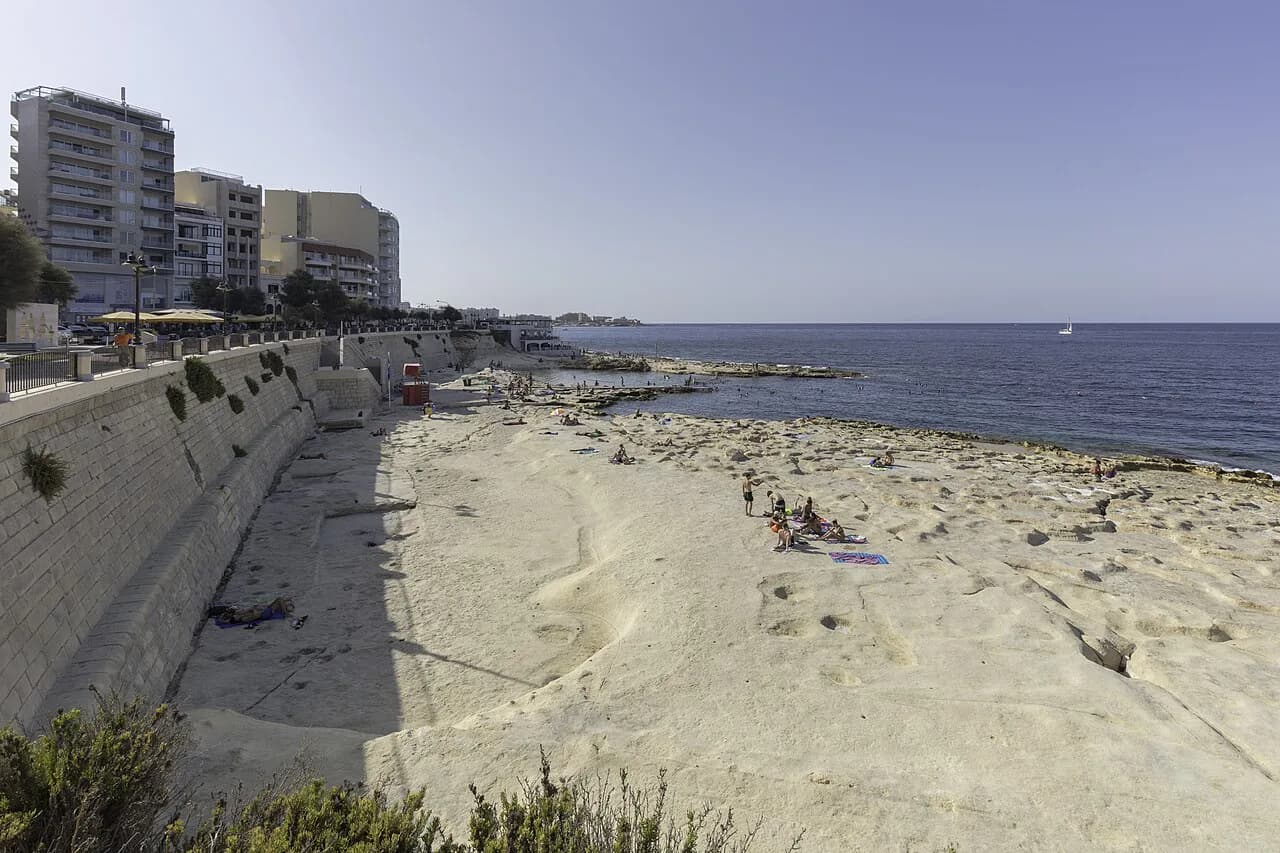
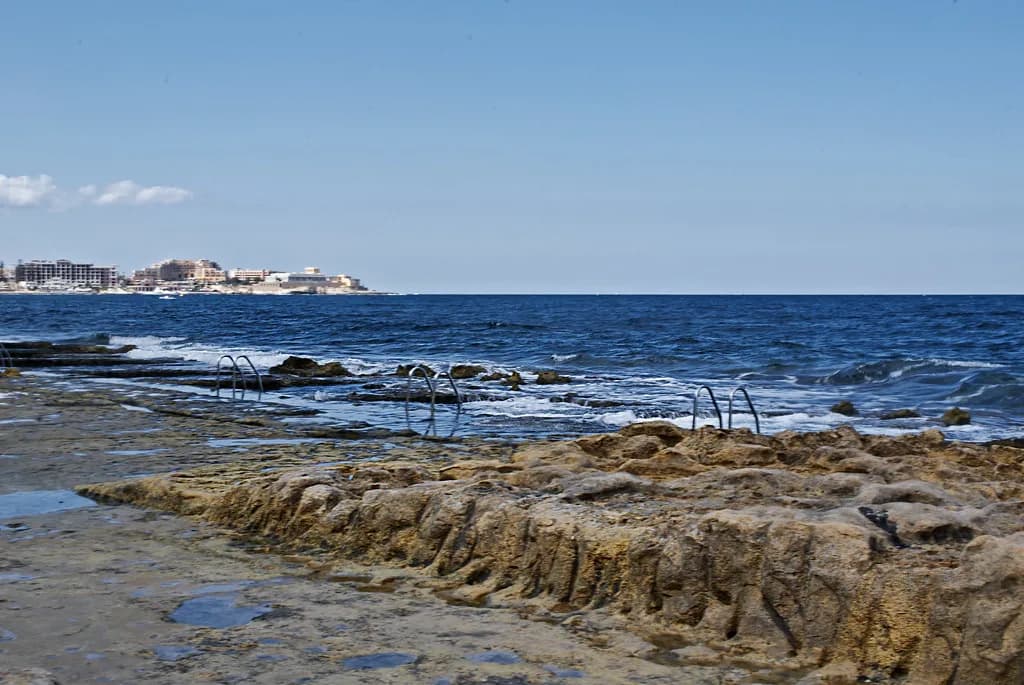
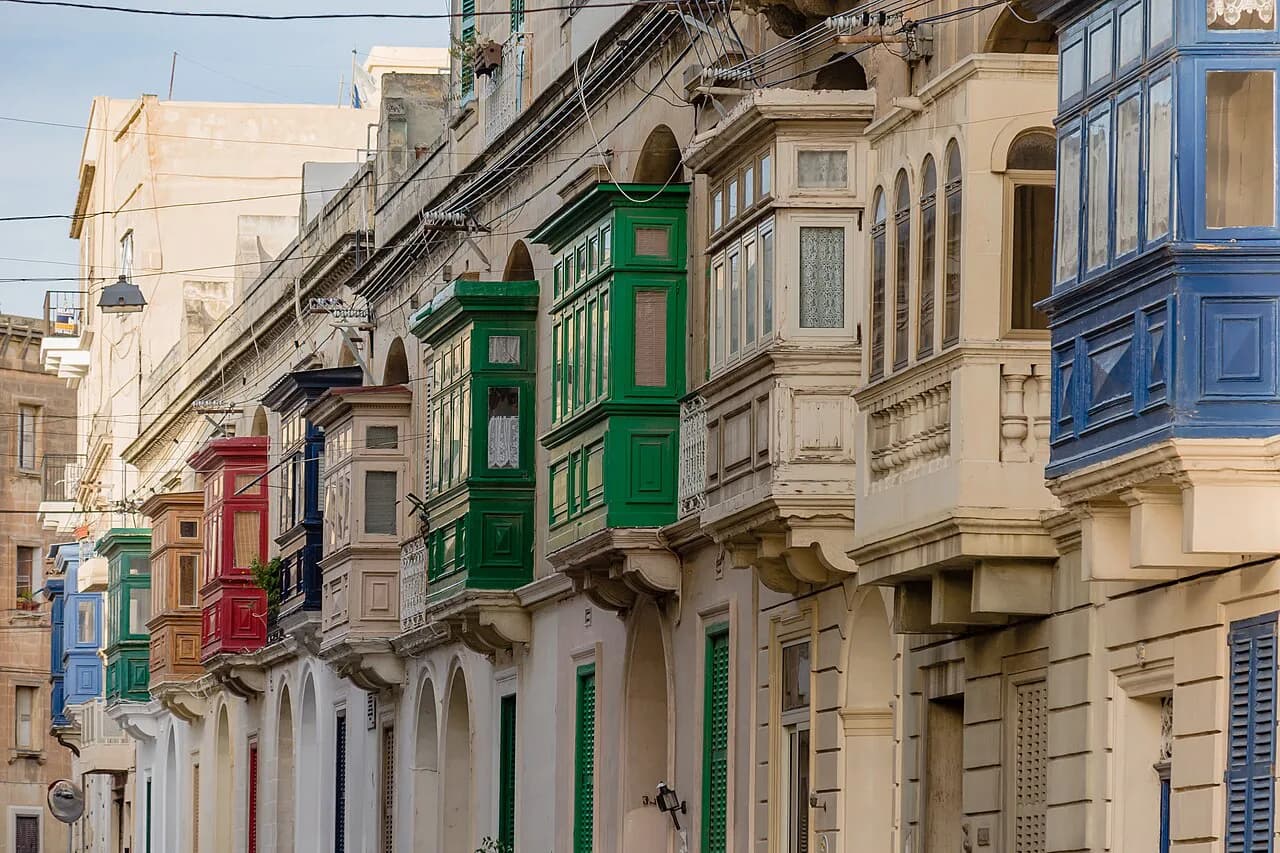
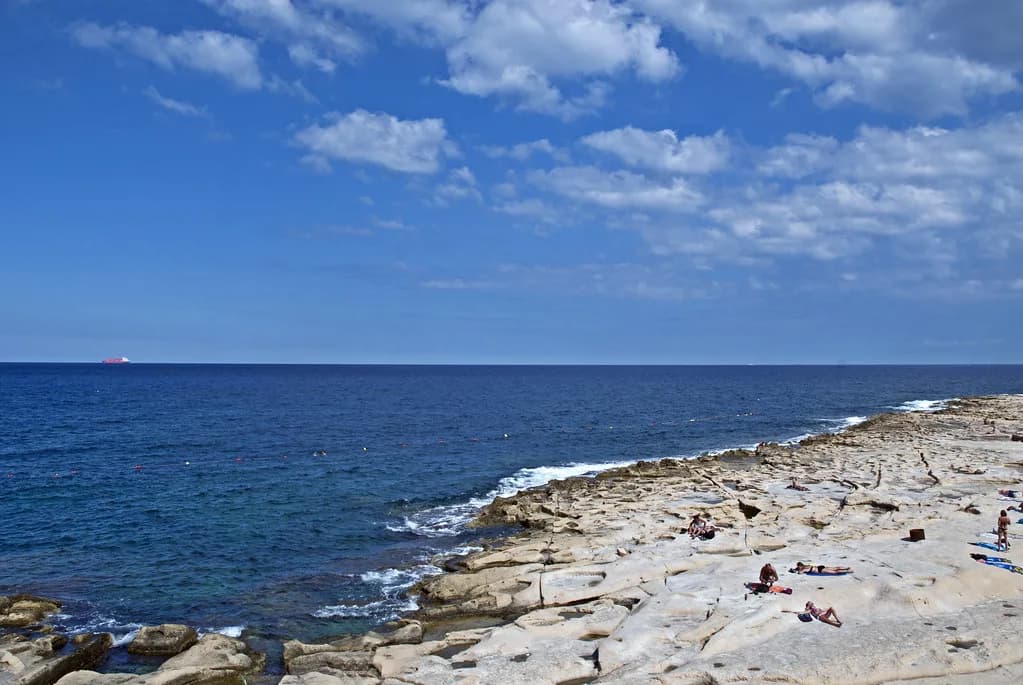
It helps to know which Sliema you are walking through. The side facing Valletta holds the ferry terminal, the big hotels, two shopping malls and most of the tourist activity, while the open-sea side is where locals go to swim off metal ladders set into the rocks. One or two streets inland, the character changes again to traditional townhouses with painted doors and ornate wooden balconies.
What Sliema is like: two waterfronts and a commercial core
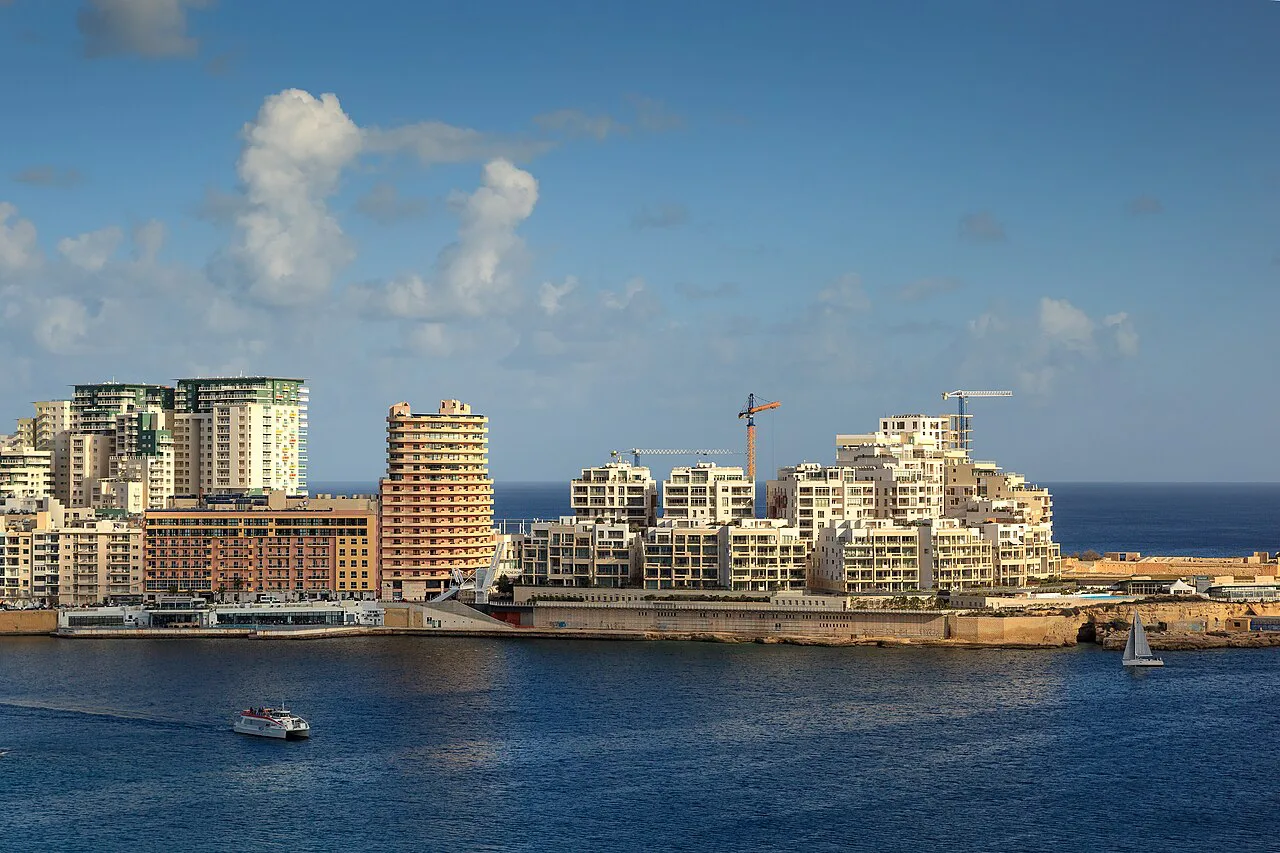
Sliema works as a compact town rather than a resort strip. The harbour-facing waterfront gives the view of Valletta's skyline across the water, especially in the evening, while the open-sea promenade is quieter and less commercial. Between them sits the town centre, where the designer shops, restaurants and cafés are concentrated.
The town is one of the more expensive in Malta, which matters if you are budgeting across a longer stay. It is also very international, with most of Malta's expatriate population living in Sliema, St Julian's and Gżira, so the atmosphere is different from inland villages. That mix of money, bustle and harbour views is exactly what you are choosing when you spend a day here.
Walk the Sliema promenade from Qui-Si-Sana to St Julian's
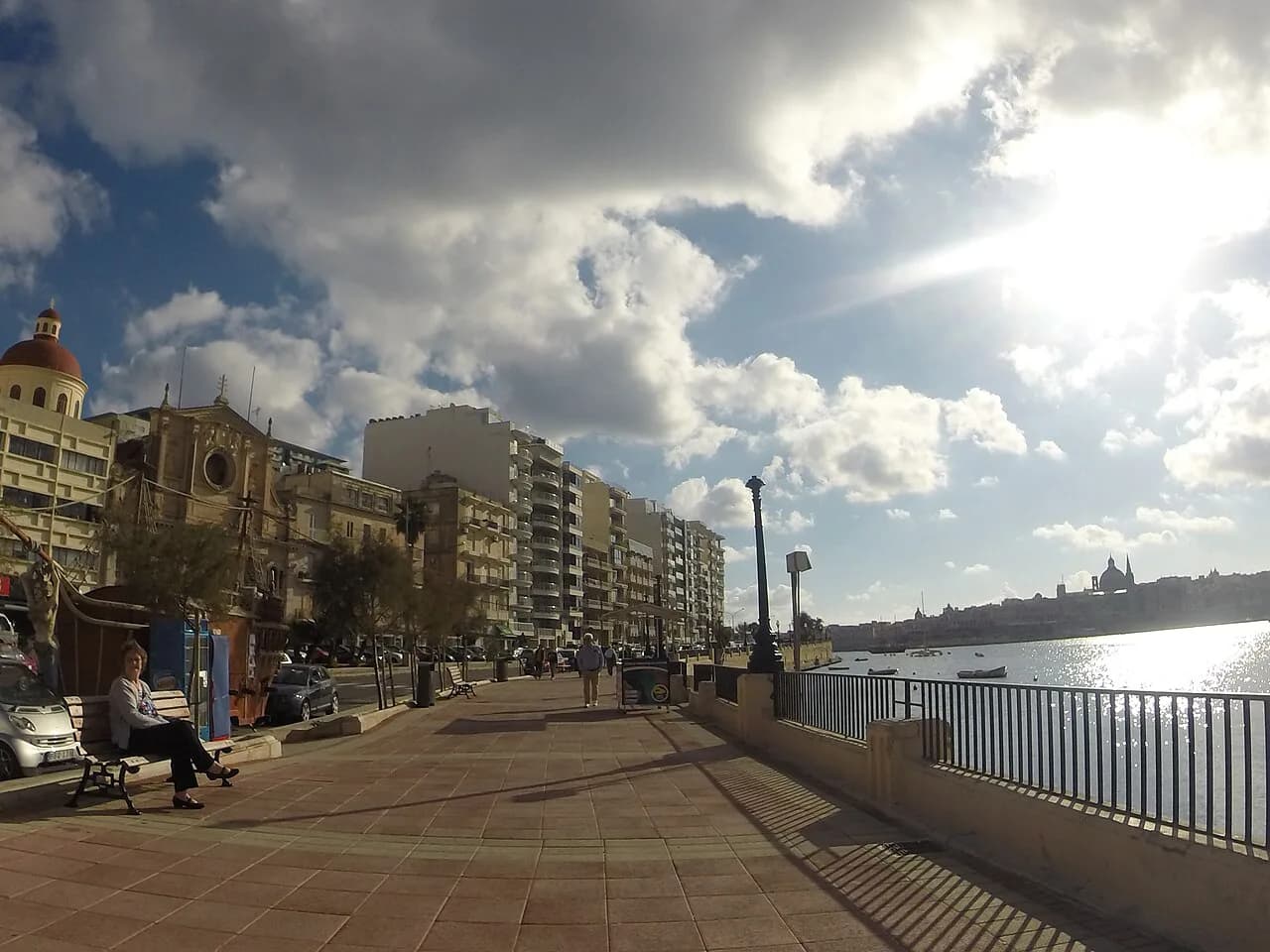
The promenade is the reason to be in Sliema, and it is easy to measure: a 2km seaside walk that starts at the tip of Qui-Si-Sana and ends in St Julian's. You can walk or run the stretch to Spinola Bay in around 20 minutes, and because it connects with Gżira and St Julian's you can build runs of up to 10km without leaving the waterfront. Benches line the whole route. For more on the seafront route, see our Sliema Promenade guide.
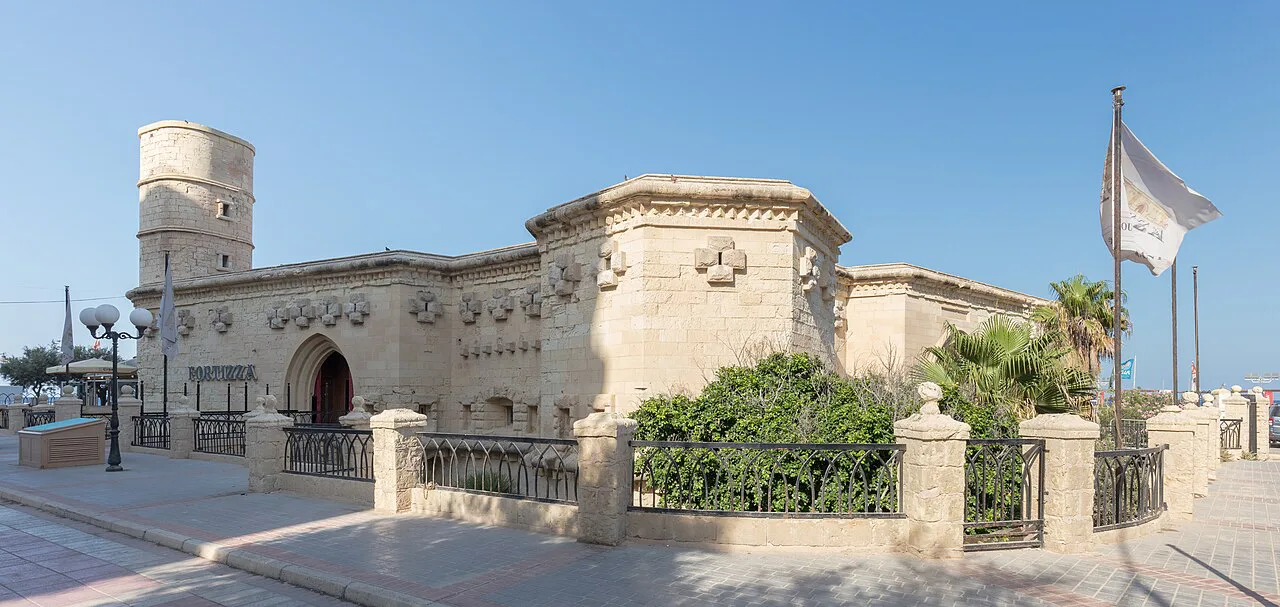
Go early. Before 8am the promenade belongs to swimmers, runners and people drinking coffee while watching the sea, and it fills quickly once the day gets going. Start at Balluta and walk south, and you pass the neo-gothic Carmelite church at Balluta, a cluster of Art-Deco terraced townhouses, a 17th-century De Redin coastal watchtower and Il-Fortizza, a British military installation now used as a restaurant.
Take the Sliema ferry to Valletta
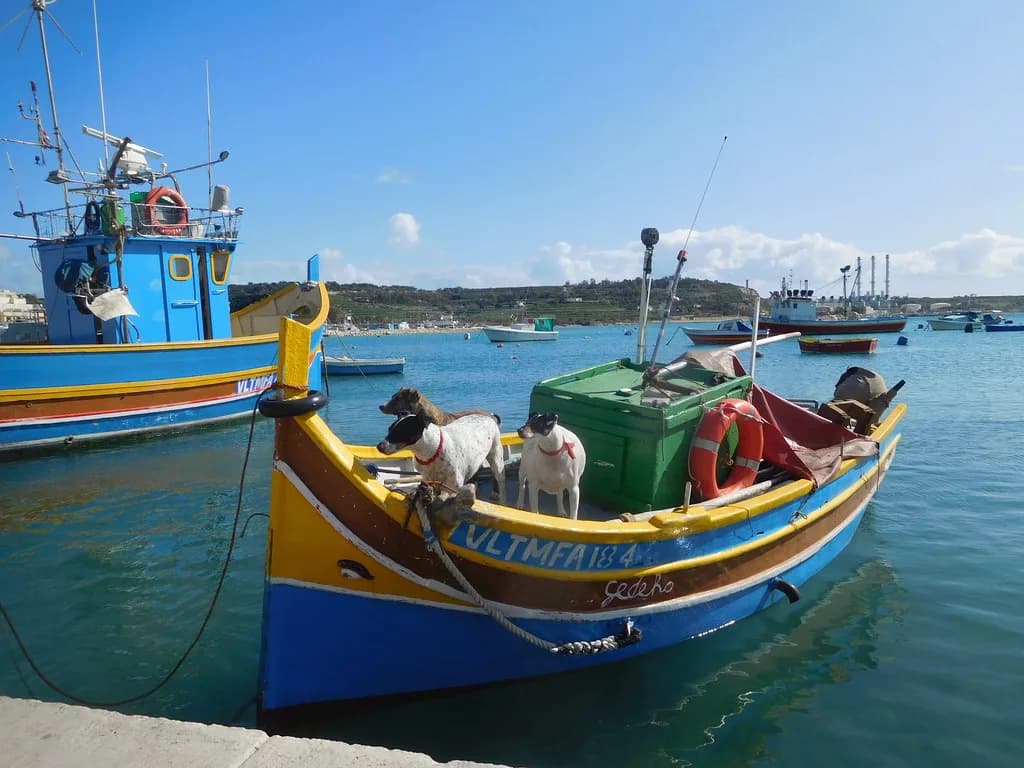
The ferry to Valletta takes 15 minutes and leaves from the Sliema Ferries waterfront. Sit on the top deck if you can: the crossing gives you the full Valletta skyline head-on, with limestone fortifications and church domes above Marsamxett Harbour, plus Manoel Island and the Valletta bastions along the way. It is worth taking as a sight in its own right, not just as transport.
The ferry also beats the road at busy times. Rush-hour traffic builds as people head into Sliema for work, and construction traffic around Msida can make the bus slow, so the crossing is the more reliable way to move between the two towns. Check Valletta Ferry Services for current timetables and fares before you set out, since neither is fixed for the long term.
Explore the village core and its British-named streets
Away from the water, Sliema's older core still carries the names of the British period: Norfolk Street, Prince of Wales Road, Windsor Terrace, Graham Street, Milner Street and Fort Cambridge. Meander here and you come across restored townhouses, neighbourhood cafés and local bars with picture-worthy corners. The contrast with the seafront is the point of the walk.
Among the landmarks of the inner town is the Parish Church of Sacro Cuor. For coffee, head for Triq Manwel Dimech in the inner streets rather than the seafront, where the café culture is aimed squarely at visitors. This is also where you will find the better-value places to eat, though you will want to compare menus before committing.
Shop at The Point and the town centre
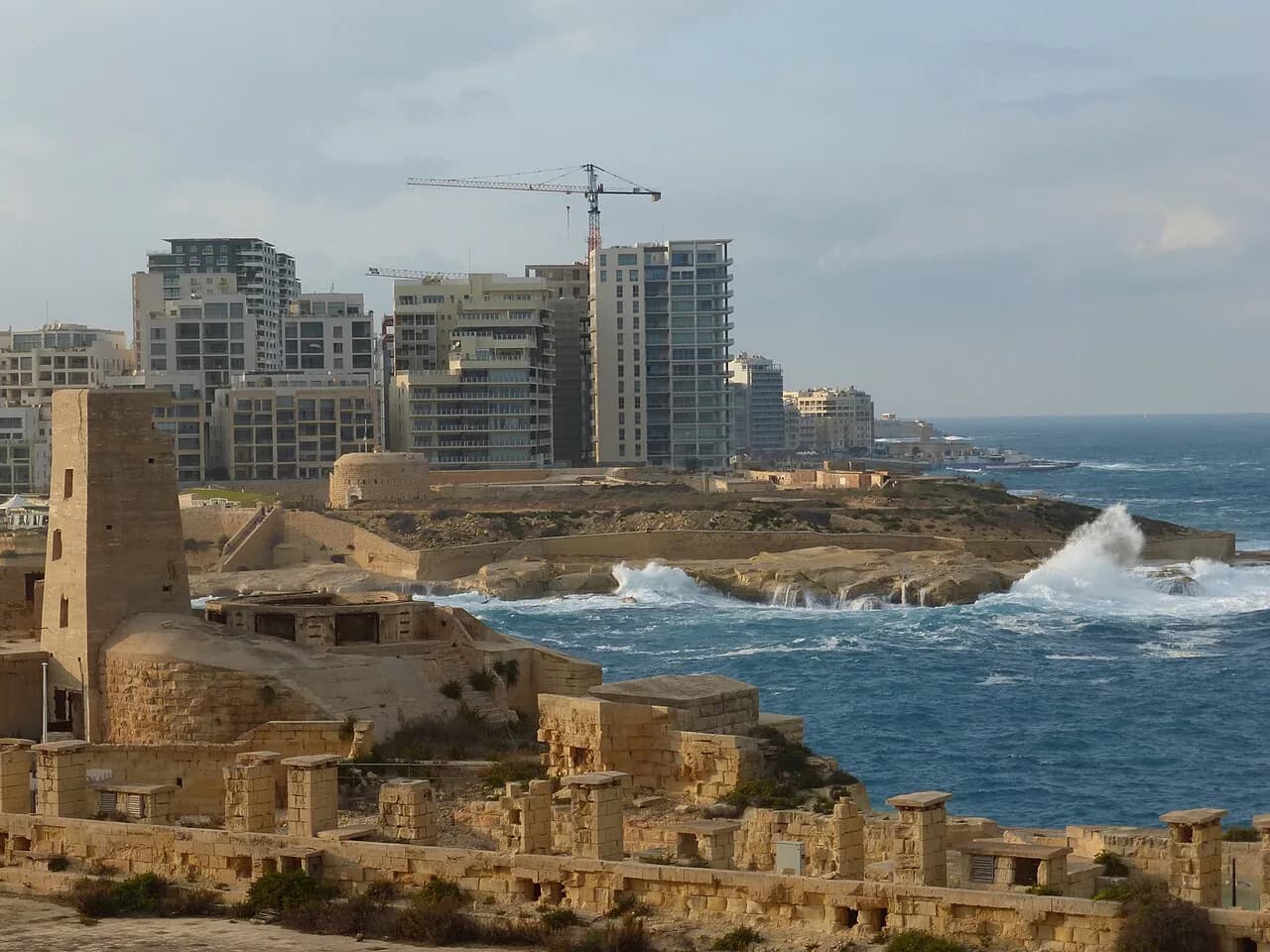
Sliema is where Malta's leading designer outlets and brands concentrate, both in the town centre and at The Point, the island's largest shopping mall. The Point sits within the grounds of the former British military base at Tigne Barracks, and Tigne Point today mixes apartments, shops, restaurants and offices. A pedestrian bridge decorated with love padlocks leads to it, and from the bridge you can reach the sea underneath and look back at Valletta.
Treat the mall as a wet-weather or late-afternoon stop rather than the main event. Opening hours and shop units change, so check the mall's own site on the day. If shopping is your priority, our guide to shopping in Sliema sets out the town-centre streets alongside The Point.
Which side of Sliema to walk, and where to start
Choose your side by what you want from the walk. The Valletta-facing waterfront gives the skyline view and puts you near the ferry, the restaurants and the malls; the open-sea side towards Exiles gives you the quieter promenade, the rocky shore and the swimming ladders. The harbour water near the ferry terminal is not the place to swim.
If you only have an afternoon, start at Balluta, walk south along the open-sea promenade towards Qui-Si-Sana, cut inland through the village core, then finish at the ferry terminal or The Point. That order keeps the sun behind you for much of the walk and leaves you at the harbour for the crossing back.
A half-day plan: promenade, ferry and old streets
Allow roughly half a day for the essentials. Walk the promenade early, spend 45 minutes or so in the inner streets around Triq Manwel Dimech, then take the 15-minute ferry across to Valletta and return in the afternoon. Add The Point if the weather turns, and keep the promenade for sunset if you are staying nearby.
From the Sliema end, the ferry drops you at the edge of Valletta, where St John's Co-Cathedral and the grid of streets inside the bastions are within walking distance of the waterfront. Build the day around one crossing rather than two return trips, and you will have time for both towns without rushing.
Getting to Sliema and getting around
Sliema sits directly opposite Valletta on the northeast coast, about 12km from the airport, which is 25 to 35 minutes by taxi. From St Julian's it is a 20-minute walk along the promenade. Once you are in town, most of what is described here is walkable, with the ferry as the fast link across the harbour.
The bus is the other option, but the roads into Sliema clog at rush hour and construction around Msida can stretch journey times. Build in slack if you are connecting to a flight or a timed entry elsewhere, and use the harbour crossing when you can.
Is Sliema worth visiting as a base?
Sliema is worth a day for the promenade and the ferry crossing alone, and it works well as a base if you want restaurants, shops and harbour views on your doorstep. The trade-offs are real: it is one of Malta's pricier towns, it is busy, and the seafront side is commercial rather than characterful. If you want quiet streets and lower costs, the inner villages will suit you better.
The harbour view does much of the persuading. If that skyline from the water is the reason you came to Malta, base yourself here and take the ferry often; if you would rather spend your days inland among temples and villages, visit Sliema as a half-day trip.
Should you give Sliema a full day or half of one?
Give Sliema half a day if you are combining it with Valletta, and a full day if you plan to swim, shop and eat along the way. The sequence that works is promenade first thing, inner streets around Triq Manwel Dimech before the heat builds, then the ferry across Marsamxett Harbour in the afternoon.
If you have time for a second island day, Gozo is a straightforward next step, with the Citadel at Victoria and the Ġgantija temples among the stops worth planning around. Our guide to things to do in Gozo covers how to shape that day.
Explore more Sliema guides
Frequently Asked Questions
How long does the Sliema ferry to Valletta take?
The crossing takes 15 minutes and leaves from the Sliema Ferries waterfront. Check Valletta Ferry Services for current timetables and fares.
How far is the walk from Sliema to St Julian's?
The promenade runs 2km from Qui-Si-Sana to St Julian's, and the stretch to Spinola Bay takes around 20 minutes on foot. With the links to Gżira and St Julian's you can walk or run up to 10km along the seafront.
Is Sliema expensive compared with the rest of Malta?
It is one of the more expensive towns on the island, which is worth weighing if you are on a budget. The inner streets around Triq Manwel Dimech tend to be better value than the seafront.
Where can you swim in Sliema?
The open-sea side, towards and past Exiles, is where locals swim, with metal ladders set into the rocks along the promenade. Avoid the harbour water near the ferry terminal.
Sources
Notes for your Malta trip
Optional updates when we add or correct a Malta or Gozo guide.
You might also like
Continue reading
More guides you'll find useful