Things to Do in Mdina: Gates, Palaces, Museums and Bastion Views
Plan your things to do in Mdina: walk through the Mdina Gate, see St Paul's Cathedral and the dungeons, then catch the bastion views at sunset.
On this page
Allow half a day for the main things to do in Mdina, or most of a day if you add Rabat next door, because the walled city itself is small enough to cross on foot. The sights cluster within a few minutes of each other: the Mdina Gate, St Paul's Cathedral and its museum, two small museums, and the bastion edge with its views. This guide groups them by where they sit, separates the free stops from the ticketed ones, suggests when to walk to avoid the midday tour groups, and the Mdina Map shows how the lanes connect.
Nearly everything worth seeing sits inside the walls, so you will not need transport between sights. The trade-off is that touring coaches arrive around the middle of the day, while mornings and the hour before sunset are calmest. Getting the timing right matters more here than covering a long checklist.
Mdina in a moment: a small walled city you cross on foot
Mdina is a compact walled city entered on foot, and the historic core is small enough to walk end to end without hurrying. Its streets are narrow, honey-coloured and largely traffic-free, which is why the city works so well as a slow half-day rather than a rushed stop.
The layout is simple: the gate brings you in, the cathedral and its square sit near the centre, the museums are tucked into the lanes around it, and the bastions form the open western edge. Sketching that shape before you arrive saves backtracking, and the Mdina Old City is easy to read once you are through the gate.
For the deeper story behind the palaces and churches, read up on Mdina history before you go, since the streets themselves carry little signage in English. A little background turns the lanes and facades into more than a photogenic backdrop.
How long Mdina needs: a half day, or most of a day with Rabat
Mdina works best as a half-day trip, and travellers who like to explore slowly can stretch it to most of a day. Plan the core circuit of gate, cathedral, museum and bastions in two to three hours, then add time for the lanes and a drink.
Budget roughly 30 minutes inside St Paul's Cathedral and about 45 minutes at the National Museum of Natural History, with 15 to 20 minutes on the bastion and 30 to 40 minutes in the dungeons. Those figures add up quickly, so choose your ticketed sights rather than trying to do every one.
Rabat sits directly outside the walls and pairs naturally with Mdina for a full day. If you are spending longer in Malta, our guide to things to do in Malta shows how the walled city fits alongside Valletta and the harbour towns.
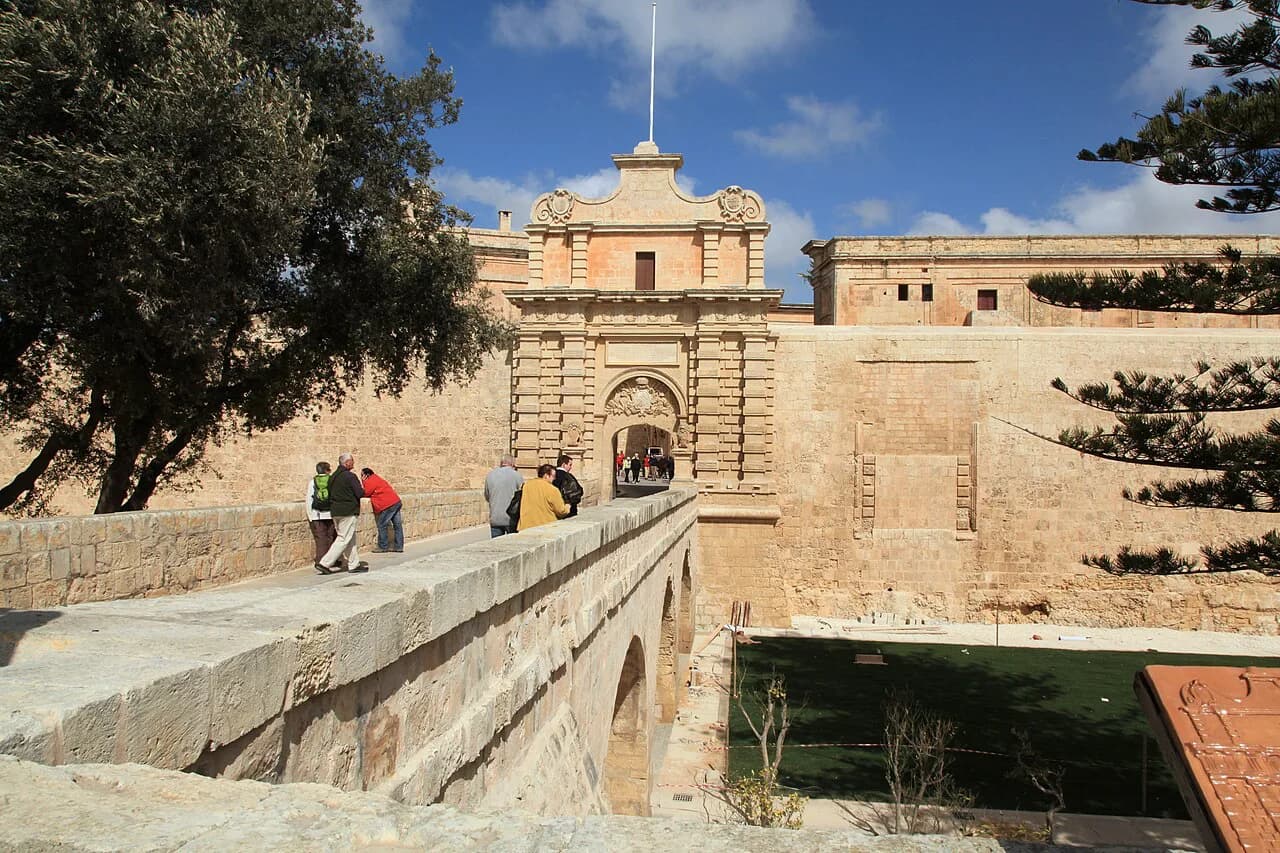
Entering through the Mdina Gate and what the approach tells you
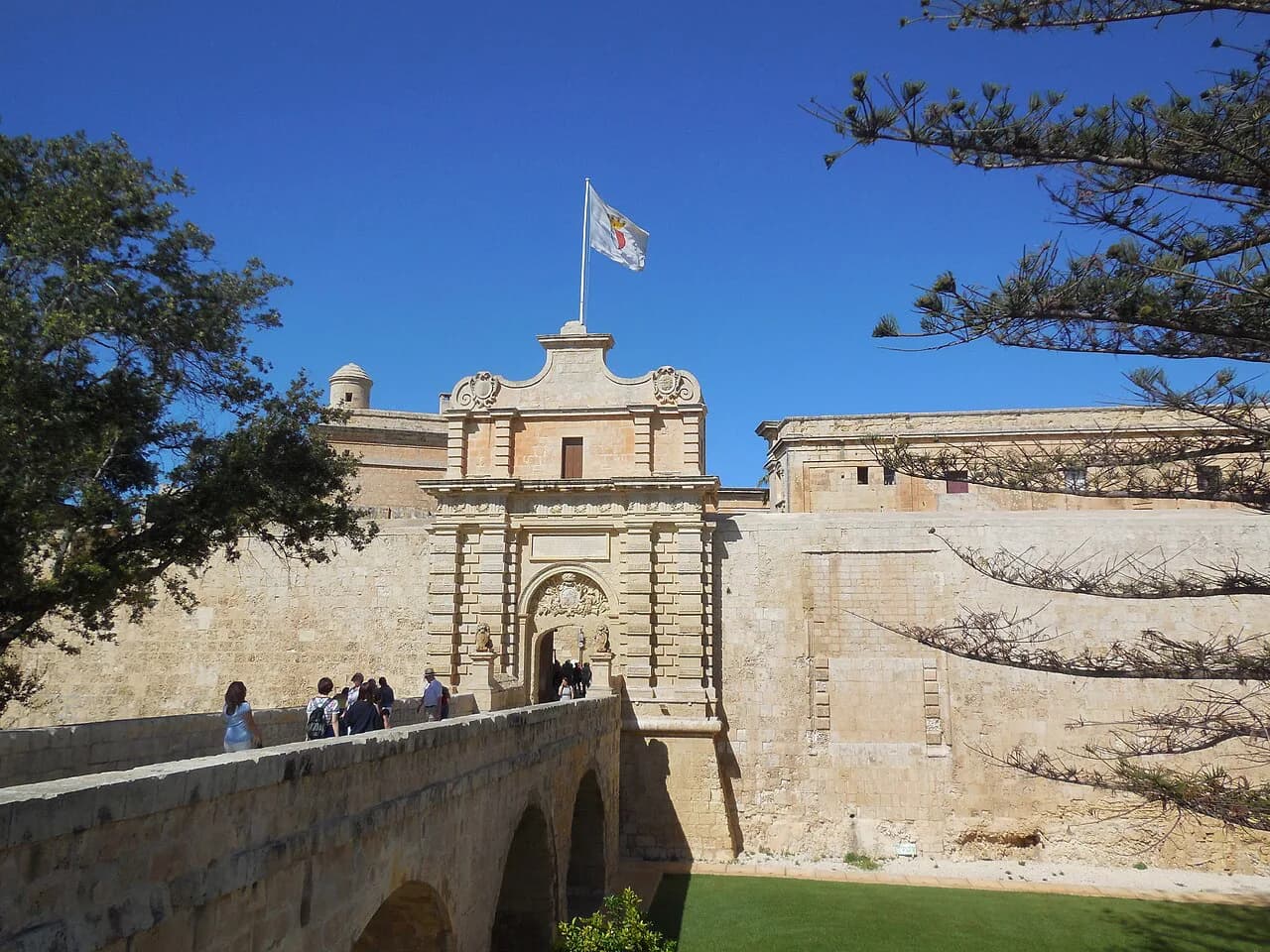
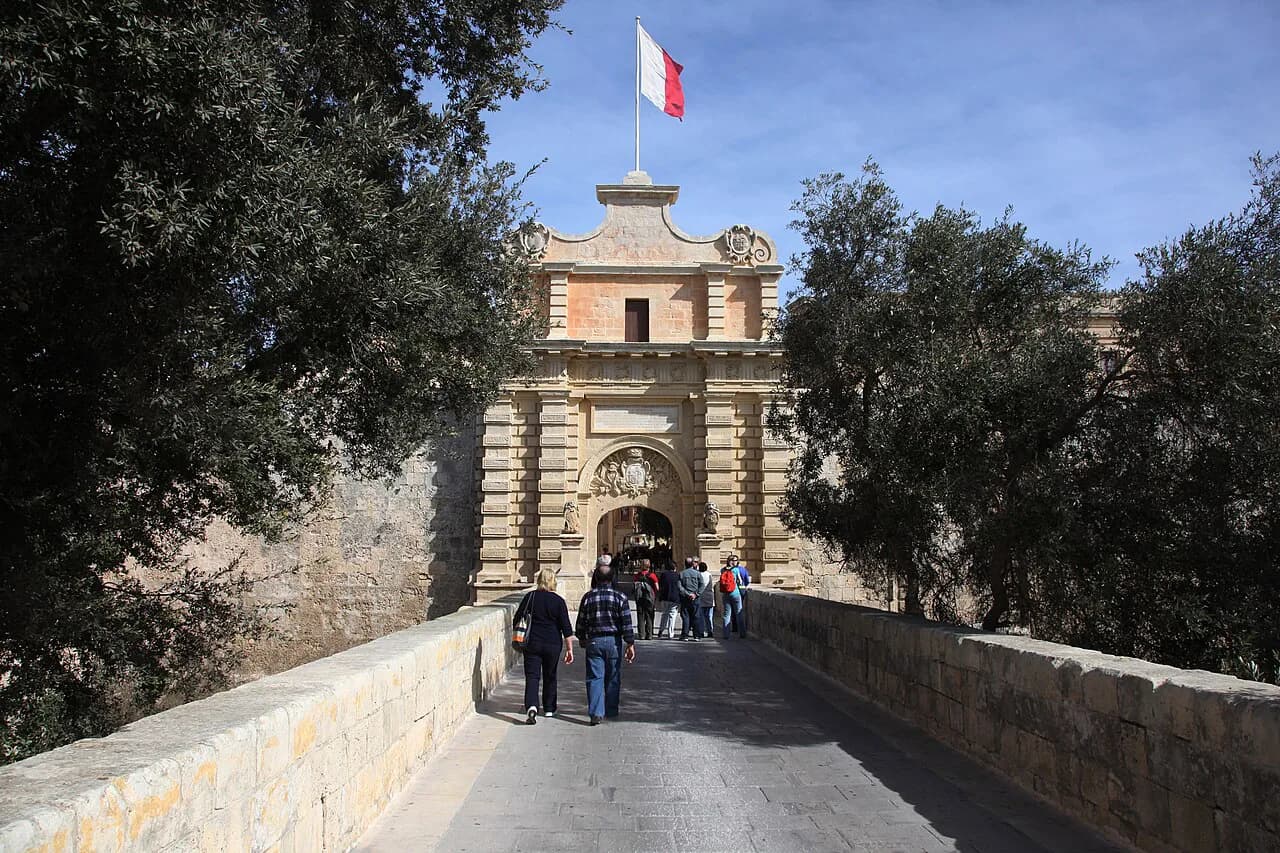
The Mdina Gate is the main entrance to the historic city, free to pass and open at all hours. The approach across the bridge, with stone walls rising on either side, is more dramatic than the size of the city prepares you for, so pause for a few minutes before walking in.
Pass through the gate and you are immediately in the lanes, which makes the gate a natural starting point for a loop rather than a sight to save for the end. Our Mdina walking tour route takes in the gate and the main sights in a sensible order if you want the sequence set out for you.
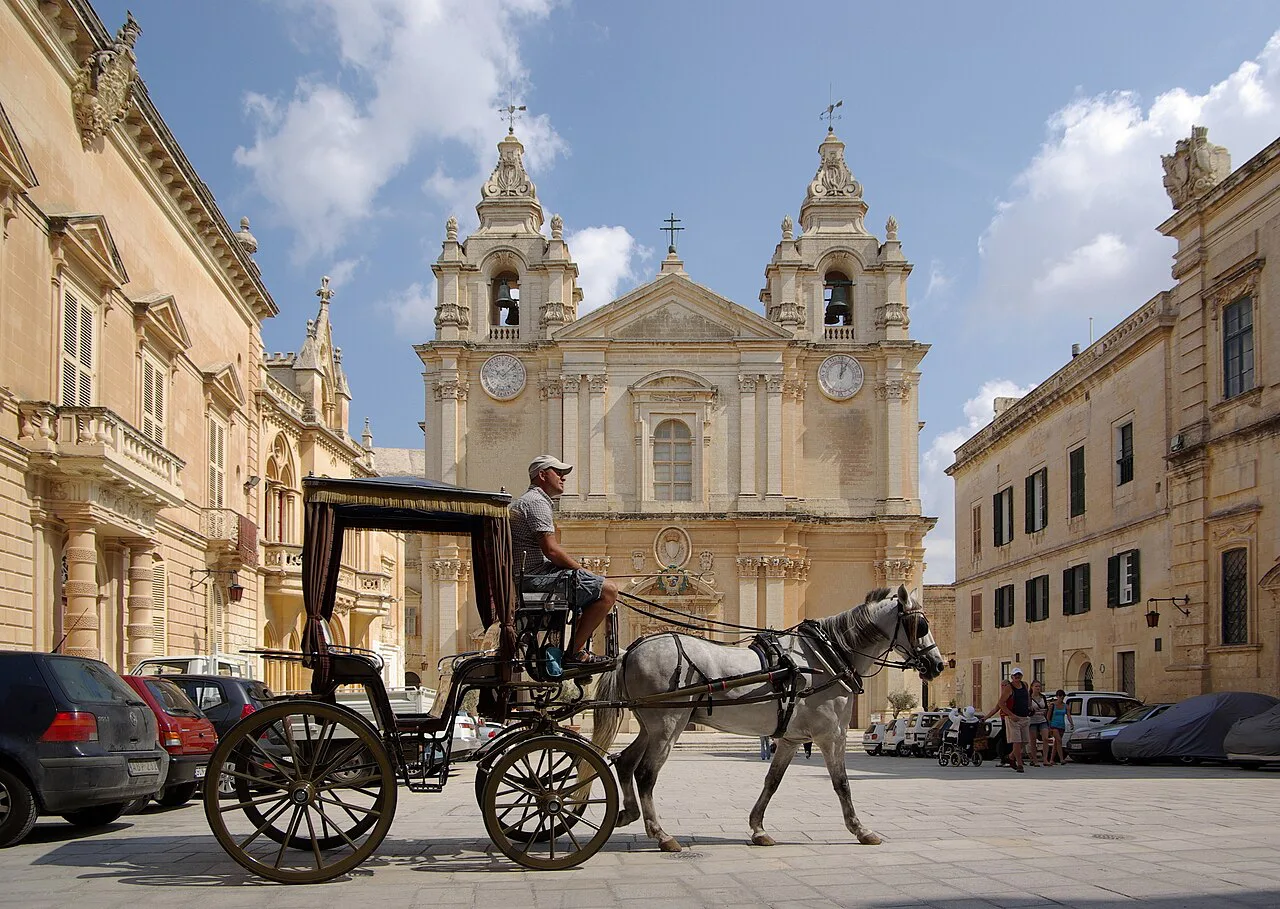
St Paul's Cathedral and its painted interior on the main square
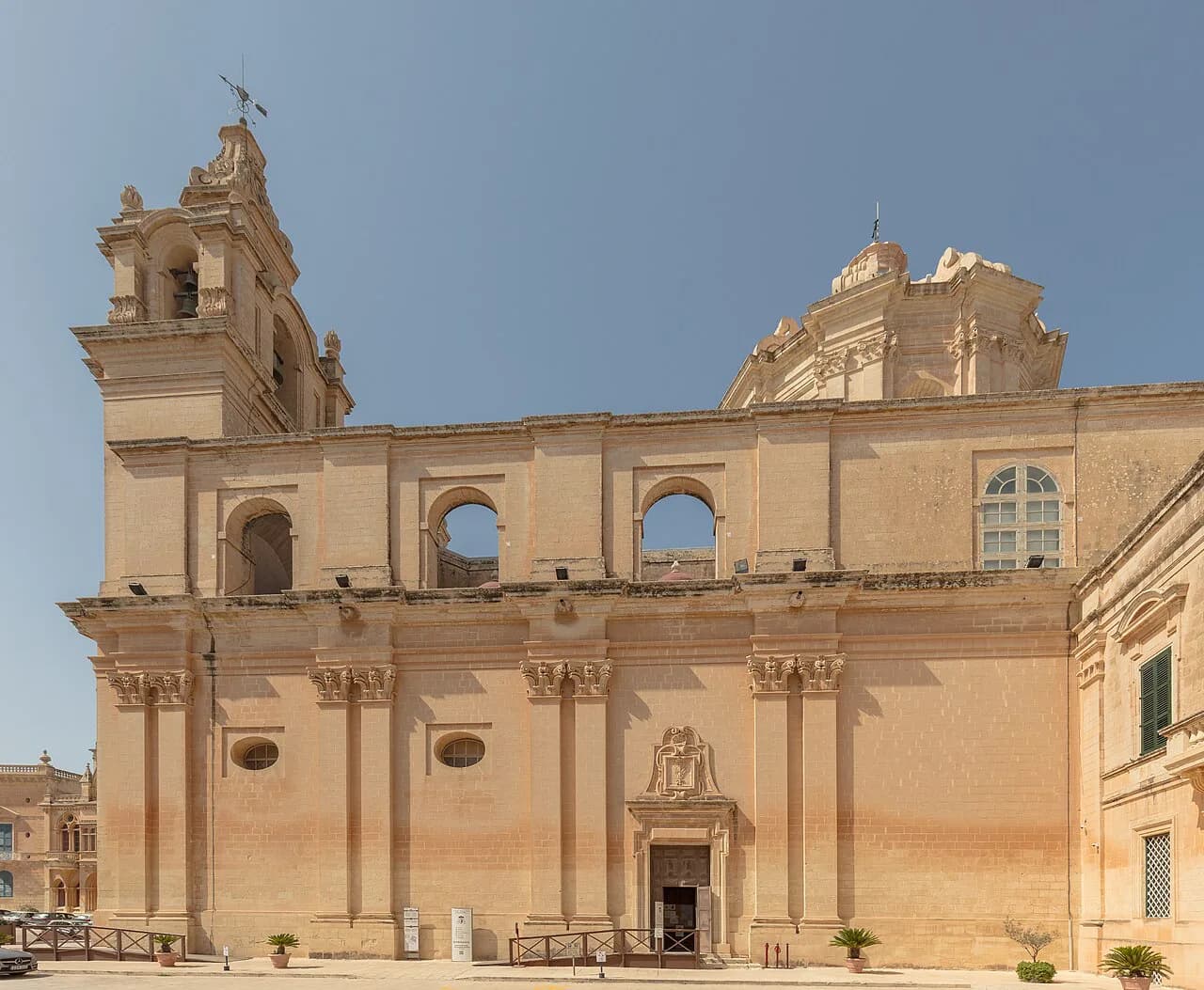
St Paul's Cathedral stands on Mdina's main square and is the city's standout landmark, with painted ceilings, marble floors and decorative detail throughout the interior. Admission is 15 euros for adults, with children under 12 free, and the cathedral is open from 9:30am to 4:30pm. Plan about 30 minutes inside, longer if you enjoy architecture and church interiors.
The exterior is worth a look even if you skip the ticket, since the square and facade sit on the main walking route through the city. If you are weighing whether St Paul's Cathedral is worth the entry price, the painted interior is the argument for going in rather than admiring from outside.
The Cathedral Museum beside the church
The Cathedral Museum sits next to the church, housed in the former seminary. It holds Italian and Maltese paintings, fine engravings and a substantial collection built around the cathedral's own holdings, which makes it the natural companion to the cathedral visit.
Treat it as an optional add-on rather than a third fixed stop. If the cathedral interior already covers your appetite for church art, the museum rewards people who want longer with paintings and engravings, and its position beside the church means no extra walk.
Mdina Dungeons Museum: what it is and who it suits
The Mdina Dungeons Museum lies beneath the streets and recreates darker episodes from Malta's past using life-size figures, sound effects and dim lighting. Admission is 6 euros for adults and 3 euros for students, and in high season it opens from 9:30am to 9:30pm. It takes around 30 to 40 minutes, which makes it an easy addition between bigger sights.
It suits travellers who enjoy unusual attractions or atmospheric history rather than classic museum displays, so skip it if you want objects in cases and labels. The cool underground space is genuinely useful at midday, when the streets outside are hot and busy.
The National Museum of Natural History inside its baroque palace
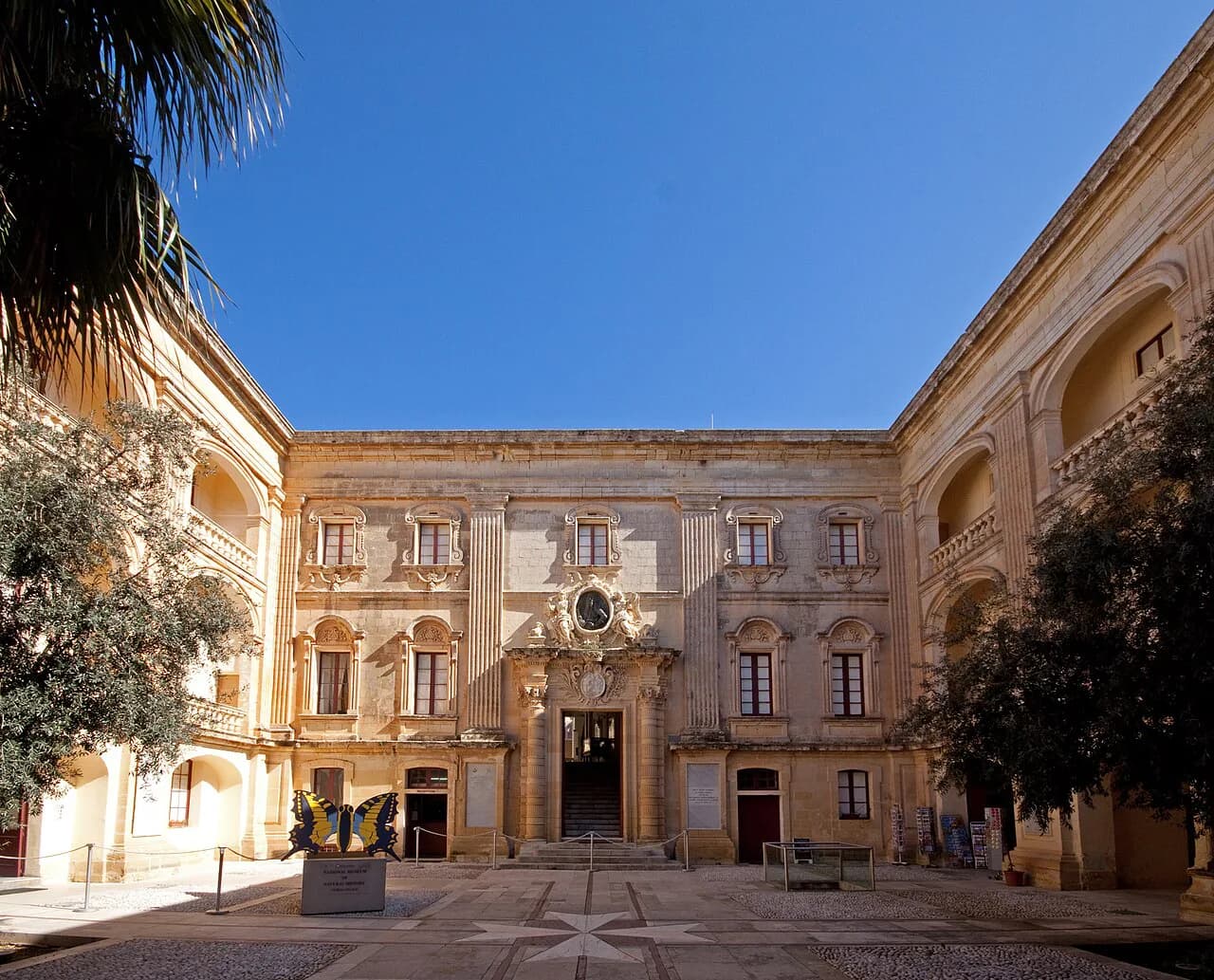
The National Museum of Natural History is housed in an elegant baroque palace and covers Malta's geology, wildlife and natural history. Tickets are 5 euros for adults and 3.50 euros for children, and it opens from 9am to 5pm. Most visitors spend around 45 minutes inside.
The building itself is one of Mdina's most impressive historic residences, so the facade justifies a pause even before you decide on a ticket. It is the better pick for a family or a hot afternoon when you want something indoors and structured rather than atmospheric.
Bastion Square and the observation deck: the city's open edge and the sunset view
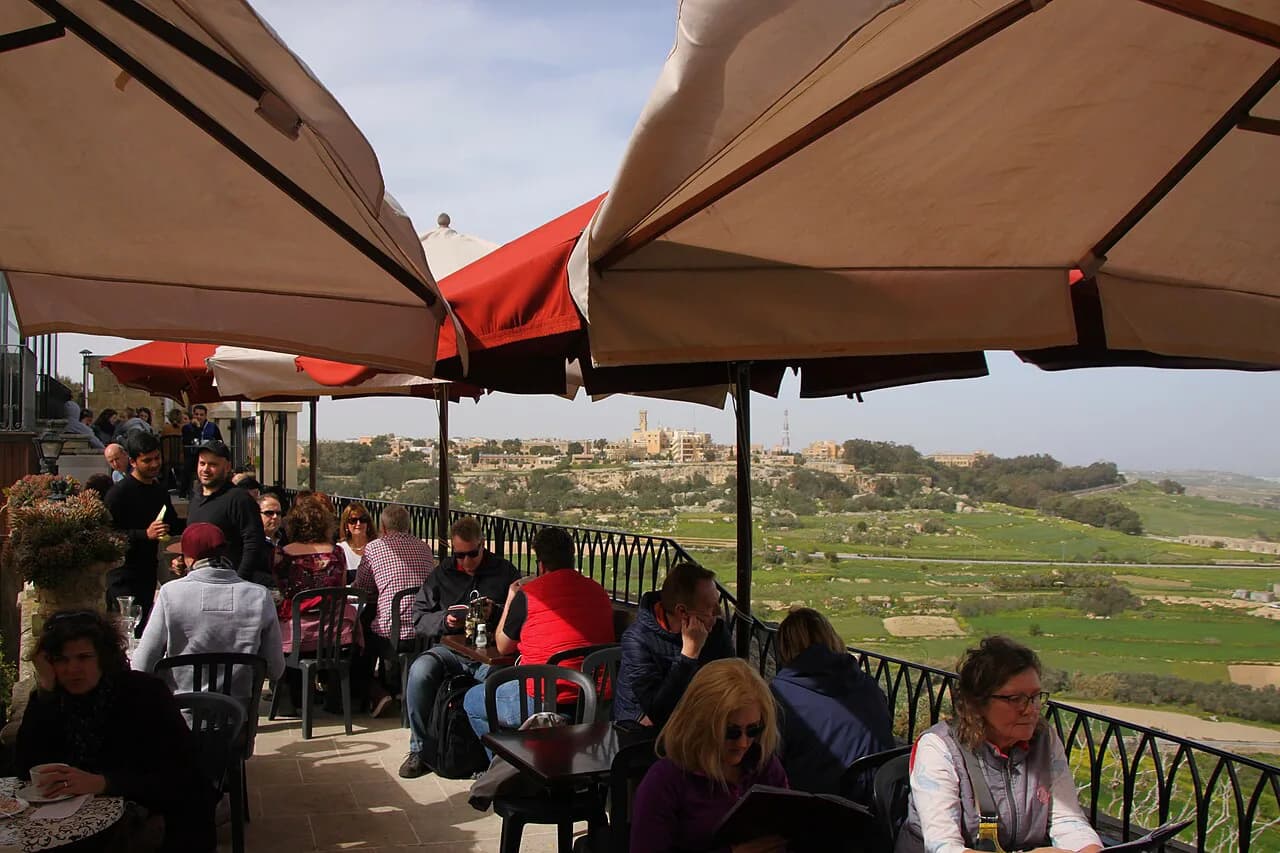
Bastion Square opens out along the city's edge, where fields, villages and distant hills layer into the horizon beyond the walls. Entrance is free and the area is accessible at all hours, so you can time it to the light. Sunset is the strongest moment, when the stone warms up and the view opens out.
After the enclosed lanes, the open sky here is a change of pace and a natural place to end a walk. Allow at least 15 to 20 minutes, though most people stay longer without noticing.
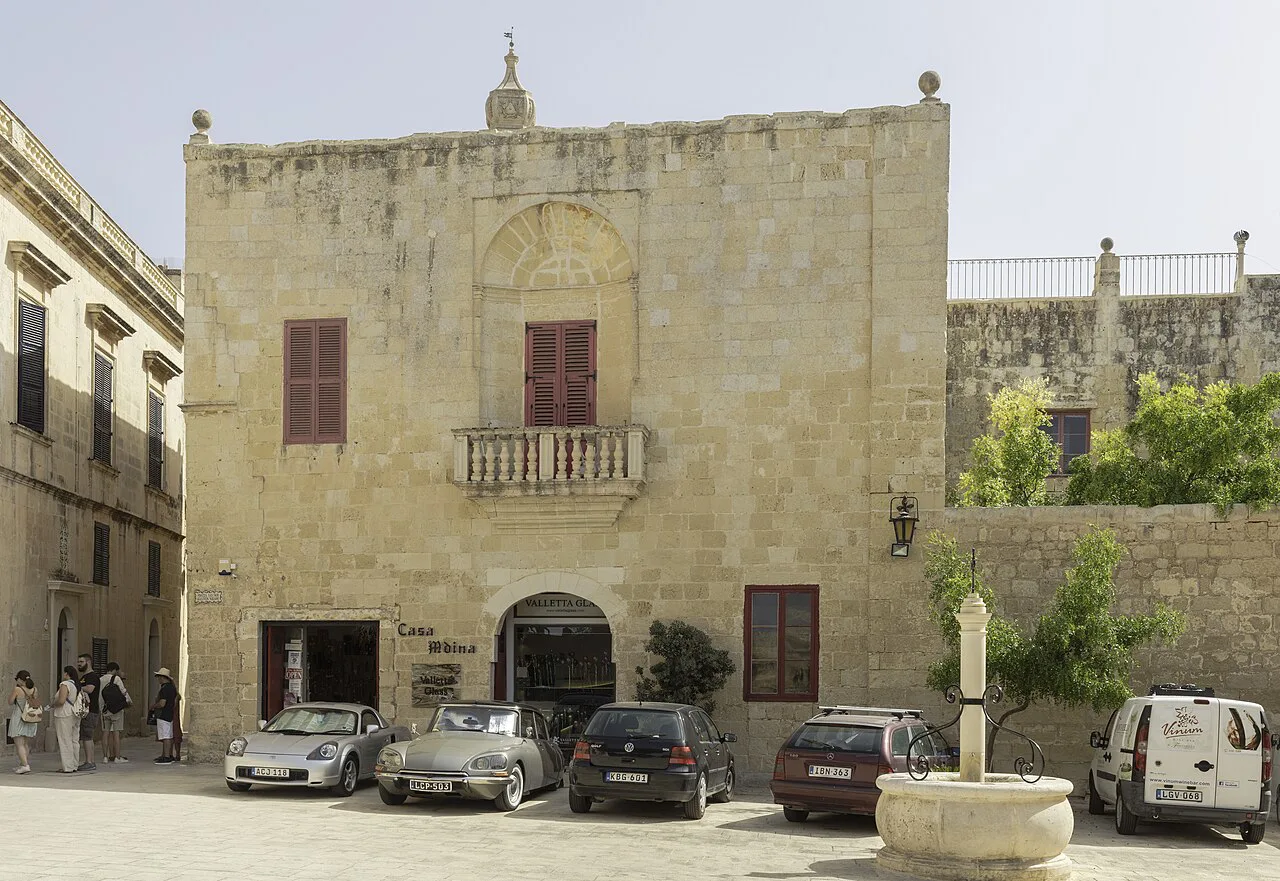
Quiet lanes, honey-coloured walls and the Blue door
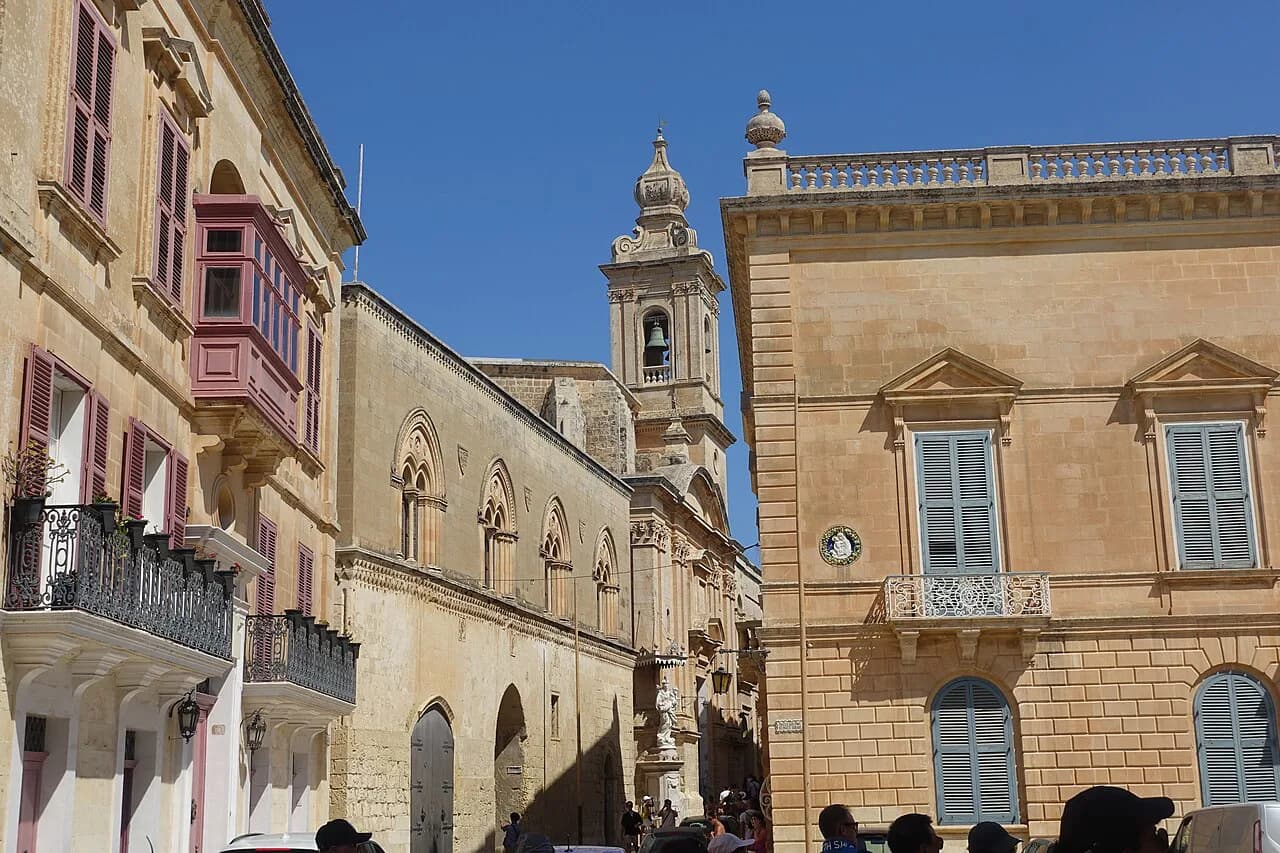
The lanes themselves are the attraction: quiet stone streets with walls in shades of honey and ochre, best wandered without a fixed route. The Blue door is one of the most photographed corners in Mdina, a bright doorway that stands out against the warm stone, and it takes only a few minutes to see.
Early morning or later in the day gives you the door and the streets with fewer people in the frame. Mornings and the approach to sunset are when the city is calmest, which is also when the lanes photograph best.
Mdina with Rabat: the free walking tour pairing the two
A free walking tour of Mdina and Rabat covers the historic city and its neighbouring town in about two hours and fifteen minutes, with 867 reviews at a score of 9.6 out of 10 on the booking platform. It is a sensible way to see both in one outing, with the option to tip at the end rather than pay a fixed ticket.
Rabat sits directly outside the walls, so pairing the two means no extra journey. Book ahead if you want a specific departure, since places on popular slots fill.
Guided options: Mdina and Dingli Cliffs, the night tour, and transfers
Several guided formats cover Mdina and the surrounding area, including an Mdina and Dingli Cliffs day trip, a Malta night tour that takes in Valletta and Mdina after dark, and transfers into the city. The night tour runs two and a half to four hours, which suits travellers who want the walled streets after the day crowds leave.
Tours are listed in US dollars on the booking platform, so compare the conversion before you commit rather than assuming the euro figure. For most visitors the self-guided walk covers Mdina perfectly well, and a tour adds value mainly when you want transport to Dingli Cliffs or commentary across Rabat.
Crowd timing: early morning and near sunset against midday tour groups
The city is calmest in the morning and near sunset, while midday brings tour groups and loses the peaceful atmosphere. The dungeons museum is the exception to the midday rule, since going underground at the hottest, busiest hour makes practical sense.
Build the day around that rhythm: ticketed interiors in the late morning, a cool underground or museum stop over lunch, then the bastions and lanes as the light drops. It is a simpler plan than a numbered checklist and it keeps you out of the busiest streets.
Getting there and away, and pairing Mdina with the rest of your day
Mdina sits inland from the main harbour area and is normally reached by road, with tours and transfers listed as options by operators. Timetables and journey times vary, so check the current bus or transfer information before setting out rather than relying on a remembered schedule.
Because Rabat adjoins the walls, the obvious pairing is the two towns in one outing. If your trip continues on Gozo, our things to do in Gozo guide covers Victoria, the Citadel and the island's villages as a separate day.
Practical notes: church dress, heat at midday and booking ahead
Churches in Malta expect modest dress, so cover shoulders and knees if you plan to enter St Paul's Cathedral; a light layer is the easy solution in warm months. The lanes offer shade, but the bastion edge and open squares are exposed, and midday heat is the reason to keep a cool indoor stop in reserve.
Prices and opening hours change, so confirm the cathedral, dungeons and natural history museum details before you travel, particularly outside high season.
Which Mdina sights earn your half day
For a first visit, build the half day around the gate, St Paul's Cathedral and the bastions, then add the Cathedral Museum or the National Museum of Natural History if you want one more interior. Choose the dungeons instead if you prefer atmosphere to display cases, and keep the dungeons for the hottest hour of the day.
Start early or arrive late, and let the lanes fill the time in between. If you want the background to the palaces and churches before you walk, our Mdina Attractions: 13 Visitor Guides hub links the individual sights into a single plan.
Explore more Mdina guides
Frequently Asked Questions
Is Mdina Cathedral worth visiting?
Yes, if you enjoy architecture and painted interiors. St Paul's Cathedral has painted ceilings, marble floors and decorative detail throughout, and about 30 minutes inside is enough. The cathedral publishes its current opening hours and admission charges; the facade and main square are free to see if you would rather not buy a ticket.
What is the Mdina Old City Fortress?
Mdina is a walled city, and its fortifications form the edge of the historic core. Bastion Square is the open stretch where the walls give you views over fields and distant villages, and it is free to walk at any hour.
How much time do I need in Mdina?
Half a day covers the gate, St Paul's Cathedral, one museum and the bastions. Slow travellers can stretch it to most of a day, and adding Rabat outside the walls makes a full outing.
Sources
Notes for your Malta trip
Optional updates when we add or correct a Malta or Gozo guide.
You might also like
Continue reading
More guides you'll find useful