Is Mdina Worth Visiting? A Candid Guide to Malta's Silent City
Yes, Mdina is worth visiting for car-free lanes, city walls and a calm half-day. Here is what you see, how long it takes and who should skip it.
On this page
Yes, Mdina is worth visiting, provided you want a calm half-day rather than a full day of sights. The old city inside the walls costs nothing to enter, most streets are car-free, and three to four hours covers the gate, the main square, the cathedral and a walk along the bastions. This guide sets out what you actually see, how long to give it, how to get there and who should spend their time elsewhere.
The honest caveat is scale. Mdina is a small walled city above Rabat, not a district you can wander for a whole day, and its appeal rests on atmosphere as much as on individual sights. If you want museums and harbours, Valletta does more of that; if you want quiet lanes and a view, Mdina delivers quickly.
Who Mdina suits, and who should skip it
Mdina suits travellers who enjoy walking, photographing doors and balconies, and pausing over a coffee with a view. It also works for anyone with limited time in Malta who wants one compact, distinctive place rather than a sprawl of stops. Couples and culture-minded visitors get the most from it, especially outside the busiest middle hours.
Skip it, or cut it to an hour, if you are chasing a full day of ticketed attractions, if stairs and uneven cobbles are difficult, or if you need constant activity. The city is small enough that a rushed visit feels thin, and the walls are exposed in summer.
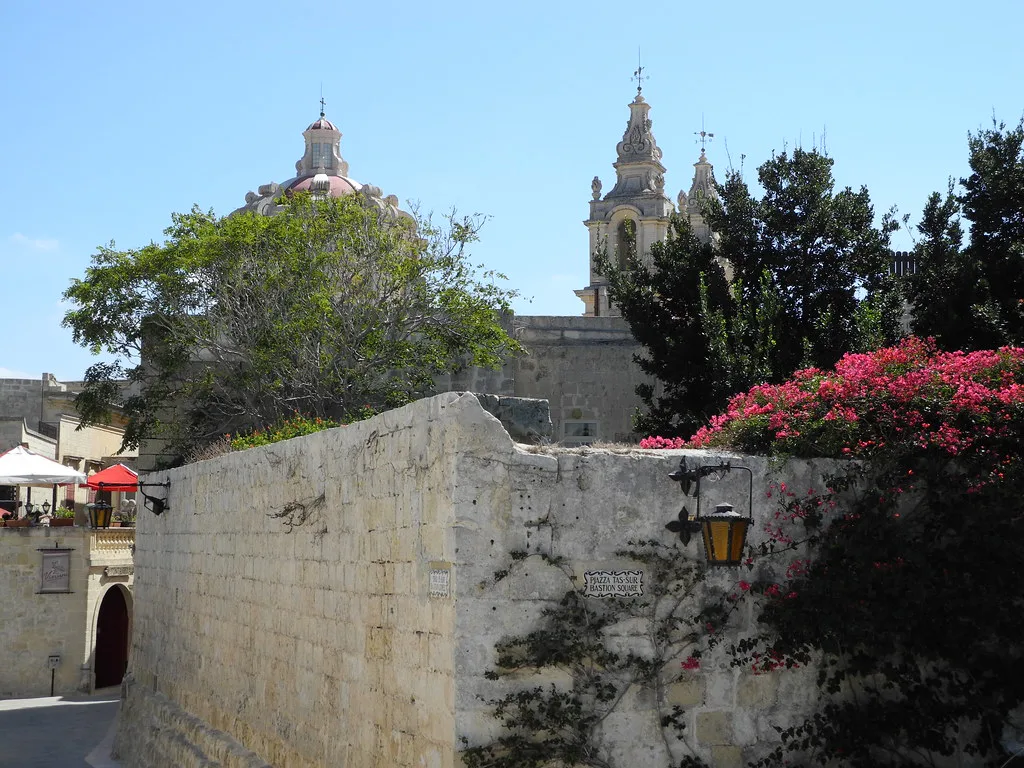
What Mdina actually is: a small, car-free walled city above Rabat
Mdina sits on a hill behind continuous walls, with Rabat spreading out immediately below and around it. Most streets inside are closed to traffic apart from residents' cars, so the soundtrack is footsteps, the clip-clop of horse carriages and the occasional church bell. That absence of engines is the main reason the place feels as it does.
The layout rewards slow wandering rather than a checklist. Narrow lanes twist between buildings of warm golden stone, opening suddenly into small squares, and the whole circuit is short enough to cross on foot in minutes; treat it as a place to stroll and look up, not a site to be completed.
What you see inside the walls
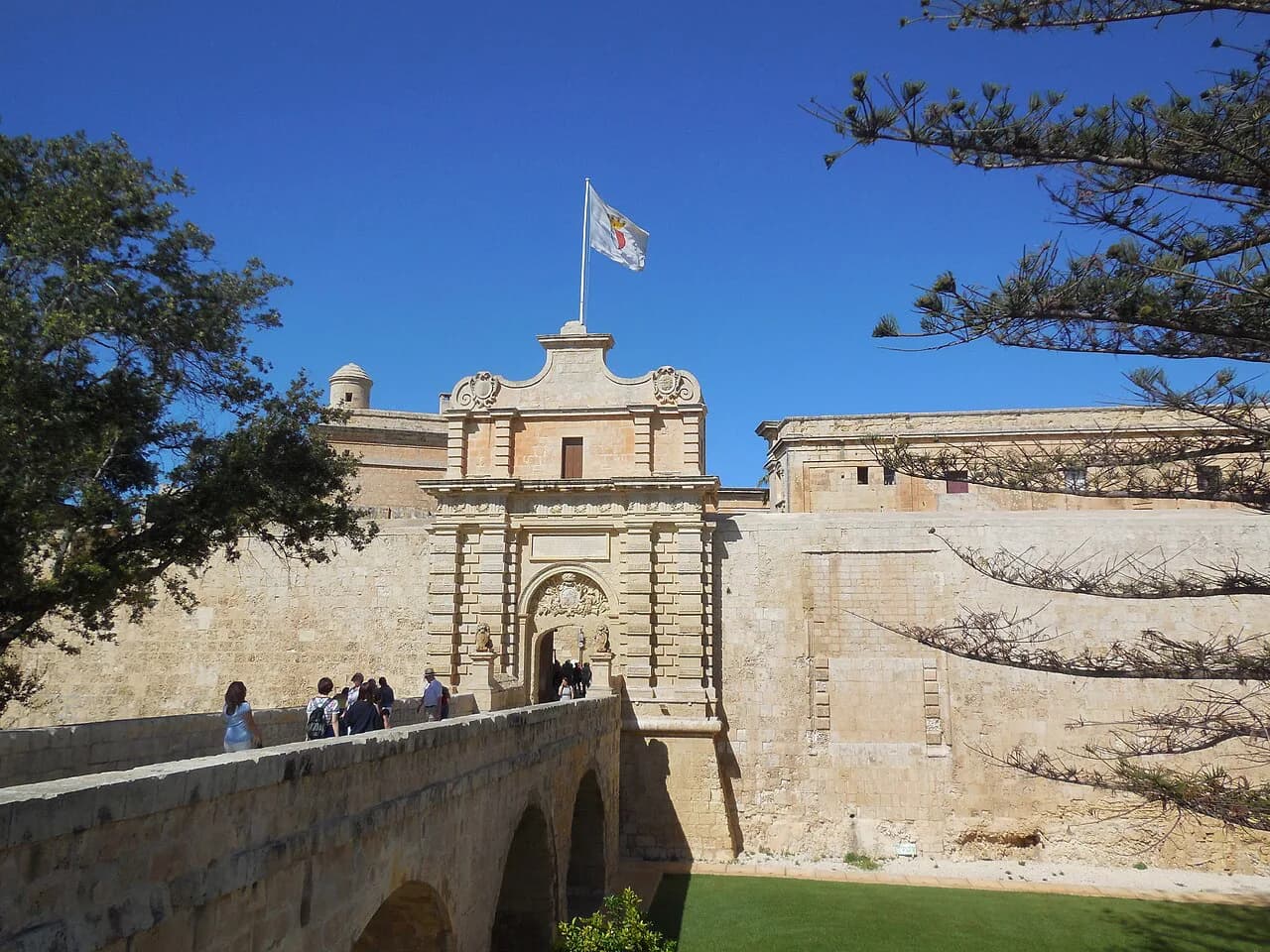
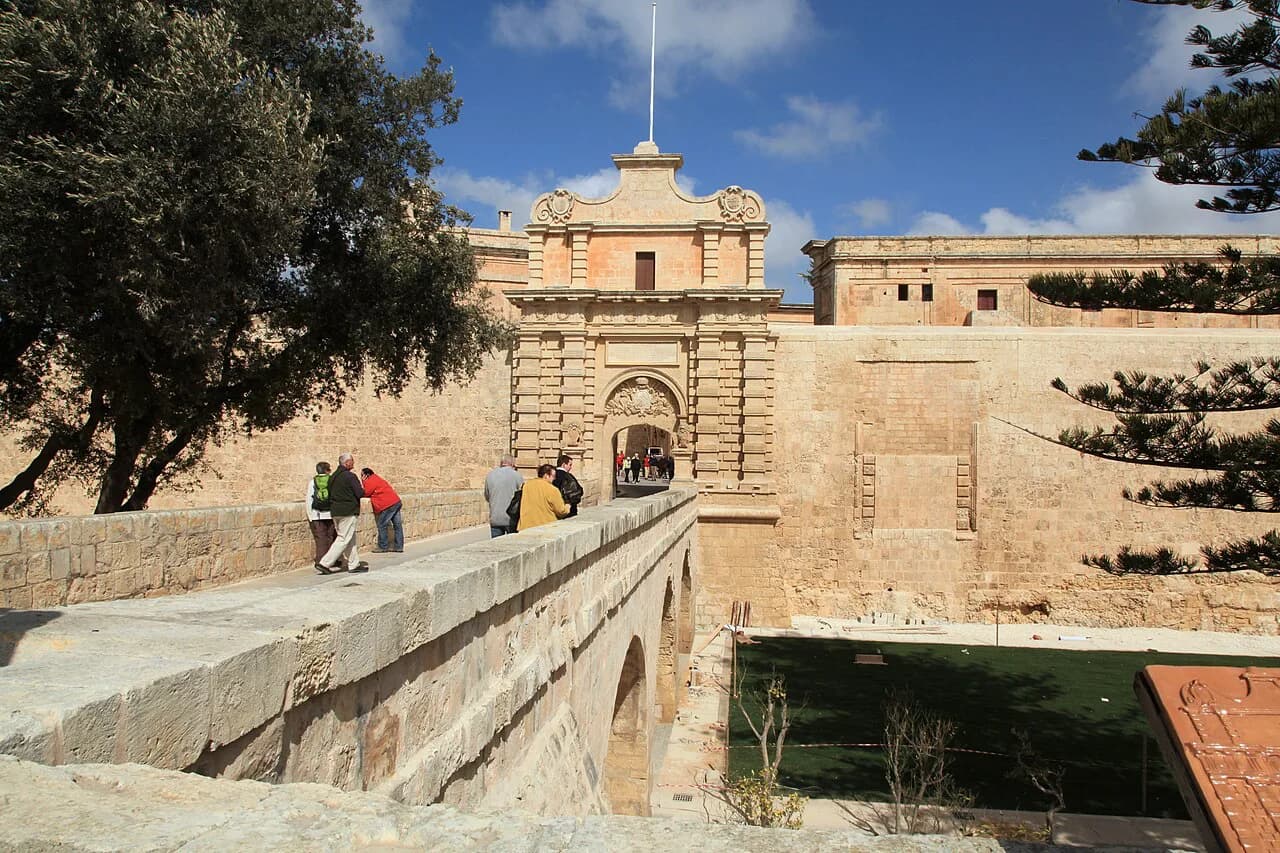
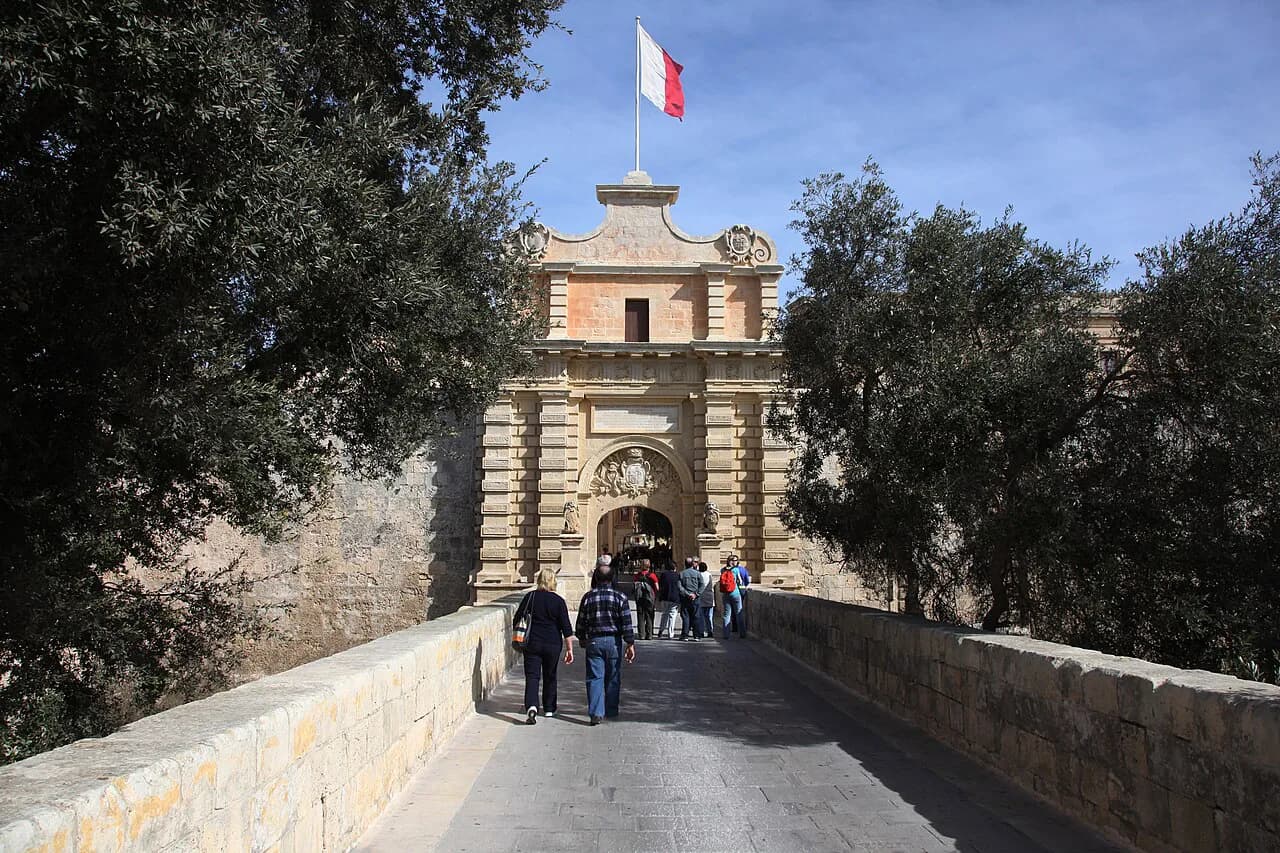
Start at Mdina Gate, the main entrance and the point where the city's character lands immediately. The gate is familiar to Game of Thrones viewers as a King's Landing location, and its arches and stonework set the tone before you have walked fifty metres. From there, the lanes lead gently uphill to the main square.
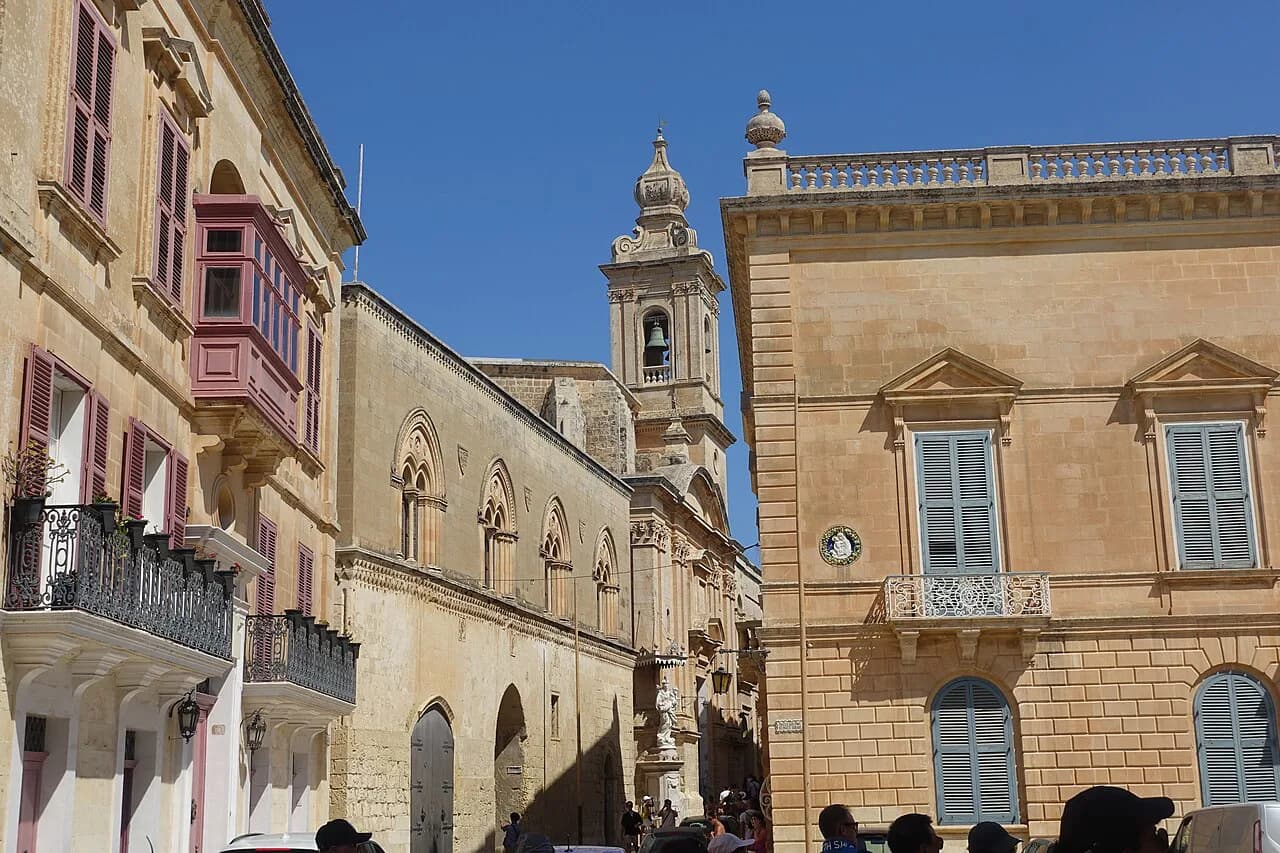
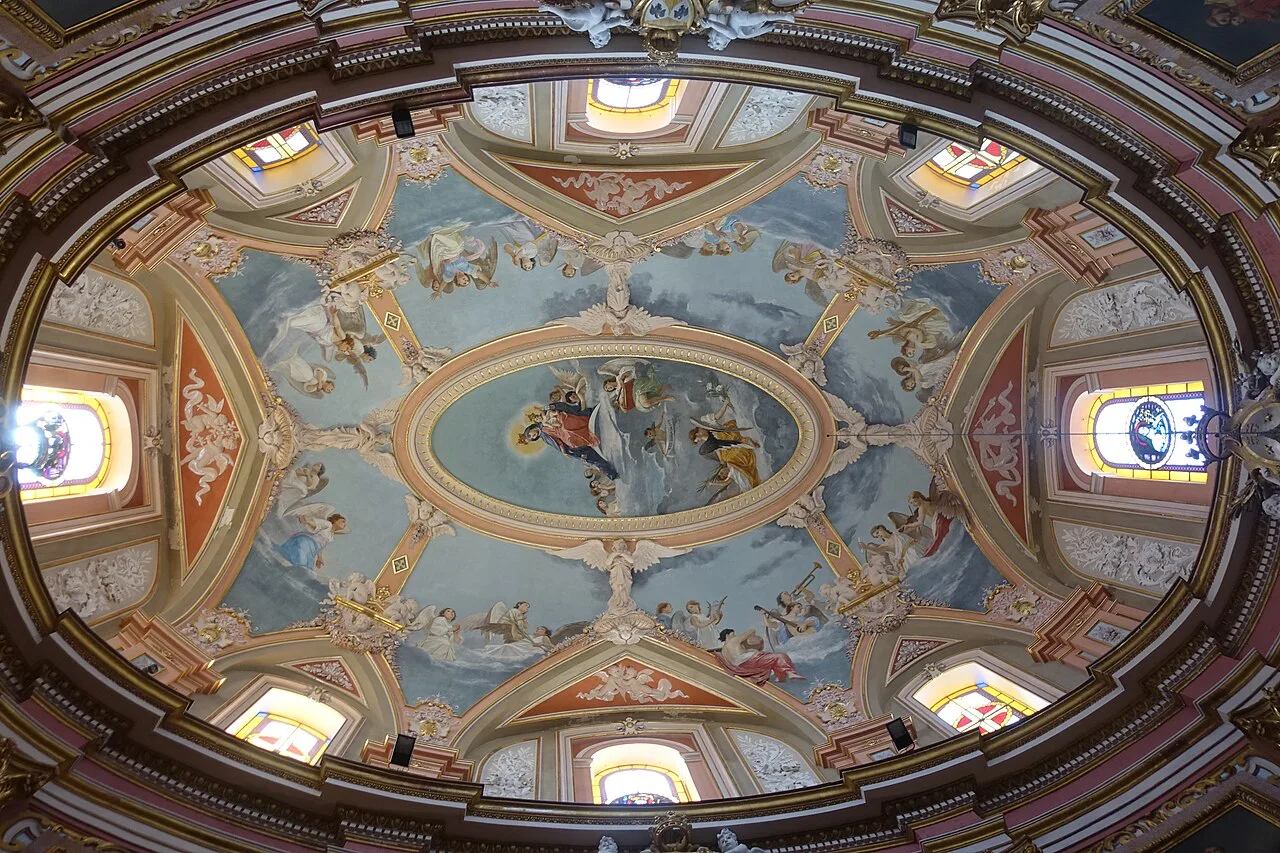
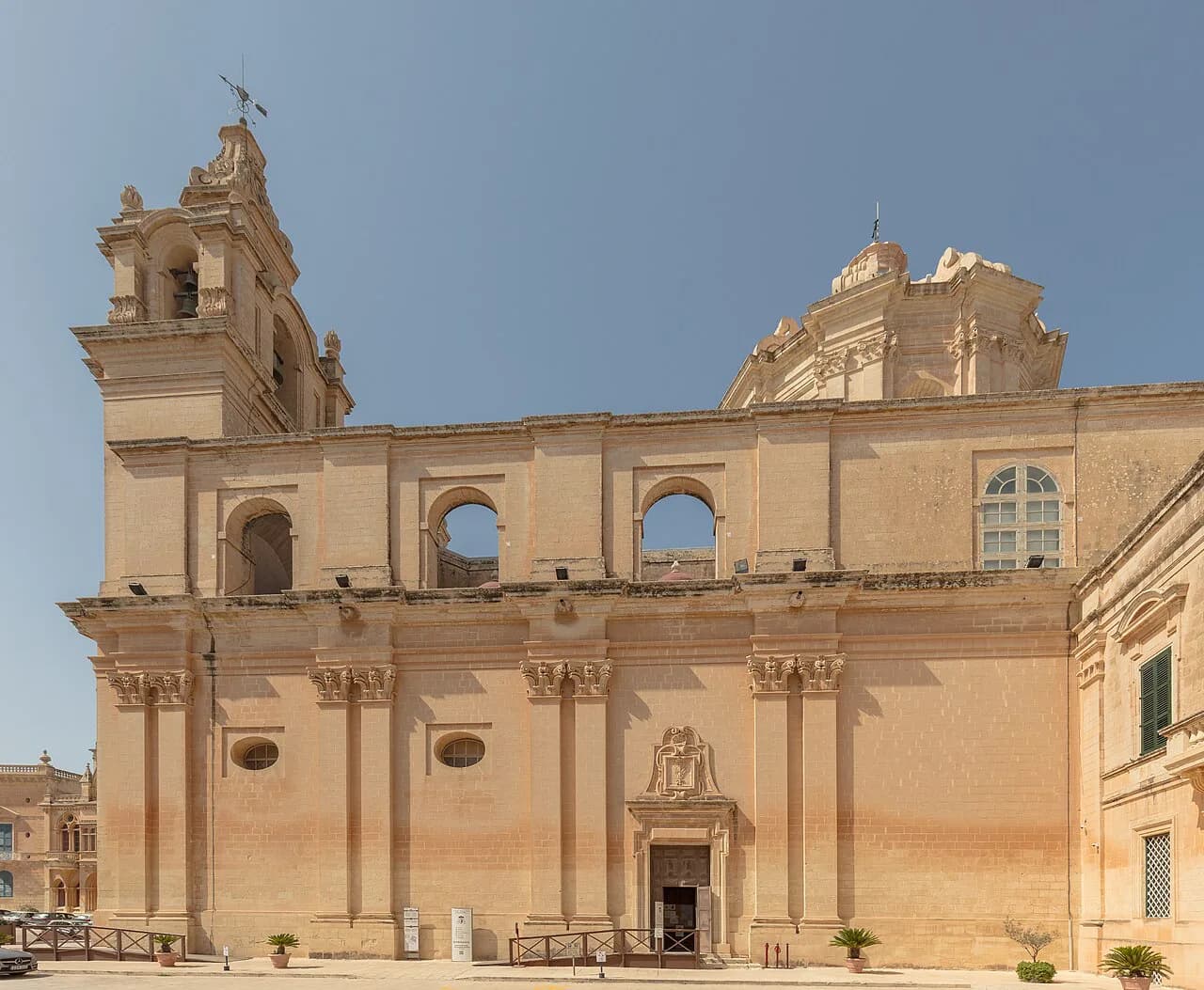
The main square holds St Paul's Cathedral, whose Baroque facade faces the open space, with the Carmelite Church and Priory, also known as the Church of the Annunciation, across from it under its dome. The Magisterial Palace adds to the sense that this was once a seat of power. The square is where tour groups cluster, so see it and move on.
Away from the square, the side streets are the real attraction. Wooden doors in deep Blue, green and red stand out against pale stone, and traditional Maltese balconies lean over the lanes. Mdina Glass sits just inside the main gate, and the shop will hold purchases while you walk.
The views from the bastions
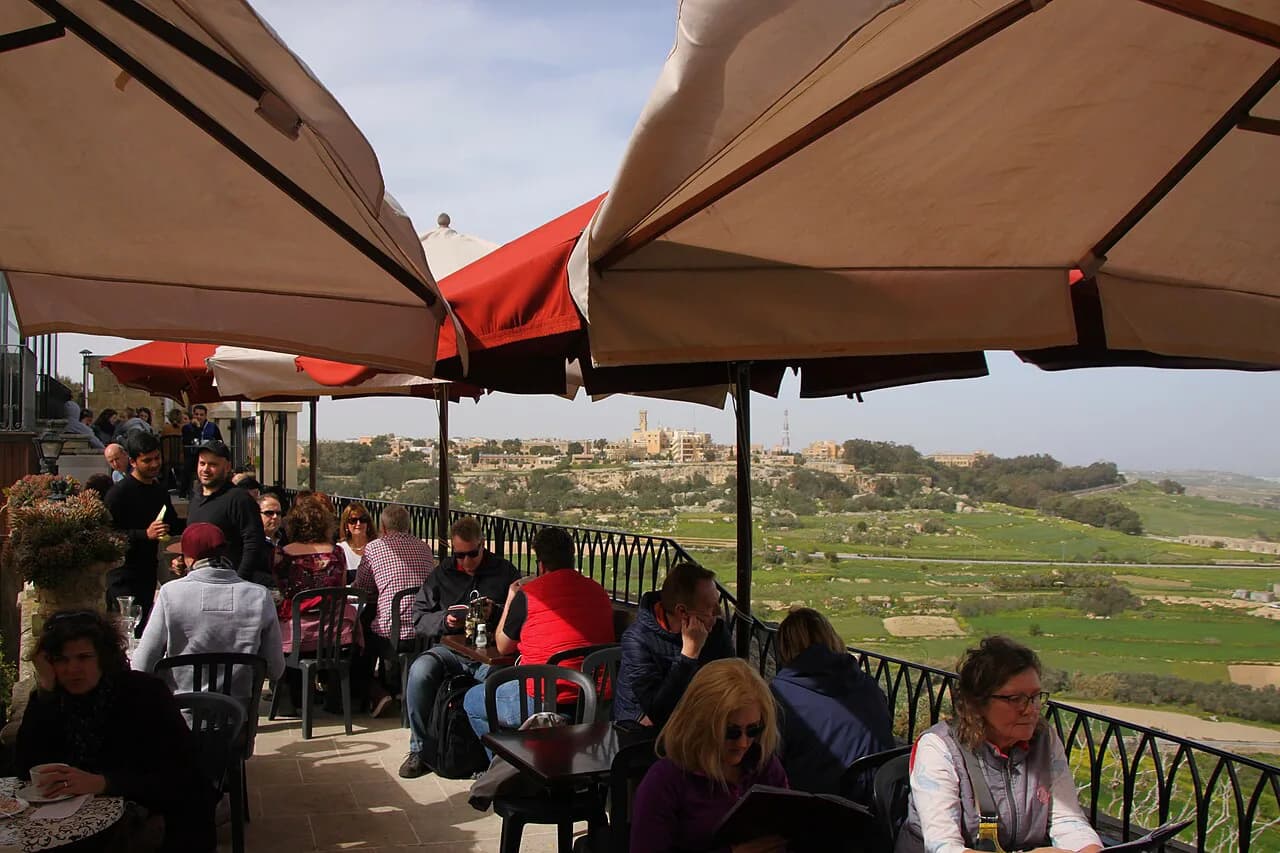
Walk to the city walls and the enclosed feeling of the lanes gives way to open countryside, with the rooftops of Rabat below and the landscape stretching out beyond. On a clear day you can see a long way, and there is usually a breeze. Bastion Square is the obvious place to pause for it.
Time this for late afternoon if you can, because the light softens and the stone turns warmer. The walls are the best free thing in the city and belong in any short visit.
How long to give it
Three to four hours is the sensible allowance for walking the city, seeing the cathedral square, taking in the bastions and stopping for a drink. Skip the sitting down and an hour and a half to two hours covers the essentials comfortably.
Add time if you plan to eat properly, or if you want to continue into Rabat on foot, which is a short walk from the walls. The common mistake is over-scheduling Mdina itself and then having no energy for Rabat, where the catacombs and other sites sit outside the walls.
Getting there from Valletta or Sliema
Public buses run from Valletta and from Sliema, and the bus drops you a short walk from the main gate. The final approach is uphill on foot, which shapes the arrival: the walls grow closer and the gate looks increasingly solid before you step through. Ride-hailing apps and taxis are the other straightforward options, and there is a car park outside the main gate if you drive.
Allow for the walk from wherever you are dropped, and wear shoes that cope with cobbles and slopes. Anyone with limited mobility should be dropped as close to the gate as possible and plan a shorter circuit inside the walls.
When to go in the day
Early morning and late afternoon are the two good windows, and weekdays are quieter than weekends. Summer afternoons are hot, with typical July and August temperatures of 25 to 35°C, so the middle of the day is for shade and cafés rather than exposed walls. Spring and autumn bring milder conditions and fewer people.
For photographs of empty lanes, go as early as you can manage; for the bastion light, arrive mid-afternoon and stay for the drink. Either way, avoid the late-morning window when day-trippers arrive together.
Mdina or Valletta, and whether to add Rabat
These are different experiences rather than rivals. Valletta is busy, harbour-facing and packed with museums, auberges and Grand streets; Mdina is small, inland and quiet, and you cover it at a stroll. Most visitors should see both, and Mdina works well as the calmer half of a day.
Rabat is the obvious add-on, since it lies just below the walls and the walk between them is short. The sites associated with St Paul and the early Christian catacombs sit outside Mdina's walls in Rabat, which makes pairing the two efficient, and either order works.
Mdina with Game of Thrones in mind
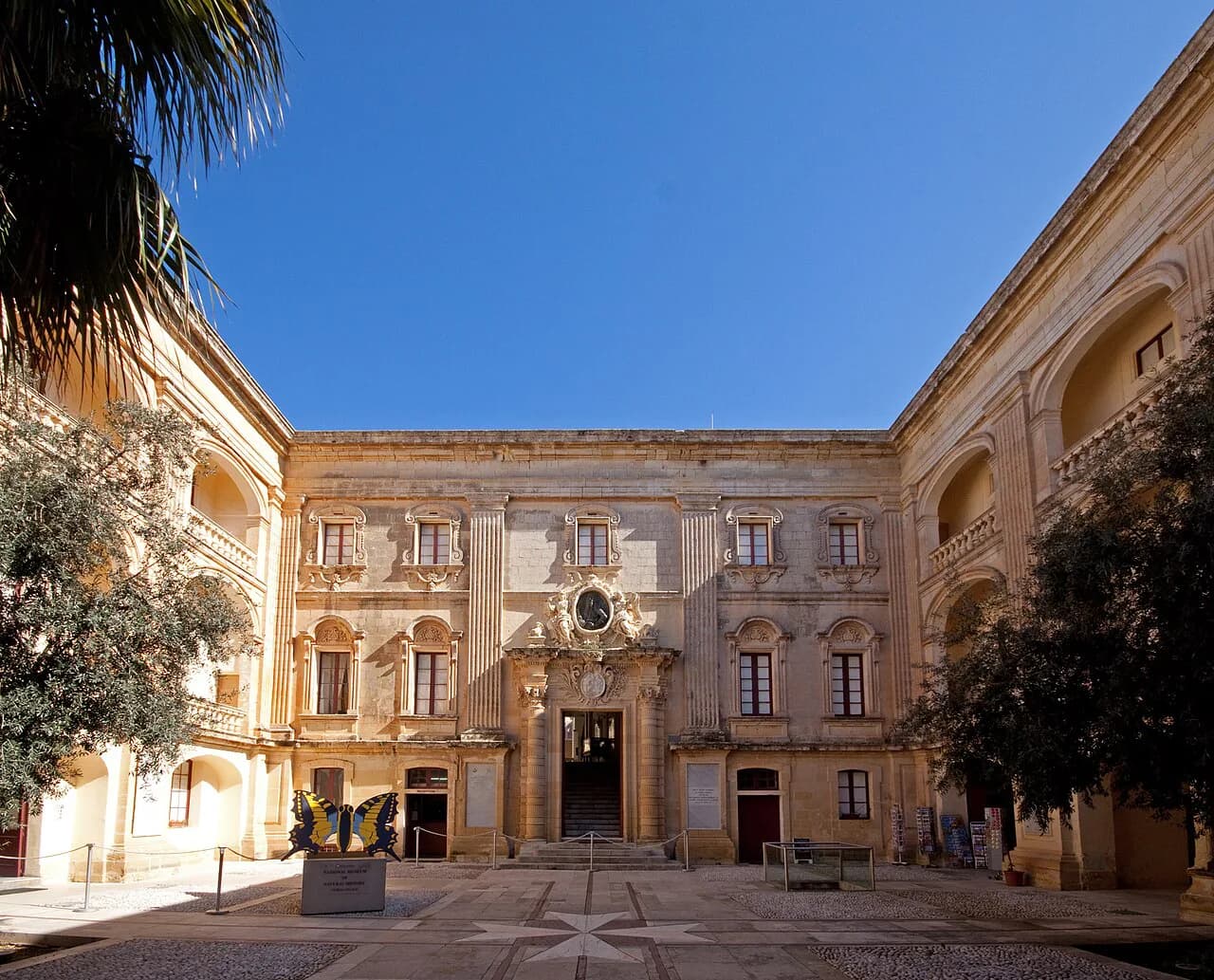
Mdina doubled as King's Landing in the first season, and several locations are easy to find on foot. Mdina Gate is the most recognisable, Mesquita Square served as a market square, and the Vilhena Palace courtyard appears in key scenes. St Dominic's Priory became the Red Keep Gardens, and the Mdina Dungeons were used for darker sequences.
Even without the show, these are simply good corners of the city to see. The gate starts any visit, the square is a natural pause, and the palace courtyard is worth a look for its architecture alone, so plan the route around them rather than making a separate trip of it.
What it costs
Walking into Mdina and through its streets is free, which makes it an easy addition to a Malta itinerary. The costs come from what you choose to add: ticketed cathedral and museum entry, food and drink, or a horse-drawn carriage ride.
For a break with a view, Fontanella Tea Garden is the well-known stop, with a terrace that overlooks the island and a reputation for its cakes. Trattoria AD 1530 serves Maltese dishes including rabbit stew and bragioli, while Bacchus Restaurant and Wine Bar has a terrace, and Palazzo de Piro offers panoramic views for a later drink.
The honest trade-offs
Mdina is small, and that is the point and the limitation. Once you have seen the gate, the square, a couple of lanes and the walls, you have seen the city; the rest is repetition in a pleasant setting. Anyone expecting a day's worth of monuments will be disappointed.
Summer brings real heat on the exposed walls and in the open square, and weekends bring more visitors to the same short streets. Tour groups bunch in the middle of the day, and going early, going late, or going out of season solves most of this at no cost.
Worth a half-day, not your whole trip
Give Mdina three to four hours, arrive early or late, walk the walls, see the cathedral square and stop for a drink. Then walk down into Rabat while you are there. That combination justifies the trip; Mdina on its own is a highlight but a short one.
If your time in Malta is tight, Mdina is the calm counterweight to Valletta rather than a replacement for it. Choose it for atmosphere and views, and keep your museum time for the capital. Check current opening times for any ticketed sight you plan to enter.
Explore more Mdina guides
Sources
Notes for your Malta trip
Optional updates when we add or correct a Malta or Gozo guide.
You might also like
Continue reading
More guides you'll find useful