Things to Do in Rabat, Malta: Catacombs, Grotto and Old Town
A practical guide to Rabat, Malta: St Paul's Grotto and the catacombs, the Domus Romana, walking the old streets, and how to pair the town with Mdina.
On this page
Rabat is worth an hour of your day on its own, and two to three hours if you add the catacombs and the Roman villa. It sits directly beside Mdina in central Malta, so most travellers pass through it anyway for parking, food or a walk between the two towns. This guide covers the sites underground and above ground, the streets worth wandering and how to slot the town into an Mdina visit.
The trade-off is simple: Mdina is polished, dramatic and busy, while Rabat is residential, calmer and far less crowded. If you want Grand walls, viewpoints and a full sightseeing checklist, put your energy into Mdina. If you like local streets, colourful doors and a bakery stop, Rabat earns its place.
What there is to see in Rabat, Malta, in one line
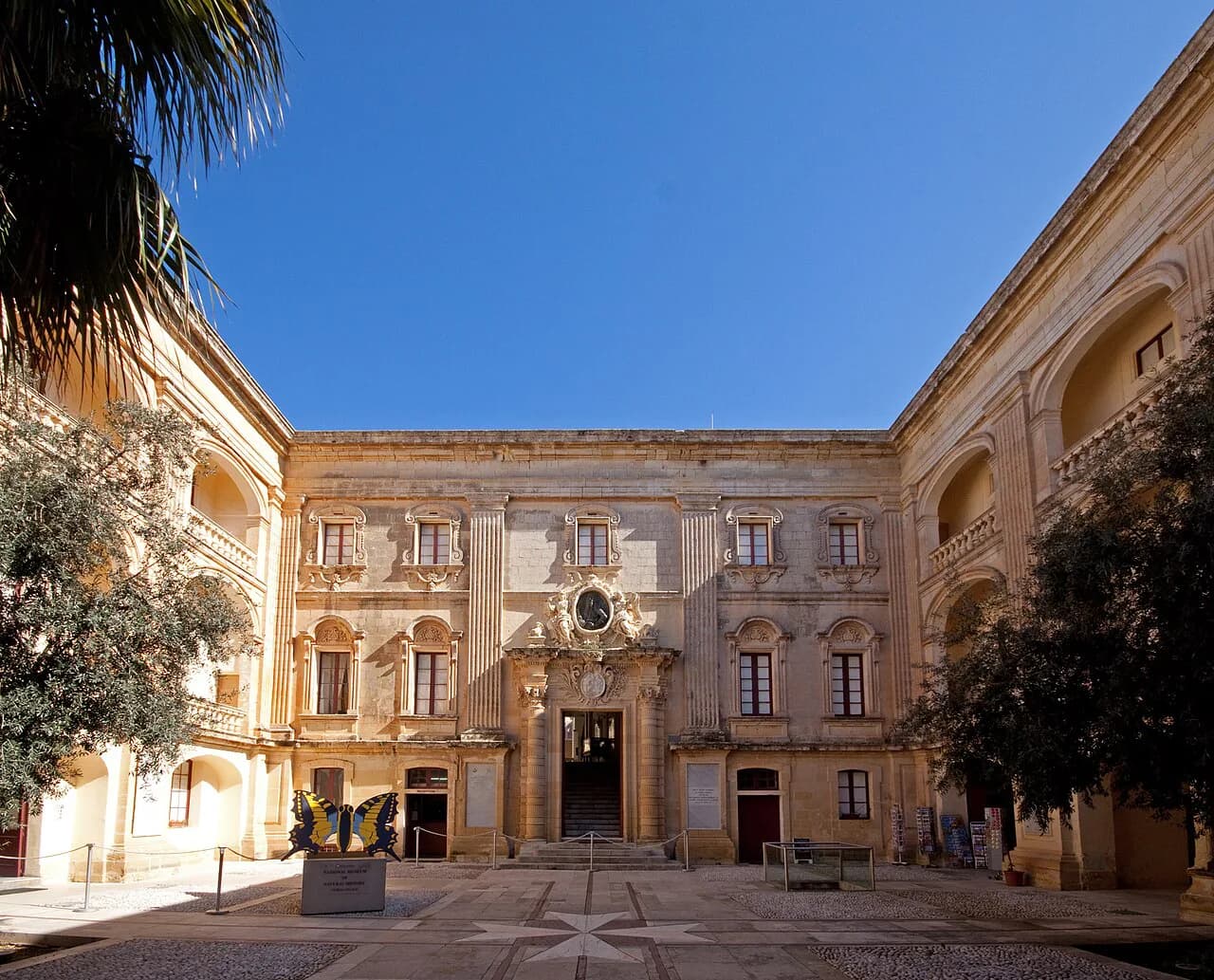
Rabat packs a small cluster of burial catacombs, a grotto associated with the Apostle Paul's Maltese visit, a Roman villa site with mosaics and a compact old town of limestone lanes. Around the basilica area you also get the busiest pocket of town, with church domes and old stone buildings appearing between the streets.
You do not need a long checklist here. The appeal comes from walking and noticing details: worn stone walls, small chapels, old balconies and quiet alleyways. Treat the named sites as stops on a wander rather than a schedule to race through.
St Paul's Catacombs: what the underground galleries are like and how long they take
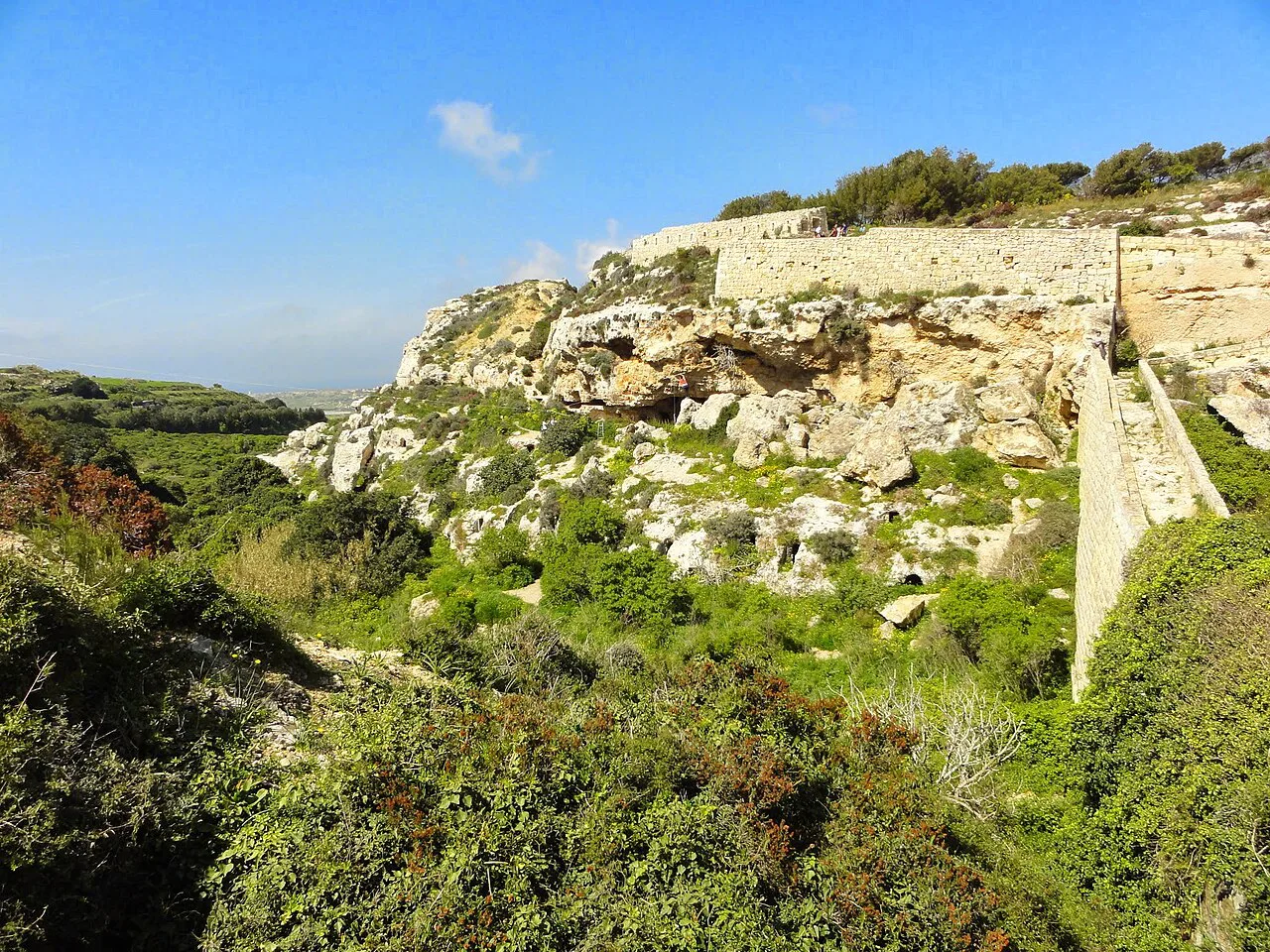
St Paul's Catacombs is a network of extensive subterranean burial galleries dating from early Christian Malta, cut into the limestone beneath and around the town. Expect to go below ground rather than follow a street-level loop, so plan for an underground visit rather than a surface stroll.
Allow more time than you would for a single church, because the visit is spread across several gallery sections rather than one room. The Detour activity guide for Rabat, which lists the catacombs and other sites, does not publish a ticket price or set opening hours, so check the site's own listing for current entry details before you build your day around it.
St Paul's Grotto and the basilica area
St Paul's Grotto is a cave site linked to the Apostle Paul's Maltese visit, with centuries of Christian devotion attached to it. The surrounding area by St Paul's Basilica is the liveliest part of Rabat, so it makes a natural anchor for the middle of your walk.
If you only want a look rather than a full visit, the grotto entrance and the chapel area around it can be seen from outside as part of your circuit. Either way, cover shoulders and knees for the churches here; Malta's religious sites expect modest dress, and Rabat's churches are working parish buildings rather than visitor attractions.
Domus Romana: the Roman villa ruins and mosaics
The Domus Romana is the ruin of a Roman-era house just outside the town walls, with mosaics and interpretive displays explaining what you are looking at. It pairs well with the catacombs because it gives you the living side of Roman Malta to set against the burial galleries.
Treat it as a half-hour stop layered on top of your street time, not a substitute for the old town. Entry fees and opening times are the kind of detail to confirm with the site directly, since a visitor guide will not keep them accurate for your dates.
Walking Rabat's old town: limestone lanes, balconies, chapels and small squares
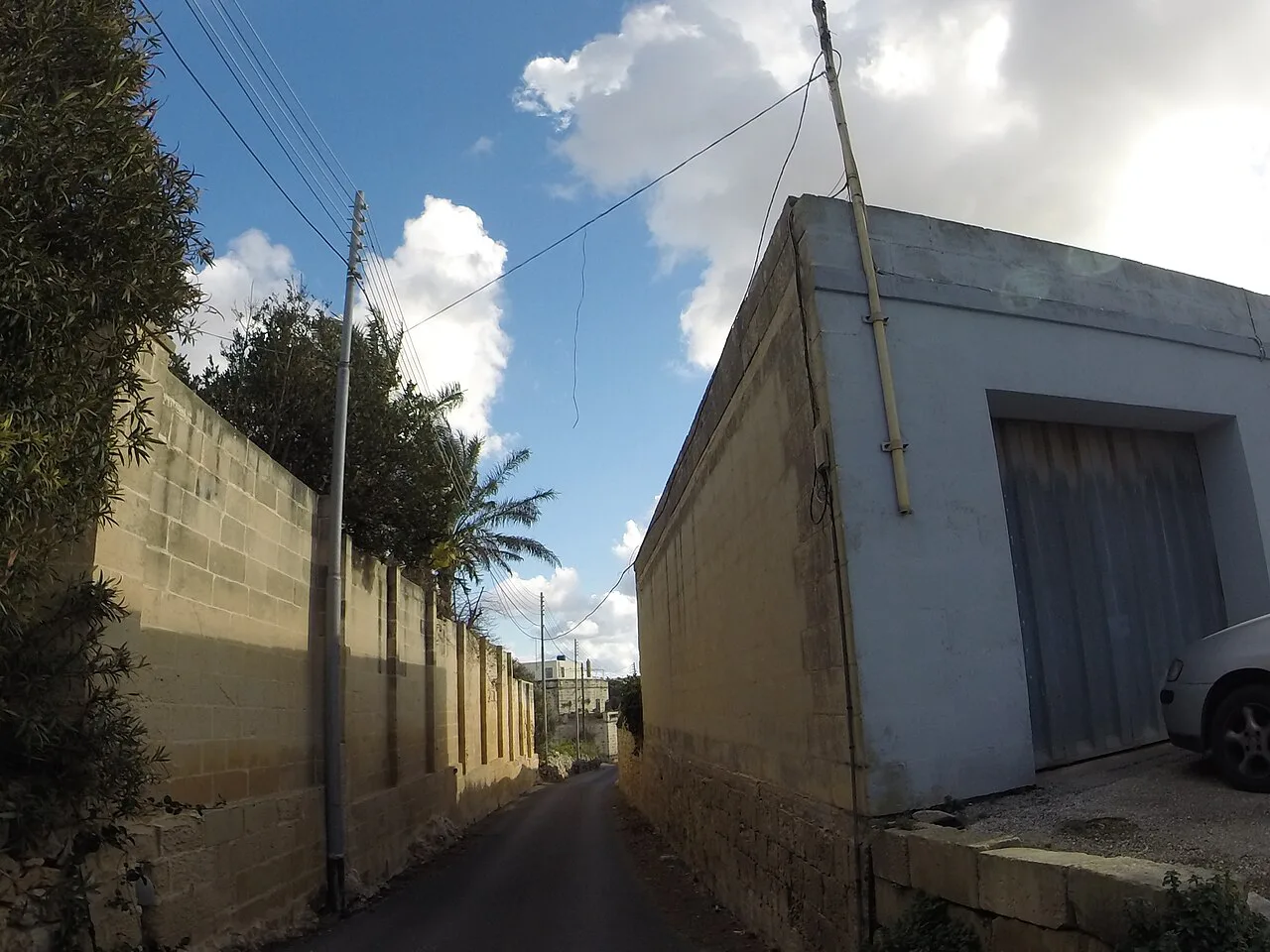
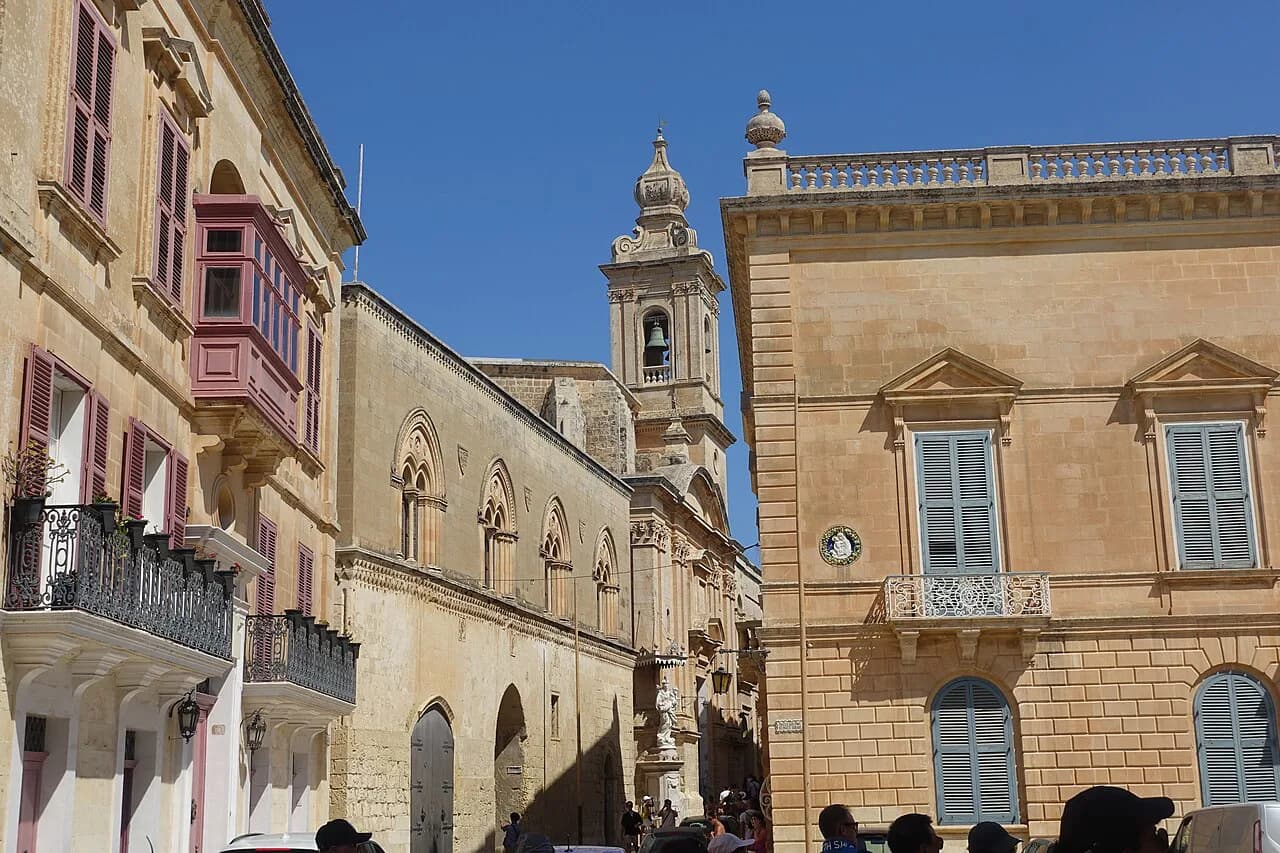
Rabat's streets are the attraction: narrow lanes of limestone buildings with balconies, shutters and colourful doors, some opening into little squares and others curving quietly between houses. The shopping is small-scale and local, with bakeries and cafés where residents sit outside rather than a strip of souvenir shops.
Roughly an hour covers the wander, a snack and the atmosphere without rushing. The pavements and some roads are uneven and cobbled in places, so comfortable shoes matter more here than a packed itinerary does.
Rabat's local food stops: pastizzi, imqaret and bakery snacks
Rabat is a good place to eat cheaply and locally. Pastizzi, the flaky pastry filled with ricotta or peas, and imqaret, fried date pastries dusted with sugar, are the two Maltese snacks worth seeking out while you walk.
The practical move is to buy from a small local bakery and eat while you walk or sit outside, rather than booking a sit-down lunch that eats into your Mdina time. Menus and prices vary between shops, so read the board before ordering.
Rabat vs Mdina: quiet town against polished walled city, and why visiting both together works
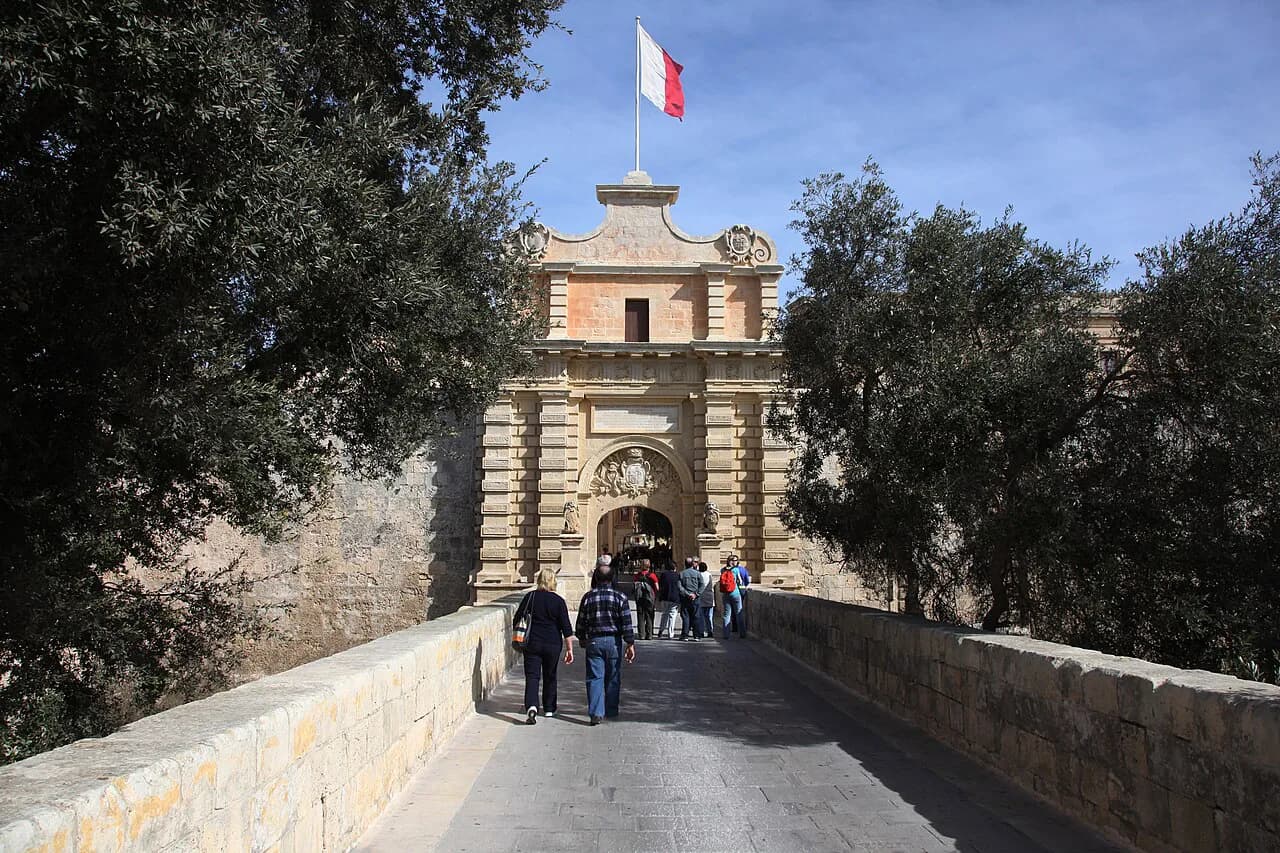
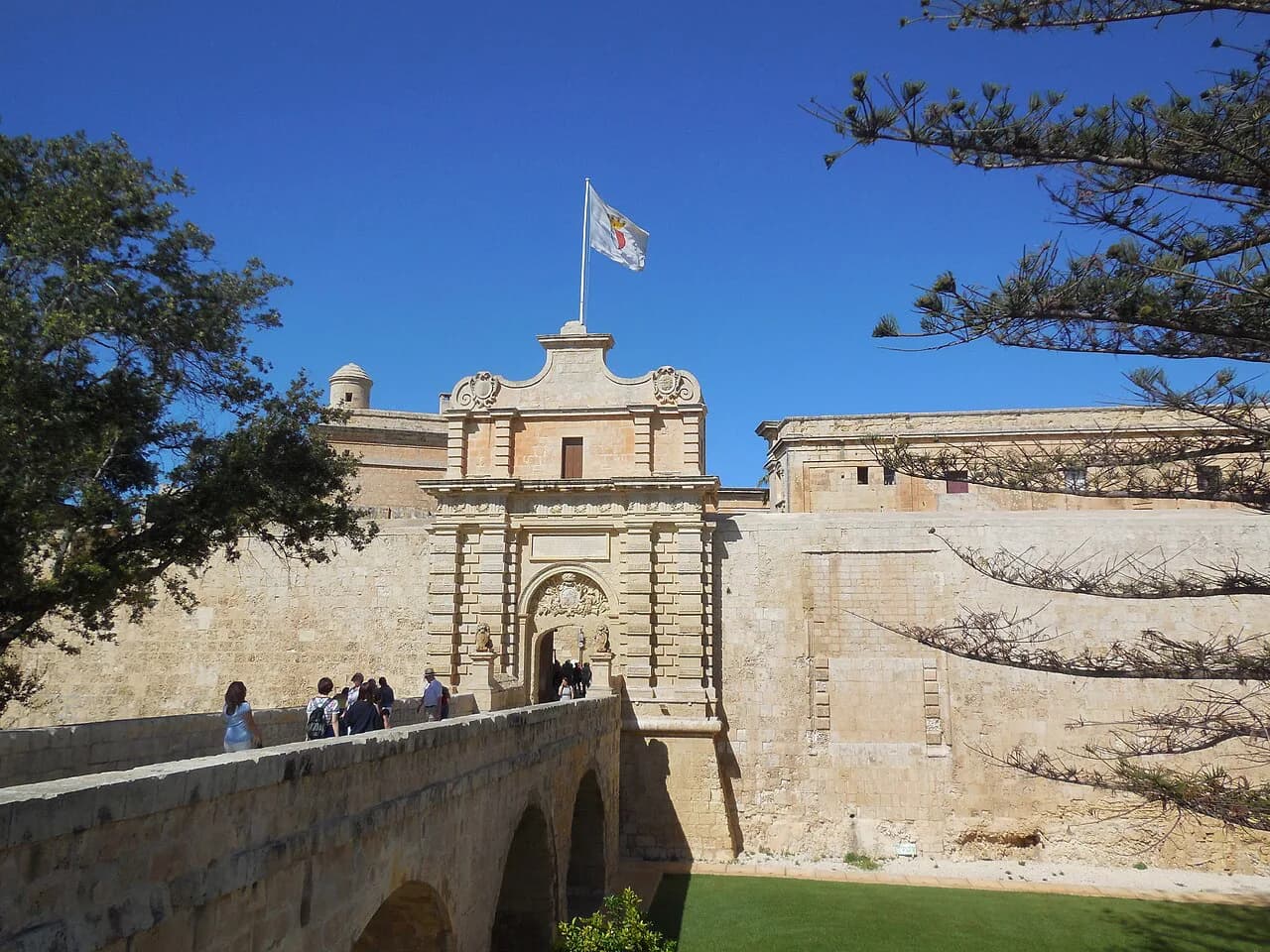
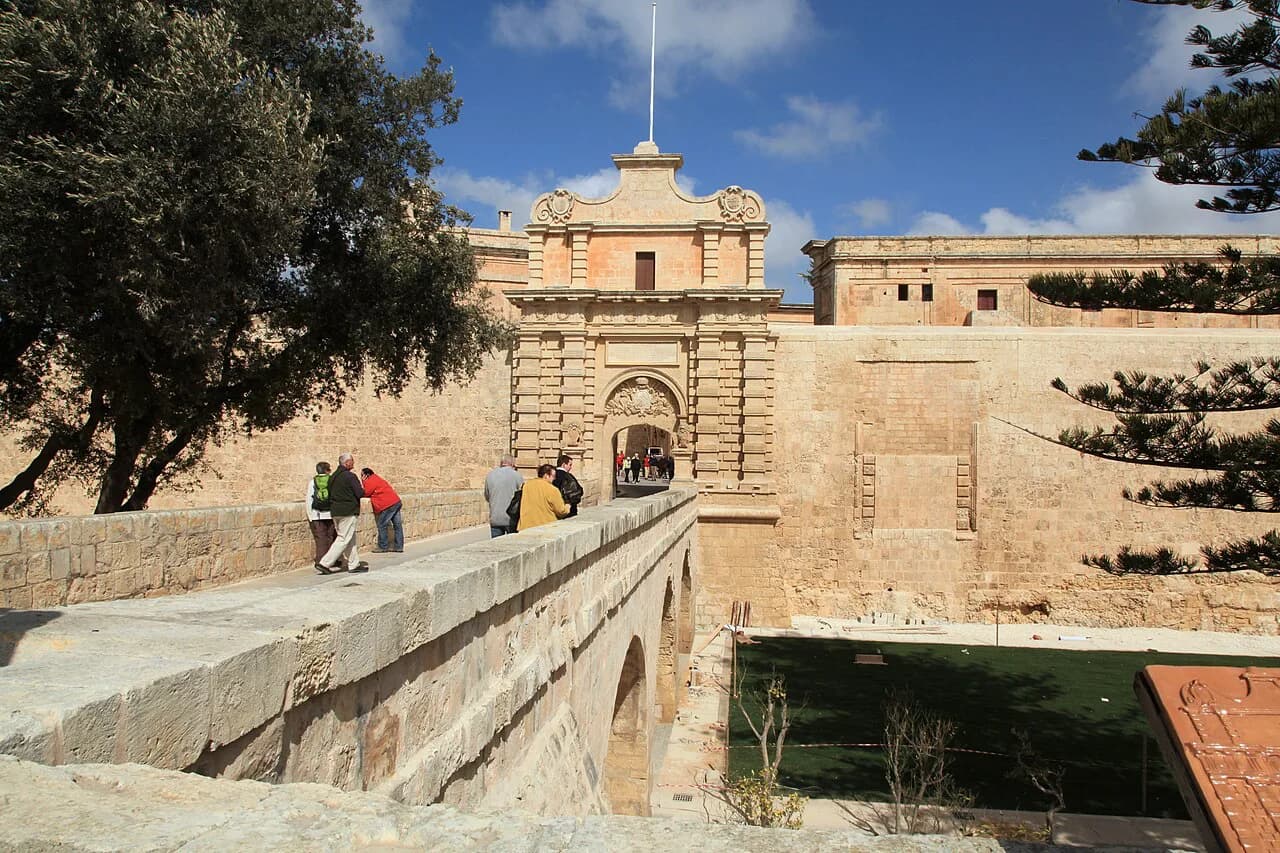
Mdina feels dramatic and polished, with its Grand entrance, historic walls and viewpoints, and it draws most of the crowds. Rabat, on the other side of the walls, feels quieter, simpler and more lived-in, with less pressure to move from sight to sight.
Doing both together gives a fuller picture of this part of Malta, and the contrast is the point. Walk Mdina first while your legs are fresh, then drop into Rabat for the quieter streets and food on the way out.
If you are building a day around the walled city, a self-guided route through the main gate and lanes is the easiest way to start; our Mdina walking tour route keeps the navigation simple. Rabat then works as the decompression at the end, and our wider things to do in Mdina guide helps you decide what to keep and what to skip.
How long to give Rabat and how to fit it around Mdina
Plan about an hour for the old town with a bakery stop, then add the catacombs and Domus Romana on top for a half day in total. Rabat does not need much planning beyond that: it is small, walkable and easy to explore on foot.
The most efficient order is Mdina in the morning, Rabat for lunch and the streets, then the underground sites while the day is still cool or after the midday heat. Give the catacombs their own slot rather than squeezing them between two other stops.
Getting to Rabat: buses from Sliema and elsewhere on the island
Malta's public buses reach Rabat, and the town is straightforward to visit from Sliema by bus, which is how the Globetrotter reached it. Rabat also works as the parking and food stop for an Mdina visit, since the two sit right beside each other.
Route numbers, frequencies and journey times change, so check the current timetable with the operator on the day you travel rather than relying on a printed guide. Coming by bus also frees you from hunting for a space near the Mdina gate, and the Mdina map shows how close the two towns sit.
Practical points: uneven cobbled streets, comfortable shoes, church dress code
Wear shoes you can walk on cobbles in, because some of Rabat's streets and pavements are uneven. Carry water in summer and treat the catacombs as a cool underground break rather than an outdoor stop.
For the churches, cover shoulders and knees and keep voices low during services; these are parish churches in a working town. If a site is closed for a service, walk on and come back rather than waiting at the door.
Should Rabat be its own trip or part of an Mdina day?
Make Rabat part of your Mdina day rather than a separate outing. An hour of lanes and bakery food, plus the catacombs and Domus Romana, is a full and satisfying half day without the extra journey.
If you want the wider picture of the walled city before you go, start with our Mdina Attractions: 13 Visitor Guides hub, then come down through the gate into Rabat for the quiet half.
Explore more Mdina guides
Frequently Asked Questions
Should I visit Rabat in Malta?
Yes, if you like local streets, bakeries and a slower pace, and especially if you are already visiting Mdina next door. It is small, so treat it as an hour of wandering with the catacombs and Domus Romana added on rather than a full day of sightseeing.
Is Mdina and Rabat worth visiting together?
Yes. The two sit side by side and feel quite different: Mdina is polished, dramatic and crowded, while Rabat is quieter and more residential. Doing both in one trip gives a fuller picture of central Malta, and walking between them takes minutes.
Sources
Notes for your Malta trip
Optional updates when we add or correct a Malta or Gozo guide.
You might also like

Continue reading
More guides you'll find useful