Things to Do in Valletta: Sights, Museums and Viewpoints
Plan your time in Valletta with the main sights, churches, museums and viewpoints, plus how long each needs and what the sources say about entry prices.
On this page
Give Valletta two days if you want the co-cathedral, a palace or museum and the harbour viewpoints without rushing; one long day covers St John's Co-Cathedral, Republic Street and the Barrakka gardens comfortably. The city rewards a route rather than a list, because most sights sit on one narrow grid between the City Gate and Fort St Elmo. This guide groups them by area, says how long each needs and gives entry prices only where a source states them.
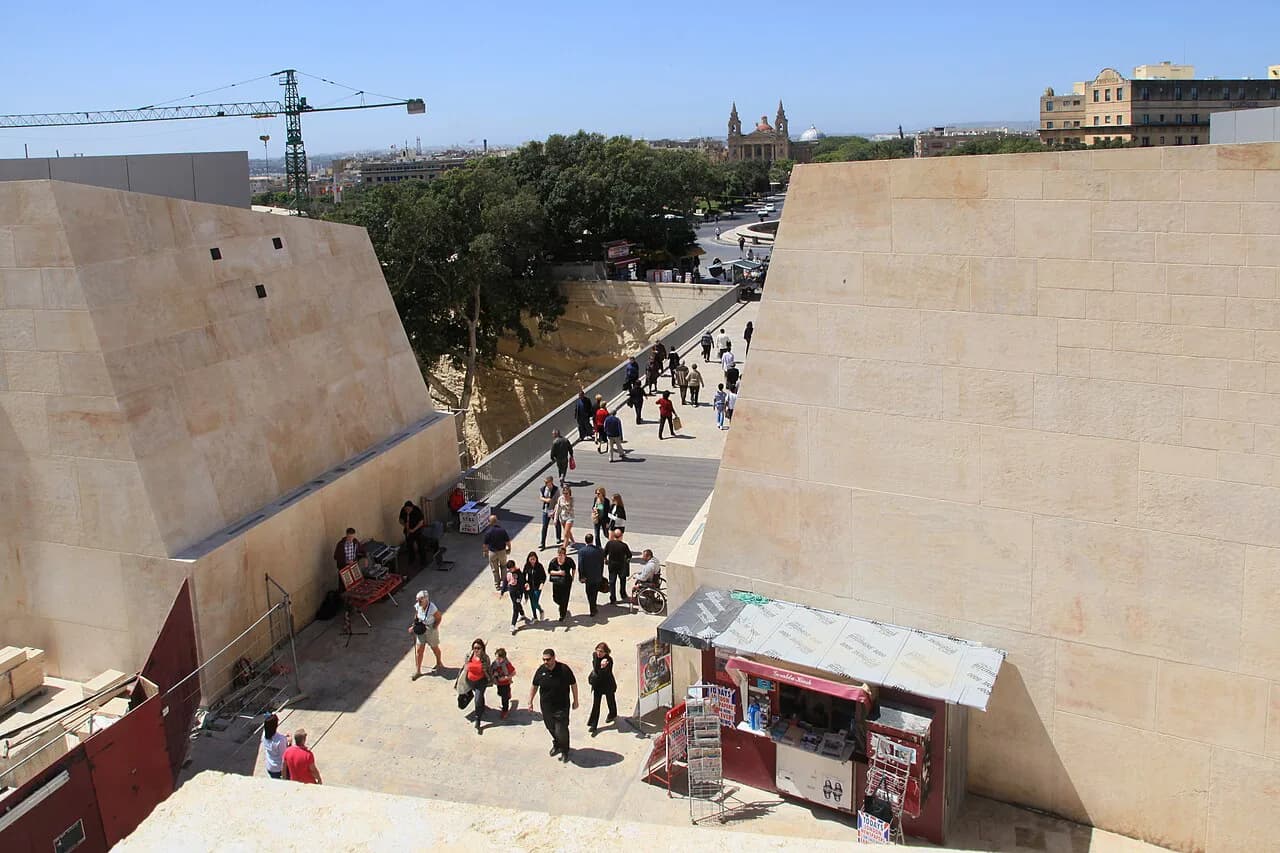
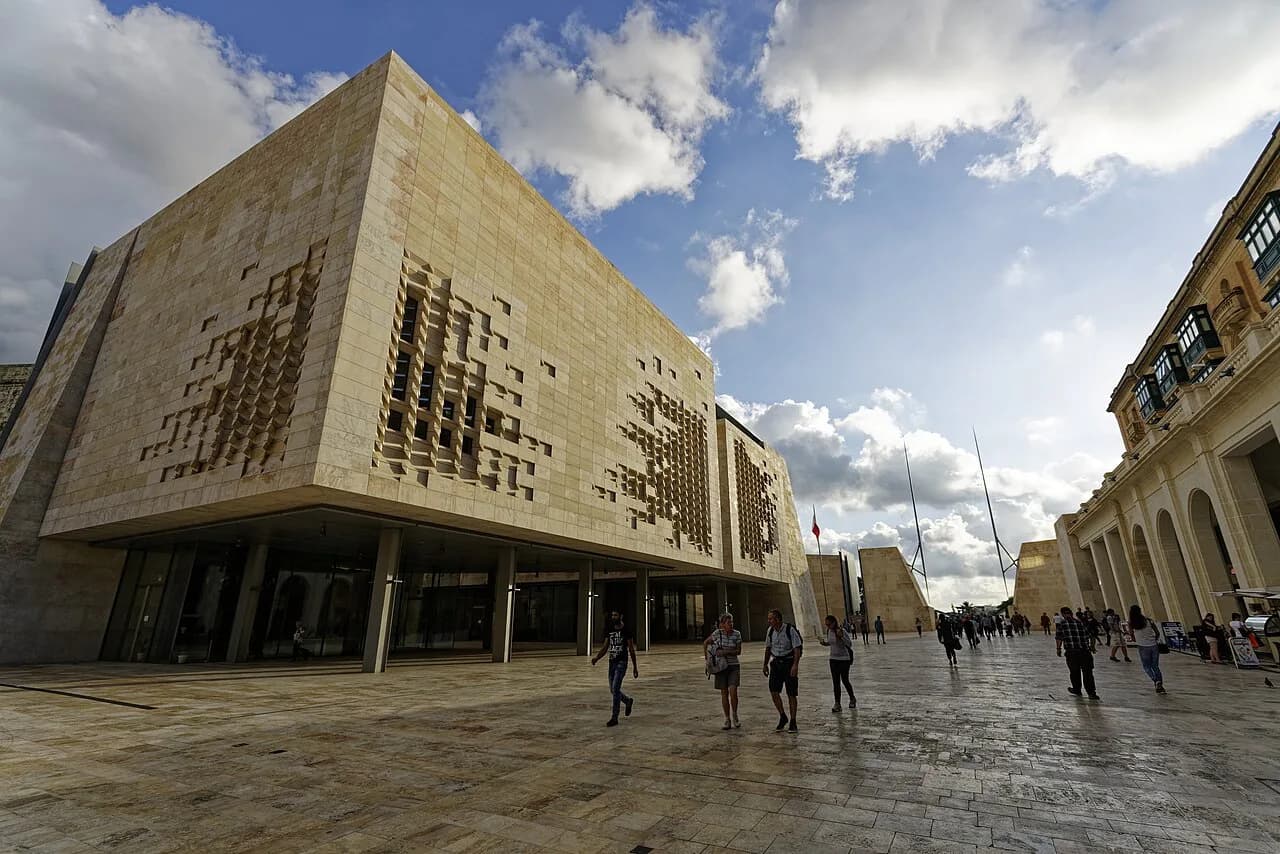
Start at the City Gate end, where the Triton Fountain sits outside the walls and the bus station is a short walk away. From there Republic Street runs roughly a kilometre down the centre of the city, passing the New Parliament House, the National Museum of Archaeology and St George's Square before you reach Fort St Elmo. Walk it once on arrival and you will have your bearings for everything that follows.
What to see in Valletta first: St John's Co-Cathedral, the Grandmaster's Palace and Republic Street
Three sights set the tone. St John's Co-Cathedral holds the gilded interior most visitors come for, the Grandmaster's Palace adds the Palace State Rooms and the Armoury, and Republic Street links them while giving you the shops, doors and side streets in between. Budget roughly half a day for the first two if you read the displays rather than walk through.
If you have only one day, take the co-cathedral and the palace in the morning, when the upper city is quieter, then walk the length of Republic Street towards Fort St Elmo. The Barrakka gardens go last, since the harbour light improves through the afternoon. A guided Valletta walking tour compresses the same ground into a couple of hours and is a sensible choice if you would rather be told the story than read it.
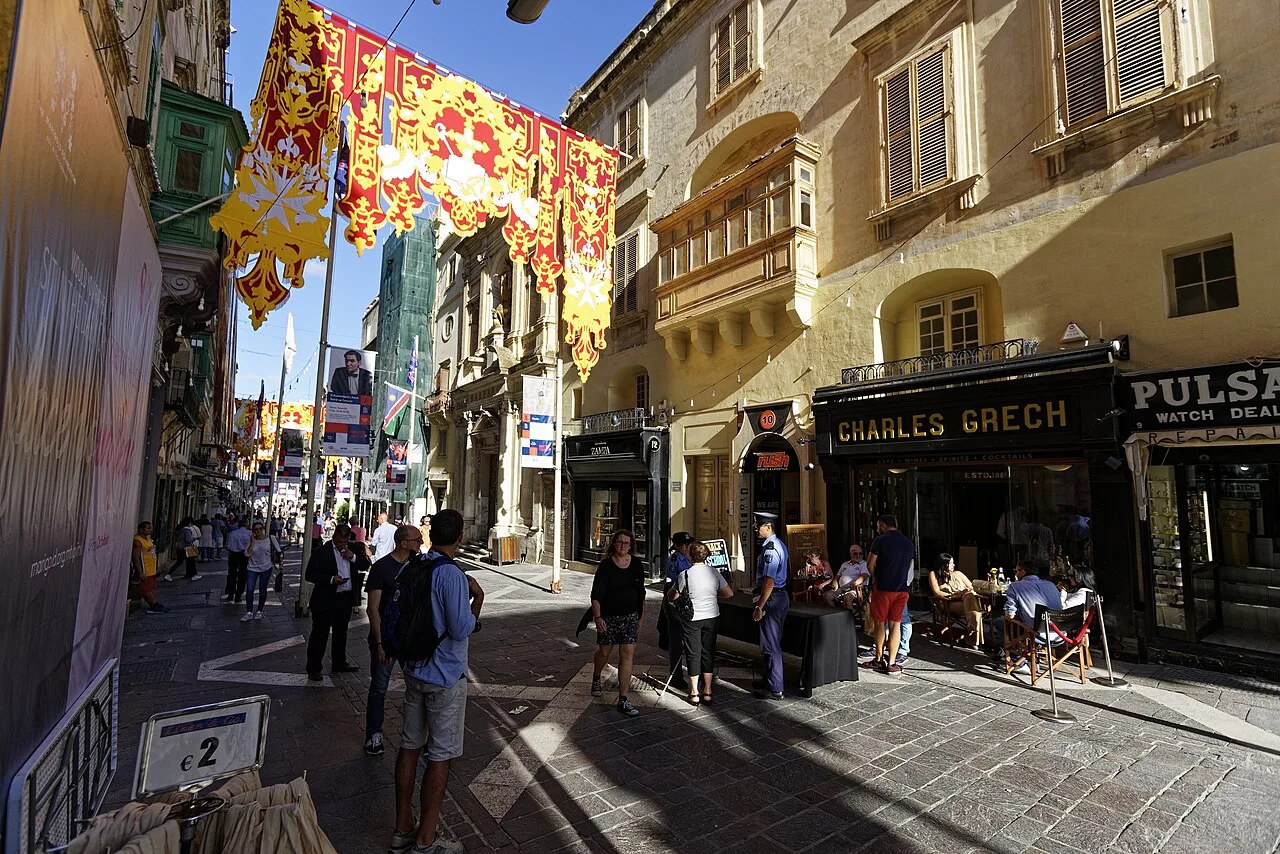
St John's Co-Cathedral: what the interior holds
The co-cathedral is the one interior in Valletta that justifies a timed slot in your day. Its plain exterior gives nothing away; inside, the floor and side chapels are dense with carved marble and painting, and visitors are asked to keep quiet and dress respectfully. Allow about an hour if you read the displays.
St John's Co-Cathedral is a ticketed interior and one of the sights most visitors plan around. Check its current entry charge and opening hours before you set out, so you know whether to book a slot for the day you visit.
Grandmaster's Palace and the Palace State Rooms: opening hours and ticket price
Parts of the Grandmaster's Palace are open to the public as a museum, including the State Rooms and the Armoury, which houses one of the collections visitors rate most highly. One guide gives opening hours of 10am to 6pm and an entrance fee of €12 per person, with a 50% reduction on a Malta discount card.
Arrive as it opens if you want the painted ceilings and armoury cases without a crowd around them, since tour groups build through the morning. Check the palace's own listing for the current times and price before you set out, as these are exactly the details that change between seasons.
The Upper and Lower Barrakka Gardens and the Saluting Battery cannon firing
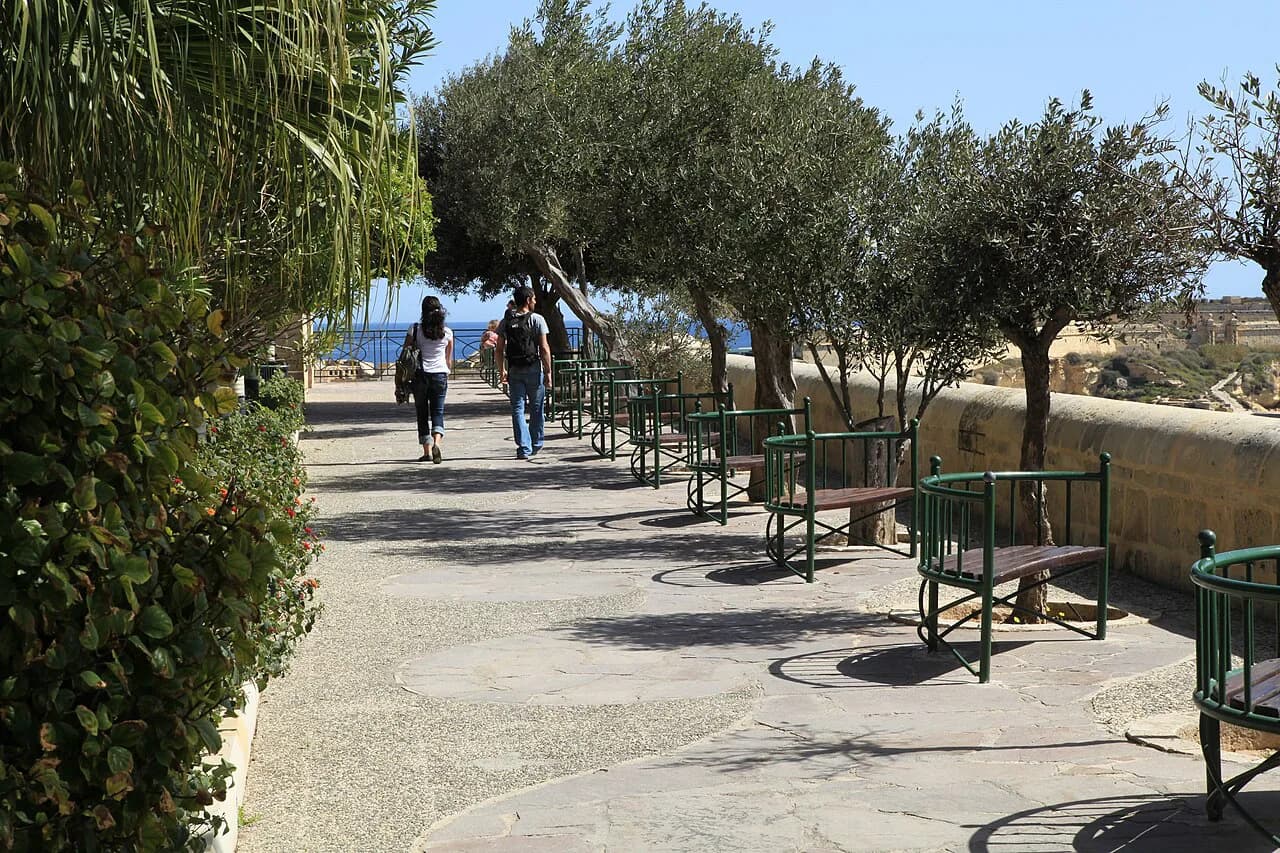
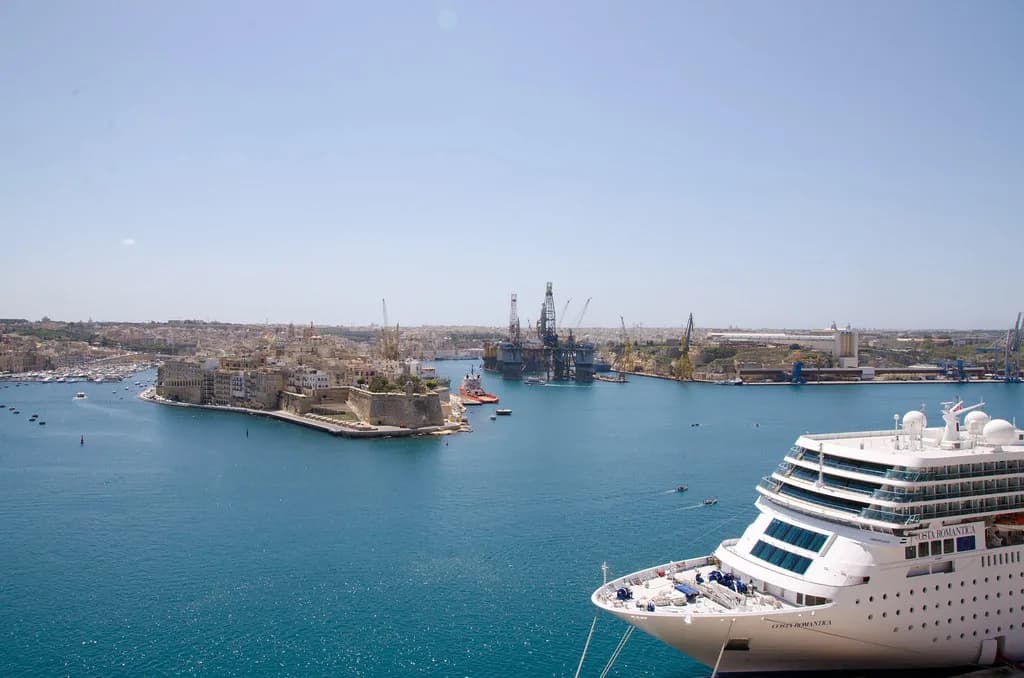
The Upper Barrakka Gardens sit on the St Peter and Paul Bastion above the Grand Harbour, with arcades framing the view across to Fort St Angelo and the Three Cities. They are free to enter and open daily from 7am to 10pm, and the same hours apply at the quieter Lower Barrakka Gardens further along, which look towards the Siege Bell Memorial and have a small terrace for a drink.
The Saluting Battery below the Upper gardens fires a ceremonial cannon at noon and again in the afternoon, and one guide puts the second firing at 4pm. Expect the viewing terraces to fill shortly beforehand, so claim a spot early or watch from the garden railing instead. The cannon firing is a timed event; check the current viewing arrangements before you go.
For the best photographs, come back to the arcades in the late afternoon when the harbour is lit from the west. The gardens are the most reliable Valletta viewpoint in the city, and the walk between the upper and lower gardens takes only a few minutes.
The Barrakka Lift and how to get up from the Grand Harbour
If you arrive by boat at the Valletta Waterfront, the Barrakka Lift saves you the climb from the harbour level to the Upper Barrakka Gardens in about 25 seconds. One guide quotes a return fare of one euro.
Use it in both directions if you plan to cross to the Three Cities and come back the same way; walking up instead is possible but steep, and punishing in summer heat. The gardens themselves stay free.
Fort St Elmo and the National War Museum
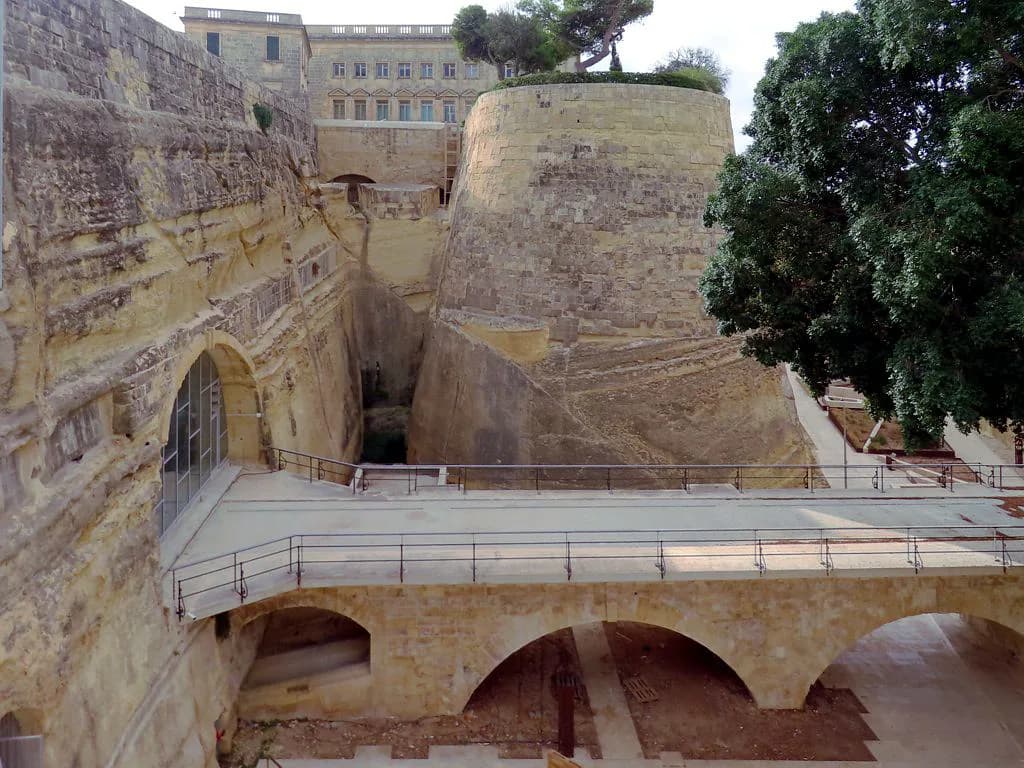
Fort St Elmo anchors the far end of the city from the gate, and the National War Museum inside its lower sections covers both world wars with exhibitions and displays. The fort walls and harbour outlook alone are worth the walk down Republic Street.
Pair it with the Lascaris War Rooms only if you have a second day, because doing both war collections back to back blurs them. The war rooms sit underground near the Upper Barrakka, so they fit naturally with a gardens visit instead.
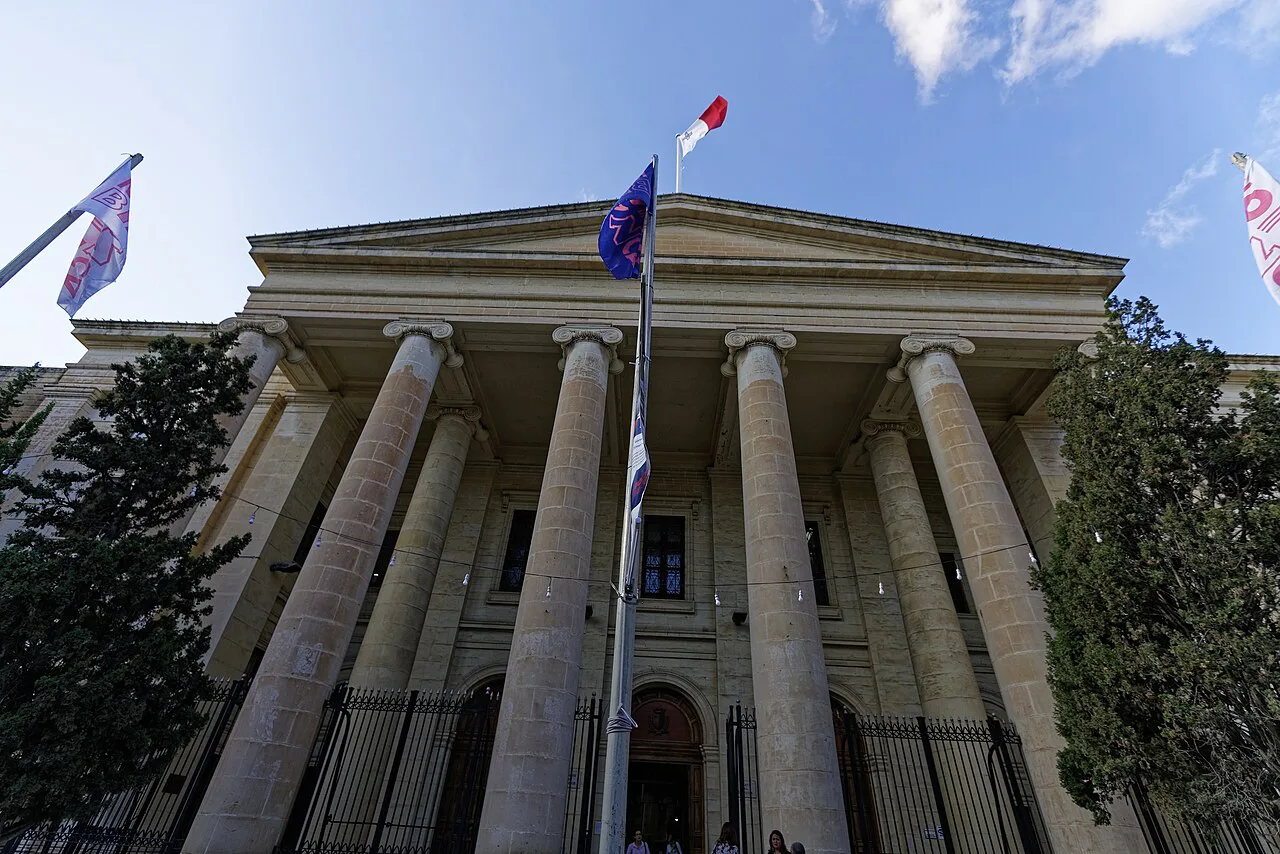
Lascaris War Rooms and the National Museum of Archaeology
The Lascaris War Rooms are a network of subterranean operations rooms cut into the rock below the upper city, entered from near the Barrakka area. They suit anyone interested in the Second World War in the Mediterranean, and the underground setting keeps them cool at midday.
The National Museum of Archaeology on Republic Street holds finds from Malta's prehistoric temple sites, which makes it the best preparation before a separate trip to Ħaġar Qim or the Ħal Saflieni Hypogeum. Both of those lie outside Valletta and need their own planning, and Hypogeum slots are limited, so book well ahead.
Other collections worth knowing about include the National Museum of Fine Arts, known as MUŻA, and the Palace State Rooms, so you can shape a museum morning to your own interests.
Casa Rocca Piccola and the National Library of Malta
Casa Rocca Piccola is a lived-in palazzo open to visitors, with furnished rooms and a guided insight into how a Maltese noble family used the house. It gives you interiors of a different kind from the co-cathedral and takes less time.
The National Library of Malta is near St George's Square and is worth a short look if you are passing. Treat both it and Casa Rocca Piccola as optional extras that fit around the main sights rather than destinations in their own right.
Churches along the way: Basilica of Our Lady of Mount Carmel and St Paul's Shipwreck
The dome of the Basilica of Our Lady of Mount Carmel on Archbishop Street is the tallest structure in the city and a useful landmark when you lose your bearings in the side streets. Visitors can step inside, and silence is expected while you are in the church.
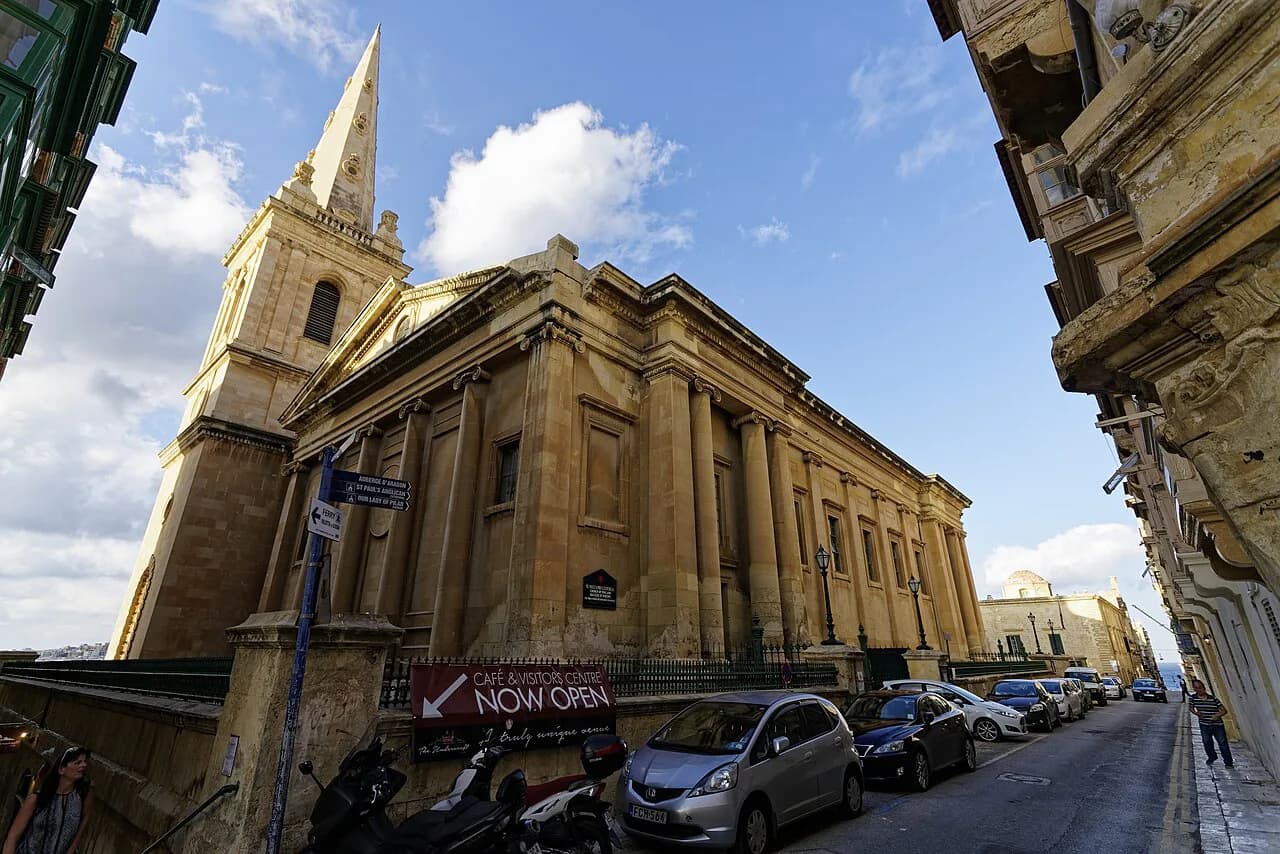
The Collegiate Parish Church of Saint Paul's Shipwreck is the other Valletta church most visitors add, and both are working parishes where you should cover shoulders and knees as a matter of course. Check opening times before you set out if either is a priority.
Triton Fountain and the City Gate (Porta Reale)
The Triton Fountain is the first thing you see outside the walls, and the City Gate beside it marks the entrance to the old city. One guide counts the present gate as the fifth to stand on the site, built in the early 2010s.
Use the gate as your meeting point and the fountain as your orientation marker; the bus station is just beyond. From here the whole city is walkable, and a Valletta map saves a lot of unnecessary loop-backs through the grid.
Walking Valletta: Republic Street, the gallarija balconies and the staircases
Republic Street runs about a kilometre from the City Gate down the spine of the city, and walking it once gives you shops, cafés and the main sights in sequence. Look up as you go: the gallarija, the painted enclosed balconies, are the detail that makes Valletta's streets memorable.
Merchant Street runs parallel and carries more of the smaller shops and food stops, which suits a slower hour between major sights. The side staircases are worth a detour for the photographs alone.
A dgħajsa boat across the Grand Harbour to the Three Cities
A dgħajsa is the traditional Maltese boat, and a short crossing from the Valletta side to Birgu, also called Vittoriosa, is one of the simplest ways to see the harbour from the water. A dgħajsa crossing puts you at the level of the fortifications rather than above them.
Allow a half day if you cross, since you will want time among the Three Cities' streets before returning. Otherwise, a harbour boat cruise gives you the same water-level view of the fortifications without the crossing.
Where to eat and drink in Valletta: pastizzi, coffee and one splurge
For the cheapest proper stop, buy a pastizz, the flaky pastry filled with ricotta or peas, from a café counter, or take a coffee in one of the squares off Republic Street. It is the format locals use between errands and suits a walking day.
Nenu the Artisan Baker, ION Harbour and Grain Street are among the named Valletta food stops in the sources if you want a sit-down meal rather than a pastry counter. Book ahead for the busier sit-down places and expect to pay noticeably more than at a pastizz counter.
How long you need in Valletta and what to drop if you have one day
Two days lets you take in the co-cathedral, the palace, the war collections and the Barrakka gardens without watching the clock. With one day, pick the co-cathedral, Republic Street, the Upper Barrakka and either Fort St Elmo or the archaeology museum, and leave Casa Rocca Piccola and the National Library for a return trip.
Group everything by height: the lower city around Fort St Elmo in the morning, the middle streets at midday, the upper gardens and the Saluting Battery in the afternoon. That sequence avoids the steepest climbing in the worst heat.
Getting in and around: parking outside the walls and the congestion charge
Do not drive into the centre. One guide warns of a congestion charge for entering the city core and recommends parking just outside Valletta, with three car parks marked on its map for reference.
Within the walls, walking is the only sensible mode, and the city is genuinely compact enough that most pairs of sights are minutes apart. Buses run into the terminus outside the City Gate, which puts you at the start of Republic Street on arrival.
One day or two in Valletta?
Take two days if you want both the interior sights and the harbour side without rushing, and one day if you are content with the co-cathedral, Republic Street and the Barrakka gardens. Either way, walk in from the gate, group the sights by height and leave the car outside the walls.
If you are staying longer on the islands, the same approach works elsewhere, and things to do in Gozo reward a separate day rather than an afternoon squeezed between Valletta sights.
Explore more Valletta guides
- Cafés in Valletta
- Is Valletta Worth Visiting?
- Museums in Valletta
- Shopping in Valletta
- Valletta Boat Trips
- Valletta Churches
- Valletta Gardens
- Valletta Grand Harbour
- Valletta Map
- Valletta Market (Il-Monti)
- Valletta Restaurants
- Valletta Streets
- Valletta viewpoints
- Valletta Walking Tour
- 3 Days in Valletta
- Free Things to Do in Valletta
- One Day in Valletta
- Things to Do in Valletta When It Rains
- Valletta Fort
- Valletta History
- Valletta Tours
Frequently Asked Questions
Is Valletta a walkable city?
Yes. The old city inside the walls is compact and laid out on a grid, and Republic Street runs about a kilometre from the City Gate to the Fort St Elmo end. Most pairs of sights are a few minutes apart on foot, though the climb between the harbour level and the Upper Barrakka Gardens is steep.
Is there plenty to do in Valletta for free?
Several of the best stops cost nothing to enter: the Upper and Lower Barrakka Gardens, the city streets and staircases, and the exterior of the fortifications. Churches are free to enter as places of worship. Ticketed sights include St John's Co-Cathedral and the Grandmaster's Palace.
What is the best order for a first day in Valletta?
Start at the City Gate and walk down Republic Street towards Fort St Elmo and the National War Museum while it is cooler, work back through the central streets for lunch, then finish at the Upper Barrakka Gardens and the Saluting Battery in the afternoon light.
Sources
Notes for your Malta trip
Optional updates when we add or correct a Malta or Gozo guide.
You might also like
Continue reading
More guides you'll find useful