Valletta History: The Buildings That Tell the Story
A short, building-led history of Valletta for visitors, from the Knights of St John to the Auberge de Provence, from the museum collection to the basilica dome.
On this page
Valletta is Malta's capital, a fortified harbour city built by the Knights of St John, and its history is easiest to read one building at a time. Start with the National Museum of Archaeology inside the Auberge de Provence on Republic Street, then work outward to the palaces, churches and waterfront. This guide ties each period to somewhere you can actually stand, with entry prices and the walk between sites.
The point is not to memorise a timeline but to recognise what you are looking at: a 1571 auberge, a painted hall decorated in the early 1800s, a Phoenician sarcophagus, a dome above the street grid. Once you can name those layers, the rest of the city falls into place quickly.
Why Valletta sits where it does
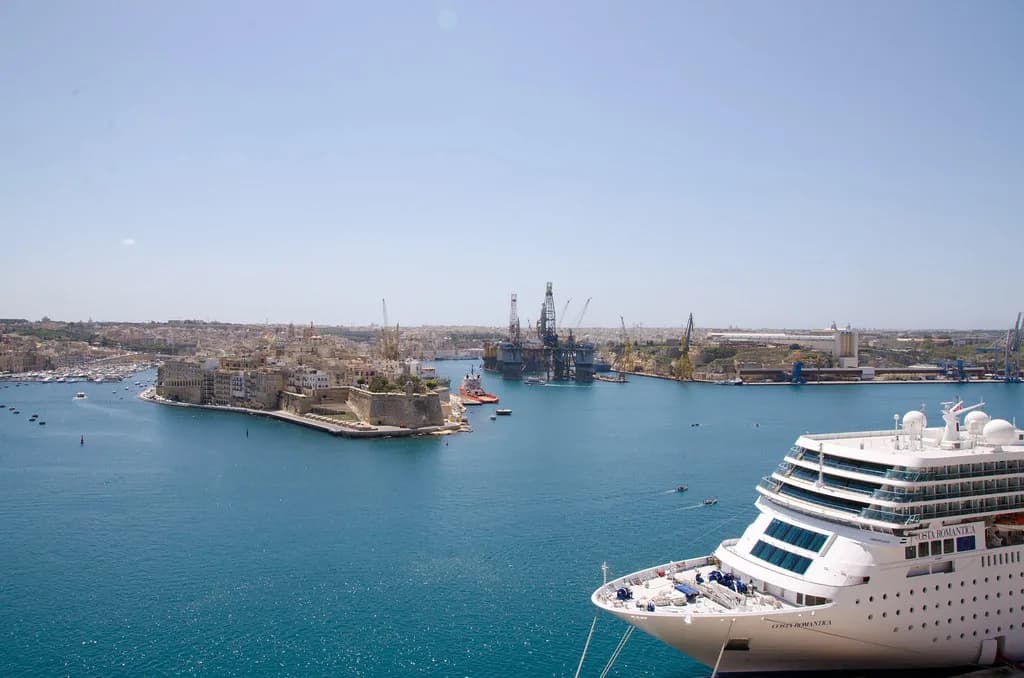
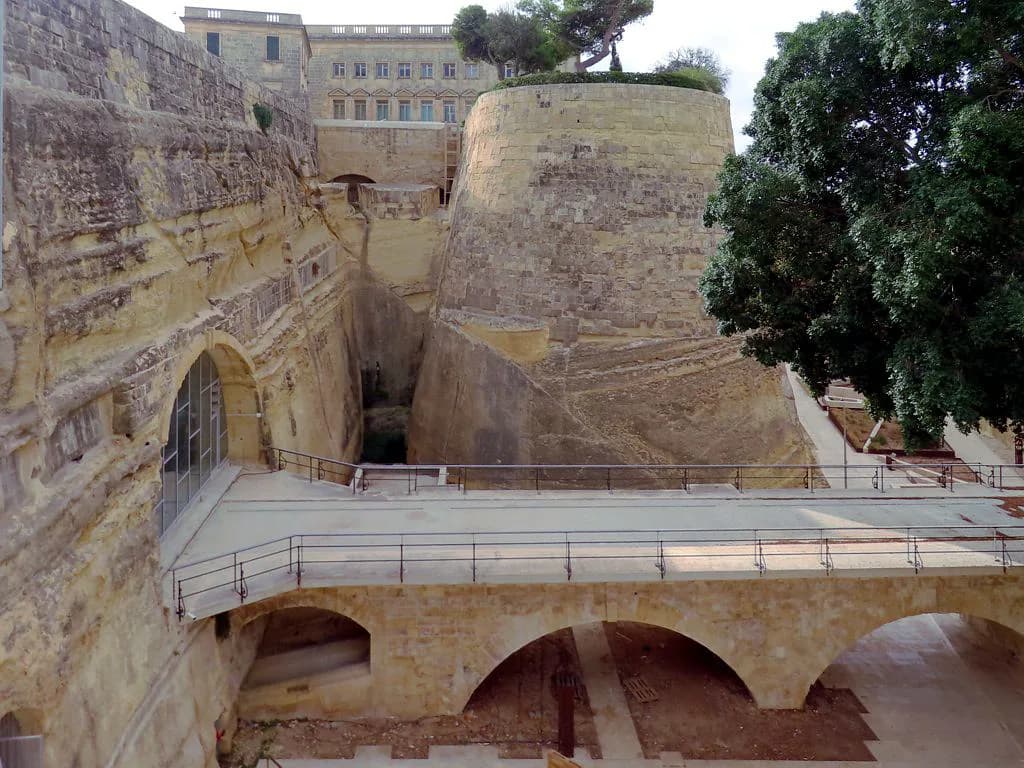
Valletta occupies a fortified peninsula between two harbours, which is why the city is entered through gates and defended by bastions rather than spreading outwards. Walk in from the City Gate end and you are moving through a planned sequence of streets, squares and fortifications, not a village that grew by accident. The Valletta map shows how the grid and the water sit together before you set off.
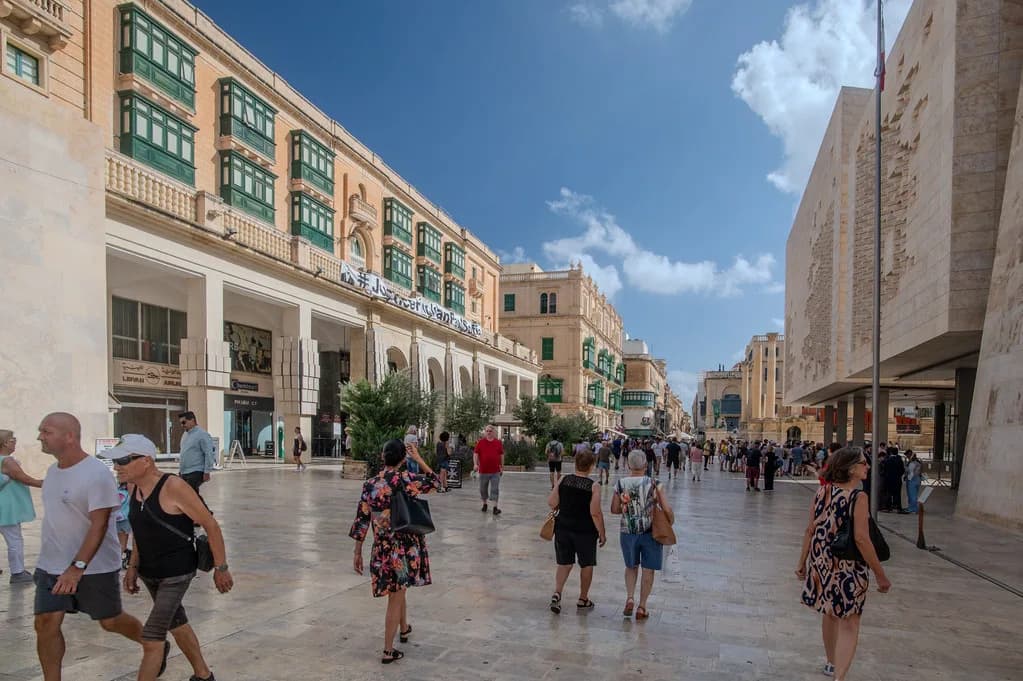
Reading the layout first saves leg work later. Republic Street runs as the city's spine, and most of the buildings discussed here sit on or just off it, so a single north–south walk covers a lot of ground.
The Knights of St John and the buildings they left
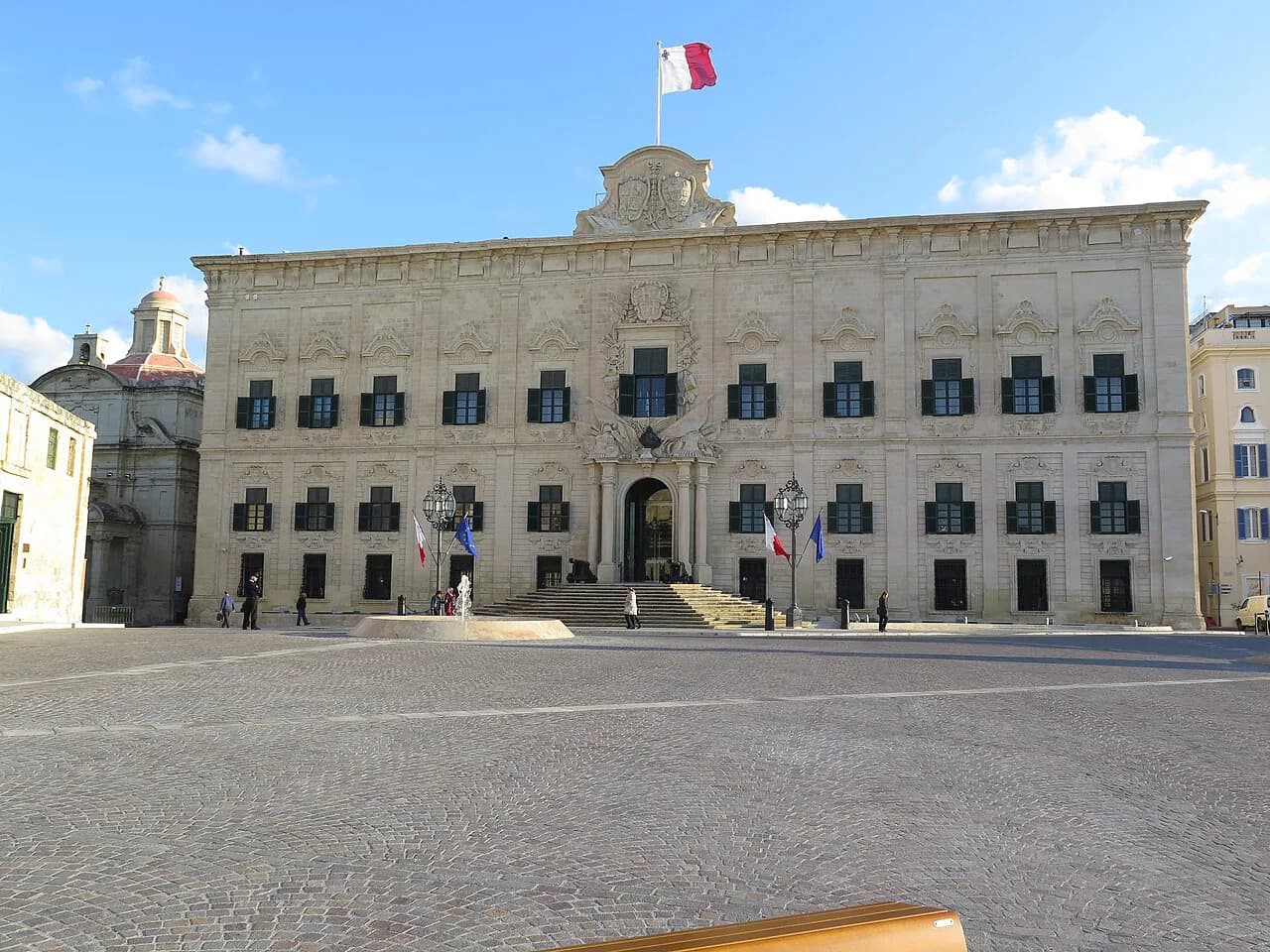
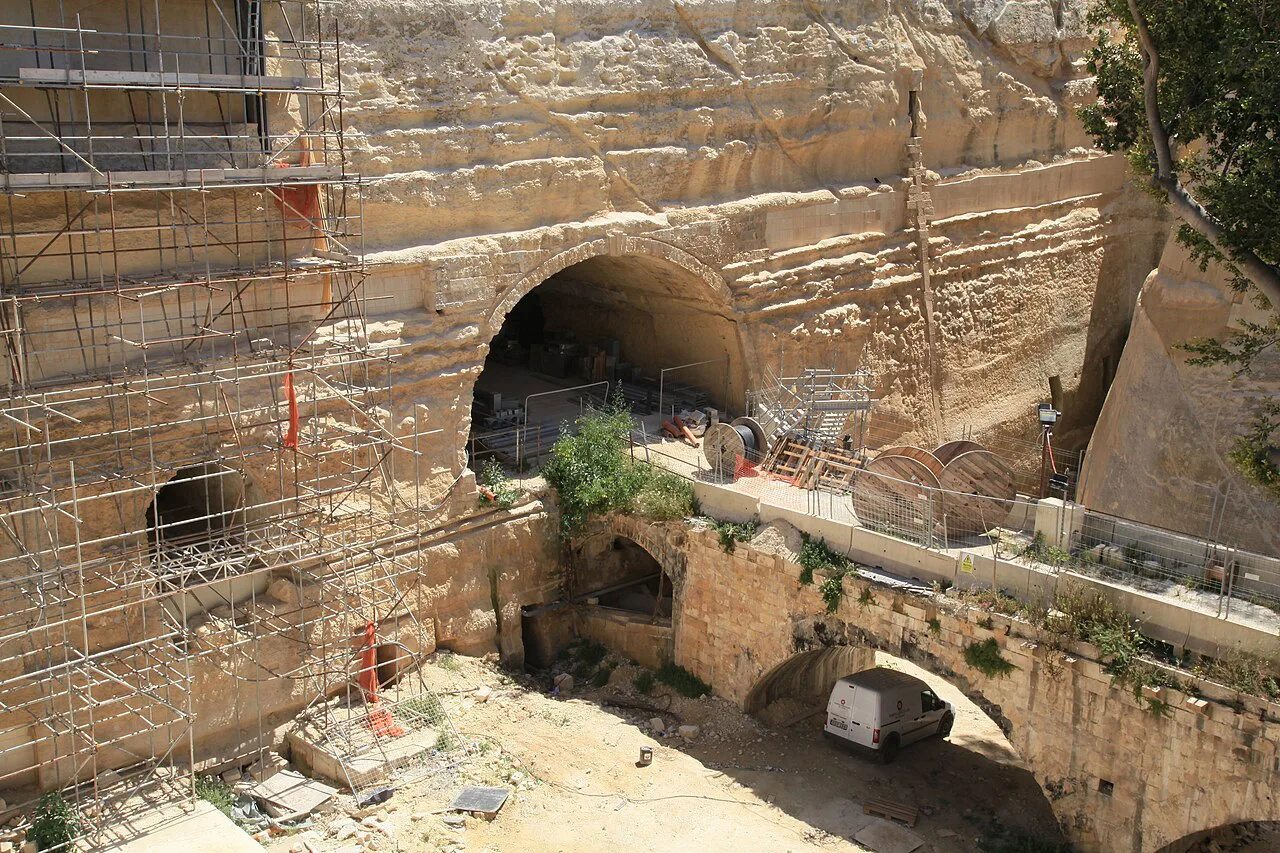
The Knights of St John are the reason Valletta looks the way it does, and their hand is most obvious in the auberges, palaces and forts that still stand. The Auberge de Provence, which dates back to 1571, housed the langue of Provençe, France, and now holds the National Museum of Archaeology. Across the water in Birgu, Fort St Angelo is the other Knights' site worth knowing before you cross the harbour.
Heritage Malta manages more than 90 museums, landmarks and monuments across the islands, so a single ticket strategy pays off if you plan to see several. The Grand Master's Palace is among its featured sites, which makes it the natural companion to a museum visit in Valletta.
The Auberge de Provence and the National Museum of Archaeology
The National Museum of Archaeology is housed within the Auberge de Provence, a Baroque building from 1571, so the visit is part architecture and part collection. Inside, the upper floor holds the Gran Salon, a large painted hall with decorations dating to the early 1800s, now used for national exhibitions and events such as conferences and photo shoots.
Entry is priced by age band: adults €5.00, youths aged 12 to 17 €3.50, senior citizens aged 60 and over €3.50, concessions and students €3.50, children aged 6 to 11 €2.50, and infants aged 1 to 5 free. Heritage Malta members and passport holders enter free. The museum is at Auberge de Provence on Republic Street, and the closest bus stop is a five-minute walk away.
For visitors who want a calmer visit, the museum sets aside a quiet hour on Wednesdays from 1pm to 4pm. All areas are fully accessible to visitors with mobility impairment, and audio guides come in a long list of languages including Maltese, English, German, Italian, Spanish and French.
What the collection covers
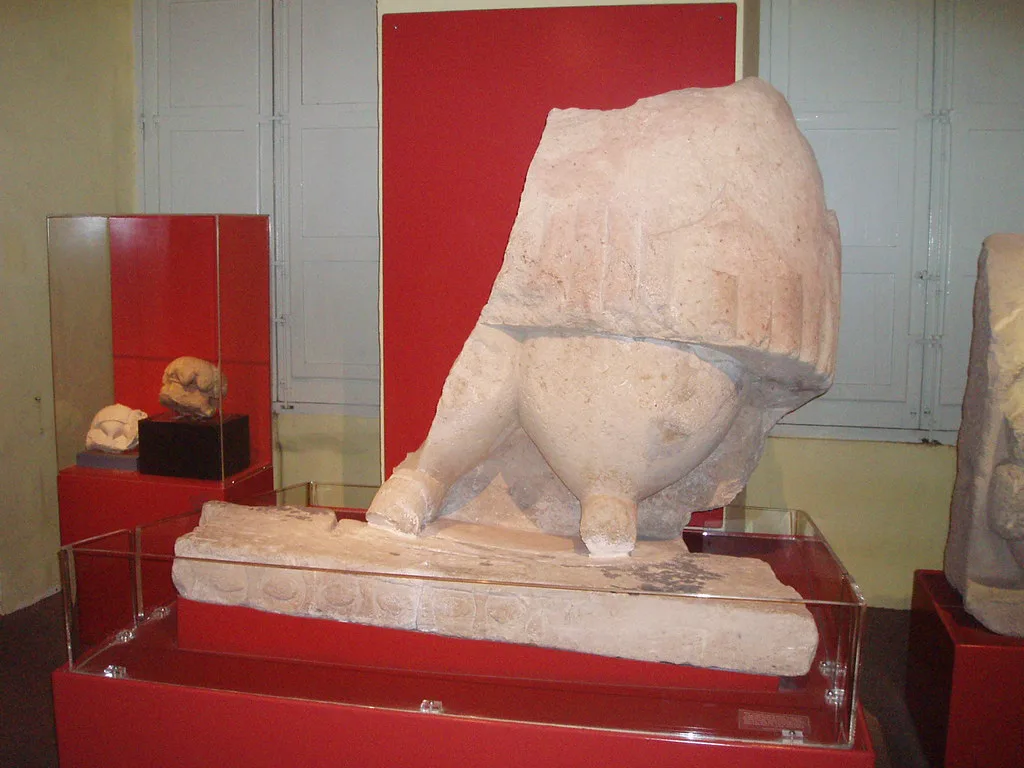
The ground floor is dedicated to the Neolithic period, with the earliest tools and vessels alongside animal and human figures excavated from the megalithic structures and the Ħal Saflieni Hypogeum. Highlights include The Sleeping Lady, The Venus of Malta and the colossal statue from the Ħal Tarxien Prehistoric Complex. Artefacts run from Malta's Neolithic period, given as 5900–2500 BC, up to the early Phoenician period of the 8th to 6th century BC.
This is the sensible first museum stop in Valletta if you plan to visit any temple or underground site later, because it gives context to what you will see in the field. Allow more than a quick pass through the Neolithic rooms.
The Phoenician layer: the Cippus and the sarcophagus
The upper floor houses the Bronze Age and Phoenician sections, where Phoenician glass and gold sit alongside an impressively large terracotta sarcophagus. The collection of skulls from the Ħal Saflieni Hypogeum is displayed here too, excavated first under Fr Emmanuel Magri and later under Sir Themistocles Zammit.
On the second floor, the Cippus of Malta is exhibited alongside a copy of the Louvre Cippus; it played a key role in the decipherment of the Phoenician alphabet. Look for it before you leave, since it is easy to miss among the larger pieces.
The Basilica of Our Lady of Mount Carmel
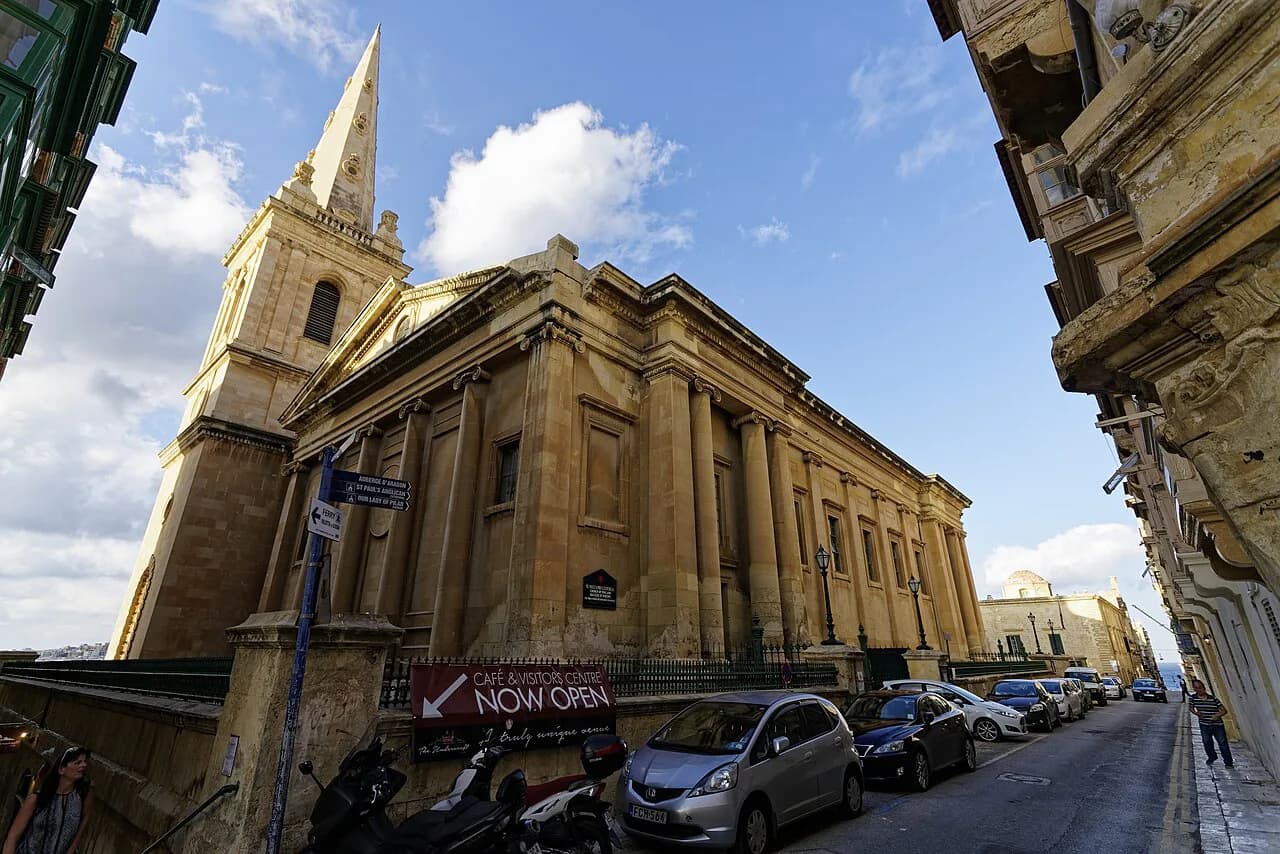
The Basilica of Our Lady of Mount Carmel is one of Valletta's named churches and a useful landmark when you are steering by sight rather than by map. Its dome is a fixed point above the rooftops, so it works well as a waypoint between the museum and the waterfront.
Treat it as architecture and orientation rather than a scheduled stop, and check the notice at the door if you want to go inside.
Reading the city on foot
A workable route starts at the City Gate end, follows Republic Street past the Auberge de Provence and the National Museum of Archaeology, and finishes at the basilica and the harbour edge. That sequence keeps the Knights' buildings, the museum collection and the later painted hall in a sensible order without doubling back.
Wear proper shoes, because the streets are stone and the gradients are real, and keep the walking short in the middle of the day. If you would rather have the sequence narrated than assemble it yourself, see the Valletta walking tour guide.
Practical notes for a history-focused visit
Opening hours for the National Museum of Archaeology are published by Heritage Malta on its opening hours page rather than fixed here, so confirm the day before you go. The Wednesday quiet hour runs 1pm to 4pm and is worth planning around if you want the galleries calmer.
Budget for the museum at €5.00 for adults and check the Heritage Malta site for the rest of the age bands, and expect to pay separately at other sites. If you are visiting several Heritage Malta properties, compare membership against paying per site.
If your interest stretches beyond the archaeology, the wider list of things to do in Valletta covers palaces, churches and the waterfront in more detail.
Should you start with the museum or the streets?
Start with the National Museum of Archaeology at Auberge de Provence, then walk the streets around it while the collection is fresh. The building, the Gran Salon and the Phoenician pieces give you a vocabulary for everything else in Valletta, and the entry price is modest enough that it does not need agonising over.
If you only have an afternoon, choose one: the museum for context, or the route from the City Gate to the basilica for atmosphere. Doing both properly needs a full half-day.
Explore more Valletta guides
Sources
Notes for your Malta trip
Optional updates when we add or correct a Malta or Gozo guide.
You might also like
Continue reading
More guides you'll find useful