Museums in Valletta: Which Ones Are Worth Your Time
A candid pick of Valletta museums, from the National Museum of Archaeology to the Palace Armoury, with what each holds and how long to allow.
On this page
Three museums carry most of Valletta's weight for a short visit: the National Museum of Archaeology on Republic Street for prehistory, the Grandmaster's Palace for the Knights and the National War Museum at Fort St Elmo for the twentieth century. Fit two of those into a day and you have covered the city's main collections without spending your whole trip indoors. This guide sets out what each museum holds, roughly how long to allow, and how the sites link up on foot.
Choosing between the Valletta museums
Sort the museums by interest rather than by ranking. Prehistory, including the artefacts from the Ħal Saflieni Hypogeum and the megalithic temples, belongs to the National Museum of Archaeology; the Knights of St John belong to the Grandmaster's Palace, where the armoury and the state rooms sit in the same building; and the sieges and Malta's wartime role belong to the National War Museum at Fort St Elmo. Art has its own home at MUZA, while Casa Rocca Piccola, the Lascaris War Rooms and the Saluting Battery add smaller, more specific stops.
If you have one day, pick the Archaeology museum plus one of the palace or the war museum. If you have two days, add the third and slot MUZA or Casa Rocca Piccola in between. Walking between them is straightforward once you know the grid: the city bends around Republic Street, and a Valletta map makes the short hops obvious, from City Gate down to the fort at the tip.
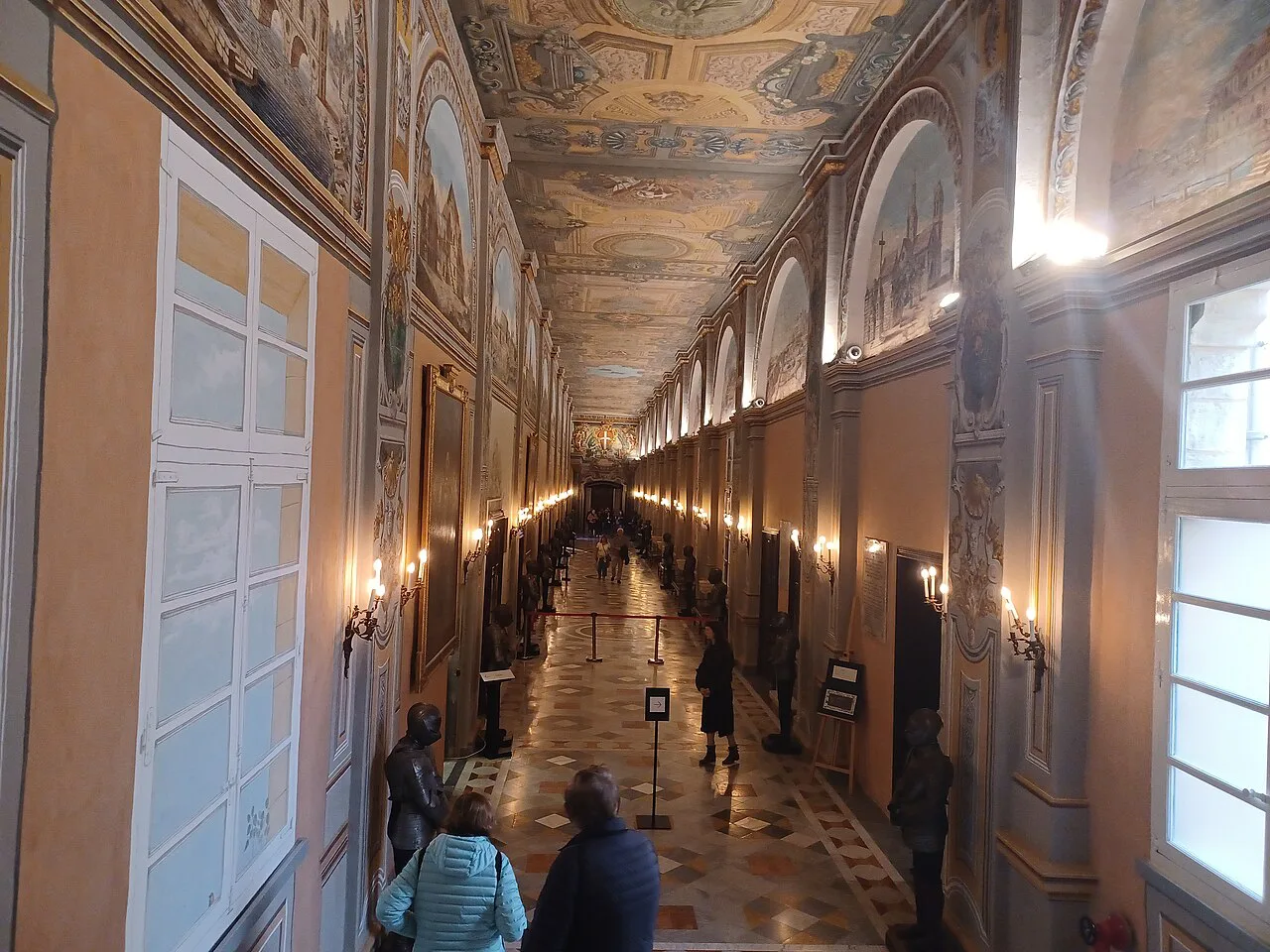
National Museum of Archaeology: the prehistory stop
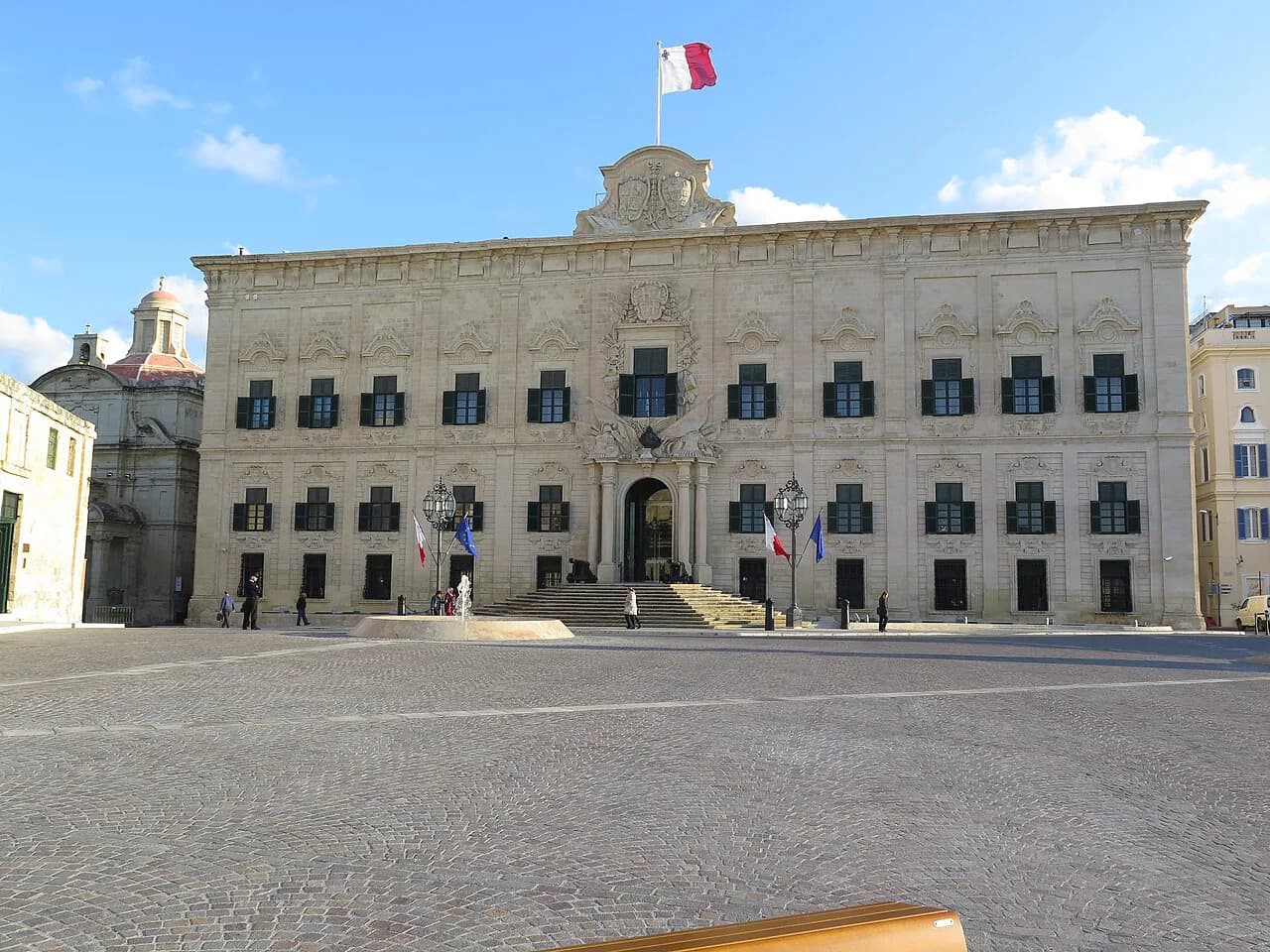
The National Museum of Archaeology fills the Auberge de Provence on Republic Street, the house of the langue of Provençe from 1571. The ground floor runs through the Neolithic period with tools and vessels and the figurative pieces that came out of the temples and the Hypogeum, including the Sleeping Lady, the Venus of Malta and the colossal statue from the Ħal Tarxien Prehistoric Complex. The upper floor moves into the Bronze Age and Phoenician material, with the skulls from the Hypogeum, Phoenician glass and gold, and a large terracotta sarcophagus.
Allow about ninety minutes if you read the labels, an hour if you move briskly. The Gran Salon on the upper floor, a painted hall decorated to the early 1800s, is used for national exhibitions and events, so it may be in use when you visit. Tickets are modest by Valletta standards: adults €5.00, youths aged 12 to 17 and seniors 60 and over €3.50, concessions and students €3.50, children 6 to 11 €2.50 and infants 1 to 5 free, with Heritage Malta members and passport holders going in free.
The nearest bus stop is five minutes away on foot, which makes this the easiest museum to reach on a first morning in the city. Pair it with the things to do in Valletta that cluster around Republic Street and the churches nearby, and you can spend the afternoon above ground rather than in another gallery.
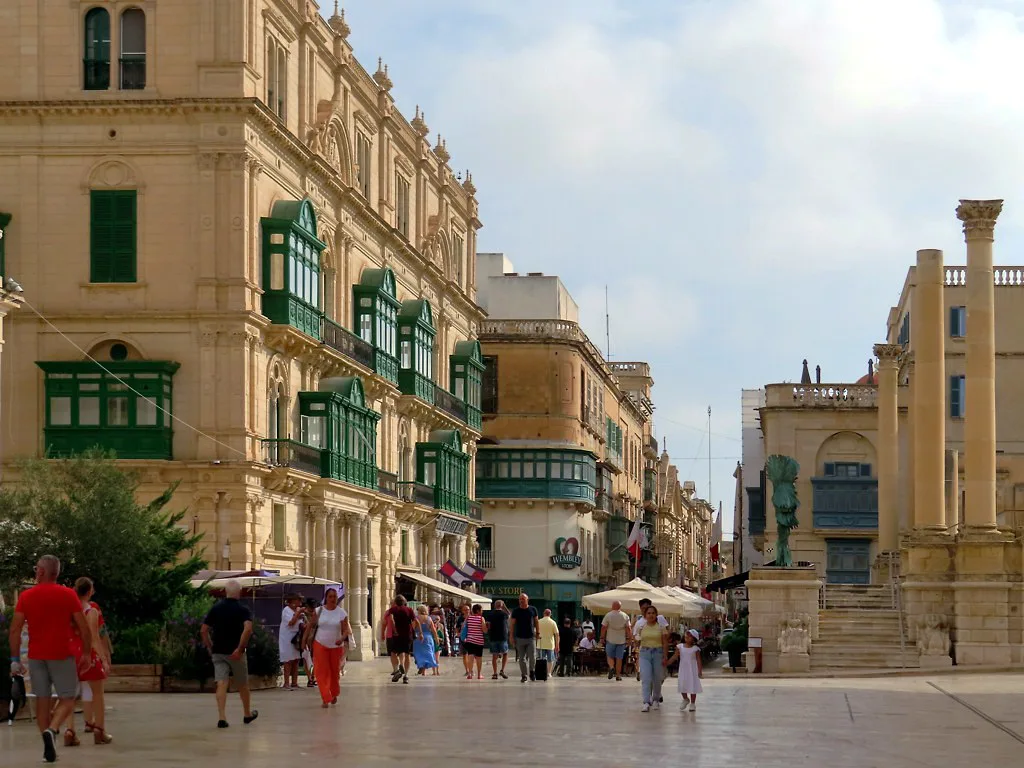
Palace Armoury and Palace State Rooms
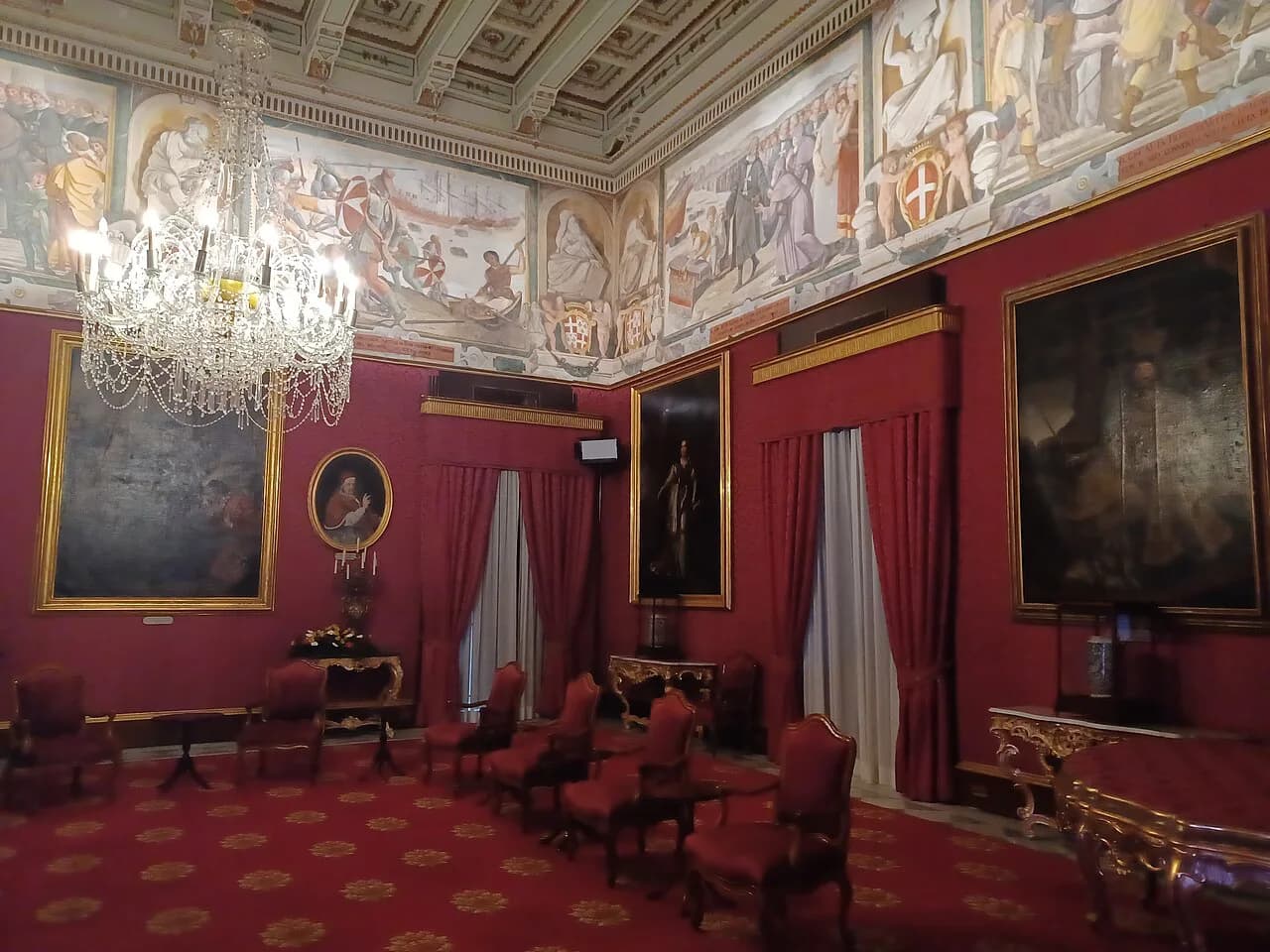
The Grandmaster's Palace holds two separate experiences under one roof, and it pays to know which you are buying. The Palace Armoury, entered from Misraħ San Ġorġ, displays the arms collection of the Knights of St John, including suits of armour associated with Grand Masters Alof de Wignacourt and Jean de La Valette, alongside firearms and artillery. The Palace State Rooms are the ceremonial route through the building, with the Tapestry Chamber, the Ambassadors' Hall and the Great Siege frescoes by Matteo Perez d'Aleccio.
Treat them as one stop of roughly two hours rather than two separate visits, and confirm at the ticket desk whether a single ticket covers both components. The palace sits in the middle of the city's sightseeing, so it works well before or after a Valletta walking tour that covers the same streets on foot.
National War Museum at Fort St Elmo
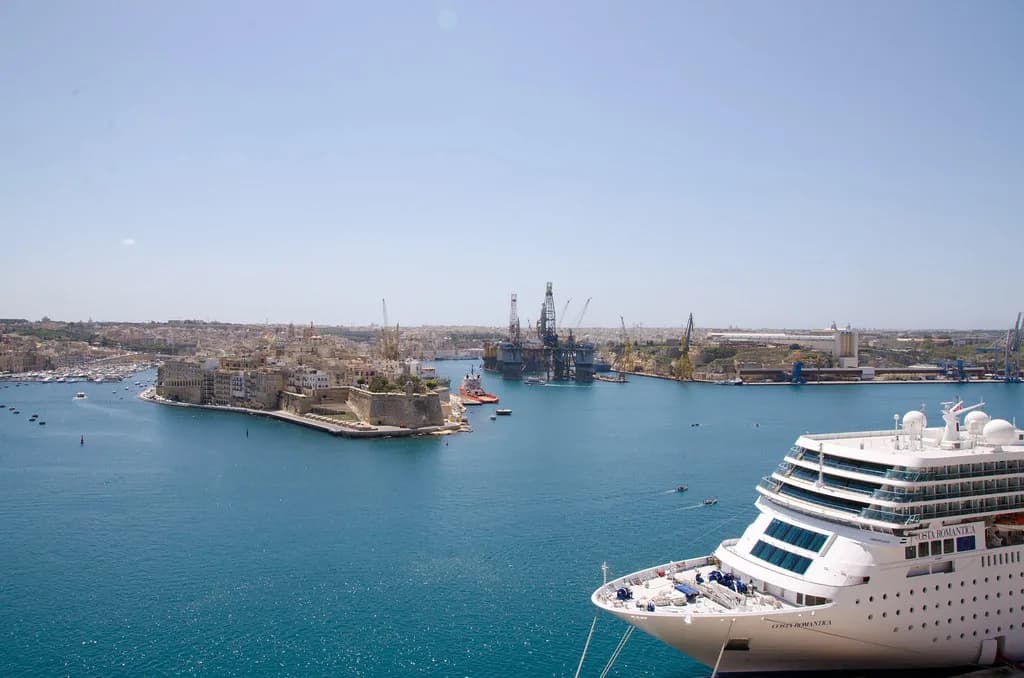
Fort St Elmo guards the tip of the peninsula, and the National War Museum inside it covers Malta's wartime experience and the fort's role in the Great Siege of 1565. The building itself is part of the visit: the star-shaped fort sits between the Grand Harbour and Marsamxett Harbour and gives you open views across both. Allow around ninety minutes, more if you read the campaign displays closely.
Because it sits at the far end of the city, it pairs well with a Valletta viewpoint stop on the walk back, or with the Saluting Battery if you time your return towards the upper part of the peninsula. Budget the walk from Republic Street at fifteen to twenty minutes at an easy pace.
MUZA and Casa Rocca Piccola
MUZA, the National Museum of Art, covers paintings and decorative art rather than archaeology, and it suits a slower hour when you want something other than prehistory. Casa Rocca Piccola is a lived-in palazzo rather than a state collection, and the visit is about rooms and furnishings rather than display cases. Both are short stops by Valletta standards, which makes them easy to fit around the three main museums.
Slot one of them into the middle of the day when the heat is at its strongest, then head out again. If shopping in Valletta is on your list, the same central streets serve both purposes, and a café break between the two keeps the pace realistic.
Lascaris War Rooms, Saluting Battery and Fortress Builders
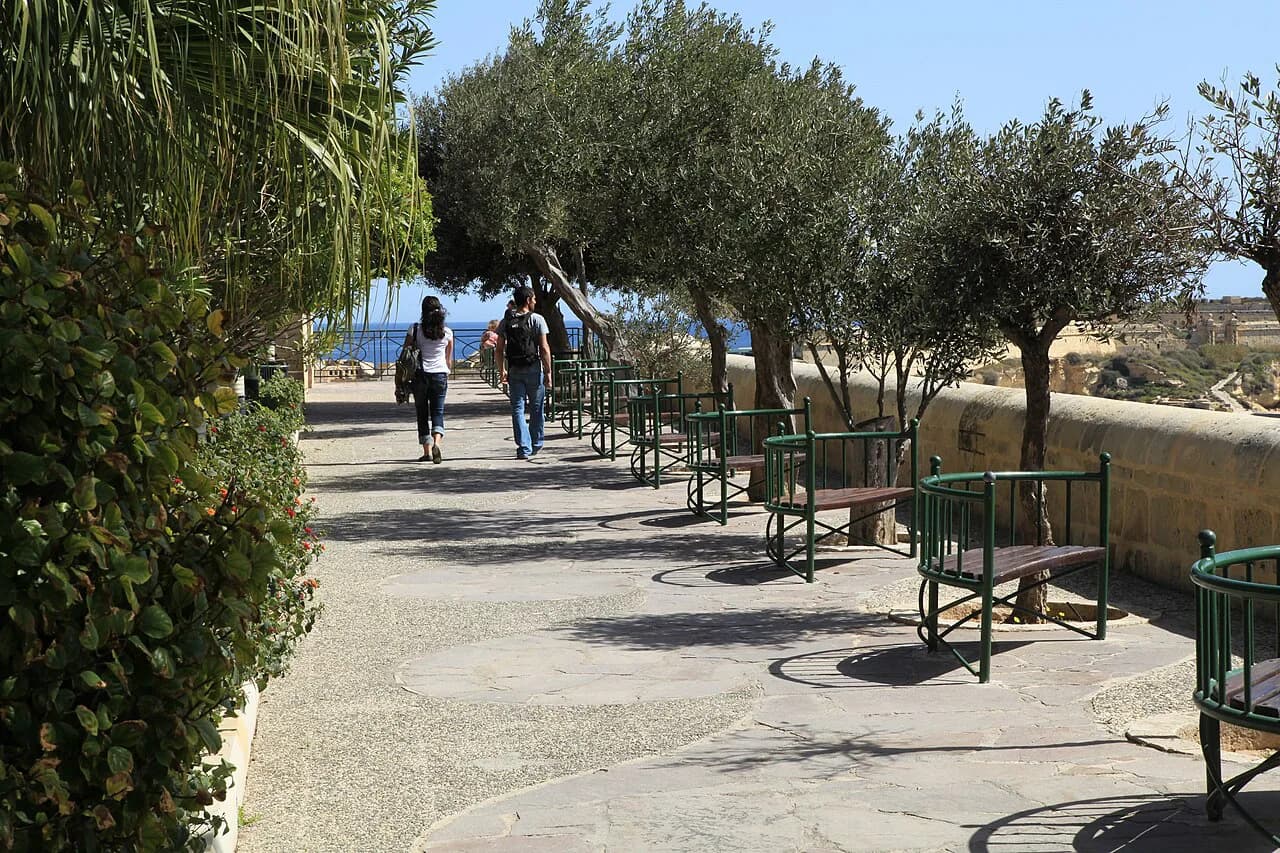
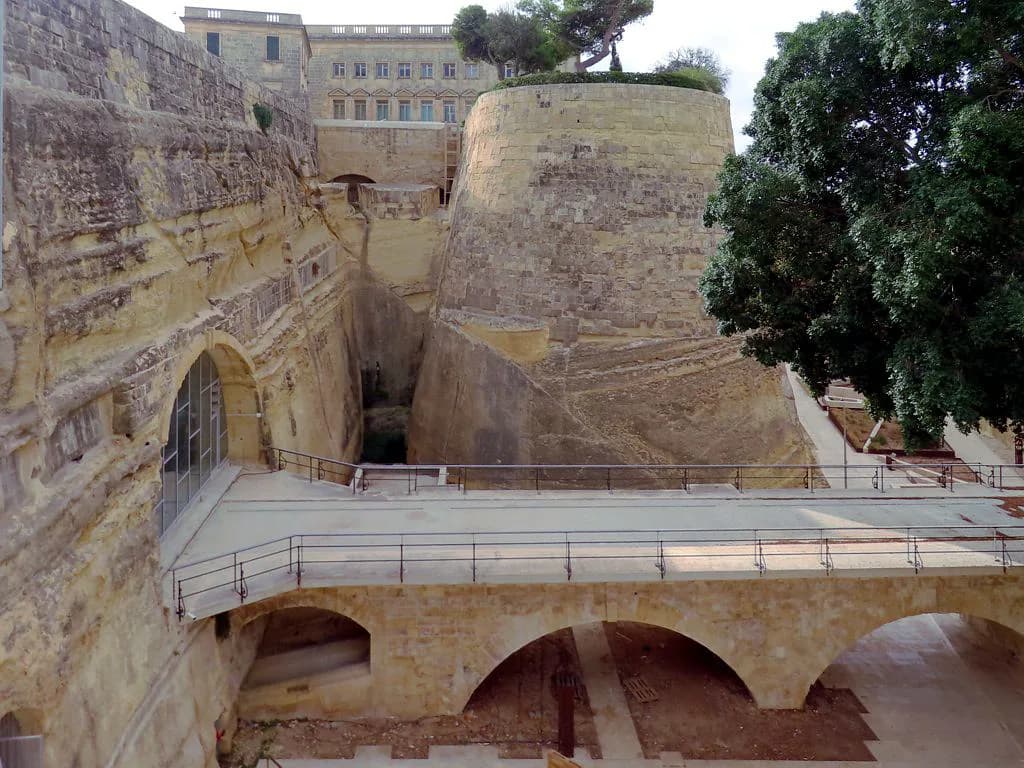
The Lascaris War Rooms take you underground into the wartime command rooms, while the Saluting Battery above them deals with the harbour defences and the ceremonial guns. Both sit close to the Upper Barrakka area, so they combine naturally into a single stop. The Fortress Builders Interpretation Centre at the city gate end explains how Valletta's fortifications were built, which makes it a good primer before you walk the bastions.
None of these three needs more than an hour. Pick the war rooms if you want the Second World War story, the interpretation centre if you want the engineering behind the walls, and the battery if you want to stand on the fortifications themselves. A boat trip around the harbours afterwards shows the same defences from the water.
How long to allow and how to link two or three in a day
A realistic day is two museums, a lunch stop and one short walk. Start at the National Museum of Archaeology when it opens, walk to the Grandmaster's Palace for the armoury and state rooms, then finish at Fort St Elmo or the Upper Barrakka area. Three museums in one day is possible but leaves no time for the streets, the churches or the harbour views, which are half the reason to come. Keep a Valletta Map to hand so the short hops between them stay obvious.
Because Valletta is compact, the distances between these sites are short: ten to twenty minutes on foot between the main clusters. Build in a church stop on the way, since several sit directly on your route and cost nothing to look into when they are open.
Tickets, the Heritage Malta passport and the nearest stop
The National Museum of Archaeology uses a tiered Heritage Malta price, and the same organisation runs the war museum, so a passport or membership can pay for itself if you plan several sites. Members and passport holders enter free at the archaeology museum, which is worth calculating before you buy individual tickets. For the palace, MUZA, Casa Rocca Piccola, the war rooms and the battery, ask at each ticket desk for the current price rather than assuming parity with the archaeology museum.
The nearest bus stop to the archaeology museum is five minutes on foot. Opening days and hours vary by site and season, so check the official Heritage Malta listing before you set out. If you are still deciding whether the city justifies a full day, an honest verdict helps you commit.
Which Valletta museums should you book first?
Start with the National Museum of Archaeology, because it explains the temples, the Hypogeum and the figurines you will meet elsewhere on the islands, and its ticket is modest by Valletta standards. Add the Grandmaster's Palace if the Knights interest you, or Fort St Elmo if the sieges do, and treat the smaller museums as fillers rather than destinations.
Buy the archaeology ticket first, check the passport sums, and keep the rest flexible so you can swap a museum for a harbour walk when the weather turns. Two well-chosen museums will tell you more about Malta than five rushed ones.
Explore more Valletta guides
Frequently Asked Questions
Is there an archaeological museum in Valletta?
Yes. The National Museum of Archaeology is on Republic Street in the Auberge de Provence, and it covers the Neolithic through to the Phoenician period with pieces from the temples and the Ħal Saflieni Hypogeum, including the Sleeping Lady.
How much does the National Museum of Archaeology cost?
Heritage Malta publishes a tiered price list for this museum, with lower rates for children, students and seniors, and free entry for members and passport holders. Check the current figures on the official Heritage Malta page for the museum before you buy.
Can you see the Palace Armoury and State Rooms on one ticket?
The two sit in the same building and are often visited together, but confirm at the ticket desk whether a single ticket covers both before you pay.
Sources
Notes for your Malta trip
Optional updates when we add or correct a Malta or Gozo guide.
You might also like
Continue reading
More guides you'll find useful