Three Cities Malta: Birgu, Senglea and Cospicua Guide
Plan a day in Malta's Three Cities: what to see in Birgu (Vittoriosa), Senglea (Isla) and Cospicua (Bormla), how to cross from Valletta and how long it takes.
On this page
Start in Birgu (Vittoriosa), because it holds most of what you have crossed the harbour to see: Fort St Angelo on the tip of the peninsula, the Inquisitor's Palace near the main square and a waterfront lined with boats and places to eat. Senglea (Isla) and Cospicua (Bormla) sit alongside it on their own peninsulas, quieter and with fewer formal sights, and both are walkable from Birgu. This guide covers what each of the three gives you, how to reach them from Valletta and how to shape a half day or a full one.
Which city is which, and which name you will see on signs
The Three Cities are Vittoriosa, Senglea and Cospicua, and each carries a Maltese name that locals use in daily speech. Vittoriosa is Birgu, Senglea is L-Isla (usually written Isla on signs), and Cospicua is Bormla. Expect both versions on maps and bus stops, sometimes on the same sign, so match the shape of the word rather than waiting for one spelling.
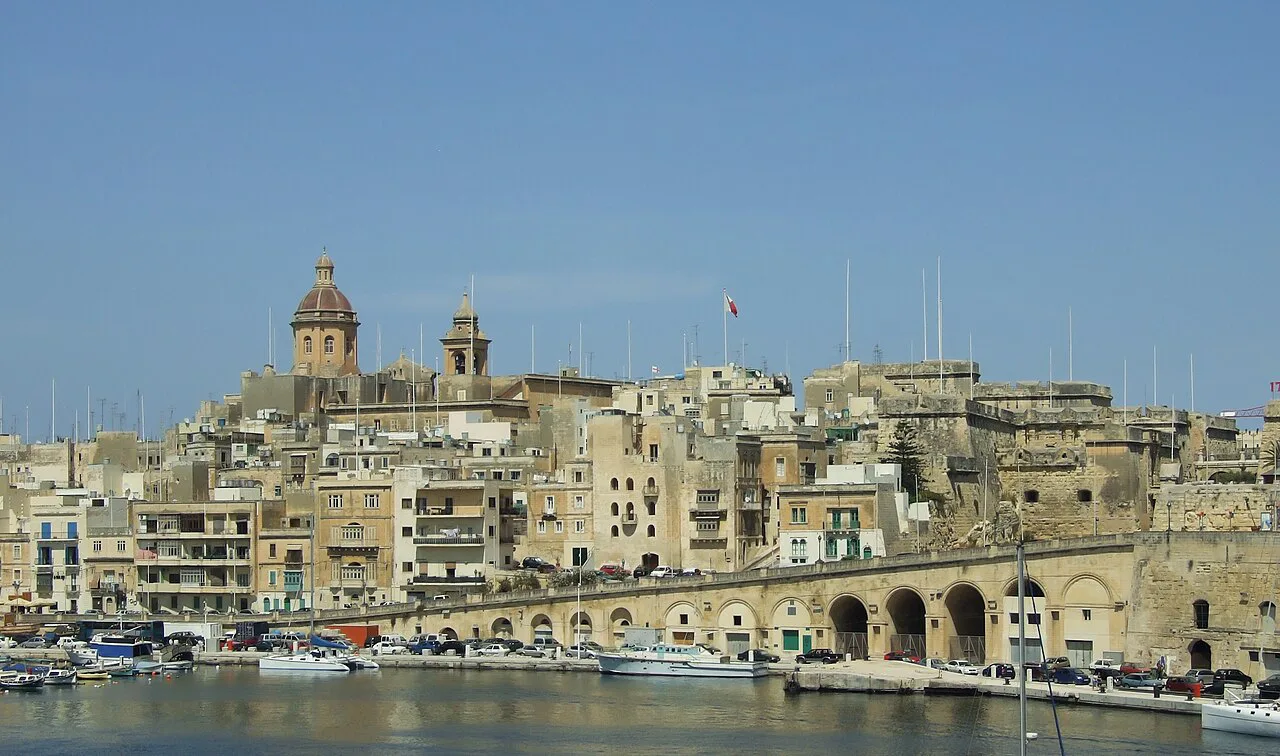
Geographically the arrangement is simple once you are standing on the Valletta side of the Grand Harbour. Birgu and Senglea occupy two parallel peninsulas reaching across the water towards the capital, while Cospicua sits behind them to the south. Approaching by road from Valletta, Cospicua is the first you meet; approaching by boat, you land at Birgu.
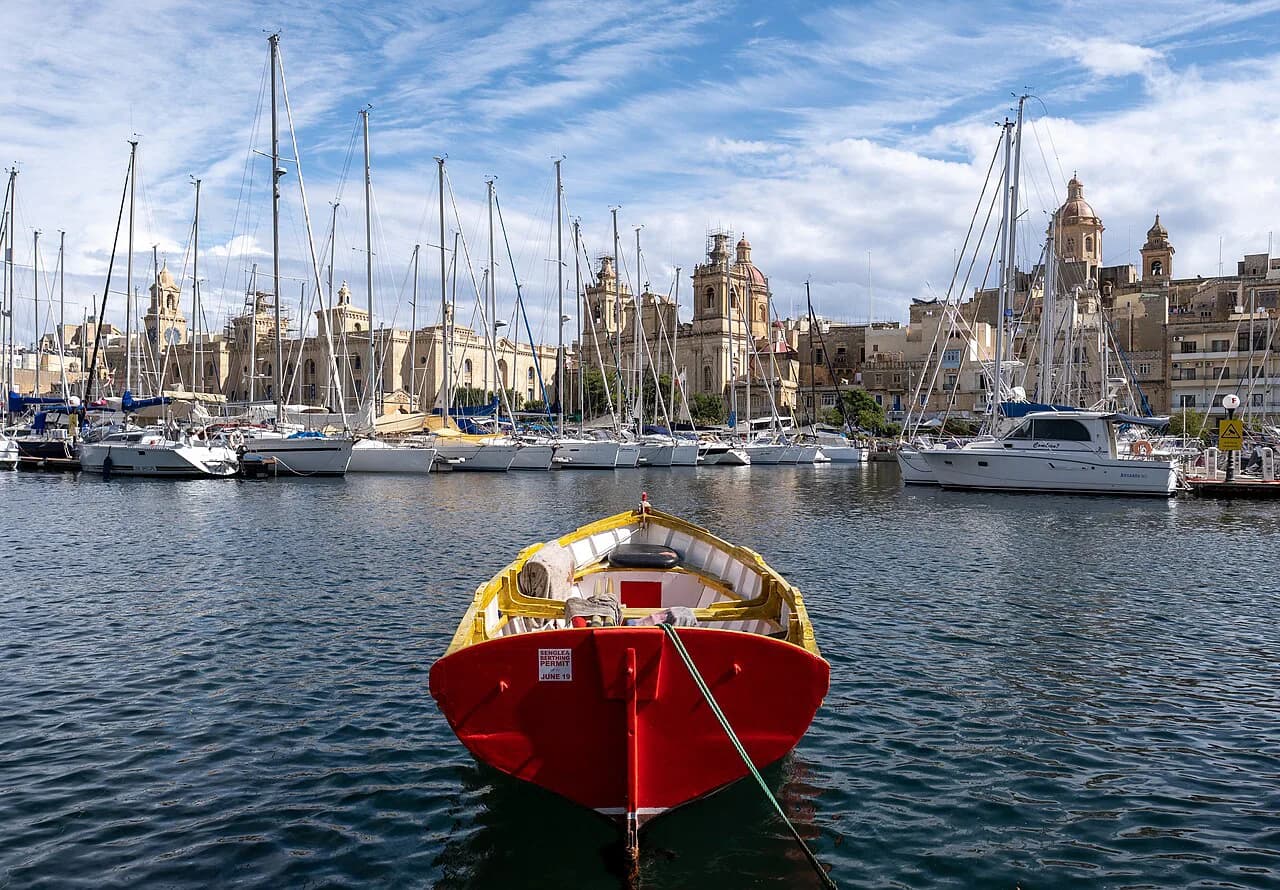
Kalkara is a fourth peninsula jutting into the harbour beside Birgu, visible across the marina, and it belongs to the same compact corner of Malta. It is not one of the Three Cities, so treat it as an optional addition rather than part of the core route.
Which of the three to visit first, and what each one gives you
Birgu is the obvious first stop: the fortified city where the Knights of St John settled in 1530, and the one renamed Vittoriosa after the Great Siege of 1565. Its palaces, churches and noble houses cluster within a small area, so you can move between the Inquisitor's Palace, St Lawrence's Church and the waterfront on foot without planning transport. If you only have a morning, spend it here. Where exactly to sleep is its own small decision, so weigh the options in these Birgu Neighbourhoods: 4 Area Guides before you book.
Senglea gives you something different: a small fortified peninsula with a marina, a waterfront of cafés and the Gardjola Gardens watchtower at the end. It has fewer ticketed sights than Birgu, which is exactly the point if you want a slow coffee with the water at the table edge and a view back across to Valletta. Come here after Birgu rather than instead of it.
Cospicua is the largest of the three and the one you are most likely to pass through without noticing. Its draws are the Church of Our Lady of the Immaculate Conception, which came through the Second World War while most of the city around it was destroyed, and the two rings of fortification on its edge: the Firenzuola lines of 1638 and the later Cottonera Lines of 1670. Walk the walls if you like military engineering; otherwise Cospicua is a short look on the way in.
Getting there from Valletta: ferry, dgħajsa or bus
The ferry is the quickest and most scenic crossing, running from the Valletta waterfront below the Upper Barrakka Lift to the Three Cities side in around ten minutes. It is a catamaran service rather than a sightseeing trip, so you pay little and arrive at Birgu's waterfront ready to walk. Take the lift down from the Upper Barrakka Gardens and cross the road to the ferry station.
The traditional wooden dgħajsa boats leave from the same stretch of Valletta waterfront and offer two things: a crossing to Birgu at two euros each way, and a harbour tour for eight euros that loops around the inlets of the Three Cities in about thirty minutes. You take whichever boatman arrives and has enough passengers, so the wait is part of the experience rather than a timetable. The tour is the better use of the fare if you are not in a hurry.
Buses from Valletta's main terminus take roughly twenty minutes and drop you in the Three Cities area, which suits anyone starting from the bus station rather than the waterfront. On the bus you can buy a ticket valid for two hours of travel on the network, sold at a higher rate in summer than in winter, or use a prepaid Tallinja card that works out cheaper across a longer stay. A taxi from Valletta takes about fifteen minutes.
Birgu on foot: gates, Victory Square and the Collachio streets
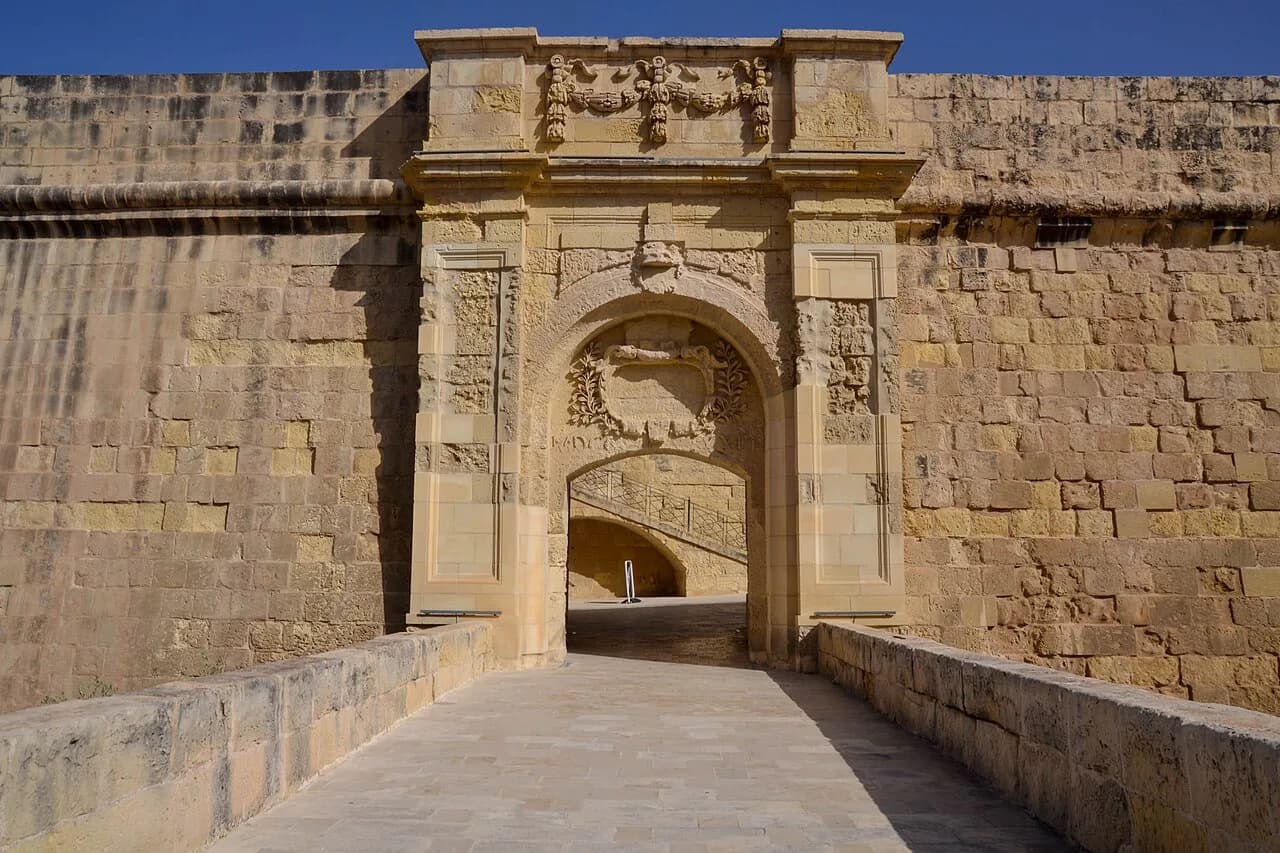
Birgu rewards walking without a plan. From the city gates you head uphill through narrow streets of balconies and courtyards towards Victory Square, the small civic heart with cafés set out under the buildings, and then down to the waterfront on the other side. The Knights' former residences, including the Auberge de Castille, sit among ordinary houses, so the pleasure is in the streets rather than in queuing for one door.
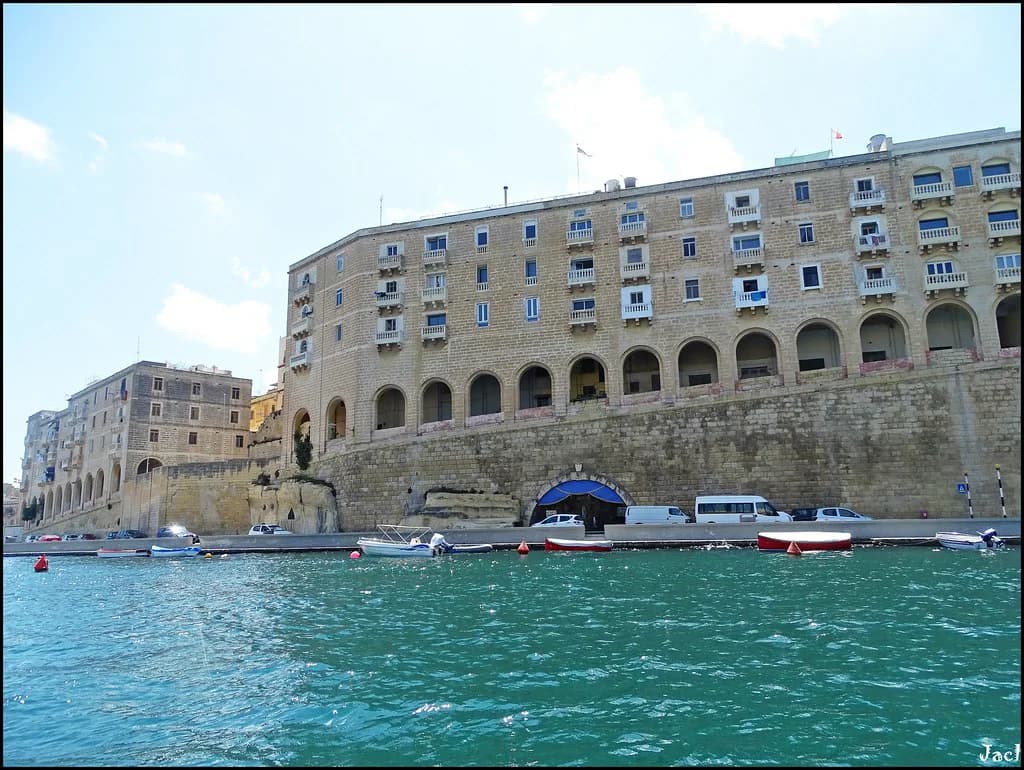
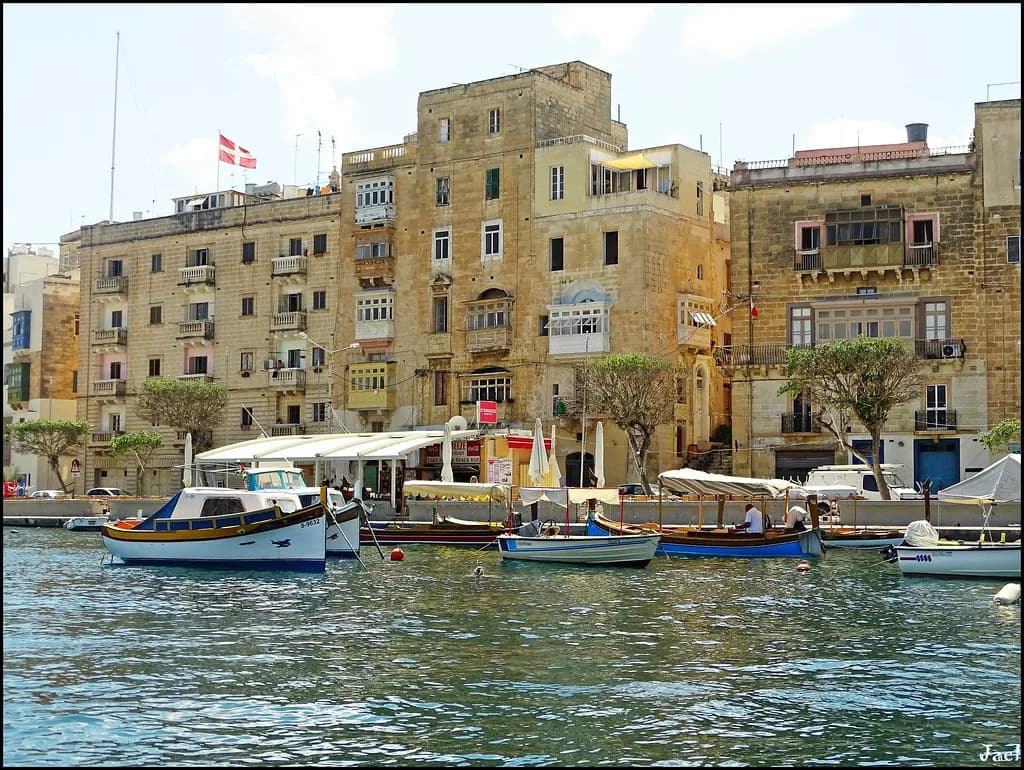
The waterfront marina is the natural pause: boats along the inlet between Birgu and Senglea, super yachts on the western side, and restaurants facing the water. St Lawrence's Church, the Malta Maritime Museum and the Freedom Monument all sit close to this quayside, so you can break a morning of walking with lunch and pick up the museums afterwards. Allow a couple of hours just for the streets before you add any interior.
Fort St Angelo at the tip of the peninsula
Fort St Angelo guards the point where Birgu meets the Grand Harbour, and it is one of the first things you see as the ferry comes in. It is the fort that played a crucial role in the Great Siege of 1565, and it was once home to the Grand Master of the Order of St John.
Access is in doubt: one guide reports the fort is currently closed to visitors, while others describe entering it and joining exhibits and tours. Check the fort's own published information before you build a day around it, but the exterior and the harbour views need no ticket.
The Inquisitor's Palace and its museum
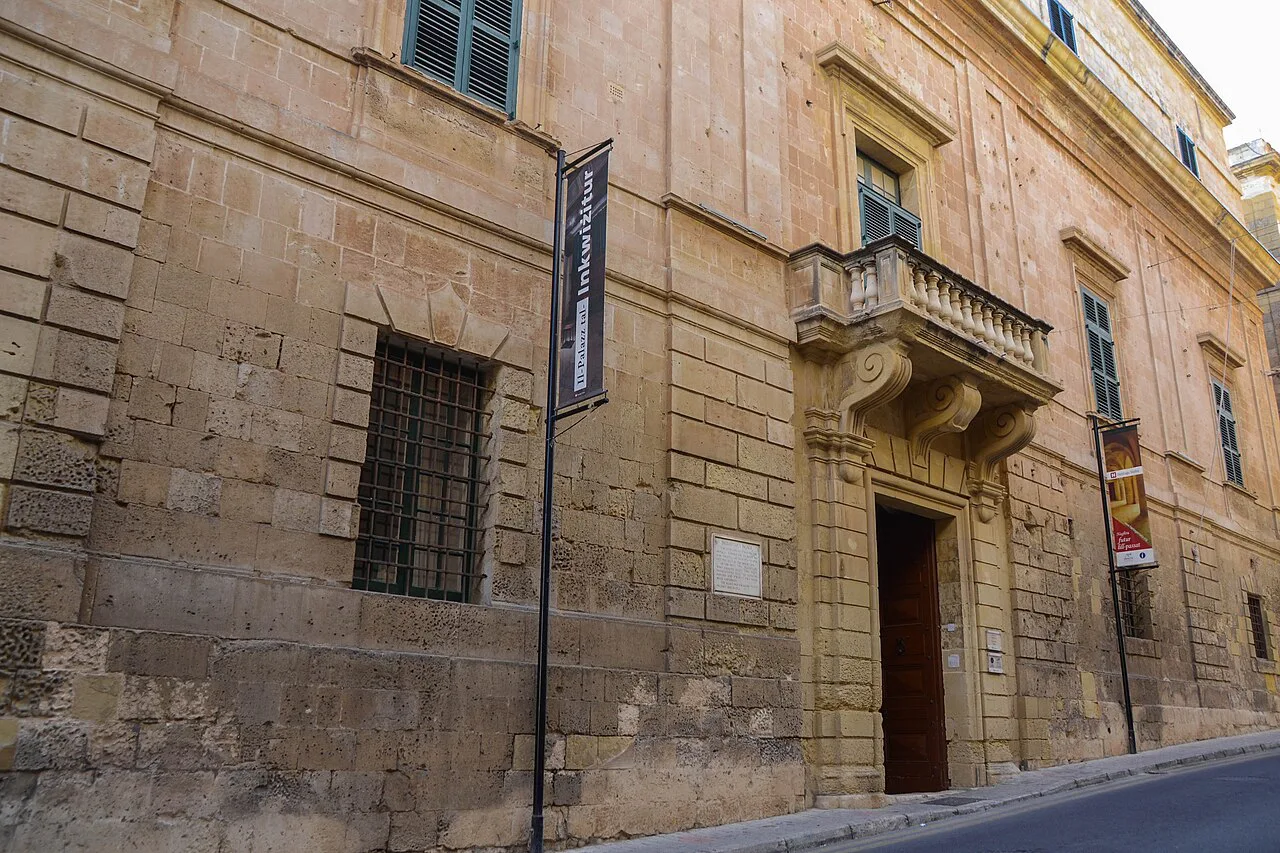
The Inquisitor's Palace began as a courthouse in the 1530s and then served as the seat and home of the Inquisitors for more than two hundred years. You walk through restored rooms and original cells, some still carrying carvings made by prisoners, and the building also houses the Museum of Ethnography, which covers Maltese religion and culture. It sits close to Birgu's main square, so it slots easily between Victory Square and the waterfront.
Budget a little over two hours if you read the displays rather than passing through, because the interest is in the detail of the trials and the religious control the palace represents. It is not a Grand building from the outside, so do not judge it by the façade. Check the palace's published opening arrangements before you build a day around it.
The Malta Maritime Museum on the waterfront
The Malta Maritime Museum on Birgu's waterfront charts Malta's seafaring history, with artefacts that include a four-tonne Roman anchor and a collection of historic Maltese boats. It is the obvious companion to Fort St Angelo if you want the harbour's story told twice from different angles.
The museum has been under redevelopment and is partially open for special exhibitions rather than fully available, so treat it as a bonus rather than the reason for your trip. Look at what is currently showing before you go and shape the rest of the day around the streets and the waterfront instead.
St Lawrence's Church in Birgu
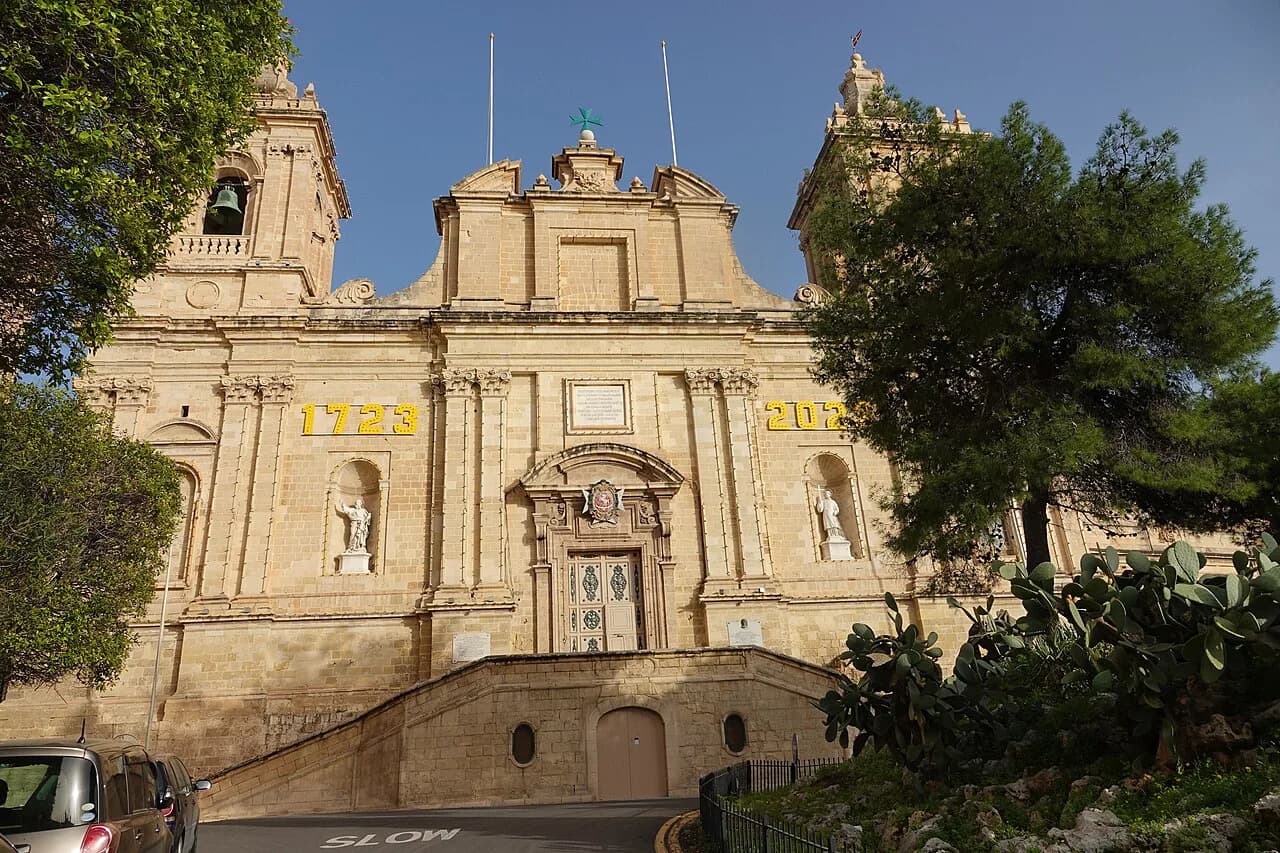
St Lawrence's Church stands on Birgu's waterfront, was designed in the Roman-baroque style by Lorenzo Gafa in the late 1600s and served as the church of the Order of St John until St John's Co-Cathedral opened in Valletta. Inside you find paintings, statues and a large Latin cross, plus a small museum that is easy to miss if you keep your eyes at floor level. Step in while you are walking the quayside.
If you are in Birgu in August, the Feast of St Lawrence fills the streets around the church, which changes the atmosphere of the whole peninsula for a few days.
Senglea: the Gardjola Gardens viewpoint and the marina
Senglea's peninsula ends at the Gardjola Gardens, where a stone watchtower looks back across the water to Valletta. It is a striking viewpoint and the reason to walk the length of the peninsula rather than turning back at the first café. The climb up through the streets is steady rather than steep.
Below the gardens, the marina is the calmest place in the group to sit: tables close to the water, boats alongside and far fewer people than on the Valletta side. Senglea has few formal sights, so plan it as an hour of walking, a viewpoint and a drink rather than a museum stop. A pedestrian bridge connects it to Birgu, which makes the two easy to combine.
Cospicua: the church and the Cottonera fortifications
The Church of Our Lady of the Immaculate Conception is Cospicua's landmark, a collegiate church that came through the Second World War while most of the city around it was destroyed, and which holds a painting of the Madonna and Child by Polidoro Veneziano above the high altar. It is a short visit, but it explains why the city feels newer than its neighbours.
On the edge of the city you can trace two sets of defences: the Firenzuola Fortifications built around the Three Cities in 1638, and the Cottonera Lines that surround Cospicua, introduced in 1670. These walls are an integral part of the island's history, and walking a stretch of them gives you the geography of the whole group in one view. The old dockyard along the coast is being reworked into a marina, so the seafront here is changing.
Crossing between the cities on foot
Birgu and Senglea are joined by a pedestrian bridge at the head of their shared inlet, so you can walk from one to the other in minutes without transport. Cospicua sits directly behind both, which makes a loop of all three realistic on foot in a single day. Wear shoes you can walk in for hours: the surfaces are cobbled and Senglea involves a climb.
Distances are short but the streets are narrow and not designed for cars, so leave the vehicle on the outskirts of Birgu or Senglea if you drive in. Between the three peninsulas and the waterfront, a full circuit is a comfortable half day of walking before you add any museum interiors.
How long the Three Cities need
A half day covers Birgu's streets, Victory Square, the waterfront and a walk over to Senglea's Gardjola Gardens, with time for a coffee. A full day adds two interiors, most usefully the Inquisitor's Palace and whichever part of the Malta Maritime Museum is currently showing, and still leaves the afternoon for the Cospicua fortifications. Trying to fit three museums into one day here means rushing the streets, which are the actual attraction.
If you are combining the Three Cities with Valletta, put them on separate days rather than squeezing both into one. The crossing is short, but the walking on the other side is what takes the time, and the harbour deserves more than a hurried hour. If the capital is your other day, plan it around the viewpoints in our Valletta Viewpoints: Barrakka Gardens, Bastions and Harbour Views, which look straight back at the peninsulas you have just walked.
Where to eat on the waterfronts
Both Birgu and Senglea have restaurants set along the water, and the Birgu marina side is the busier of the two, with tables facing the boats. Lunch here is the natural midpoint of a day: you eat looking at the harbour you have just crossed, and you are back on your feet for the museums afterwards.
Senglea's waterfront is the quieter choice, with tables right at the water's edge and a slower pace. If you want a long lunch rather than a quick stop, that is where to book it, and the walk back to the ferry afterwards is short.
When to go: fewer crowds, but exposed peninsulas
The Three Cities stay noticeably calmer than Valletta, where cruise passengers fill the streets by midday, and the evenings here are quiet and local. That makes them a sensible choice on a day when the capital is busy, or as a base if you want to eat well without competing for a table.
The trade-off is exposure. The peninsulas are open to the sun along the waterfront and up at the fort, and the walking between the three adds up, so in summer start early, carry water and take the museums in the middle of the day when the heat is at its height. Comfortable shoes matter more here than almost anywhere else you will walk in Malta.
Should the Three Cities be your day out from Valletta?
Yes, if you want forts, palaces and quiet streets rather than a tick-list, and you are willing to walk. Give Birgu the morning, cross to Senglea for the Gardjola Gardens view and lunch, and use Cospicua's walls to finish if you still have legs. Check which interiors are open on the day before you set out, and let the ferry times set the shape of the day.
Explore more Birgu guides
Frequently Asked Questions
Can you walk from Valletta to the Three Cities?
It is possible on foot but not recommended: the route around the harbour is long, and one account puts it at around 10 km and not the prettiest walk. The ferry from the Valletta waterfront takes around ten minutes and lands you at Birgu, and the buses from the main terminus take roughly twenty. Take the boat.
Do you need a car to see the Three Cities?
No. The ferry and buses get you there, and once you arrive the three peninsulas are joined by short walks, with a pedestrian bridge between Birgu and Senglea. A car is more of a hindrance, since the streets are narrow and parking sits on the outskirts.
Is Fort St Angelo open to visitors?
Reports conflict: one guide says the fort is currently closed to visitors, while others describe entering it, seeing exhibits and joining tours. Check the fort's own published information for current opening arrangements rather than relying on older accounts.
Is one day enough for Birgu, Senglea and Cospicua?
One full day covers the streets of all three, one or two museum interiors and a waterfront lunch. A half day gives you Birgu and a walk to Senglea's viewpoint. Adding a third museum means cutting the wandering, which is the best part.
Sources
- An insider’s guide to the Three Cities of Malta | Destination Guides | Corinthia Palace Malta | Corinthia
- A guide to Three Cities Malta (2026) - our top things to do
- Why I think the Three Cities are the most underrated place in Malta | LOTUS EATERS TRAVEL
- Best things to do in the Three Cities | AX Hotels Malta
- Three Cities, Malta Guide: 12+1 Reasons to Visit Them by a Resident • My Shoes Abroad
Notes for your Malta trip
Optional updates when we add or correct a Malta or Gozo guide.
You might also like
Continue reading
More guides you'll find useful