Is Birgu worth visiting? A candid guide to Malta's Vittoriosa
Yes, Birgu is worth visiting if you want Knights' Malta without Valletta's crowds. Here's what you see, how long it takes and how to get there by ferry.
On this page
Yes, Birgu is worth visiting, and a half-day is the right budget: 60 to 90 minutes in Fort St Angelo, around an hour in the Inquisitor's Palace and another hour walking the peninsula. Birgu (Vittoriosa) sits a ten-minute ferry ride across the Grand Harbour from Valletta, which is why it stays quieter than the capital while holding the core of the Knights' story. This guide covers what you see, how long each sight takes, how to get there and who should skip it.
What Birgu is: Vittoriosa, the Knights' base before Valletta
The Knights of St John settled in Birgu when they arrived in Malta in 1530, using its existing harbour, walls and fort, and the town stayed their base until they moved to Valletta in 1571. The name Vittoriosa came after the Great Siege of 1565, though most Maltese still say Birgu. That 41-year head start is why the town reads as Knights' Malta in a way the planned capital does not.
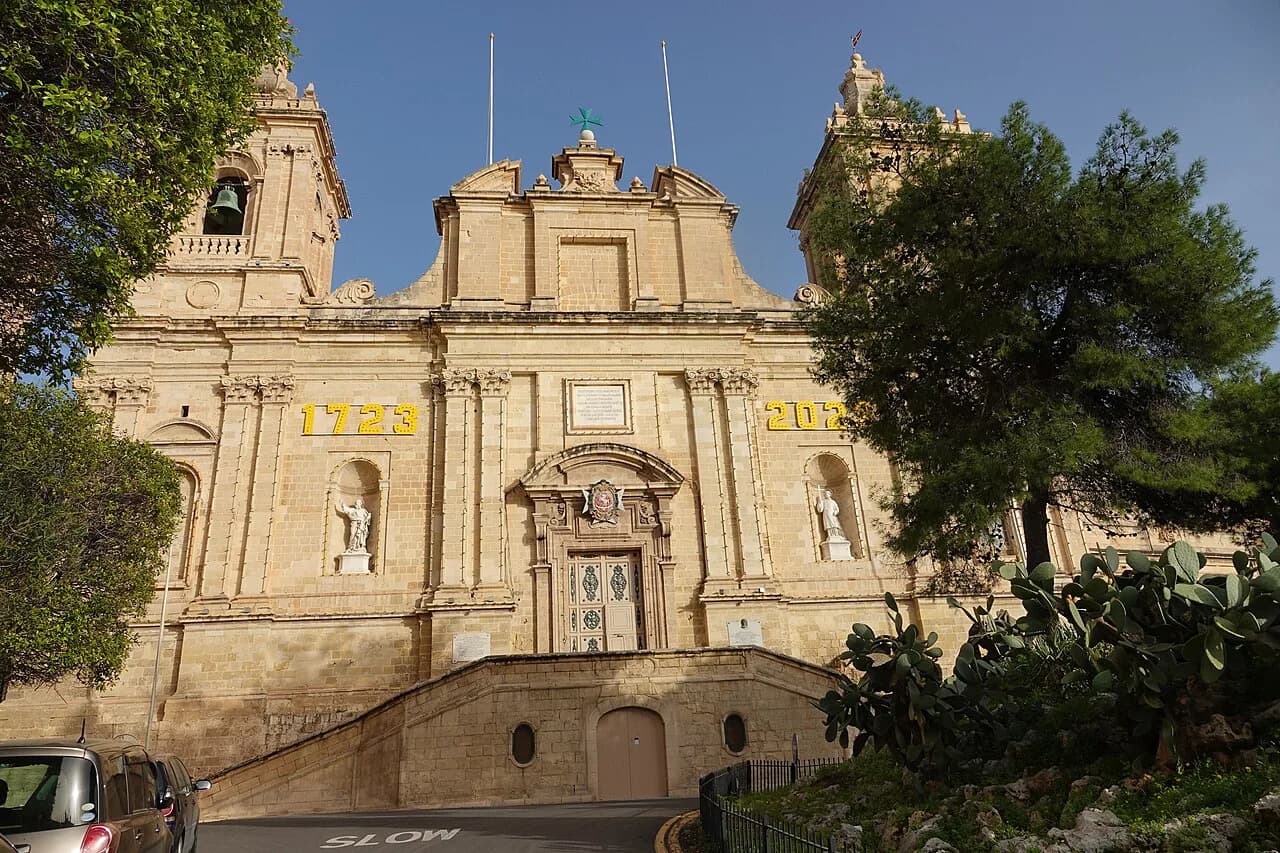
The Collachio, the old quarter around Triq il-Mina il-Kbira, held the Order's auberges, the residences of each langue or national grouping. Several survive as private homes or small institutions, picked out by carved coats of arms above their doorways, with St Lawrence, the Order's original conventual church, in the same quarter.
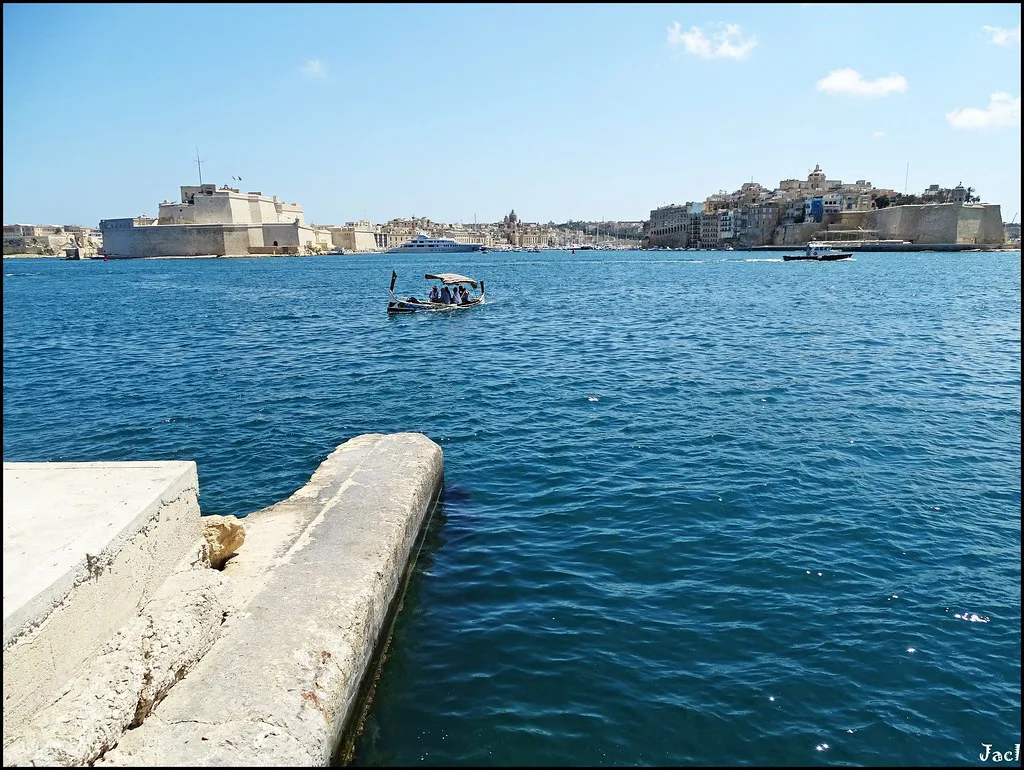
What you actually see: Fort St Angelo, the Inquisitor's Palace and the streets
Birgu has two ticketed highlights and a great deal of free townscape between them. Fort St Angelo guards the tip of the peninsula, the Inquisitor's Palace sits back in the lanes, and Maritime Street (Triq il-Mina il-Kbira) runs the length of the town on a plan barely changed since the 16th century.
This is not a place with heavy interpretation: signboards are sparse and nothing is staged, so a little reading before you arrive pays off more than a checklist. Look up for coats of arms and down for worn steps, and the harbour town explains itself.
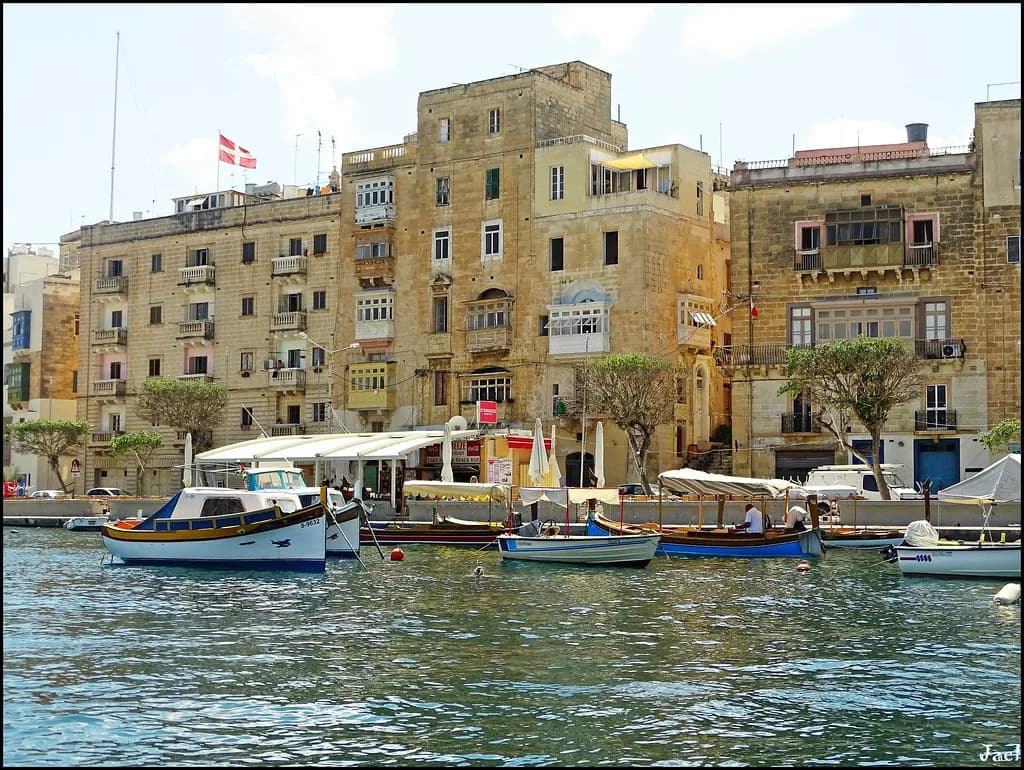
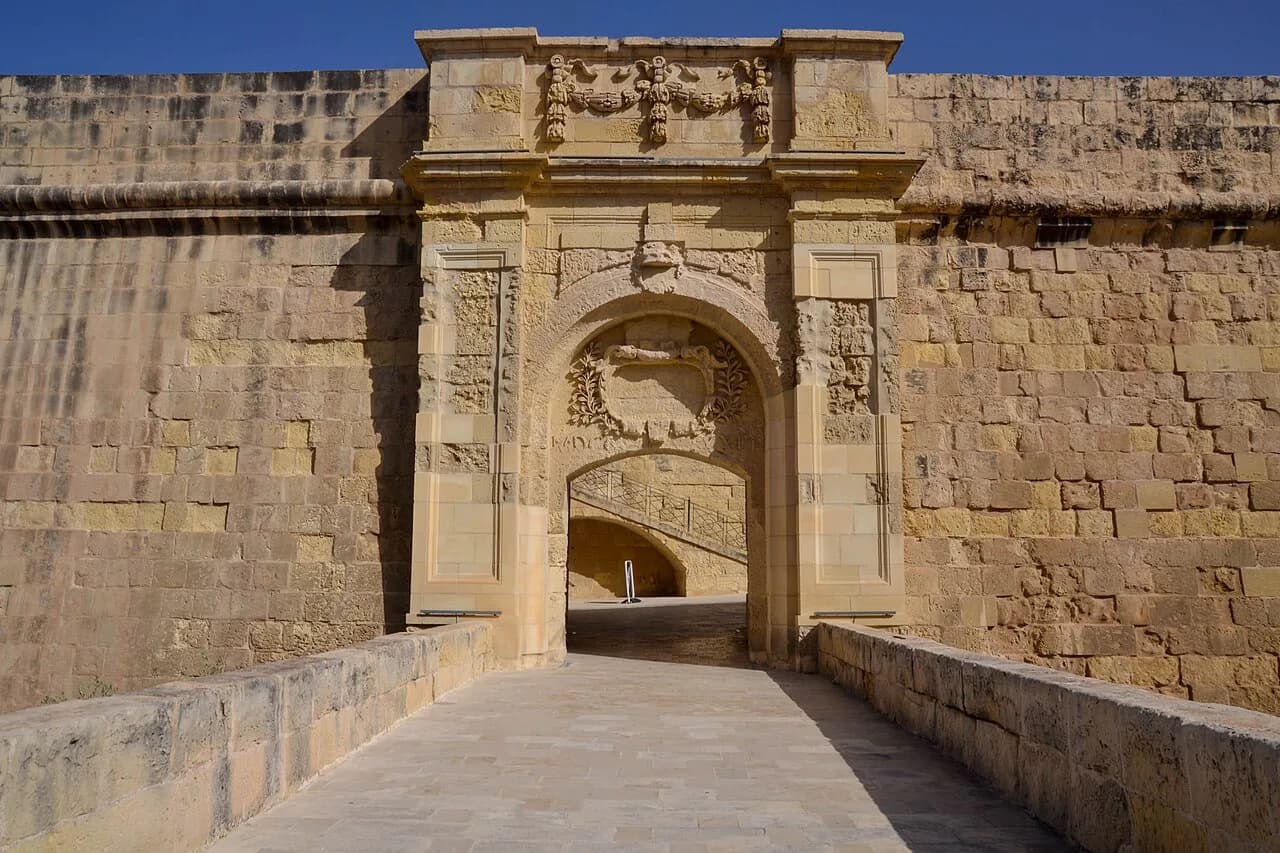
The walk makes a natural circuit from the Vittoriosa Yacht Marina, up to the fort, then back through the Collachio lanes, with gates of the old town such as St Helen's Gate on the way towards Cospicua. Use the Birgu map to follow it.
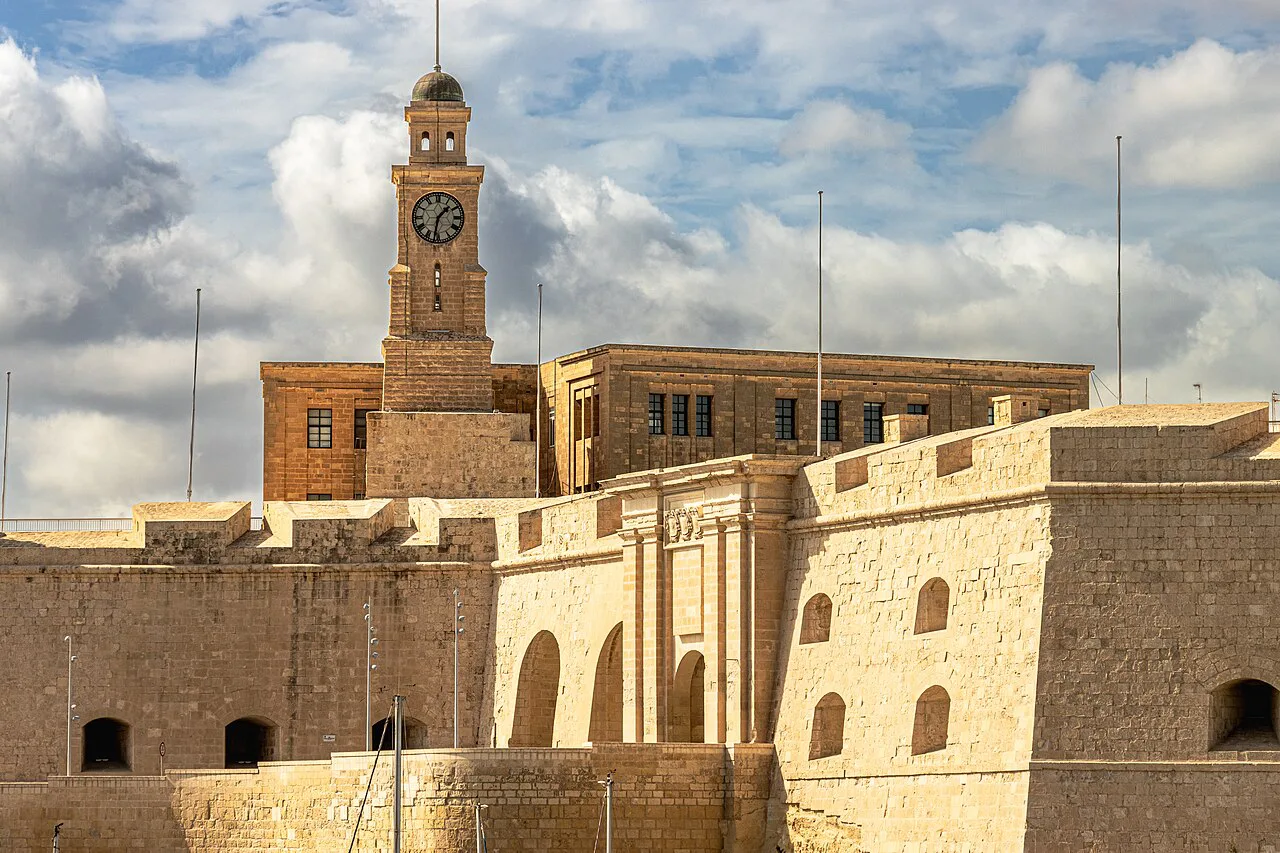
Fort St Angelo: how long to allow and what is inside
Allow 60 to 90 minutes at Fort St Angelo, which Heritage Malta manages. An audio tour is included with the entry ticket and covers the Great Siege of 1565, when the Knights held the fort against the Ottoman siege. The adult ticket is around 10 euros, so confirm the current price on the Heritage Malta site before you go.
Climb to the cavalier, the upper bastion, for the best harbour photograph in Malta, with Valletta's bastions on one side and the dockyard on the other. The walk up from the ferry stop involves a slope.
The Inquisitor's Palace: what the visit covers
The Inquisitor's Palace is the other major sight and is described as the only intact Inquisitor's Palace in the world. The Inquisition operated in Malta from 1574 to 1798, and the building served as tribunal, prison and the Inquisitor's residence at once. The cells and courtroom survive, and the exhibition explains how the tribunal worked without dramatising it.
Budget around an hour inside and treat it as sobering rather than spectacular. Heritage Malta handles ticket prices and opening days, so check those directly; a Birgu walking tour covers the palace alongside the streets if you want it put in context.
Getting there: the Valletta waterfront ferry versus the bus
Take the ferry. The waterbus leaves from the Valletta Waterfront at the foot of the bastions and crosses in about ten minutes for a few euros, with Valletta's skyline from the water as part of the trip. A bus (route 2) also runs from Valletta, but it puts you on the road side of the journey rather than arriving by water.
From the Upper Barrakka area, a lift drops you from the Barrakka Gardens towards the waterfront, saving the descent on foot, and a short walk across a bridge brings you into Birgu. Walk the Birgu waterfront marina edge before climbing into the lanes.
How long Birgu needs and how it fits a half-day
Two to three hours covers the town at an unhurried pace: the fort, the palace and the lanes between them. Add lunch at a harbourside café and you have a comfortable half-day, which is how the town is best used rather than as a rushed coach stop.
Do the fort first while your legs are fresh, then the palace, then wander. Birgu restaurants cluster around the marina and the main street.
Birgu also opens a Knights' Malta itinerary: seeing the original base before Valletta makes the later city easier to read, and you can pair it afterwards with St John's Co-Cathedral and the Grand Master's Palace across the water.
Birgu, Senglea (L-Isla) and Cospicua (Bormla): which to add
The Three Cities share a peninsula, and the ferry lands at the edge of all three. Birgu is the most fortified and holds the headline sights; Senglea (L-Isla) lies a short walk beyond, with the Gardjola Gardens at its tip giving a clear view of Valletta's eastern walls and the harbour. Cospicua (Bormla) sits inland, with the Immaculate Conception Church as its landmark. See the Three Cities Malta guide for the wider area.
Choose your second city by your tolerance for slopes and stairs. Senglea climbs steeply to the gardens, which is hard work with a pushchair, while the walk back down its central street avoids stairs altogether.
If you only have time for one, keep Birgu and see the others from the water on the crossing back. The Birgu Attractions: 10 Visitor Guides hub covers the individual sights if you want to plan in more detail.
Who Birgu suits and who should skip it
Birgu suits travellers who want Knights' history without the capital's crowds, who are happy to walk without much signage, and who value a harbour view over a tick-list. It rewards people who have read a little and who like the idea of a quiet lunch by the water.
Skip it, or keep it brief, if you need step-free access throughout, if you have one day in Malta and want Valletta's concentrated sights, or if you expect a museum-style introduction at every corner. With very young children, plan around the slope to the fort and the stairs in Senglea.
On where to base yourself, Valletta keeps transport simple while Birgu gives you the quiet side of the harbour. That trade-off is about time spent travelling, not about things to do.
Mistakes to avoid: gates, slopes, stairs and lunch timing
The commonest error is treating Birgu as a twenty-minute photo stop. The two sights alone take the best part of two and a half hours, and the walk between them is the point of the visit.
Second, watch the traffic. The narrow streets carry cars, and walking out through St Helen's Gate towards Cospicua puts you alongside moving traffic on a road with no comfortable pavement, so take a taxi or the ferry rather than pushing on along the main road.
Third, time lunch sensibly: the climb to the fort is better done before a heavy meal, and a long harbourside lunch is best treated as the reward afterwards rather than the preamble.
Finally, allow for the return crossing. The ferry is quick, but the walk back from the fort to the landing point is not, so leave a buffer rather than sprinting for a boat.
Should Birgu make your shortlist?
Yes: give Birgu a half-day, take the ferry from the Valletta Waterfront, do the fort and the palace, and leave time to walk the lanes without a target. It is the calmest way to see the Knights' Malta that predates Valletta.
If you have a full day, add Senglea for the Gardjola Gardens view, or Cospicua for a flatter wander. If you have a spare morning only, keep it to Birgu and skip the second city.
Explore more Birgu guides
Frequently Asked Questions
Is Birgu one of the Three Cities?
Yes. Birgu (Vittoriosa) is one of the Three Cities on the peninsula opposite Valletta, alongside Senglea (L-Isla) and Cospicua (Bormla). The ferry from the Valletta Waterfront lands at the edge of all three, so you can walk between them.
What should I see in Birgu in a few hours?
Fort St Angelo and the Inquisitor's Palace are the two ticketed sights, taking roughly 60 to 90 minutes and about an hour respectively. Between them, walk Maritime Street (Triq il-Mina il-Kbira) and the Collachio lanes, looking for coats of arms above doorways and the parish church of St Lawrence.
Is Valletta or Birgu better for a first visit to Malta?
Valletta has the denser concentration of sights and easier transport links, which suits a short first trip. Birgu gives you the Knights' original base with far fewer people, so it works best as a half-day addition rather than a replacement.
Sources
Notes for your Malta trip
Optional updates when we add or correct a Malta or Gozo guide.
You might also like
Continue reading
More guides you'll find useful