Birgu Walking Tour: A Self-Guided Route Through Vittoriosa
Walk Birgu (Vittoriosa) on a self-guided route through the Collacchio, past Fort St Angelo and the waterfront, with guided tour prices and times.
On this page
A self-guided Birgu walking tour takes about half a day at an unhurried pace, which is twice what a scheduled guided version allows. The route runs from the water taxi landing below the Church of St Lawrence, up through the Collacchio, down to Fort St Angelo and back along the harbour edge. This guide sets the stops in walking order and then puts the guided options, in hours and euros, beside them.
Start at the Birgu water taxi landing
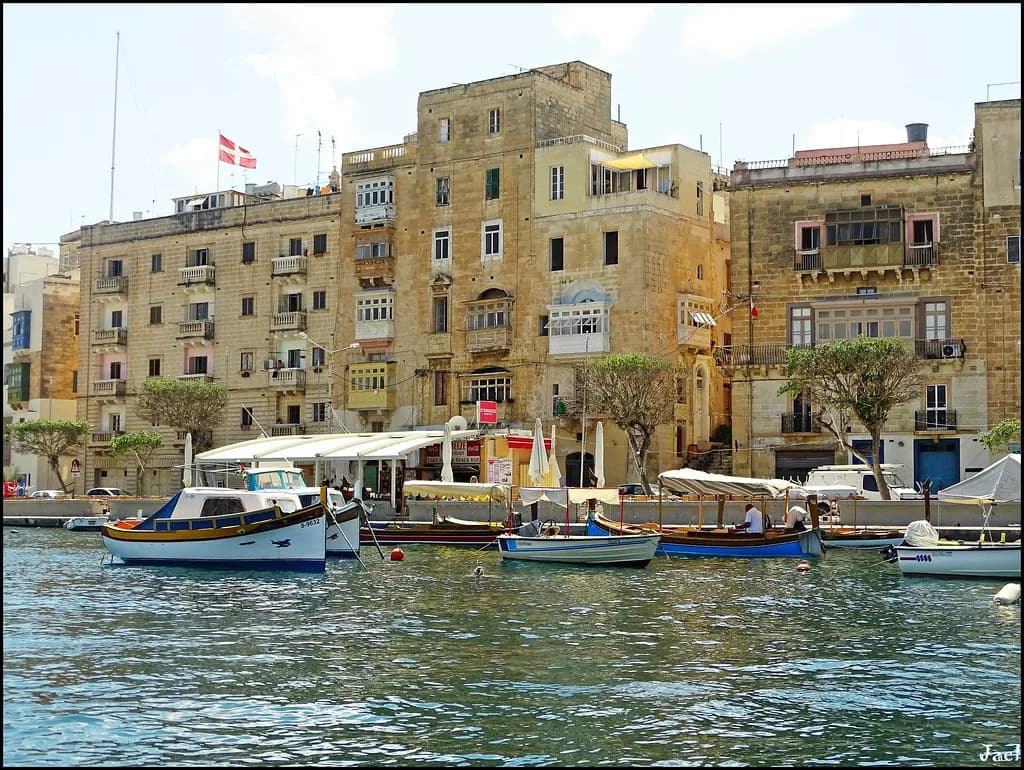
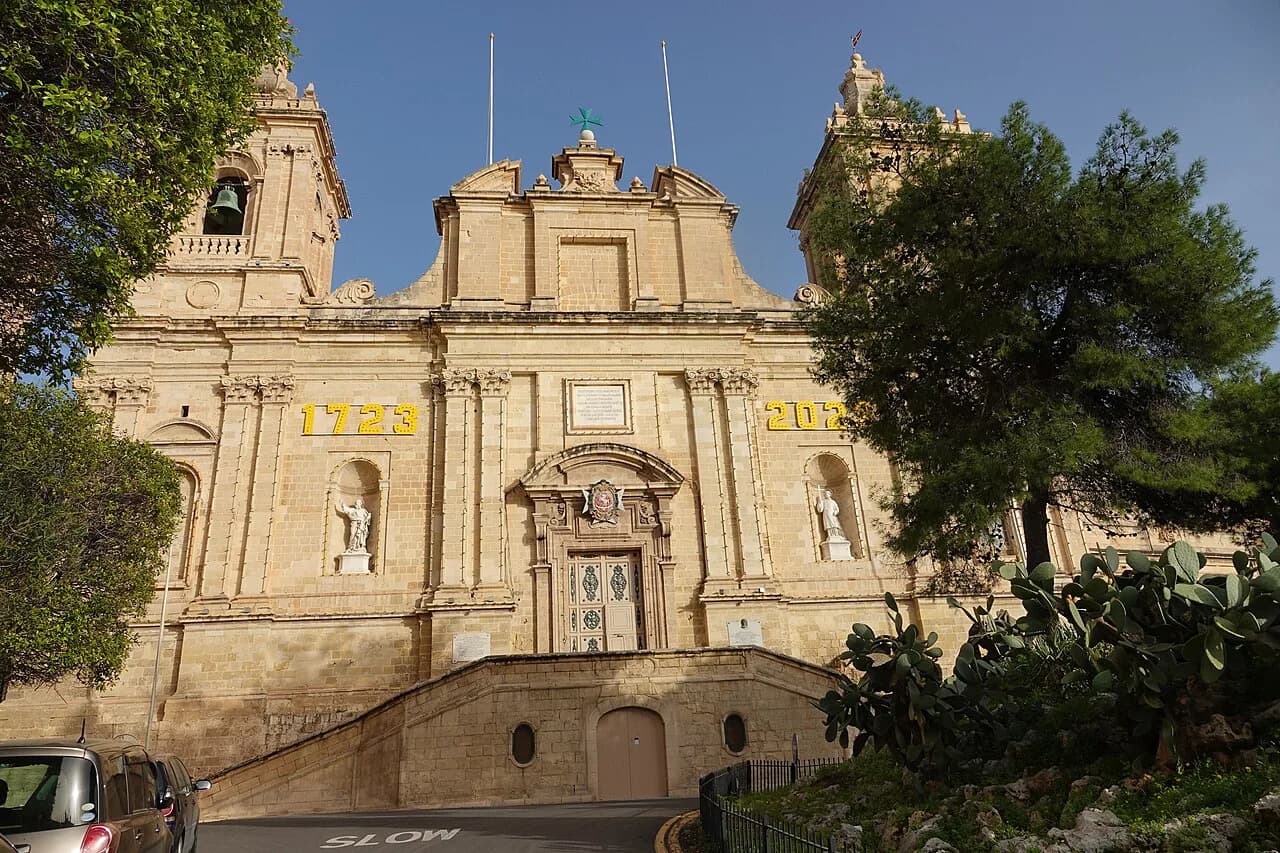
Begin below the Church of St Lawrence on the Birgu side, where the small wooden boats of the Birgu water taxi set down passengers arriving from across the harbour. Ben's 3 Cities Free Walking Tour uses this landing as its meeting point, and the guide is explicit that it is not the ferry station, so contract your crossing to the right pier. St Lawrence is the landmark to ask for, since people in Birgu will know it at once. For the wider picture of the Three Cities Malta, start with the area guide.
If you come overland, the Three Cities loop is easily reached by road from Valletta and the airport side, and a Birgu map helps before you commit to a route on the ground. Arrive early in the morning if you want the stepped lanes to yourself, and leave the waterfront for the end of the walk when the harbour light is at its best.
How long the walk takes, and how to break it
Budget two to three hours for the core route and a full half day if you want to sit down, eat and go inside any of the stops. Birgu rewards a slow approach: fewer sights, more standing still. If you want a broader frame for how Birgu, Malta and the two neighbouring peninsulas fit together, read that comparison before you set out.
Break the walk at the harbour edge for lunch, because the quayside cafés and restaurants sit right beside the yachts and the ferry terminal, a setting that is hard to beat even if you only stop for a coffee. That pause also splits the climb up through the Collacchio from the longer stretch out to Fort St Angelo at the tip of the peninsula.
Stop 1: the Collacchio
The Collacchio is the grid of stepped lanes behind the waterfront, and it is the first place to slow down on this route. Ben's itinerary lists it as an outside visit on a two-hour loop, which is the right instinct: read the façades, the balconies and the doorways from the street rather than looking for a ticket office. NowThingsToDo describes these as the historic streets of the Collacchio area, with graceful architecture and hidden corners that preserve the medieval character of the city.
Walk uphill from the waterfront through the lanes rather than along the main road, and you will keep the harbour behind you as a reference point for the way back. Take the steps slowly: Ben's listing warns that the ground can be uneven and slippery, and that cars share some of these roads with pedestrians.
When you want to compare the Collacchio with the rest of the peninsula before setting out, a short read on whether Birgu is worth visiting will help you decide how much time to give it relative to L-Isla and Bormla.
Stop 2: the Auberge de France
The Auberge de France appears on Ben's itinerary as an outside visit, so look at it from the street rather than expecting to walk in. It is one of the buildings that makes the case for a guided walk: the façade means little without the context of the Knights of Malta and the way the city was organised around their languages.
Pair it with a pass through the lanes towards the Inquisitor's Palace rather than doubling back, and you keep the route moving in one direction. If you are building the whole Three Cities into a longer day, the wider guide to Three Cities Malta sets out how the three peninsulas fit together around the harbour.
Stop 3: the Inquisitor's Palace
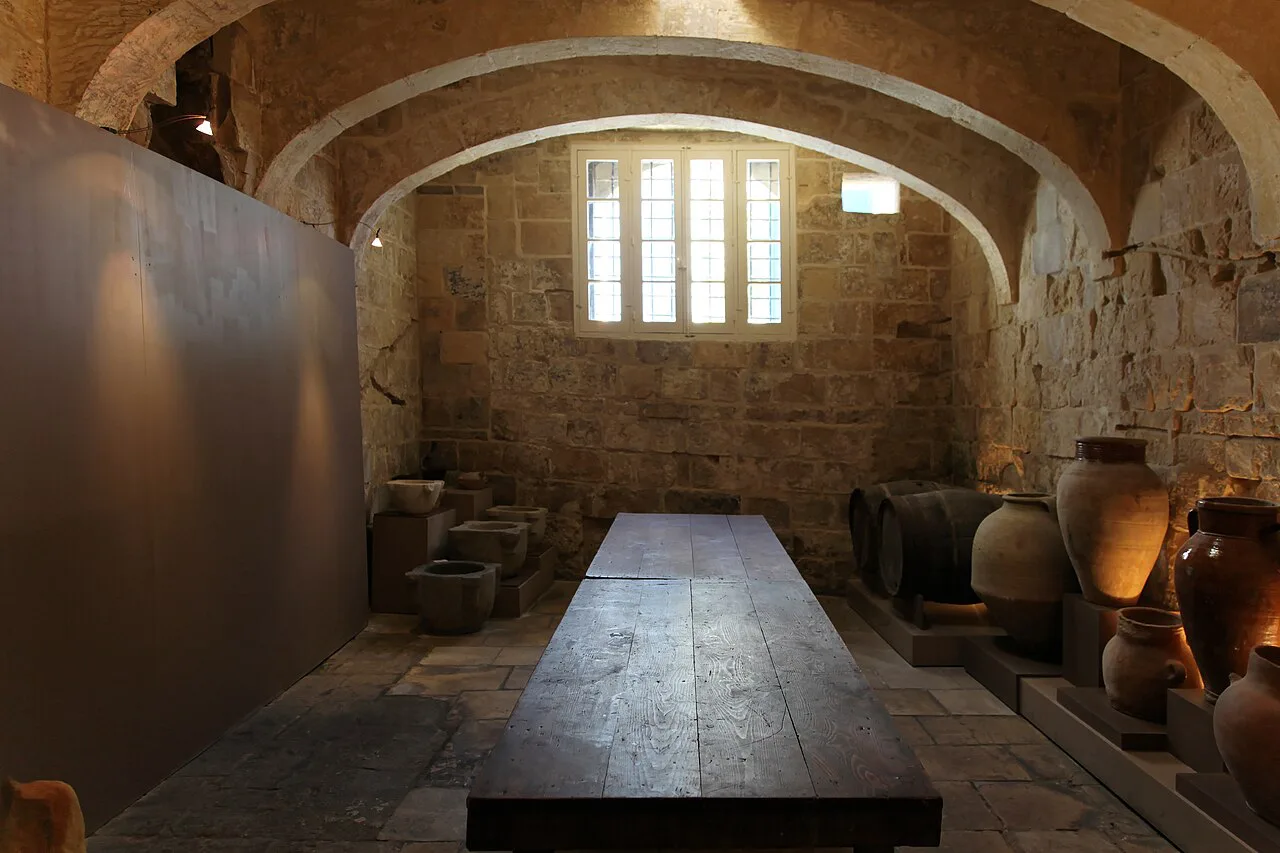
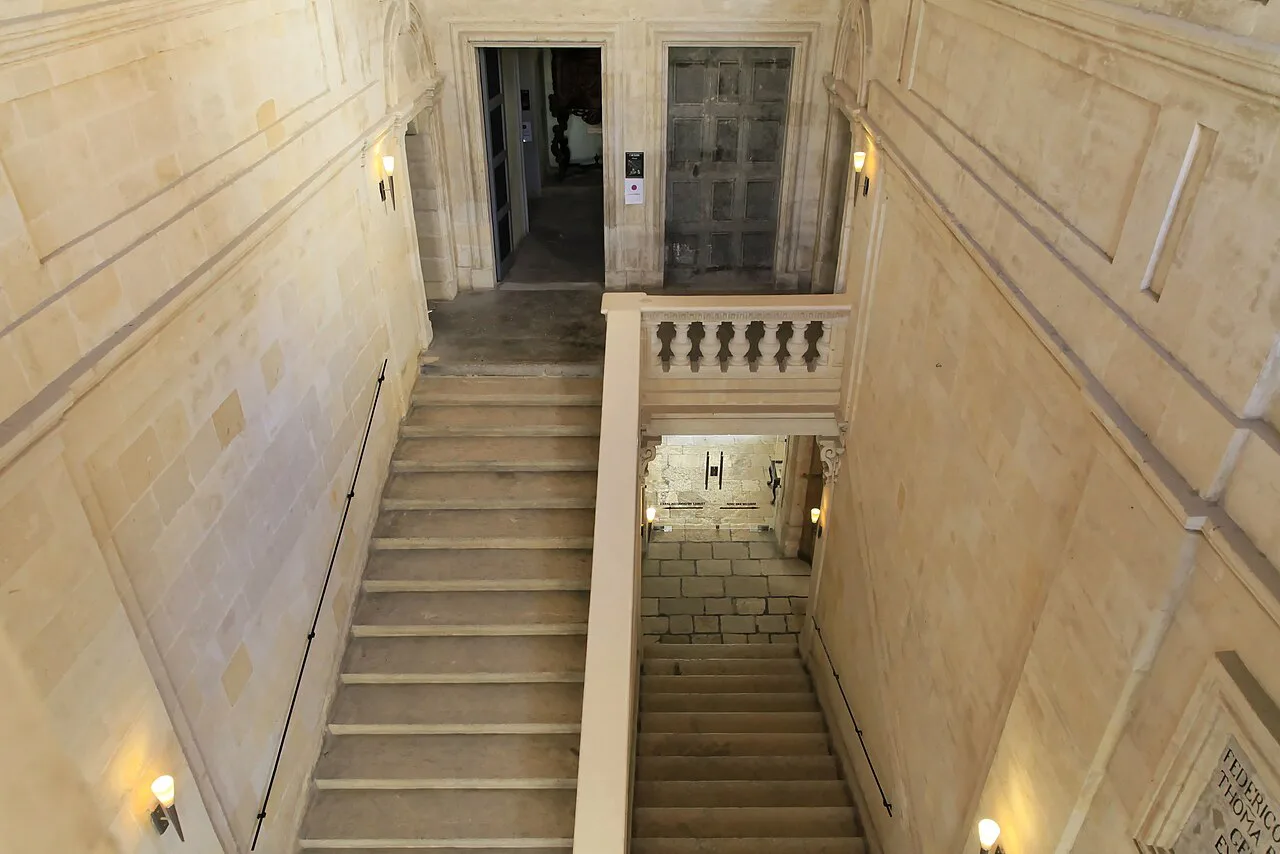
The Inquisitor's Palace is the stop where you make a real choice: go inside or carry on. Colour my Travel's Three Cities Walking Tour includes entrance to the palace within a two-and-a-half-hour walk, which tells you the visit is short enough to fold into a guided morning rather than a whole afternoon.
On a self-guided day, decide at the door. Stand in the lane outside first and look at the scale of the building, then weigh an interior visit against the time left for Fort St Angelo and the harbour edge. Both belong to the same half day, and doing one properly beats rushing both.
Stop 4: the harbour edge and the view back to Valletta
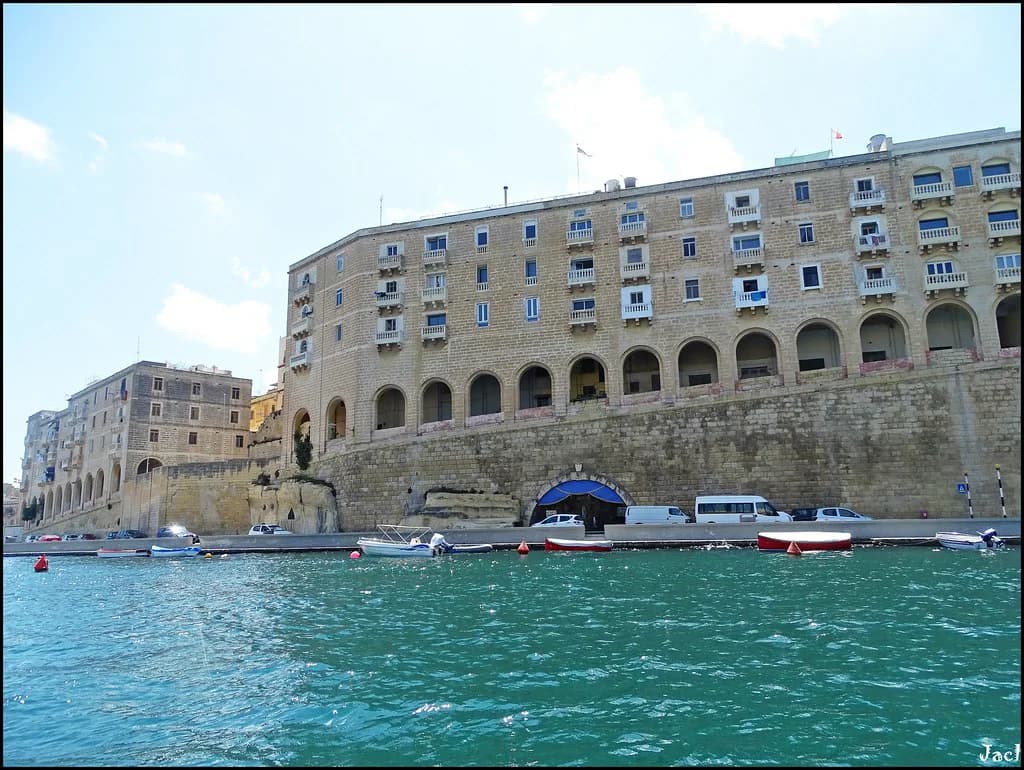
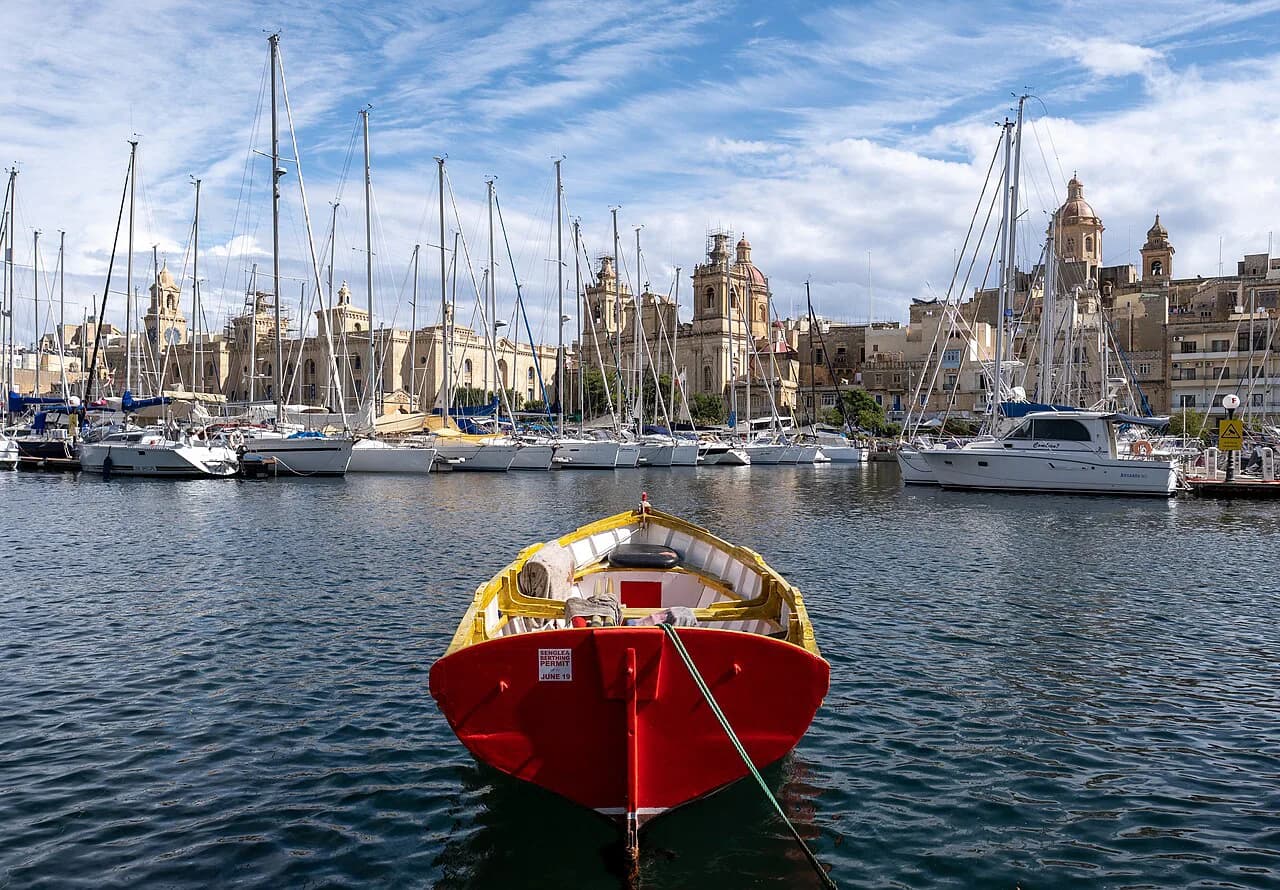
Come down to the harbour edge and turn around: from here the view back across the Grand Harbour takes in Valletta on its ridge and L-Isla (Senglea) on the opposite peninsula. The waterfront is lined with cafés and restaurants in a setting that earns its place in the walk, though Yellow Rock found the food inconsistent and not especially cheap, so treat it as a coffee stop if you are cautious.
Take the harbour-edge promenade as a breather between the uphill lanes and the long push out to the fort, and use it to check your bearings against the water. If you are planning to eat properly rather than snack, the best restaurants in Birgu are a place to compare tables before committing.
Stop 5: Fort St Angelo at the tip of the peninsula
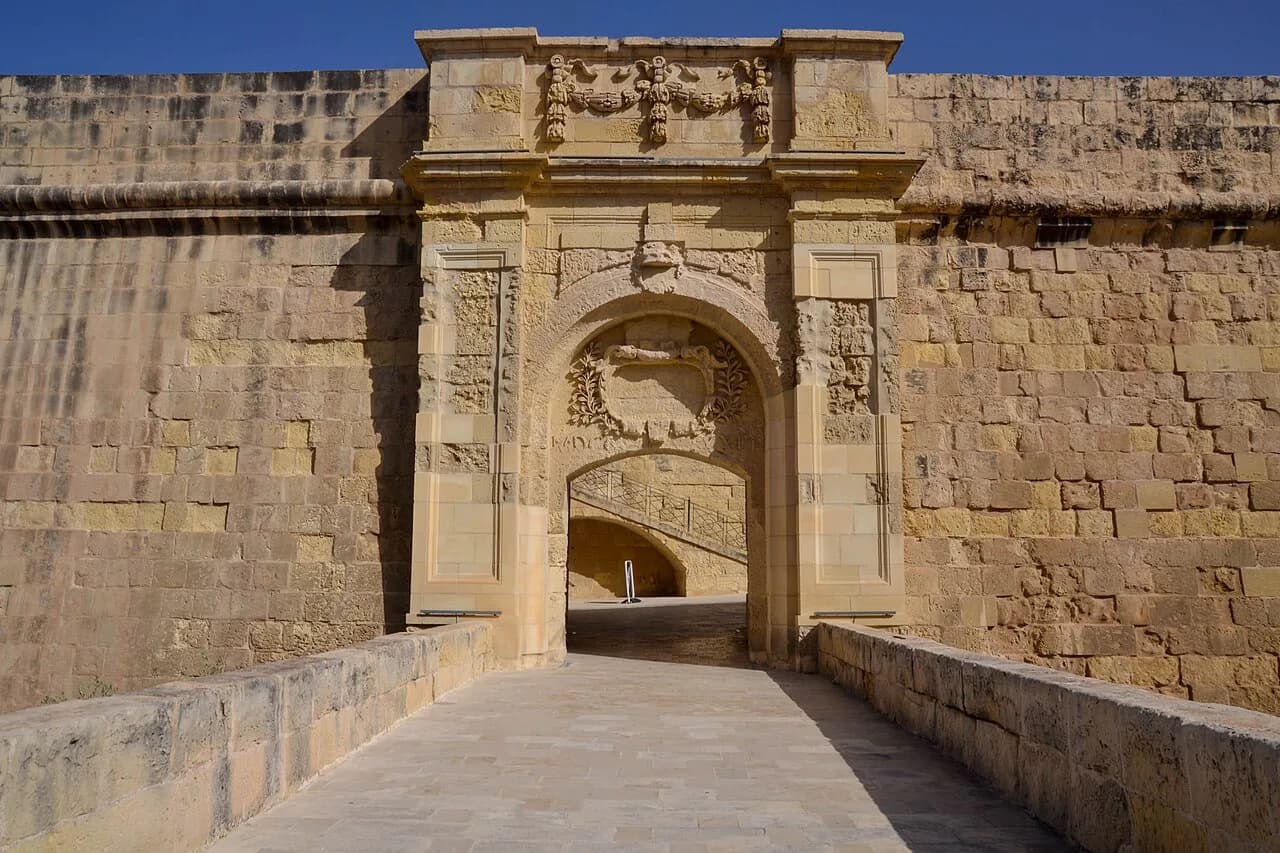
Fort St Angelo closes the self-guided route at the tip of the Birgu peninsula, where the fortified walls fall away to the harbour on both sides. Yellow Rock notes that the structure was built by the Knights in the sixteenth century and looks worthy of a visit in its own right. NowThingsToDo's Three Cities walk finishes at the oldest fortress overlooking the Grand Harbour, so the fort is the natural end of the loop rather than a detour on the way back.
NowThingsToDo describes the fort as a site remembered for imprisoning Caravaggio and later serving as the headquarters of the British Navy. Treat that framing as the operator's own rather than a settled museum label: the fort is worth the walk even if you only admire it from outside, and neither source here gives opening hours, ticket prices or confirmed interior access.
Crossing to Senglea and Cospicua, or taking the ferry back
To finish the Three Cities properly, take the short crossing or walk round to L-Isla (Senglea) and on through Bormla (Cospicua) rather than retracing the Birgu lanes. The alternative is the Three Cities ferry back to Valletta, which drops you straight in the capital after a long morning on your feet, and which Yellow Rock used to finish an equivalent walk.
Pick a port for your finish before you set off, because the options suit different days: a boat back to Valletta if you have a dinner booking, or a slow loop through the three peninsulas if you still have energy. A boat tour of the harbour, for its part, is a different experience from a walk, and worth comparing if you are short on time.
When a guided walk is worth it
A guided walk earns its fee when you want the history tied to the streets you are standing on, particularly inside the Collacchio where the buildings give little away unaided. Colour my Travel's Three Cities Walking Tour runs two and a half hours and includes entry to the Inquisitor's Palace at €25 per person, which is the clearest comparison for a morning in Birgu.
Check what each tour covers before you book, because the comparison is not like-for-like. Colour my Travel prices a three-hour Valletta walk at €22 per person and a two-hour Birgu Ghost Tour at €18 per person, while its free tip-based Valletta tour runs about 90 minutes. Ben's Birgu free tour is the one that puts you where this route begins.
Free tours are advertised as tip-based, and Ben's route suggests €12 per person while GuruWalk's general guideline runs from €15 to €50 per participant, which is a wide band to plan around. Read the cancellation terms before you book, because the free-tour model depends on attendance.
Footing and pacing on cobbles, steps and traffic
The lanes are cobbled, stepped in places, and sometimes slippery or uneven, and cars share some of the same roads with pedestrians. Choose shoes with grip rather than soles that slide, and plan for the walk to take longer if anyone in your party is unsteady on their feet.
Build in a rest in the middle of the route rather than at the end, and take it near the harbour where there is shade and a place to sit. A wider read on Birgu attractions helps you judge where the steep bits come.
What to carry and how to time the walk around the heat
Carry more water than you think you need, since the exposed stretches at Fort St Angelo and along the harbour edge have little shade and the stone walls hold the heat. Start the route soon after the water taxi lands and finish the open ground before the middle of the day.
Wear a hat and sunglasses, and keep a layer for the return crossing on the water, where the breeze can be cool even when the lanes are hot. The best stopping points of all are the cafés at the harbour, which is one more argument for making the waterfront a real break rather than a passing view.
Self-guided or booked: how to choose
Walk Birgu yourself if you want the half day, the lunch stop and the freedom to linger at the Collacchio or skip the Inquisitor's Palace. Book the guided Three Cities walk if you want the commentary and the palace entry folded in, and accept that two and a half hours in Birgu (Vittoriosa) leaves less time for Senglea and Cospicua. Either way, start at the water taxi landing and finish at Fort St Angelo.
Explore more Birgu guides
Sources
Notes for your Malta trip
Optional updates when we add or correct a Malta or Gozo guide.
You might also like
Continue reading
More guides you'll find useful