Things to Do in Marsaxlokk: Harbour, Market and Village Sights
Plan a day in Marsaxlokk with the harbour and luzzu boats, the Sunday fish market, the parish church and the seafood waterfront, plus honest drawbacks.
On this page
Marsaxlokk is worth visiting for its working harbour, the brightly painted luzzu boats and a seafood lunch by the water, and a half-day covers the village comfortably. The Sunday fish market is the one date worth planning around, because the fresh catch is sold then, while a smaller daily souvenir market sells local produce and crafts on other days. This guide sets out the harbour walk, the church, the boat trips, the walk out to Delimara and how to reach the village from Valletta.
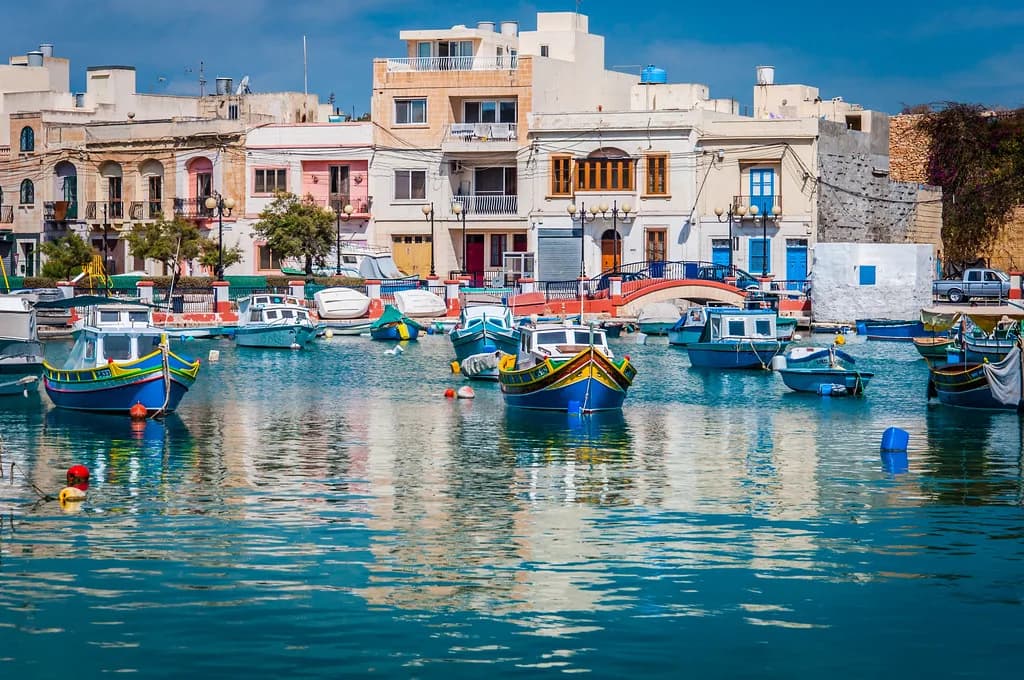
Marsaxlokk sits on the south-east coast, about 12 kilometres from Valletta, and its harbour is home to roughly 70% of Malta's fishing fleet. That working character is the appeal: the boats, the fish restaurants and the promenade lined with fishermen's houses. Come expecting a village that is firmly on the tourist trail rather than a quiet secret, and plan around lunch rather than a checklist of sights.
What there is to do in Marsaxlokk, in short
The village itself gives you three things: the harbour and its boats, the Parish Church of Our Lady of Pompeii, and the seafood restaurants along the waterfront. Add a boat trip around the bay or a walk out towards Delimara Point and you have a full half-day without leaving the area. Everything sits within easy walking distance of the harbour, so you do not need a car once you arrive.
Build the day in this order: harbour walk first, church second, market if it is Sunday, then lunch, then a boat trip or the point. That sequence puts the market before the crowds thicken and leaves the afternoon for the water. If you only have two hours, keep the harbour, the church and one seafood meal, and skip the walk out to the point.
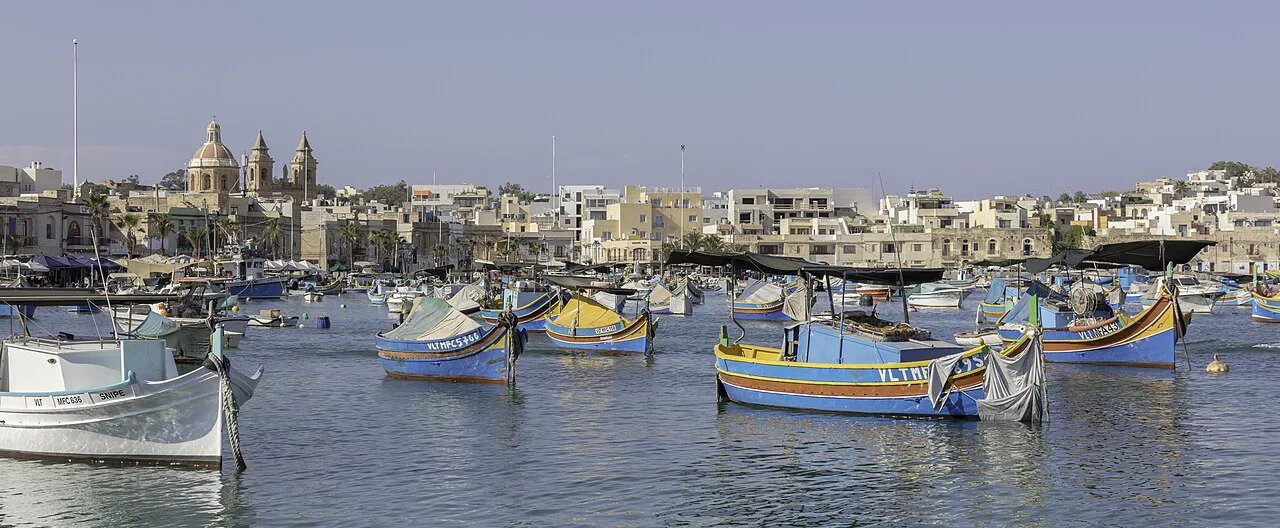
Walk the harbour and look at the luzzu boats
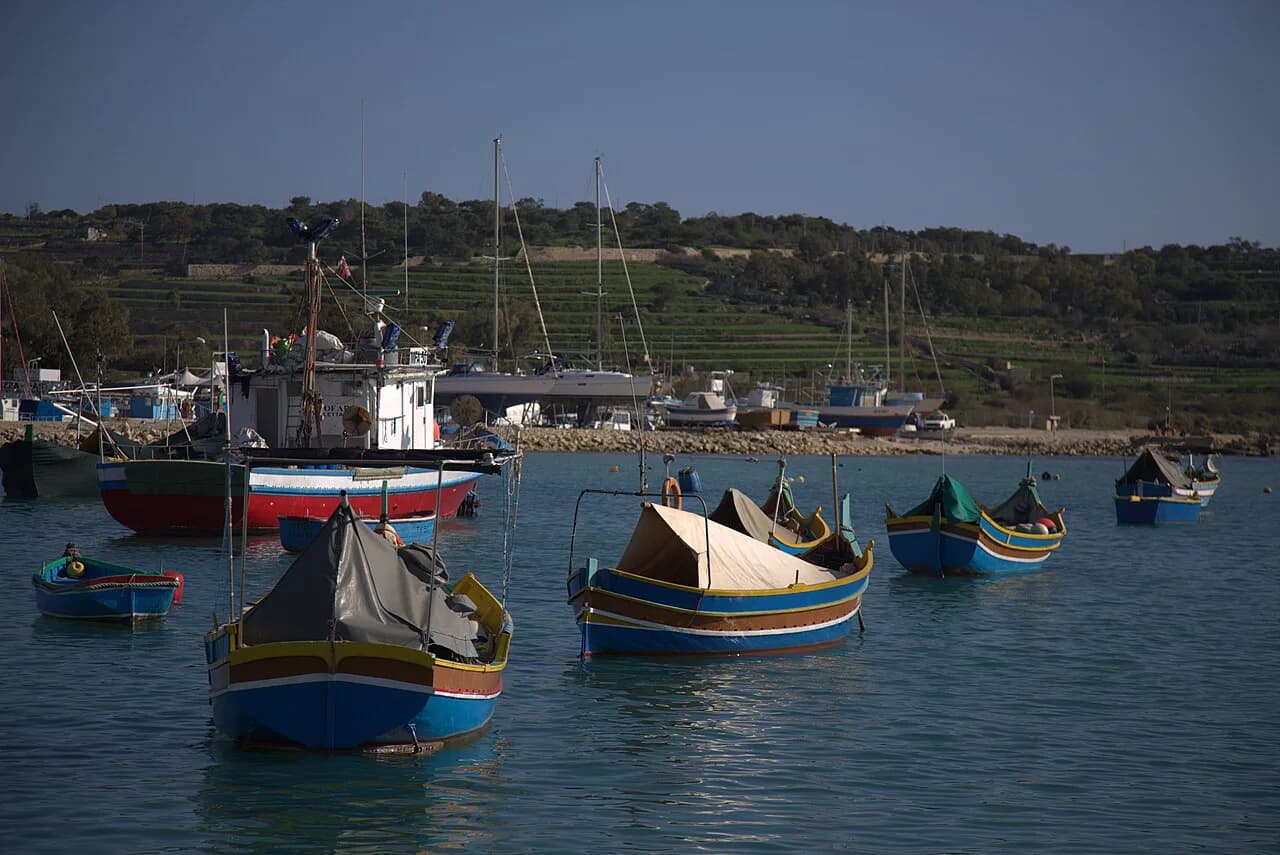
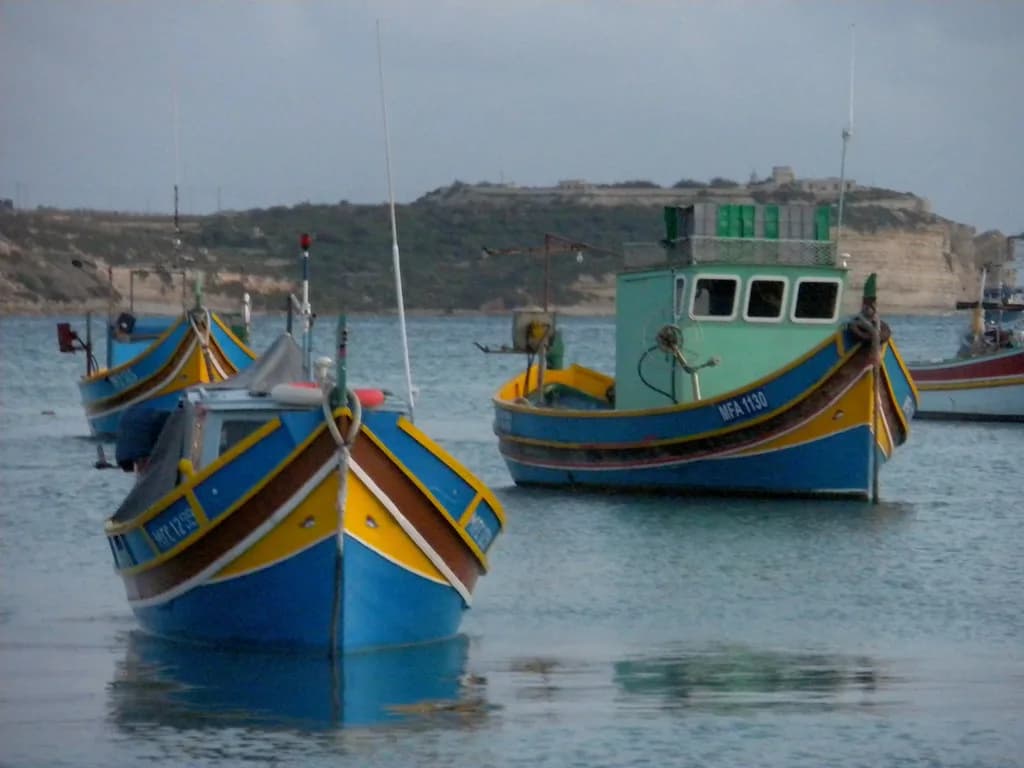
Start at the water and follow the promenade around the bay. The luzzu boats are the reason most visitors come: traditional fishing vessels painted in bold blues, reds and yellows, most carrying the eye of Osiris on the bow as a mark of protection. They are working boats, so keep a respectful distance and do not step aboard for a photograph.
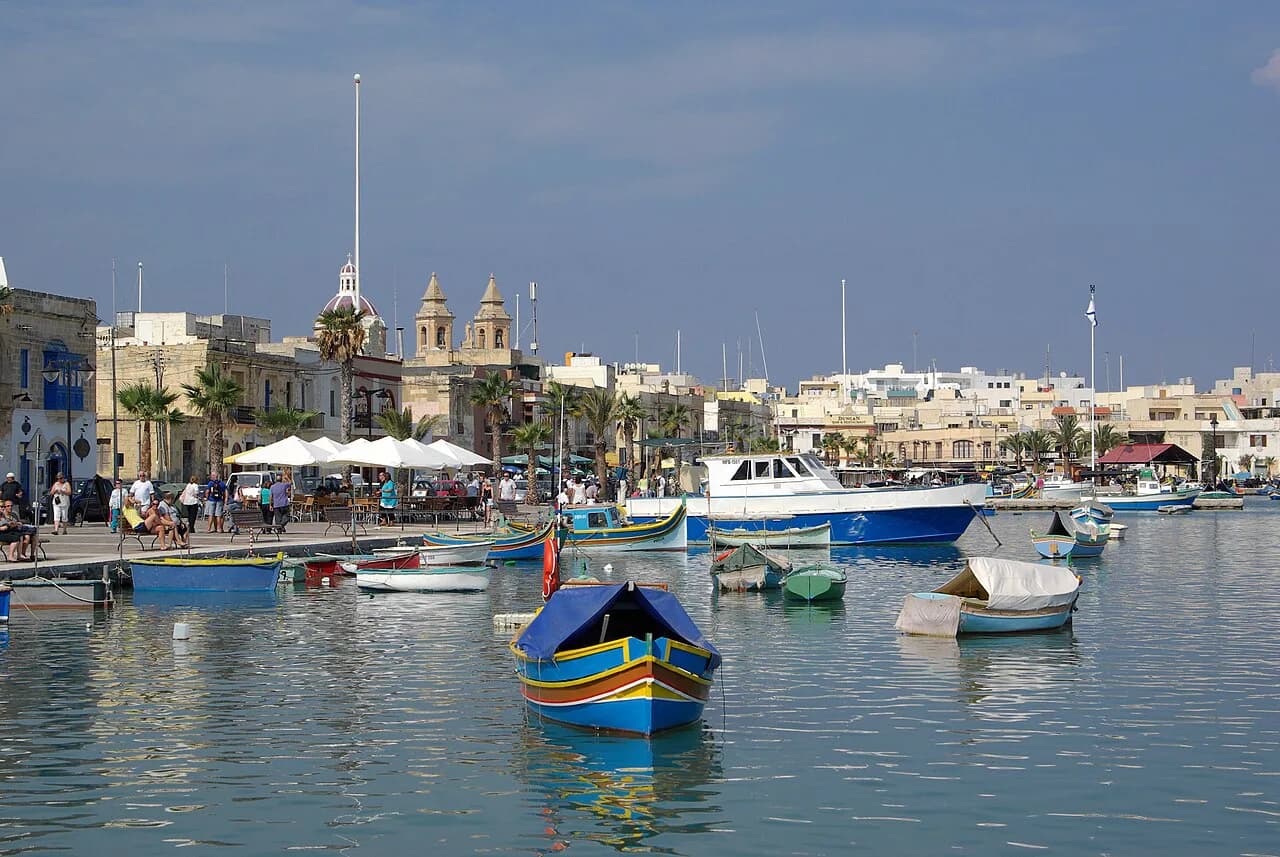
The harbour is the natural place to linger, with fishermen's houses behind the promenade and the boats strung along the quay. A slow circuit takes perhaps twenty minutes; add time if you are photographing, which most people are. Early morning and late afternoon give softer light and thinner crowds than the middle of the day.
Browse the Sunday fish market (and the daily souvenir stalls)
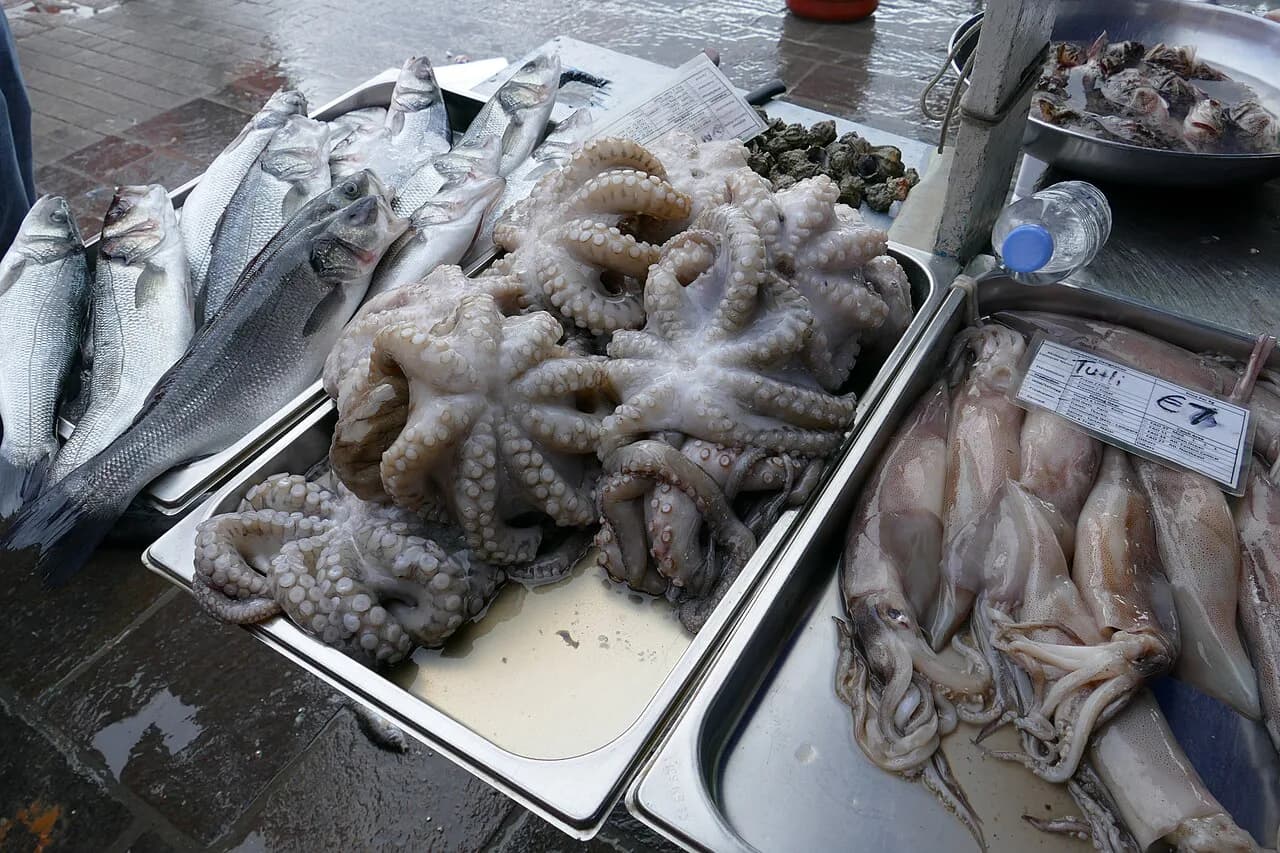
The fish market runs on Sundays and starts early, with fishermen selling the overnight catch from stalls around the harbour. It has expanded in recent years to take in souvenirs, jam, honey, vegetables and wine, so it doubles as a local-produce market. Arrive in the morning: the fish thins out as the hours pass and the car park fills.
On other days a smaller souvenir market sells typical Maltese products such as liqueur, honey and lace, which suits browsing rather than a food shop. If the fish market is your main reason for coming, fix your visit to a Sunday and treat the rest of the week as harbour-and-lunch territory. Check the current Sunday start time before an early bus, since the trade begins at dawn and quietens by mid-morning.
See the Parish Church of Our Lady of Pompeii
The Parish Church of Our Lady of Pompeii dominates the village skyline and is dedicated to Our Lady of Pompeii. Inside, look for the gold, white and red decoration, the statues and the paintings by the Maltese artist Giuseppe Calì. It is an active parish church, so cover shoulders and knees and keep voices low during services.
The church takes fifteen to twenty minutes to see properly and sits close enough to the harbour to fold into the same walk. Pair it with the waterfront rather than making a separate trip. If the doors are shut, the exterior and the setting above the village still justify the short detour.
Eat seafood on the waterfront: how the pricing works
The waterfront restaurants are the draw, and several face the harbour directly: Principino Restaurant and La Nostra Padrona both offer terraces overlooking the boats. Further along the coast, Harbour by Johann gives more space and a wider view. Pick a table by position and menu rather than by whoever waves you in hardest.
Fresh fish is often sold by weight and the price is not always stated before you order, so ask what the fish costs and how it will be charged. Expect waterfront prices to run a little above elsewhere in Malta; one visitor reported roughly €50–60 for two sharing fish, and about €30 a head for a mixed pasta-and-seafood lunch. Treat those figures as a guide, not a fixed menu, and confirm the day's price at the table.
Fixed-menu places suit anyone who would rather not negotiate the catch; Ta' Victor serves a set meat-or-fish menu, which removes the pricing question entirely. For a lighter stop, the harbour-side cafés and bars cover coffee and drinks. On a weekend lunch the waterfront tables fill quickly, so a table away from the harbour edge is easier to come by.
Take a boat trip around the bay
Boat trips leave from the harbour and run around the bay and along the Delimara coast, giving the best view of the village from the water. They are short excursions rather than day sails, so they fit neatly between lunch and the afternoon. Ask at the quay about departure times and the route on the day, since operators set their own schedules.
A boat is also the practical way to see Fort Delimara, which is built into the cliff face and is not open to the public. You can view it from outside on a walking tour or from the water. The tower and fort are coastal defences built by the Knights of Malta, and the setting rather than the interior is the point.
Look out to St Lucian Tower from the shore
St Lucian Tower, also known as Fort Rohan, stands at the mouth of the bay and now houses the Malta Aquaculture Research Centre. It was built in the seventeenth century and remodelled over the following centuries, including an octagonal rebuild under the British. Tours inside have been offered in small Saturday slots, but check current arrangements before planning around them.
For most visitors the tower is a landmark to spot from the promenade or the boat rather than a visit in itself. If you want to go inside, confirm the day and time with the site directly, because the Saturday slots reported earlier are not guaranteed. Otherwise, use it as a marker on the coastal walk.
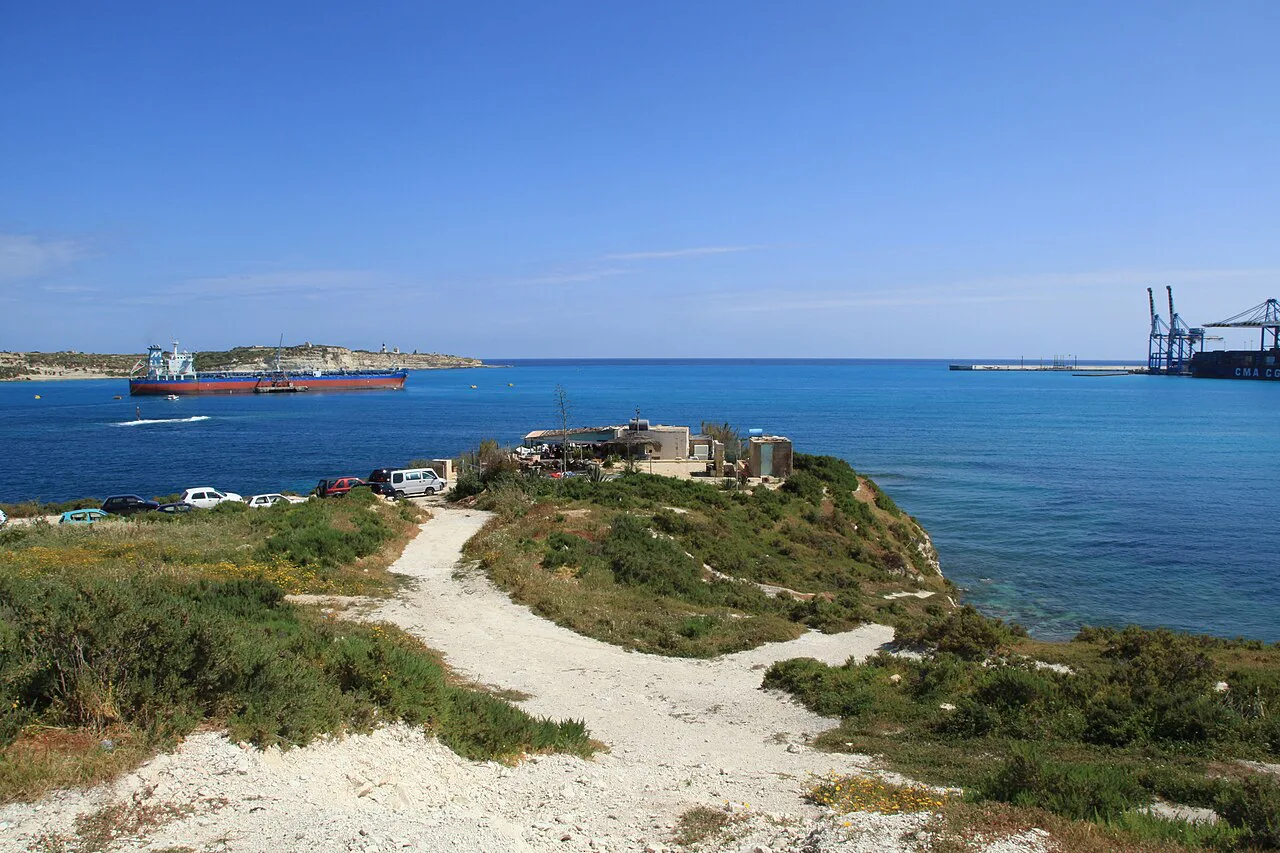
Walk to Il-Ponta ta' Delimara or Il-Ponta tal-Marbat
Two headland walks extend the day beyond the harbour: Il-Ponta ta' Delimara to the south and Il-Ponta tal-Marbat on the other side. Both are coastal routes on exposed ground, so take water, sun protection and proper shoes, and avoid the midday heat. The Delimara side is the one that brings you within sight of the fort.
The walks suit anyone who has already done the harbour and wants a couple of hours of coast. They are not a substitute for the village itself, and there is little shade, so go early or late. Leave enough time to get back for the bus or your lift.
How to get to Marsaxlokk from Valletta, the airport and nearby towns
Buses 81 and 85 run from Valletta to Marsaxlokk and take around 40 minutes. One visitor reported a fare of €2 payable by card on board, which is indicative rather than a guaranteed current tariff, so check the fare with Malta Public Transport before travelling. Driving from Valletta takes about 25 minutes, or around 30 from St George's Bay.
From the airport it is about a 15-minute taxi ride, but there is no direct bus, so public transport means changing in Valletta. If you are touring the south, pair Marsaxlokk with Birżebbuġa, which is a short hop away, or return via the Three Cities. Marsaskala, ten minutes off, offers a quieter harbour if the crowds here wear thin. For a longer island day built around temples, citadels and coastal walks, compare these things to do in Gozo before committing a ferry crossing.
How long Marsaxlokk takes and when it is busiest
Allow half a day, roughly four hours, for the harbour, church, market or a boat trip and lunch. A quick visit of two hours covers the waterfront and a meal. Add two hours if you walk out to Delimara Point.
Sundays are the busiest day because of the fish market, and the village is firmly on the tourist trail even outside high season. One visitor found it noticeably busy in February, so expect company. Come early on a Sunday, or choose a weekday for a calmer harbour.
What to expect from the village itself: crowds, the power station, restaurant touts
Two honest drawbacks are worth knowing. A large power station stands near the village and is visible on the approach, though it fades from notice once you settle at a harbour table. And the waterfront has its share of restaurants with staff working hard to fill tables, which is a signal to look further rather than to sit down.
None of this ruins the visit: the harbour still delivers, and the village remains a working fishing community rather than a stage set. Go with that in mind and Marsaxlokk rewards a relaxed half-day more than a rushed one. If you want a quieter harbour with traditional boats, Marsaskala nearby is the alternative.
Should Marsaxlokk be your half-day in the south?
Yes, if you time it for a Sunday market or simply want a harbour lunch and a boat trip. No, if you are chasing a quiet undiscovered village: Marsaxlokk is popular, and the power station is part of the view. Plan the market for a Sunday morning, the harbour and church for any day, and the Delimara walk for cooler hours.
Pair it with Birżebbuġa or the Three Cities for a full day in the south, and check bus times and any tour slots before you set out. Everything else you can decide at the harbour.
Explore more Marsaxlokk guides
Frequently Asked Questions
What day is the market in Marsaxlokk?
The fish market is held on Sundays and begins early in the morning; on other days a smaller souvenir market sells local produce and crafts such as liqueur, honey and lace. If the fish market is the reason for your visit, come on a Sunday and arrive early.
Is Marsaxlokk worth visiting?
It is, for the harbour and its luzzu boats, the seafood restaurants and the boat trips, and it works well as a half-day from Valletta. Expect a popular village rather than a hidden one, with a large power station visible nearby on the approach.
Where do the locals eat in Marsaxlokk?
The waterfront restaurants are the main choice, and several, such as Principino Restaurant and La Nostra Padrona, have terraces facing the harbour. Ask the price of fresh fish before ordering, since it is often sold by weight.
How do you get to Marsaxlokk?
Buses 81 and 85 run from Valletta and take around 40 minutes, or it is a 25-minute drive. From the airport it is about a 15-minute taxi ride, with no direct bus.
Sources
Notes for your Malta trip
Optional updates when we add or correct a Malta or Gozo guide.
You might also like
Continue reading
More guides you'll find useful