Dgħajsa: Malta's Traditional Water Taxi Across Grand Harbour
What a dgħajsa is, where to board one under Valletta's walls for the crossing to the Three Cities, what a ride costs and how it fits a morning out.
On this page
The dgħajsa is Malta's traditional water taxi: an open wooden boat, painted and often decorated with the Maltese cross, that carries passengers across Grand Harbour between Valletta and the Three Cities. The ride is short, cheap and the most entertaining way to link the two sides of the harbour. This guide covers what the boat is, where to find one, the crossing itself and how to build it into a morning in Birgu and Vittoriosa.
Treat it as a crossing rather than a tour. It does not replace a proper look around Vittoriosa's waterfront, Cospicua or Senglea; it gets you there with the harbour walls above you instead of around you.
What a dgħajsa is and how it differs from other harbour boats
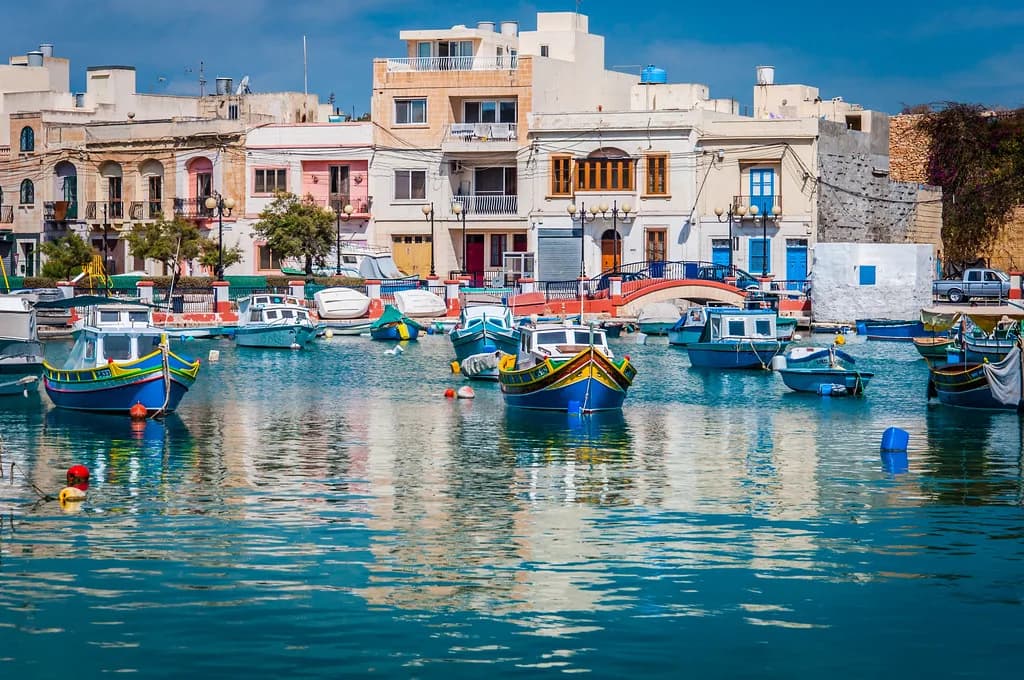
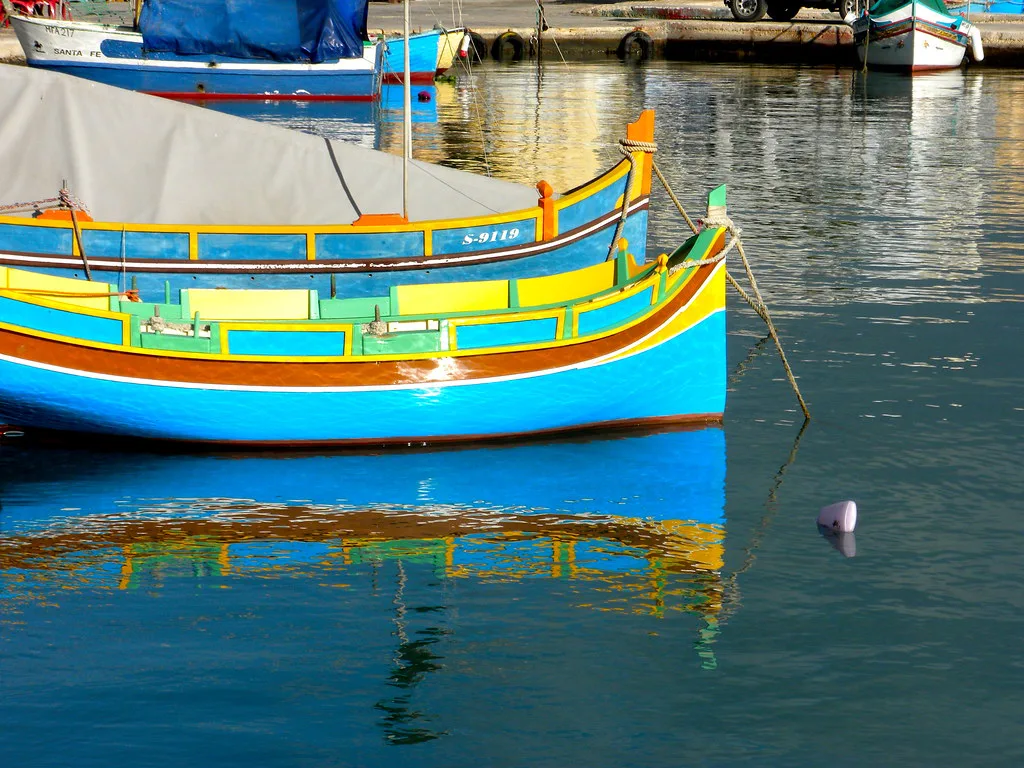
The boats, known in full as dgħajsa tal-pass, began as ferries for workers crossing Grand Harbour when Valletta and the Three Cities were growing, and they remained a practical commute under British rule. Today they run largely for visitors, with a small fleet of roughly a dozen remaining, each individually painted and decorated with its own scheme and paintings. One noted example carries the St John Cross of Malta along its hull.
The difference from a harbour cruise is scale and purpose: you sit low in the open boat, close to the water, carried from one quay to another across the harbour. From that level the fortifications of Valletta or Birgu rise directly overhead, giving a view of the harbour walls and landing stages you cannot get from the bastions above.
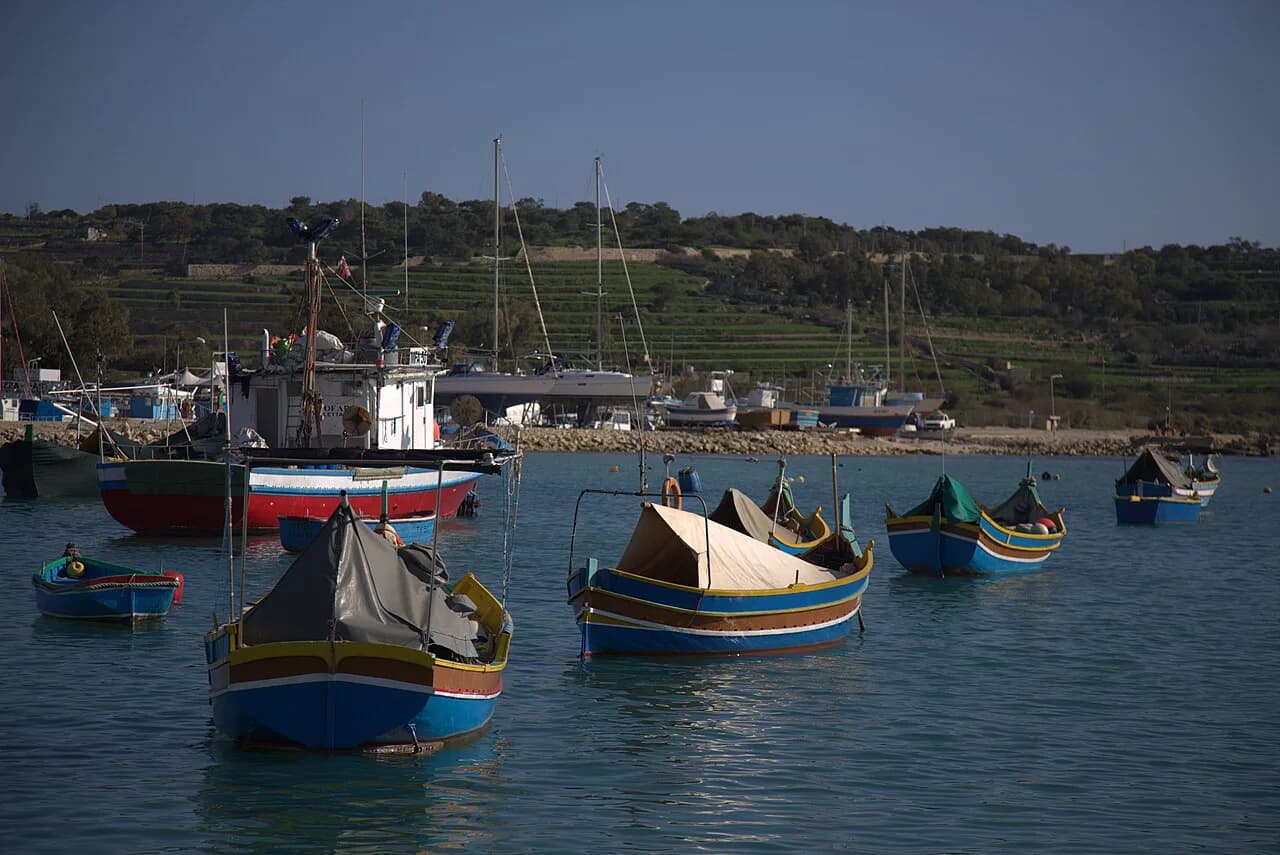
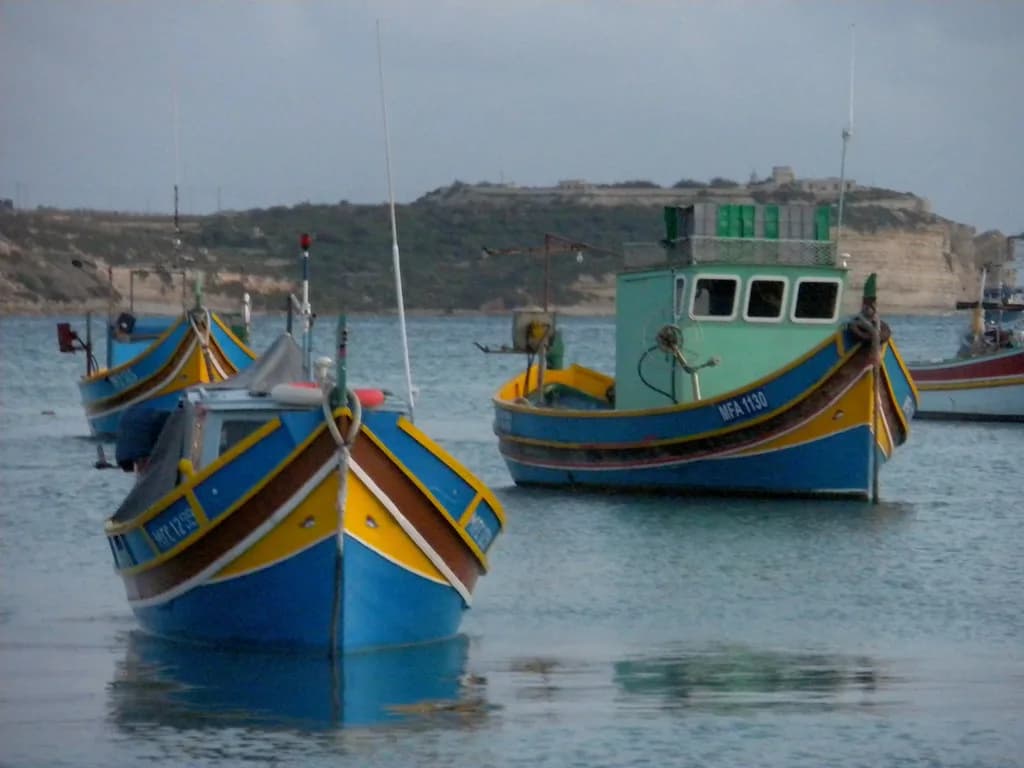
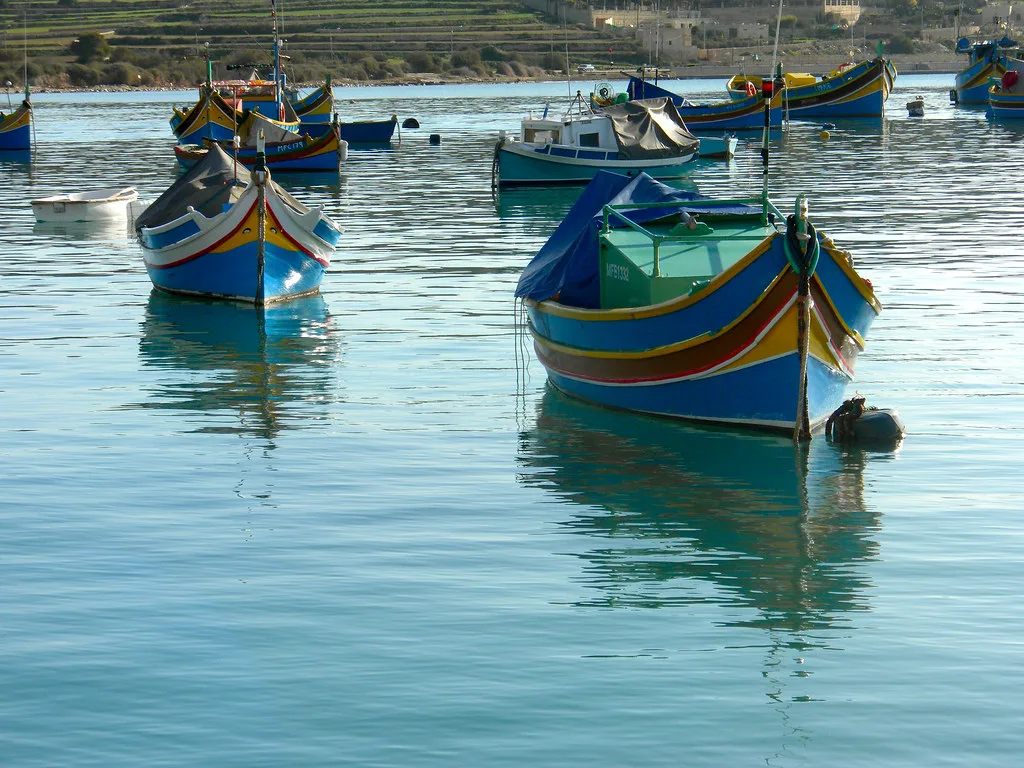
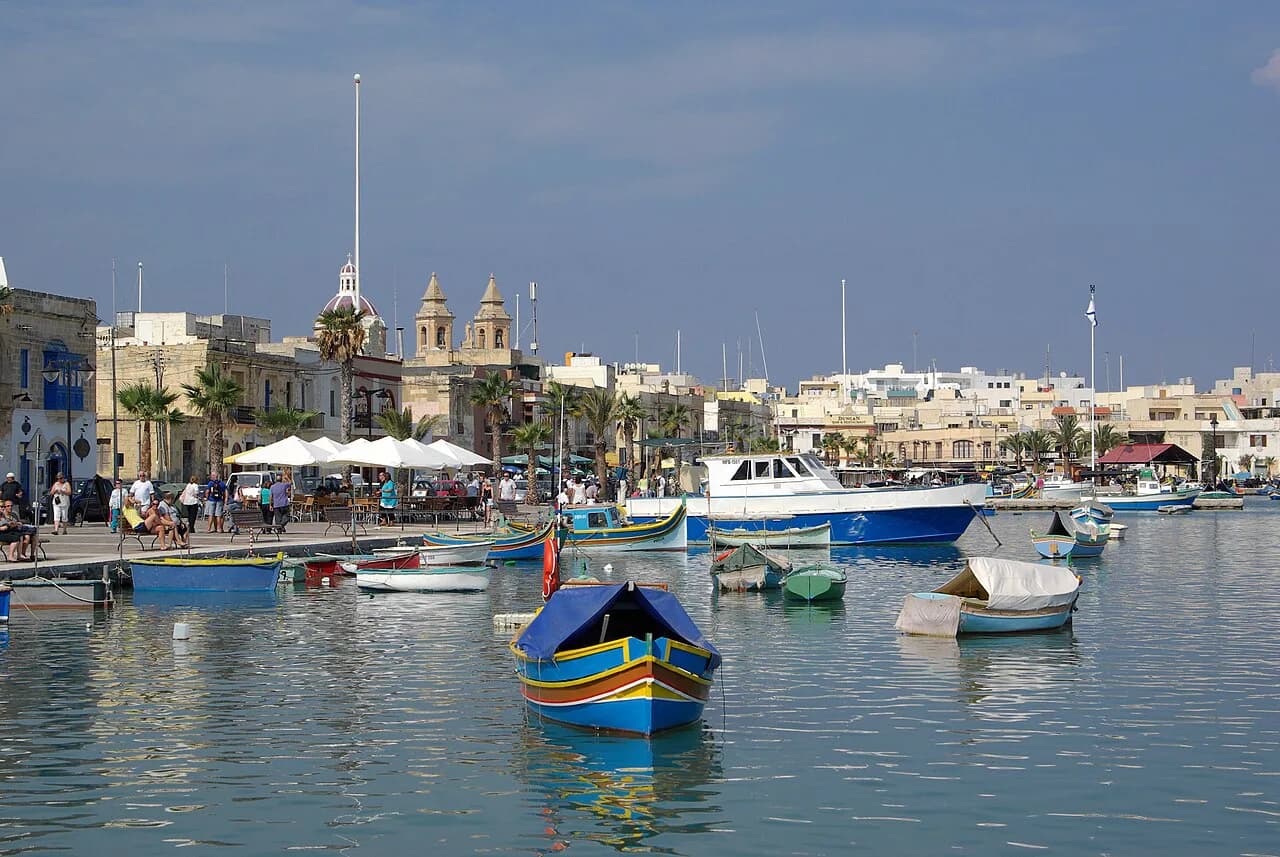
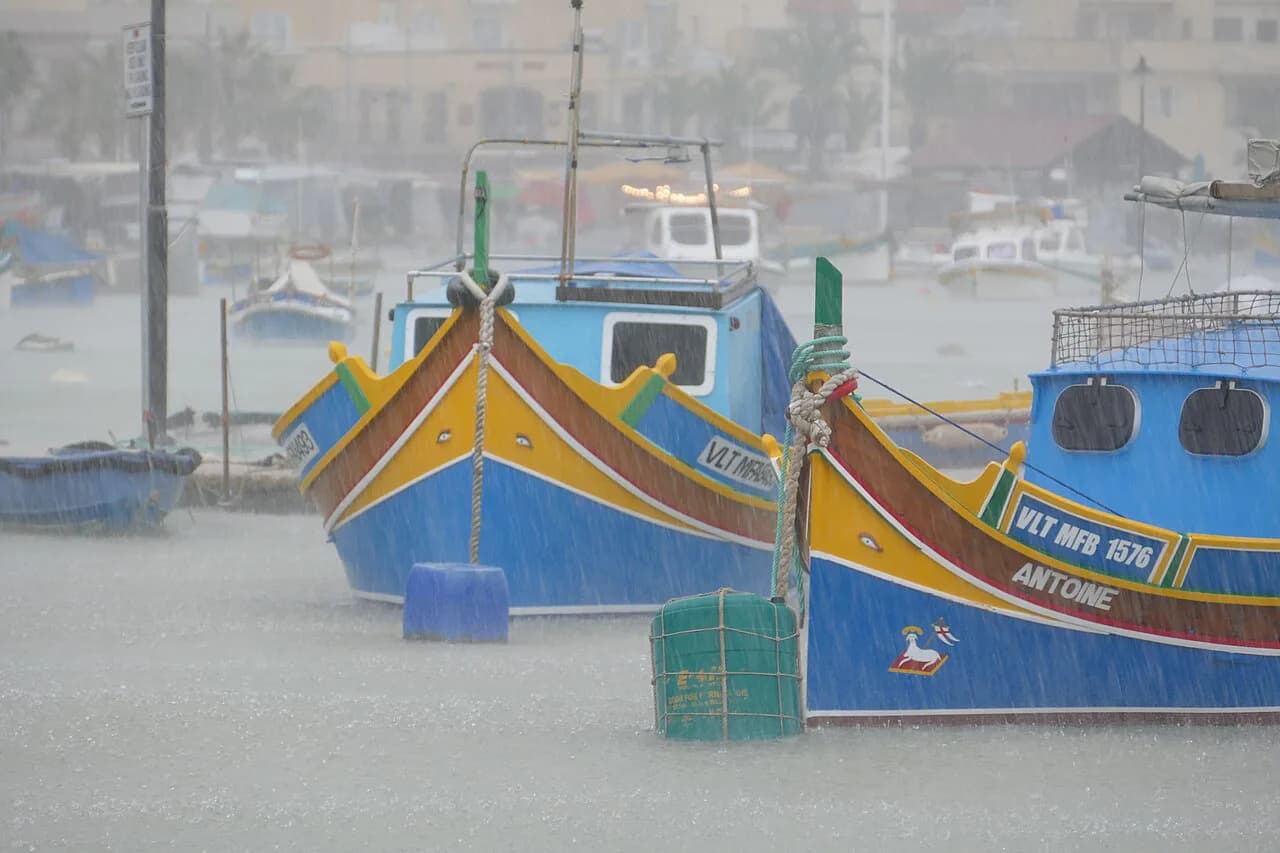
On the Marsaxlokk side of the island, the comparable painted boat is the luzzu, the fishing boat that fills the harbour and is covered in our guide to things to do in Marsaxlokk. It is the same tradition of brightly painted Maltese woodwork, but one is a working fishing hull and the other is a passenger taxi.
Where to catch one: the quay below the Upper Barrakka Gardens and the Birgu waterfront
On the Valletta side, the boats wait at the quay below the Upper Barrakka Gardens, facing the Barrakka Lift that brings you down from the city level. You can flag a boatman at the quayside, or arrange a crossing ahead with the operator.
On the Birgu side, the base is at Xatt ir-Riżq, the waterfront strip in Birgu (Vittoriosa). The operator there lists a daily presence from 10am to 8pm, Monday to Sunday, and a phone number for arranging a crossing. Those hours are the operator's own and can shift with weather and season, so ring ahead for an evening or off-season ride.
If you are staying in Valletta, the simplest plan is to take the lift down from the Upper Barrakka Gardens, cross by dgħajsa and walk up through Birgu's lanes from the landing quay. Coming back, the boatman will drop you at the same Valletta quay, a short climb or lift ride below the city centre.
Turn up and wait for a boat with space, then board for the crossing. In peak summer, allow a little slack in your plan rather than timing a tight connection on the crossing.
The crossing itself: Valletta to Birgu, Cospicua and Senglea
The standard run links Valletta with the Three Cities on the far side of Grand Harbour: Birgu, also called Vittoriosa, Cospicua (Bormla) and Senglea (L-Isla). The shortest and most common trip is the hop to Birgu's waterfront, which puts you directly beneath the fortifications of Fort St Angelo.
Ask the boatman which quay he is heading for before you step aboard, since the Three Cities waterfronts are separate and a landing at Senglea leaves a longer walk to Birgu's lanes. The ride itself is the point as much as the destination: from water level you see the harbour walls, creeks and landing stages from an angle the bastions above cannot give you.
For different water, the south of the island has its own boat life around Marsaxlokk harbour, where the fishing fleet and the Sunday market draw the crowds. Our Marsaxlokk market guide explains what is sold and when the stalls are busiest if you are pairing the two parts of the island.
What a ride costs in euros and how to pay
Budget a few euros per person each way. One traveller reported paying two euros for a one-way crossing between Birgu and Valletta, and German-language travel pages put the trip at 'a few euros' per person. Treat the two-euro figure as a reported fare rather than a fixed tariff: confirm the amount with the boatman before you board and carry small notes or coins.
Confirm the fare before you board and carry small notes or coins so a wet handover does not cost you. If a boatman quotes a round-trip rate, ask whether that means waiting time at the far quay or two separate pickups later.
How long the crossing takes and how it fits a Three Cities morning
The crossing is short enough to be a link in a morning rather than an outing in itself, so plan it as the opening move of a Three Cities half-day. Land at Birgu, walk the waterfront and lanes towards the Inquisitor's Palace and Fort St Angelo, then loop through Cospicua or Senglea if time allows.
Work backwards from the boat rather than the clock: arrive at the Valletta quay with time to spare, cross, and start your walk from the landing point. That way the ride sets your pace, and you are not rushing the lanes to catch a boat that leaves when it is full rather than on a timetable.
If the harbour is rough or the boats are not running, the fallback is the road route round the creeks by taxi or bus, which is longer but keeps your plan intact. A dgħajsa crossing is weather-dependent, so build the ride in as the flexible part of the morning.
Boarding point in Birgu and the operator base at Xatt ir-Riżq
If you start from Birgu, head for Xatt ir-Riżq and look for the painted boats tied along the quay. The operator there lists a phone number, +356 7943 1547, for arranging a crossing; calling the day before is useful if you want an early start or a ride outside the usual daytime window.
The Birgu waterfront is a good place to wait, with the fortifications behind you and Cospicua's creek in view, and it puts you a short walk from the lanes that climb into Vittoriosa. In Valletta, the quay below the Upper Barrakka Gardens is the counterpart landing point, so the two ends are easy to remember.
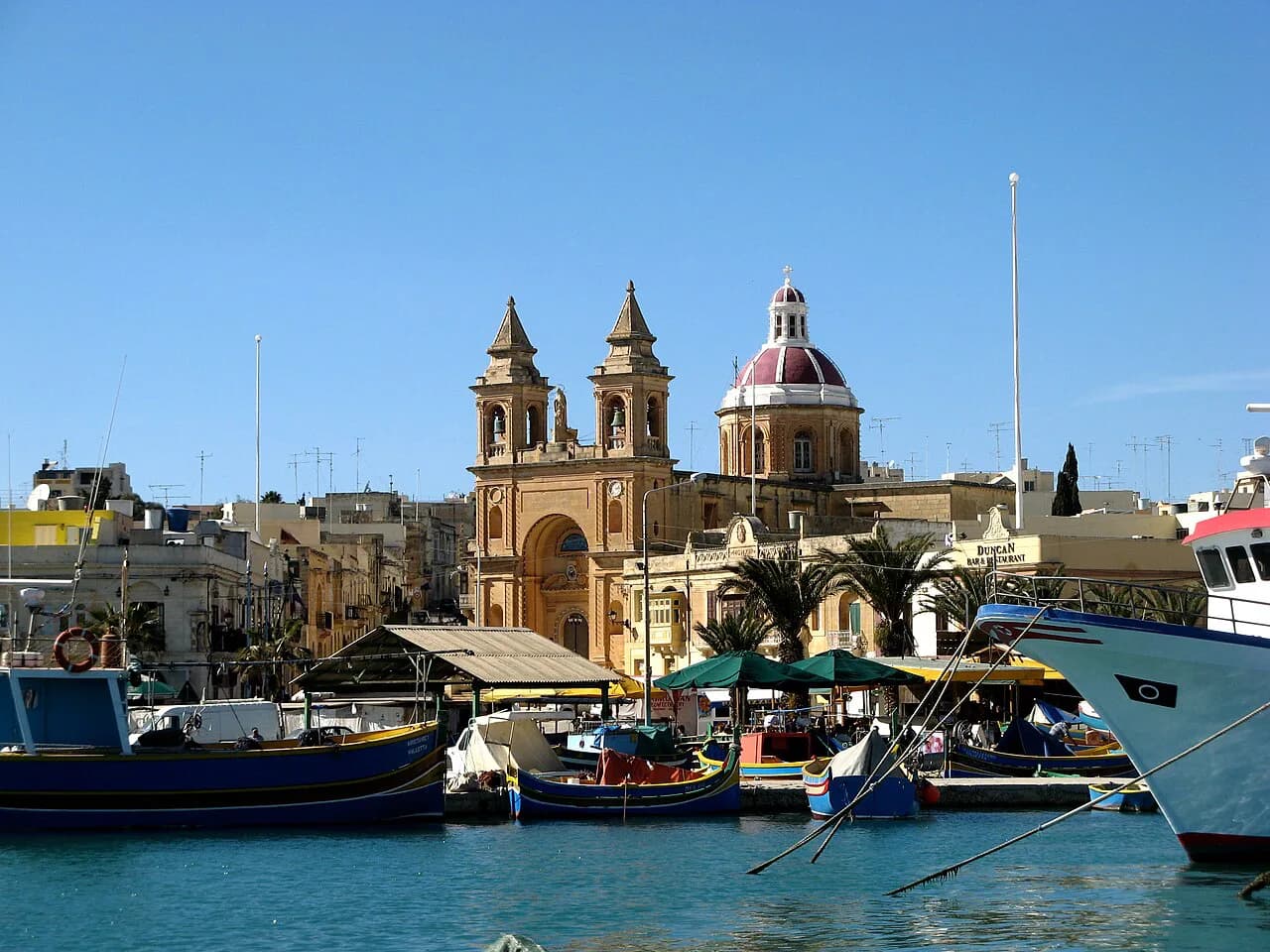
For a broader sense of what fills the harbour in the south, the Marsaxlokk attractions guide sets out the boats, the church and the walks around Maltese fishing life. Used with this page, it gives you the passenger crossing in Grand Harbour and the working harbour in the south.
Should the dgħajsa be part of your Valletta day?
Yes, as a short crossing rather than a sight in itself. It costs a few euros, takes minutes and lands you on the Birgu waterfront ready to walk the Three Cities; that is a better use of a morning than another lap of Valletta's streets.
Go with coins or small notes, confirm the fare and the landing quay first, and keep the ride as the flexible piece of your plan. Ring the Birgu operator if you want an early or evening crossing, and let the boat set your pace rather than the other way round.
Explore more Marsaxlokk guides
Sources
Notes for your Malta trip
Optional updates when we add or correct a Malta or Gozo guide.
You might also like
Continue reading
More guides you'll find useful