Marsaxlokk Restaurants: Waterfront, Back Streets and What to Order
Marsaxlokk restaurants range from waterfront fish at higher prices to quieter back-street tables. Here is how to choose, what to order and when to go.
On this page
Eat on a weekday, two streets back from the water, and Marsaxlokk gives you the best-value fish lunch in southern Malta. Sit on the harbour front on a Sunday morning and you pay a premium for the view while coach parties fill the village. This guide covers the two dining zones, the menu tests worth applying before you sit down, the Maltese fish names to order and the euro ranges to budget.
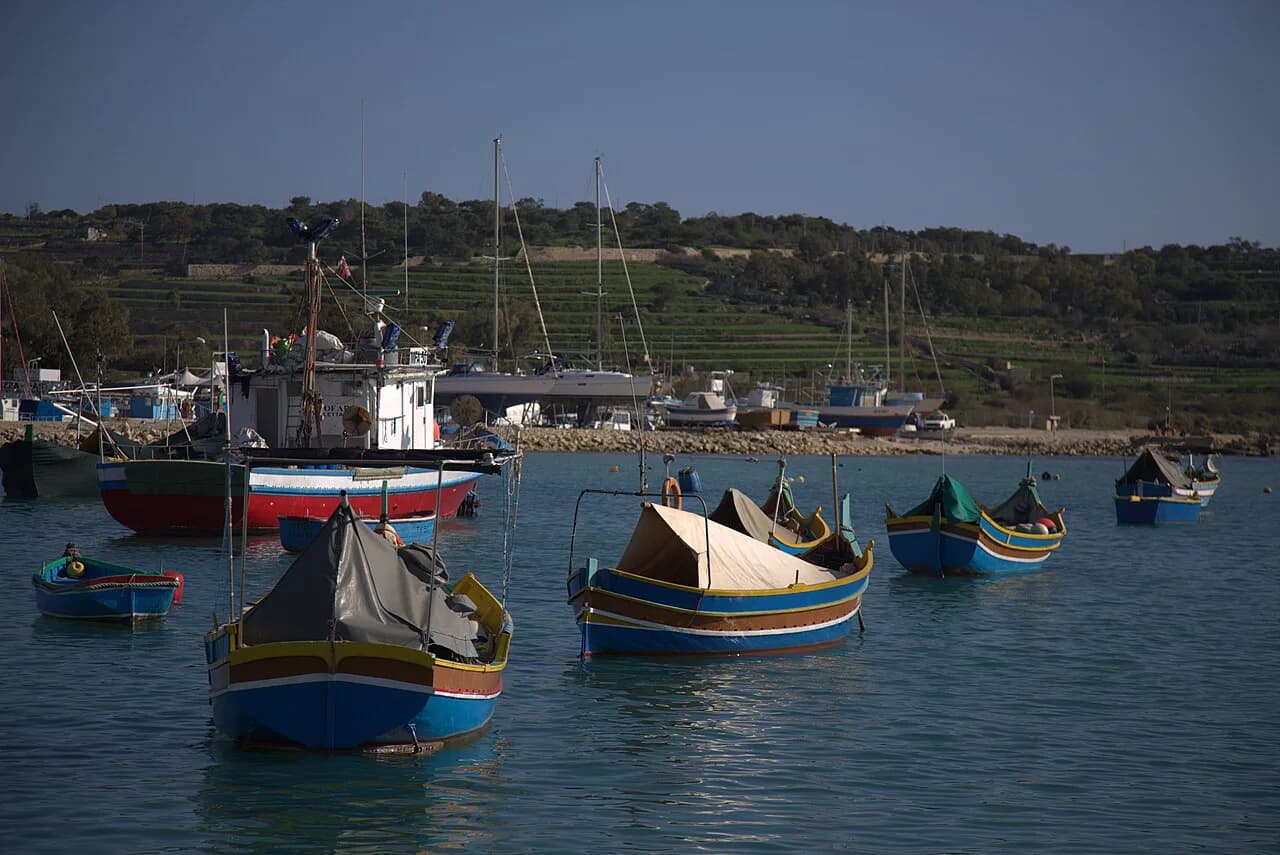
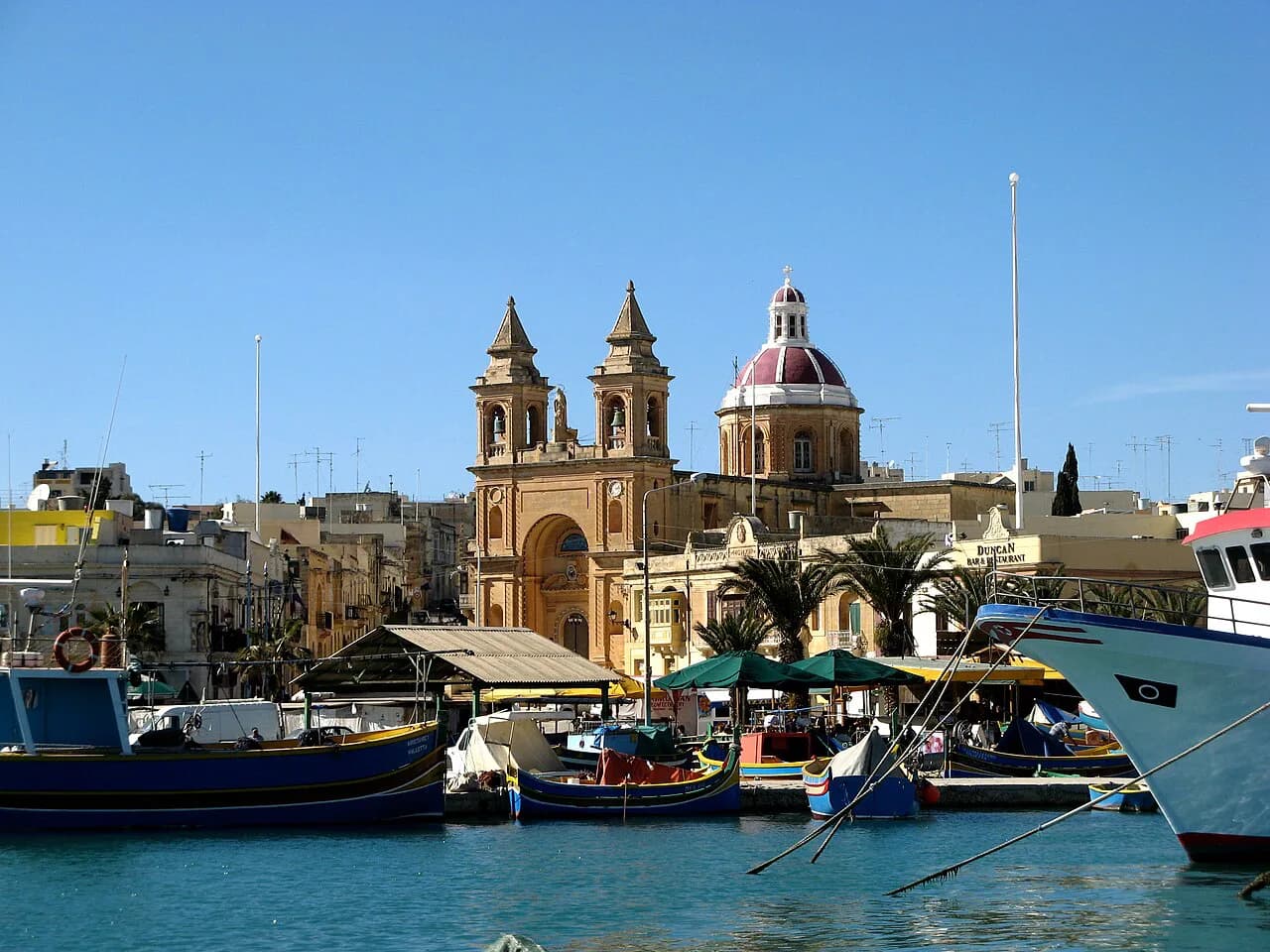
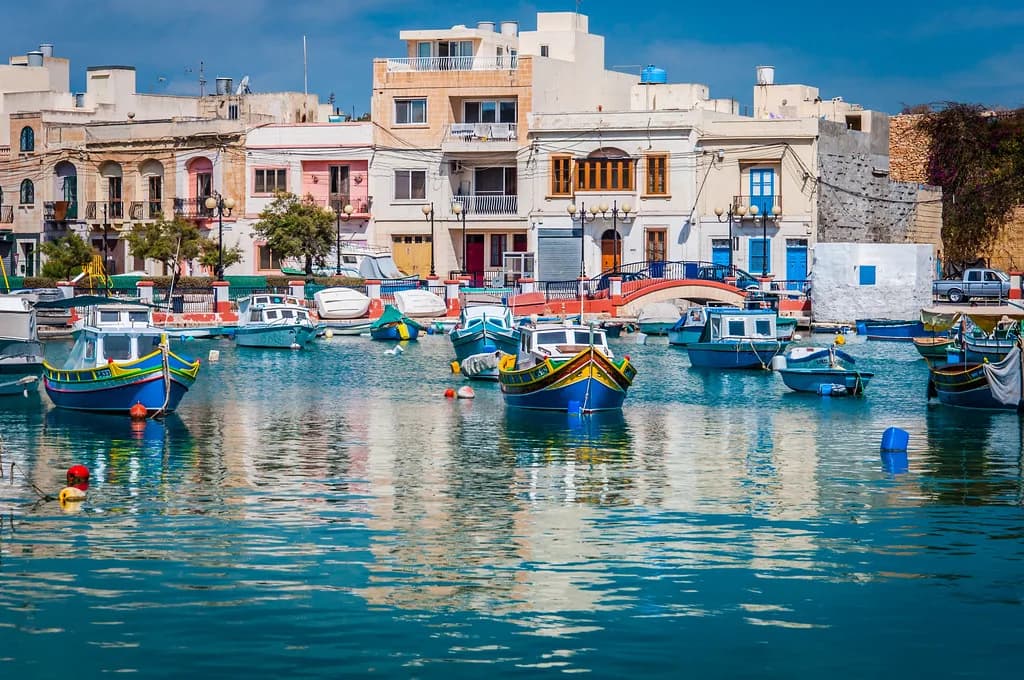
The village is built around a wide natural bay on the south-east coast, roughly 20 minutes from Valletta by road. The painted luzzu boats lined up in front of the restaurants give it a working identity that the seafood trade keeps alive; our Things to Do in Marsaxlokk guide covers the harbour and the boats in more detail.
Why Marsaxlokk is a fish-first village
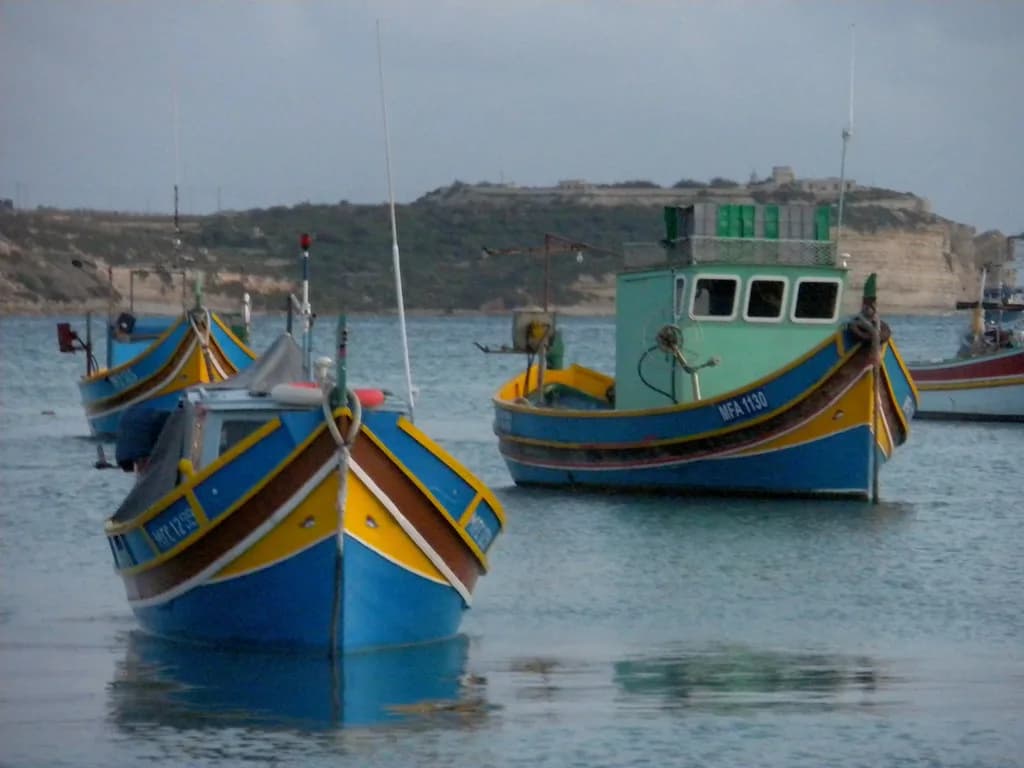
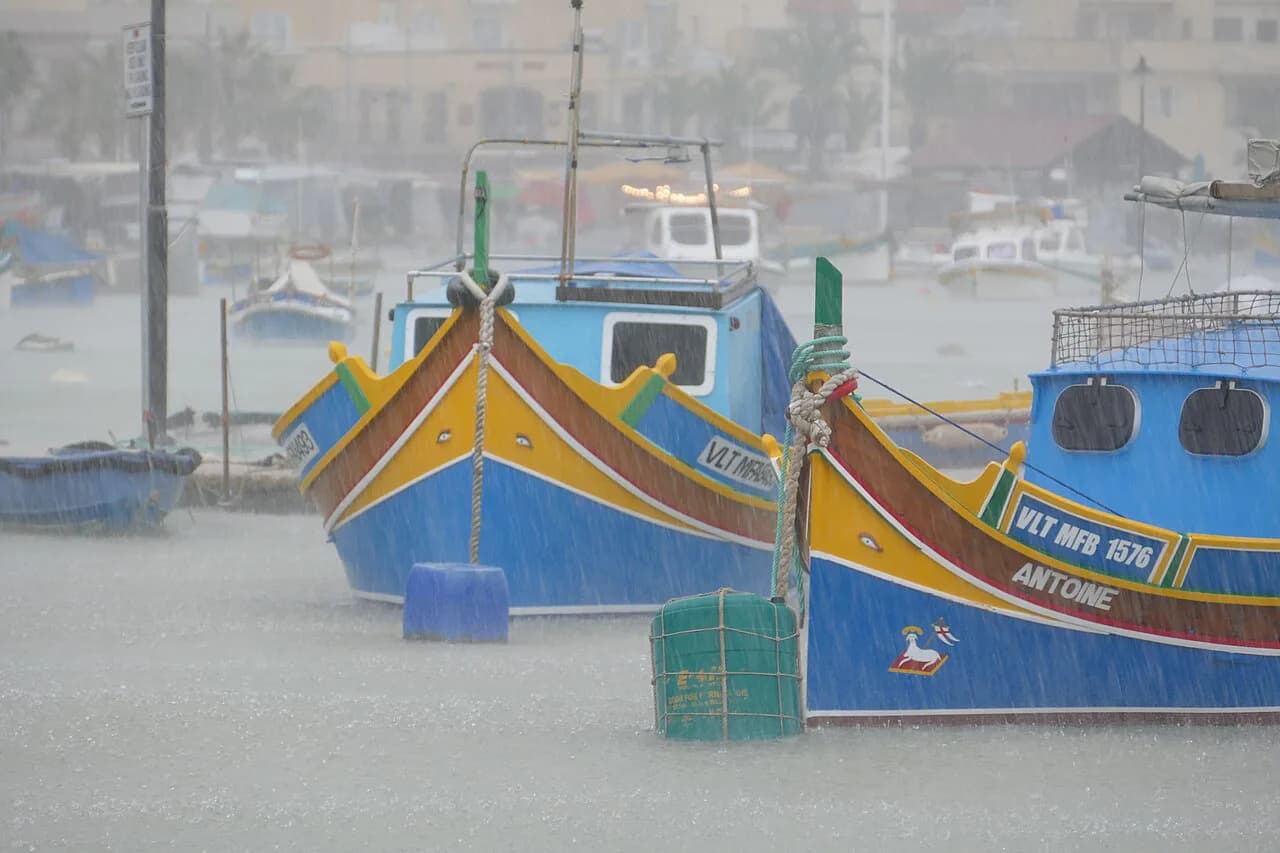
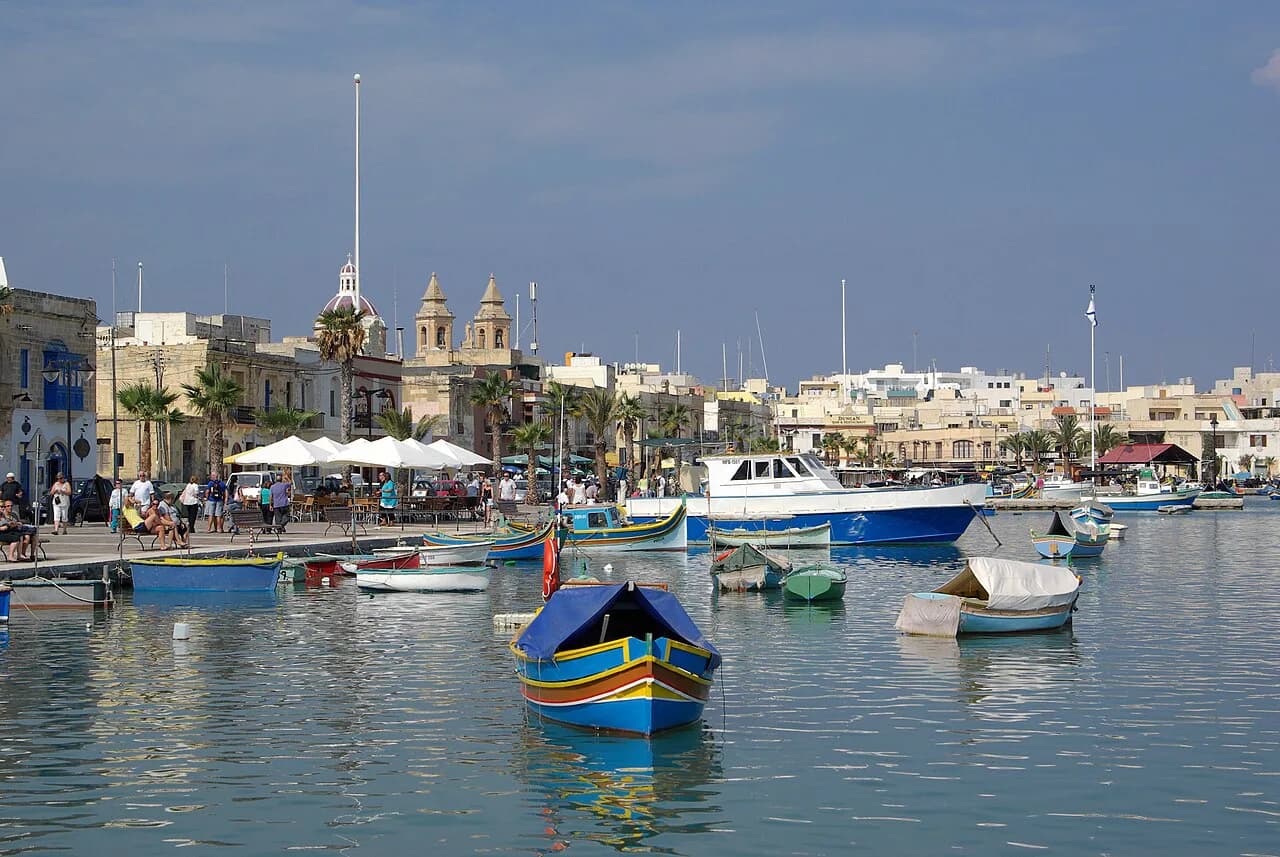
The harbour holds a fleet of luzzu, the traditional painted boats with an eye on the bow, and the waterfront restaurants draw their fish from local boats. That direct supply is why a grilled fish here is worth ordering at all. It is also why the village empties and refills around the market rather than the clock. Our Marsaxlokk Market guide covers the stalls in more depth.
The fish market itself is primarily a trade market that functions from around 6am, and the seafood in Marsaxlokk is at its freshest when that trading is under way. By the time the retail stalls and souvenirs take over, the wholesale side of the morning is finished. Plan lunch around the fish, not around the stalls.
Waterfront or back streets: the price difference
The row of restaurants facing the bay is the obvious, photogenic choice: boats directly in front, open water behind. It is also the most expensive, with grilled fish mains around 20–28 euros, seafood pasta at 16–22 euros and a simple aljotta soup at 8–10 euros. Quality across that row varies considerably, and some places lean hard on the view. Two blocks back, prices drop by roughly 30–40 per cent and the clientele shifts towards Maltese diners. Back-street mains run around 12–18 euros. You lose the boat-level view and gain a proper sit-down lunch at a fair price, which is the trade most visitors should take.
How to read a waterfront menu before you sit
Look for prices displayed prominently outside. If the menu hides its prices until you are seated, treat that as a warning sign and keep walking. A good waterfront kitchen is happy to show you the numbers before you commit.
Then check how the fish is described. A menu that names the species, rather than offering a catch-all "fresh fish of the day", tells you the kitchen is buying and pricing by what actually came in. As a rule of thumb, walk past any place with plastic tablecloths, menus in five languages and a host standing outside.
Back-street tables worth seeking out
Tartarun, on the small square behind the waterfront, runs a proper kitchen, changes its menu with what is fresh and serves generous portions. It is our pick for a sit-down fish meal in the village, and booking ahead at weekends is sensible. Michelin's Marsaxlokk listings include it in the fish and seafood category.
Ir-Rizzu, in the back streets and not to be confused with the waterfront Il-Rizzu, is simpler and more casual, with a very good aljotta. The waterfront row includes places such as the rebuilt Restaurant L-Eremit and Il-Rizzu, where quality is uneven but the best serve genuinely good fish from local boats. Opening days and hours for all of these change with the season, so confirm directly before you build a day around one.
What to order: the Maltese fish names
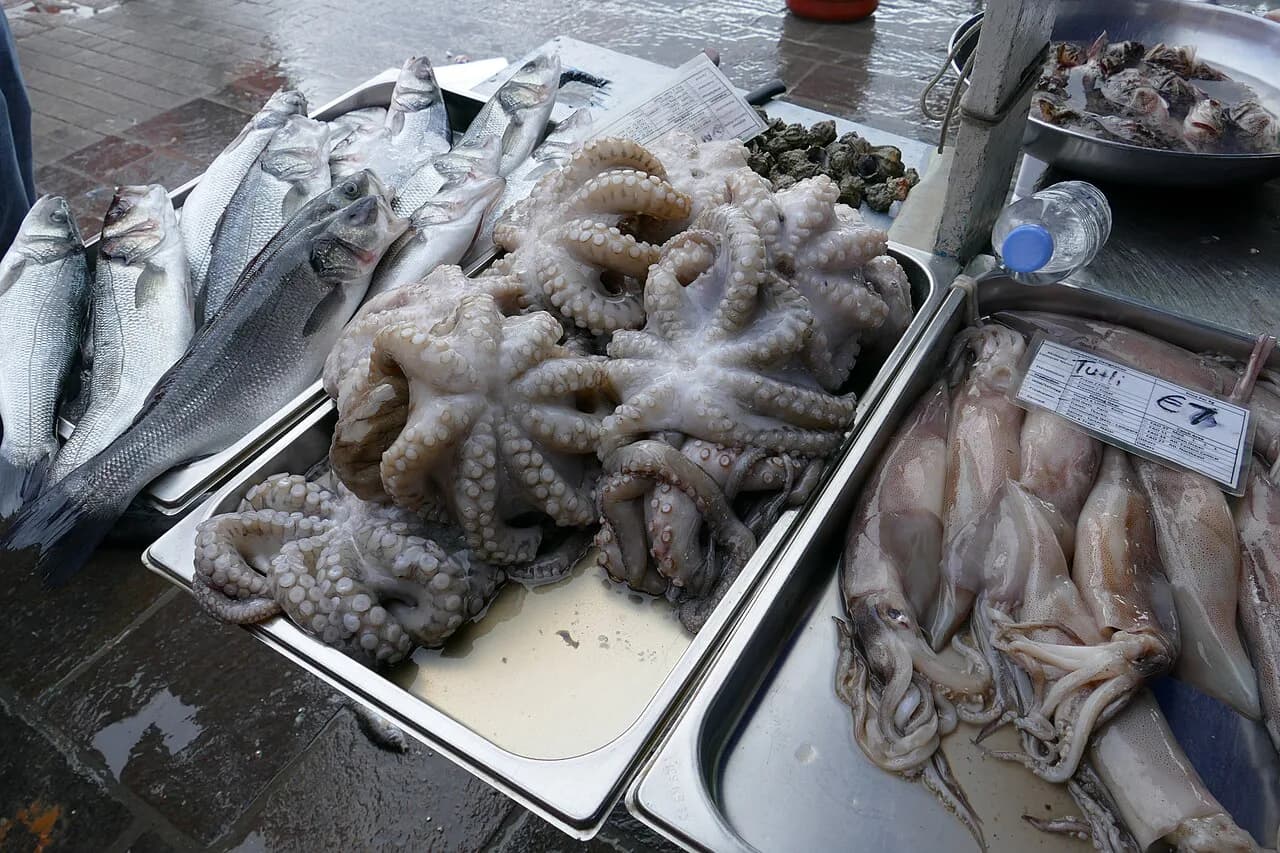
Order by name and you get a better plate. Lampuki is dolphinfish, dott is grouper and dentici is dentex; all three appear grilled or in seasonally changing dishes. Qarnit is octopus, served in stews and salads, and aljotta is the local fish soup, usually built on tomato, garlic and mint.
For the cheapest fish experience, the market stalls sometimes sell fried fish in a bag on Sundays and on weekday mornings when fishers sell direct: battered or pan-fried catch of the day in paper, at around 3–5 euros. It is street food rather than a restaurant meal, and all the better for it.
Typical prices in euros
To budget, assume a waterfront grilled fish main at 20–28 euros and the same dish cheaper in the back streets, where mains sit at around 12–18 euros. Seafood pasta on the front runs 16–22 euros, and a bowl of aljotta is 8–10 euros. Fried fish from the market stalls is the cheap eat at around 3–5 euros.
Menus and prices are set by each kitchen and can move with the season and the catch, so treat these as the ranges the village currently works to and read the board outside before you commit. A weekday lunch two streets back is where the value sits.
Weekday lunch versus Sunday
A weekday lunch, Tuesday to Thursday especially, gives you lower prices, quieter restaurants and fish that is just as fresh. Sunday is a different proposition: from about 9am the tour coaches arrive, parking fills and waterfront restaurants push grilled fish up by 20–30 per cent.
Sunday still has its own atmosphere, the colour of the luzzu against the stalls and the noise of the market, and it is worth seeing once if you accept the trade-off. It is the restaurants rather than the market that punish you. Come for the morning and eat elsewhere, or pay the premium knowingly.
What the Sunday fish market is like
The Sunday market runs from around 6am and is mostly wound down by 11am, with heavy crowds from 9am. If you want to see it at its most authentic, arrive before 8am when the fishing trade is still the main event. After that, the retail stalls, lace, souvenirs and honey increasingly take over.
Go in expecting a working market with a tourist layer on top, not a quaint craft fair, and you will enjoy it more. The fish on sale is still fresh and good; it is simply no longer the wholesale spectacle of dawn.
Getting to Marsaxlokk and pairing it with the south
Bus 119 runs from Valletta, a taxi or ride-hailing car is another option, and driving is straightforward on a weekday but tight on Sunday when parking fills. Allow two to three hours for a market visit plus lunch, or half a day if you combine it with the south.
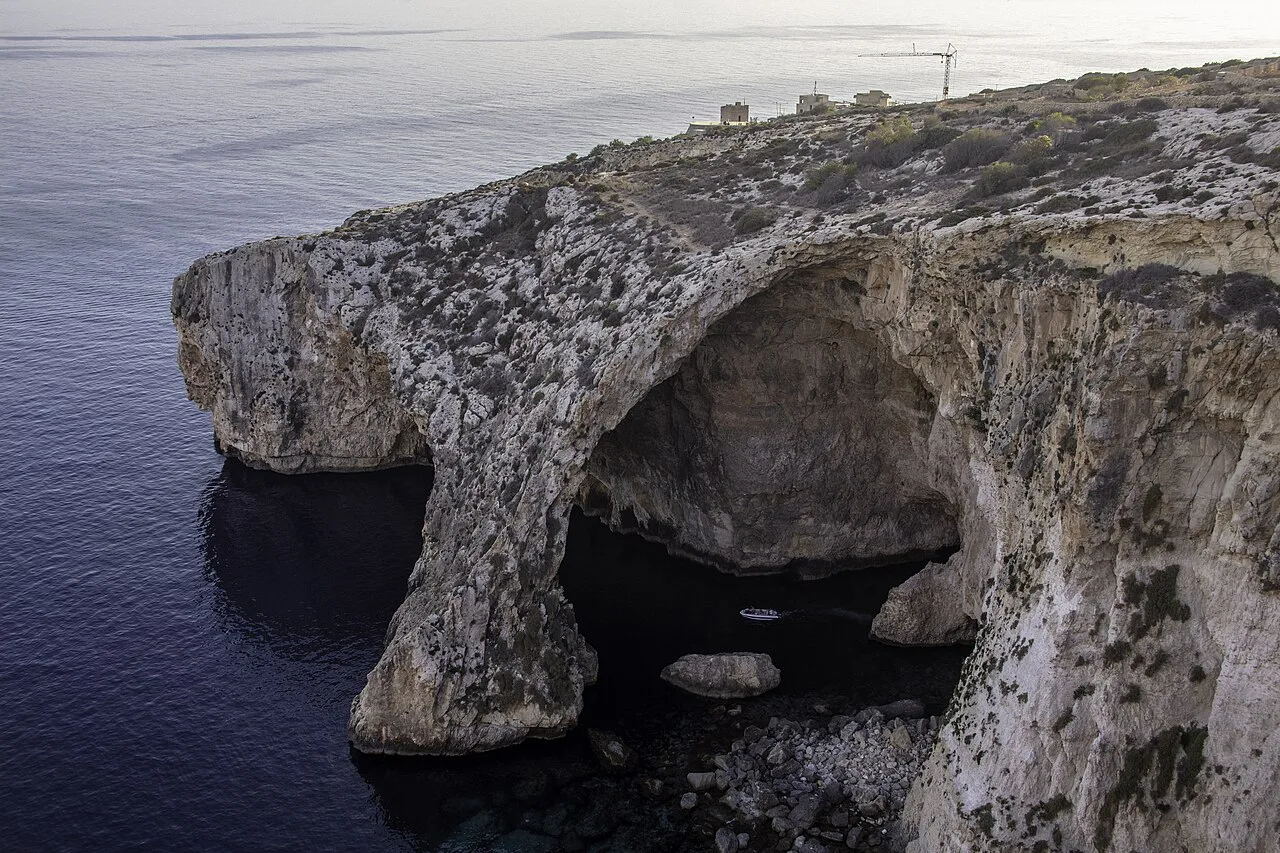
The natural pairing is a morning at the Blue Grotto followed by a Marsaxlokk lunch, a combination that suits first-time visitors covering several southern stops in one day. Guided tours run this route, which is efficient but fixes your timing. Our Things to Do in Marsaxlokk guide picks up the rest of the village.
Where a smarter meal fits
If you want one more polished fish dinner, Michelin's listings for Marsaxlokk include Tartarun in the fish and seafood category, which is the strongest signal in the village for a kitchen cooking to a higher standard. Use it as your one splurge rather than paying waterfront premiums every day.
Elsewhere in the village, Matthew's Restaurant on the docks appears in visitor listings for freshly cooked fish and a broad menu. Treat review rankings as a starting point and check the menu and prices at the door.
Which Marsaxlokk table should you book?
Book a back-street table for a weekday lunch, order by fish name, and you get the village's best value without the harbour-front premium. Save the waterfront row for one evening or accept the view surcharge knowingly. Our best restaurants in Malta guide covers the wider island if you want more options.
If the market is your reason for coming, arrive before 8am on Sunday, eat early or elsewhere, and leave before the coaches settle in. Either way, Marsaxlokk rewards a plan built around the fish rather than the crowds; our guide to whether Marsaxlokk is worth visiting weighs it up in full.
Explore more Marsaxlokk guides
Frequently Asked Questions
Do I need to book a Marsaxlokk restaurant in advance?
For back-street tables such as Tartarun, booking ahead at weekends is sensible because the rooms are small and fill with local diners. Waterfront restaurants generally take walk-ins, but on a Sunday in high season you may queue. Confirm directly with the restaurant before relying on a table.
Is Marsaxlokk worth visiting outside the Sunday market?
Yes, if you come for lunch rather than the stalls. On a weekday the village is calm, the fish is just as fresh and prices are lower, which makes it a better restaurant destination than a Sunday. The market is the draw only if you arrive early enough to see the trade.
Sources
Notes for your Malta trip
Optional updates when we add or correct a Malta or Gozo guide.
You might also like
Continue reading
More guides you'll find useful