Things to Do in Malta: Valletta, Mdina, Temples and Gozo
Plan what to do in Malta with Valletta, Mdina and Rabat, Birgu, the Ħaġar Qim and Mnajdra temples and Gozo, plus how long each place takes and how to reach it.
On this page
Malta's headline sights divide neatly into four clusters: Valletta and the harbours, the walled cities of Mdina and Rabat, the prehistoric temples in the south, and Gozo across the water. Give Valletta a full day, Mdina and Rabat half a day, Birgu half a day, the Ħaġar Qim and Mnajdra temple site a morning, and Gozo a full day if you want to see Victoria and Ġgantija without rushing. The rest of this guide takes each cluster in turn, says how to reach it and what to pair it with.
The key planning decision is where you base yourself and whether you hire a car. The main island's sights are linked by frequent buses, ferries and taxis, and the walled cities are best explored on foot once you arrive; a hire car is most useful for the temple sites and the more scattered southern stops. Use the Malta map to see how the clusters sit relative to one another before you fix a base.
Valletta: St John's Co-Cathedral, the Grandmaster's Palace and the Barrakka Gardens
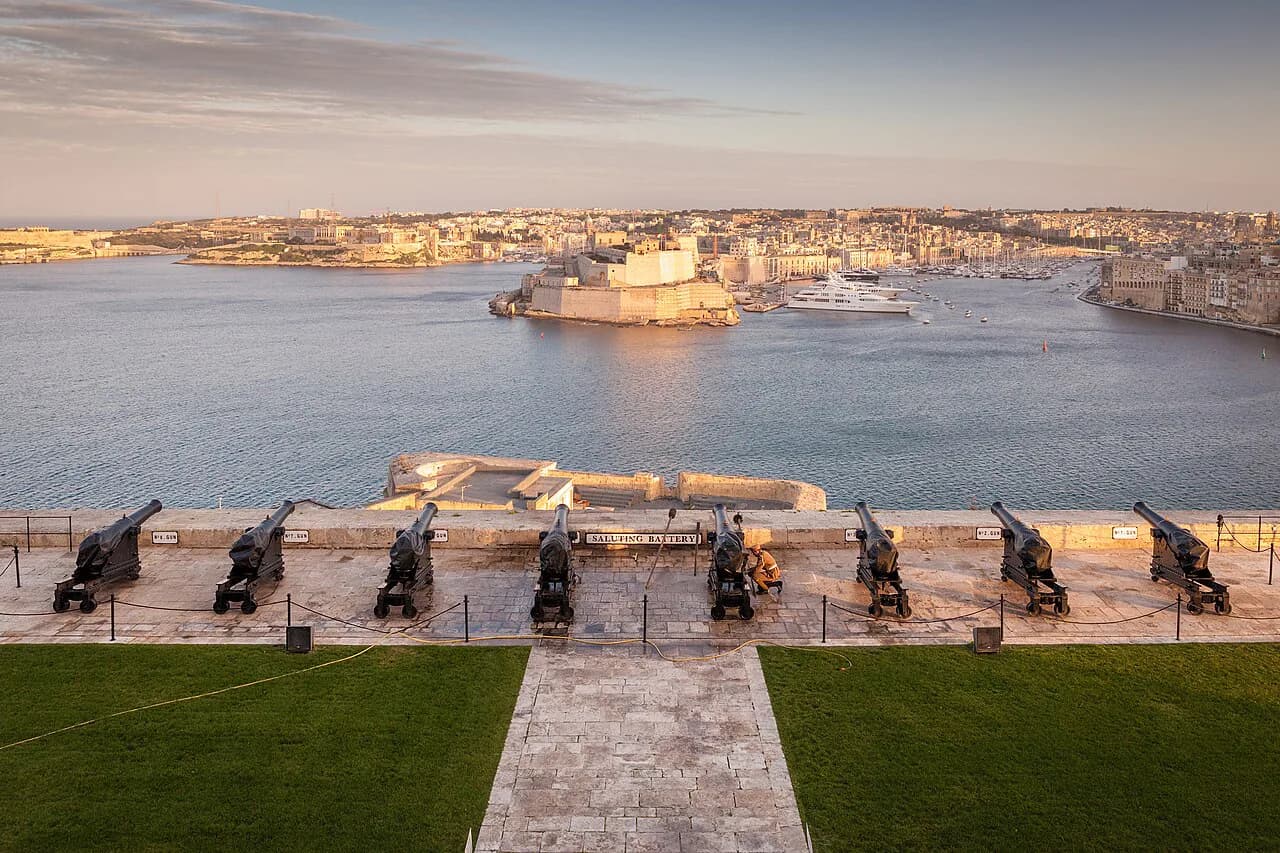
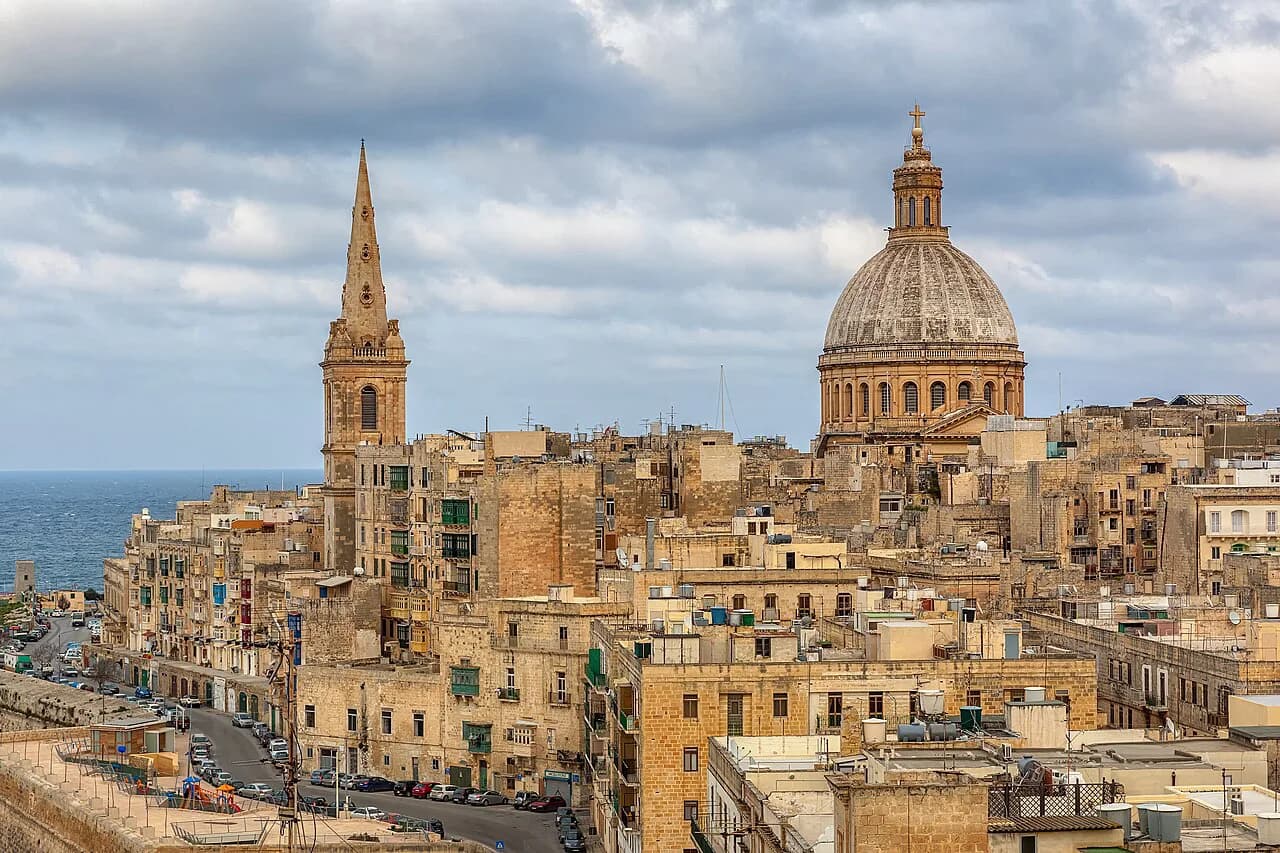
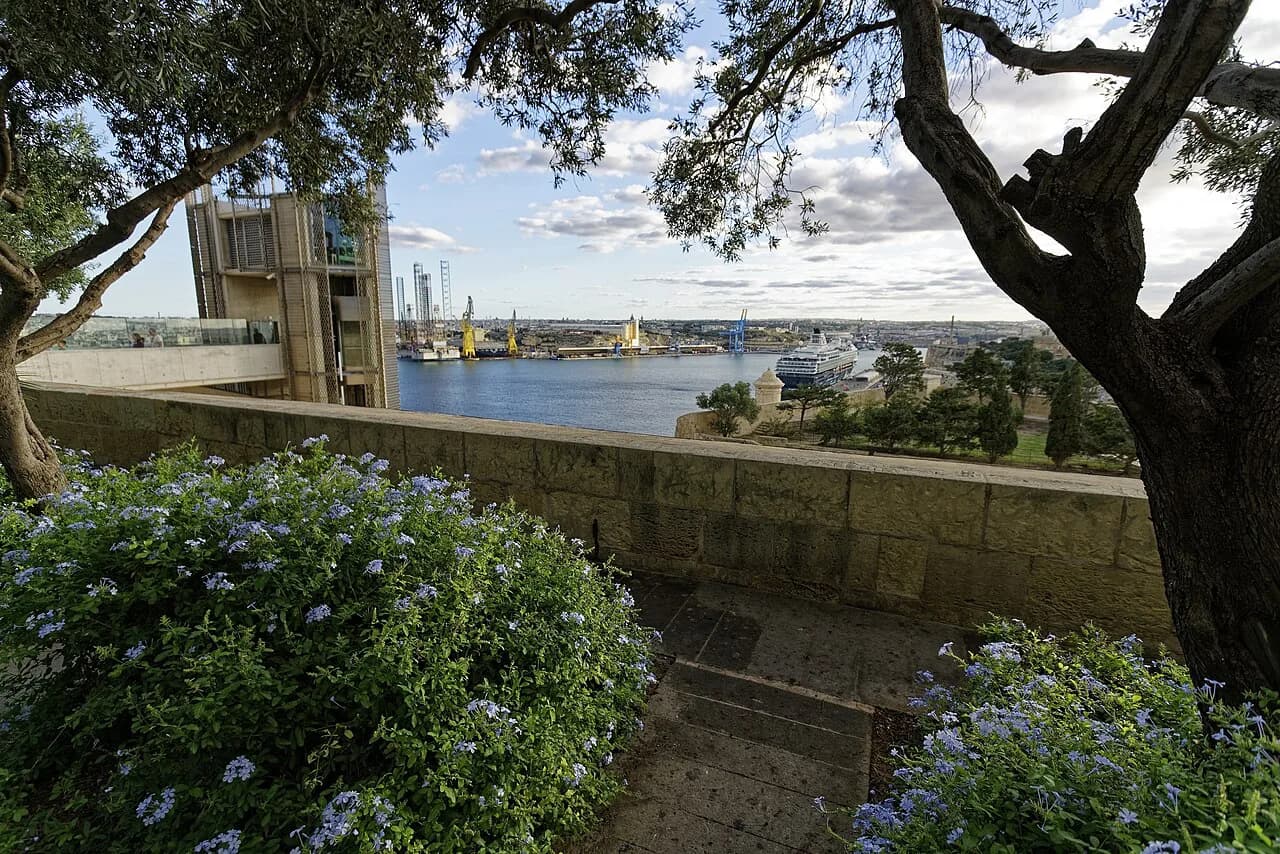
Valletta is a compact peninsula city of baroque palaces, churches and steep stepped streets, and it rewards a slow full day rather than a rushed half-day. Start at St John's Co-Cathedral, which holds Caravaggio's The Beheading of Saint John the Baptist, then move on to the Grandmaster's Palace and the Museum of Archaeology if you want the historical background in one place. The Barrakka Gardens give you a view over the Grand Harbour and are a natural pause between the upper and lower parts of the city.
The city is built on a grid of straight streets with long staircases, so wear shoes you can climb in and expect to cover a lot of ground without realising it. Mornings are the calmest time to walk the main streets; by mid-morning the tour groups arrive and the squares fill. If your visit coincides with a cruise ship in port, plan the indoor sights for the busiest hours and save the streets for early or late.
For the wider context of what else the island offers, see these places to visit in Malta, which sets Valletta alongside the other main stops. Valletta is also the easiest place to start a harbour crossing to the Three Cities, so pair the two on the same day if you have the energy.
Mdina and Rabat: the walled city, St Paul's Cathedral and the catacombs
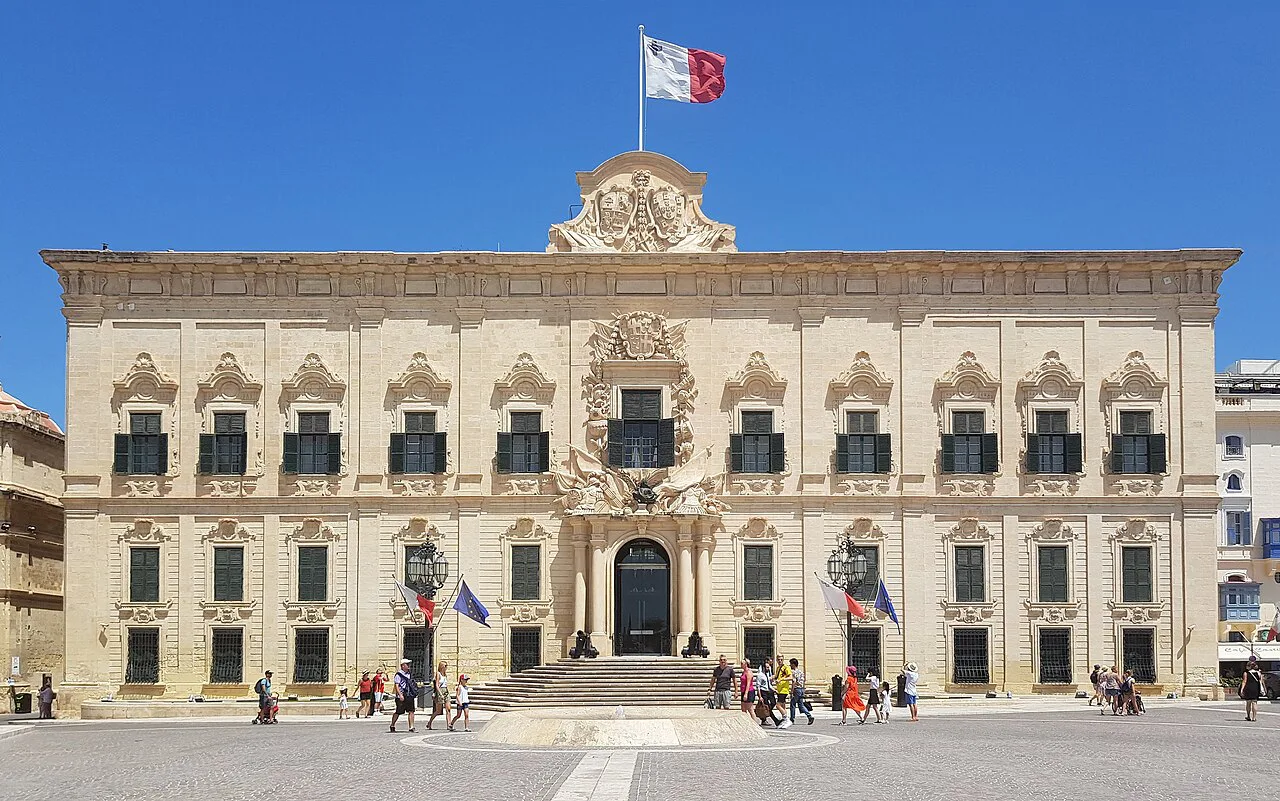
Mdina is a fortified hilltop city of narrow lanes, and Rabat spreads out immediately below its walls, so the two work as a single outing. Inside Mdina, St Paul's Cathedral and the National Museum of Natural History, housed in a baroque palace, are the two sights to prioritise. In Rabat, St Paul's Catacombs are underground Roman burial chambers that you can visit without a guide, and a combined ticket with the Domus Romana, a Roman-era house, covers both.
Timing matters here more than almost anywhere else on the island. Arrive before 10am or come in the evening, when the streets are quiet and the city earns its nickname, the Silent City. The catacombs are also a welcome cool stop in summer, which makes them a sensible midday activity if you are in Rabat during the heat.
Allow half a day for Mdina and Rabat together, or a fuller day if you add the catacombs and the Domus Romana. Buses and taxis serve the area, and once you are through the city gate everything in Mdina is on foot.
Birgu (Vittoriosa) and the Three Cities: Fort St Angelo and the Inquisitor's Palace
Birgu, also called Vittoriosa, sits on the south side of the Grand Harbour and is often quieter than Valletta and Mdina. Its main sights are Fort St Angelo at the tip of the peninsula, the Inquisitor's Palace and the Malta Maritime Museum, all within easy walking distance of one another. The old streets themselves are the attraction, so leave time simply to wander between the sights.
The Three Cities, which group Birgu with Senglea (L-Isla) and Cospicua (Bormla), are a good half-day alternative if you want a non-touristy counterpart to Valletta. Ferries cross the harbour from Valletta, which makes the crossing itself part of the outing. Allow half a day for Birgu alone, or a full day if you want to see all Three Cities.
The temples: Ħaġar Qim and Mnajdra, and how to visit without midday heat
The Ħaġar Qim and Mnajdra temple complex in the south of the main island is the prehistoric site to see if you only see one. The temples were built between about 3600 and 3000 BC, and the stones include blocks over five metres high weighing around twenty tonnes. Carved spirals decorate the pillars, and an elliptical hole in the stone lets light in at sunrise on the summer solstice.
The site is exposed, with little shade between the two temples, so visit early in the morning or late in the afternoon rather than at midday in summer. Allow a morning for the site itself, plus travel time from Valletta or the coast. A hire car is the simplest way to reach it, though buses also serve the area.
Pair the temples with the Ħal Saflieni Hypogeum for a full southern day, since both sit within reach of one another. Treat the Hypogeum as the first thing you fix for the trip: it is a timed-entry underground site, so book ahead rather than relying on turning up.
Mosta Dome and the central villages: a short stop between the coast and Mdina
The Mosta Dome is the landmark of the central villages and works as a short stop of an hour or so on the road between the coast and Mdina. The surrounding towns are ordinary Maltese places rather than sights in themselves, which is exactly why a coffee stop there breaks up a day of driving.
This is also where a hire car starts to earn its keep, because the villages are less convenient by public transport than the headline sights. Combine Mosta with Mdina and Rabat on the same loop rather than making a separate trip.
Marsaxlokk and the south: the Sunday morning market and harbour
Marsaxlokk is a fishing harbour in the south, and its Sunday morning market is the reason many visitors make the trip. Come early, walk the waterfront and eat lunch by the harbour, then use the rest of the day for the southern sights. The village is a slow, pleasant half-day rather than a full one.
The south also holds quieter coastal towns such as Marsaskala, which suits a relaxed afternoon if you are already in the area. For more options in that corner of the island, see things to do in Marsaskala.
Gozo: Victoria, the Citadel and Ġgantija, and the ferry crossing
Gozo is the second island and deserves a full day rather than a rushed half-day. In Victoria, the island's capital, the Citadel (Ċittadella) is the compact walled core to walk first, with views over the surrounding countryside. Ġgantija, the megalithic temple site outside the town of Xagħra, is the other headline stop and pairs naturally with Victoria on the same loop.
The ferry crossing to Gozo is part of the day, and in summer the queue for the crossing can eat into your time, so start early. On the island, buses connect Victoria with the main sites, but a car gives you more flexibility if you want to see more than one or two places. For a fuller list, see things to do in Gozo.
Comino and the boat trips: what a day on the water covers
Comino, the small island between Malta and Gozo, is usually visited on a boat trip rather than independently. Trips along the coast stop for swimming and snorkelling, including at the popular Blue Lagoon and the quieter Crystal Lagoon. A day on the water covers the coastline and the lagoons but leaves out the inland sights, so do not try to combine it with Valletta or the temples.
Look for a boat trip that matches the pace you want, with swimming and snorkelling stops rather than a simple crossing. For more options on the water, see Malta boat trips.
Food to try: pastizzi, ftira and rabbit stew
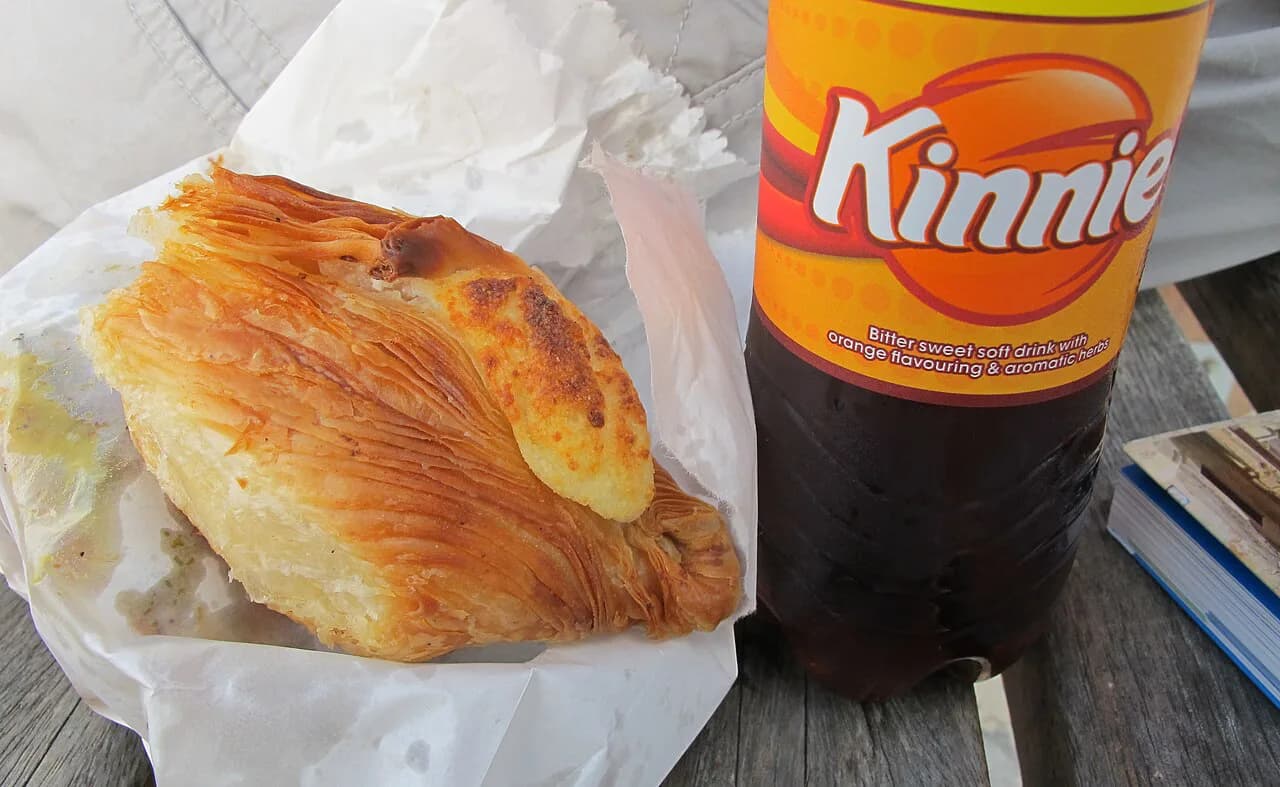
Maltese food is one of the pleasures of a trip here, and three things are worth seeking out. Pastizzi are flaky pastries filled with ricotta or peas, ftira is a Maltese-style bread, and rabbit stew is a traditional dish. Look for them at a village bakery or a simple café, and treat a pastizzi stop as a mid-morning break rather than a meal.
Tap water is safe to drink but does not taste great, so many visitors buy bottled water for the day. Power outlets are UK-style, which means British and Irish travellers do not need an adapter, while US visitors should bring one.
Getting around without a car, and when a hire car earns its keep
Buses, ferries and taxis cover the main sights well, and the walled cities and Valletta are best on foot once you arrive. Ferries are often faster than driving between Valletta, Sliema and the Three Cities, and they are more scenic. Renting a car for a couple of days is a practical compromise if you want the temples and the southern villages without committing to driving every day.
You cannot drive in many of the old city centres, so a car is for getting between clusters, not for sightseeing within them. If you are relying on public transport, plan your route before you set out and allow extra time in summer.
How many days you need on the islands
Five nights is a sensible minimum for the main island, and a full week gives you room for Gozo and Comino without rushing. Split the week as follows: one day for Valletta, half a day each for Mdina and Rabat and for Birgu, one morning for the temples, one full day for Gozo, and one day for a boat trip. That leaves the remaining time for Marsaxlokk, the central villages and the harbour crossings.
If you have only a day, choose Valletta or Mdina rather than trying to cover both, and use the ferry to add the Three Cities if time allows. If you have three days, do Valletta, Mdina and Rabat, and one of the temples or Gozo. These time blocks are a starting point, not a rule, and you should adjust them to the pace you prefer.
Which day trip to book first
Book the Ħal Saflieni Hypogeum first, because it is the one stop where a timed entry can decide your whole southern day. Then fix Gozo and any boat trip around the rest of the week, and leave Valletta, Mdina and Birgu flexible so you can move them to quieter mornings or evenings. Check the site pages before you travel, since opening arrangements can change by season.
If you are still choosing between the islands' highlights, the places to visit in Malta guide sets them side by side, and the Malta map shows how to group them into days. Start with the clusters that match your interests, then fill the gaps with the villages and harbour crossings.
Explore more Malta guides
- Best Places to Visit in Malta, Grouped by Area
- Hop-On Hop-Off Malta
- Malta Architecture
- Malta Boat Trips
- Malta Caves
- Malta Kayaking
- Malta Map
- Malta Markets
- Malta Souvenirs
- Malta tours
- North Malta
- Shopping in Malta
- South Malta
- The Malta Islands
- Where to Watch the Sunset in Malta and Gozo
- Free Things to Do in Malta
- Malta Villages
- Things to Do in Malta When It Rains
Frequently Asked Questions
What can you do in Malta on a Sunday?
Sunday is a good day for Marsaxlokk, where the morning market runs along the harbour, and for Mdina and Rabat if you arrive early before the crowds. Valletta's main sights draw the crowds at weekends, so start early and check individual site pages before you set out.
Is there a lot to do in Malta?
Yes. Valletta, Mdina and Rabat, Birgu and the Three Cities, the Ħaġar Qim and Mnajdra temples, the Hypogeum, Gozo and Comino each fill at least half a day, and a week is a comfortable amount of time to cover them without rushing.
Sources
Notes for your Malta trip
Optional updates when we add or correct a Malta or Gozo guide.
You might also like
Continue reading
More guides you'll find useful