Malta History: A Timeline Tied to Places You Can Visit
Malta's history in a visitor's timeline, from the Phoenicians and Romans to the Knights, the British and independence, each tied to places you can still see.
On this page
Malta's story runs from a Phoenician settlement around 1200 BC to independence in 1964 and the Republic in 1974, and almost every period left something you can stand in front of today. This guide sets the arrivals and rulers in date order, then matches each one to a place a visitor can actually reach on a short break. Dates are given as the cited sources record them, so you can use the timeline both as background and as a rough route.
Malta's rulers in the order they arrived
The sequence is the key to understanding what you see. The Phoenicians settled the islands around 1200 BC, Rome took Malta in 218 BC during the Second Punic War, and St Paul was shipwrecked in 60 AD. Arab rule began in 870 and lasted more than two centuries, the Knights of St John were granted the islands on 26 October 1530, and the French captured Malta in 1798. Britain formalised its position as a colony in 1814, and independence followed on 21 September 1964. Keep that order in mind and a walk through any Maltese town becomes easier to read: the street plan, the churches and the fortifications belong to different centuries rather than one building campaign.
Phoenicians and Romans: settlement in 1200 BC and capture in 218 BC
Malta's first recorded settlers arrived from the Phoenician trading world, a people whose reach covered parts of Sicily, Spain and North Africa. Their settlement left marks on the language and economy, and on temples that still stand on the islands. Rome's takeover came out of the Punic Wars: in 218 BC, during the Second Punic War, the Romans captured Malta and the island shifted toward Roman rule and culture. For a visitor, this is the deep layer beneath everything else, best treated as context for the later layers rather than as a separate itinerary.
St Paul's shipwreck in 60 AD and the Christian island
Christianity's foothold on Malta is tied to a single event. St Paul was shipwrecked on the island in 60 AD and stayed about three months, spreading his message before moving on. The source records that this visit had a lasting impact, with Christianity remaining the island's primary religion to this day. You meet this layer constantly on the ground, because Malta's towns are built around their parish churches and the island's religious calendar shapes the year. If you want the wider picture of how faith sits in Maltese life, read our guide to Malta religion before you plan church visits, and remember that dress codes at churches are a separate, practical matter to check on site.
Arab rule from 870 and the Maltese language
In 870 AD Malta came under Arabian control, a rule that lasted more than 200 years. During that time almost the entire population converted to Islam, and the cultural effect outlasted the political one. The clearest survival is linguistic: Maltese is a Semitic language, which is why the place names you read on signs look unlike Italian even when the architecture does not. You will hear this on any bus or in any café, and it is the simplest way to see that Malta's layers are not just buildings but speech as well.
The Knights of St John arrive in 1530
On 26 October 1530 the Knights of St John were given the Maltese islands to defend them against Ottoman attack. They stayed around 250 years and left a deep mark on architecture and art. For the visitor this is a building programme, not a legend: the Knights' fortifications, auberges and churches are the fabric of Valletta and the Three Cities, which is why so much of a first trip is really a Knights' tour. Our guide to the Knights Hospitaller covers who they were and how they governed, including the order's later identity as the Sovereign Military Order of Malta.
The Great Siege of 1565 and how Valletta came about
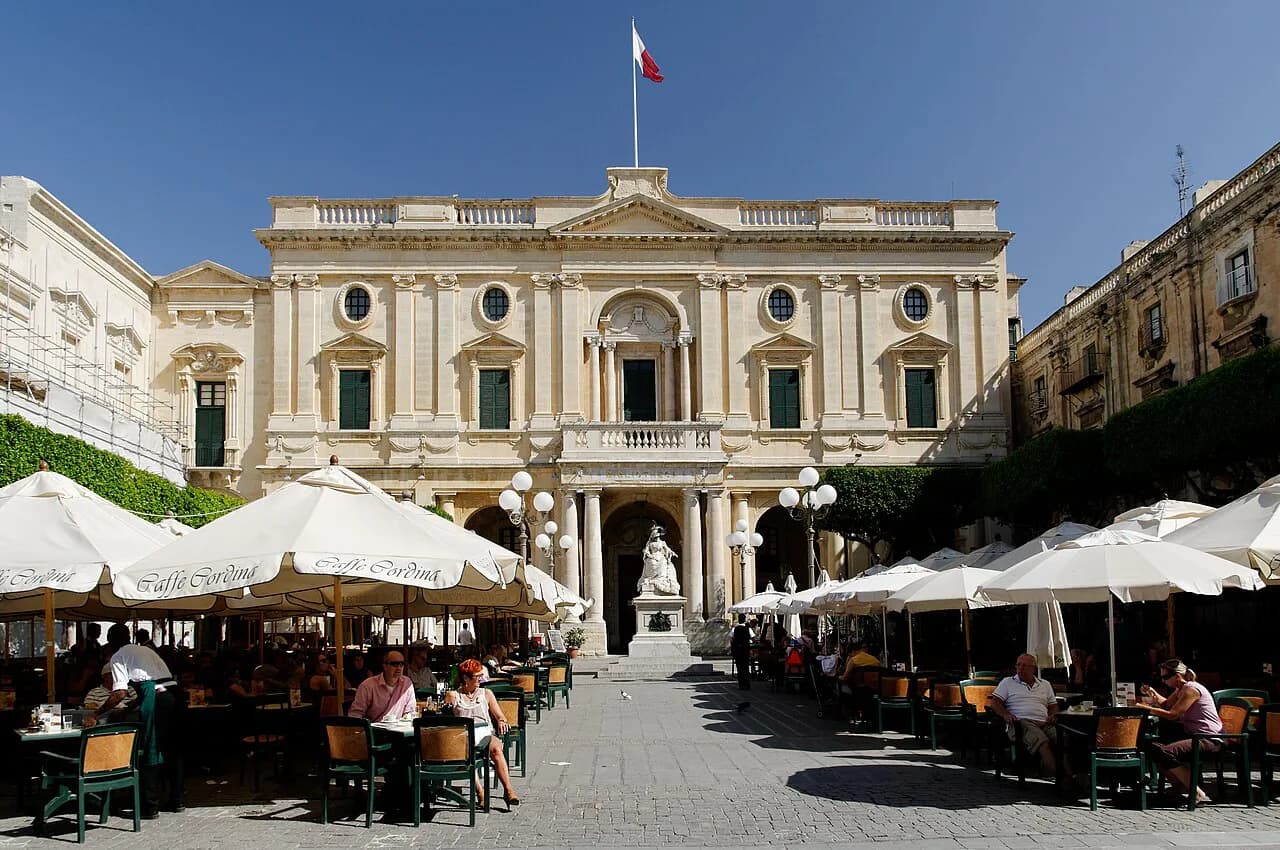
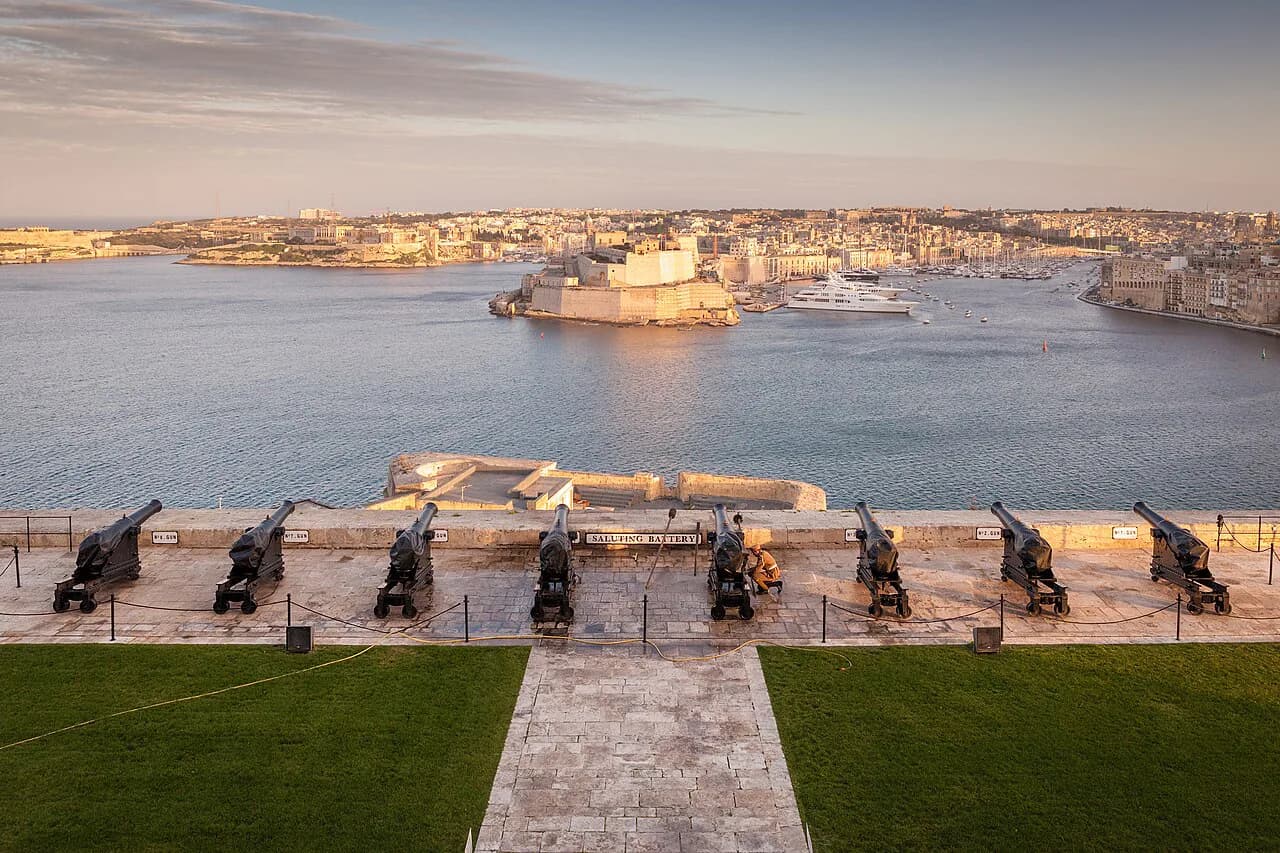
The Great Siege of Malta is the hinge of the Knights' period. In 1565 the Knights and the Maltese defended the island against the Ottoman Empire, and after the Victory Grand Master Jean de Valette marked the triumph by building a new capital city, Valletta. That single decision explains the city's concentration of palaces and churches: it was planned rather than grown. For the sequence of the siege and its outcome, our account of The Great Siege of Malta, 1565 sets out the events in order. When you walk through Valletta's gates and along its streets, you are moving through the aftermath of that year.
Napoleon in 1798 and the British colony from 1814
French rule was brief. Napoleon captured Malta in 1798, but was seen as an occupier by the local population, and with British help the French were removed by 1800. Britain kept its ties with the island until 1814, when Malta became an official British colony. The British influence was strong and most obvious in language: in 1934 English and Maltese were declared the official languages. Independence from Britain came only in 1964, so a great deal of what looks familiar on a Maltese high street is a nineteenth- or twentieth-century import rather than an older local form.
The Suez Canal in 1869 and Malta's place on the route east
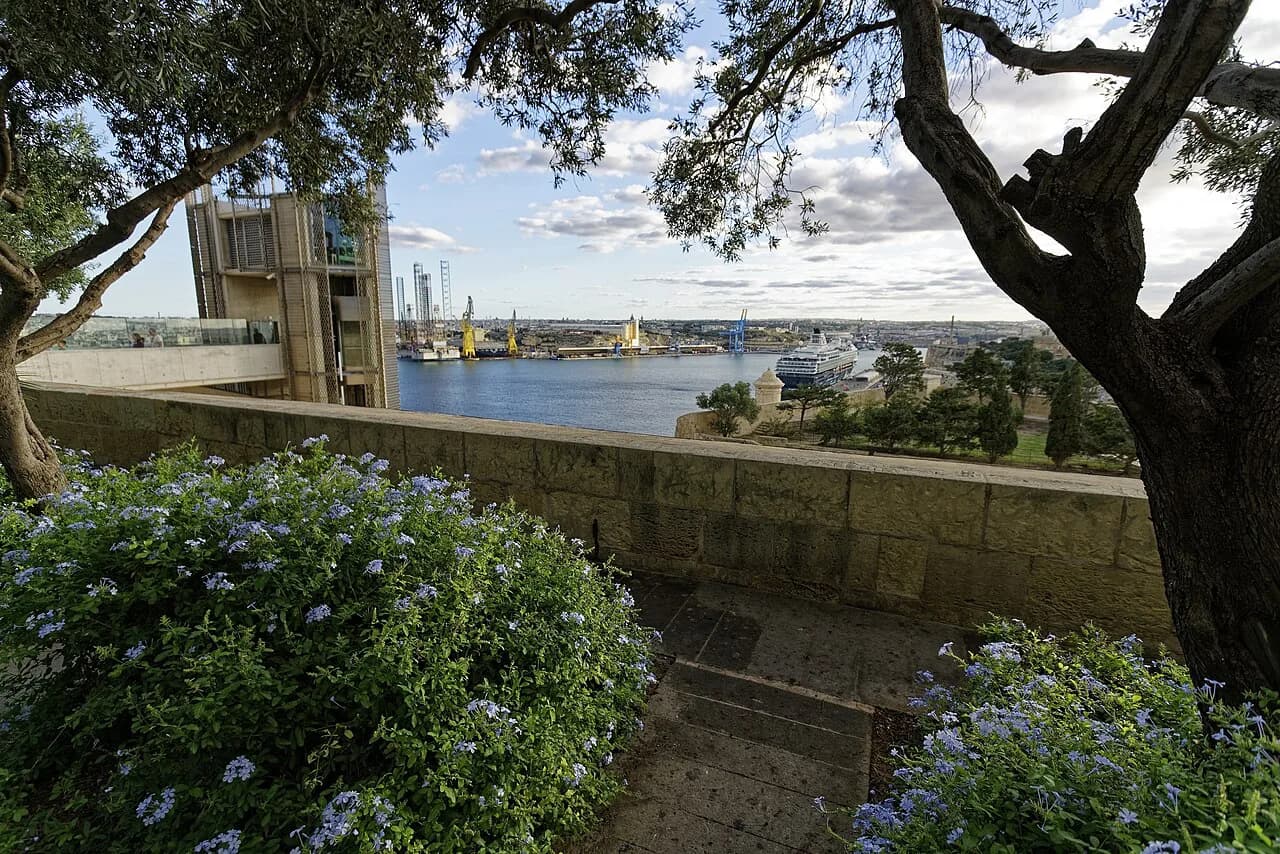
When the Suez Canal opened on 17 November 1869, a direct sea route from Europe to Asia emerged, and it ran close to Malta. The island became a common stop for ships, which brought goods, people and ideas through its harbours and raised its strategic value. This is the period to hold in mind when you look at the Grand Harbour and the dockyard towns around it: the scale of the port and the fortifications guarding it belong to the age when Malta sat on a busy imperial sea lane. It also explains why so much of the island's modern history was bound up with naval and military traffic.
World War II bombings, the George Cross and the Mosta Dome bomb
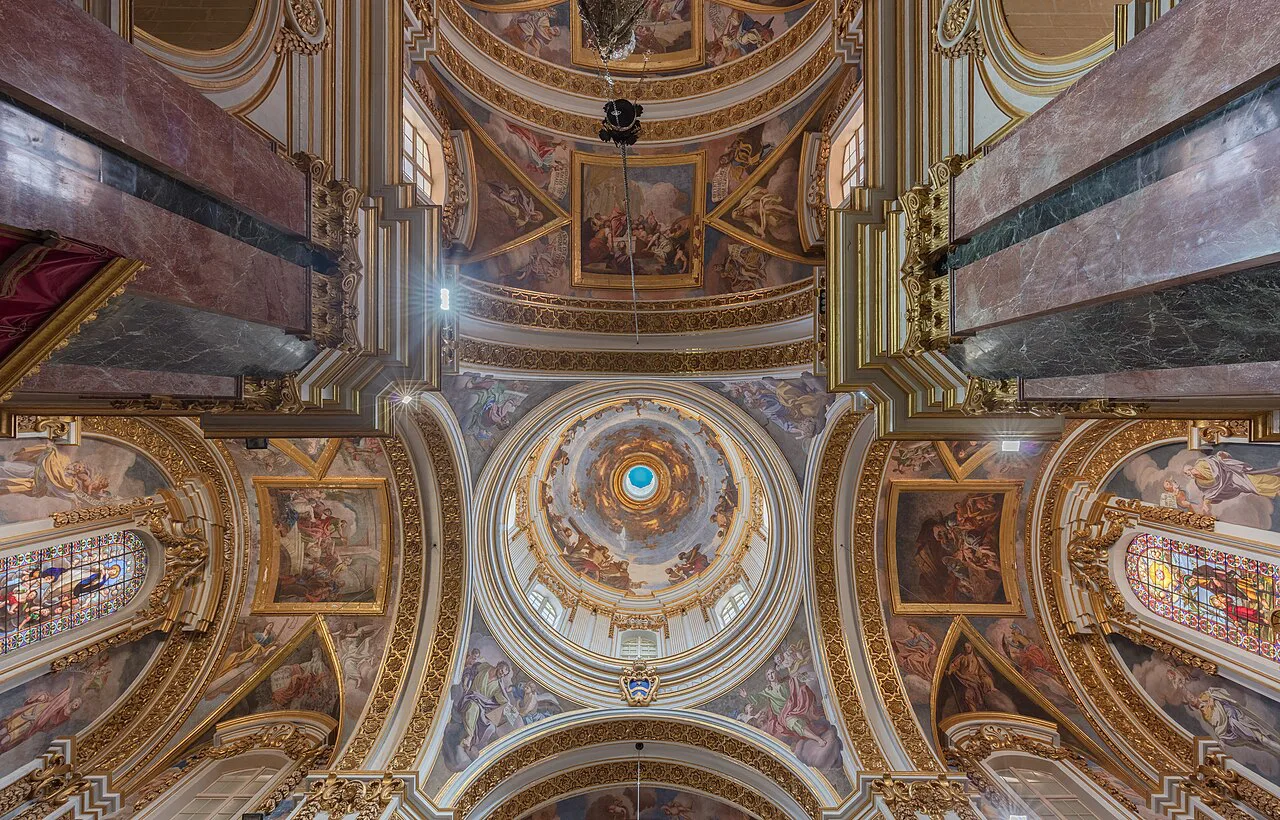
The wartime story came in a specific order. On 15 April 1942 Malta was awarded the George Cross in recognition of the bravery of its people, and the cross still appears on the national flag. The Mosta Dome adds a single, vivid episode: on 9 April 1942, during an evening mass attended by more than 300 people, a bomb fell inside the dome and did not explode, an event known as the Bomb Miracle. For the religious setting of that church and others, see our Malta religion guide.
Independence in 1964, the Republic in 1974 and the EU in 2004
Malta became independent from the United Kingdom on 21 September 1964. A decade later, on 13 December 1974, the country declared itself a Republic. It joined the European Union on 1 May 2004, and in 2008 the Maltese lira was replaced by the euro. These are the dates that explain the passport queue at the airport, and they close the timeline neatly: an island that had been governed from outside for most of its recorded history has run its own affairs for just over sixty years. If the political story interests you, our page on Malta independence follows it in more detail.
Match each period to a place on the ground
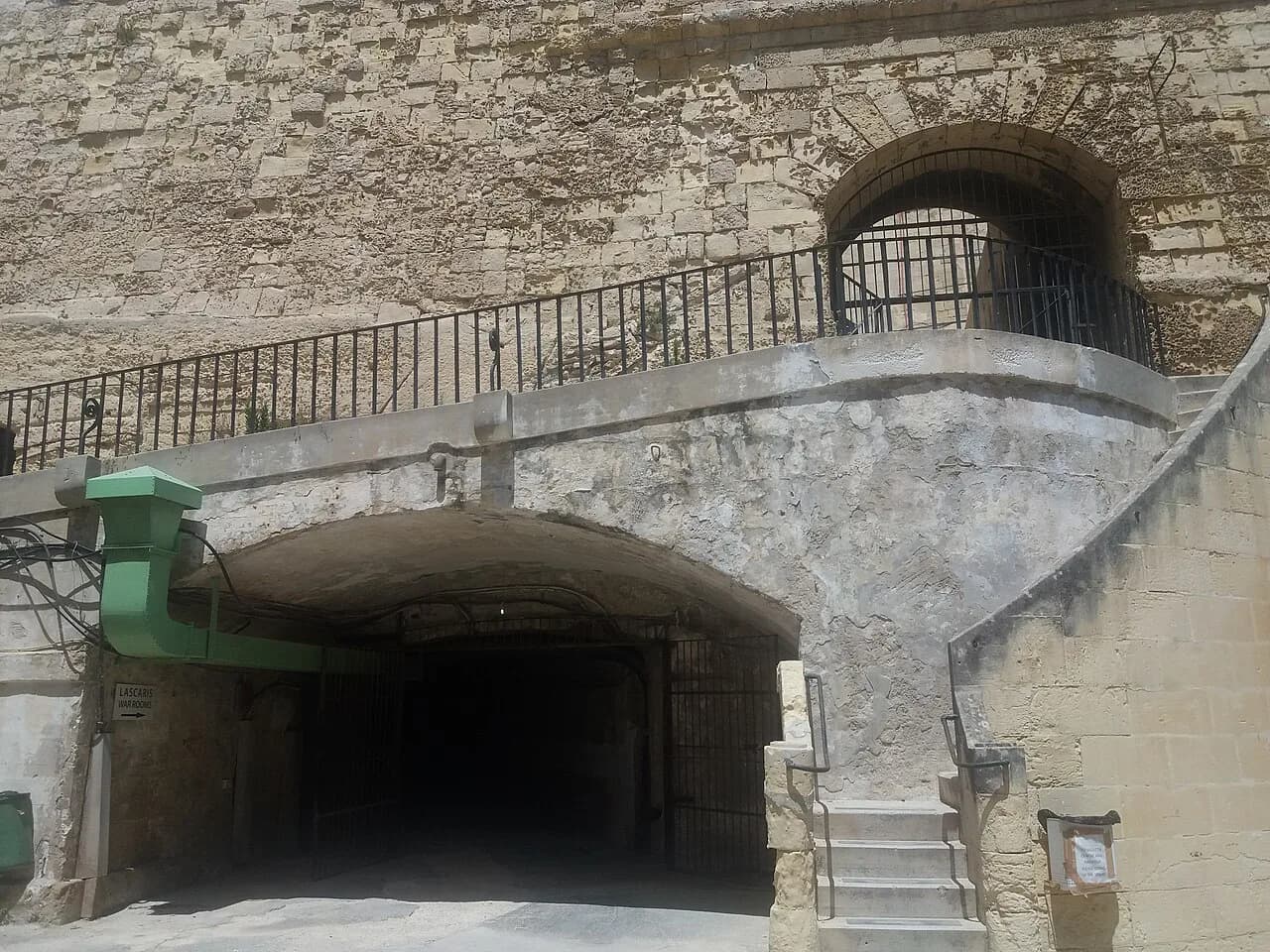
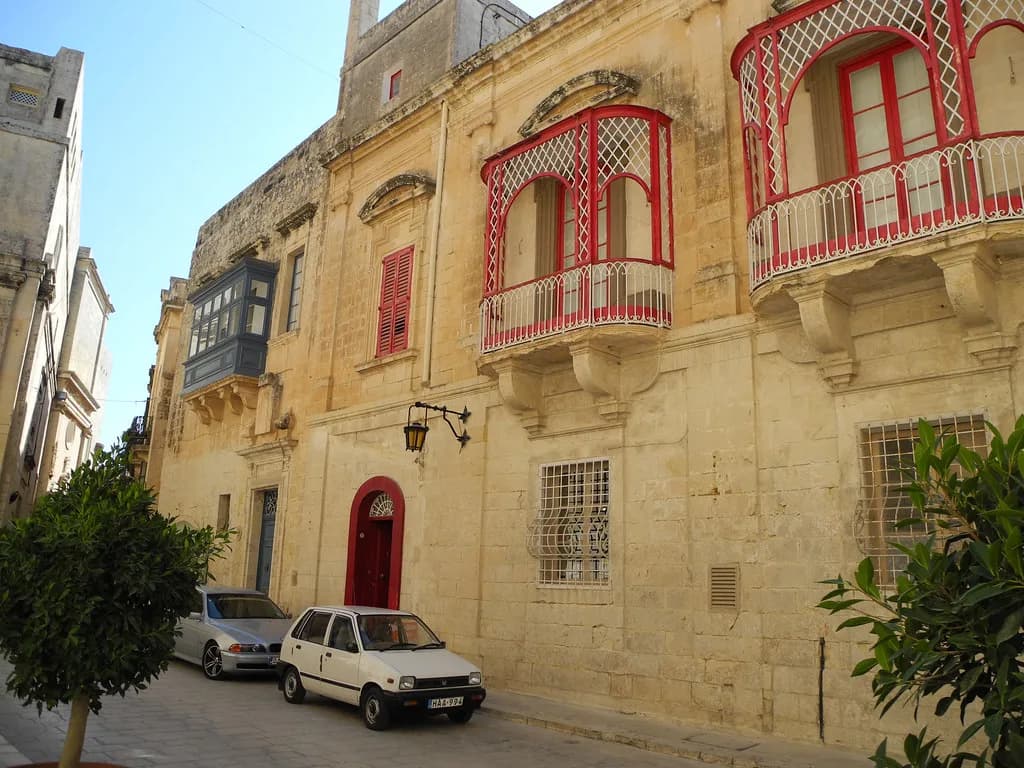
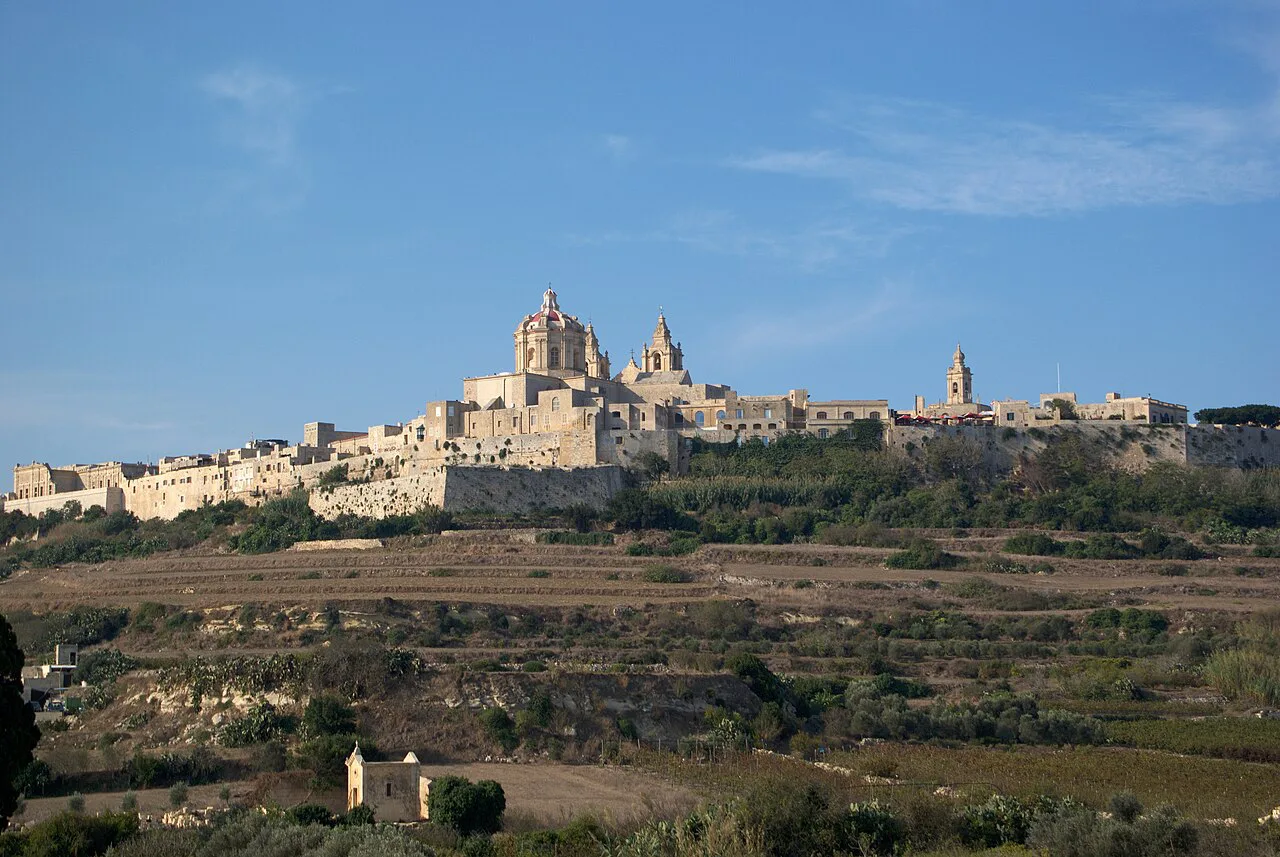
The most useful way to use the timeline is as a set of anchors. Valletta is the Knights' capital from 1565 onwards, so its gates, bastions, auberges and churches are the place to read the period after the Great Siege. Mdina and Rabat reward attention for the earlier layers, and the islands' temples belong to the prehistoric and Phoenician world rather than to the Knights. For the wartime story, the Mosta Dome and the island's civil and military sites carry the 1940 to 1942 years, and the George Cross heraldry appears on the flag itself. If you want a compact set of oddities to look out for, our Malta facts page gathers the details that surprise first-time visitors, such as the Ħal Saflieni Hypogeum. For Gozo's parallel story and its Ġgantija Temples, see our Gozo history guide, and for the north of the main island, Mellieħa History covers its own coastline and defences.
How much time to give the history sights
Treat the timeline as a filter rather than a checklist. On a short break, pick two periods and do them properly: the Knights' Valletta for the 1530 to 1565 story, and the wartime sites for the 1940 to 1942 years. Both are concentrated enough to sit in a single day each, with walking between them, and you avoid the mistake of rushing between Mdina, the harbours and the temples in one exhausting circuit. The dates above are fixed historical events, but opening hours, ticket prices and transport arrangements change with the season and are published by the sites themselves, so check current details before you set out.
Which period should you follow first?
Start with 1565. The Great Siege and the building of Valletta give you a city you can walk through, and almost everything else on the island makes more sense once you have seen why the capital was laid out as it was. Then add the wartime layer on a second day, with the George Cross story and the Mosta Dome as the two fixed points. If you have a third day, move backwards to the earlier centuries and the temples, and the timeline will hold together as a route rather than a list of dates.
Explore more Malta guides
Frequently Asked Questions
Was Malta a British colony?
Yes. Britain formalised its position in 1814, when Malta became an official British colony, after helping remove the French in 1800. British influence remained strong, and in 1934 English and Maltese were declared the official languages. Malta became independent on 21 September 1964 and a Republic on 13 December 1974.
What language did the Maltese speak?
Maltese is a Semitic language, a legacy of the Arab period that began in 870 AD and lasted more than two centuries. That is why place names look unlike Italian even though much of the architecture is. English and Maltese were declared the official languages in 1934, so English is widely understood by visitors today.
What are three interesting facts about Malta's history?
Malta was awarded the George Cross on 15 April 1942 for the bravery of its people during the Second World War. On 9 April 1942 a bomb fell inside the Mosta Dome during a mass attended by more than 300 people and did not explode. The Knights of St John were granted the islands on 26 October 1530 and went on to build Valletta after the Great Siege of 1565.
Sources
Notes for your Malta trip
Optional updates when we add or correct a Malta or Gozo guide.
You might also like
Continue reading
More guides you'll find useful