Malta Fortifications: The Forts, Bastions and Towers to Visit
A practical guide to Malta's fortifications, from Fort St Elmo and Fort St Angelo to Valletta's bastions, Mdina's walls and the coastal towers and batteries.
On this page
Give Malta's fortifications two days: one for the Grand Harbour, taking in Fort St Elmo and Fort St Angelo in Birgu (Vittoriosa), and one for Valletta's bastions or the Mdina walls inland. The island is often called the Fortress Island because of the sheer mass of military architecture scattered across it, much of it from two periods, the Knights of St John from 1530 to 1798 and the British era from 1800 to 1964.
This guide groups the remains by how you actually reach them: harbour forts on foot, Valletta's defences inside the city, Mdina's walls on a central Malta day, and the coastal towers and batteries that need a car or bus. It names the gates, bastions, batteries and auberges the sources describe and leaves out ticket prices and opening hours where they change often, pointing you to the operator instead.
What Malta's fortifications actually are
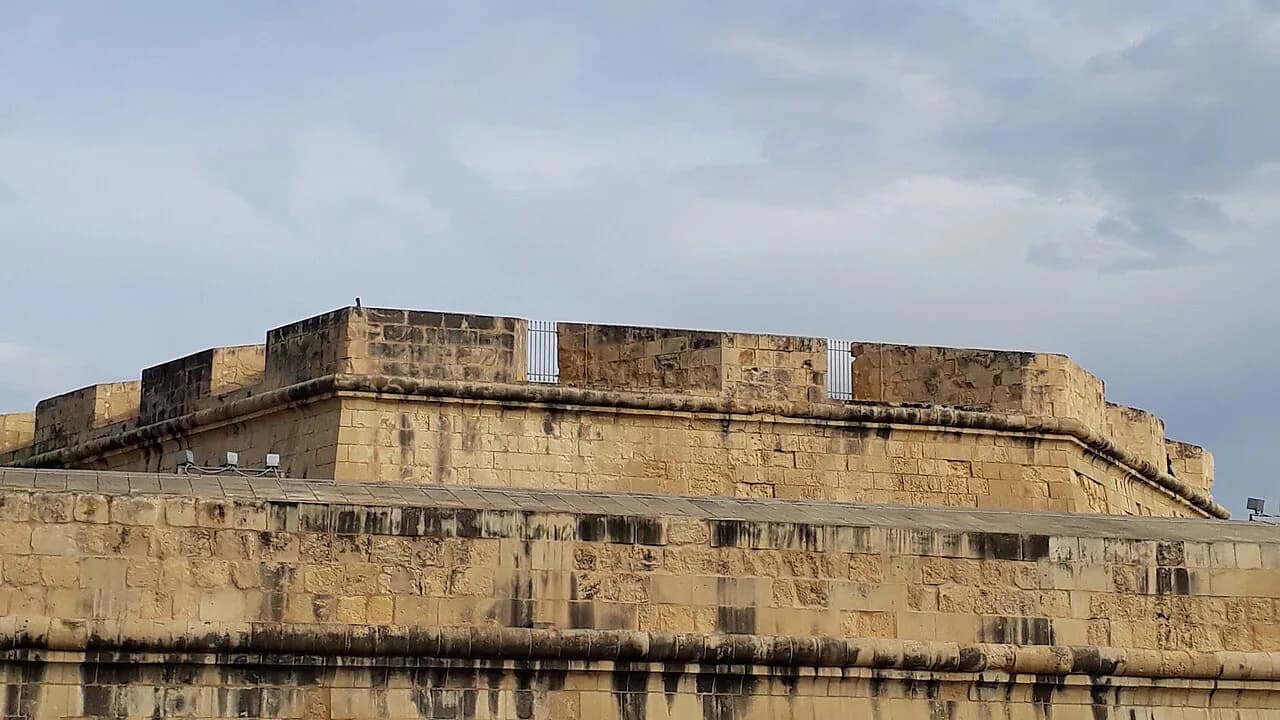
The fortifications of Malta take several forms: walled cities, citadels, forts, towers, batteries, redoubts, entrenchments and pillboxes, all still visible across the islands. The Knights' works include harbour defences such as Fort Ricasoli and Fort Tigné and the Carafa Bastions, thrown up to guard against seaborne attack. Reading them as one system helps: the sea-facing forts and batteries protect the harbours, the bastions enclose the towns, and the towers watch the coast.
Two building campaigns explain most of what you see. The Knights' period ran from 1530 to 1798 and the British period from 1800 to 1964, so a single walk can pass a 16th-century bastion, a 19th-century gun battery and a WWII pillbox. That layering is the reason the island looks the way it does, and it is worth keeping in mind as you move between sites rather than treating each one in isolation.
If you only follow one thread, follow the Knights' coastal defences: they explain why the harbours were so contested and where the main forts sit today. The wider story of who ruled the islands, and why the defences were rebuilt so often, is set out in our Malta history background.
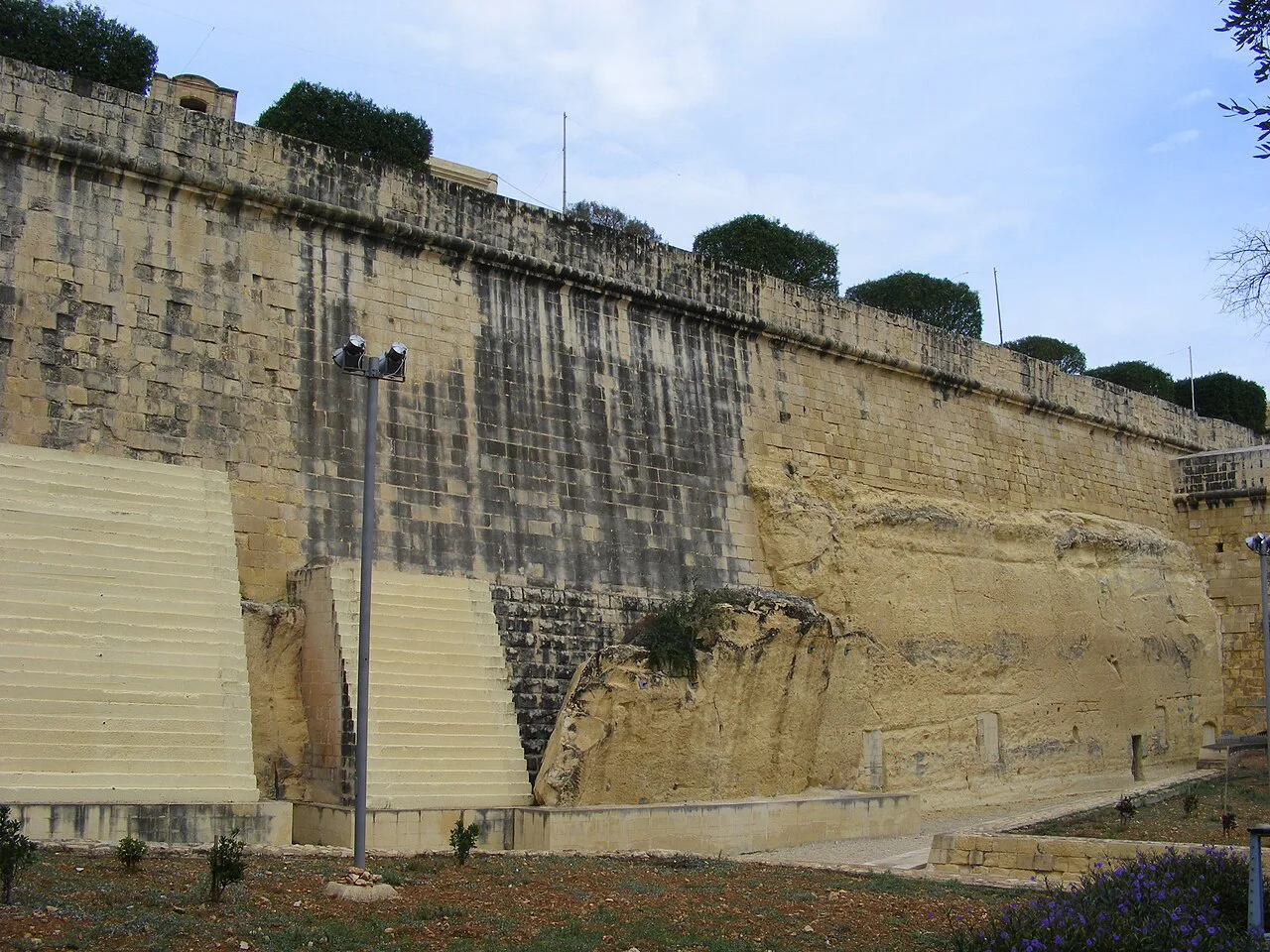
The Grand Harbour forts: St Elmo, Ricasoli and St Angelo
Start at the harbour mouth. Fort St Elmo flanks the northeast entrance to the Grand Harbour, with Fort Ricasoli on the other side, close to the Three Cities of Cospicua (Bormla), Senglea (L-Isla) and Vittoriosa (Birgu). The Knights reinforced and strengthened St Elmo over the years, and it became the site of one of the bloodiest and most celebrated events of the sixteenth century, the Great Siege of 1565, when the Knights and the Maltese fought off the Ottoman Empire.
Across the water, Fort St Angelo sits in Birgu right at the centre of the Grand Harbour, and it is the more rewarding of the two for a slow visit because you can approach it on foot through the Three Cities' streets. The Knights settled in Birgu in 1530 and made St Angelo the seat of the Grand Master, cutting a dry ditch to make a moat and building the D'Homedes Bastion by 1536. Later works, designed by Carlos de Grunenburgh in the 1690s, gave the fort much of its present layout, including four gun batteries facing the harbour entrance.
St Angelo was later taken over by the Royal Navy, which listed it as HMS Egremont in 1912 and renamed it HMS St Angelo in 1933, using it as a Mediterranean base until the navy left in 1979, after which parts fell into disrepair. That mixed record is part of the appeal: you read the Knights' bastions and the British modifications in the same courtyard. Check the current visiting arrangements with the operator before you build a day around it.
Valletta's own defences
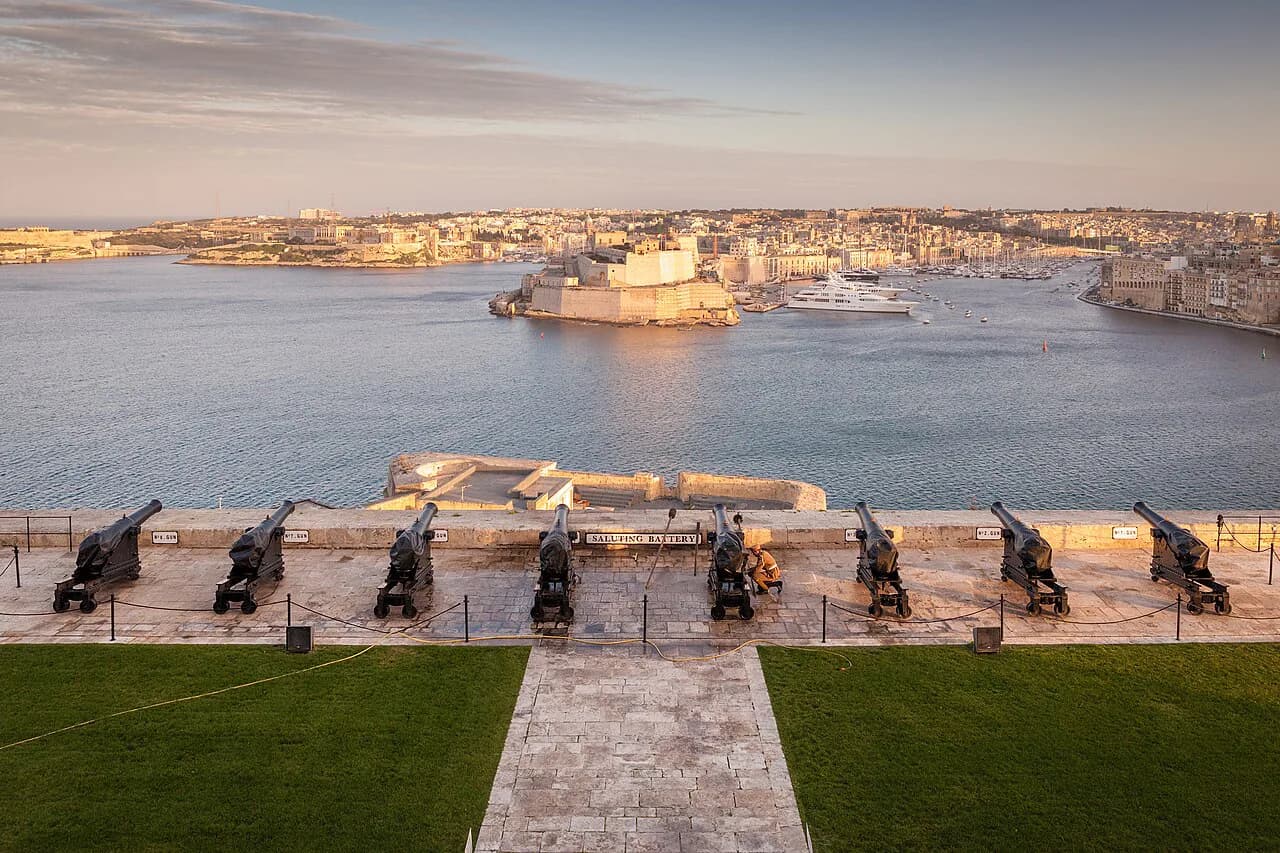
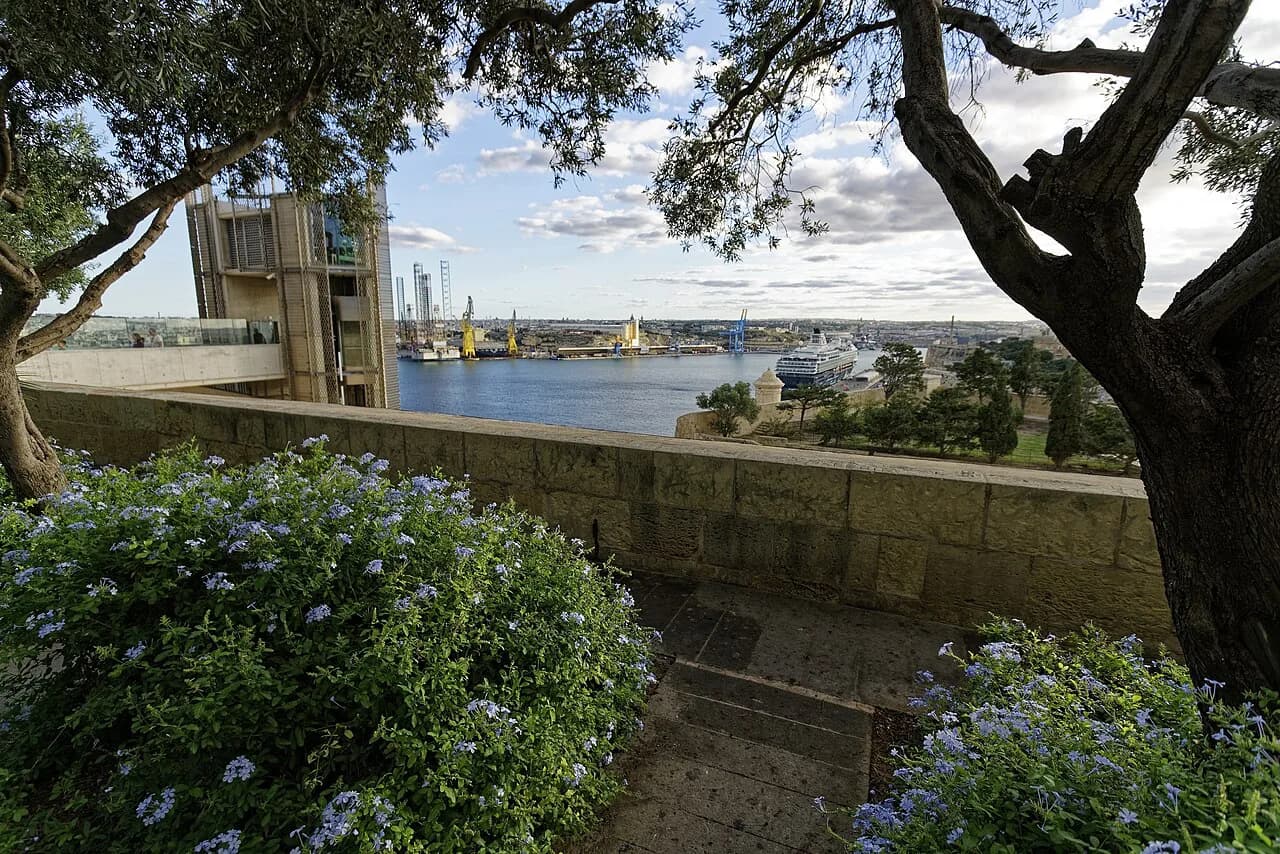
After the Great Siege the Knights began building Valletta on Mount Sciberras, and the city's edge is where you feel the defences most directly. The public gardens on the city side give the perfect view down onto the Grand Harbour, so plan a stop there before or after walking the bastions. The Saluting Battery is one of the named points on that circuit, and it is the natural place to pause and take in the harbour below.
Inside the walls, look for St James Cavalier, the raised gun platform once built to counter land attacks and now Malta's Centre for Creativity. The five remaining auberges, the hostels built to house the Knights of each European territory, are the other clue to how the city was organised, and the Auberge de Castille now houses the Prime Minister and ranks among the island's finest architectural works.
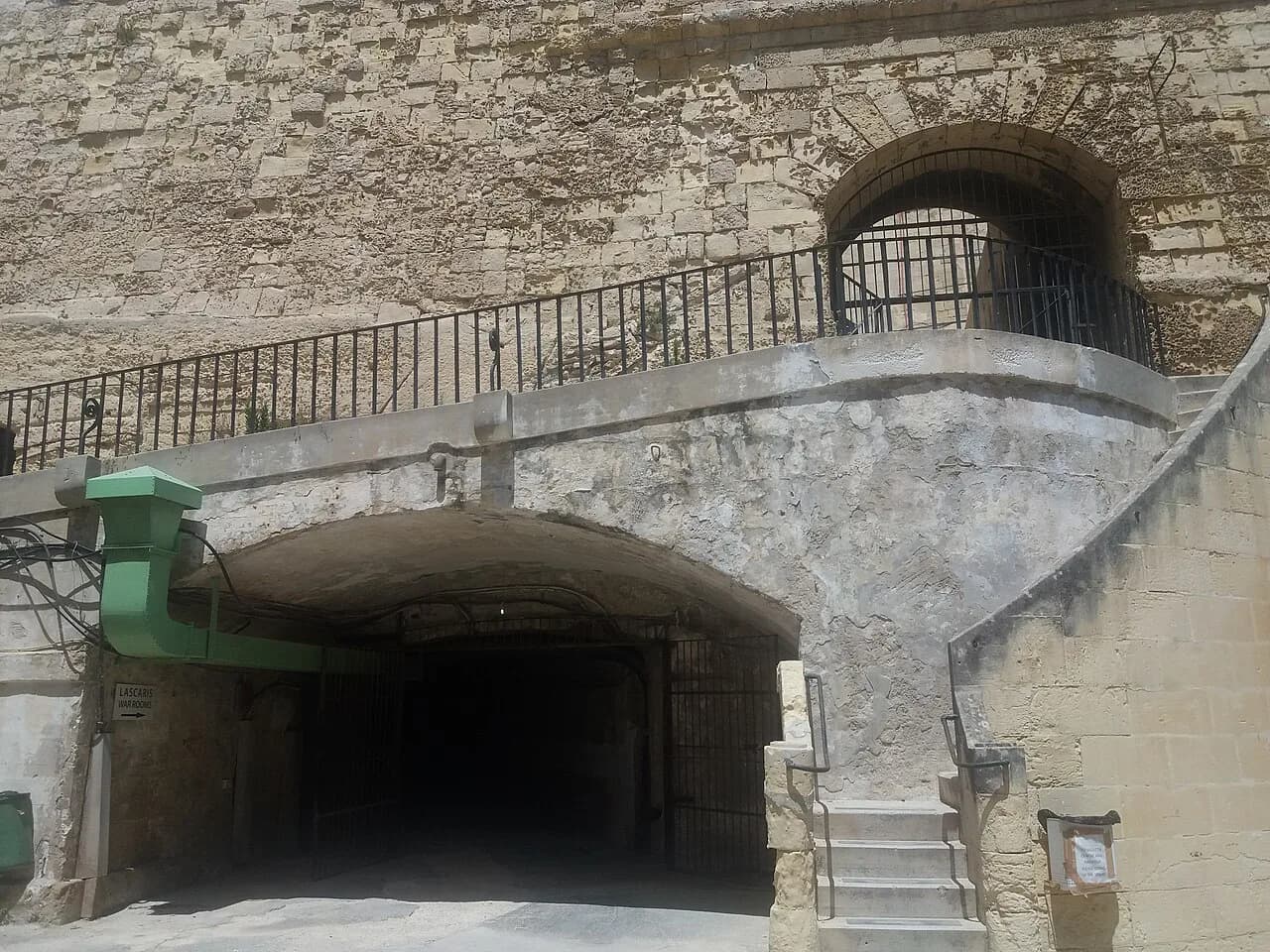
The Lascaris War Rooms sit below Valletta's fortifications, giving a British-era counterpoint to the Knights' bastions above; the story of the Order itself is set out in our guide to the Knights Hospitaller. Walking the city edge is exposed in the middle of the day, so take the bastions early or late and keep the museums and interiors for the hottest hours.
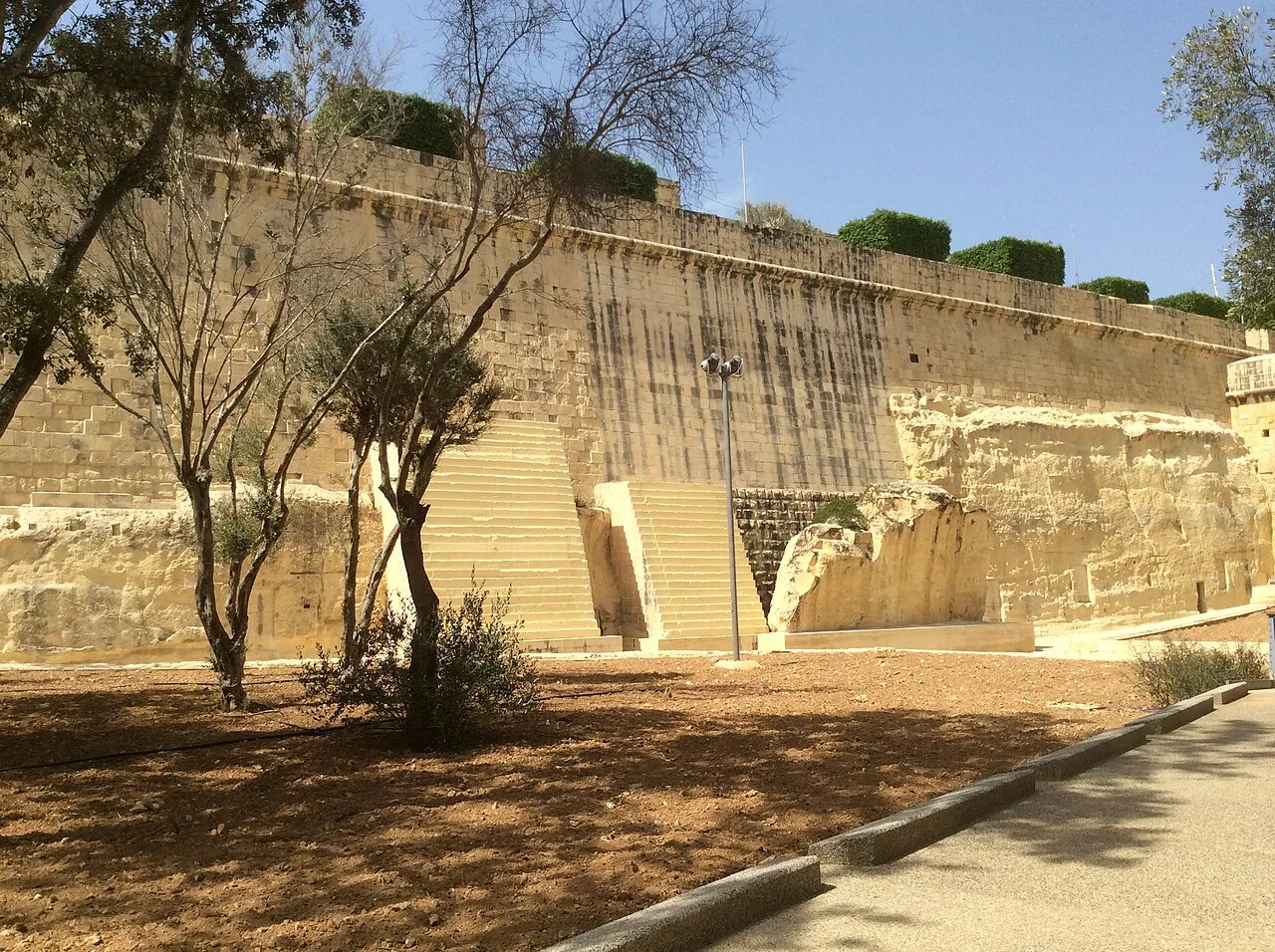
Mdina: the Silent City and its walls
Mdina is the inland counterpart to the harbour forts, and the natural way to see it is on foot through its gates and along the streets inside the walls. The Silent City is the English name you will see used, and getting lost in its ancient stone walls is the point rather than a problem. Pair it with Rabat below the walls to make a day of central Malta.
Mdina rewards different planning from the harbour forts: there is no waterfront to walk, the ground rises through the gate, and the views come from the wall edge rather than the quaysides. Allow more time than you think for the narrow streets and less for the wall itself, and go early or late to avoid both the heat and the excursion crowds that build through the morning.
Coastal towers and batteries
Beyond the big forts, the coast is dotted with smaller works. The Knights' coastal towers and the British-era pillboxes cover the shoreline, and the batteries include the Rihana Battery, the Santa Marija Battery on Comino, the Qolla il-Bajda Battery near Qbajjar on Gozo and St Anthony Battery at Qala on Gozo. These are the sites to fold into a day out by bus or car rather than to make a destination of, because each one takes only a short stop.
If you have a car, string two or three batteries into a Gozo day rather than crossing the island for one. On foot, the harbour forts and Valletta's bastions give you the most concentrated walking, and the coastal towers are better treated as landmarks you pass than as sights you plan around.
How to see them: walking versus bus or boat
The Grand Harbour and Valletta can be done almost entirely on foot if you base yourself in the city: St Elmo at the harbour mouth, the bastions and gardens on the city edge, and the auberges inside the walls all sit within a walkable stretch. For Birgu, take the bus or a boat across the harbour and walk up through the Three Cities to Fort St Angelo, which gives you the fort from street level as well as from the water.
Mdina needs a separate trip inland, so keep it for a day when you are already heading to Rabat rather than squeezing it into a harbour day. A car is the easier way to reach the coastal towers and batteries, but the bus works if you are content with the ones nearest the route.
Time and trade-offs
The genuine choice is between a harbour fort visit and the inland walls. The Grand Harbour gives you Fort St Elmo, Fort St Angelo and the Valletta bastions in one day of walking, but it also puts you in the middle of the city's crowds on cruise days. Mdina is quieter early in the day and cooler on the wall edge, though it costs you the harbour front and the boat crossing.
Open bastions and walls have little shade, so plan the exposed stretches for the early morning or late afternoon and keep interiors such as St James Cavalier for the middle of the day. In Valletta, check which days cruise ships are calling if you want the bastions without the press of a tour group, and treat the harbour forts as a half-day each rather than trying to finish both before lunch.
Which fort day should you book?
Choose the Grand Harbour if you want the most concentrated fortification walk: Fort St Elmo at the mouth, Fort St Angelo in Birgu and the Valletta bastions are all reachable on foot or by boat, and you can see the Knights' and British layers in a single day. Choose Mdina if you prefer walls and streets to quaysides, and pair it with Rabat rather than trying to add it to a harbour day.
Whichever you pick, confirm current opening arrangements and any re-enactment or parade dates directly with the site or operator, since those are published on their own channels rather than in one place. Plan around the heat and the cruise crowd first, and the names on the map will arrange themselves.
Explore more Malta guides
Sources
Notes for your Malta trip
Optional updates when we add or correct a Malta or Gozo guide.
You might also like
Continue reading
More guides you'll find useful