Knights Hospitaller: Who They Were and Where to See Their Malta Legacy
The Knights Hospitaller, also called the Knights of St John, ruled Malta from 1530 to 1798. Here is who they were and where to see the legacy they left.
On this page
The Knights Hospitaller were a Catholic religious military order founded in 1099 in Jerusalem, where they began as a group caring for sick pilgrims at the Hospital of St John. They are also called the Knights of St John, and after being granted Malta in 1530 they ruled the island for 268 years until Napoleon expelled them in 1798. This guide explains who they were, why Malta has their buildings, and which squares, forts and auberges to visit today.
For a traveller, the Order's story is written into the island's street plan. You can follow it from the fortified capital they built, through the auberges and forts of Birgu (Vittoriosa) and the Three Cities, to the English sites that mark their wider reach in Clerkenwell and Hampton Court.
What the Knights Hospitaller were
The order began in 1099 at Jerusalem, where a group led by Brother Gerald tended the sick and wounded at the Hospital of St John and offered hospitality to pilgrims. Their full name is the Order of Knights of the Hospital of Saint John of Jerusalem, and the Oxford Reference entry describes them as a monastic order popularly known as the Knights of St John.
Their duties combined nursing with defence. They cared for the sick and poor and offered hospitality to pilgrims, and by 1126 they had added the defence of pilgrims to their rule and adopted a white cross on a black background. The order is described in one history as having a special structure that combined religion and military duties.
Why they came to Malta
After the Turks starved out Rhodes in 1522, the Order was homeless and searched for a new base. In March 1530, Emperor Charles V of Germany and Spain gave Malta to the Hospitallers, asking that they perform their religious duties in peace and use their arms against enemies of the faith. The grant included Malta, Gozo and Tripoli, as recorded in the deed of donation.
The fee was unusual: one falcon, paid on All Saints' Day to the Emperor's Viceroy in Sicily. This annual payment is the origin of the phrase 'the Maltese Falcon'. When you see falcon imagery in Malta, it echoes this diplomatic arrangement rather than a local bird.
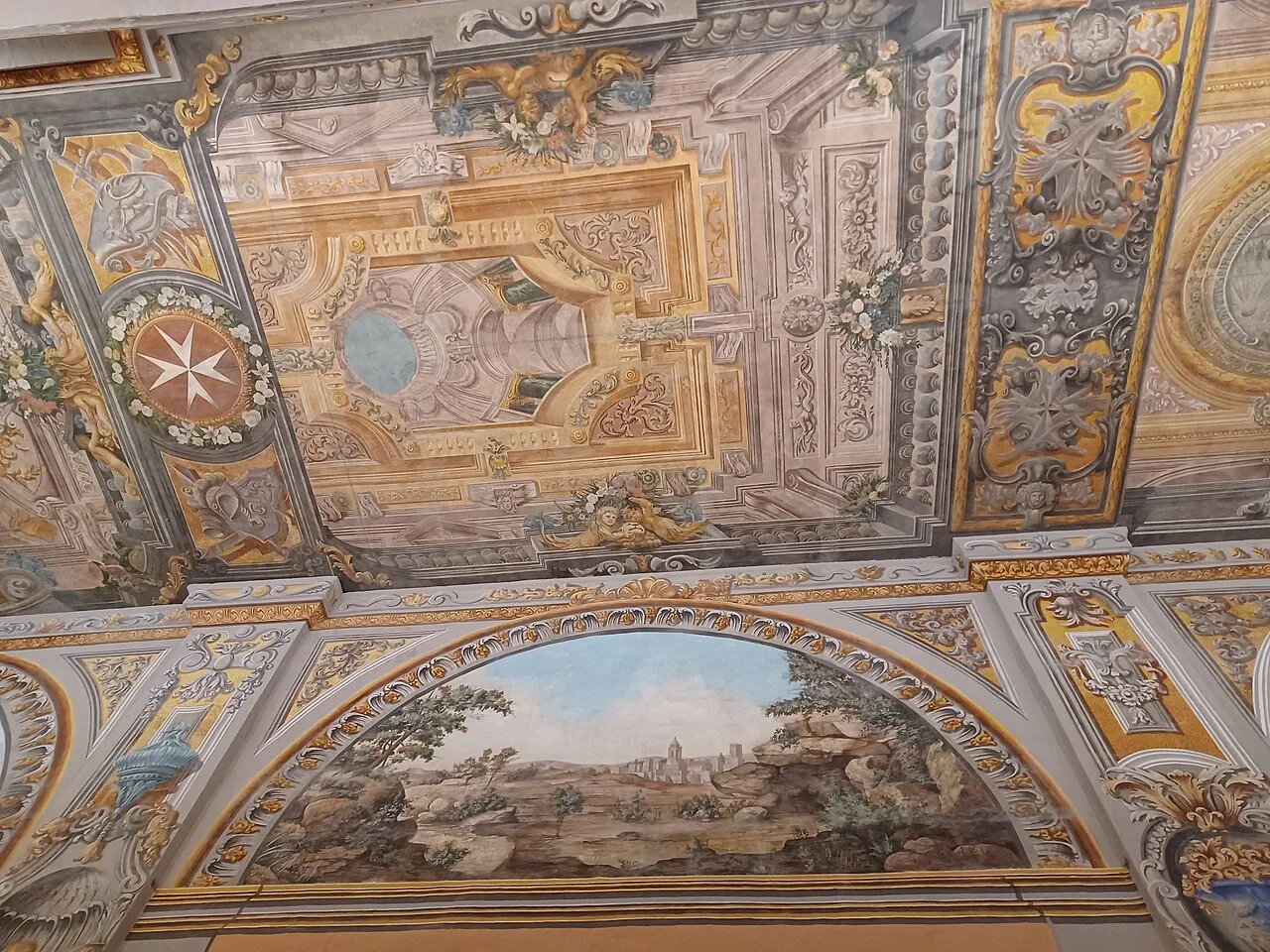
The eight-pointed cross
The Hospitallers wore a white cross on a black background, and over time the eight-pointed cross became the emblem of the Order. Today it is known as the Maltese Cross and is also the emblem of the island of Malta. You will see it on souvenirs and church façades.
From Rhodes to Malta
The Order seized Rhodes in 1310 and built a new hospital there, restructuring itself into a loose federation of national societies called Tongues. Each Tongue was led by a Conventual Bailiff known as a Piliar who resided permanently on Rhodes. When the Turks took the island in 1522, the Knights lost their base and began the search that ended in Malta.
How long they ruled and how it ended
The Knights stayed in Malta for 268 years, transforming it into a rich island with mighty defences and a capital city coveted by the great powers of Europe. Over that time they changed into an organisation that was more ceremonial than military. The rule ended in 1798 when Napoleon overcame the garrison in two days with almost no bloodshed and expelled the Order.
After 1798 the Order drifted in disarray until 1834, when with the support of Pope Gregory XVI it re-established its headquarters in Rome. The Sovereign and Military Order of the Knights of Malta still exists today, and the English branch maintains the Hospital of St John and St Elizabeth at Hampstead in London. If you want the full story of the siege that defined their rule, the Great Siege of Malta in 1565 is the turning point.
What they left in Valletta
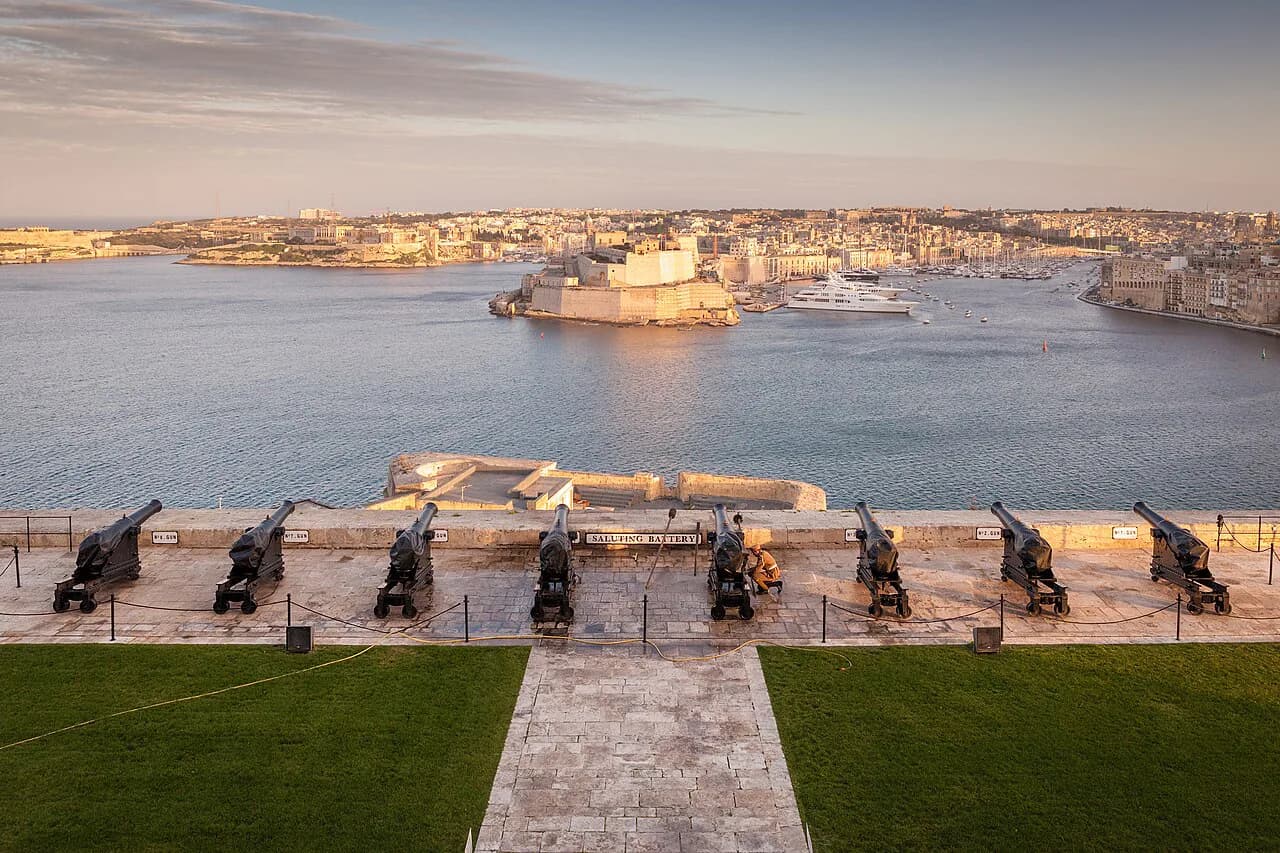
After the Great Siege of 1565, the Order built the fortified capital of Valletta. The city's grid of streets, bastions and auberges was shaped by the Order for defence and administration. Walking the city, you can follow the line of the fortifications around the harbour and see how the Knights planned a city that could withstand attack.
The auberges were the residences of the different Tongues, the national groups into which the Order was organised. Each Tongue had a Priory of the Order as its headquarters. In Valletta, the Auberge de Castille, Auberge d'Italie and Auberge de Provence still stand.
What they left in Birgu (Vittoriosa) and the Three Cities
Before Valletta, the Knights based themselves in Birgu (Vittoriosa), on the Grand Harbour. The Order built auberges and forts to defend the peninsula, and the waterfront still shows the scale of the Hospitaller defences.
The Three Cities of Birgu, Senglea (L-Isla) and Cospicua (Bormla) together form a compact area. The fortifications here are less polished than Valletta's but give a clearer sense of how the Order's defences worked in practice.
Where to see the Hospitaller legacy today
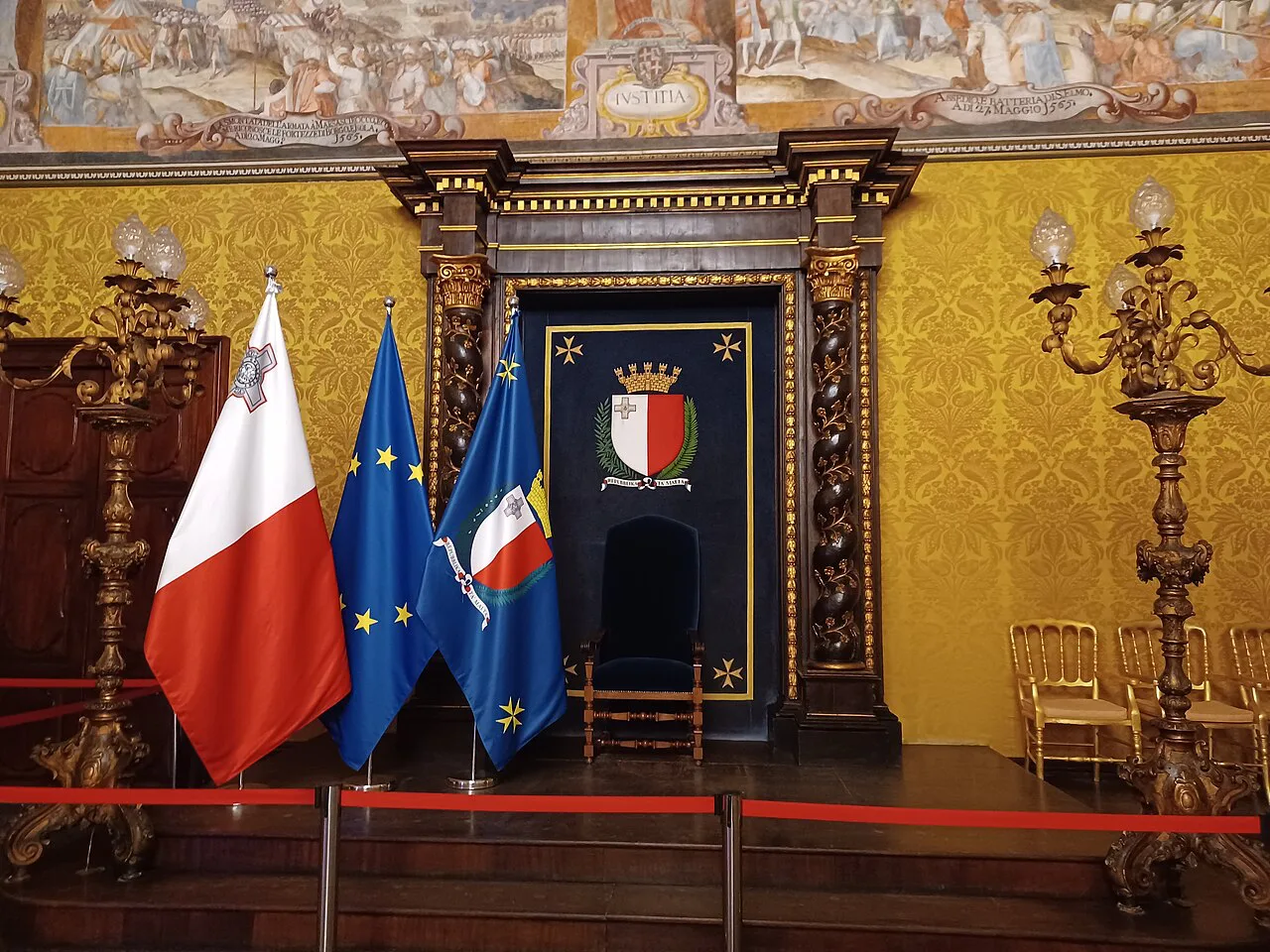
A practical route starts in Valletta at the Co-Cathedral, where the Knights' coats of arms line the floor, then moves to the Grand Master's Palace and the Auberge de Castille. From there, take the ferry to Birgu for the Inquisitor's Palace and Fort St Angelo. Allow a full day if you want to see both cities without rushing.
Outside Malta, the Order's English legacy is focused on Clerkenwell Priory in London, their primary seat, and at Hampton Court, which the Knights once owned and farmed. For a broader context of the island's past, see the Malta History guide.
Are the Knights Hospitaller still around today?
Yes, in a changed form. The Sovereign Military Order of Malta is the successor to the medieval order, now based in Rome after re-establishing its headquarters there in 1834 with the support of Pope Gregory XVI. The English branch of this Roman Catholic order maintains the Hospital of St John and St Elizabeth in Hampstead, London.
The order's Catholic identity is central. If you are interested in its current activities, the official website of the Sovereign Military Order of Malta is the place to check.
Knights Hospitaller vs Knights Templar
The two orders are often confused. The Hospitallers began in 1099 as a nursing order and later added military duties, while the Templars were founded around 1119 by a Frankish knight, Hugh de Payns, specifically to protect pilgrims. The Templars gained formal recognition in 1128, and their combination of fighting skill and monastic discipline was so successful that the Hospitallers later adopted it too.
In Malta, you will see far more Hospitaller sites than Templar ones, because the Hospitallers ruled the island for 268 years. Thetemplars lists Hospitaller commanderies and preceptories across the UK, including Clerkenwell, for anyone tracing the order's wider footprint.
The Order in England and Ireland
The Hospitallers reached England by the twelfth century, acquiring lands through Royal patronage and devout donations. Their primary seat was the Priory of St John of Jerusalem in Clerkenwell, London, and they also held Hampton Court before it became a Royal palace. The order was suppressed under Henry VIII, and the English branch later re-emerged under Mary I before declining under Elizabeth I.
The list of Grand Priors in the UK includes Thomas Docwra, who held the post from 1501 to 1527, and Thomas Tresham, from 1557 to 1559. If you are tracing family connections, the records of the English branch are the best starting point.
Which Hospitaller site should you visit first?
Start with Valletta if you want the broadest view of the Knights' legacy: the Co-Cathedral, the Grand Master's Palace and the auberges are all within walking distance. If you prefer a quieter, more atmospheric experience, Birgu's Inquisitor's Palace and Fort St Angelo give a closer look at how the Order actually lived and defended itself.
Wherever you go, remember that the Knights were first a religious order, then a military one. That combination explains the hospitals, churches and fortifications you will see. For the full narrative of the island's past, the Malta history guide provides the wider context.
Explore more Malta guides
Frequently Asked Questions
Was the Hospitaller in Kingdom of Heaven an angel?
No. The Hospitaller in the film is a fictional character, not a representation of the historical order. The real Knights Hospitaller were a religious military order with a mix of nursing and fighting duties.
Can I join the Knights Hospitaller?
The Sovereign Military Order of Malta is the modern successor, a Catholic religious order based in Rome. Its current activities and any conditions for involvement should be checked on the official website of the Sovereign Military Order of Malta.
What did the Knights Hospitaller wear?
They wore a black cloak with a white cross. That white cross on a black background later gave rise to the eight-pointed cross known as the Maltese Cross.
Who were the famous Knights Hospitaller?
The order was headed by a Grand Master who was answerable only to the Pope. In England, a list of Grand Priors includes Thomas Docwra (1501–1527) and Thomas Tresham (1557–1559). For a full list, see thetemplars.co.uk.
Sources
Notes for your Malta trip
Optional updates when we add or correct a Malta or Gozo guide.
You might also like
Continue reading
More guides you'll find useful