Maltese Culture: Language, Religion, Food and Customs
What Maltese culture looks like on a visit to Malta and Gozo: two official languages, church dress rules, village pace, local food and the crafts worth buying.
On this page
Maltese culture reaches visitors through four practical things: a bilingual society where English works almost everywhere, a Roman Catholic everyday life centred on the parish church, a Mediterranean table built on local staples, and a village rhythm slower than the harbour towns. You do not need to study the island's past to enjoy a trip, but knowing how language, church etiquette, food and crafts fit together makes the everyday encounters easier. This guide covers what you will see on Malta and Gozo and how to behave where culture matters most.
What Maltese culture is like in practice
Malta's position between Europe and North Africa brought a long run of rulers to the islands, and their traces are why place names sound Arabic, church interiors look Italian and the paperwork looks British. That blend is the backdrop to everything else on this page, and the Malta history guide sets out the sequence if you want it before you travel.
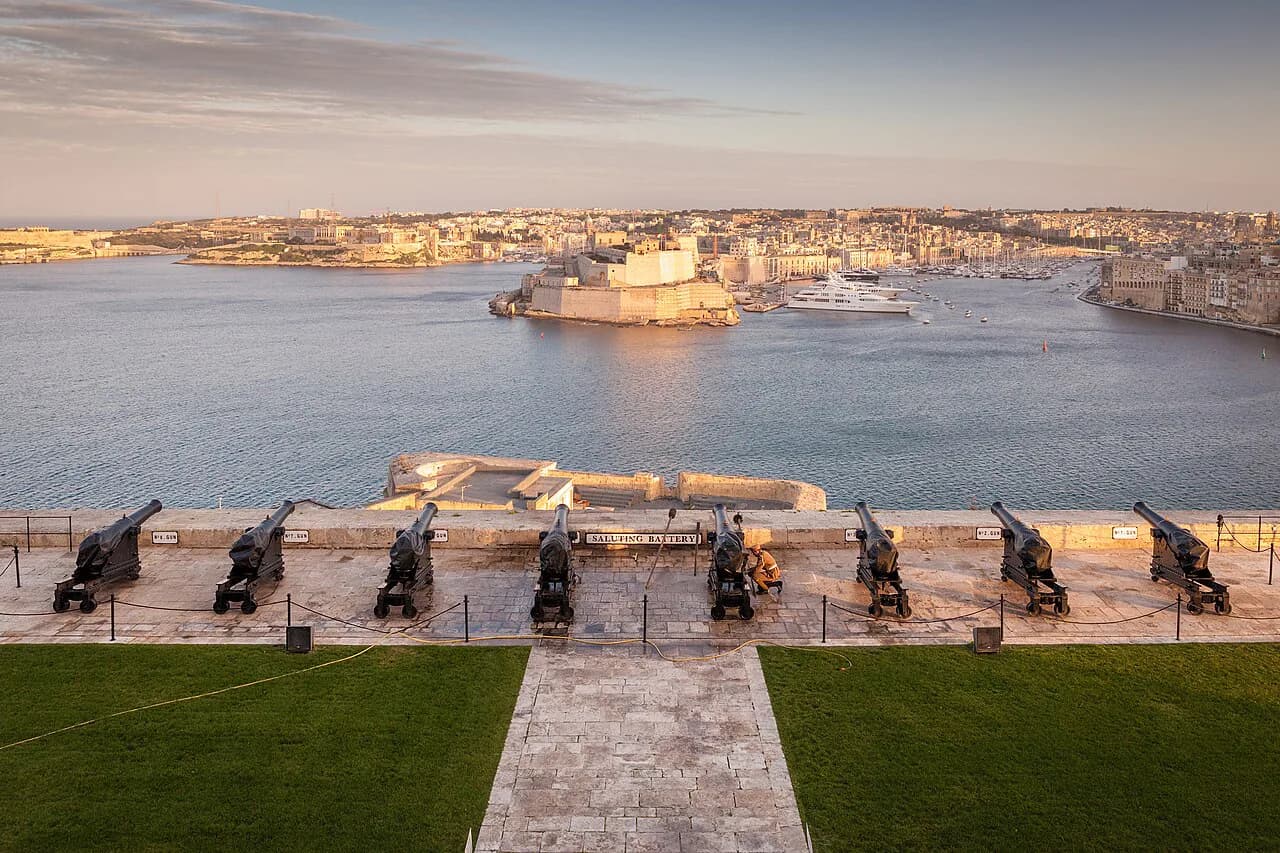
The Knights of St John arrived in 1530 and left the island with fortresses, hospitals and public buildings, then celebrated their survival of the 1565 siege by founding Valletta. Their mark is why so much of what you visit reads as military architecture first and civic building second.
The Catholic layer is the most visible one for a visitor. A church anchors even small villages, with more than 350 churches across the country, and the village festa honours each parish's patron saint with parades and fireworks. Treat churches as working places of worship rather than museums with a door charge.
Language: Maltese and English side by side
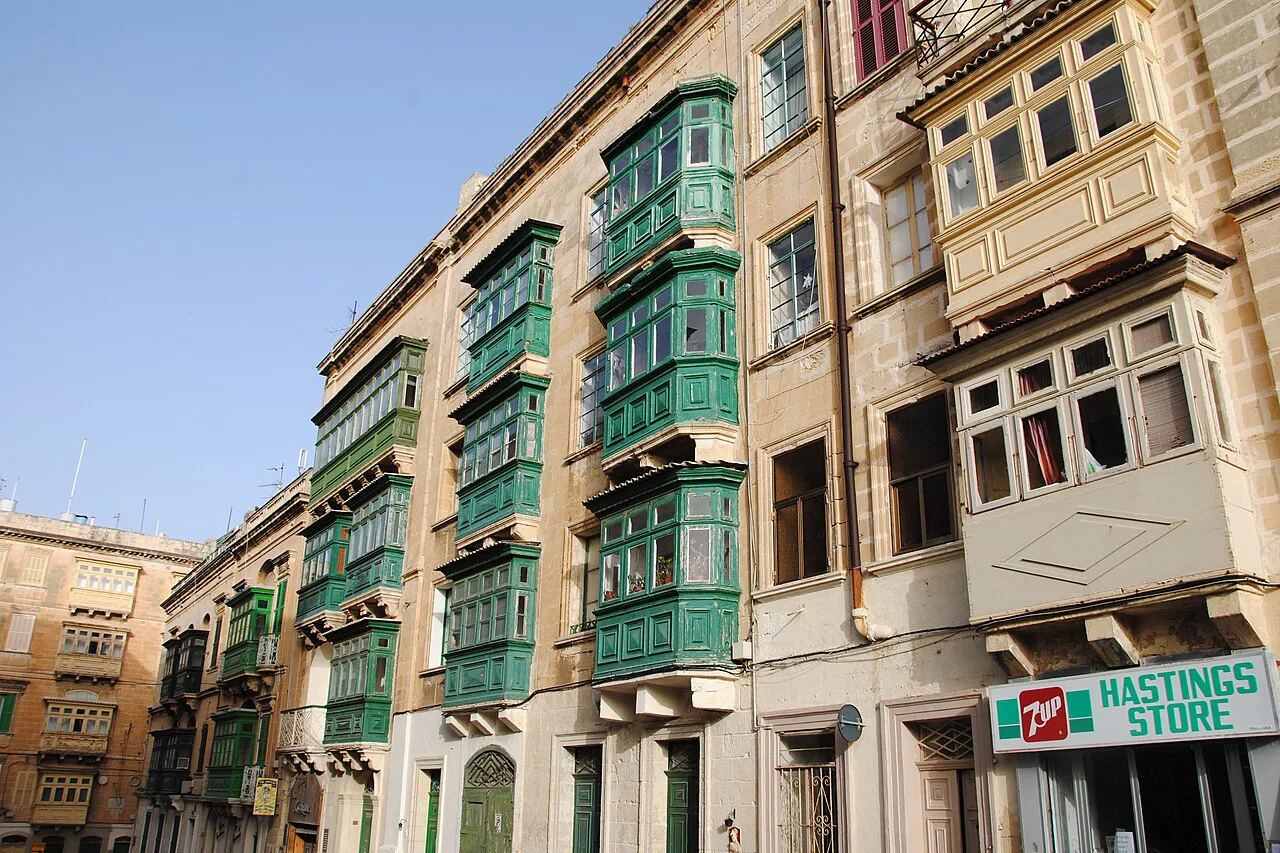
Maltese is the national language and one of the two official languages, and English is the other, a legacy of British rule that still shows in government and architecture. Menus, bus signs and ticket desks are usually in English, so a visitor with no Maltese manages comfortably. Maltese itself is a Semitic language with heavy borrowing from Italian and English, which is why it can sound familiar and unfamiliar in the same sentence.
A few words go a long way. Bonġu means good morning, and using it marks you as someone who has bothered. Remember that greetings come before business: greet the person behind the counter, then ask your question, because launching straight in reads as abrupt.
Religion and what it means for church visits
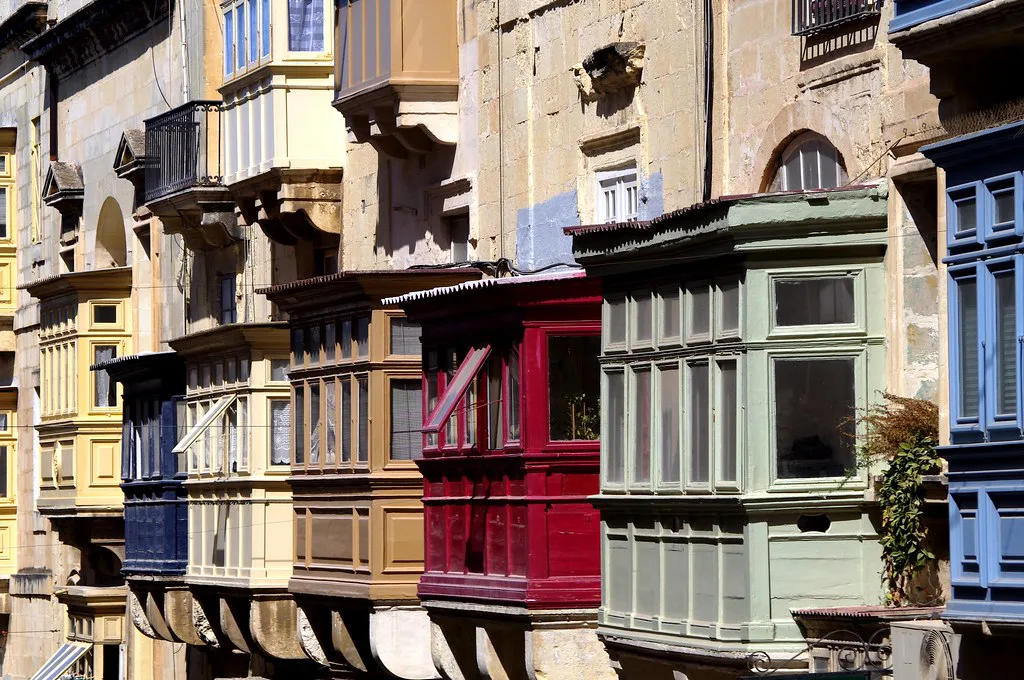
The islands are overwhelmingly Roman Catholic, and the parish church remains the centre of village identity; the faith is celebrated with processions and fireworks rather than confined to Sunday. That matters to you because churches are among the most rewarding buildings to walk into: cool, dim and densely decorated. Sunday mornings are the busiest time in any parish church, so if you arrive mid-mass, stay quietly at the back or come back later.
Photography without flash is usually tolerated outside services, but watch for posted notices and follow them rather than relying on custom. If a caretaker is on duty, ask before you raise the camera. The same manners apply in the smaller chapels on Gozo, where you may be the only visitor in the building.
If you plan your days around altar paintings rather than architecture, note that Caravaggio in Malta means Valletta and the cathedral in particular, and those rooms draw queues.
Dress codes and behaviour inside churches
Cover your knees and shoulders, and take off hats and sunglasses before you go in. Churches that enforce it may refuse entry, so carry a light scarf or a shirt over a strap top in summer, and apply the same standard to men in shorts.
Inside, keep your voice low, do not eat or drink, and do not walk across the area in front of the altar while people are praying. Dress and behaviour are taken as a sign of respect for the faith rather than as a formality, and the same expectation applies at religious events. Keep bare shoulders and short shorts for the waterfront, not the church steps.
Food and drink you will meet
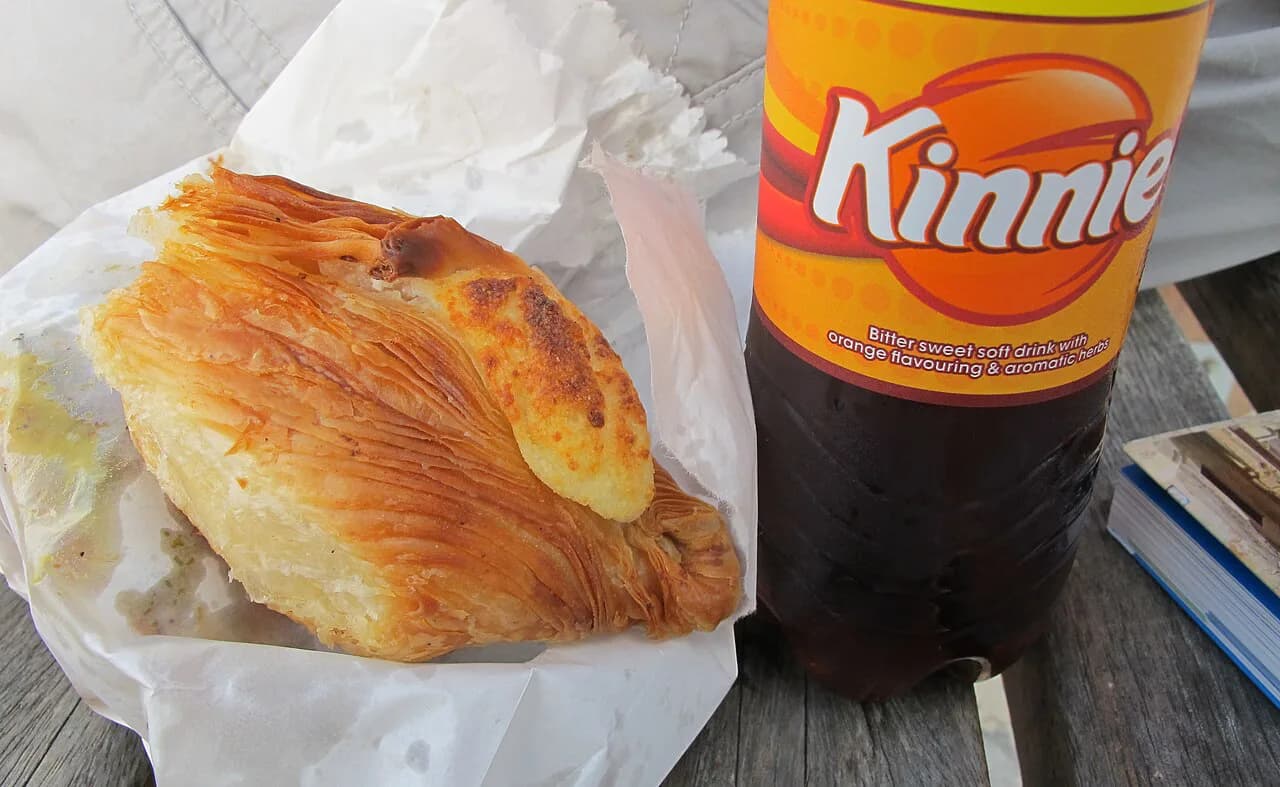
Maltese cooking is Mediterranean in its frame, with Italian influence strong and a set of local dishes worth trying at least once. Pastizzi, the flaky pastry filled with ricotta or mushy peas, is the standard snack; ftira, ring-shaped bread dressed with tomato paste, olive oil and often tuna, makes a good lunch; rabbit stew is the dish people will tell you to order.
The Phoenicians and Romans laid the agricultural and culinary groundwork for much of what ends up on the table, which is a useful way to read a menu: Mediterranean ingredients, layered by whoever was in charge. Expect seasonal vegetables, seafood and olive oil, with cheeses and pastries sitting close to the Italian end of the spectrum.
Wine-making is a small industry here, with Italian wine a strong presence on local lists; a local red with rabbit is a reasonable order rather than a novelty. Ask what is open by the glass before committing to a bottle you will not finish.
Crafts and souvenirs: lace, pottery and glassware
Craft shopping is one of the easier ways to take home something that is not a fridge magnet. Gozo lace is the best-known textile, worked in durable cream-coloured linen, and glassware is the other staple, with pottery close behind. Ask for padding; glass travels better than it looks once it is wrapped.
Buy from workshops where you can see the work in progress rather than from racks of identical imports near the ferry terminal. Ask who made the piece, and compare two or three shops before committing to a large item you then have to carry. Sizes and makers vary enough that the same shelf can hold very different quality.
Village life and the laid-back pace
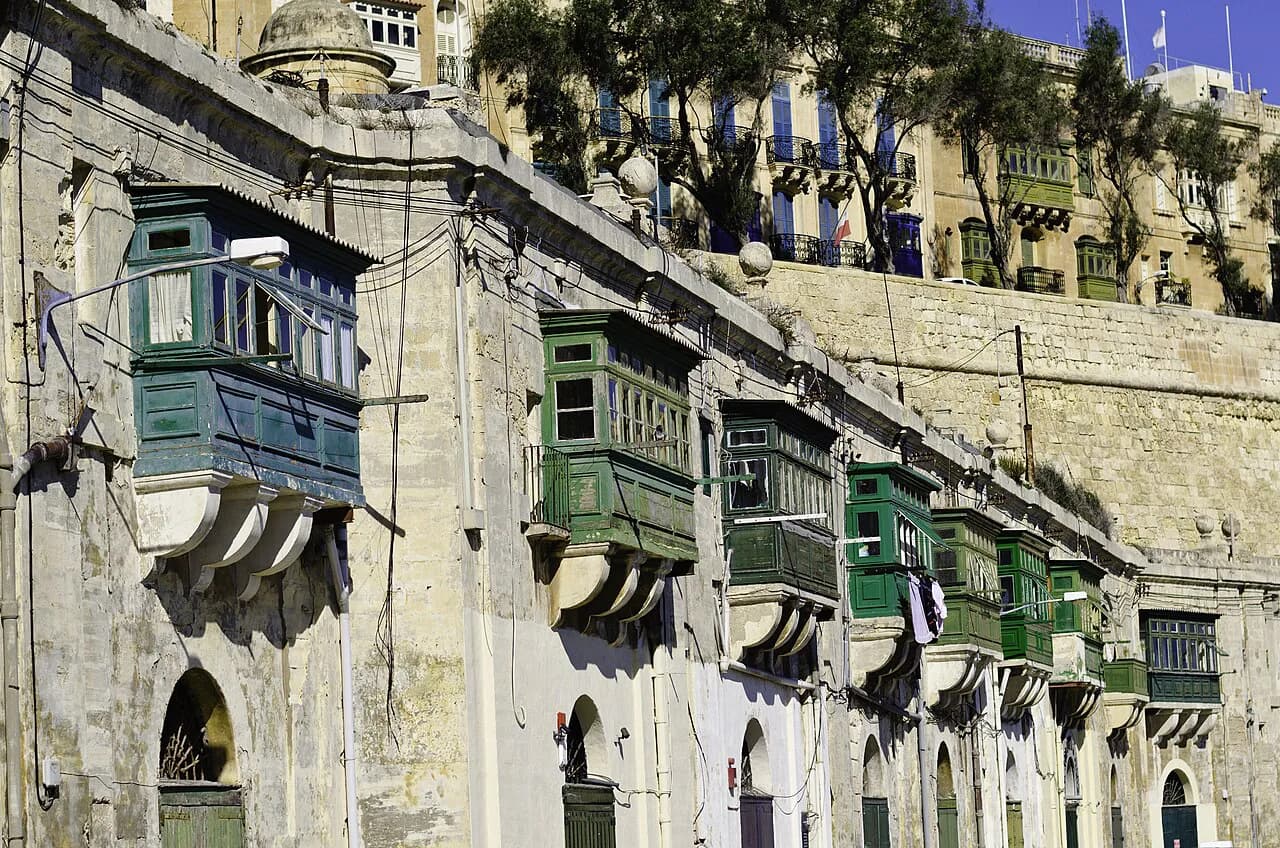
Village life still sets the tempo for much of the island. You will notice older men on benches in the main square, band clubs with their own façades, and shops that shut for a stretch in the early afternoon. Plan a village walk around those hours rather than against them.
The pace is relaxed, but appointments still run to time. Being punctual for a booked tour, a ferry or a table is appreciated; the local habit of moving slowly is not an invitation to arrive late. Politeness carries more weight than speed, so greet first and ask second.
Etiquette that matters to visitors
A handful of habits will keep you on the right side of people. Say please and thank you, greet staff before asking for something, and accept an offered coffee or pastry in a home or small shop, because refusing outright can read as coldness. Hospitality is central to how people here receive guests, and food is how it is usually expressed.
In someone's home, take your shoes off at the door unless told otherwise, and show interest in the family. In a group, greet everyone with a handshake or a nod rather than only the person you came to speak to. None of this is complicated; it is the ordinary courtesy you would extend anywhere.
Which bit of Maltese culture to build your day around
Pick one cultural anchor for the day, not four. A parish church in the morning and a village square at lunchtime will teach you more about how the islands work than a rushed circuit of sights, and both cost nothing but the right clothes and manners.
Church openings, museum hours and workshop visits vary, so check the notice on the door or the operator's own site before building a day around one. Where a church is closed, the square outside is usually the better place to sit anyway.
Explore more Malta guides
Sources
Notes for your Malta trip
Optional updates when we add or correct a Malta or Gozo guide.
You might also like
Continue reading
More guides you'll find useful