Museums in Malta: What to See and How Long Each Takes
Museums in Malta worth your time, from Valletta's archaeology and war collections to Mdina's Palazzo Falson, with hours and ticket prices where published.
On this page
Plan Malta's museums around two anchors: the National Museum of Archaeology in Valletta for the prehistoric finds, and the Ħal Saflieni Hypogeum, whose limited entry means it should fix your dates rather than fill a spare afternoon. Everything else — the war museum at Fort St Elmo, the palace rooms, MUZA and Mdina's Palazzo Falson — slots around those two. This guide covers what each collection actually holds, how long to allow, and the published hours and ticket prices.
Valletta holds most of the indoor sights, but Mdina and the Three Cities each justify a separate half-day rather than a rushed add-on to the capital. Splitting the trip this way costs you a little travel time and saves you the afternoon slump of a fourth museum in a row. The practical choices at the end pull the opening days, last admissions and closures into one place.
Which museums in Malta suit a short visit
If you have one day indoors, take the National Museum of Archaeology in the morning and Fort St Elmo's National War Museum in the afternoon, both inside Valletta's walls and walkable from each other. Allow roughly two hours at each; the archaeology collection is compact but dense, and the fort involves outdoor bastions as well as galleries. A half-day visitor should pick one and do it properly rather than skim both.
For a shorter stop, St John's Co-Cathedral and the Grand Master's Palace sit minutes apart on the same street grid, so you can pair them in a single morning without a bus. Mdina's Palazzo Falson is the better choice if you want a house rather than a national collection, and it works well combined with the cathedral and a walk through the silent streets. The Hypogeum is the one sight that cannot be slotted in casually; its limited entry means it should shape your itinerary from the start.
St John's Co-Cathedral and the Caravaggio works in the Oratory
St John's Co-Cathedral looks like a plain fortress from the street and opens into a baroque interior of gold, marble and painted ceilings. The Caravaggio paintings in the Oratory are the reason many visitors come, and they are viewed as part of the cathedral visit rather than as a separate museum. Budget about an hour to ninety minutes if you read the panels; less if you are content with the main nave and the Oratory.
The marble floor tombs commemorate knights from across Europe, which makes the cathedral a useful primer before you visit the palaces and forts where the same Order governed. Dress respectfully: this is an active place of worship as well as a visitor site. The cathedral publishes its own admission arrangements, so confirm the current entry terms before you build a day around it.
National Museum of Archaeology in the Auberge de Provence
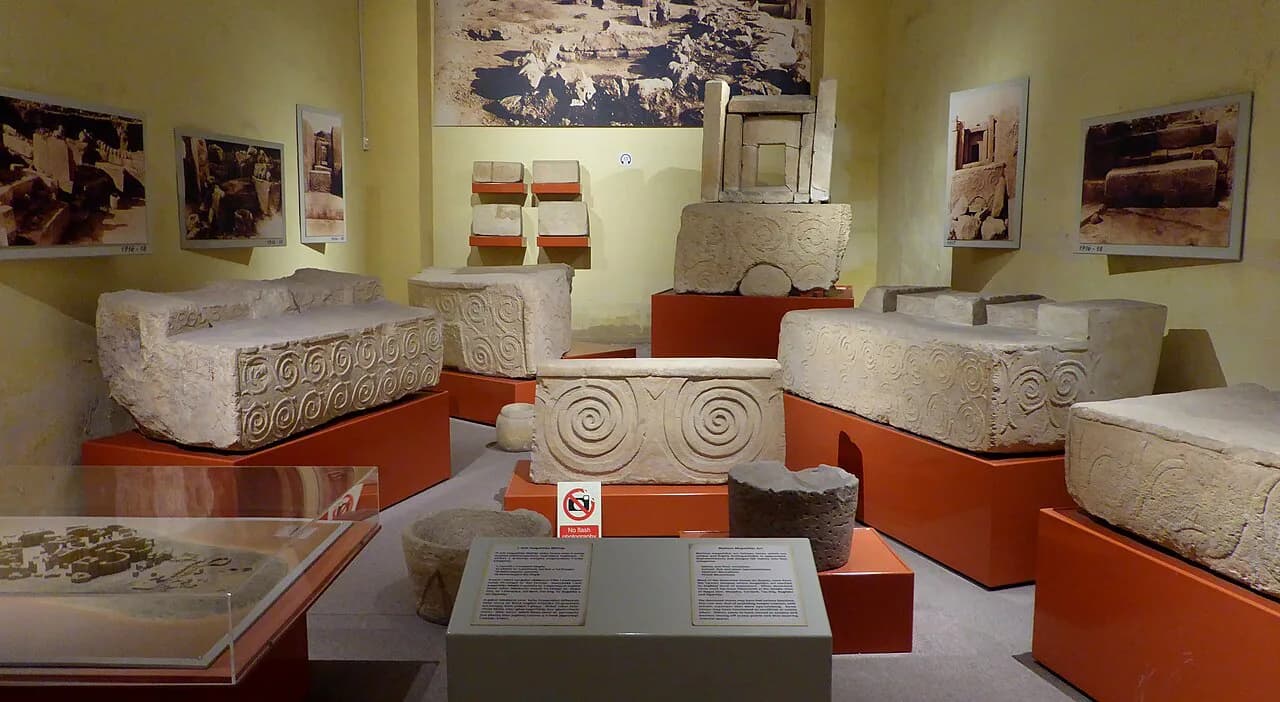
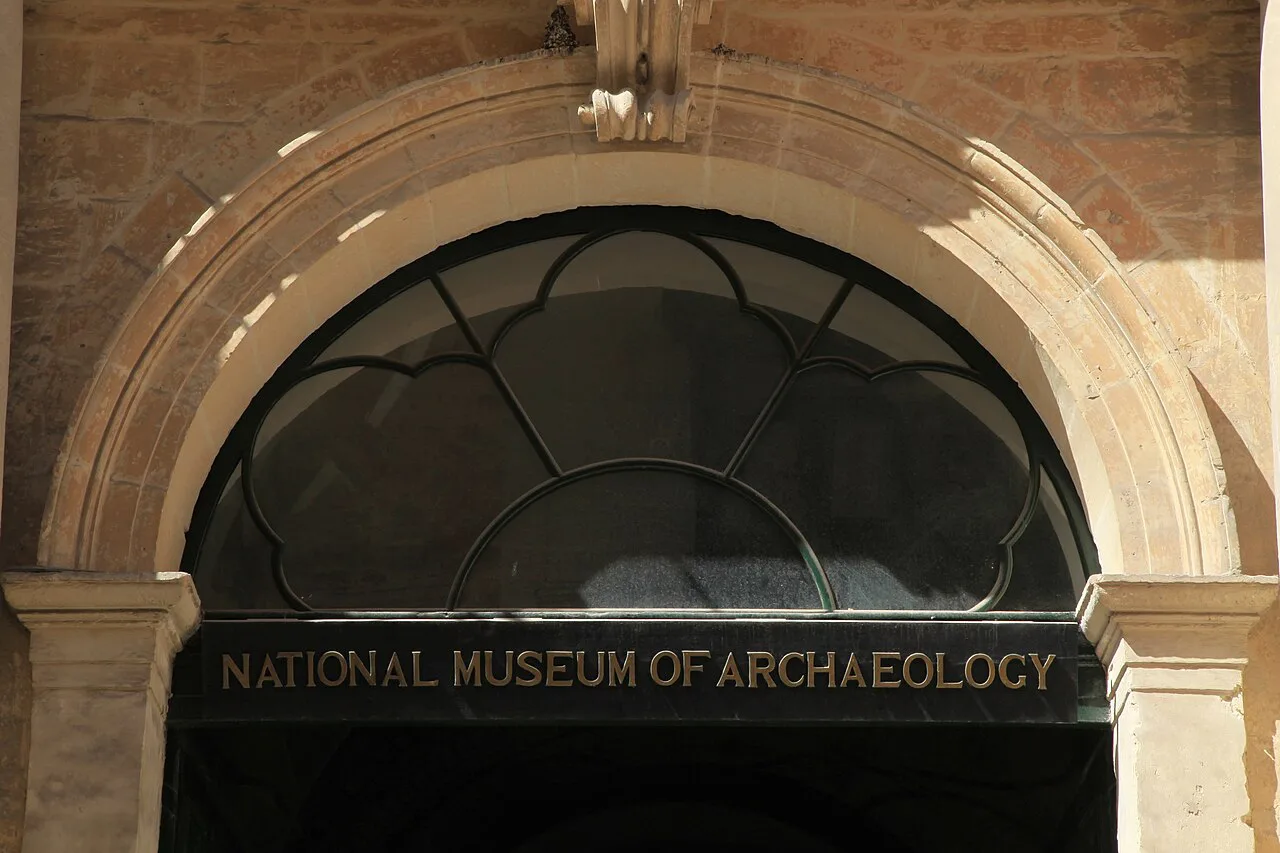
The National Museum of Archaeology occupies the Auberge de Provence on Republic Street in Valletta, a baroque building with a painted Grand Salon and beamed ceiling. Its collection runs from Malta's Neolithic period to the Phoenician period, putting the island's temple sites into context before or after you visit them. Highlights include the Sleeping Lady from the Ħal Saflieni Hypogeum, the Venus of Malta from Ħaġar Qim, bronze daggers from Tarxien Temples and the Horus and Anubis pendant.
Opening hours are 09.00 to 17.00 daily in January and February, with last admission at 16.30, and 09.00 to 18.00 daily from March to December, with last admission at 17.30. It closes on 24, 25 and 31 December, 1 January and Good Friday. Adult tickets are €5.00, with reduced rates of €3.50 for youths aged 12 to 17, seniors aged 60 and over and students, and €2.50 for children aged 6 to 11.
Allow about ninety minutes if you read the displays, and longer if you plan to visit the temples afterwards and want the context to stick. The building itself earns a few minutes: the Grand Salon's painted walls and beamed ceiling are part of the visit. This is the museum to do first if prehistoric Malta is your reason for coming, and the wider story of the island's past sits in our guide to Malta History.
Fort St Elmo and the National War Museum
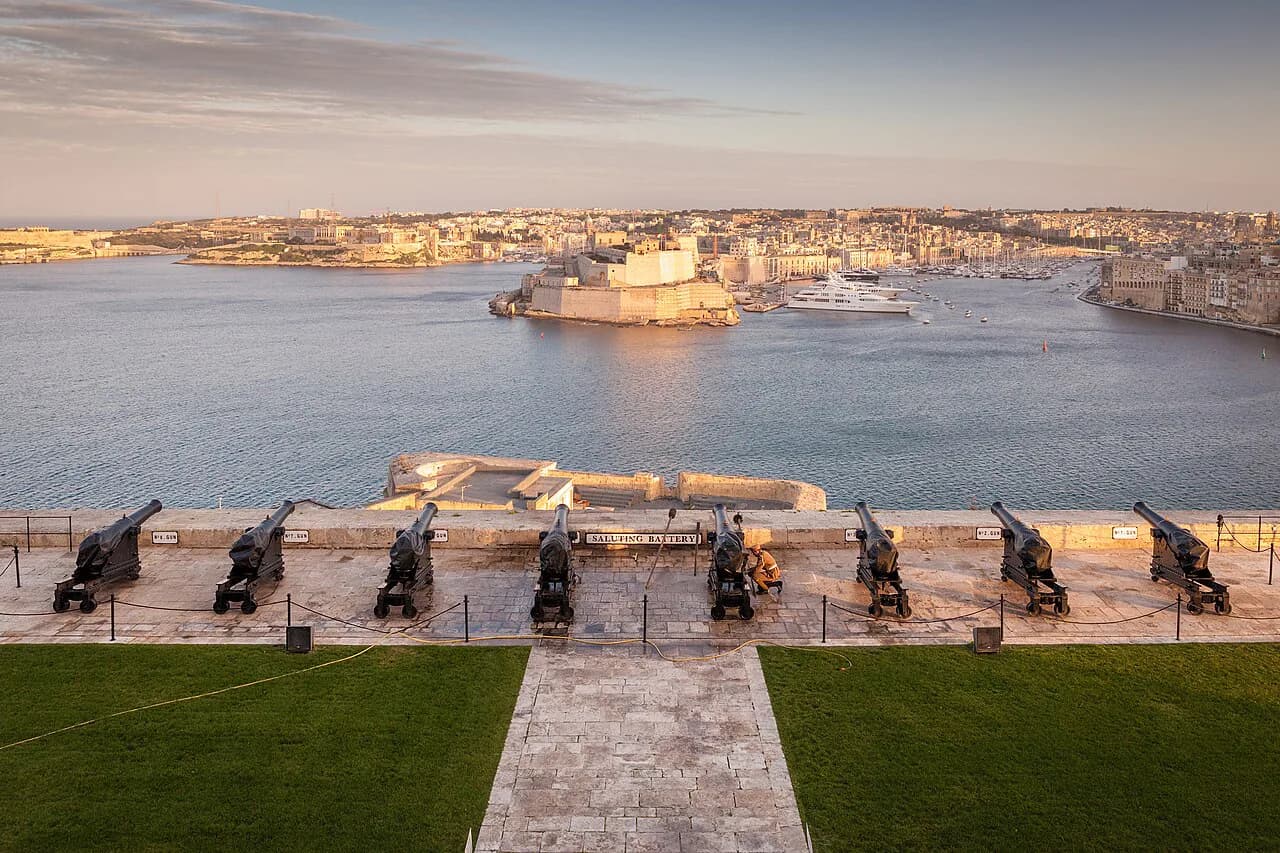
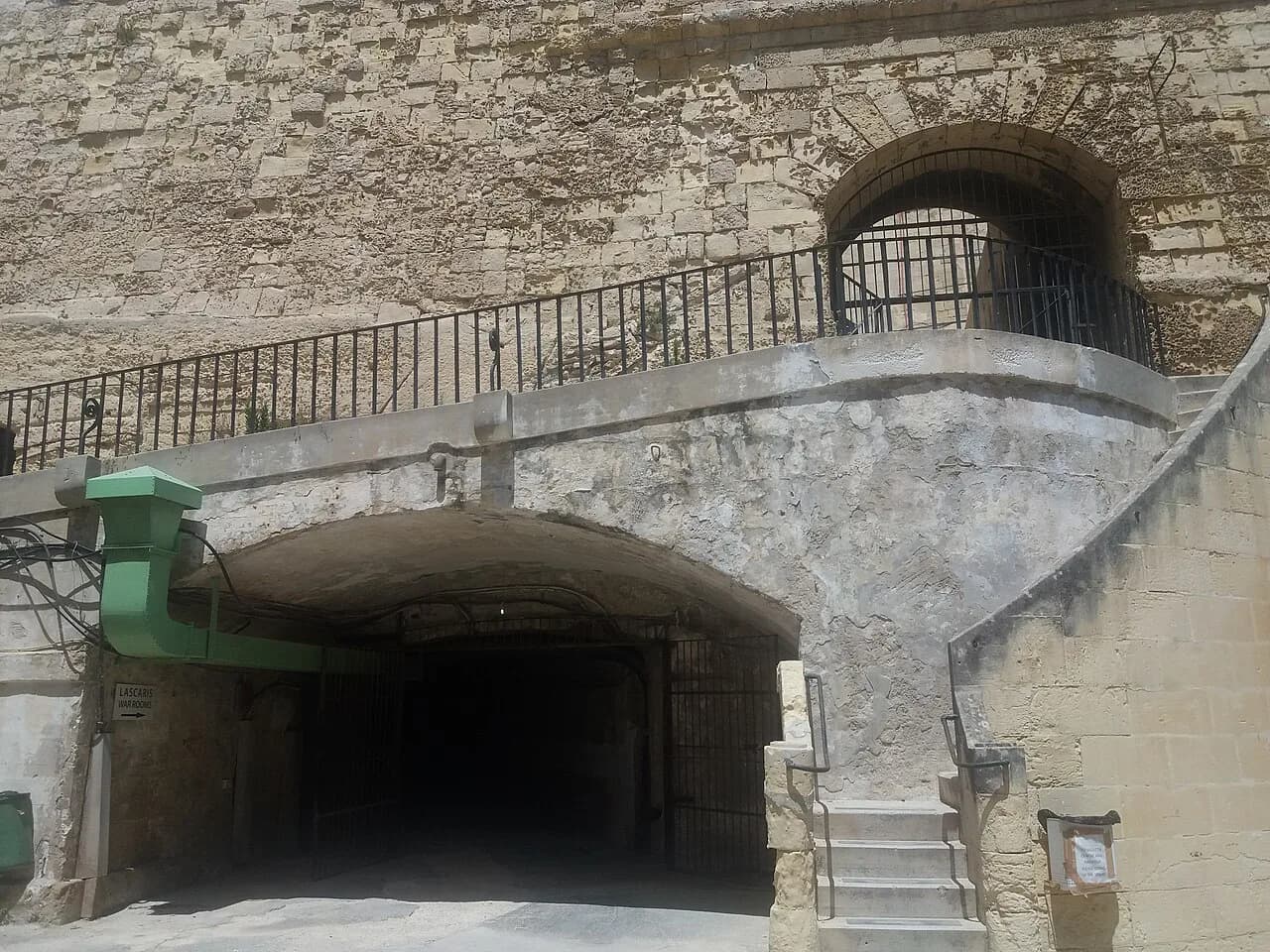
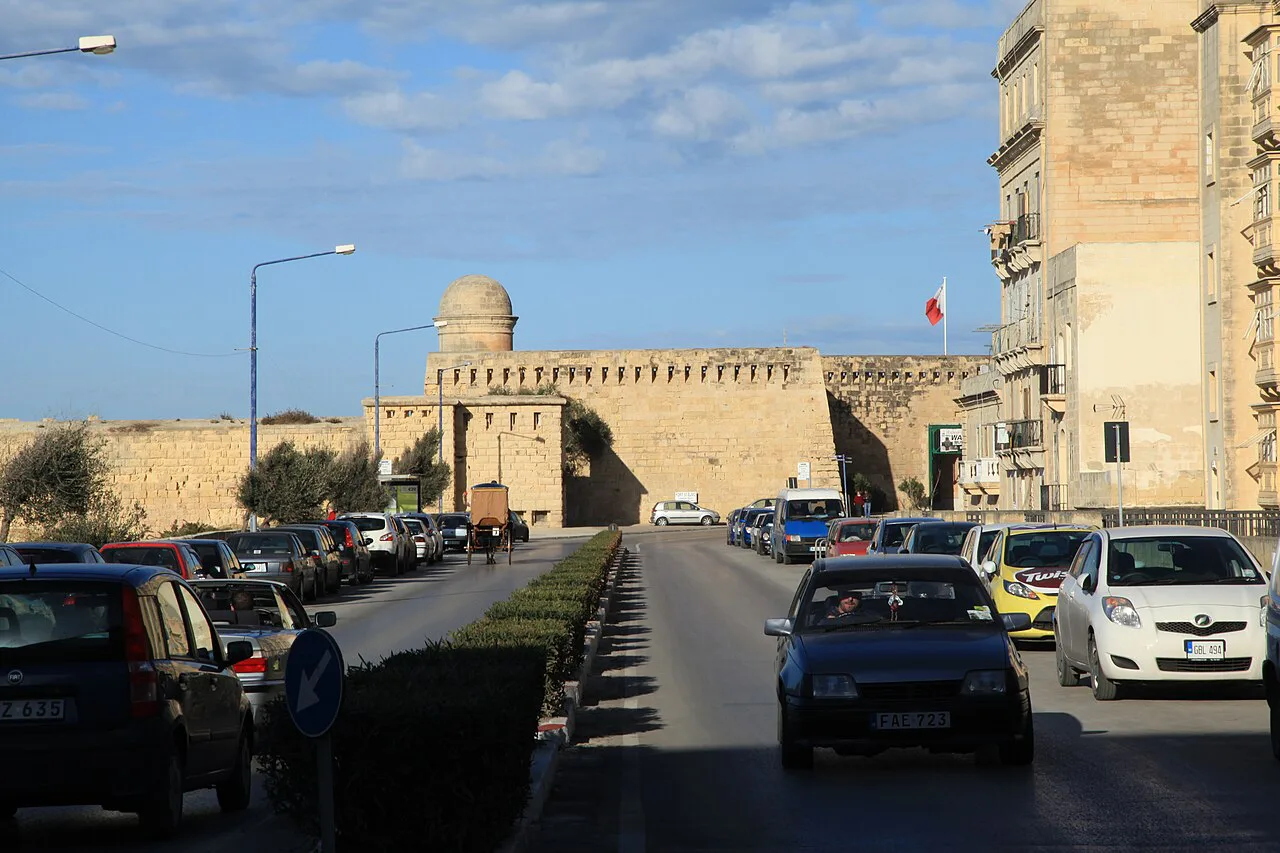
Fort St Elmo sits at the tip of Valletta, a star-shaped fortification that now houses the National War Museum, including the George Cross awarded to the island. The fort's bastions give you harbour views as well as galleries, so set aside more time than a single-room museum would need. The Great Siege of Malta in 1565 and the island's Second World War record are the two strands to follow here.
Because part of the visit is outdoors, this is the museum most exposed to weather and to the midday heat; go early or late rather than at noon. It also pairs naturally with a walk along Valletta's fortifications towards the Upper Barrakka. Check the fort's published hours and ticket terms on the day you plan to go, since they are set by the site rather than by the city.
The Grand Master's Palace: State Rooms and Palace Armoury
The Grand Master's Palace holds two separate draws: the State Rooms and the Palace Armoury, which displays arms and armour used by the Knights of St John between 1530 and 1798 and by the Ottoman Empire during the Great Siege of 1565. Suits of armour belonging to Grand Masters Alof de Wignacourt and Jean de La Valette are on show. The palace is on Palace Square in Valletta.
Buy the joint ticket for the Armoury and State Rooms rather than treating them as separate stops: adults pay €10.00, youths aged 12 to 17, seniors aged 60 and over and students pay €7.00, children aged 6 to 11 pay €5.00, and infants aged 1 to 5 go free. If the State Rooms are closed, Armoury admission alone is €6.00 for adults. Daily hours are 09.00 to 17.00 with last admission at 16.30, and the palace closes on 24, 25 and 31 December, 1 January and Good Friday.
The real risk here is a state function: the Armoury can close at short notice for official events, so the State Rooms are the safer anchor if your day is fixed. If you have time for only one, the armour collection is the more distinctive of the two. Allow an hour to ninety minutes for both together.
MUZA in the Auberge d'Italie
MUZA, the national museum of art, is housed in the Auberge d'Italie in Valletta and displays paintings and sculpture, including works by Mattia Preti. It is the museum to choose if you want art rather than archaeology or armour, and the building itself blends older architecture with a modern refurbishment. Allow an hour for a focused visit.
MUZA works well as an afternoon stop after a morning at the archaeology museum, since both sit within easy walking distance in the same city. If baroque painting is your main interest, do MUZA and St John's Co-Cathedral on the same day and leave the forts for another. Confirm MUZA's current hours and ticket price before you go.
Mdina: Palazzo Falson and St Paul's Cathedral
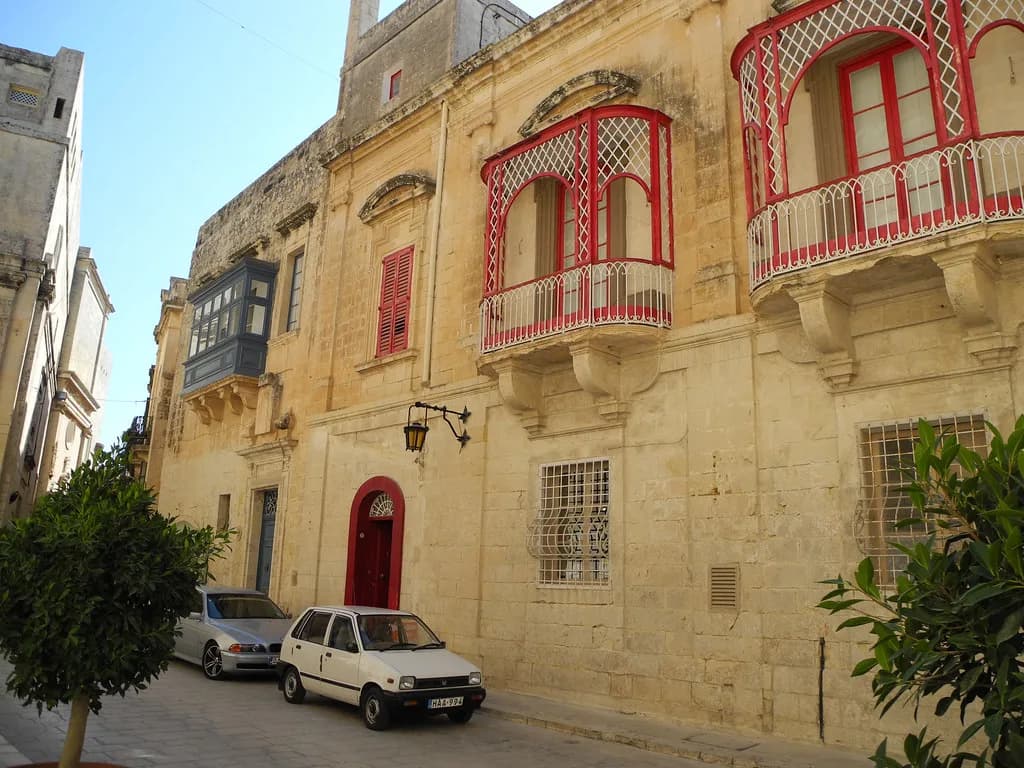
Mdina's Palazzo Falson Historic House Museum shows a noble medieval home furnished with antiques and art, which makes it a different experience from the national collections in Valletta. Pair it with the baroque St Paul's Cathedral and simply walking the narrow streets between the palaces; the city is small enough to cover on foot in a morning. Mdina is worth the trip for the combination of the house and the streets rather than for any single room.
The walking itself is the pleasure here, so resist the urge to fill every hour with an entrance fee. If you are choosing between Mdina and a second Valletta museum, take Mdina when you want a slower half-day and Valletta when you want density. Parts of Mdina have appeared on screen, which adds interest for some visitors but should not be the reason you go.
The Ħal Saflieni Hypogeum near Tarxien
The Ħal Saflieni Hypogeum is an underground burial complex carved into rock near Tarxien, and entry is strictly limited to protect its microclimate. That limit is why it should anchor your dates: book months ahead rather than assuming you can add it to a free afternoon. The archaeology museum in Valletta displays the Sleeping Lady found there, so seeing both gives you the object and the place.
If Hypogeum tickets are gone for your dates, the Tarxien Temples and the archaeology museum's prehistoric galleries cover much of the same story above ground. Do not build the rest of the trip around a Hypogeum slot you have not secured; confirm availability before you commit to dates. The site's own booking pages carry the current arrangements.
Three Cities: Fort St Angelo and the view back to Valletta
Fort St Angelo in Vittoriosa, the city also known as Birgu, dominates the Grand Harbour skyline and was the Knights' headquarters before Valletta was built. The view from the fort back across the water to Valletta is the reason to come, so allow time to stand on the bastions rather than hurrying through. The Three Cities — Birgu, Senglea and Cospicua — are quieter than the capital and make a good half-day, and their order's story is set out in our guide to the Knights Hospitaller.
Reach the Three Cities by crossing the harbour rather than adding them as a stop on a Valletta day; the water crossing is part of the experience and keeps the two halves of the trip distinct. Pair the fort with a walk through Birgu's lanes and stop for lunch before heading back. Confirm the fort's current opening arrangements before you cross.
Practical choices: opening days, last admission and ticket prices
Two sites in Valletta share the same closing pattern: 24, 25 and 31 December, 1 January and Good Friday. The archaeology museum and the palace also share a 09.00 opening time, but the archaeology museum runs later from March to December, closing at 18.00 rather than 17.00. Build those two into one day and you have a reliable core whatever else closes.
On tickets, the joint palace ticket is the clearest saving: pairing the Armoury with the State Rooms costs less than two separate visits, and the archaeology museum's reduced rates for youths, seniors, students and children make it easier to bring a mixed-age group. The two Valletta sites also share the same closing dates, so on those days leave the museums and take a harbour walk instead. Check price and opening details for St John's Co-Cathedral, MUZA and Palazzo Falson on each site's own published pages before you budget.
Most of these museums sit within Valletta's grid, so walking between them is realistic if you accept two a day rather than four. Mdina and the Three Cities each need their own half-day, and the Hypogeum needs a booked slot. That leaves a workable shape: one Valletta day for archaeology and the palace, a second for the fort and the cathedral, then Mdina and the Three Cities on separate outings.
Which museum should you book first?
Book the Ħal Saflieni Hypogeum first if it is on your list, because limited entry means it dictates your dates rather than fitting around them. Then fix one Valletta day around the National Museum of Archaeology and the Grand Master's Palace, and buy the joint palace ticket at the desk. Add Fort St Elmo and St John's Co-Cathedral on a second day, and keep Mdina and the Three Cities for the halves of days that remain. Confirm hours and prices on each institution's own site before you book.
If you have only one museum in you, choose the archaeology museum: it explains the temples and the Hypogeum better than any panel on site. If you have two, add the palace for the armour and the State Rooms. Everything else is a good second visit rather than a substitute for those two.
Explore more Malta guides
Frequently Asked Questions
Is Mdina worth visiting if you only have time for one museum outside Valletta?
Yes, when you want a slower half-day rather than another dense national collection. Palazzo Falson shows a furnished noble house, and St Paul's Cathedral and the narrow streets sit within a short walk, so a morning covers the essentials on foot.
Sources
Notes for your Malta trip
Optional updates when we add or correct a Malta or Gozo guide.
You might also like
Continue reading
More guides you'll find useful