Great Siege of Malta 1565: What Happened and Where to See It
The Great Siege of Malta ran from 18 May to September 1565, when an Ottoman force landed at Marsaxlokk and attacked Fort St Elmo, Birgu and Senglea.
On this page
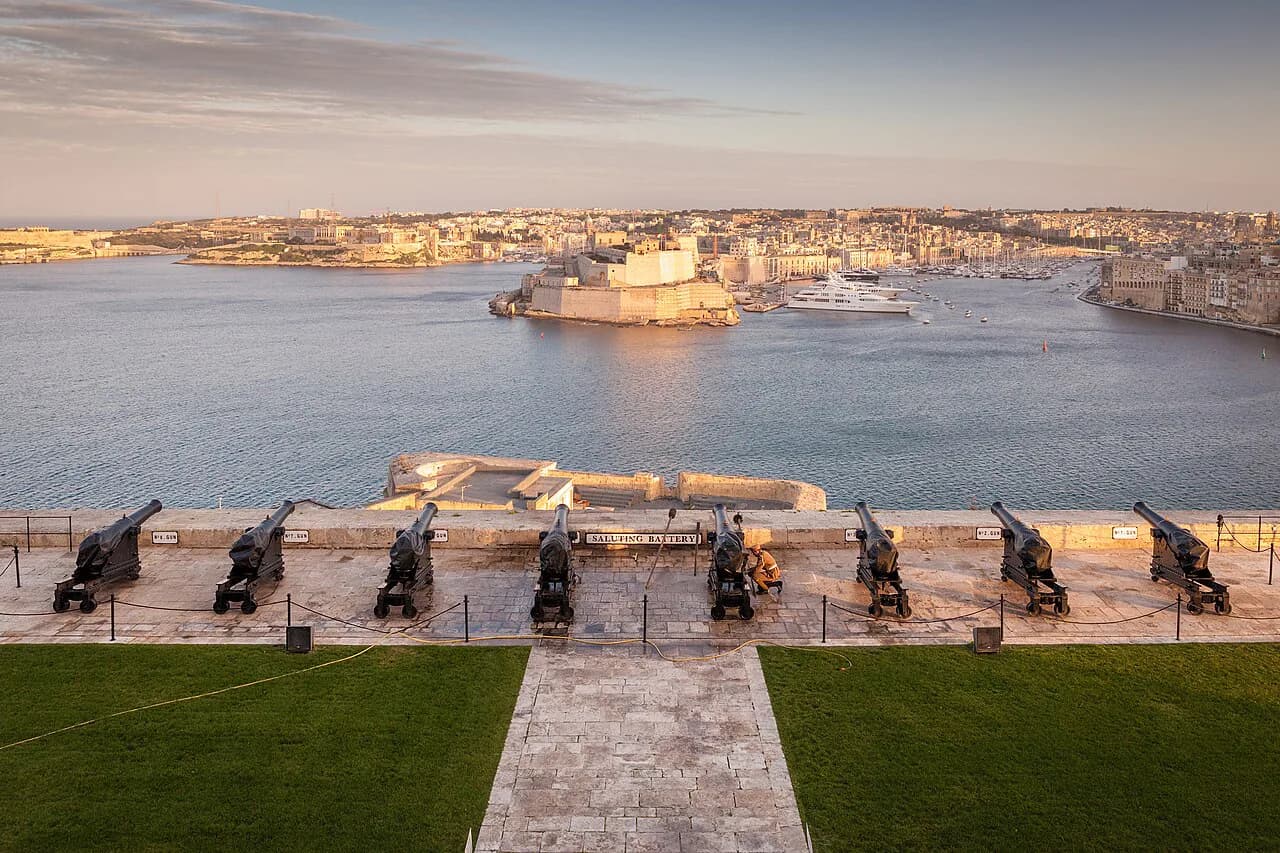
The Great Siege of Malta was an Ottoman attempt to take the island from the Knights Hospitaller in 1565, opening with a landing at Marsaxlokk on 18 May and closing that September when the besiegers withdrew. It was fought almost entirely around Grand Harbour, at Fort St Elmo on Mount Sciberras, across Birgu (Vittoriosa) and Senglea (L-Isla), with Fort St Angelo and Fort St Michael as the defenders' anchors. This guide lays out the dates, the two sides, the fighting and the places in Malta where you can still read the siege on the ground, with a wider Malta History overview for the centuries either side.
The geography matters more than the chronology. Most visitors walk the same water's edge the Ottoman fleet entered, from the tip of Fort St Elmo round to the Birgu peninsula, so a handful of named places covers nearly the whole campaign. Read the account first, then pick the sites that fit your day.
What the Great Siege of Malta was
In 1565 an Ottoman fleet and army came ashore on Malta to destroy the Knights Hospitaller, the Order of St John, and to take a base that would give Ottoman galleys a hold on the sea lanes between the eastern and western Mediterranean. The order had held Rhodes until an Ottoman siege drove it off in 1522, then received the Maltese islands from Charles I of Spain before settling on Malta and strengthening its defences. Malta's position, from which a navy could police the channel between the two halves of the Mediterranean, was the reason it drew an Ottoman attack.
The decision to attack was taken at the Ottoman court in October 1564, and by early 1565 Grand Master Jean Parisot de Valette had intelligence that an invasion was coming, so he spent the winter and spring preparing defences. The two justifications usually given are a punitive strike against an order that harassed Ottoman shipping and the prize of a strategic island.
When the Great Siege of Malta took place
The Ottoman fleet appeared on 18 May 1565 and landed troops at Marsaxlokk, in the south-east of the island. The bulk of the army camped at Marsa, with other units taking the Santa Margarita Heights above Bormla (Cospicua) and the heights of Mount Sciberras, the ridge where Valletta now stands.
By 27 May some 24 cannon and a heavy basilisk had been hauled onto Mount Sciberras and trained on Fort St Elmo at the tip of the peninsula, the opening of the first real assault. Fort St Elmo fell on 23 June, after roughly a month of bombardment and repeated infantry attacks, when the Ottomans finally scrambled over the rubble into the fort.
The siege as a whole ran almost four months, ending in September 1565. Once St Elmo was lost, the Ottoman commanders moved against the two remaining fortresses, St Michael and St Angelo, through July and into August.
The two sides: de Valette's garrison and the Ottoman force
De Valette, elected Grand Master in 1557 and about 70 in 1565, commanded a defending force of around 9,000 men, a mix of paid troops, volunteer knights and Maltese militia, including some 600 knights of the order. Ottoman numbers are given as anything from roughly 20,000 to 50,000, with one detailed account putting the fleet's landing at some 30,000 men including 6,000 Janissaries and 6,000 sipahis. Treat all of these as approximations, since the chronicles themselves disagree.
Ottoman command was split. Lala Mustafa Pasha led the army and Piyale Pasha the fleet, with both placed under the corsair Dragut, also written Turgut Rais, a veteran of Mediterranean raiding who knew Malta well. Dragut was struck down during the bombardments in June and died on the day Fort St Elmo fell, which left the two Pashas in joint command and, in the assessment of one account, weakened the cohesion of the besieging force.
Where the fighting took place
The campaign traces a short arc around Grand Harbour. The Ottomans landed at Marsaxlokk, camped at Marsa and on the Santa Margarita Heights outside Bormla, and set their batteries on Mount Sciberras facing Fort St Elmo. Taking St Elmo would give them command of the Valletta headland and a safe anchorage for their galleys in Marsamxett harbour, which is why they attacked it first rather than the main defences.
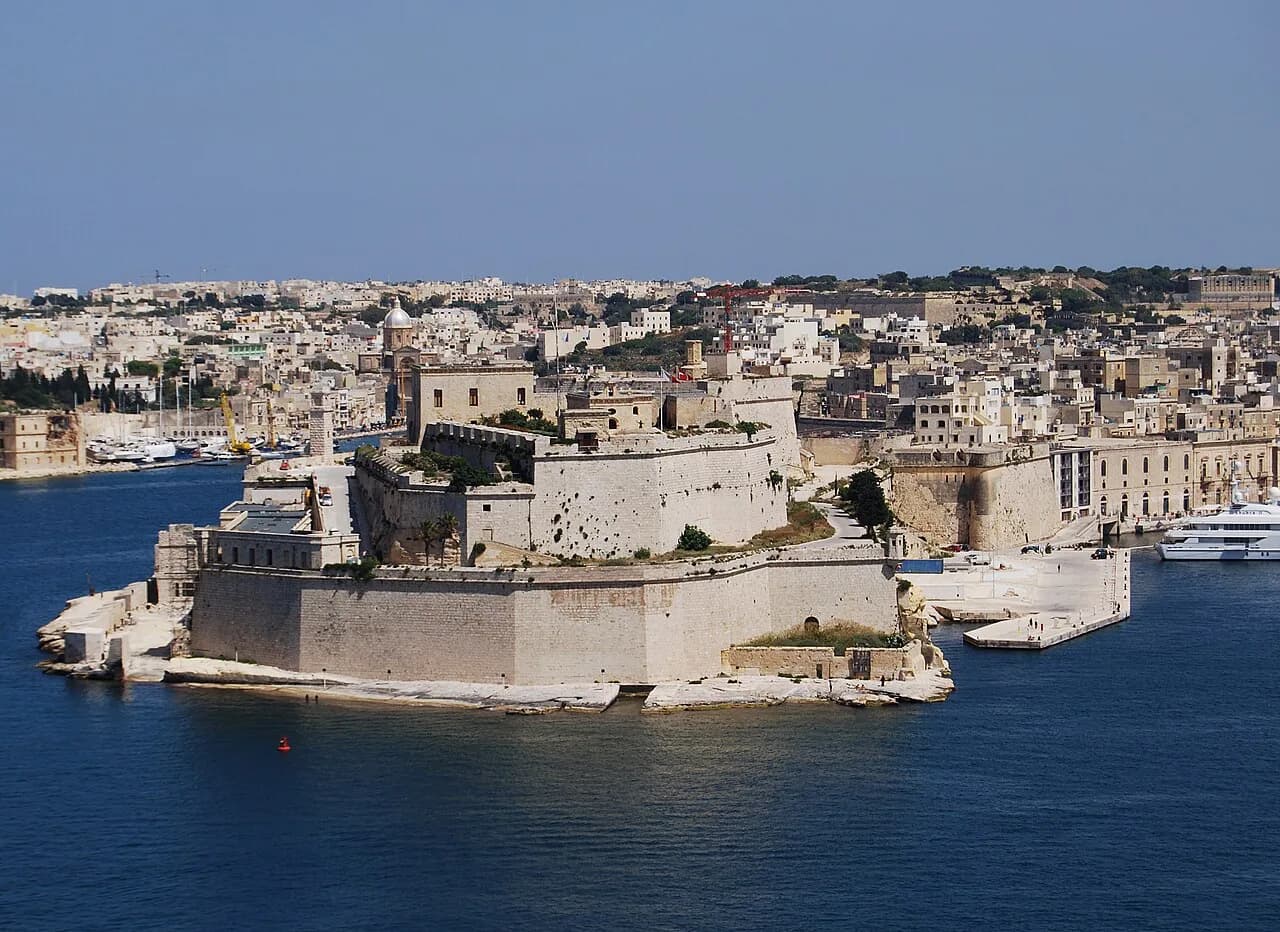
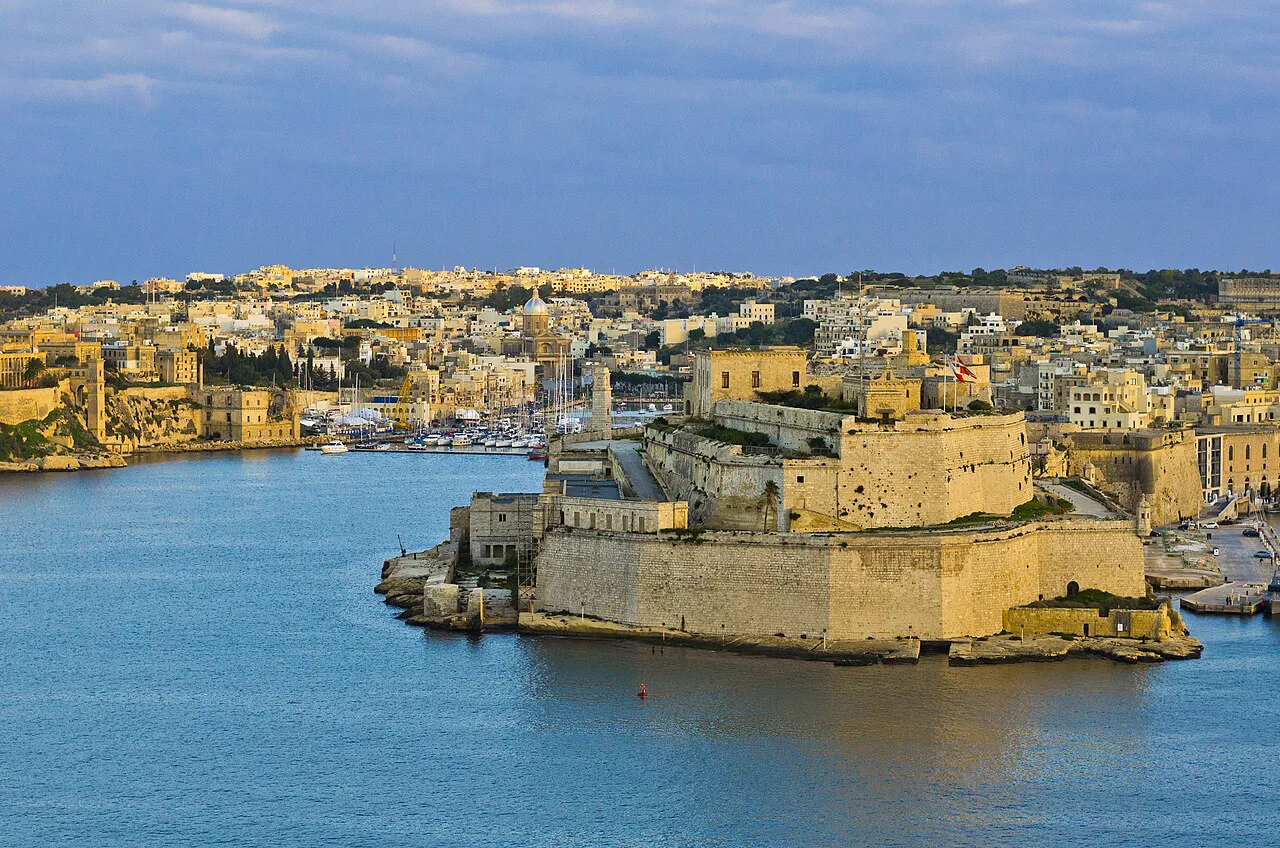
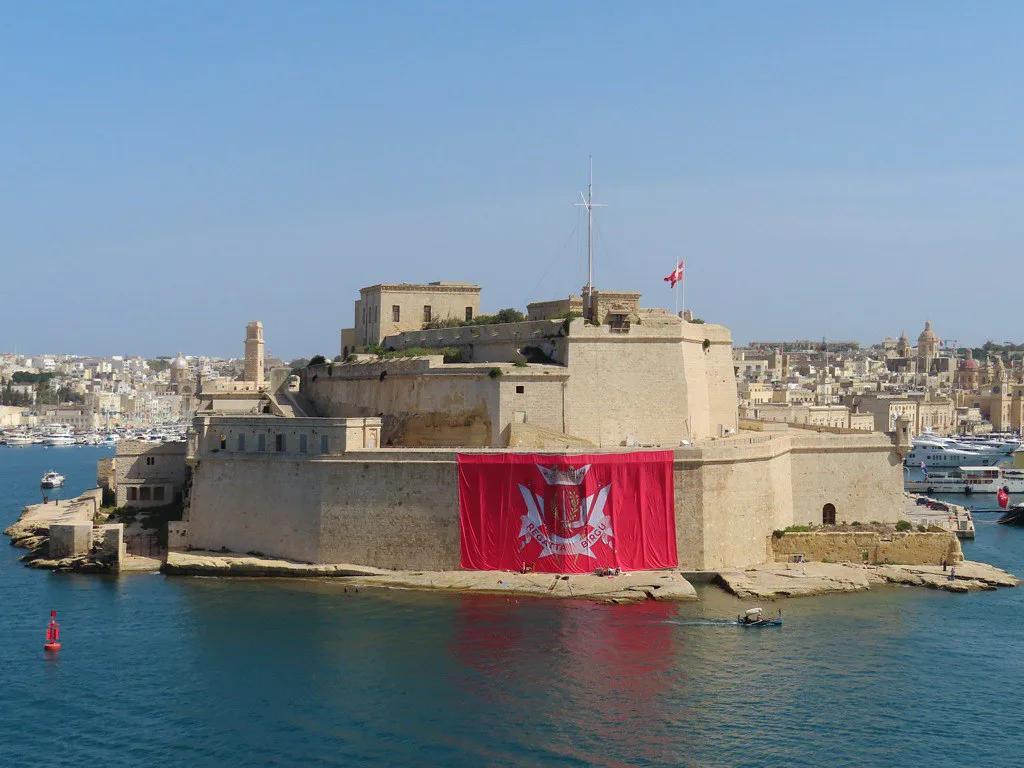
Across the water lay Birgu, the order's base, guarded by Fort St Angelo at its point, and Senglea on the next peninsula, defended by Fort St Michael. That cluster, Birgu with Fort St Angelo and Senglea with Fort St Michael, formed the core of the defence once St Elmo had gone. A walk between them today is short, which makes the whole campaign easy to picture.
Fort St Elmo and the first phase
St Elmo held for about four weeks under fire from Mount Sciberras, with assaults by Janissaries and sipahis following one another and the defenders protected behind crenellated walls. On the night of 3 June a party of Janissaries got onto the ravelin outside the fort, giving the attackers a close firing position, and the situation worsened from there.
The final assault came in the early hours of 23 June, when the Ottomans climbed the rubble in the moat and overwhelmed the last defenders. The cost was heavy on both sides: the Ottomans lost around 6,000 men, including roughly half the Janissary force, while some 1,500 defenders died, among them 89 knights. With St Elmo gone and the Ottoman galleys anchored in Marsamxett, the besiegers turned to Birgu and Senglea.
The stand at Birgu and Senglea
Through July and August the Ottomans besieged Fort St Michael and Fort St Angelo and made little headway, while losses from fighting and disease mounted. The defenders were holding on in the hope of relief from Sicily, and at one point the Hospitaller council voted to abandon St Michael and hold St Angelo until help arrived. That decision is the moment the siege hung on.
How the siege ended and what it meant
The siege ended in September 1565, and the badly outnumbered Hospitallers had held the island. The order's survival gave the knights a base they kept, and the force that had sailed from Constantinople withdrew. The episode is remembered in Malta as the point at which the Order of St John secured its future on the island.
It also reshaped the map. Valletta was laid out on Mount Sciberras, the ridge the Ottoman guns had occupied, and the fortified lines around Grand Harbour were strengthened in the decades that followed. Today the fortresses, the grid of Valletta and the place names of the Three Cities still mark out where each phase was fought.
Where to see the Great Siege in Malta today
Start at Fort St Elmo at the tip of Valletta, the fort whose loss opened the siege, then look across Marsamxett harbour to the ground the Ottoman batteries occupied. In Birgu, Fort St Angelo and the streets of the old town put you inside the defenders' base, and a short walk across the peninsula brings you to Senglea and the site of Fort St Michael.
For the siege as the order chose to remember it, head to the Grand Master's Palace in Valletta, where frescoes by Mattia Perez d'Aleccio show the landing of the Ottoman forces at Marsaxlokk, the batteries on Mount Sciberras and the capture of Fort St Elmo on 23 June. Seeing the painted version after walking the ground is the most useful order.
Check the current opening days and admission arrangements for Fort St Elmo and the Grand Master's Palace before you set out, since they are managed separately and change. Build the day around Birgu and Senglea, which are open streets, and slot the ticketed interiors around them.
Reading the Great Siege: books and further reading
For the narrative, the accounts by Derek Davison and by kliemustorja give different levels of detail, the second with dates, gun positions and casualty numbers. Read one account before you go and use the frescoes and the fortifications as the illustration.
Which siege sites to see first
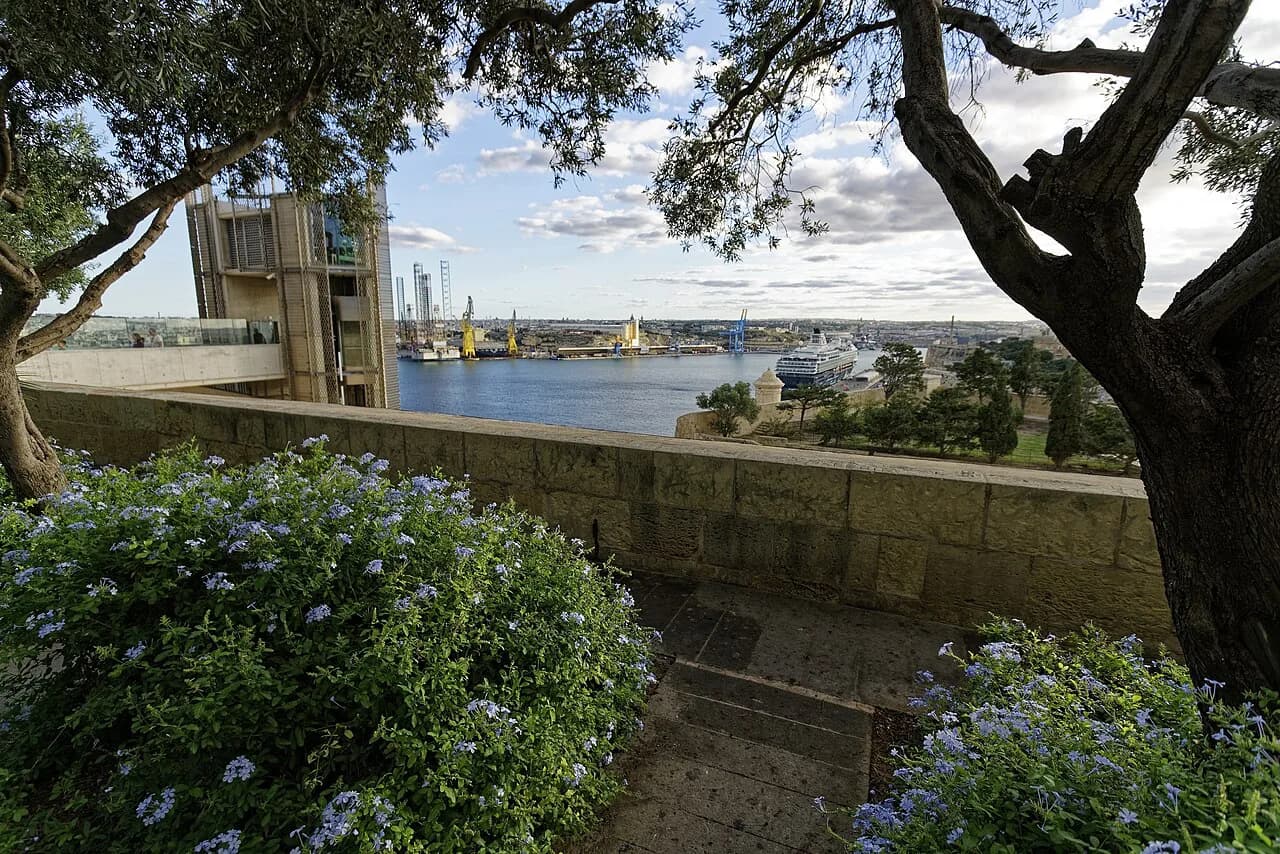
If you have one day, do Fort St Elmo in the morning and Birgu and Senglea in the afternoon, finishing with a view across Grand Harbour that takes in Mount Sciberras, St Angelo and St Michael. With two days, add the Grand Master's Palace frescoes on the second morning, once the geography is already in your head.
Explore more Malta guides
Frequently Asked Questions
How long was the Great Siege of Malta?
Almost four months. The Ottoman fleet landed on 18 May 1565 and the siege ended that September, with Fort St Elmo falling on 23 June after about four weeks of bombardment and assault.
Who defeated the Ottomans in Europe?
That is a much wider question than Malta. For 1565 the relevant point is that the Knights Hospitaller, with a garrison of around 9,000, held out against a far larger Ottoman force until the siege was lifted in September.
Is there a film about the Great Siege of Malta?
None of the accounts consulted here describes a film of the siege. The siege is best seen through the frescoes by Mattia Perez d'Aleccio in the Grand Master's Palace in Valletta, which depict the landing at Marsaxlokk, the batteries on Mount Sciberras and the fall of Fort St Elmo.
Sources
Notes for your Malta trip
Optional updates when we add or correct a Malta or Gozo guide.
You might also like
Continue reading
More guides you'll find useful