Malta Itinerary: Realistic Day-by-Day Plans for 3, 4, 5 and 7 Days
Build a Malta itinerary around Valletta, Mdina, the temples and Gozo. Compare 3, 4, 5 and 7-day shapes and pick the base that suits each plan.
On this page
Three days is enough for Valletta, Mdina and the Three Cities; five days adds a full Gozo day, and seven gives you room to split the temples from the south coast. The single decision that shapes everything else is how many days you have, because Valletta and Mdina belong in one day each and Gozo needs its own. This guide re-cuts the same set of places for 3, 4, 5 and 7 days, then covers bases and the timing constraints that decide the order.
Itineraries that treat Malta as a list of stops tend to fail on travel time. Group sights by water and hill instead: the Grand Harbour for Valletta and the Three Cities, the hill town for Mdina and Rabat, the south-east for Marsaxlokk, and the islands for Gozo. For a worked two-day version of the Valletta side, the 2 days in Malta plan shows how much of the capital fits into a short stay.
Who this itinerary is for and the one decision that shapes it
Treat the number of full days, not nights, as your budget: arrival and departure days rarely give you a clean half-day. Malta packs a walled capital, a hill town, prehistoric temples and a second island within short distances, which tempts people into planning six stops a day. Pick your trip length first, then choose the places that group naturally rather than trying to see everything.
A week-long report on Malta makes the same point by splitting its time between Valletta, Mdina and a full Gozo day rather than rushing the island in 48 hours. If your dates flex, adding a day is almost always better value than adding a car, since the biggest constraint is time in each place, not transport.
Decide splitting early: a single base suits three and four days, while seven days can justify a night on Gozo to shorten the return ferry journey. Both choices are covered below, with the places each base puts within easy reach.
3 days in Malta: Valletta in the morning, Mdina and Rabat in the afternoon
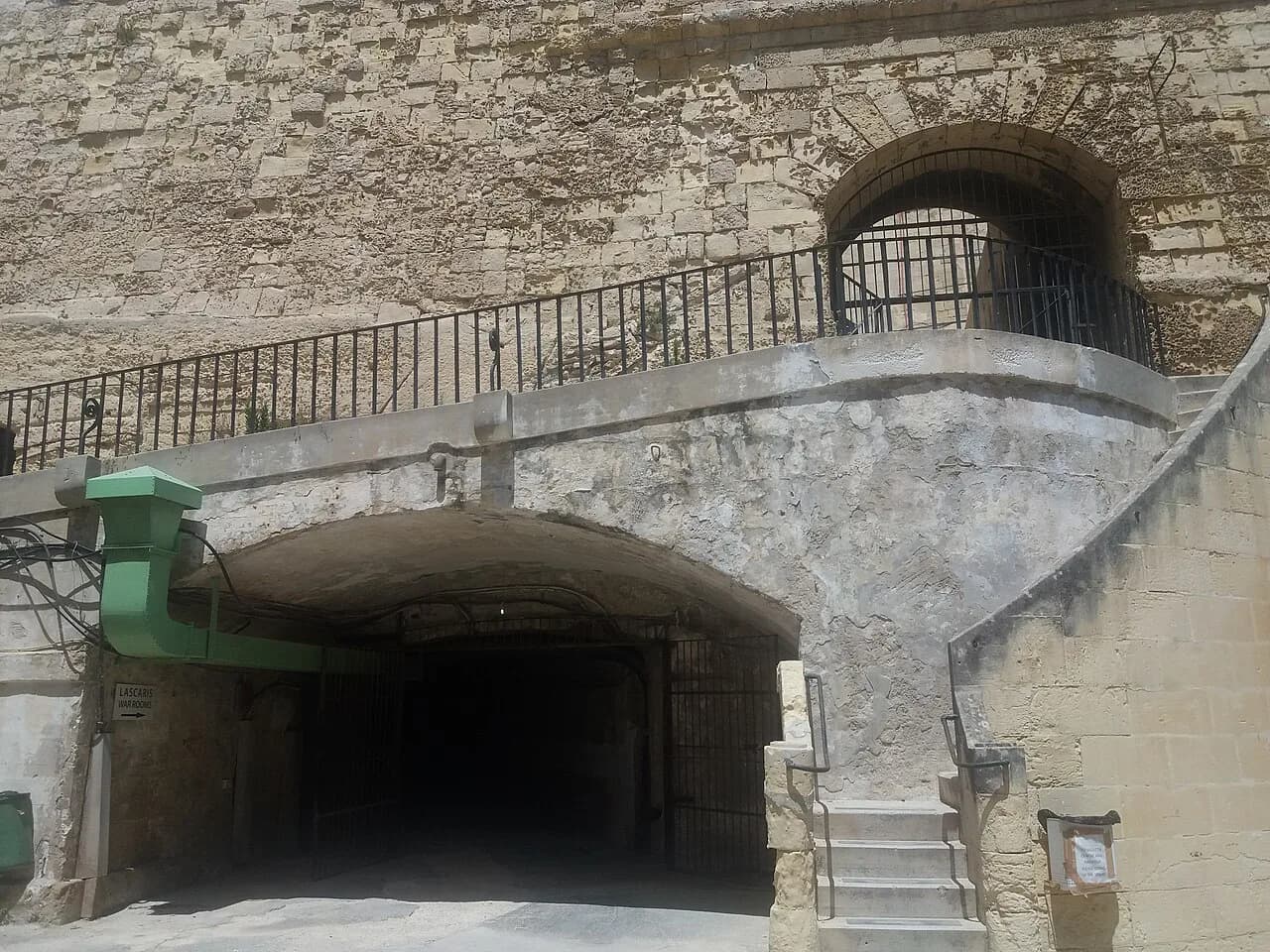
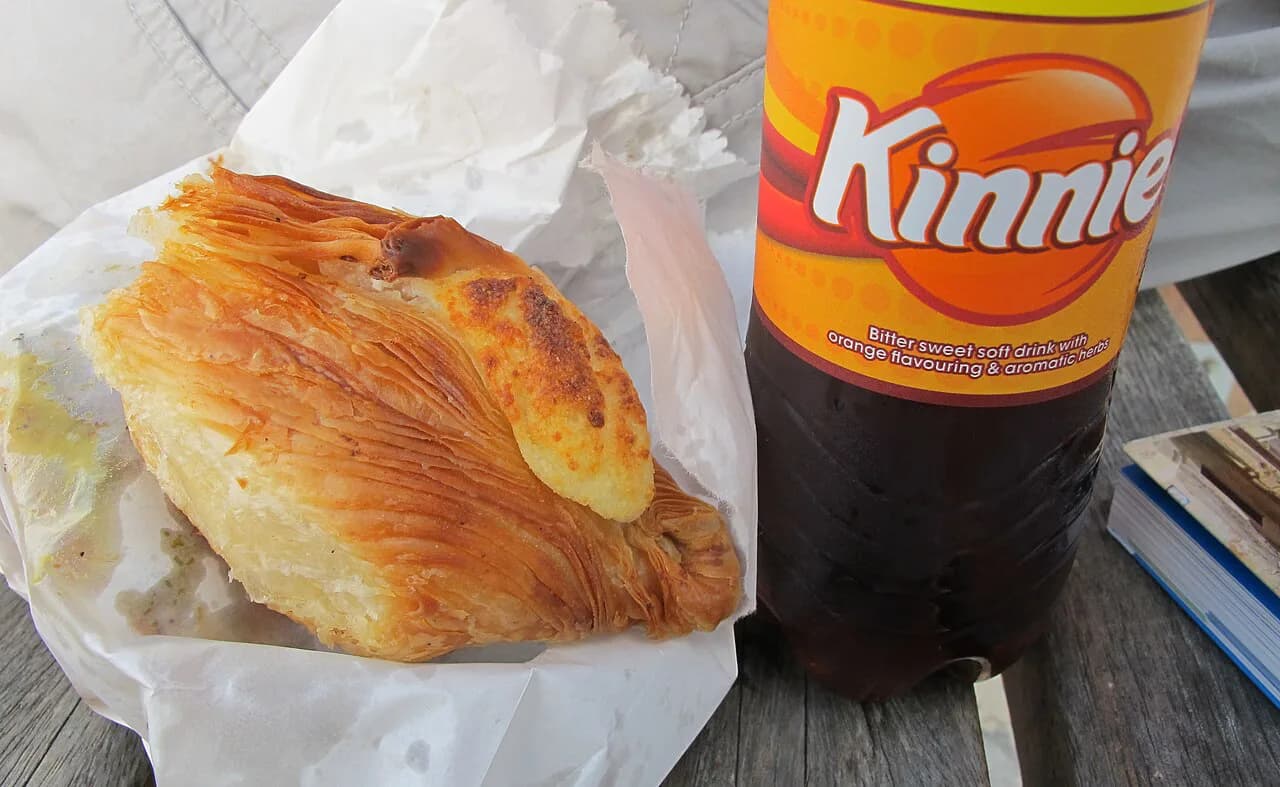
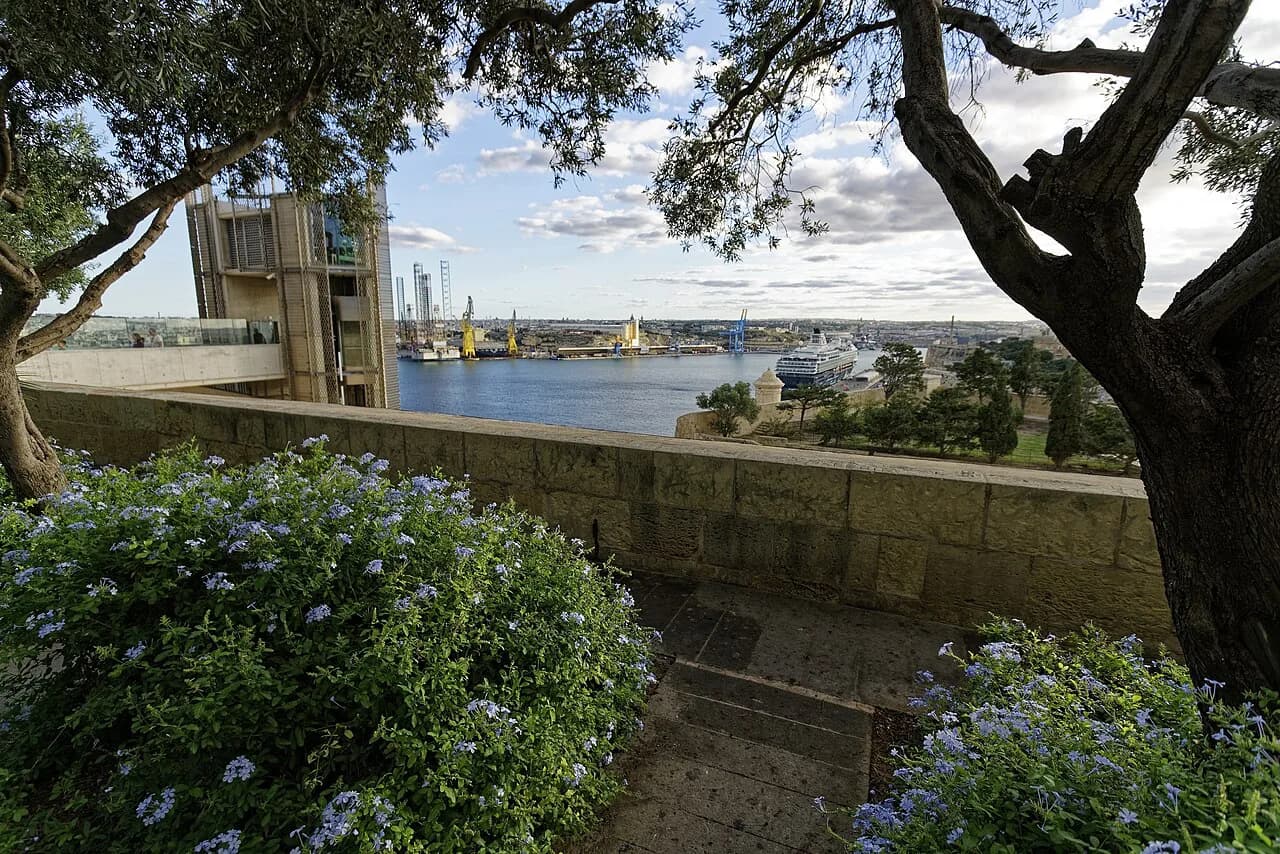
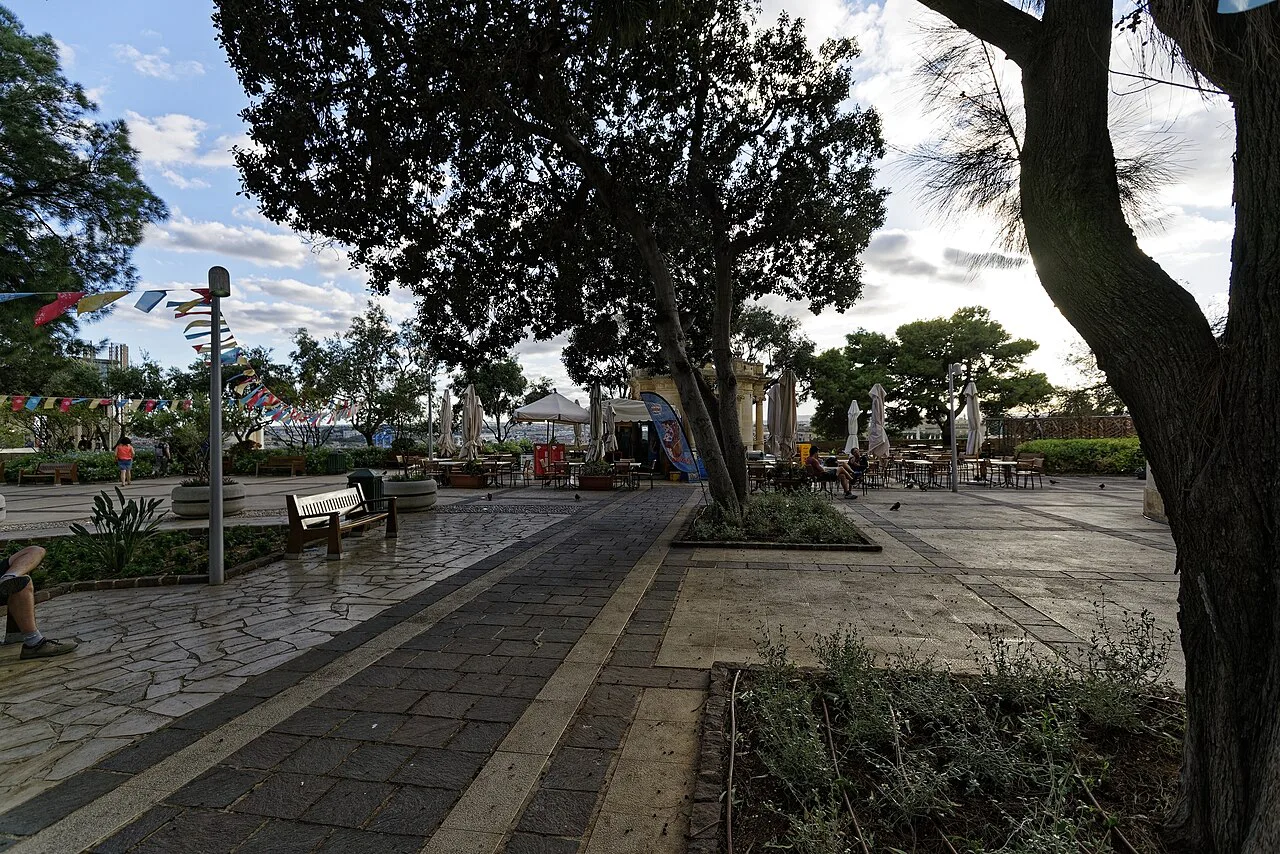
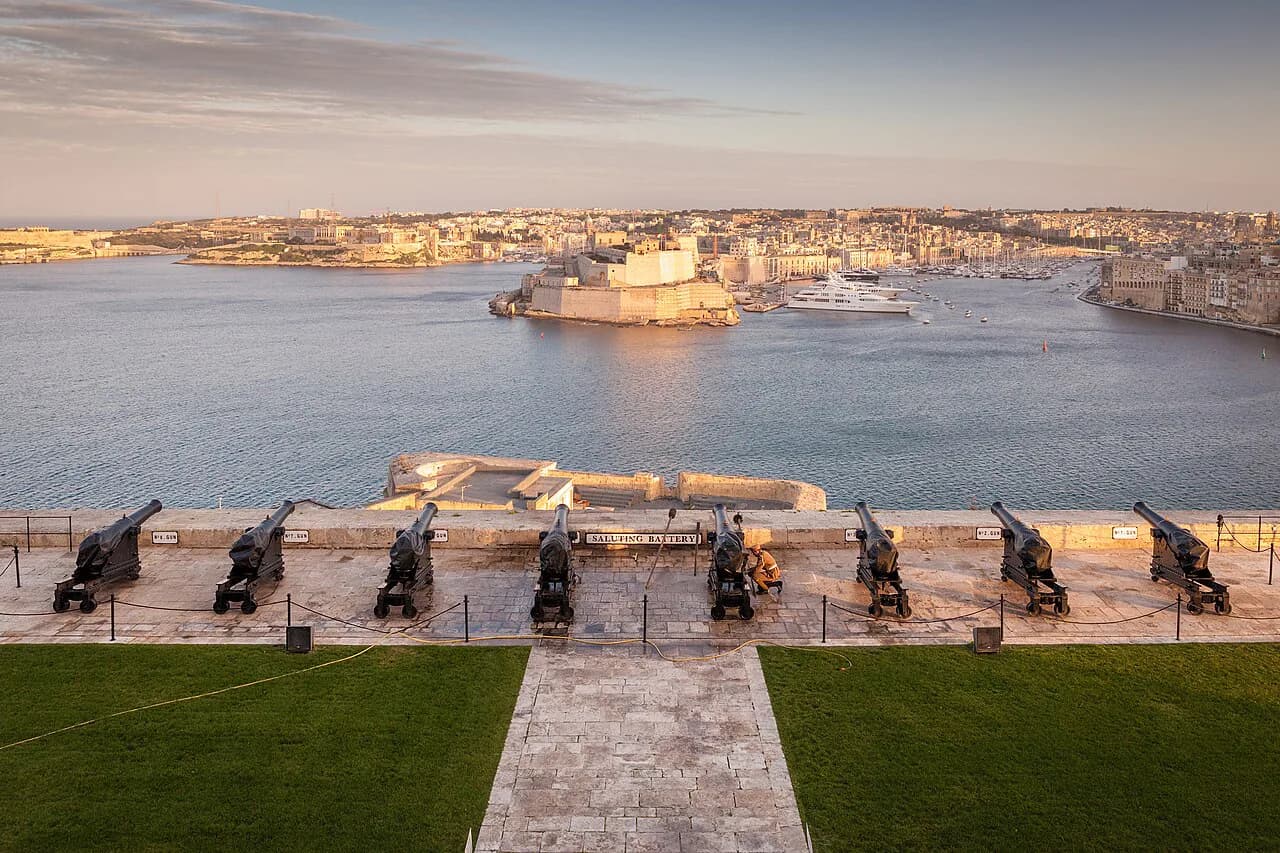
Day one belongs to Valletta. Enter through City Gate and walk the grid downhill: St John's Co-Cathedral for the Caravaggio in the Oratory, the Upper Barrakka Gardens for the Grand Harbour view, then Fort St Elmo at the tip for the National War Museum. Keep the afternoon light and end on Republic Street, where cafés and pastizzerias make an easy dinner stop.
Day two pairs Mdina with Rabat. Inside the walls, walk the lanes from the main gate towards the bastion viewpoints and keep the pace slow, because the point of the Silent City is the wandering rather than a checklist. Rabat sits just outside the walls and holds the Roman Villa and St Paul's Catacombs, so park the car once and cover both on foot.
Day three goes across the Grand Harbour to the Three Cities, with Birgu (Vittoriosa) as the base. The waterfront and the Fort St Angelo approach give the best sense of the harbour's scale, and Senglea (L-Isla) adds a viewpoint back towards Valletta. Keep the evening loose for a return to the capital or a slow dinner in Birgu.
Three days works without a car if you accept that buses run on island time. The public network connects Valletta with Mdina and the harbour towns, but the connections cost you waiting time at each end, so a taxi for the hill-town day is often the better trade. For a closer look at how the capital fills a short break, the three-day Valletta plan works the same ground in more detail.
4 days: add the Three Cities across the Grand Harbour
Four days lets you give the harbour its own morning instead of squeezing it into an afternoon. Take the ferry or a bus from Valletta to Birgu and start at the waterfront, then climb to the Fort St Angelo area and the lanes behind it. Cross to Senglea (L-Isla) for the water-level view of Valletta's bastions, and finish in Cospicua (Bormla) if you have energy left.
The extra day also fixes the main flaw in the three-day plan: Mdina and Rabat done in an afternoon leave little time for the catacombs. Move Mdina to a morning and give Rabat the afternoon, then keep the evening free for Valletta rather than rushing back.
If you are weighing whether a fourth day is worth it, the comparison comes down to what you would cut with three. The Three Cities are the natural addition because they sit closest to Valletta and need only half a day, while Gozo still needs a full one.
5 days: add a full day for Gozo, with Victoria, the Citadel and a village
Five days is the first length where Gozo stops being a rush. Take the ferry from Ċirkewwa to Mġarr and head for Victoria (Rabat), where the Citadel (Ċittadella) gives you the island's best orientation and the Cathedral of the Assumption sits inside the walls. Add one village or temple site rather than three, and keep the return crossing in mind.
On the island itself, Ġgantija outside Xagħra is the obvious temple stop, and it pairs naturally with the village lanes and a slow lunch. The Gozo itinerary sets out how to order the Citadel, the temples and the villages so the day does not collapse into driving. Work out the ferry timing before you commit, since the crossing and the queue at either end eat into the day.
The fifth day is where people overreach. A Gozo day with two temple sites, three villages and a swim is a driving day, not a sightseeing one. Pick the Citadel plus one other stop and let the rest of the island wait.
7 days: split the temples, add the south around Marsaxlokk, and slow down in Valletta
A week lets you stop bundling. Give Ħaġar Qim and Mnajdra their own morning on the south-west coast, and give Ġgantija its own slot on Gozo rather than pairing it with the ferry and the Citadel in one push. The temple sites are exposed, so a morning start is more comfortable than midday.
The south-east gets its own day around Marsaxlokk. The harbour front is the reason to come: fishing boats, the market stalls and a long lunch of whatever came in that morning. Pair it with a stop at Għar Dalam or the Birżebbuġa coast rather than trying to loop back through Valletta.
Keep one day deliberately slow in Valletta. Revisit St John's Co-Cathedral without the first-day rush, walk the quieter streets off Republic Street, and use the Upper Barrakka Gardens as a rest rather than a photo stop. A week also makes a night on Gozo practical if you want to see the island without a ferry deadline.
Seven days is also the point where a car starts to pay off, because the temple sites and the south are awkward by bus. Weigh it against the hassle of parking in Valletta and Mdina, where you will still walk everywhere. For a longer version of the same shape, the 10 days in Malta plan stretches the week without adding new regions.
Choosing your base: Valletta, Sliema and St Julian's, Buġibba and Qawra, Mellieħa, or Gozo
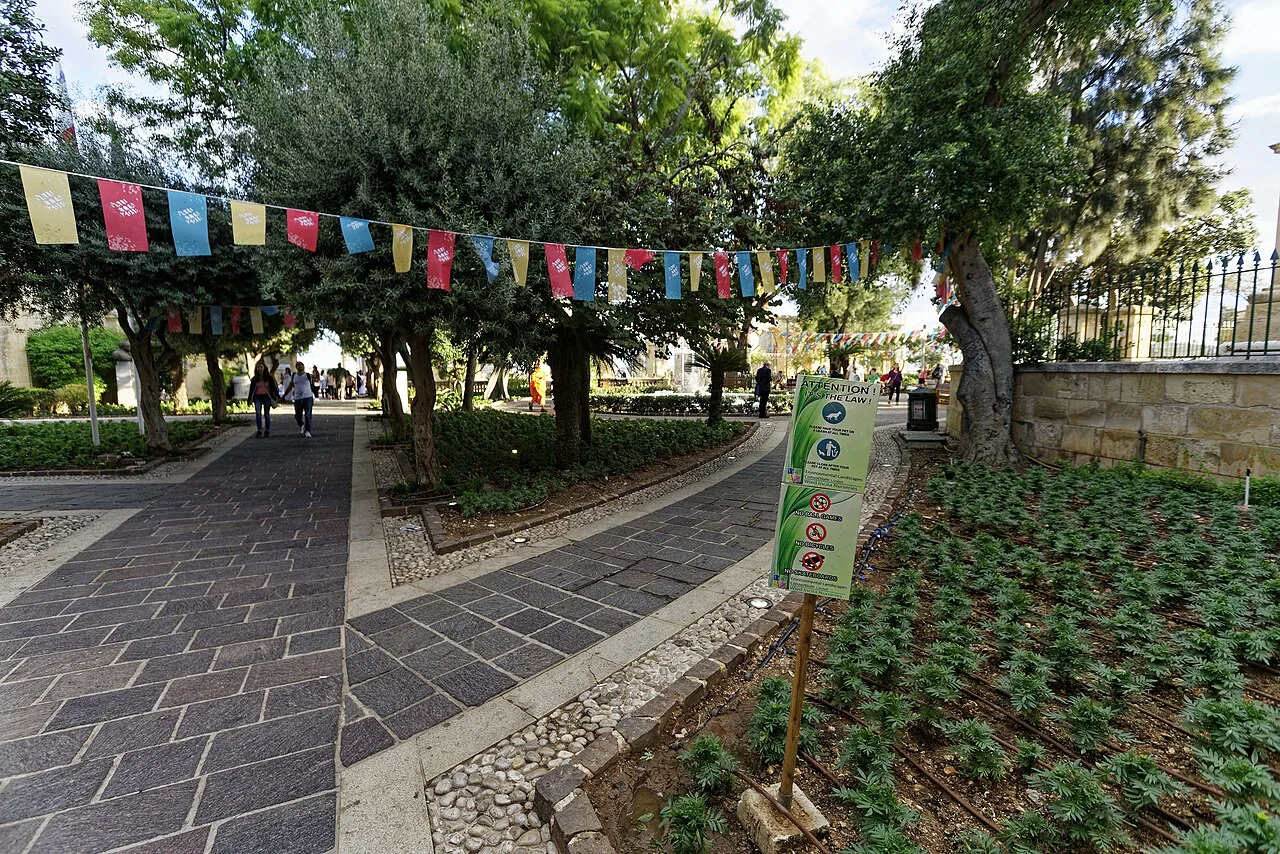
Valletta puts the capital on your doorstep and the ferry to the Three Cities a short walk away, but the city empties in the evening and parking is difficult. Sliema and St Julian's trade character for sea views and a short bus or ferry ride into Valletta, which suits a three or four-day trip built around the harbour.
Buġibba and Qawra in the north are cheaper and well placed for the Gozo ferry at Ċirkewwa, though every Valletta day starts with a bus ride. Mellieħa suits a car-based week that leans on the north and the ferry, while Gozo itself gives you the island at its quietest at the cost of a crossing whenever you want the main island.
For a three-day trip, base in Valletta or Sliema and accept that Gozo is out. For five days or more, the northern bases start to make sense because the ferry and the temples are closer. Match the base to the plan, not to a hotel photo.
Getting between the pieces: walking Valletta and Mdina, buses, the Gozo ferry and boat crossings
Valletta and Mdina are both walking cities: park or arrive by bus outside the walls and cover the streets on foot. The distances inside each are short but steep in places, so build in pauses rather than planning a tight circuit. The harbour ferry between Valletta and the Three Cities is the most scenic link on the island and saves you the bus loop around the creeks.
Buses connect Valletta with Mdina, the harbour towns and the northern coast, but each change costs waiting time that adds up across a day. The Gozo ferry runs from Ċirkewwa to Mġarr and takes foot passengers and cars; in summer the car queue at Ċirkewwa is the part that eats your morning, so an early start matters more than a fast car. Check current ferry times and fares before you fix the day.
Boat trips to the Blue Grotto and around Comino run from the south and north coasts respectively. These are weather-dependent and sold on the day in places, so treat them as optional extras rather than fixed itinerary pieces.
Ticket and timing constraints that decide the order of your days
The Ħal Saflieni Hypogeum in Paola is the one booking that can reshape a trip. Tickets are limited and released in advance, and popular slots go early, so check availability before you lock in your Valletta and Mdina days. If your preferred slot falls on a harbour day, move the harbour day rather than the Hypogeum.
The temple sites at Ħaġar Qim and Mnajdra, and Ġgantija on Gozo, are exposed limestone with little shade, so put them early in the day and keep the afternoon for a town or a museum. St John's Co-Cathedral and the National War Museum give you indoor options when the weather turns.
Book the fixed items first, then build the flexible days around them. The temples, the Hypogeum and any boat trip are fixed; Mdina, the Three Cities and Marsaxlokk can move.
Where the Three Cities fit if you are short on time
With half a day, choose one of the Three Cities rather than all three. Birgu (Vittoriosa) gives you the waterfront, the Fort St Angelo approach and the lanes behind it within a short walk of the ferry landing, which makes it the efficient choice. Senglea (L-Isla) offers the viewpoint back at Valletta's bastions and little else at speed.
If you have a full day, do Birgu in the morning and Senglea in the afternoon, with Cospicua (Bormla) as a pass-through on the way back to the ferry. The order matters less than the ferry times, which set your last crossing back to Valletta.
Short on time entirely? Drop the Three Cities before you drop Mdina. Mdina delivers more per hour, and the harbour view from the Upper Barrakka Gardens gives you a taste of the Three Cities without the crossing.
What to drop first when you have fewer days than you planned
Drop the furthest outlier first. On a three-day trip that means Gozo, which needs a ferry, a full day and an early start. Next to go is the south around Marsaxlokk, which is lovely but not essential if the capital and the hill town are new to you. The Three Cities are not a candidate for cutting on a short trip, because they form the third leg of the core plan.
Keep Valletta, Mdina and Rabat, and the Three Cities in that order. These three give you the walled city, the hill town and the harbour, which is the core of what most visitors come for. Add the temples only if a morning is spare.
Do not drop St John's Co-Cathedral to save time. It sits inside the Valletta day and takes an hour, and it is the single interior most visitors remember. Cut a museum instead.
A wet or very hot day: swapping exposed temple sites for Valletta's churches and museums
The temple sites and Mdina's streets are the first things to fail in heat or rain. Ħaġar Qim and Mnajdra have little shelter, and Mdina's lanes offer shade but no indoor bolt-hole at the far end. Move those days and keep Valletta for the bad weather.
In Valletta, St John's Co-Cathedral, the National War Museum at Fort St Elmo and the Upper Barrakka Gardens give you a mix of indoor and covered stops within a short walk. The gardens are exposed, so save them for a break in the rain rather than a plan in itself.
On Gozo, the Citadel (Ċittadella) in Victoria and the Cathedral of the Assumption inside it work in poor weather, while Ġgantija does not. Swap the temple for the Citadel and keep the ferry crossing.
Which itinerary shape fits your trip
Choose by days, not by ambition: three days for Valletta, Mdina and the Three Cities; five days to add a full day on Gozo; seven to split the temples, the south and a slower capital. Base yourself in Valletta or Sliema for short trips and in the north or on Gozo for longer ones that lean on the ferry.
Book the Hypogeum first, put the exposed temple sites in the morning, and treat Gozo as a full day rather than a half. Everything else can move around those three fixed points. Verify current opening times, ferry times and ticket availability before you book, since these change through the year.
Explore more Malta guides
Frequently Asked Questions
How long do you need in Malta?
Three full days cover Valletta, Mdina and Rabat, and the Three Cities; five days add a full day on Gozo, and seven let you split the temple sites from the south coast around Marsaxlokk. Count full days rather than nights, because arrival and departure days rarely give you a usable half-day. If you only have two days, keep Valletta and Mdina and leave the islands for another trip.
What is a good 4-day itinerary for Malta?
Give day one to Valletta, entering through City Gate and finishing at the Upper Barrakka Gardens. Day two pairs Mdina with Rabat, with the morning inside the walls and the afternoon at the catacombs. Day three crosses the Grand Harbour to Birgu (Vittoriosa) and Senglea (L-Isla), and day four returns to Valletta for St John's Co-Cathedral and Fort St Elmo at a slower pace, or takes a boat trip if the weather holds.
Can you do Malta in 3 days without a car?
Yes, if you keep to Valletta, Mdina and Rabat, and the Three Cities. Buses link Valletta with Mdina and the harbour towns, and a ferry crosses to the Three Cities, so no car is needed for the core plan. The trade-off is waiting time between connections, which is why most three-day visitors skip Gozo and the temple sites entirely. A taxi for the Mdina day saves the most time.
Sources
Notes for your Malta trip
Optional updates when we add or correct a Malta or Gozo guide.
You might also like
Continue reading
More guides you'll find useful