Malta vs Cyprus: Which Island Suits Your Trip?
Malta vs Cyprus compared for a Mediterranean trip: size, transport, costs in euros, climate, sights and food, with a clear verdict on which suits you best.
On this page
Pick Malta if you want a short break built on walled cities, harbours and temples reachable by bus, and Cyprus if you want room to spread out, intense summer heat and, on one traveller's account, a slightly lower everyday spend. Malta packs a dense set of sights into a small island, while Cyprus trades that concentration for scale. This comparison sets the two side by side on size, transport, costs, climate, towns and food, using a personal comparison account plus size data.
If Malta is the answer for you, treat Valletta as the anchor and build the days around it. Our Malta itinerary covers how to sequence the capital, Mdina and the Three Cities without wasting afternoons on buses.
Malta vs Cyprus at a glance: size and scale
Malta covers roughly 316 sq km and Cyprus roughly 9,251 sq km, which makes Cyprus about 29 times bigger. For a traveller that gap matters more than the numbers: in Malta almost everything on the main island sits within a short drive of Valletta, while Cyprus spreads its towns, coast and mountains across distances that eat into a short break. Comino, the smallest of Malta's islands, works as a day trip rather than a base.
Cyprus sits further east, closer to Turkey and Lebanon than to mainland Europe, and travellers tend to focus on Paphos, Larnaca, Limassol, Nicosia, the Troodos Mountains and Ayia Napa. Malta sits just south of Sicily, with the main island holding most visitors and Gozo offering a quieter pace a short ferry away. Scale decides the shape of the holiday: a handful of bases in Malta, or two or three in Cyprus.
Getting there and getting around
Direct flights from the UK run to Malta year-round, and the airport is close enough to reach St Julian's or Mdina in under 30 minutes by bus or taxi. Buses across the island are frequent and easy to follow, with occasional delays from traffic, and many visitors manage the whole trip without hiring a car. Ferries to Gozo run from Cirkewwa or Valletta, which keeps a day across the water simple to plan.
For a Malta trip without a car, bus services make St Julian's and Mdina reachable from the airport in under 30 minutes, and Gozo is a short ferry hop from Cirkewwa or Valletta.
Cyprus gives you a choice of Larnaca or Paphos airports, at opposite ends of the island; Larnaca is about a 15-minute taxi ride into town and Paphos about 10 minutes. The island is large enough that a hire car pays off if you want to explore widely, though local buses and inter-city services are workable for a stay in one or two places. Decide which airport and which coast before you book, because the transfer time differs sharply between them.
Costs in euros: meals, museum entry and rooms
In Malta, the same personal comparison puts a decent meal at about €15–20, a pizza under €10, and museum and historic site entry usually under €10. Accommodation ranges widely by season, with budget rooms from roughly €25–30 a night off season and private rooms or apartments around €50–80. Valletta is the pricier base, with the writer quoting around €100 a night even off season, so many travellers use it for sightseeing and sleep elsewhere. Cyprus felt slightly cheaper overall to the same writer, with big plates of souvlaki, salad and wine at around €10–15 and low supermarket prices. In spring or autumn a comfortable studio or hotel room often falls in the €40–60 band, and basic rooms stay around €40–60 even in summer. If everyday eating and room rates drive your budget, those impressions favour Cyprus.
Build the budget around tickets as well as beds: on Malta museum and historic site entry is usually under €10, so a sightseeing-heavy day costs little beyond transport and lunch. But a Valletta hotel bill can dwarf everything else on the trip, with the writer quoting around €100 a night even off season, so compare a Valletta base against staying elsewhere before committing.
Weather and seasonality
Malta's climate is stable Mediterranean: winters typically sit at 12–16°C and summers at 28–32°C, with rain rare between May and October. That makes the island workable outside high summer, when the stone streets and open temple sites get hot at midday.
Cyprus runs hotter in summer, often above 35°C in July and August along the south coast, and winter can dip to about 5°C in the Troodos peaks. If you want gentle walking weather and shorter queues, Malta's milder shoulder months are the safer bet; if you want guaranteed heat, Cyprus delivers more of it.
Cities and towns: Valletta, Mdina and the Three Cities against Paphos, Larnaca, Limassol and Nicosia
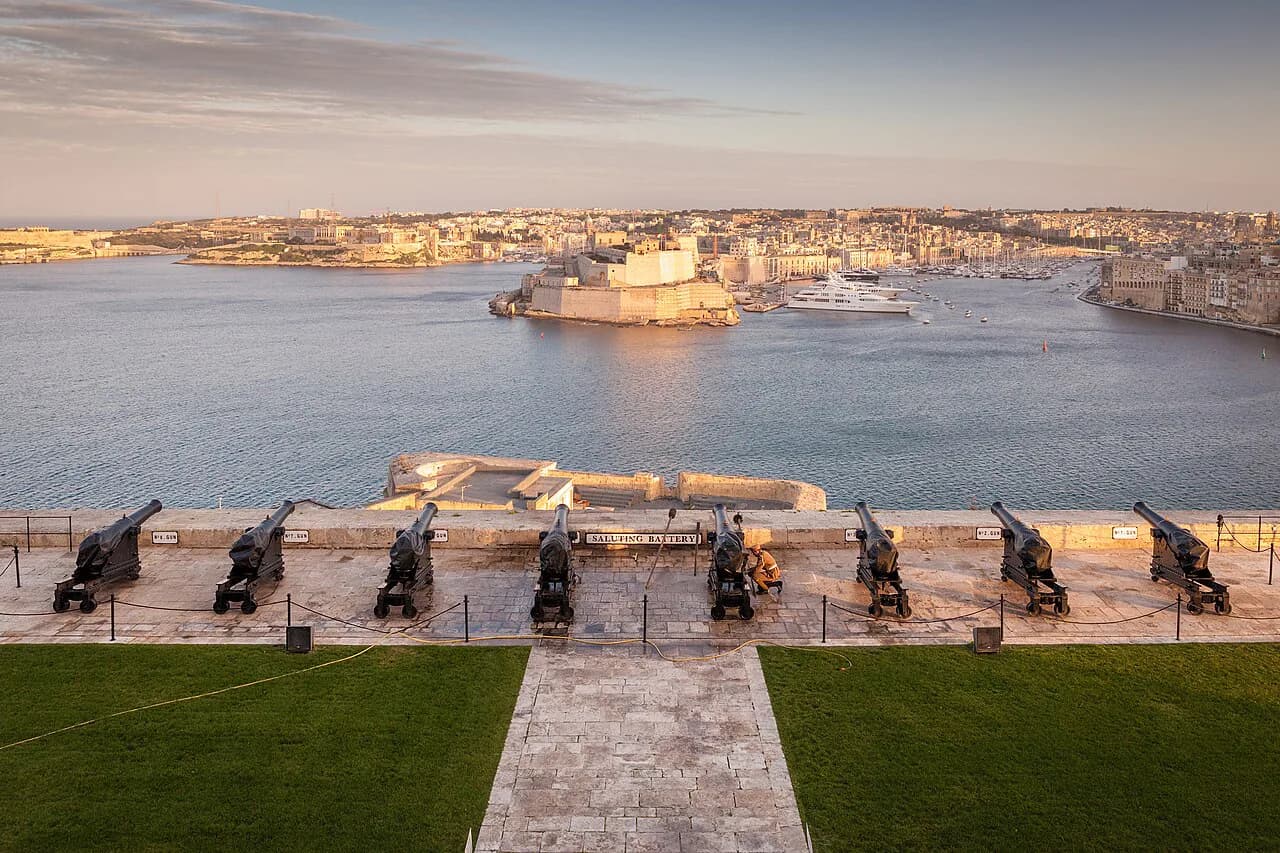
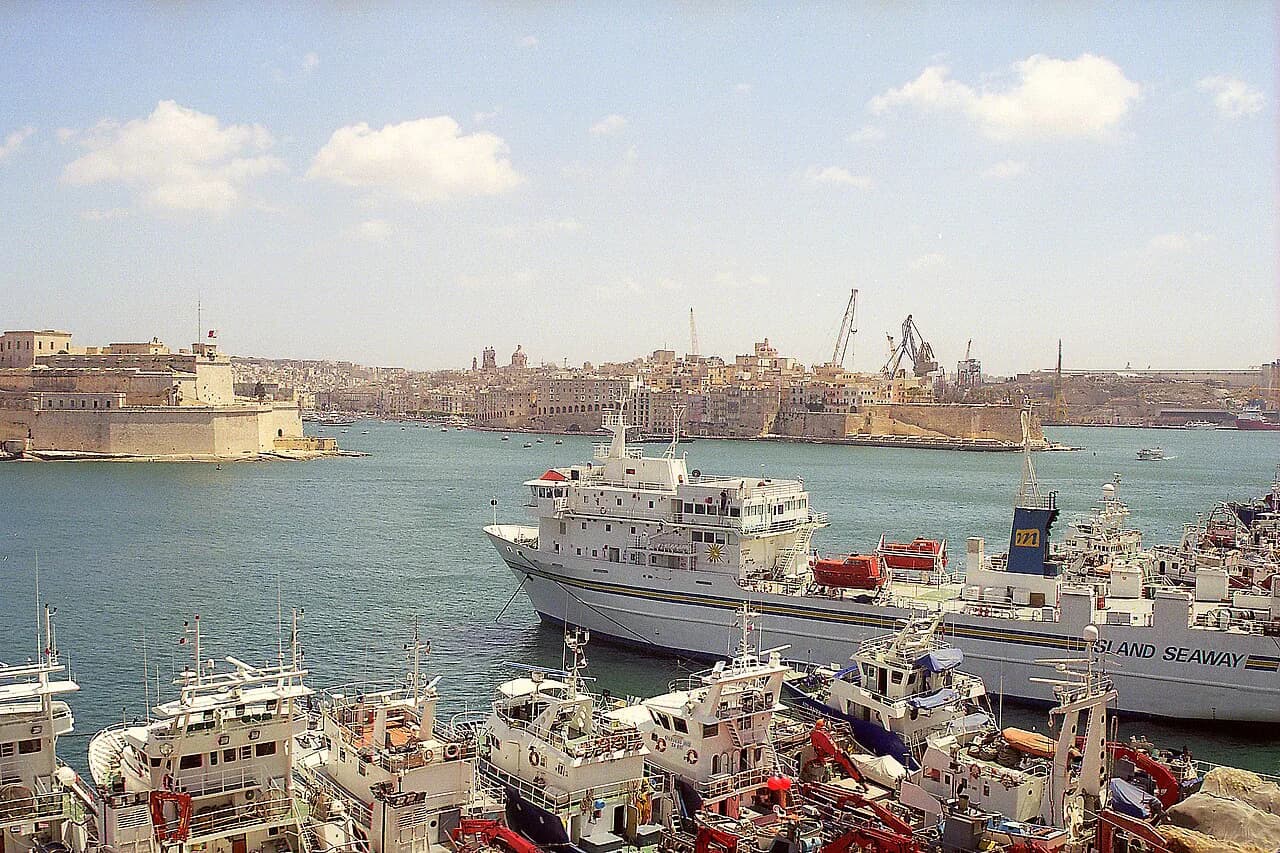
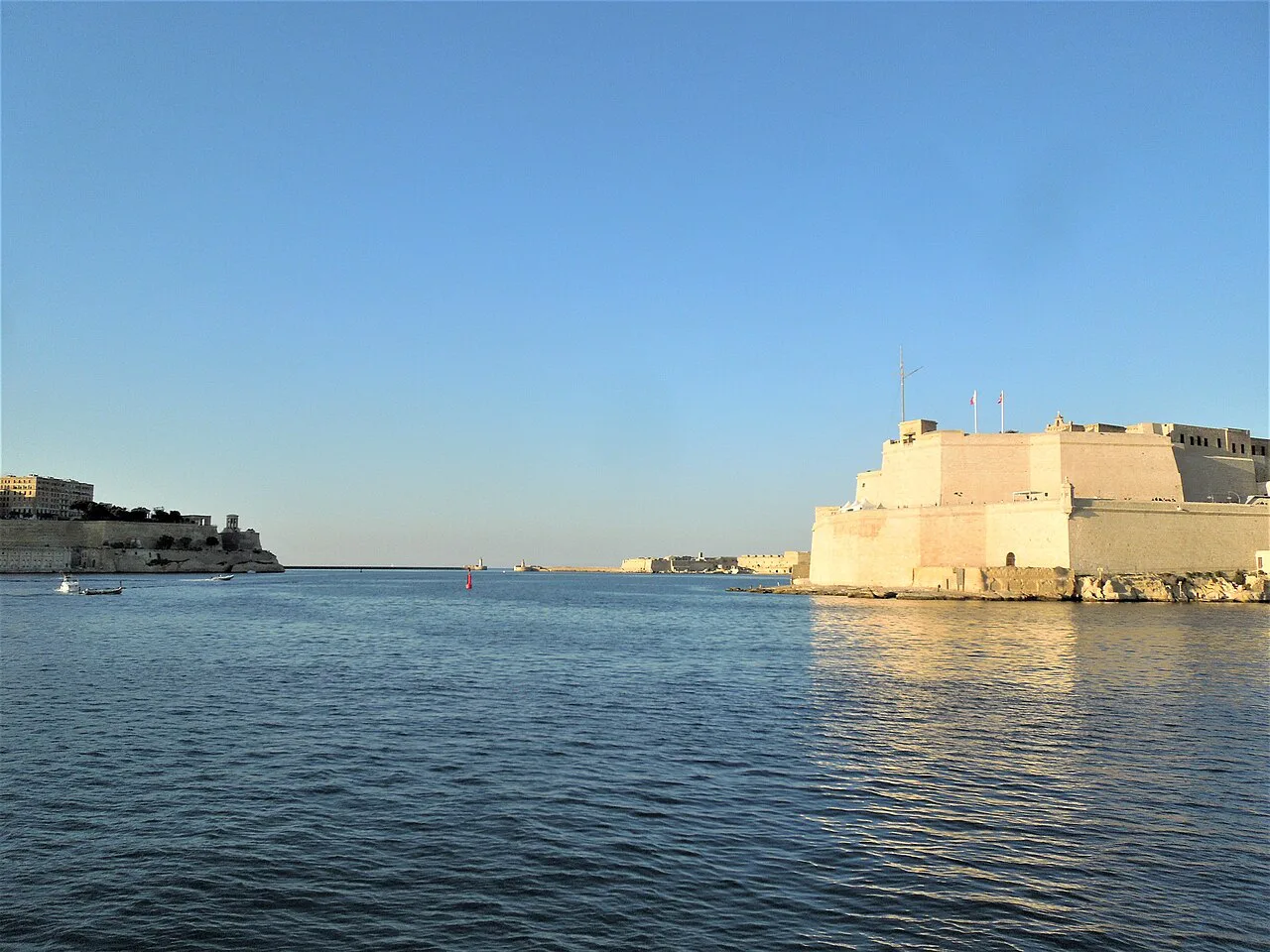
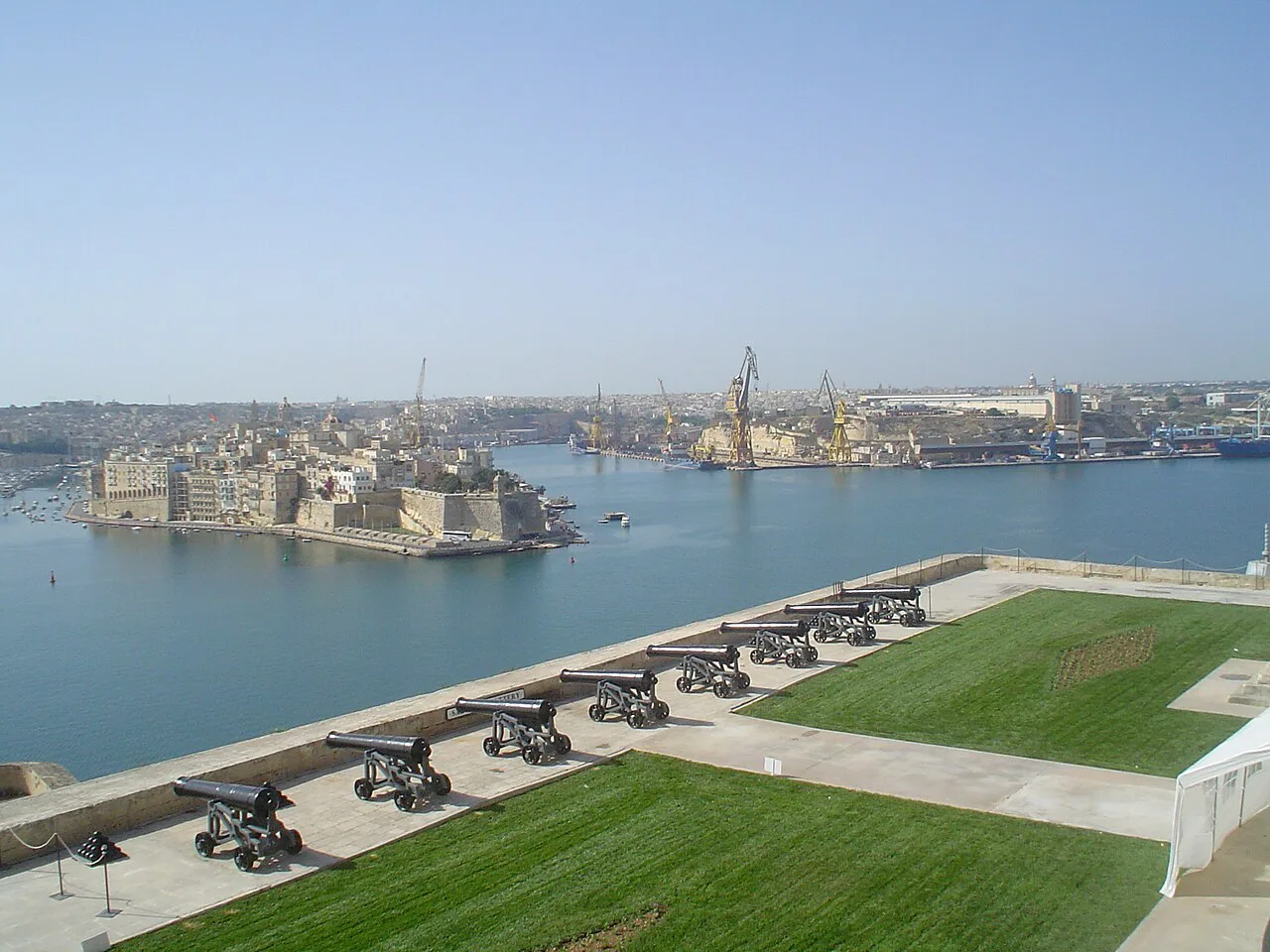
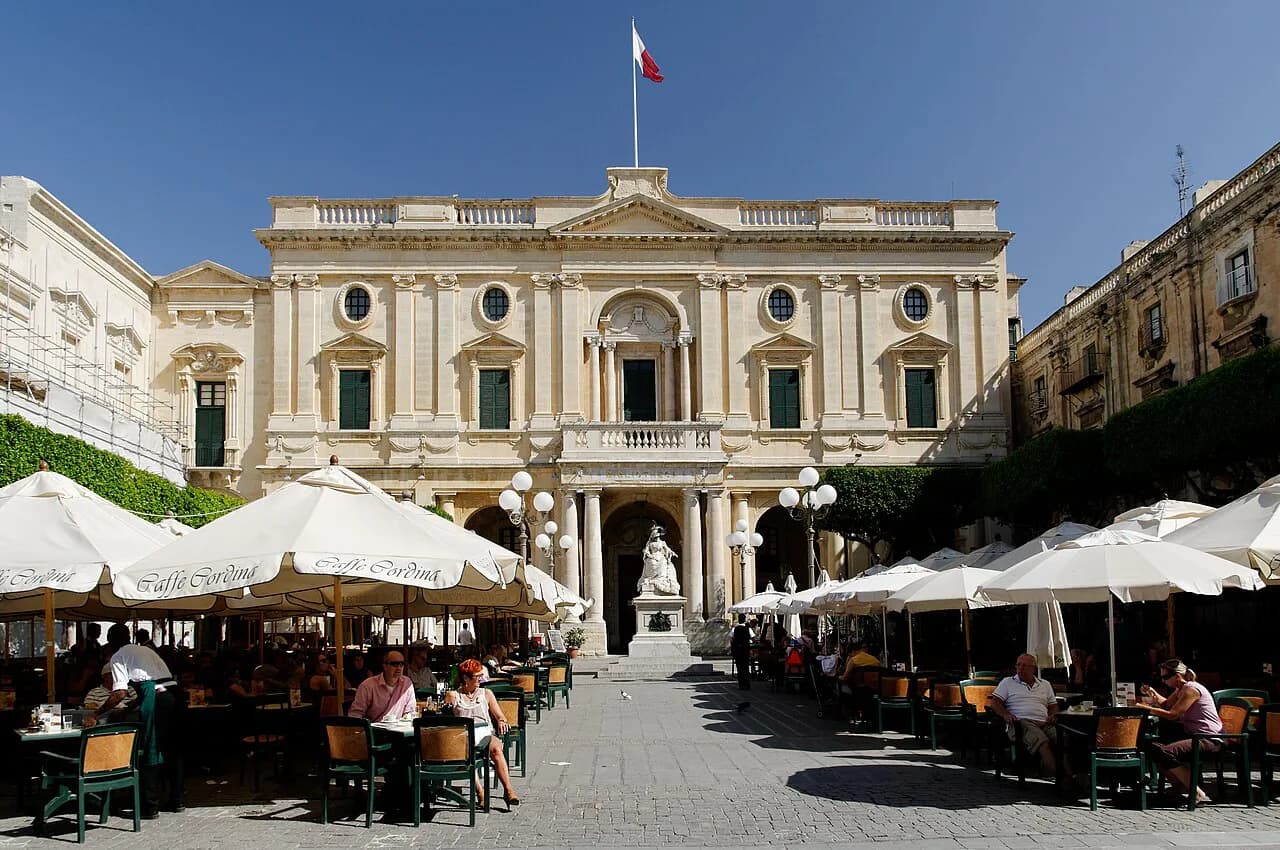
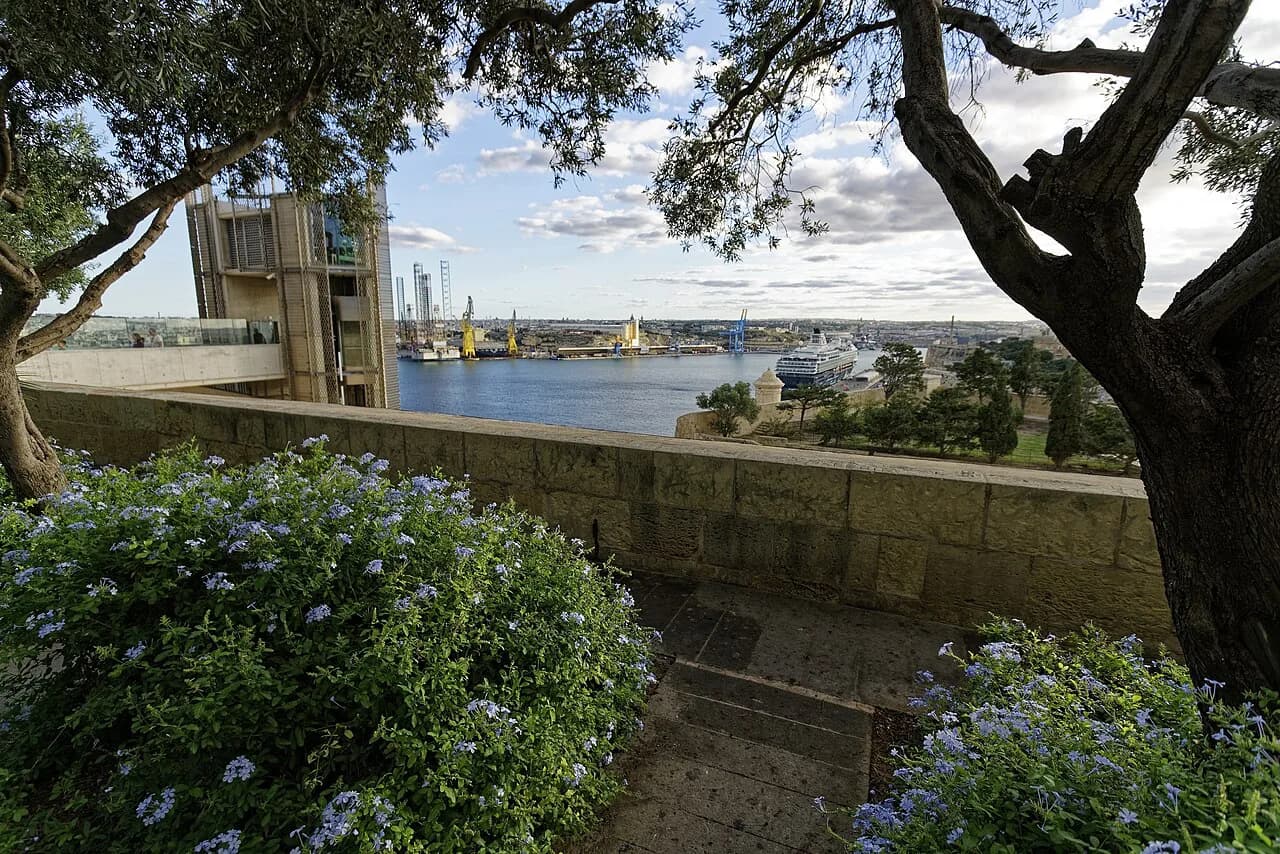
Malta's towns are close together and each has a distinct job. Valletta holds the grid of streets, palaces and churches; Mdina the quiet walled lanes inland; and across the Grand Harbour the Three Cities give the harbour its forts and waterfront. That density means you can see a walled city in a morning and cross the harbour in the afternoon without a long transfer.
Cyprus spreads its urban stops across the island: Paphos, Larnaca, Limassol and Nicosia each anchor a different region, so a week usually means picking two and touring outward from them. Nicosia sits inland and the Troodos villages lie beyond it, which makes a hire car more useful the further you go from the coast.
If you have two days in Malta, spend them on Valletta and Mdina rather than trying to tick off every town. Our 2 Days in Malta guide orders the stops around walking distances and bus hops, which is the only way the compact island actually saves you time.
Culture and history: forts, temples and walled cities
Malta's cultural weight sits in its walled cities, harbours and historic sites, which are packed tightly enough that you can move between them in a single day, with the Three Cities across the Grand Harbour within a short hop of Valletta. For a workable order across the capital and the old capital, our 3 Days in Malta outline is the sequence to start from.
Cyprus counters with its own spread of archaeology and the Troodos mountain villages, where visitors spend more time driving between stops. Neither island rewards a checklist approach: in Malta the walled cities and harbours repay an early start, and in Cyprus the distances mean fewer sites per day but more variety between coast and mountain.
Food and drink
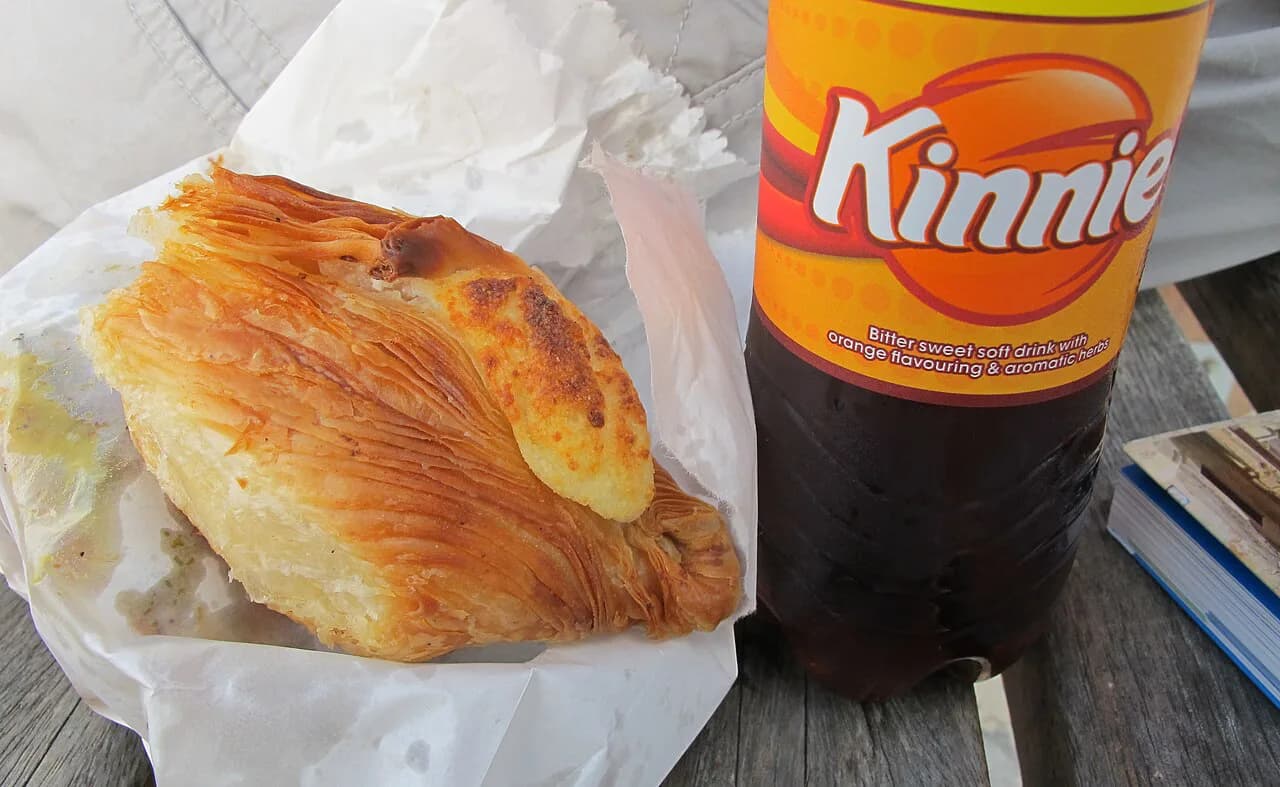
Malta's eating is mid-range European: a solid meal at €15–20, pizza under €10, and wine that stays cheap if you drink Italian labels. The food is not the main event for most visitors, but it rarely blows the budget either. Cyprus tends to win on food value, with generous plates of souvlaki, salad and wine around €10–15 and low supermarket prices even in touristy towns. If eating well cheaply is a priority, that gap is worth weighing against Malta's tighter sightseeing geography.
Should you add Gozo to a Malta trip?
Yes, if you have three days or more on Malta. Gozo runs at a slower pace than the main island, and a ferry from Cirkewwa or Valletta makes it an easy day out rather than a logistical project. The trade-off is time: a day trip leaves you skimming Victoria and the Citadel (Ċittadella), so a night on Gozo suits anyone who wants the villages properly.
Malta gives you density and public transport; Gozo gives you a slower pace and quieter days. The choice comes down to how much time you have.
With four days in Malta, one full day on Gozo still leaves time for Valletta and Mdina without rushing either. Our 4 days in Malta plan shows where the Gozo day slots in, and how to keep the ferry crossing from swallowing the morning.
Who each island suits
Malta suits short-break culture travellers, bus users and anyone who wants to see walled cities, harbours and historic sites without driving. Winter is mild at 12–16°C and rain is rare between May and October, so travel outside high summer is comfortable. If you are still weighing whether the island earns the flight, our is Malta worth visiting piece sets out what you get and what it costs.
Cyprus suits travellers who want space, hotter summers and a car to reach the Troodos villages and scattered sites. On the same writer's impressions it also comes out slightly cheaper on everyday eating and rooms, which matters on a longer stay.
If you only have a week and want to cover Malta properly, keep the base compact: one base, a Valletta day and a Gozo day.
Common mistakes to avoid
The most common error is assuming Malta needs a car. Buses are frequent and easy to navigate, and the short distances between Valletta, Mdina and the harbour towns reward public transport over parking.
The second is underestimating Cypriot summer heat: south-coast temperatures above 35°C in July and August make midday sightseeing uncomfortable, so plan indoor or shaded stops for the middle of the day.
The third is leaving Valletta's pricing out of the budget. Even off season, the capital is an expensive base, so sightsee there and consider sleeping elsewhere.
Finally, check how many days you actually have before adding islands or cities.
Which island should you book?
Book Malta if your priority is a compact, bus-friendly break where walled cities, harbours and historic sites sit close together, and you can travel outside the hottest weeks. Book Cyprus if you want more space, dependable summer heat, and — on one traveller's account — a slightly lower everyday spend, and you are willing to hire a car to use the island properly.
On a Malta trip, decide early whether Gozo is a day trip or an overnight and build the Valletta and Mdina days around that. Our 3 days in Malta outline keeps the capital, the old capital and the harbour towns in a sensible order.
Explore more Malta guides
Frequently Asked Questions
Which is nicer, Malta or Cyprus?
Neither is nicer in the abstract; they suit different trips. Malta is denser and easier without a car, with walled cities, harbours and historic sites close together and mild winters. Cyprus is far larger and hotter in summer, and the travel comparison we drew on felt it was slightly cheaper on food and rooms, and it rewards having a car. Choose by whether you want compact sightseeing or space and heat.
Is Malta warmer than Cyprus?
No. Malta's summers typically sit at 28–32°C, while south-coast Cyprus often climbs above 35°C in July and August. Malta's winters are mild at 12–16°C, and Cyprus winter can fall to about 5°C in the Troodos peaks, so each island has a different pattern rather than one being warmer everywhere.
Can you do Malta without a car?
Yes. Buses across Malta are frequent and easy to follow, with occasional traffic delays, and the airport reaches St Julian's or Mdina in under 30 minutes by bus or taxi. Ferries link Cirkewwa and Valletta with Gozo, so a car is optional rather than necessary for most short breaks.
Sources
Notes for your Malta trip
Optional updates when we add or correct a Malta or Gozo guide.
You might also like
Continue reading
More guides you'll find useful