Malta or Gozo: How the Two Islands Differ and How to Split a Trip
Malta packs in Valletta, Mdina and the temples, while Gozo is smaller and quieter. See how the islands compare and how to split a week between them.
On this page
Choose Malta if you want the density of sights, the transport hub and the city evenings; choose Gozo if you want a smaller base with a half-day capital and a slower pace. Most travellers with a week are best served by splitting the stay rather than picking one, because the two islands sit close together and each rewards a different mood. This guide sets out what each island actually contains, how you get between them, what buses cost in euros, and how to divide your nights; our Malta itinerary covers a full week on the main island if you want to start there.
The comparison below names the specific gates, streets, squares and temples that decide the question for most people, and it flags the honest trade-offs: cruise-day crowds in Valletta, tour groups in Mdina, midday heat at the temple sites and packed stops at the Blue Lagoon. If you are still working out how many nights to book, the question of how many days in Malta you need is worth settling before you look at ferries.
Malta or Gozo: the short answer
Malta is the island for first-time sightseeing: Valletta, Mdina, the Three Cities, the southern temples and the fishing harbour at Marsaxlokk are all on the main island or reached from it. Gozo is the island for a calmer base, a compact capital at Victoria with the Citadel above it, and a half-day of wandering that does not need a bus timetable.
If you have only a couple of days, stay on Malta and treat Gozo as a possible day trip rather than a move. With a week you can comfortably give Malta four or five nights and Gozo two or three, which is the split that lets you see the main sights without hauling luggage across the water twice.
Gozo is reached by ferry from the Malta terminal or by a day boat, so the choice is about pace and bases rather than committing to one island for the whole trip. A day boat from the Malta coast that stops at the Blue Lagoon before continuing to Gozo is one way to combine the two, and it works well if you would rather not organise the ferry yourself.
How the two islands differ in size, pace and feel
Malta is the busier of the two, with the capital, the airport, the main bus terminal and most of the visitor infrastructure. Gozo is very small by comparison, which is why people describe it as quieter and less built-up; the trade-off is fewer sights and a shorter list of evening options.
On Malta, distances are short enough that nothing on the main island is more than about an hour away, which makes single-base day trips practical. On Gozo the appeal is the opposite: you unpack once and the day's plan is a short bus ride or drive to Victoria, a village church or a coastal viewpoint.
That difference shapes how you spend money and time. Malta rewards an early start and a full day out; Gozo rewards a slow morning and a long lunch, with the Citadel and Victoria filling an afternoon rather than a whole day.
What you see on Malta: Valletta, Mdina, the Three Cities, Ħaġar Qim
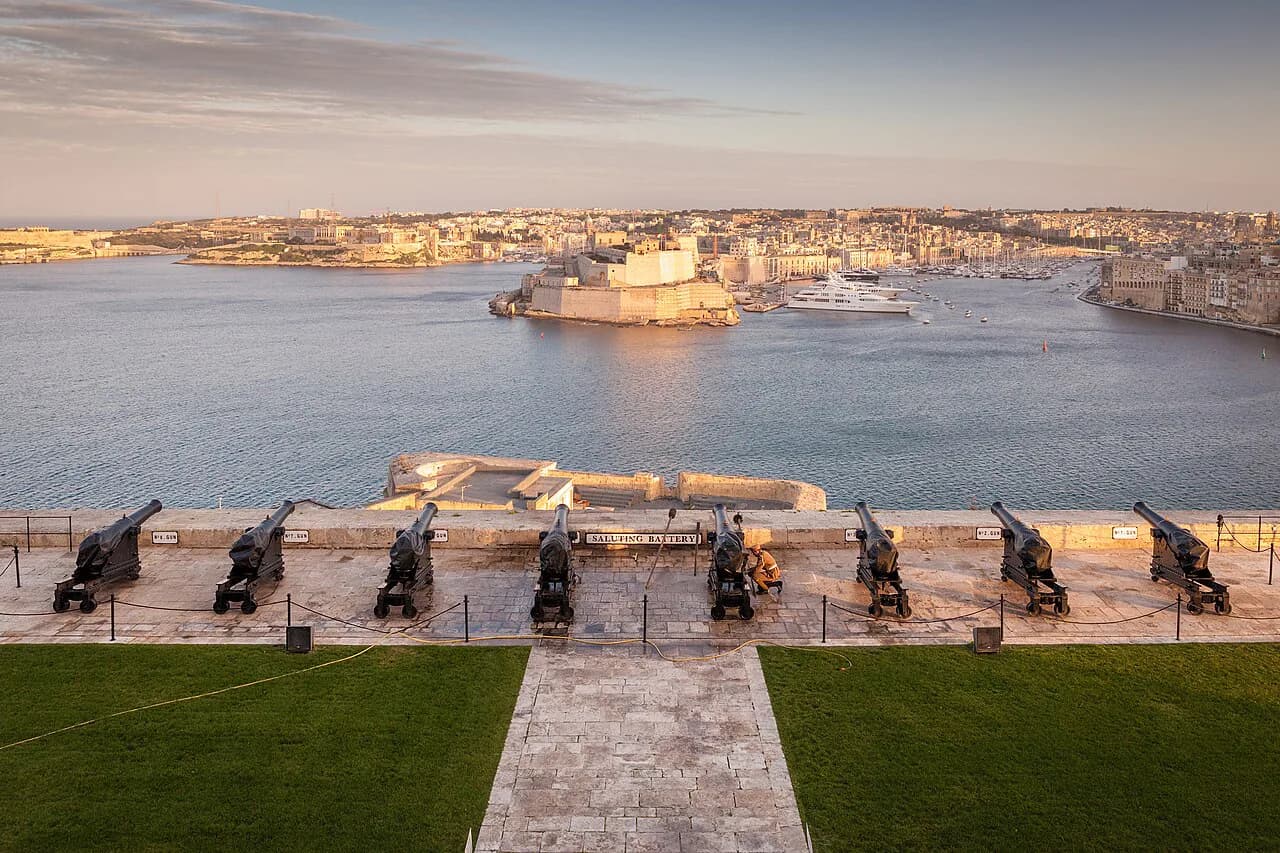
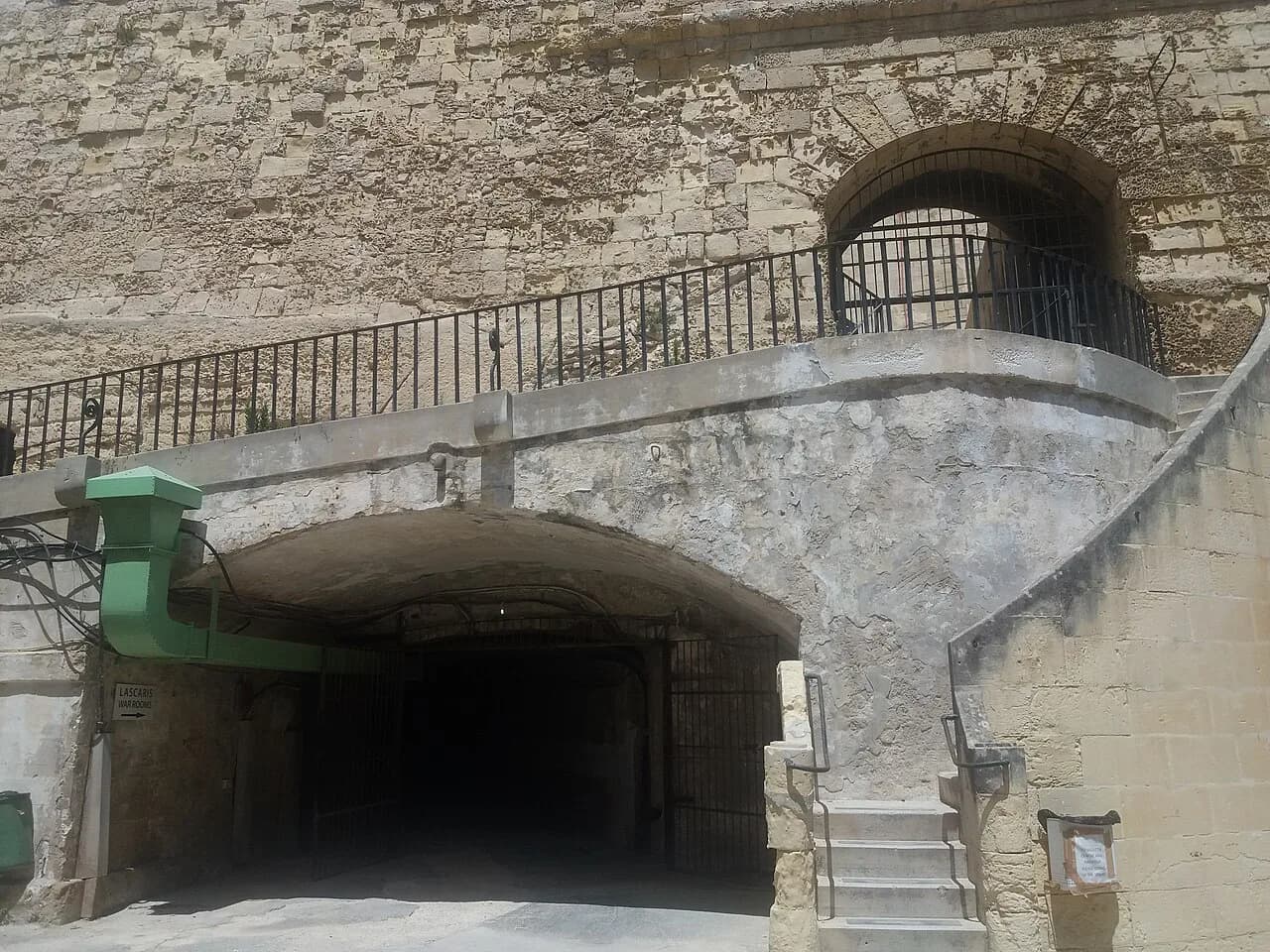
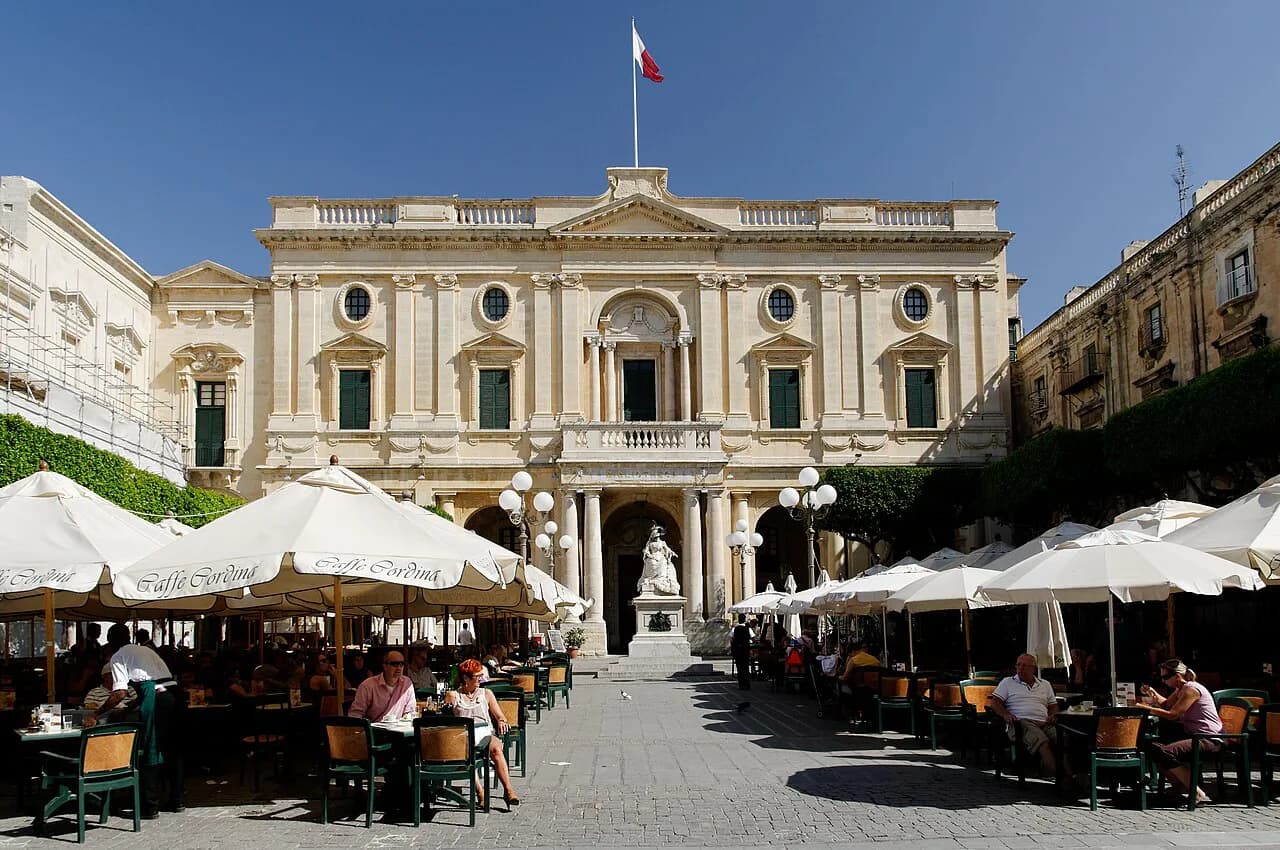
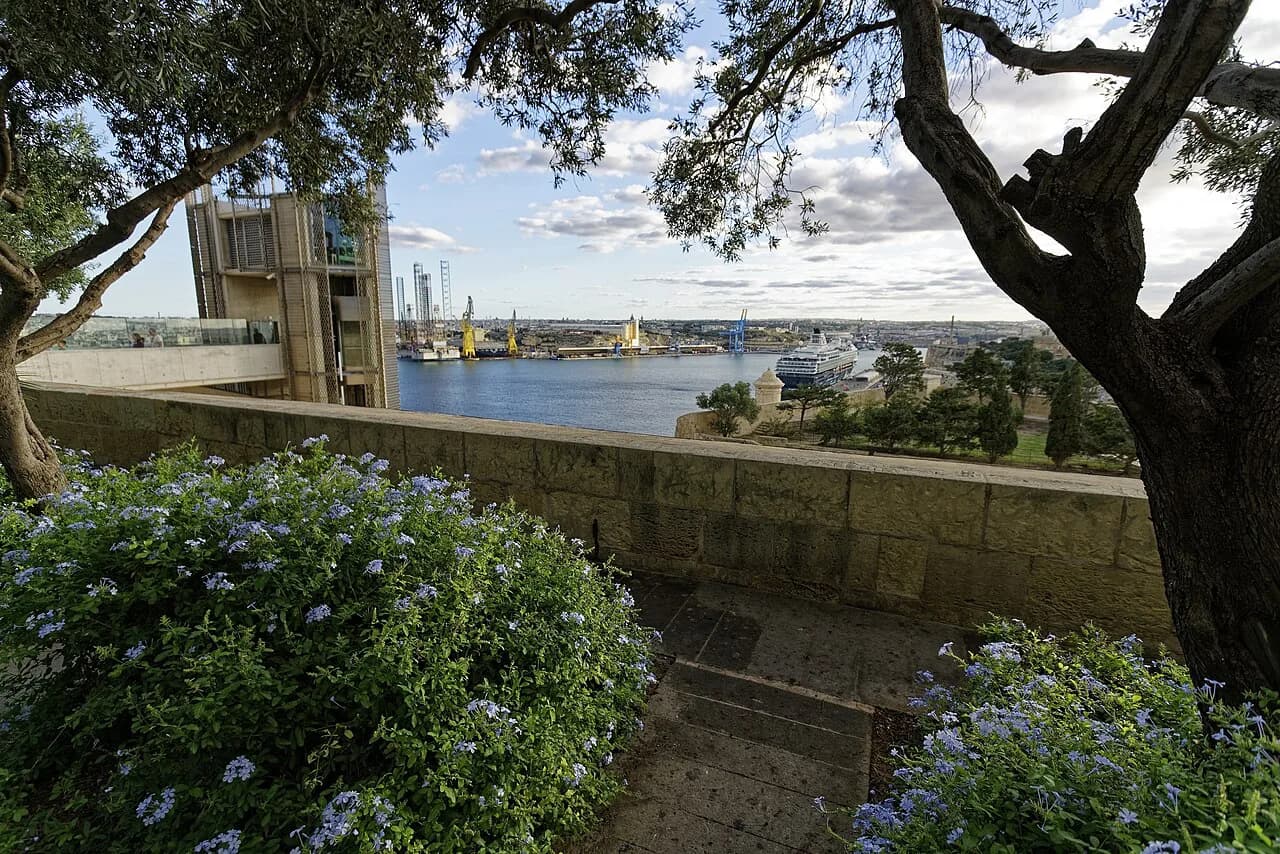
Valletta is compact and walkable, with Republic Street and Merchant Street as the main shopping spines and the side streets quieter and more interesting. St John's Co-Cathedral is the interior most visitors remember, and the Barrakka gardens give you the view over the Grand Harbour across to the Three Cities; Fort St Elmo and the National War Museum sit at the tip of the city. Our 2 Days in Malta plan covers the capital in detail if you are short on time.
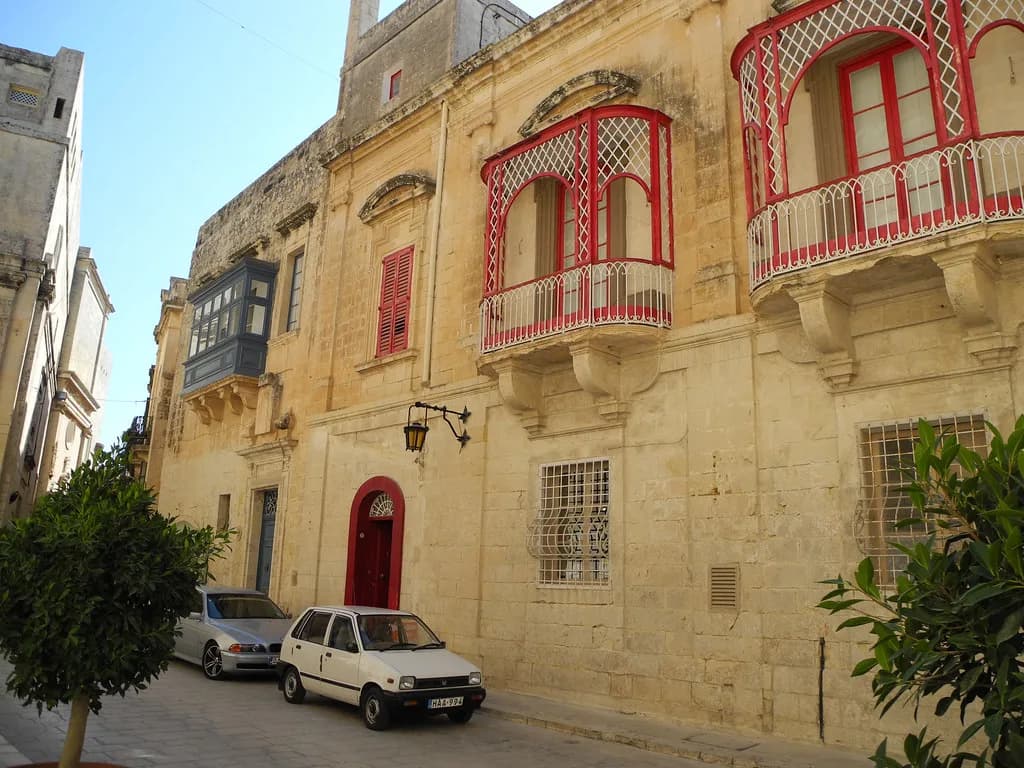
Mdina is the walled city on a hill in the centre of the island, entered across a bridge, with a small resident population, gift shops, a tourism information office and a handful of cafés and restaurants inside the walls. Rabat sits immediately outside the walls and is the natural pairing with Mdina for a morning or an afternoon rather than a rushed hour.
Across the water, Vittoriosa (Birgu) is a rewarding one of the Three Cities to walk, with the Inquisitor's Palace among the sights and fewer visitors than Valletta. In the south, Ħaġar Qim is a megalithic temple complex listed as part of the UNESCO Megalithic Temples of Malta, and the paired site of Mnajdra is close enough to visit on the same outing. Pair it with our guide to the temples before you set out.
Marsaxlokk, the fishing village on the south-east coast, is the place for a harbour lunch and the painted luzzu boats, and the Blue Grotto sea caves are on the same southern stretch of coast. Build these into a southern day rather than scattering them across the week.
What you see on Gozo: Victoria and the Citadel, and a half-day in the island's villages
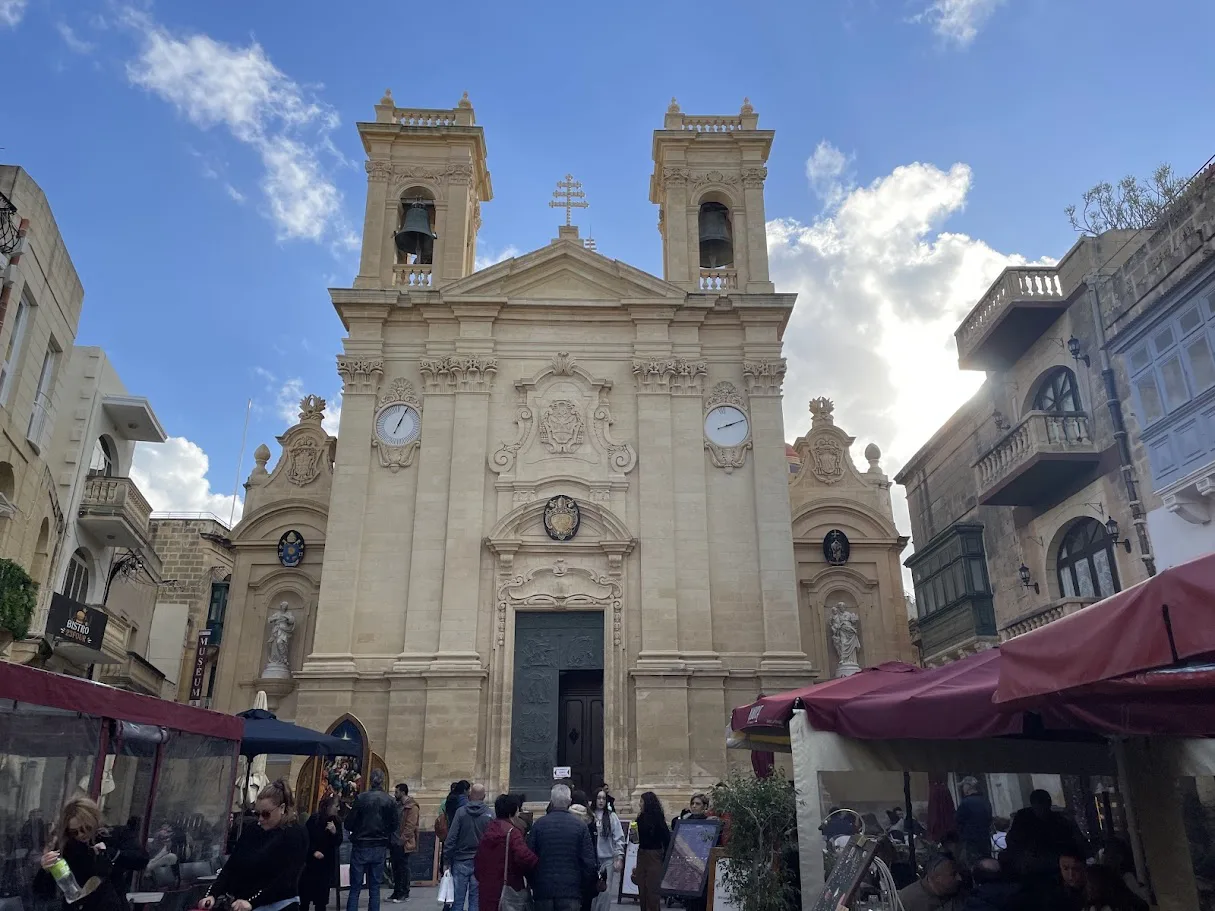
Victoria is Gozo's capital and the hub for everything else on the island, with the Citadel (Ċittadella) on its hill above the streets. A bus from the port into Victoria plus a wander around the Citadel fills a half-day comfortably, which is the realistic allowance for most day-trippers.
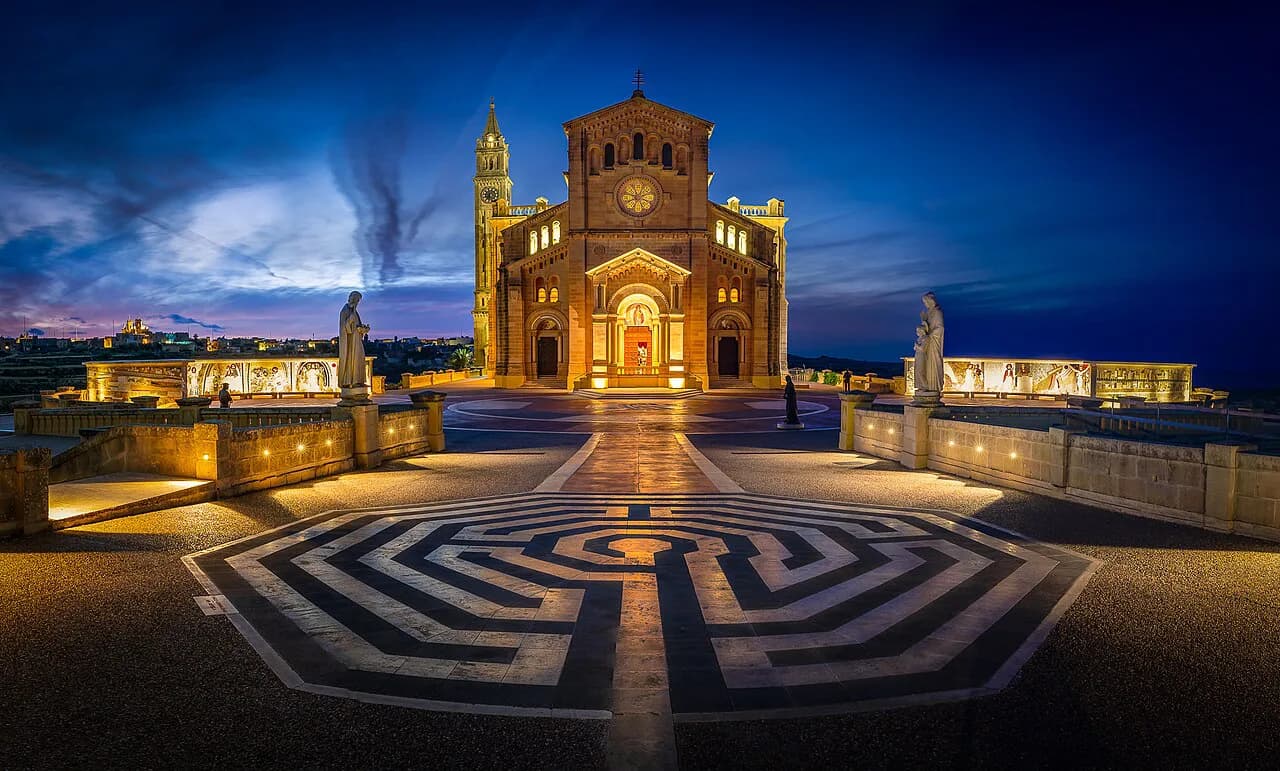
Gozo's second pleasure is the villages, where the plan is a church, a square and a slow lunch rather than a checklist. If you are staying two or three nights, give one day to Victoria and the Citadel and another to a village or two, and keep the evenings for the harbour towns.
The island is small enough that the change of register is clear soon after you arrive: fewer crowds, shorter walks, more relaxed dinners. That is the reason to give Gozo nights rather than a flying visit, even though the sights are fewer.
Getting between the islands: ferry, bus and day boat trips
The standard route is the ferry from the Malta terminal to Gozo, with buses meeting the ports at each end; on the Gozo side you pick up a bus to Victoria. A day boat from the Malta coast is the alternative, and some of those trips include a stop at the Blue Lagoon on the way, which suits travellers who want the crossing handled for them.
Treat the boat trip and the ferry as different products. The ferry is transport that leaves you to plan your own day on Gozo; the day boat is an excursion with fixed stops, which is easier but gives you less time in Victoria and the Citadel. Pick according to whether you want freedom or a packaged route.
Whichever you choose, plan the return leg before you set out so that the crossing fits around the rest of your day. Treat ferry timings and day-boat departure times as things to confirm with the operator rather than fixed points you can build a tight schedule around.
Getting around each island: Tallinja buses on Malta, buses from Victoria on Gozo
On Malta, the Tallinja bus card is the sensible buy if you are not renting a car. Twelve single journeys cost €15.00, which works out at about €1.20 a trip, and transfers made within a set time window are included when you tap the card again. Cards are sold in shops around the island, so buy one early rather than relying on the Valletta bus terminal.
The catch is capacity: routes serving popular beach areas fill up, and at the end of the day the wait for the next bus can stretch from around half an hour to an hour. Leaving a sight or a beach earlier than you would like is the simplest fix, and it matters most when everyone is heading back at once.
The card also covers the journey to Malta International Airport, which is handy if you are flying home from a Valletta base, though the bus takes longer than a taxi and you should build in the extra time. Victoria is the hub for onward travel around Gozo, so treat the capital as your transport stop as well as your sightseeing one.
Getting around Malta and Gozo from Valletta and Victoria
Whichever order you take, use Valletta as your transport hub: the main bus terminal is there and the ferries connect the capital with the Three Cities and with Sliema. That makes a Valletta or harbour-side base the easiest place to begin a day that includes both the city and the water.
From the capital the rest of Malta is quick to reach: distances are short and nothing on the main island is more than about an hour away, so you can cover Valletta, Mdina and the southern coast without moving hotels. St Paul's Bay and Buġibba sit on the northern side with easy access to the Gozo ferry, and the Valletta terminal covers the rest of the network.
Our Malta itinerary sets out a full week on the main island if you want to keep one base and day-trip everywhere. The alternative is to switch to Gozo for the quiet end of the trip, which means unpacking again but gives you evenings on the smaller island rather than a last ferry back.
Splitting a week: how many nights on each island
For a seven-night trip, four nights on Malta and three on Gozo gives you a full Valletta day, a Mdina and Rabat morning, a southern day for Ħaġar Qim and Marsaxlokk, and a Gozo day for Victoria and the Citadel with time left for a village. Five and two also works if the city matters more than the coast.
If your time is tighter, keep the whole stay on Malta and take one day for Gozo rather than moving hotels. A two-day Malta plan covers Valletta and Mdina well but leaves out the south, so a third day is the point at which the temples and Marsaxlokk become realistic.
Whichever split you pick, book the Gozo nights in the middle rather than at the very end if you are flying home from Malta, so a delayed crossing does not put your flight at risk. That single sequencing decision removes most of the stress from an island-hopping week.
Sightseeing trade-offs: crowds, timing and heat
Valletta on a cruise day is the busiest version of the city, so start at the Upper Barrakka Gardens early and do St John's Co-Cathedral before the groups build. Mdina is best either early or late, when the day-trippers have gone and the walled streets are quiet again.
At Ħaġar Qim and Mnajdra the middle of the day is the least comfortable time to be among the stones, so go at opening or late afternoon and carry water. The Blue Lagoon stop on a day boat is packed, which is why an hour or two there is enough before you carry on to Gozo.
If your Malta days are fixed by a flight, use the itinerary as the backbone and swap in the south only when the weather and your energy allow. Trying to fit Valletta, Mdina, the temples and Marsaxlokk into two days leaves you seeing all four through a bus window.
Euros and tickets: what temples, ferries and bus travel cost
The one figure you can plan around with confidence is the Tallinja 12-journey card at €15.00, roughly €1.20 a journey, which covers buses on Malta including the airport run. Buy it early in the trip and tap in for every leg, including transfers made within the time window.
Temple tickets, ferry fares and day-boat prices vary by season and operator, so confirm the current cost with the site or crossing you plan to use before you book, and keep some cash for small purchases such as pastizzi and harbour lunches.
Budget in euros for the things that are not optional: bus travel, the crossing to Gozo and entry to the main sites. The pattern that keeps costs down is fewer bases, longer stays and one well-planned day out rather than several short hops.
Which island should you book first?
Book Malta first and treat Gozo as the second half of the trip: that order gives you the city, Mdina and the southern temples while you are freshest, then a slower finish around Victoria and the Citadel. If your priority is quiet rather than sights, invert it and take Gozo first, then finish in Valletta.
Either way, fix your nights before you fix your days, buy the Tallinja card when you arrive on Malta, and leave one day unplanned for weather or a late ferry. That is the difference between seeing both islands and merely transiting between them.
Explore more Malta guides
Frequently Asked Questions
How far is Malta from Gozo?
The two islands sit close together, and the crossing is a short ferry hop that you can build into a day on Gozo. Check current sailing times with the ferry operator before you plan a day around the crossing.
How deep is the water between Malta and Gozo?
The channel is an ordinary sea crossing rather than a deep-ocean passage, and its depth has no practical bearing on the trip. What matters for planning is the ferry timetable and how busy the crossing gets, which you should check with the operator.
What is the prettiest place in Malta?
That depends on what you find pretty: Valletta's streets and the view over the Grand Harbour from the Barrakka gardens, Mdina's walled lanes, or the harbour at Marsaxlokk with its painted luzzu boats. Gozo's Citadel and Victoria answer the same question for travellers who prefer quiet.
Sources
Notes for your Malta trip
Optional updates when we add or correct a Malta or Gozo guide.
You might also like
Continue reading
More guides you'll find useful