Maltese Drinks: Kinnie, Cisk, Bajtra and What to Order
Maltese drinks explained: Kinnie's bitter-orange flavour, Cisk lager from the Farsons brewery, bajtra prickly-pear liqueur, and craft beers worth seeking out.
On this page
Order Kinnie, Cisk or bajtra and you have covered the three Maltese drinks that turn up most often in bars and restaurants. Kinnie is the non-alcoholic bitter-orange soft drink, Cisk is the lager most people order by default, and bajtra is a sweet pink liqueur made from prickly pear. This guide explains how each tastes, which variants are worth knowing, and how to slot a brewery visit or a craft beer stop into a day in Valletta.
What to drink in Malta: the short answer
If you want one drink that is unmistakably Maltese and works at any hour, choose Kinnie: a carbonated soft drink built on bitter Seville oranges and aromatic herbs, sold in supermarkets, bars and restaurants across the islands. For something alcoholic and sessionable, Cisk is the national lager, brewed in Malta by Simonds Farsons Cisk and treated as the default beer order. For a nightcap or a gift, bajtra brings the prickly pear into a sweet, tangy pink liqueur.
Prices sit in the everyday range rather than the special-occasion one. A Malta drinking guide puts Kinnie at around two to three euros a bottle and a pint of Cisk at around three to four euros, so a round of local drinks rarely shocks the budget. Treat those as approximate bar figures and check the menu where you are sitting.
The practical split is by strength and by taste. Non-drinkers and anyone pacing themselves through a hot afternoon get a proper local drink in Kinnie, while beer drinkers can stay on Cisk all evening without moving into heavier styles. Bajtra is the one to order in a small measure at the end of a meal, not a drink for thirst.
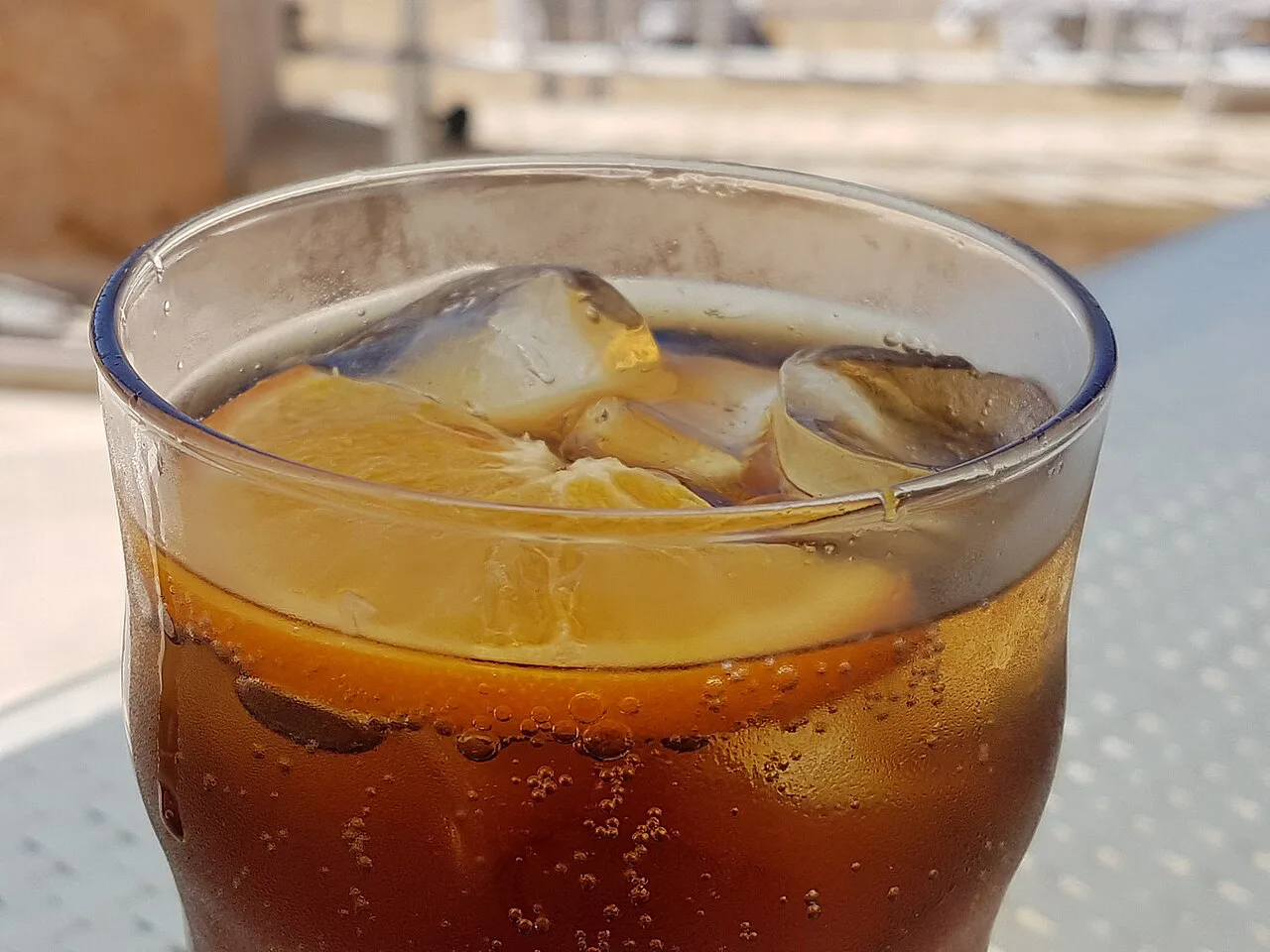
Kinnie: Malta's bitter-orange soft drink, and how it tastes
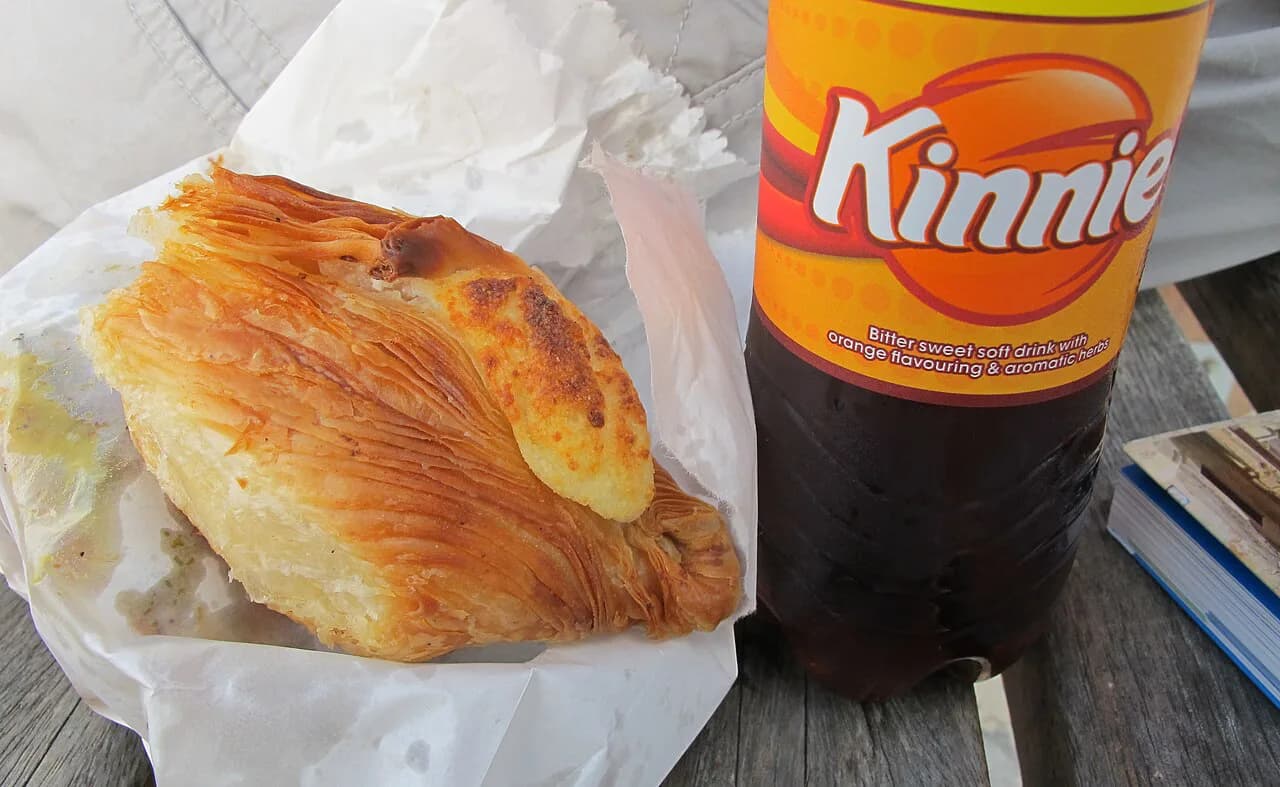
Kinnie is the drink to try first if you have never been to Malta, because nothing else on the menu tastes quite like it. It is made from bitter Seville oranges and aromatic herbs, and the result is bittersweet rather than sugary, closer to a tonic or a bitter aperitif than to a lemonade. Anyone who dislikes sweet fizzy drinks often finds it suits them.
It is also the most accessible of the local drinks. Kinnie is stocked in supermarkets, bars and restaurants throughout Malta, so you can buy a bottle to try in your room before committing to it with a meal. Order it cold and with ice; the bitterness reads best when the drink is properly chilled.
Farsons, the brewer behind Cisk, also produces Kinnie, which explains why the two turn up side by side on almost every drinks list on the islands. That pairing makes a simple tasting exercise for a first evening: one Kinnie, one Cisk, and you have met the two brands that dominate local drinking.
There is a useful ordering habit here for groups. If half the table wants a beer and half does not, Kinnie lets the non-drinkers join the same round with a drink that is genuinely local rather than an imported cola. Ask for it by name; staff will not need an explanation.
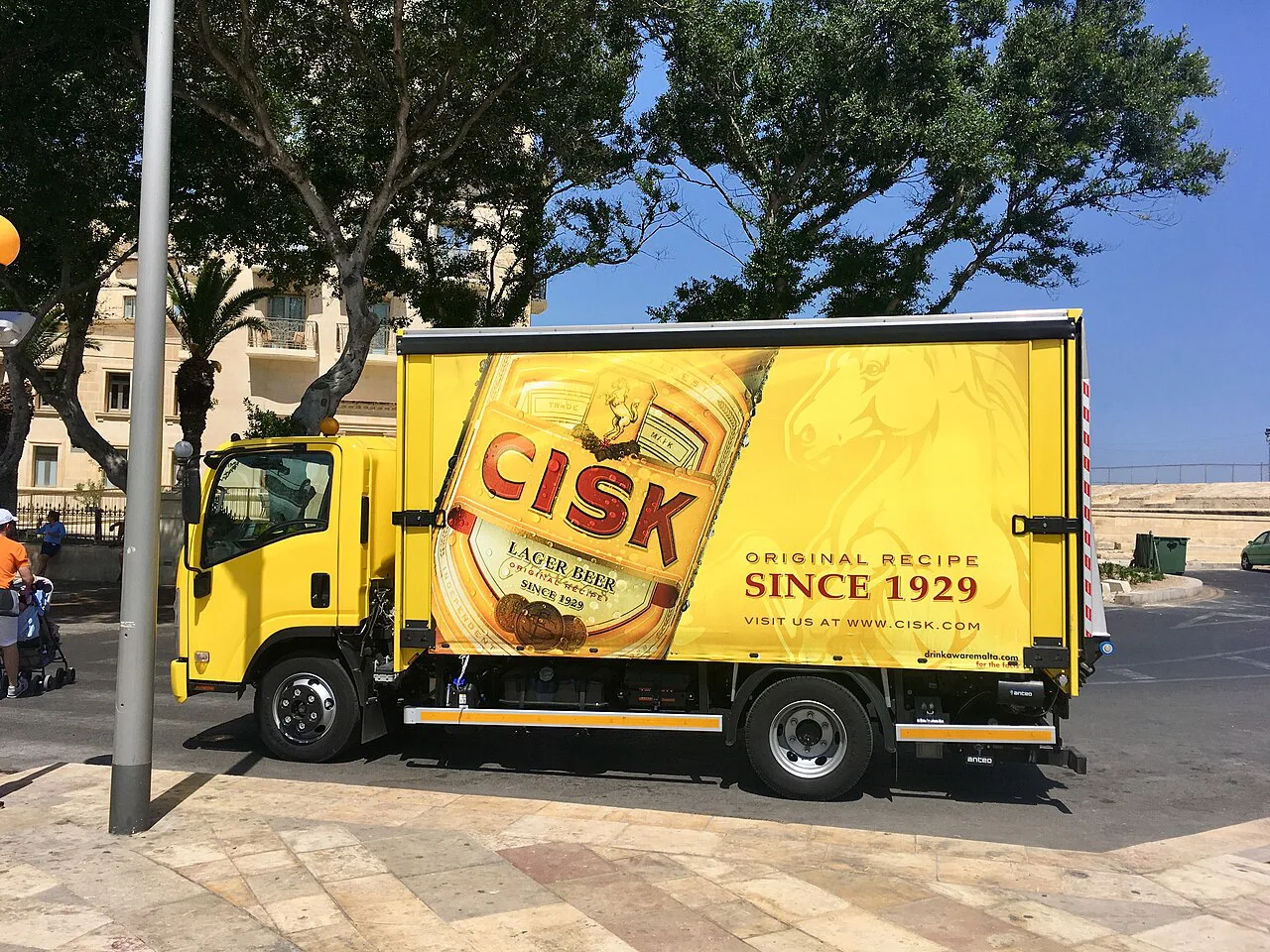
Cisk lager: the default beer order and its Farsons brewery
Cisk is the beer you will see on every bar counter and in every restaurant fridge, and it is the sensible first order if you want to know what local beer tastes like. It is a fresh, well-carbonated lager with a modest hop character, light enough to drink through a warm evening. The pronunciation catches visitors out: it is said roughly as 'chisk'.
The brand's history sits with Farsons, the Malta brewer that has operated on the outskirts of Valletta since 1928 and merged with the Reading brewer H&G Simmonds in 1929. Farsons acquired the Cisk brand in 1948, and the company states that the original recipe is still in use. You do not need the backstory to enjoy a pint, but it explains why one name dominates the island's beer taps.
One detail matters for anyone cutting down on alcohol: the Farsons range includes non-alcoholic, low-carbohydrate and shandy versions of Cisk, alongside an IPA, a lactose stout and an amber ale. If you want the brand without the strength, ask for the non-alcoholic pour rather than assuming the bar stocks it. That gives designated drivers and lighter drinkers a local option beyond soft drinks.
Expect Cisk in cans and bottles as well as on draught, and expect it to be served cold. In a restaurant, ordering a Cisk with a plate of rabbit or a pastizzi snack is the low-effort way to eat and drink locally at once. Imported lagers are available, but they cost more and tell you less about the place.
Bajtra: the pink prickly-pear liqueur
Bajtra is the drink to order when you want something sweet and distinctly Maltese at the end of a meal. It is a liqueur distilled from the prickly pear cactus that grows across the islands, pink in colour with a sweet, tangy flavour. It is best treated as a small digestif rather than a long drink.
Set your expectations before you order: this is a sweet style, so drinkers who prefer dry spirits or bitter aperitifs may find one glass is enough. It is widely available in bars and in duty-free shops, which makes it one of the easier bottles to carry home. If you are buying a gift, compare the bottle sizes on the shelf rather than assuming a single format.
Because of that sweetness, bajtra works in a specific slot: after dinner, chilled, in a small glass. Ordering it before a meal or alongside a main course tends to flatten both the food and the drink. Think of it as the end of the evening rather than the start.
Beyond Cisk: Lord Chambray and Malta's craft breweries
Cisk is not the whole beer story. Several craft breweries operate around the country, among them Lord Chambray, The Brew and Huskie, using local ingredients and building a reputation that reaches beyond the islands. If you drink craft beer at home, spending one evening on the local small-batch side is worth the detour from the national lager.
Valletta has dedicated craft beer bars, and 67 Kapitali sits a short walk from the Carmelite Oratory, whose dome shapes the city skyline. That makes a practical pairing: see the church exterior, then drink a local craft pour nearby. Craft beer in Malta is rarely seen outside its home market, so this is drinking you cannot easily repeat in London or Dublin.
Prices for craft pours are not published in the sources behind this guide, so read the board or the menu before ordering a round. Craft beer generally costs more than the national lager, and that is the main trade-off against Cisk: variety and character for a higher per-glass cost. If budget matters, mix one craft beer with Cisk for the rest of the evening.
Getting to a bar by bus is often easier than driving. Malta has high car ownership and busy roads, and the bus network is the more straightforward way for a visitor to reach Valletta for an evening. Leave the car behind if the plan involves more than one drink.
Drinking a Cisk at the source: the Farsons brewery tour and Cisk Tap
For beer drinkers, the Farsons brewery has historically been the one visit that turns a drink into a place you remember. Beer52 has described large copper brewing vessels from the 1950s still in daily use and tours led by people who know the brewhouse well. Seeing the kit explains more about the lager than any drinks list, but check with Farsons whether tours are currently running before you build a day around one.
The tour described by Beer52 finishes at Cisk Tap, a rooftop bar where visitors get a complimentary pint, but this is a past description rather than a confirmed current offer, so treat the rooftop pour as a reason to check, not a guarantee. If a tour is running, build the visit around it rather than treating the rooftop bar as a separate stop, since Beer52 ties the complimentary pour to the tour.
Do not turn up on spec. Check current tour days, times and booking arrangements with Farsons before you travel, and confirm the meeting point and any age rules when you enquire. A brewery visit is a sensible wet-weather or shoulder-season option, when an indoor hour or two costs you nothing in beach time.
Ordering in bars and restaurants: what to expect
Malta's drinking culture runs on the same three names, which keeps ordering simple. Kinnie, Cisk and bajtra appear in bars and restaurants across the islands, and a Malta drinking guide picks out The Thirsty Barber, Hole in the Wall and Bacco as places to sample them alongside cocktails. Order a Cisk first, then work through the local list if the venue has one.
Table service with a printed menu is the norm in restaurants, so check what is listed rather than asking for a specific pour by brand. If the menu carries only imported beer, a bar with a local list is the better stop. Prices for bars and restaurants vary by venue and are best read on site rather than assumed.
Eating local food alongside the drinks makes the difference between a decent round and a good evening. Rabbit and snails appear as signature dishes on many menus, and small ricotta-filled pastizzi are sold cheaply on street corners, which suits a beer rather than a wine. For a table with a fuller menu, the best restaurants in Malta lists are a better starting point than a bar listing.
Two practical habits make a difference. Carry water between drinks, especially in summer, and check the strength of anything you are handed in a small unlabelled glass, since local liqueurs vary. Neither is unique to Malta, but both matter more when the afternoon is hot and the drinks are new to you.
Serving temperatures and heat: when each drink works best
Heat decides which Maltese drink to order and when. A cold Kinnie works across the whole day, from a mid-morning break to a late lunch, because it is non-alcoholic and sharp enough to cut through the taste of fried pastizzi. Serve it properly chilled; warm, the bitterness turns flat.
Cisk fits the long, slow evening, when the light softens and a table is easy to find. It is a light, carbonated lager that suits warm weather, and one pint with food is usually the point rather than several. Bajtra is the opposite: a small measure after dark, when a sweet liqueur does not compete with the heat.
One caution cuts across all three. Strong sun and alcohol do not mix well, and a pint at midday on an exposed terrace will sit heavier than the same pint at dusk. Drink water alongside, take a table in the shade, and save the Cisk and the bajtra for the cooler end of the day.
Which Maltese drink to try first
Start with Kinnie to meet the local flavour, move to Cisk as the everyday beer, and finish on bajtra when you want a sweet, small glass. If you have a spare half-day, book the Farsons brewery tour for the Cisk Tap pour at the end, and put one Valletta craft beer bar on the list for variety.
Keep the costs simple: local drinks sit at everyday prices, and the main upgrade you choose is craft beer over the national lager. Eat locally alongside them, whether that is a cheap pastizzi or a sit-down plate of rabbit, and the drinks stop being a novelty and start being part of the trip.
Explore more Malta guides
Sources
Notes for your Malta trip
Optional updates when we add or correct a Malta or Gozo guide.
You might also like
Continue reading
More guides you'll find useful