Ħobż biż-Żejt: Malta's Bread, Tomato and Oil Sandwich
Ħobż biż-żejt is Maltese bread rubbed with ripe tomato, drizzled with olive oil and salted. Here is what goes on it, how it is made and what to order.
On this page
Ħobż biż-żejt is Malta's simplest sandwich: a thick slice of dense Maltese bread rubbed with a cut ripe tomato until the flesh soaks into the crumb, drizzled with olive oil and seasoned with salt. The name says exactly what it is, with ħobż meaning bread and żejt meaning oil. This guide covers the bread that makes it work, the tomato technique, the oil, the toppings worth adding and how to get close to it outside Malta.
What ħobż biż-żejt actually is
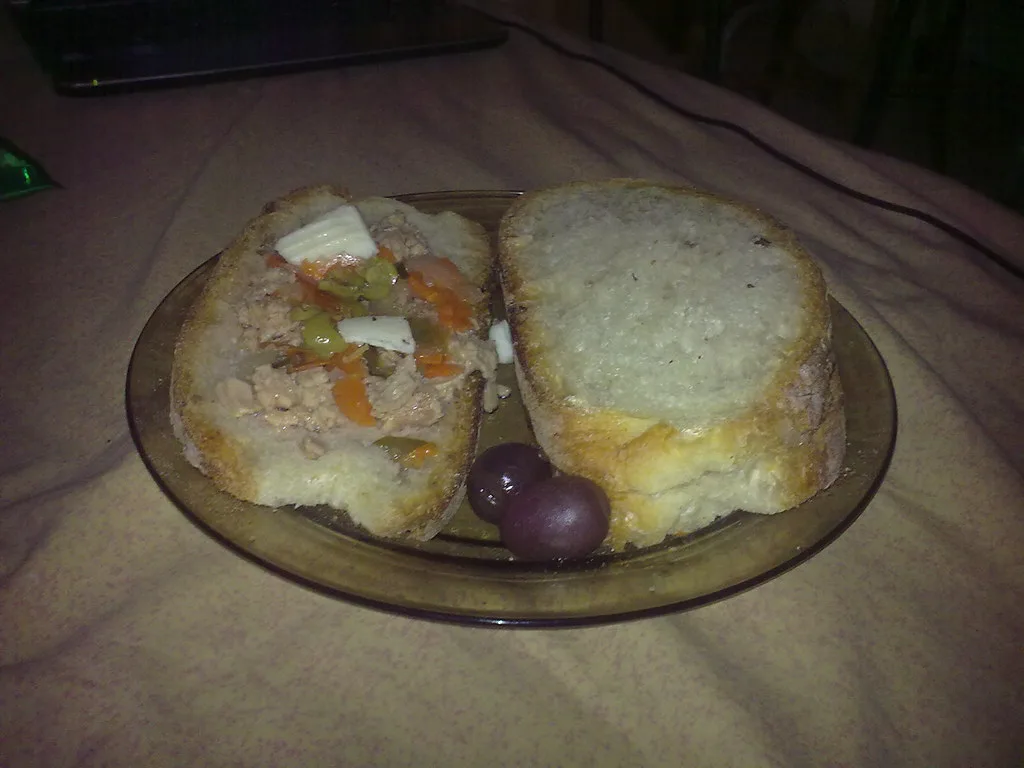
Take a thick slice of Maltese bread, rub the cut face of a ripe tomato hard against the crumb until the tomato breaks down and disappears into it, pour over generous olive oil and add salt. That is the whole base. The rubbing matters more than it sounds: it spreads the tomato evenly and softens the crumb in a way that chopped tomato piled on top never does.
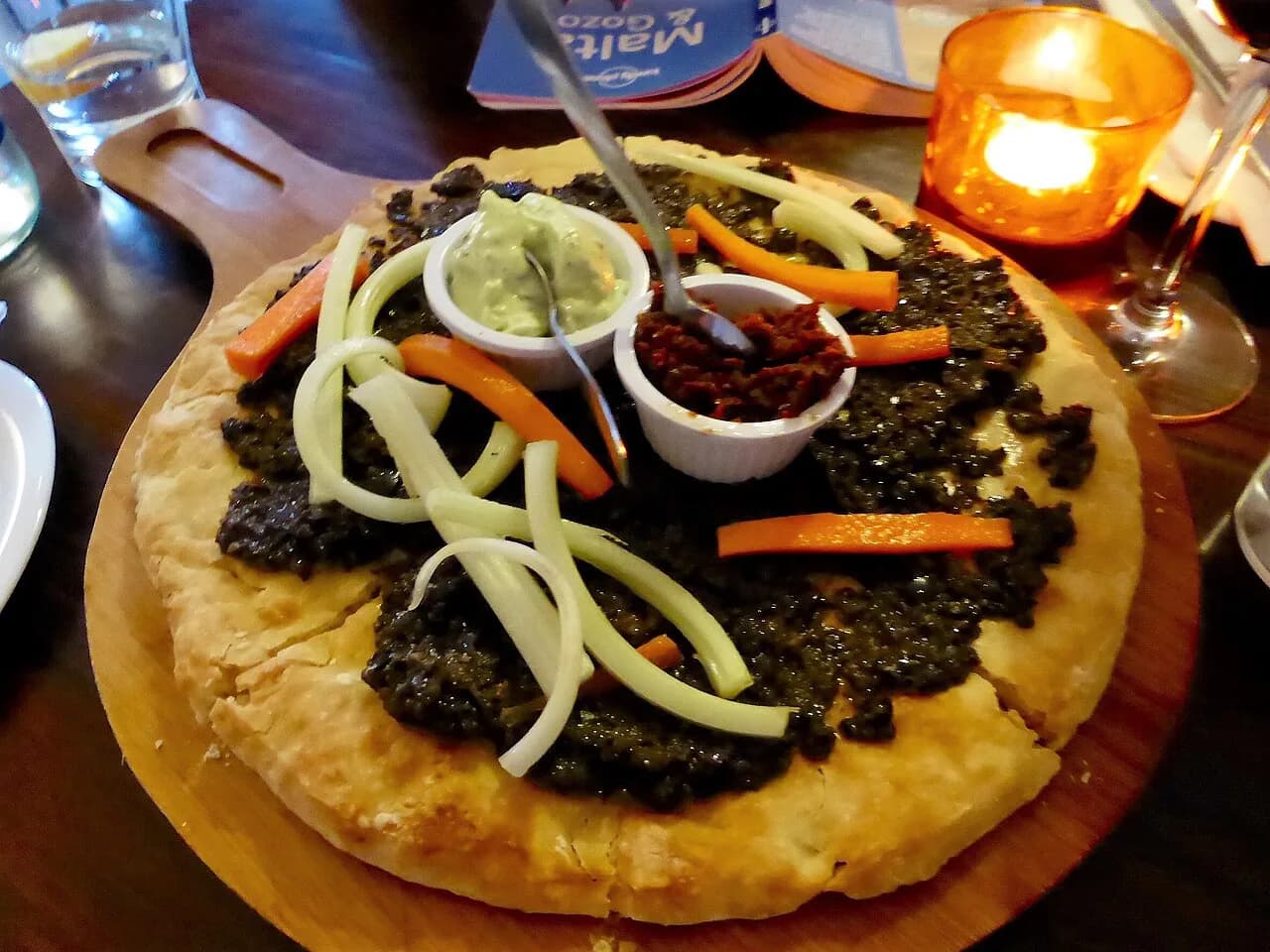
From there the slice opens up. Tuna, olives, capers, sliced onion, bigilla (a broad bean paste), mint and fresh basil are all common additions, and some people keep it stripped back to tomato and oil while others build it into a proper meal. Add tuna for protein and capers for a sharp edge and it becomes a substantial lunch made quickly.
Why the bread matters
The traditional Maltese loaf is called a ħobża. It has a dense, chewy crumb and a hard crust that absorbs tomato and oil without collapsing, and it is baked in a distinctive shape with a ridge along the top. That structure is the point: the bread takes on moisture and keeps its shape.
A soft supermarket loaf will technically hold the toppings, but it drowns rather than absorbs, and the texture goes slack. If you are choosing bread for this at a bakery counter, look for a hearty loaf with large holes and a crisp crust.
The tomato technique
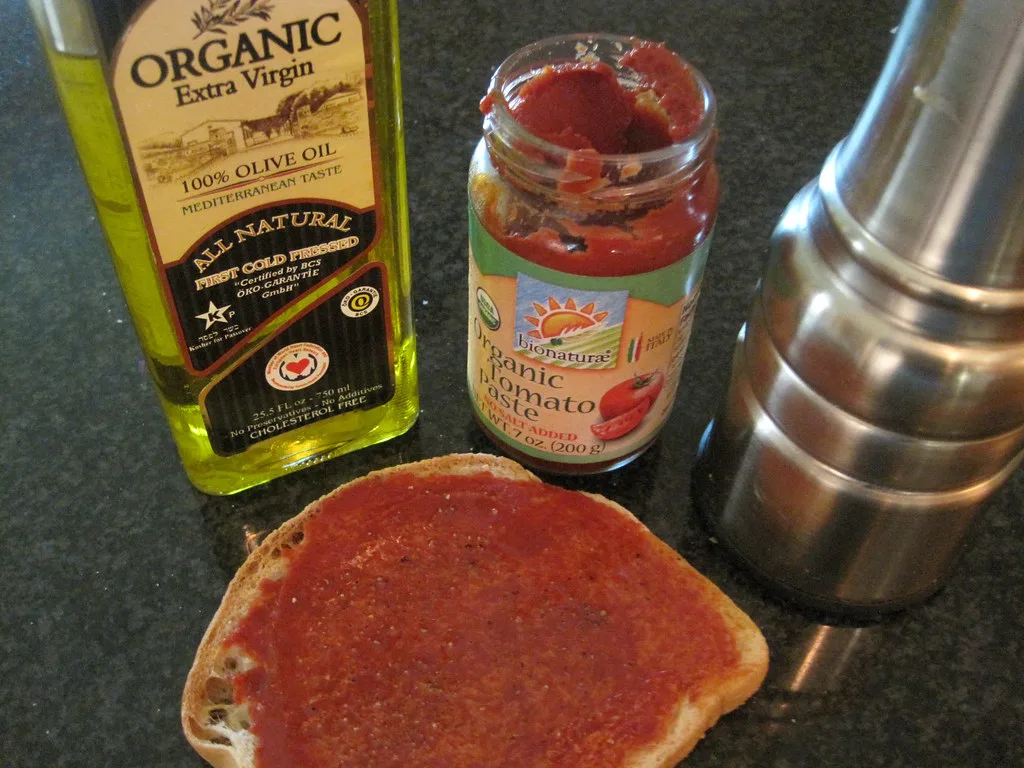
The tomato is not sliced and laid on top. Cut it in half and physically rub it against the bread's surface until it breaks down into the crumb. This distributes the flavour across the whole slice and changes the texture of the bread itself, which is the step that separates a good ħobż biż-żejt from a topped slice. Rub firmly so the flesh works into the crumb rather than sitting on it.
The olive oil question
Olive oil is structural here, not a background drizzle. The bread soaks it up deeply, so every characteristic of the oil, good or bad, is amplified. A grassy, slightly bitter oil produces a completely different sandwich from a mild, low-quality supermarket version.
Malta produces its own olive oil in limited quantity, and the island's olives tend to give a robust, peppery oil that stands up to the acidity of the tomato. Many households keep a specific bottle for this dish. For a home version, a decent extra virgin oil is not optional; it is the difference between something that works and something that sings.
Common toppings
Beyond tomato and oil, the usual additions are tuna, olives, capers, thinly sliced red onion, bigilla, mint, basil and a sprinkle of dried oregano or parsley. A recipe published outside Malta lists olive oil, tomato paste, capers, red onion rings, ricotta or thick yogurt, green olives, flaked tuna, bigilla and dried oregano or mint as its components, which gives a fair picture of the range rather than a fixed canon.
A Maltese version uses a large ftira as the base and tops it with tinned tuna, sliced olives, giardiniera, capers and cannellini beans. Treat any single list as a starting point and add what you have, or leave out what you do not.
Ġbejniet, Malta's small sheep's-milk cheeselets, sit alongside the same table, and a published recipe uses ricotta, sour cream or thick yogurt as a stand-in when they are not to hand. If you want the cheese side of a Maltese lunch, Ġbejna: What Malta's Sheep's-Milk Cheeselets Are and How to Eat Them explains the fresh and dried versions and how they are served.
Ftira or ħobż biż-żejt?
The names get used loosely. Ħobż biż-żejt describes the preparation, while ftira refers to a flat ring-shaped Maltese bread that often serves as the base, and some sources call the finished sandwich a ftira. The dish has drifted onto café menus, though the dish itself has not changed to suit them. What matters for a visitor is the bread underneath and the balance of oil to tomato, not which word is on the menu.
Making it outside Malta
Without a Maltese bakery nearby, use a hearty sourdough with a crisp crust and an open crumb. It is not the same as a ħobża, but it behaves closest under tomato and oil. Substitute ricotta, sour cream or thick yogurt for gbejniet, and use a decent extra virgin oil rather than a bland one.
Assemble it just before eating. Rub the tomato into the bread, drizzle the oil, scatter the toppings and finish with dried oregano, mint or parsley. It is a room-temperature sandwich, suited to a warm morning rather than a cooked breakfast, which is why it works so well in Malta's summer heat.
Where it fits in a Maltese day
Ħobż biż-żejt is a breakfast and a bakery-stop lunch rather than a restaurant dish, and it belongs to the domestic morning and to pastizzerias where you pick up fresh bread. It has drifted onto café menus as simple food has gained attention, but the dish itself has not changed to suit them.
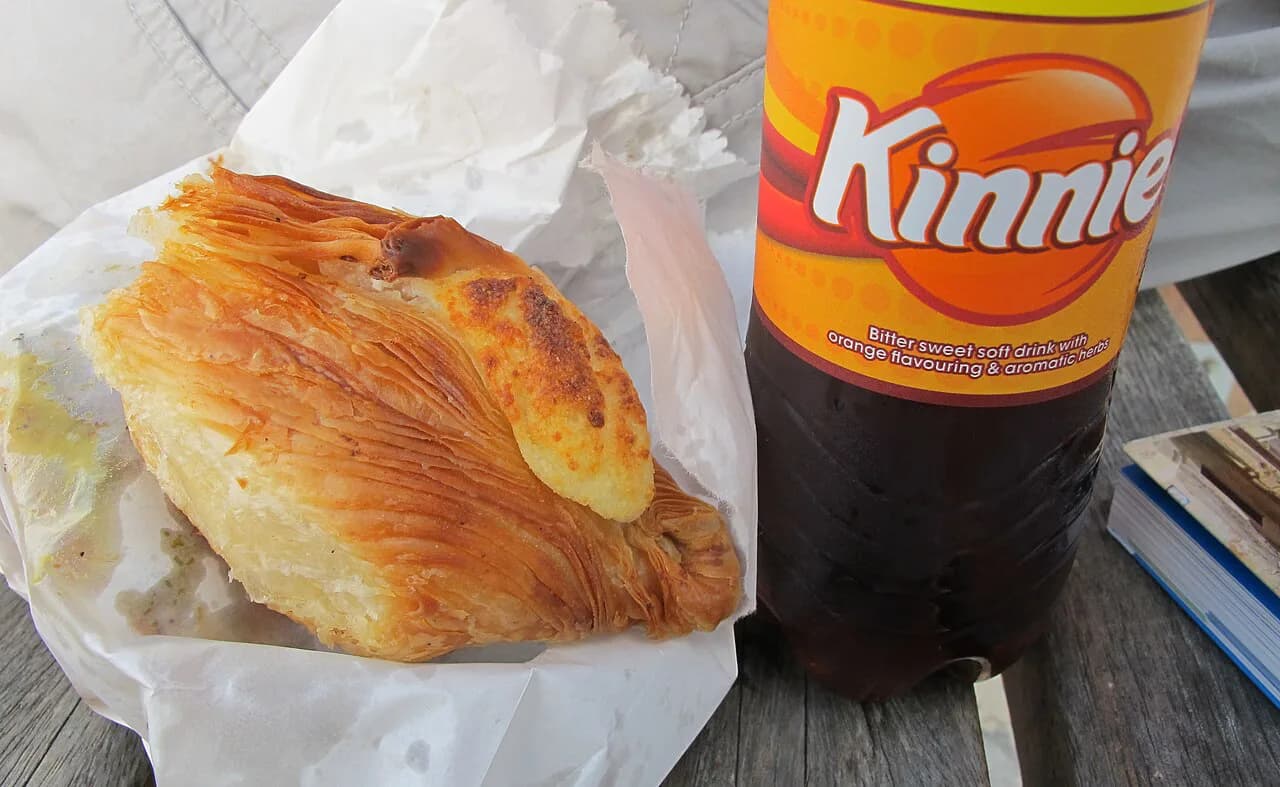
Pair it with a cold local drink rather than a hot one. Kinnie: what Malta's bitter-orange soft drink tastes like covers the island's bittersweet soft drink, which cuts through the oil and tomato better than water. For the wider picture of what to drink on the islands, from soft drinks to local wine and beer, our guide to Maltese drinks collects the bottles worth ordering with lunch.
Order it with tuna and capers first
If you have one ħobż biż-żejt in Malta, take it with tuna and capers and let the bread and oil do most of the work. Rub the tomato in properly and use a peppery oil; those two steps matter more than the toppings. It is best eaten at room temperature, soon after it is assembled.
Explore more Malta guides
Sources
Notes for your Malta trip
Optional updates when we add or correct a Malta or Gozo guide.
You might also like
Continue reading
More guides you'll find useful