Kinnie: Malta's Bitter-Orange Soft Drink Explained
Kinnie is Malta's amber, bitter-sweet soft drink made with chinotto bitter oranges and aromatic herbs. Here is what it tastes like and which variant to pick.
On this page
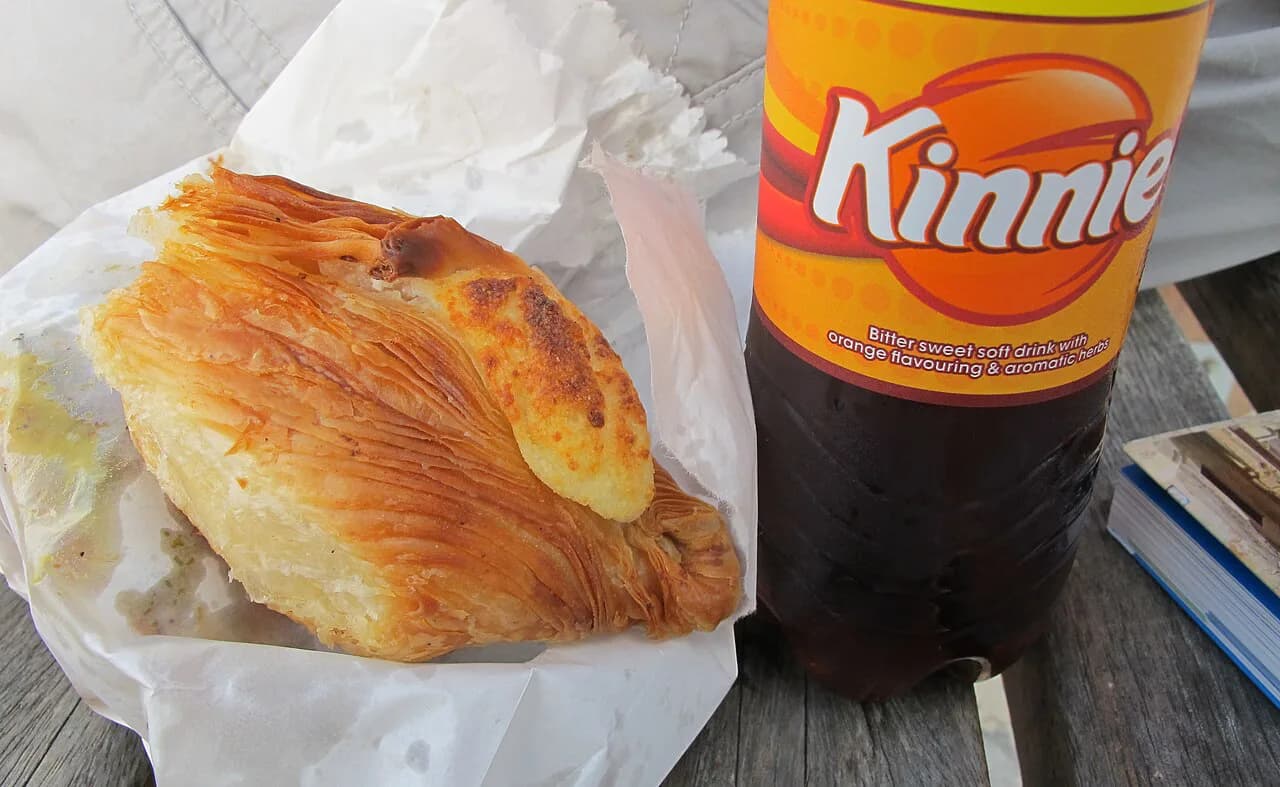
Kinnie is Malta's amber, bitter-sweet carbonated soft drink, flavoured with chinotto bitter oranges and a blend of aromatic herbs and spices. It is the drink to try once on any Maltese trip, and the honest warning is that it divides people: expect a bitter, herbal orange flavour rather than a sweet one. This guide covers what goes into it, how the four soft-drink versions differ, what Kinnie Spritz adds and what a can costs at the brewery shop.
You will meet Kinnie everywhere drinks are sold in Malta, usually chilled and often served over ice with a slice of orange. It is also a common mixer, which is how many visitors first taste it without realising what they have ordered. For the wider picture of what to drink on the islands, from the island's lagers to its liqueurs, see the guide to Maltese drinks.
What Kinnie is and who makes it
Kinnie is a carbonated soft drink produced in Malta, drunk both on its own and mixed with alcohol. Its identity is the bitter-sweet balance: the sweetness of a soft drink with a pronounced bitter edge from citrus and herbs. If you are used to cola, the first mouthful will surprise you.
Kinnie is made by Farsons, the Maltese brewing family behind the island's better-known lagers, so a fridge in a Maltese café or shop often holds both. Kinnie's own material describes it as a Mediterranean classic dating from 1952, and that date is worth knowing because it explains the drink's long-standing, bittersweet profile. If you want to compare the brewery's range, the guide to Cisk Beer covers the lagers that share the same producer.
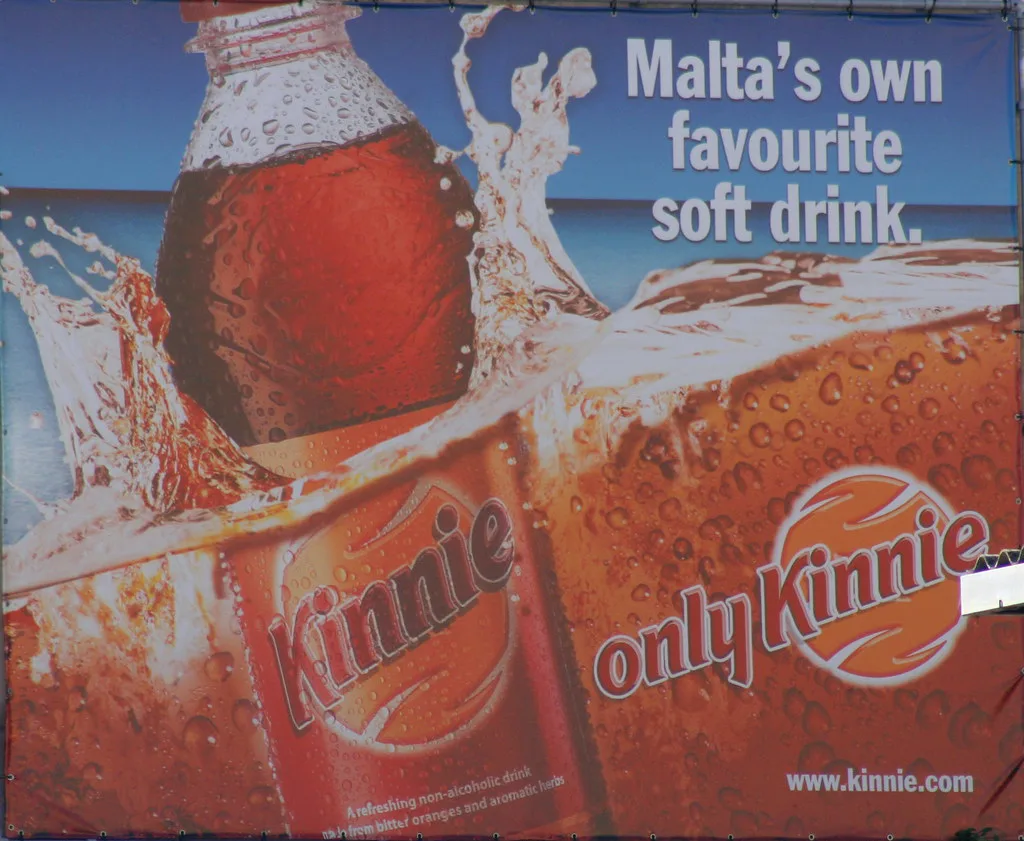
What Kinnie is made from
The flavour comes from a blend of Maltese Mediterranean chinotto bitter oranges, combined with an infusion of around a dozen aromatic herbs and spices. Among the botanicals named are anise, ginseng, vanilla, rhubarb and liquorice. That combination explains why the drink tastes of orange peel and herbs rather than of plain fruit.
Farsons has kept the full recipe secret, and the drink is marketed on its use of natural ingredients. Treat any precise ingredient list you see online as incomplete: only the botanical families are public, not the proportions.
How Kinnie tastes
Expect bitter-sweet, herbal and lightly citrusy, with a finish that lingers longer than a cola's. The usual comparison is Marmite: people tend to love it or hate it, with little middle ground. If you already drink Campari, you will recognise the bitter register immediately.
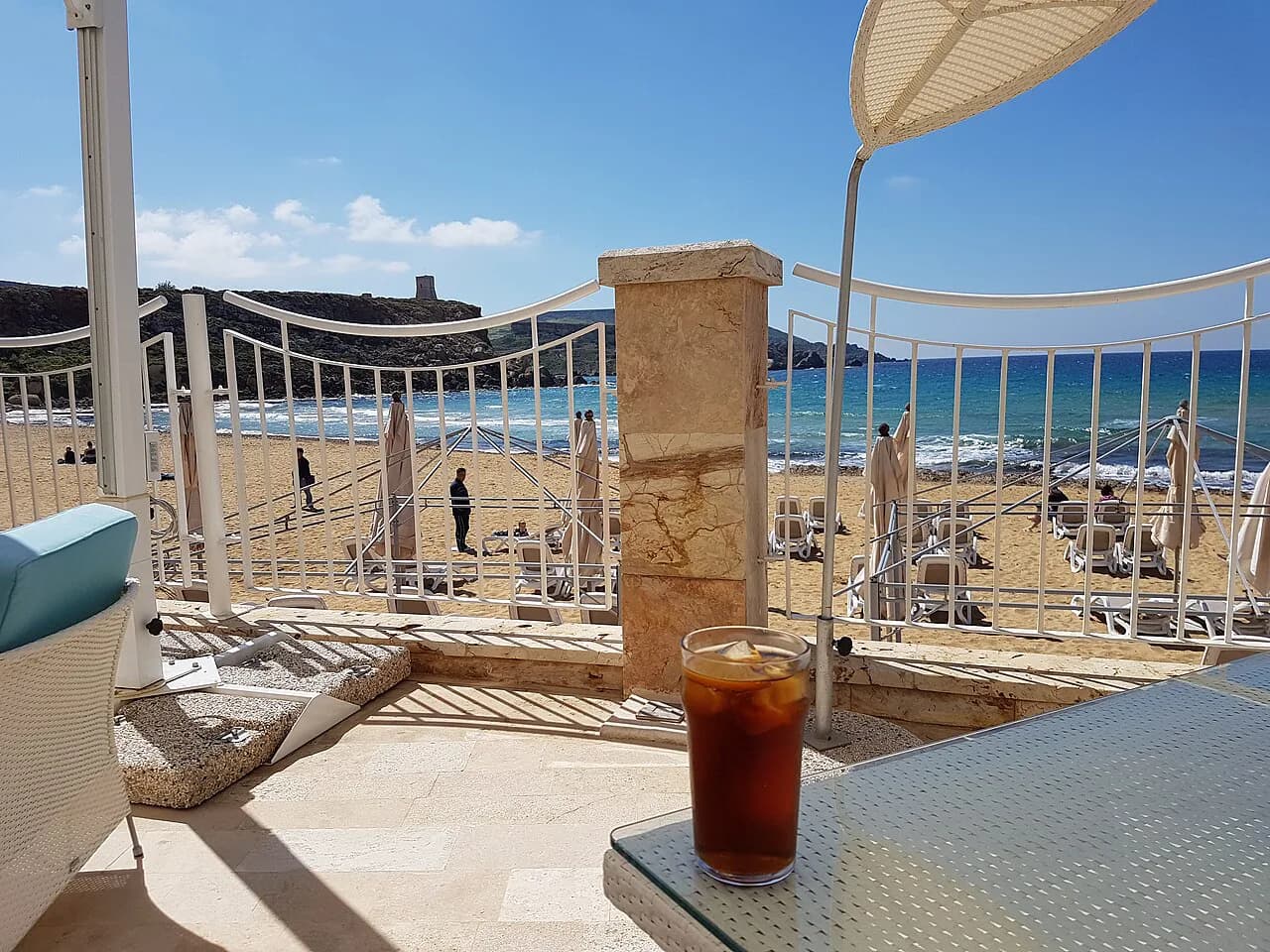
First-timers should buy a single can rather than a multipack and drink it cold. Serving it over ice with a slice of orange softens the bitterness slightly and is the usual way it is presented on the island.
The Kinnie range: original, Diet, Zest and Zero
Original Kinnie is the amber, full-sugar version and the one to start with. Diet Kinnie followed in 1984. Kinnie Zest arrived in 2007 as a one-calorie variant with an enhanced orange flavour and no added sugar. Kinnie Zero is a separate zero-sugar product.
Kinnie Zero is a separate zero-sugar product and is not the same drink as Kinnie Zest, so check the can rather than assuming. Specialist importers and marketplace sellers stock these variants individually, and the product name on the listing is the reliable way to tell which version you are buying.
Kinnie Spritz: the low-alcohol version
Kinnie Spritz is an alcoholic aperitivo built on the soft drink, launched in 2021 at 4% ABV and made with 16% white wine. It is carbonated-water led and is positioned as a ready-to-drink option rather than a cocktail you mix yourself. At 4% it drinks like a light spritz, not a spirit.
Because it is an alcoholic product, expect it in the licensed section of a shop or on the drinks menu of a bar rather than on the ordinary soft-drink shelf. Ask if you cannot see it.
How to drink it
Straight, cold and over ice is the simplest serve, with an orange slice if you want to lean into the citrus. As a mixer it works with spirits in the same way a bitter orange soda does.
Kinnie is also a common mixer, which is how many visitors first taste it without realising what they have ordered. Try it alongside a Ħobż biż-Żejt sandwich before deciding whether to buy a pack.
What a Kinnie costs in Malta
The brewery's own shop, Farsonsdirect at The Brewery on Triq L-Imdina, lists a 33cl can of Kinnie at €0.80. Use that as the Malta benchmark for a single can bought direct, not as the price in bars, restaurants or holiday-season supermarkets, where you should expect to pay more. Pickup from the brewery is listed as available.
Overseas, Kinnie is an imported speciality and the prices are set by the retailer, not by the brewery. A Canadian pantry shop sells a 330ml Kinnie Zest can in Canadian dollars, and UK eBay listings price cases in pounds; treat both as import prices rather than a guide to Maltese shelf prices.
Buying Kinnie in the UK and Ireland
In Britain and Ireland, Kinnie turns up in specialist import shops, online Maltese grocers and marketplace listings rather than on mainstream supermarket shelves. Buy a single can first if the listing offers it, because a case of a drink you dislike is an expensive mistake.
Check the variant name on the listing before ordering: Zest, Zero and original are different drinks, and importers often photograph the can they actually hold. Delivery times and stock vary by seller, so confirm those with the shop rather than relying on a product page.
Kinnie's place among Maltese drinks
Alongside the island's lagers and its prickly-pear liqueur, Kinnie is one of the drinks most associated with a Maltese trip. If you are building a short list of things to taste, put it next to the beer and the liqueurs rather than treating it as a novelty.
The soft-drink range makes a practical souvenir because cans travel better than bottles and are light enough to carry home. A mixed selection of original, Zest and Zero lets whoever you are buying for compare them side by side.
Should you try Kinnie?
Yes, once, and buy a single can rather than a pack. Kinnie is distinctive enough that a trip to Malta without tasting it leaves a gap, and the bitter-orange flavour is the quickest way to understand what Maltese soft-drink flavours are like.
If you like it, move on to a €0.80 can from the brewery shop or a mixed selection of the variants; if you do not, you have spent less than a euro finding out. Either way, drink it cold.
Explore more Malta guides
Frequently Asked Questions
Is Kinnie Malta's national drink?
No source designates a national drink. Kinnie is a Maltese carbonated soft drink made by Farsons and is widely recognised as a local soft drink, but it is best described as a well-known local drink rather than a formal national drink.
Does Kinnie contain alcohol?
Original Kinnie, Diet Kinnie, Kinnie Zest and Kinnie Zero are soft drinks and contain no alcohol. Kinnie Spritz is the separate alcoholic version, launched in 2021 at 4% ABV with 16% white wine.
What does Kinnie taste like?
It is bitter-sweet, with chinotto bitter orange and a blend of aromatic herbs and spices including anise, ginseng, vanilla, rhubarb and liquorice. Drinkers often compare the love-it-or-hate-it reaction to Marmite, and the bitterness to Campari.
Where can I buy Kinnie in Malta?
The brewery's own Farsonsdirect shop at The Brewery on Triq L-Imdina sells 33cl cans and offers pickup. Elsewhere in Malta, look for it in cafés and shops that stock Farsons products, and check the can for the variant.
Sources
Notes for your Malta trip
Optional updates when we add or correct a Malta or Gozo guide.
You might also like
Continue reading
More guides you'll find useful