Malta Air Raid Shelters: Where to See WWII Tunnels
Malta's WWII air raid shelters are hand-cut tunnels you can still walk through. Here is what survives at Birgu, Rabat, Mellieħa and Gozo's Citadel.
On this page
Five Malta air raid shelter sites are open to visitors: the tunnels beneath the Malta at War Museum in Birgu (Vittoriosa), the shelters under the Wignacourt Museum in Rabat, the hand-dug complex beneath Mellieħa, the restored tunnels in Victoria's Citadel on Gozo and the Il-Barri shelter in Mġarr. Each is a different kind of visit, from a full museum exhibition to a short underground walk, so pick by what you want to see rather than by size.
This guide sets out what survives at each site, what the tunnels feel like underground, and how each fits a Three Cities, Rabat, northern Malta or Gozo day. Two practical points come first: opening hours and entry fees are set by each site and change with the season, and the rock-cut passages are uneven, cool and sometimes tight.
What you are walking through
Malta's air raid shelters were cut by hand into the islands' soft limestone, and the Malta at War Museum exhibition traces how they developed from crude reinforcement of existing buildings into tunnel systems dug en masse. The same museum puts the number at well over 400 tunnel systems across the islands.
The bombing that drove this work ran from 1940 to 1943, when Italian and then German aircraft targeted the island and its airfields. The island's people received the George Cross in 1942, and a replica of the cross is displayed at the Malta at War Museum alongside the certificate that came with it.
For the wider story of the bombing and the convoys that supplied the island, the siege of Malta ww2 is the broader account. The shelters make more sense once you know what people were sheltering from. Our guide to Malta in the Second World War sets out the other wartime sites to visit.
Birgu: the Malta at War Museum and its shelter tunnels
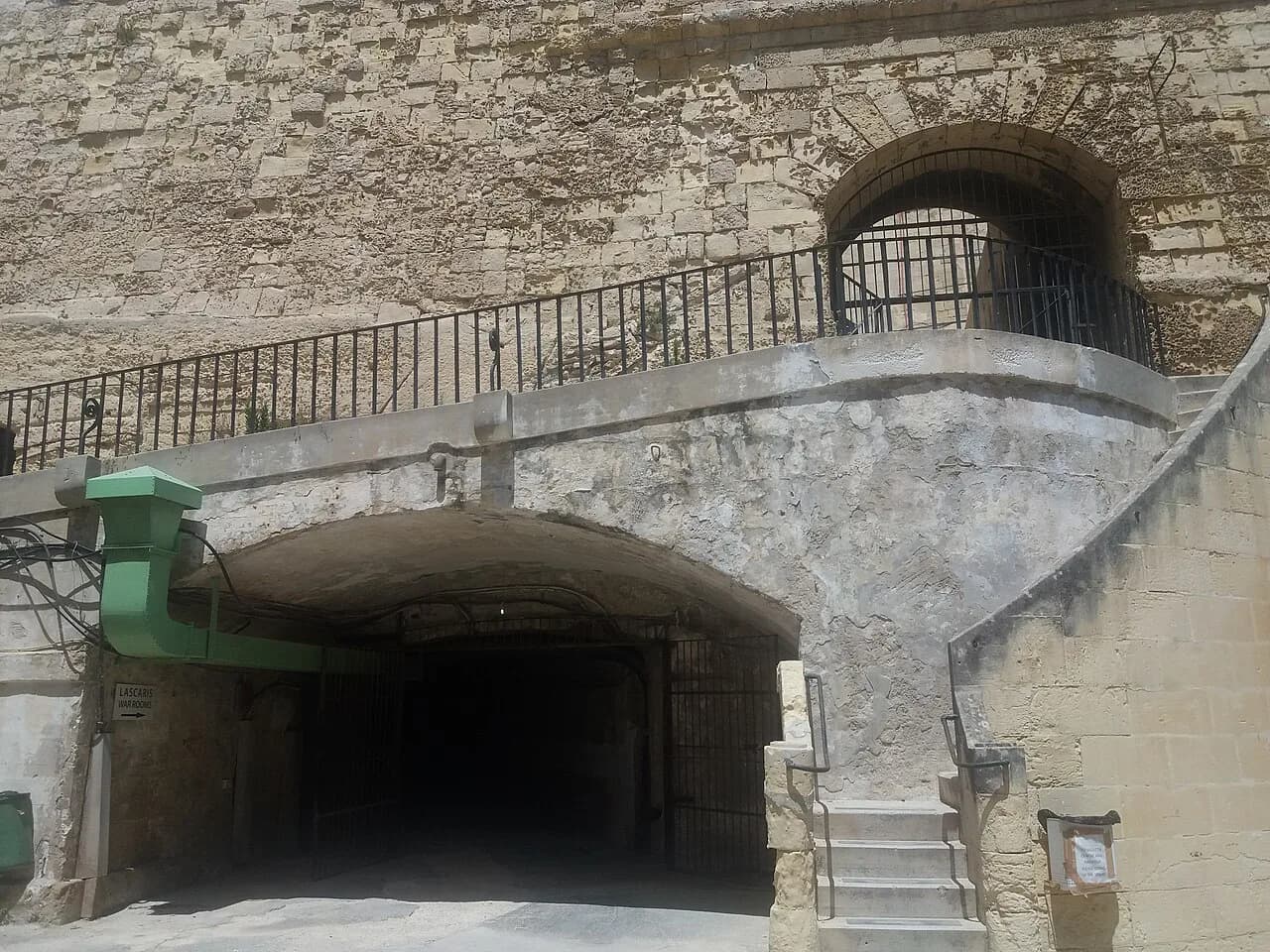
The Malta at War Museum sits in the counterguard of the seventeenth-century bastions behind Vittoriosa, next to Couvre Porte Gate, and is run by Wirt Artna, the Malta Heritage Foundation. Eighteenth-century casemates here served as a barracks and, in the war, as a police headquarters and civil defence centre, with a network of tunnels dug into the rock beneath them. Its expanded form opened in 2012 with European Regional Development Fund support.
This is the fullest shelter visit on the islands: a museum plus tunnels in one ticket. It suits anyone basing themselves in the Three Cities or crossing from Valletta by bus or ferry. Wirt Artna looks after other sites around Grand Harbour, including Fort Rinella, Kalkara, so check whether a combined ticket spreads the cost.
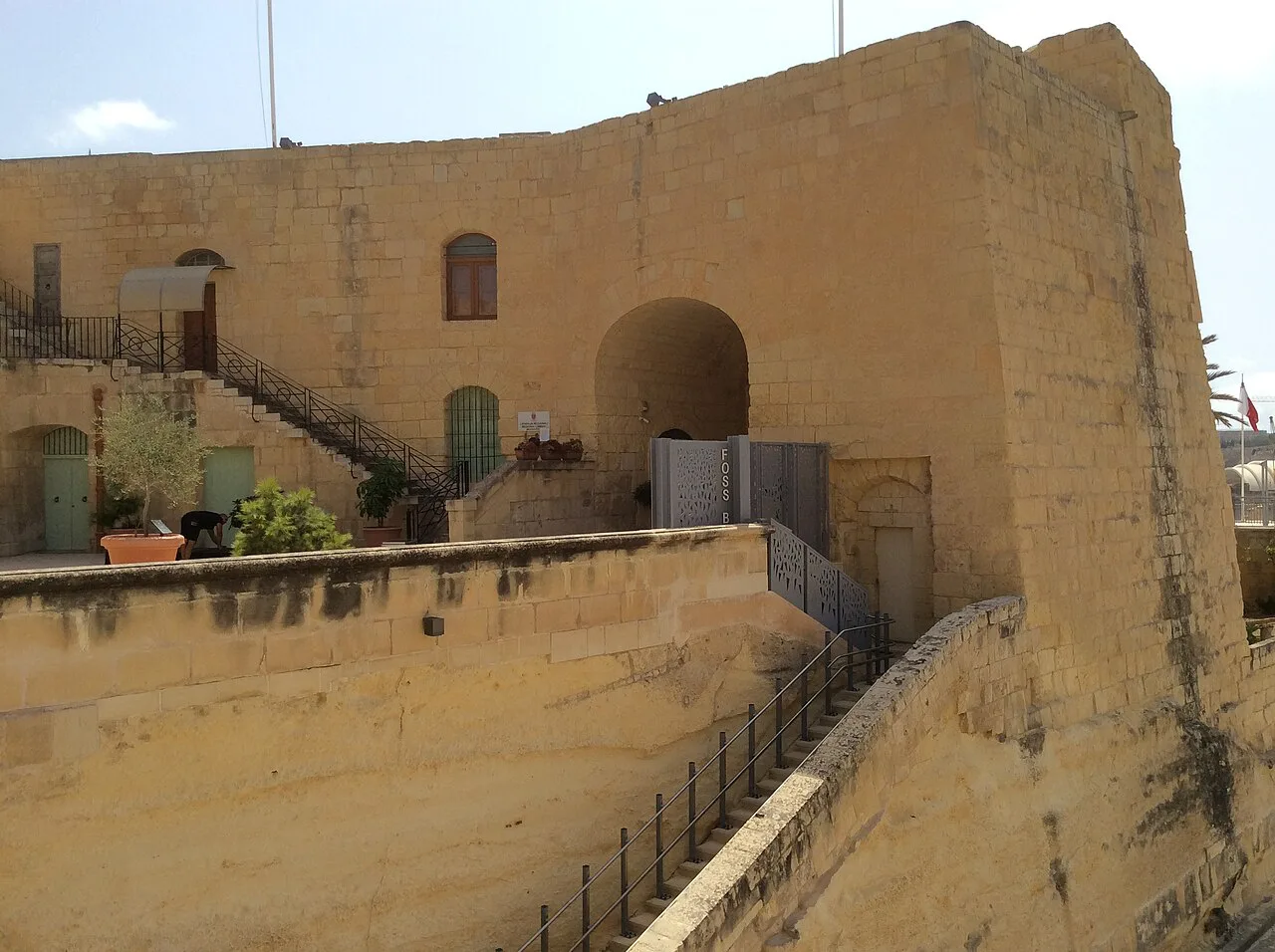
Inside the Malta at War Museum
Leave large bags and coats in the lockers at reception and pick up a free audio guide from the front desk before you start. The main exhibition is cramped in places because space inside the old bastions is limited, but the panels are clearly laid out and the audio stations let you hear the different air-raid alarm signals.
Displays cover civil defence, gas masks, bomb types, an anti-aircraft gun and a searchlight, food rationing and the press, with touchscreens for extra detail. A full-length screening of the documentary Malta G.C., commissioned by Britain after the siege, runs in the museum, and one cabinet holds the George Cross replica and certificate.
Allow more time here than at a standalone shelter, because the exhibition holds you before you reach the tunnels. If you are combining it with the waterfront at Birgu, do the museum first, while your legs are fresh for the stairs.
Rabat: shelters beneath St Paul's Grotto and the catacombs
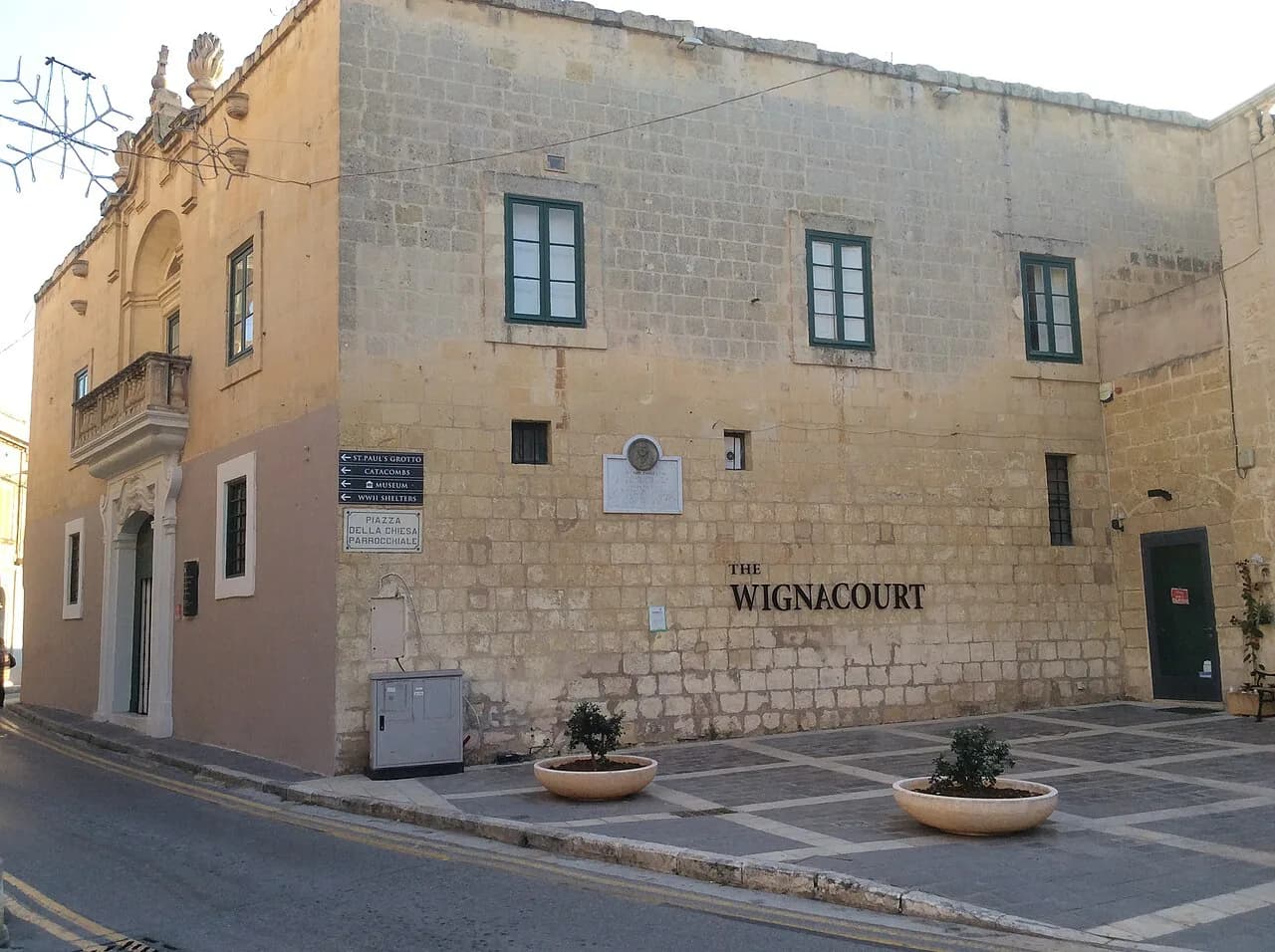
In Rabat, the Wignacourt Museum's shelters lie deep underground just below the Roman catacombs and St Paul's Grotto. The complex holds about 50 rooms, and circa 350 people came down here during air raids, including refugees from elsewhere on the island.
The government dug the main corridors, but each family paid to have its own room cut with pick axes, which is why the rooms are numbered; some still show painted walls, tiles and traces of electricity. Wooden planks served as doors for privacy, though most shelters were lit by oil lamps or candles. Rubble from the digging was packed into the catacombs above to strengthen them against blast.
This is the best shelter for understanding how families lived underground, and it pairs naturally with Mdina and Rabat's own sights on the same day. The trade-off is that the tunnels are one part of a larger museum, so budget your time for the grotto and catacombs as well.
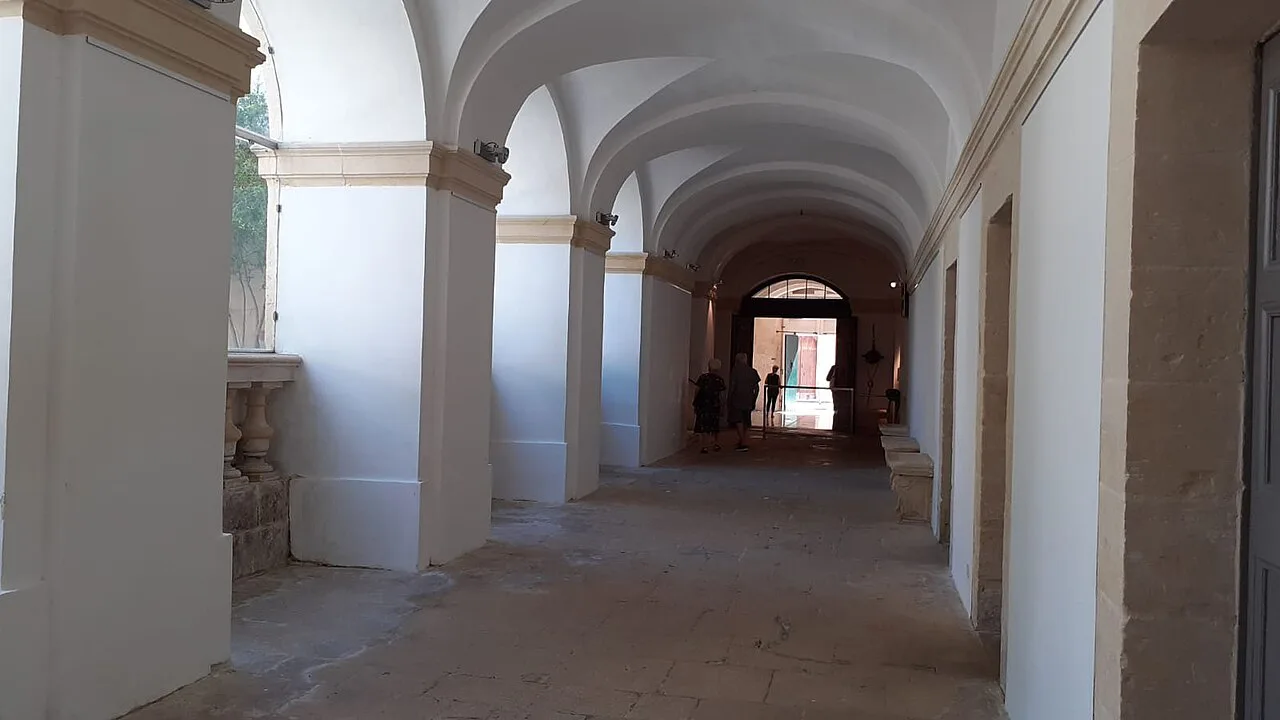
Mellieħa: tunnels beneath the historic centre
In northern Malta, the Mellieħa World War II Shelters are a hand-dug complex of air-raid tunnels beneath the town's historic centre. The site suits a stop on a Mellieħa day, close to the parish church and the older streets.
The tunnels are a standalone underground visit rather than a museum with displays, so they take less time than Birgu. Go with that expectation and the visit works well as a short stop rather than a half-day.
Gozo's Citadel: restored shelters in Victoria
In Victoria, Gozo's capital, the bomb shelters inside the Citadel (Ċittadella) have been restored and opened to the public, and they take visitors back to the war years. Because they sit within the Citadel's walls, they slot easily into a walk around the bastions and cathedral.
This is the shelter to choose if you are spending the day on Gozo rather than crossing back to Malta. The tunnels themselves are a short visit, so treat them as one stop on a Citadel circuit.
Mġarr: the Il-Barri shelter
The Il-Barri shelter in Mġarr was dug entirely by hand and reaches 12 metres deep and more than 225 metres long. It was found beneath a restaurant of the same name and has since been restored, and visitors can tour its underground passageways.
The shelter is a reminder that the tunnels were dug across the island rather than only in the harbour towns. Its depth and length make it a substantial underground walk.
What the tunnels feel like underground
Expect uneven rock-cut floors, low sections, confined spaces and stairs in every one of these sites. The passages are cool and sometimes damp compared with the heat above, so a light layer helps even in summer, and closed shoes are safer than sandals.
Anyone uneasy in tight spaces should read the descriptions of each site before committing, because the experience at Rabat, Mellieħa and Mġarr is raw tunnel rather than gallery. The Malta at War Museum is the easiest introduction, since the exhibition gives you a break from the rock before the shelter itself.
Which shelter to pick
For a first visit, choose the Malta at War Museum in Birgu: you get the casemates, the exhibition, the audio guide and the tunnels in one place, and it fits a Three Cities day. From Valletta, the harbour ferry or a short bus ride gets you to Birgu without a car.
Choose Rabat if you want the family rooms and the link to the catacombs, Mellieħa or Mġarr if you are touring the north, and the Citadel if Gozo is on your itinerary. None of them needs a full day on its own.
Which shelter fits your day
If you only have time for one, book the Malta at War Museum in Birgu for the fullest picture of how Malta's shelters worked, and add Rabat if you are already heading to Mdina. For a lighter stop, the Mellieħa tunnels or the Citadel shelters in Victoria take under an hour.
Check each site's current opening days and entry fee before you travel, as these change with the season. Carry a light layer and wear closed shoes, and go early in the day when the tunnels are quiet.
Sources
Notes for your Malta trip
Optional updates when we add or correct a Malta or Gozo guide.
You might also like
Continue reading
More guides you'll find useful