Malta George Cross: Why Malta Was Awarded It and Where to See It
Malta received the George Cross in April 1942 for civilian courage during the siege of 1940-43. Here is why it was given, what the citation says and where to look.
On this page
Malta's George Cross was awarded in April 1942 for civilian courage during the siege of 1940-43, and the citation King George VI sent to the island's Governor is the heart of the story. This guide gives the wording, explains why the award came in the spring of 1942 and points to the places where visitors can see the citation today.
It then covers the end of the siege with Operation Pedestal in August 1942, the memorial stone at All Hallows by the Tower in London and the 1992 commemorative medal in the Royal Museums Greenwich collection. For the wider wartime story on the islands, the Malta in WW2 hub links the siege, the air raids and the forts.
What the George Cross is and why Malta received it
The George Cross is the highest decoration for civilian courage and heroism, and Malta received it as an island fortress rather than as an individual award. The citation recorded on the IWM War Memorials Register awards the cross to the island fortress of Malta to bear witness to a heroism and devotion to duty that will long be famous in history. In practice the medals and the story behind it are seen in two main forms: the citation text on memorials and the commemorative pieces in museum collections.
Why the award was made in April 1942: the siege and the convoys
The award came during a blockade that ran from 10 June 1940 to 8 September 1943, a period the Royal Museums Greenwich collection records for its 1992 commemorative medal. In April 1942 the island was still supplied only by sea, at great cost, and the convoys were crewed by British, American and Commonwealth seamen supported by the free forces of Greece, the Netherlands and Poland. The siege of Malta in WW2 pages cover the convoys, the defences and the everyday experience of the blockade in more detail.
The same memorial inscription states that Malta, besieged, became and remains the most bombed place in the history of war. It also describes fighter aircraft delivered by the American and Royal Navies and piloted by Britons, Canadians, Australians and New Zealanders, which gives a sense of how the defence was shared across allied forces.
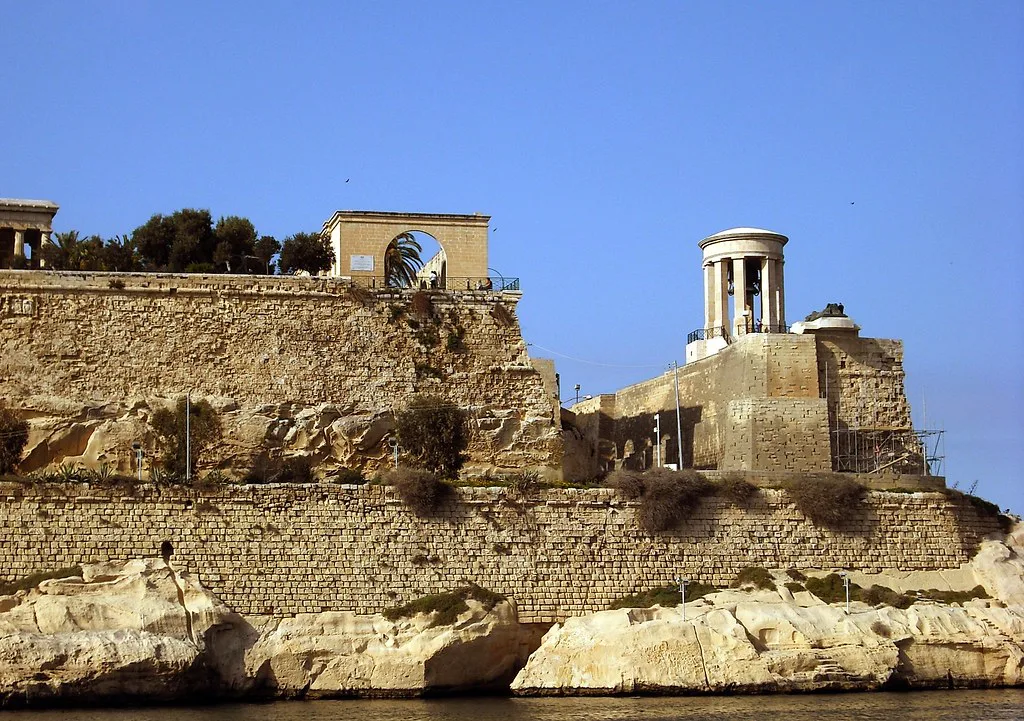
The wording of the citation King George VI sent to Malta's Governor
The citation is short enough to read in full: To honour her brave people I award the George Cross to the island fortress of Malta to bear witness to a heroism and devotion to duty that will long be famous in history. The memorial record dates the citation to 15 April 1942 and attributes it to King George VI. The Times of Malta article marking the eightieth anniversary carries the same wording, which helps confirm the text visitors will see on the stone.
How the siege ended with Operation Pedestal and the Santa Maria convoy in August 1942
The memorial's account moves to the summer of 1942, when only weeks of food remained and the Allies mounted Operation Pedestal as a last attempt to save Malta. After a five-day running battle, four merchant vessels and the tanker Ohio entered Grand Harbour on 15 August 1942, the feast of Santa Maria, and the inscription records that the siege was broken.
The distinction matters for visitors: the award belongs to April 1942, while the relief of the island came in August 1942 and the blockade is dated to September 1943.
Where the George Cross is kept and displayed today
The citation can be read in full on the memorial stone at All Hallows by the Tower in the City of London, where the inscription sets out the award to the island fortress. The wording also appears in the Times of Malta anniversary article, so readers can compare the two versions before travelling.
The memorial stone at All Hallows by the Tower in London
The memorial is a large block of granite with black granite tablets telling the story of the siege in etched lettering beneath a Maltese Cross, and it stands at All Hallows by the Tower Church on Byward Street in the City of London. The stone was taken from Malta and presented by the Maltese government on the sixtieth anniversary of the end of the Second World War. It was unveiled and dedicated on 15 August 2005 by President Edward Fenech Adami, with Archbishop Emeritus Maurice Couve de Murville officiating.
A second tablet carries a map of the theatre of operations of the Mediterranean Fleet, and a panel records a tribute attributed to Franklin D. Roosevelt dated 7 December 1943. The same memorial bears the citation to the Governor alongside that tribute, making the stone a compact reading of the whole award rather than a single line of text.
How the George Cross appears on Malta's flag
The George Cross is shown on Malta's national flag, so it is the form most visitors see without visiting a museum or memorial. Look for the cross on the flag as it flies on public buildings around Valletta and the harbour.
A commemorative piece to look for on a Malta visit: the 1992 medal
The Royal Museums Greenwich collection holds a George Cross fiftieth anniversary commemorative medal, presented by the Maltese government in 1992 for service between 10 June 1940 and 8 September 1943 during the blockade of Malta. It is a useful object to look for in a collection context, and it shows how the award was marked fifty years on rather than serving as the original medal. Pair a look at the collection record with a visit to the wartime sites on the islands if you want the full picture.
What to check before you travel to see it
Church opening hours, museum displays and memorial access change, so confirm current times with All Hallows by the Tower and the collection holding any commemorative piece before you set out. The Times of Malta article is dated to the anniversary in 2022, so treat it as a historical reference.
Malta's air raid shelters and the underground spaces of the siege are a good complement to the citation, since they show the civilian experience the award recognised. Allow a half-day for a harbour-area wartime circuit and check each site's own page for the current opening arrangements.
Which George Cross sight fits your trip?
If you are in London, go straight to the memorial stone at All Hallows by the Tower to read the citation in full. If you are in Malta, look for the cross on the flag and use the siege and harbour pages to plan the wartime sites around Grand Harbour. Check current opening details with each venue before you travel, then let the citation itself do the talking.
Frequently Asked Questions
Where is Malta's George Cross kept?
The citation is set in stone on the memorial at All Hallows by the Tower in the City of London, and the wording is reproduced in the Times of Malta anniversary article. For the physical medal, confirm with the site you plan to visit before travelling.
How much is a George Cross worth?
No price is published for the George Cross, and the value of the Malta award is not a market figure. Read the citation as a historical record rather than a collectable, and check with a specialist dealer or museum if you have a specific medal question.
Why did the UK reject Malta?
The sources here do not support a claim that the UK rejected Malta. What they do record is the April 1942 award of the George Cross to the island fortress for civilian courage during the siege, and the convoy relief that followed in August 1942.
Sources
Notes for your Malta trip
Optional updates when we add or correct a Malta or Gozo guide.
You might also like
Continue reading
More guides you'll find useful