Siege of Malta in WW2: What Happened and Where to See It
The Siege of Malta ran from June 1940 under Axis air raids. Here is what happened, which convoys got through, and where to follow the story on the island.
On this page
The Siege of Malta was the Axis campaign to neutralise a British-held island base in the central Mediterranean, and it ran from the first Italian raid in June 1940 through the supply crisis of 1942. This guide sets out what happened, the convoys that got through, how civilians lived under the bombing, and the harbour-area places where you can still follow the story today.
Malta's value was geographic. It sits in the narrow strait between Sicily and Tunisia, which gives control over shipping passing between the eastern and western Mediterranean, and as an airbase it covered a wide arc from Tunisia across Libya and into Sicily and Italy.
What the Siege of Malta was
Malta was a British colony and a Royal Navy base when Italy entered the war in June 1940, and the island became the target of Italian and later German air attacks launched largely from Sicily. The Axis aim was to suppress the base rather than to invade it: a planned Italian assault in late 1940 was called off, and a German airborne plan was shelved after the costly battle for Crete.
The first raid came on 11 June 1940, a day after Italy declared war, when Italian bombers flew from Sicily towards the island. From then on the pattern was set: raids on the aerodromes, the harbours and the towns, answered by anti-aircraft fire from the harbour area.
The island's defences were thin at the start. An Australian sailor's account recalls only three obsolete Gloster Gladiator biplanes available in mid-1940, and convoys trying to resupply the island were easy targets for the Italian air force.
How the bombing unfolded, 1940 to 1942
For the first months the raids were steady rather than concentrated, but pressure built through 1941 as German aircraft joined the Italian effort. A gunner of the 7th Heavy Anti-Aircraft Regiment based at Fort Manoel on Marsamxett Harbour recorded the harbour defences being tested repeatedly, including the arrival of the damaged carrier HMS Illustrious in Grand Harbour in January 1941 and the heavy attacks that followed.
By April 1942 the bombing had reached its peak, with over 6,700 tons of bombs dropped in a single month, much of it on the dockyard and harbour towns. Valletta and the Three Cities, built largely of local limestone, produced flying splinters of rock when hit, which made the streets dangerous well beyond the direct blast.
The weight of the campaign fell on civilians as much as on the services. The same gunner's story records the constant standing-to of harbour batteries through March 1941, when dive bombing on the aerodromes intensified and a convoy arrived on the 23rd.
The convoys and the supply crisis
Malta's survival depended on convoys running the gauntlet from Gibraltar and Alexandria, and many ships never arrived. One Australian sailor recalled a convoy that set out with 53 ships from which only about ten got through to the island.
Shortages shaped daily life: food was rationed to very little, and undernourishment brought dysentery and other illness to service personnel and civilians alike. The supply position only eased once the Axis retreat in North Africa and the invasion of Sicily removed the threat to the sea lanes.
The best-known relief attempt was the Convoy of Santa Marija in August 1942, when the tanker SS Ohio came into Grand Harbour on 15 August after being hit repeatedly. It is the episode most often pictured in accounts of the siege, and the image of the Ohio entering the harbour is widely reproduced.
Civilian life under the raids
The Maltese sheltered underground, using catacombs, tunnels and purpose-built shelters as homes, hospitals and workshops while the bombing continued overhead. Priests continued to say Mass in the rubble, and the civilian population carried on through the raids.
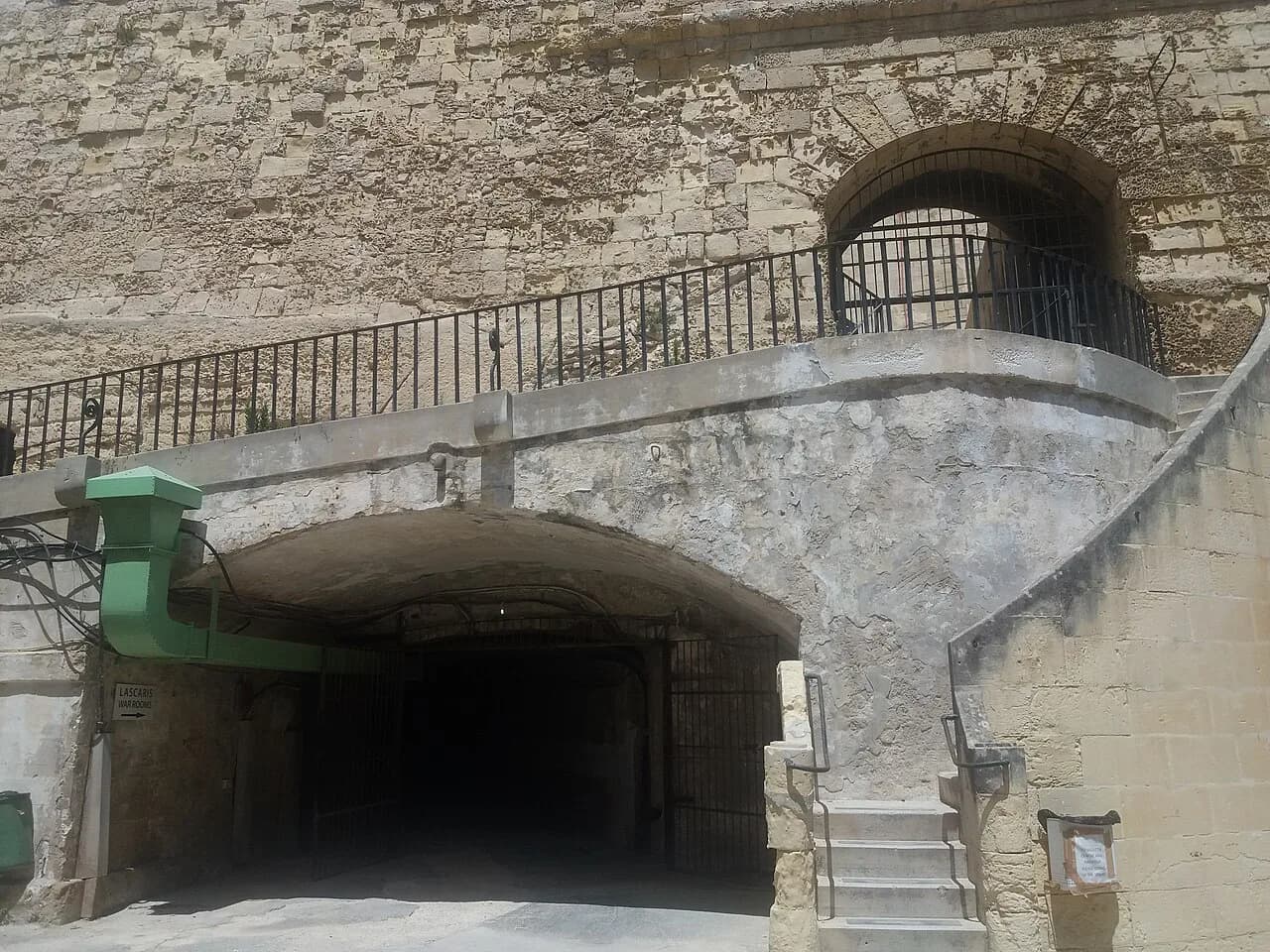
The island also hosted a major military headquarters hidden underground, part of a network of command posts and radar stations that made Malta valuable beyond its harbour. Visitors who want to see how that worked can follow the shelter and command-post story in more detail in our guide to Malta's air raid shelters, which covers the underground spaces that survive.
Bormla (Cospicua), one of the Three Cities across Grand Harbour from Valletta, was badly scarred by the bombing, and its rebuilding shaped the town you walk through today. Reading the harbour towns as wartime targets rather than just as baroque set pieces changes what you notice in their streets.
The Italian fleet's surrender and the last raid
The siege did not end with a single event. After the armistice with Italy was announced on 8 September 1943, the Italian fleet was ordered to sail to Malta and surrender, and the first ships arrived two days later; by the end of the month 76 Italian naval units had surrendered at the island. Admiral Sir Andrew Cunningham signalled that the Italian battle fleet lay at anchor under the guns of the fortress of Malta.
Air attack was not over, however. A heavy raid before dawn on 20 July 1943 killed six people and seriously injured seventeen, and German bombers returned on 26 July; the last civilian killed by bombing in Malta died at Żabbar in that raid. The final air raid on the island came on 28 August 1944, with the alert sounding at 8.43pm and the all-clear at 9pm.
More than 1,500 civilians were killed from the first raid onwards, roughly one in every 200 of the population. Churchill visited in November 1943, arriving on HMS Renown on 17 November and touring the naval dockyard, and Roosevelt flew in on 8 December to present a citation praising the Maltese; both returned in early 1945 for talks ahead of Yalta.
Where to follow the story on the island
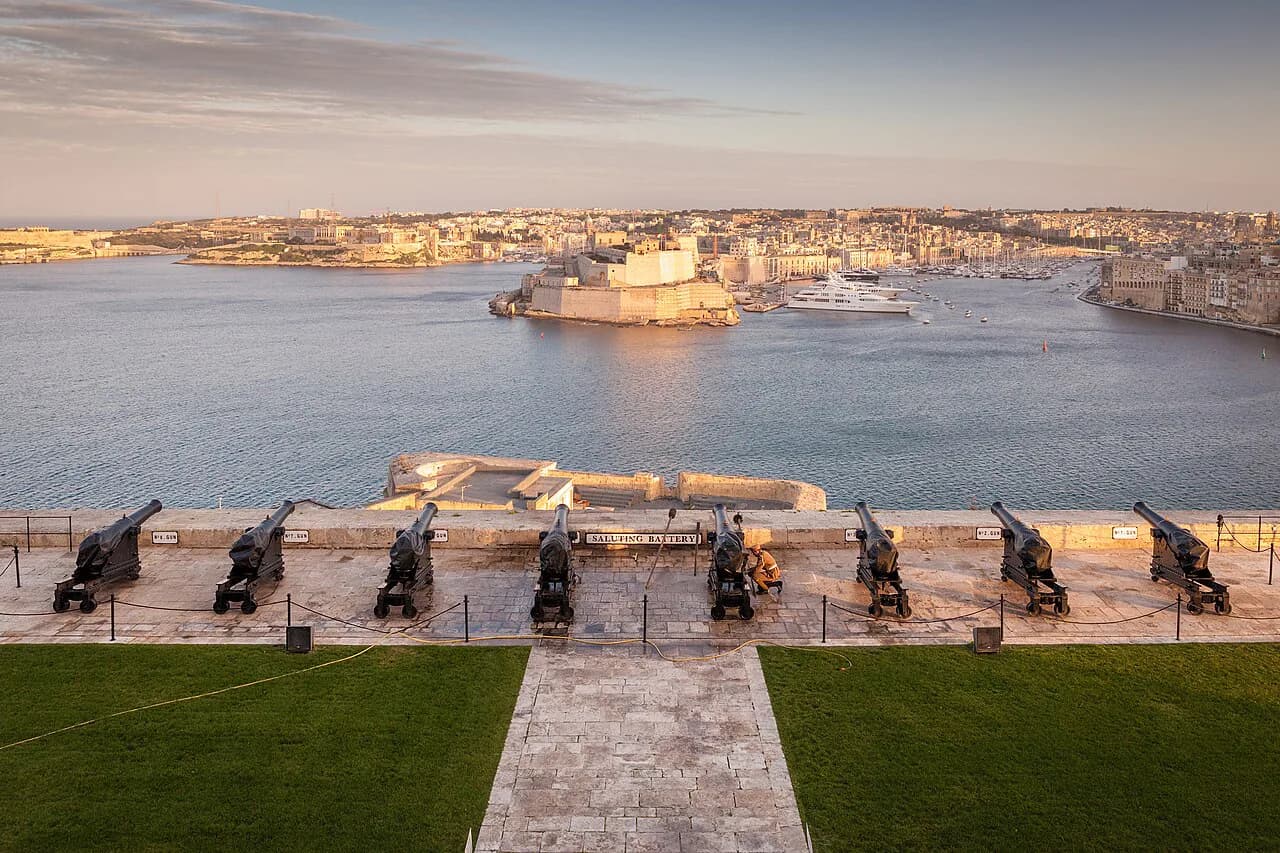
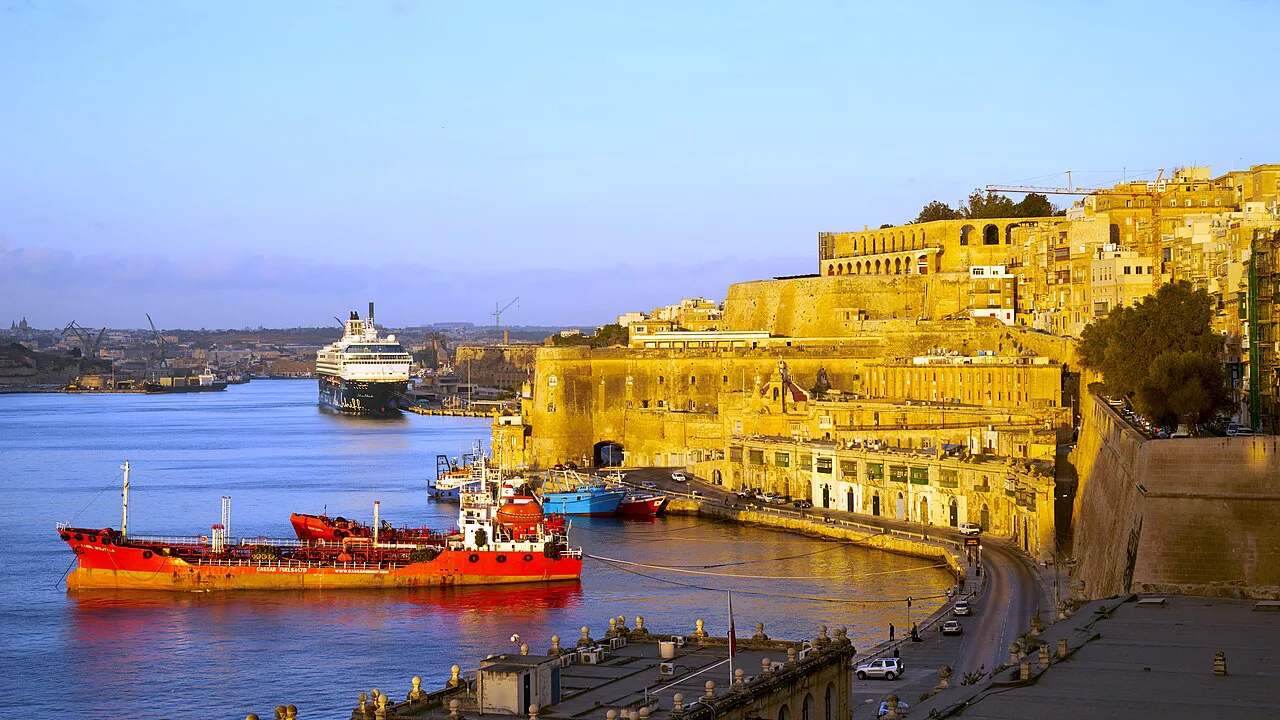
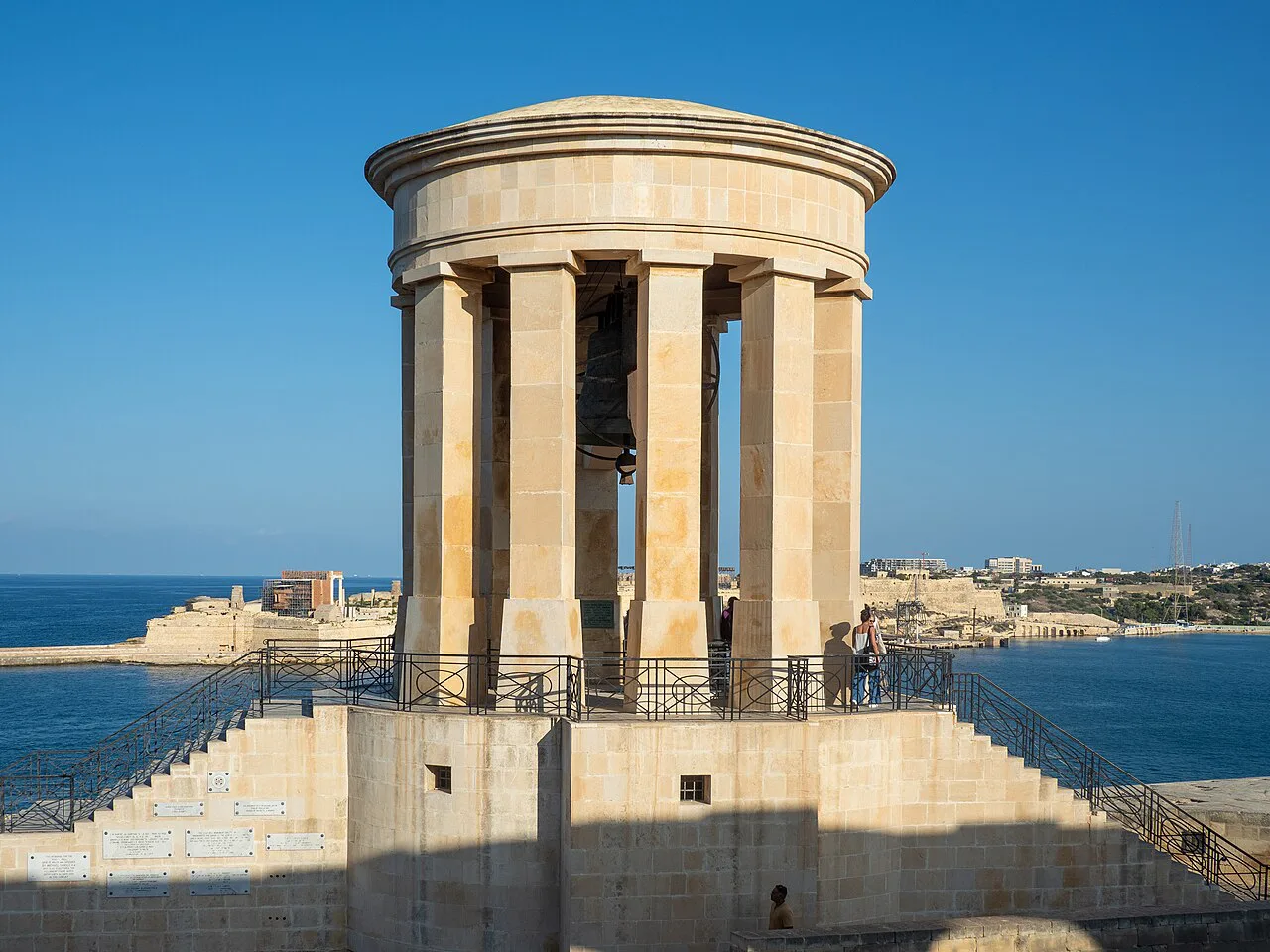
Most of the wartime story is legible in the harbour area, where the fortifications that fired the barrages still stand. Fort Manoel on Marsamxett Harbour, Fort St Elmo at the tip of Valletta and the coastal batteries around the Grand Harbour and Delimara were all part of the defensive ring, and they can be read as a single system rather than as isolated monuments. For the wider picture, our guide to Malta in WW2 sets out the island-wide sites and how they fit together.
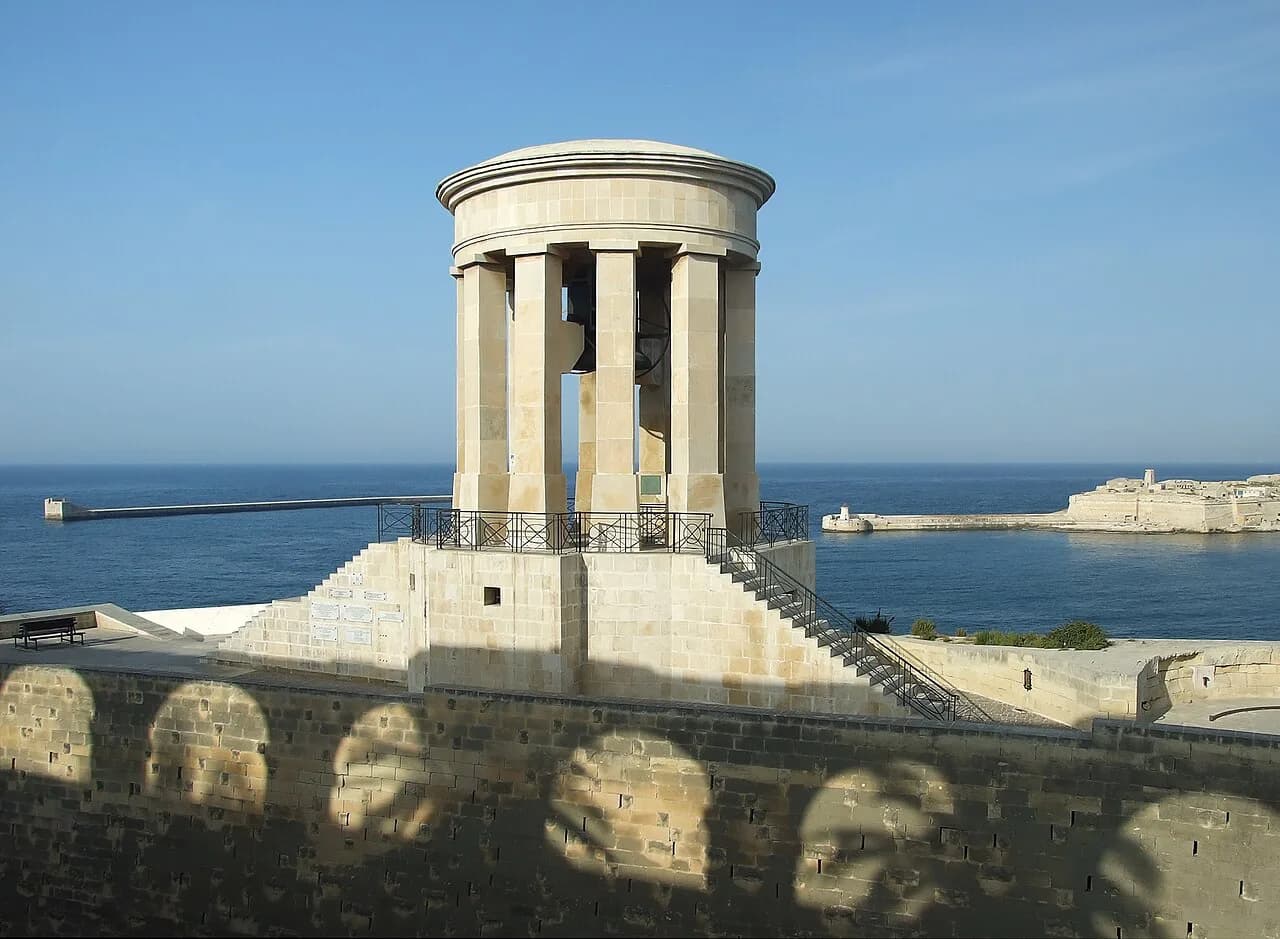
The George Cross awarded to the island in 1942 is the other thread to follow, since it explains why wartime memory is so prominent in Maltese public life. Our page on Malta's George Cross covers what the award was and where its story is told.
For a sense of the harbour defences in peacetime, the Victorian-era Fort Rinella at Kalkara is an easy add-on to a Three Cities day and shows how the harbour was fortified long before the 1940s. Pair it with a walk along the Birgu waterfront for the geography of the siege.
Practical notes for harbour-area sites
The harbour-area sites sit in the middle of working towns, so timing matters more than distance. Valletta's centre and the Three Cities are close enough to combine on foot and by ferry, but cruise-ship days load the Waterfront and the main streets, so an early start makes a real difference.
Midday heat is the other constraint. The limestone streets and fortifications offer little shade, and the walk between Fort St Elmo and the harbour edge is exposed; plan the indoor or underground parts of a visit for the hottest hours and keep the open-air sections for morning or late afternoon.
Is the wartime trail worth a half-day?
Yes, if you treat it as a walk through a working harbour rather than a museum circuit. The forts, the creeks and the Three Cities streets give the siege a physical shape that a timeline alone cannot, and half a day is enough to link Fort St Elmo, the Valletta waterfront and one of the Three Cities by ferry.
Check the current opening arrangements for individual forts and museums before you set out, since these change by season and by site. Build the day around the outdoor geography first and treat any interior visit as a bonus.
Sources
Notes for your Malta trip
Optional updates when we add or correct a Malta or Gozo guide.
You might also like
Continue reading
More guides you'll find useful