Malta Tips: Practical Things to Know Before You Go
Practical Malta tips for UK and Irish travellers: church dress codes, driving cautions, booking big sights ahead, pastizzi, and getting between the islands.
On this page
The single most useful Malta tip is to book the headline sights before you fly and to carry a light cover-up for churches. Everything else — buses, ferries, food, euros — falls into place once those two are sorted. This guide works through the decisions in the order you will face them, from pre-trip bookings to dress codes, transport, driving and everyday costs.
Malta packs three islands into a short break: the main island with Valletta, Mdina and the harbour towns; Gozo with Victoria and its Citadel; and Comino between them. A relaxed pace over three to four days covers the essentials, and five to seven days lets you add Gozo properly.
What to sort before you fly: booking Malta's headline sights in advance
Reserve the sights you care about most before you leave home. Booking ahead is the standard advice for Malta's most in-demand experience, and popular tours fill quickly in peak periods, so treat tickets as part of the trip planning rather than something to arrange on the day.
If you plan to drive, check whether you need an International Driving Permit before booking a hire car, since that is one of the pre-trip items worth confirming early. Sort car hire and any permits in the same session as your sight tickets so nothing is left to arrival day.
Church dress codes: covering knees and shoulders
Churches are the one place where what you wear genuinely matters. Carry a cover-up when you walk around the cities so you can cover knees and shoulders before stepping inside, and keep it in your bag rather than your suitcase, because you will pass churches without planning to.
Malta is a largely conservative country, which shapes how you dress away from the water as well as inside churches. A light scarf or shirt solves the problem in Valletta, Mdina and the village parishes without weighing you down; our Malta dress code guide covers the rest.
Getting around: buses, the Sliema–Valletta ferry and the Gozo Channel crossing
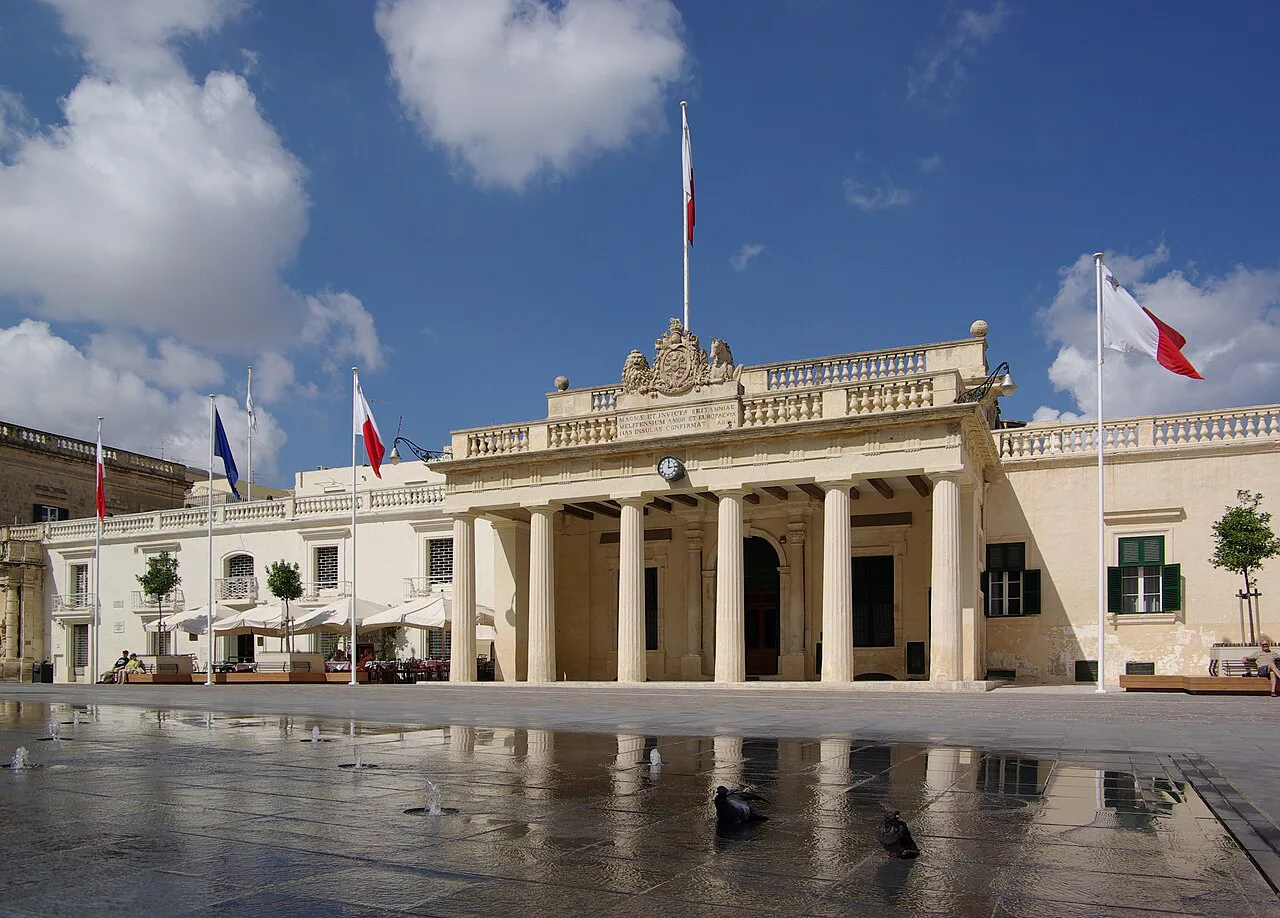
Between Sliema and Valletta, the ferry is the pleasant option: it crosses in one direction for a small cash fare and runs at half-hourly intervals, while the bus takes longer. Paying cash is part of the deal, so keep coins on you rather than relying on card.
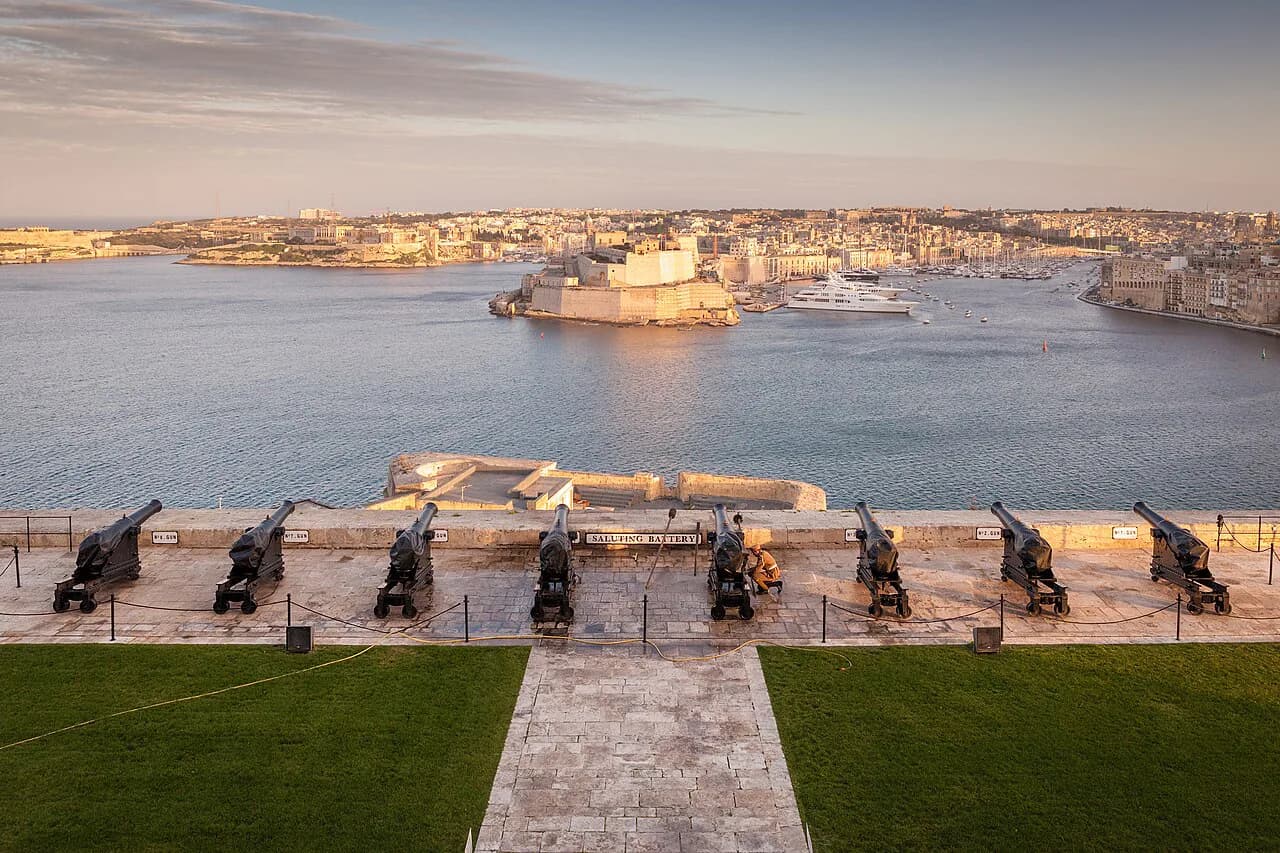
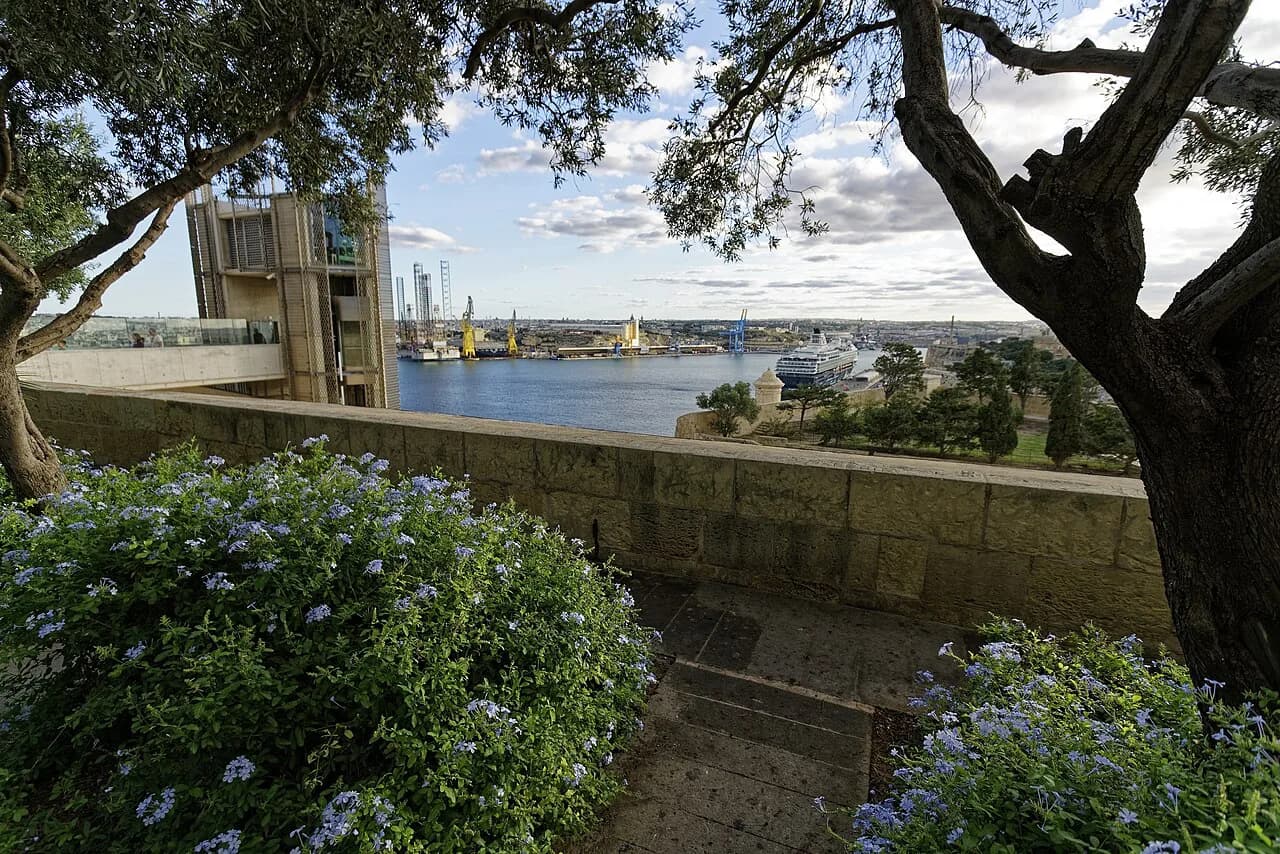
For the Three Cities, take the lift down from Upper Barrakka Gardens, which costs a small fee covering the crossing, then walk along the quay past the boat touts to the proper ferry, which departs every 30 minutes. It drops you at Birgu (Vittoriosa) and L-Isla (Senglea), with Bormla (Cospicua) alongside.
To reach Gozo, take the Gozo Channel ferry from Ċirkewwa at Malta's northern tip; the crossing takes about 40 minutes and you buy the passenger ticket on the return leg, so you board in Malta without one. Bus 41 connects Valletta with Ċirkewwa. In summer the queue for the crossing builds, so allow slack in the day rather than cutting it fine.
Comino sits between the two larger islands and is reached by boat rather than scheduled bus or ferry, so treat it as a boat day rather than a stop on a land itinerary.
Driving in Malta: relaxed rules and what that means for you
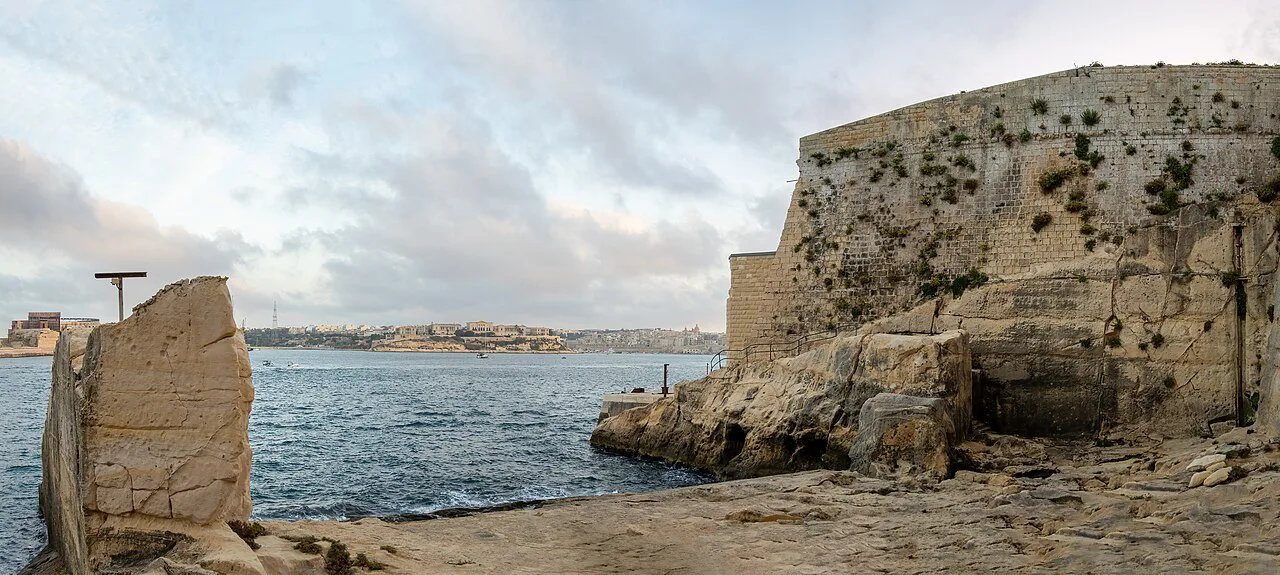
Driving rules and their enforcement are looser than in the UK, so drive with caution and watch other drivers more than you would at home. If you are not confident on unfamiliar roads in heavy traffic, the bus and ferry network covers Valletta, Mdina and the harbour towns well enough to skip the car entirely.
Traffic in and around Valletta is worst around rush hour and in heavy rain, so shift your arrival into town outside those windows. Our driving in Malta guide sets out the practical details, including whether your UK driving licence is enough.
How long you need and how the islands split up
Three to four days at a relaxed pace covers Valletta, Mdina, Rabat and the harbour towns, while five to seven days gives you room for Gozo and Comino without rushing. Pick your base with the split in mind: Valletta and the harbour towns for city days, Mosta's central position for island-wide trips.
On Gozo, Victoria is a practical base for day trips, with the Citadel on its hill as the obvious first stop. On the main island, Mdina and Rabat sit side by side, joined by streets such as Triq San Pawl, so plan them as one half-day rather than two separate outings.
What to eat: pastizzi and where seafood is the draw
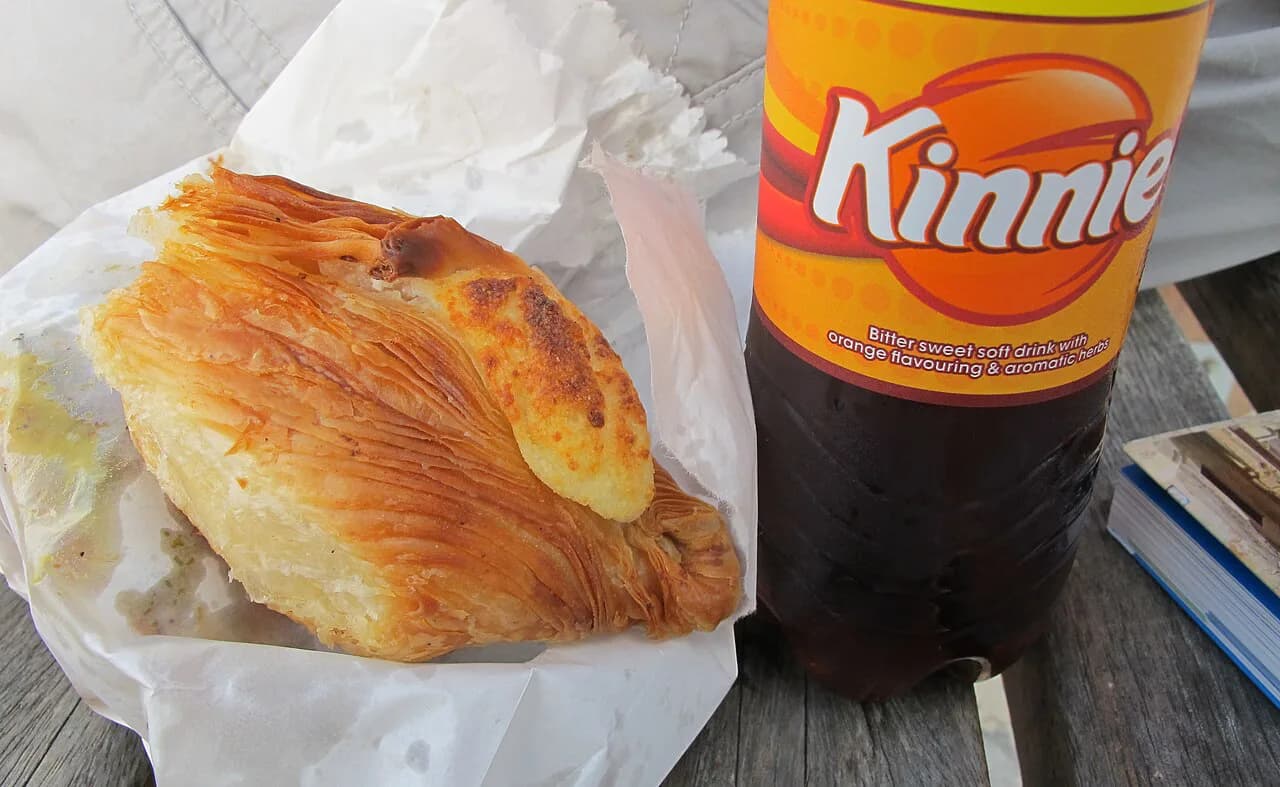
Grab a pastizzi from any café when hunger hits mid-sightseeing; the pastry comes filled with cheese or peas, and it is the cheap, quick fix that keeps you moving between cities.
For seafood, Spinola Bay in St Julian's is the fishing-village setting where the restaurants make fish the point of the meal. If you want the wider shortlist, our best restaurants in Malta guide covers options across the islands.
Money, tipping and everyday costs in euros
Malta uses the euro, so sterling and dollars need changing or spending on a card that does not punish you for it; our Currency in Malta guide explains the currency situation and what to carry. Small cash matters, because the Sliema ferry and the Upper Barrakka lift are cash-only payments.
Mosta Dome charges a small entry fee for the church, with a higher ticket if you add the balcony and the wartime shelter, which is the kind of modest extra worth deciding on at the door. For how these costs stack up across a week, see is Malta expensive and our tipping in Malta guide for restaurant and taxi conventions.
Heat, shoes and sun protection for walled cities and temple sites
Pack good shoes and sun protection as defaults: Mdina's honey-coloured sandstone streets, Valletta's ups and downs and the temple sites are all exposed, and the midday heat on a stone street is harder work than the map suggests. Walking the walled cities means uneven paving and steps, so trainers beat sandals for a full day.
Plan outdoor sightseeing for the morning or late afternoon and use the middle of the day for churches, catacombs or the shaded lanes. St Paul's Catacombs in Rabat, for instance, give real relief from the sun on a hot day.
Language: picking up a few Maltese words
Learning a little Maltese goes a long way with café staff and bus drivers, and place names are where it pays off most. Marsaxlokk is built from Marsa, the Arabic-derived word for harbour, and xlokk, the Maltese name for the Mediterranean wind.
Reading the letter combinations in names such as Mellieħa, Buġibba and Xagħra helps you ask directions with confidence; our Maltese Language for Visitors page covers pronunciation and everyday phrases.
Safety: nightlife areas and opportunistic theft
Malta is a safe place to travel, but be vigilant in nightlife areas and guard against opportunistic theft such as bag-snatching or pickpocketing in crowds. That means keeping bags zipped and phones out of sight in the busy harbour-front and nightlife zones rather than treating them as a worry to plan the trip around.
On the road, apply the same caution: rules are enforced loosely and Valletta's rush-hour traffic, particularly with rain, is the moment to be extra careful.
Boat trips and organised dives carry their own rules, so follow the briefing and stick to organised operators rather than improvising around the water.
When to check current details
Ferry fares, ticket prices and tour availability move year to year, so confirm each one with the operator or venue before you commit. For example, the Gozo Channel passenger fare quoted in guides is a figure worth checking against the operator's own published rate before you budget it.
The remaining practical checks are simple: plug sockets, SIM or eSIM coverage and tap water safety. Sort your Malta plug type and travel adapter before flying, and read can you drink tap water in Malta so you know whether to buy bottled water for day trips.
Which Malta tips matter first?
Book the sights you cannot miss, pack a cover-up and decent shoes, and decide between the bus, the ferry and a car before you land. Those three choices cover most of what goes wrong on a first Malta trip; the rest — pastizzi stops, evening light at Senglea harbour — you can improvise.
If your time is short, keep to Valletta, Mdina and Rabat with a ferry hop to Birgu and L-Isla, and add Gozo only if you have the extra day to give it.
Explore more Malta guides
Sources
- 14 things to know before visiting Malta - Lonely Planet
- Malta & Gozo tips: 12 awesome things to do during your trip
- The ultimate Malta travel guide — 48 Hours In Europe
- 18 Very Best Places in Malta to Visit (Ultimate Island Guide) - Hand Luggage Only - Travel, Food And Photography Blog
- 9 top tips for your Malta holiday | Mercury Holidays
Notes for your Malta trip
Optional updates when we add or correct a Malta or Gozo guide.
You might also like
Continue reading
More guides you'll find useful