Is Malta Expensive? Real Costs for Food, Transport and Sights
Malta is moderate by Mediterranean standards: buses and bakery food are cheap, while cathedral tickets and boat trips add up. Typical euro prices here.
On this page
Malta is a moderate-cost Mediterranean destination rather than an expensive one: everyday food and public transport are cheap, while a few headline sights and boat trips carry the real prices. This guide sets out typical costs for meals, buses, car hire, the Gozo ferry and the main paid attractions, so you can see where a budget actually goes.
Every price below is in euros and comes from a published cost guide for the islands; none of it is a forecast for your dates. Fares and entry charges are set by operators and change, so treat the figures as planning benchmarks and confirm at the ticket desk or operator's page before you commit.
Is Malta expensive? The short answer
No, by western Mediterranean standards Malta sits in the middle, with a low floor on food and transport and a small number of higher prices on the sights. A travel-cost breakdown for the islands puts a budget two-person day at roughly $227 and a luxury day at about $800, which shows how far the range stretches. Read those as dollars from that guide, not as euro prices you will see on the ground.
The practical consequence is that you control the total more than the destination does. Two travellers who ride the bus, eat pastizzi at lunch and pick one paid attraction a day will spend a fraction of what a hire car, restaurant dinners and multiple boat trips cost. The sections below price each of those decisions separately.
What a day in Malta typically costs, by travel style
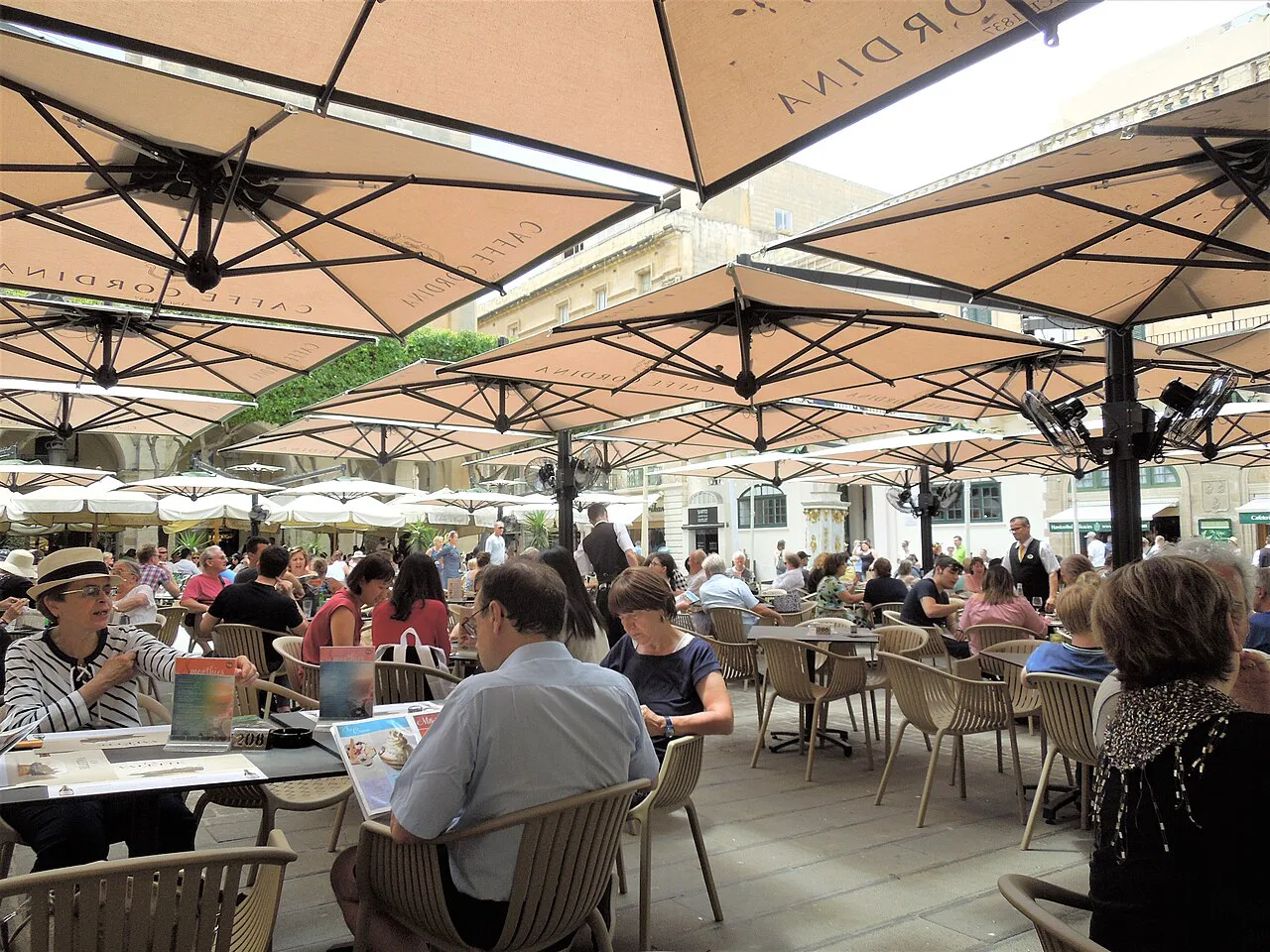
A lean day is built from public transport, bakery food and free walking, with one entry fee at most. The same cost guide estimates around $227 a day for a budget couple and around $800 for a luxury day with private tours and fine dining, and it puts a whole budget trip at roughly $1,500 to $3,000 against $5,000 and up for luxury.
That spread matters more than any single line item, because most visitors land somewhere in the middle. A mid-range day covers a bus or two, a casual lunch, a cathedral or temple ticket and a simple dinner, and the totals stay modest because no item is large. Where the day gets expensive is when a boat trip and a restaurant dinner fall on the same date.
Food and drink: pastizzi, casual meals and restaurant prices
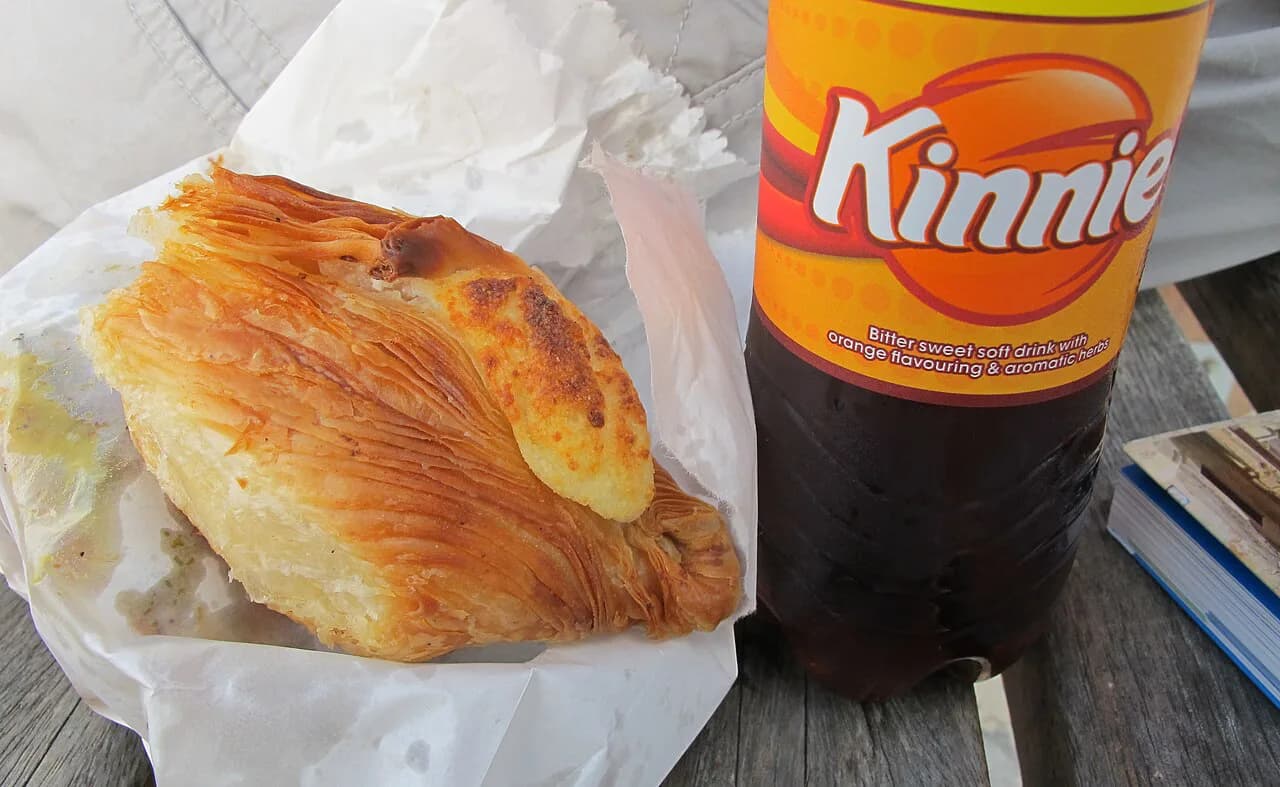
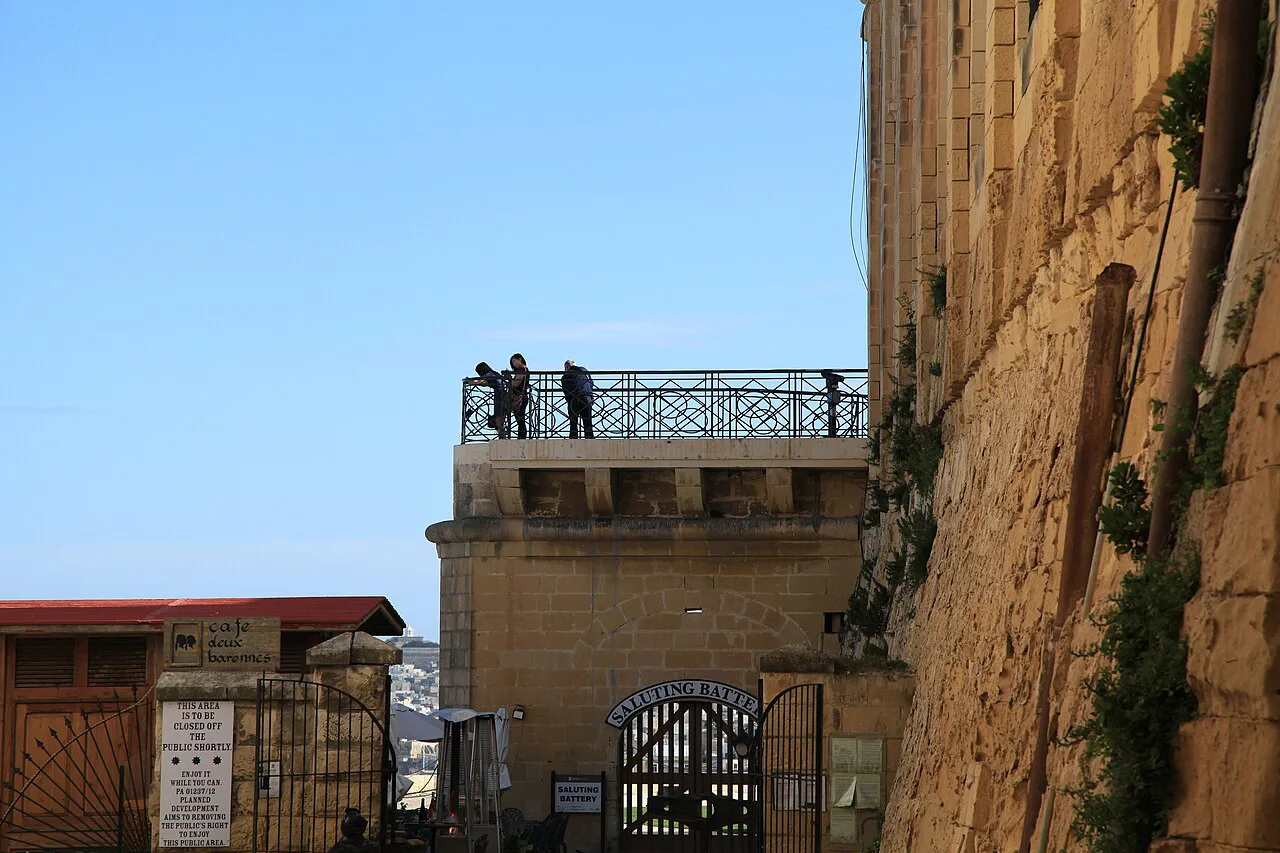
Malta's cheapest eating is its bakery food. Pastizzi, the flaky ricotta or pea pastries sold from small shops, are a low-cost staple, and the cost guide puts them under about $2.30 a portion; forum reports put a single pastizz nearer a few tens of cents. Pay in euros and expect small change rather than a card transaction. At the other end, the same guide notes a Michelin-starred tasting menu above roughly $138 per person, so the gap between a pastry and a celebration dinner is enormous. Ordinary restaurants sit between the two. If service charges and rounding confuse you, the tipping in Malta etiquette is straightforward.
Drinks are where a casual meal quietly grows, especially in the popular harbour towns. Ordering local wine by the carafe and taking coffee at a bar counter rather than a seafront table keeps the bill down without changing the food.
Getting around: bus fares, the weekly travel card and airport buses
Public buses are the cheapest way to cross the island, and a weekly travel card is the usual choice for anyone staying more than a few days. One budget guide records single fares of €1.50 in winter and €2.00 in summer with a two-hour transfer window, and a seven-day unlimited-travel card at €21. Those figures are that writer's, so check the current fare board when you buy; the wider Malta Tips guide covers more on getting around.
The transfer window decides how you plan a day: two journeys within the validity period cost one fare, so grouping sights along one route saves money as well as time. Express buses from Malta International Airport charge the same fare, which makes the airport run one of the best-value transfers on the islands. Check the bus routes into Valletta, Sliema and St Julian's before you land.
Buses are not always punctual, and some routes run only once or twice an hour, so a fare saved can cost an hour of sightseeing. Use the bus for straightforward corridors and accept that remote temple sites and village stops may need a taxi or a tour.
Car hire and the Gozo ferry crossing
A hire car buys flexibility for the temple sites and Gozo's villages, and the cost guide covers rental. That cost guide is US-facing, and Maltese rental desks have insurance excesses that change the real total. If you do drive, the paperwork and road rules are worth ten minutes of reading before you collect the keys. The ferry crossing to Gozo is priced differently for foot passengers and for a car, with the same guide covering both, so a car costs you twice on that crossing.
For a day on Gozo with Victoria, the Citadel and one or two villages, the ferry on foot plus Gozo's own buses usually beats taking a car across. Summer queues at the terminal are the trade-off, and an early crossing is the simplest defence.
Sightseeing costs: St John's Co-Cathedral, Mdina and boat trips
Valletta's headline sight is priced like a museum, and it is worth budgeting for. St John's Co-Cathedral charges for admission according to the cost guide, which buys the interior, the Caravaggio paintings and the floor of inlaid marble tombs. The same guide treats Mdina differently: walking its streets costs nothing, which is why the silent city suits a tight budget.
A light layer solves most church dress questions, and covered shoulders and knees are the simple rule to follow in Valletta and the villages. Carry a scarf in summer rather than shopping for one at the door.
Boat trips are the biggest optional cost of a Malta holiday. The cost guide includes Blue Lagoon trips on Comino, and the price usually covers the crossing rather than extras such as sunbeds or food on the island. Book on a calm day, and accept that a cancelled sailing is a refund conversation rather than a guaranteed alternative.
Peak season versus shoulder season: what changes
Summer, roughly May to September, is the expensive stretch for flights and rooms, while spring and autumn bring lower rates on both. The cost guide covers shoulder-season flights and estimates a saving on a whole trip by moving out of peak summer.
The trade-off is heat and water temperature rather than price: midsummer afternoons make exposed temple sites and walled-city walking hard work, so shoulder months give you both lower costs and easier sightseeing. If your dates are fixed by school holidays, book the big-ticket items early and spend the saving on transport instead.
Where the money goes quietly: extras and packages
Small extras rarely appear in a headline budget and still add up over a week. The cost guide lists travel insurance for a week and notes that an eSIM avoids roaming charges, both of which are easy to arrange before you fly. Package prices need the same scrutiny as DIY costs, because an all-inclusive three-night deal tells you nothing about transfers or the trips you will actually want. Check what the package includes before treating it as cheaper than booking the parts yourself.
Everyday savings are unglamorous but reliable: refill a bottle where the water is safe to drink, carry a type G plug rather than buying one at the airport, and pay in euros rather than converting cash at a poor rate. Hotel and restaurant bills are quoted in the currency in Malta uses, so there is no leftover Maltese lira to worry about.
How to keep a Malta trip affordable without skipping the sights
Build the days around free walking and cheap food, then spend deliberately on the two or three experiences you came for. Mdina's lanes, Valletta's streets and Birgu's waterfront cost nothing to explore, so a cathedral ticket or a Comino boat trip becomes affordable within the same day.
Buy a weekly bus pass if you are staying long enough to use it, take the express airport bus, and cross to Gozo on foot rather than with a car. Keep one paid boat trip on the plan, choose a shoulder-season date if you can, and the total stays closer to the budget end of the range.
Is Malta worth the money?
Malta rewards travellers who spend on the few things that matter and keep everything else simple. Pastizzi, buses and free walled towns do most of the work, and the money goes where you choose: a cathedral interior, a boat to Comino or a Gozo crossing.
Decide your two priorities, price them from the operator's own page before you book, and let the cheap parts of the islands carry the rest of the trip.
Explore more Malta guides
Frequently Asked Questions
How much is an average dinner in Malta?
There is no single average, because the range runs from bakery pastries to Michelin-starred tasting menus. Ordinary restaurant dinners sit between the two, and the bill depends on whether you drink wine and whether you sit at a harbour-front table. Menus are displayed outside and priced in euros, so read one before you sit down.
What is a good salary in Malta?
That is a question about living and working on the islands rather than a holiday budget, and it depends on your sector, contract and household. Visitors planning a trip do not need it: the useful figures are fares, entry fees and meal prices.
Which is nicer, Malta or Cyprus?
Both are Mediterranean islands with walled towns, swimming and moderate costs, and the better choice depends on what you want to do. Malta packs its sights closely, with Valletta, Mdina and the Three Cities within short bus rides, which suits a short break with a few paid attractions.
Is visiting Malta expensive?
No, it is moderate. Public transport, bakery food and walking the old towns are cheap, while St John's Co-Cathedral entry, boat trips and car hire are the items that decide the total. A shoulder-season date and a weekly bus pass keep a trip near the budget end of the range.
Sources
Notes for your Malta trip
Optional updates when we add or correct a Malta or Gozo guide.
You might also like
Continue reading
More guides you'll find useful