Driving in Malta: Rules, Speed Limits and Whether You Need a Car
Driving in Malta is on the left, as in the UK, with 40 km/h urban and 60 km/h rural limits. Here are the rules, parking realities and when to skip the car.
On this page
Driving in Malta runs on the left, as in the UK, and a full UK photocard licence is accepted without an International Driving Permit. Urban limits are 40 km/h and rural roads 60 km/h, headlights must be on throughout the day, and the drink-drive limit is 0.08%. Whether you actually want a car is a separate decision: it pays off for temple sites and village centres, and costs you time in Valletta and on the Gozo crossing.
This guide covers the licence and age rules, the limits and habits that catch UK drivers out, parking in the towns, driving into Valletta, taking a hire car to Gozo, and the trips where a car is genuinely the better choice. Hire prices, fuel costs and the Gozo ferry fare belong to the operator or booking desk, so you confirm those when you book rather than relying on a figure here.
Do you drive on the left in Malta?
Yes. Traffic keeps to the left, so UK and Irish drivers have one less adjustment on arrival. Road signs follow the same pattern as Britain's, and the Maltese Highway Code mirrors the UK version closely.
The familiarity stops at the road layout. Malta is compact, but a short hop on the map can take far longer than expected because the roads are busy and narrow, particularly through town centres.
Can you drive in Malta on a UK licence, and what must you carry?
A full, valid UK driving licence is all you need, plus your passport or another accepted ID and your rental agreement if you are in a hire car. Rental firms set their own terms on top of that, so check the small print before booking.
Maltese law sets the driving age at 18, but hire companies commonly require 21 and may charge a young-driver surcharge below 25. If you hold an older paper licence rather than a photocard, settle the paperwork with the issuing authority before you travel.
What are the speed limits, and what other rules catch UK drivers out?
Expect 40 km/h in built-up areas and 60 km/h on rural roads unless signs say otherwise, and note that Malta has no motorways at all. Headlights are compulsory throughout the day, using a phone at the wheel is illegal, and you cannot turn left on a red light.
Everyone in the car must wear a seatbelt, and children under three or measuring less than 150 cm need an appropriate child restraint fitted by the parent, guardian or vehicle renter. Horn use in built-up areas is reserved for danger.
The blood alcohol limit matches the UK at 0.08%, which is high by European standards, but the hectic conditions argue for skipping alcohol entirely if you are driving. There are no toll roads, so you will not need change or a tag for the route.
Who can hire a car in Malta, and what does a hire car come with?
You need to be at least 21 to hire, with a full licence held for a reasonable period and the extra young-driver charge often applied below 25. Rental companies vary, so compare terms rather than assuming the cheapest quote includes the same driver cover.
No special equipment is compulsory in a standard Maltese hire car, so a warning triangle and reflective jacket come down to what the individual firm supplies. Ask at the desk what is in the boot before you set off.
Pick-ups near the airport suit a fly-drive trip, but the island is small enough that a car hired for the whole stay often sits idle while you walk Valletta or take a bus. Hire for the days you actually need it and keep the rest on foot.
If you are paying at the counter, a card in euros avoids poor exchange rates, and our guide to currency in Malta explains how cards and cash work on the islands.
Is driving in Malta difficult? Roads, traffic and local habits
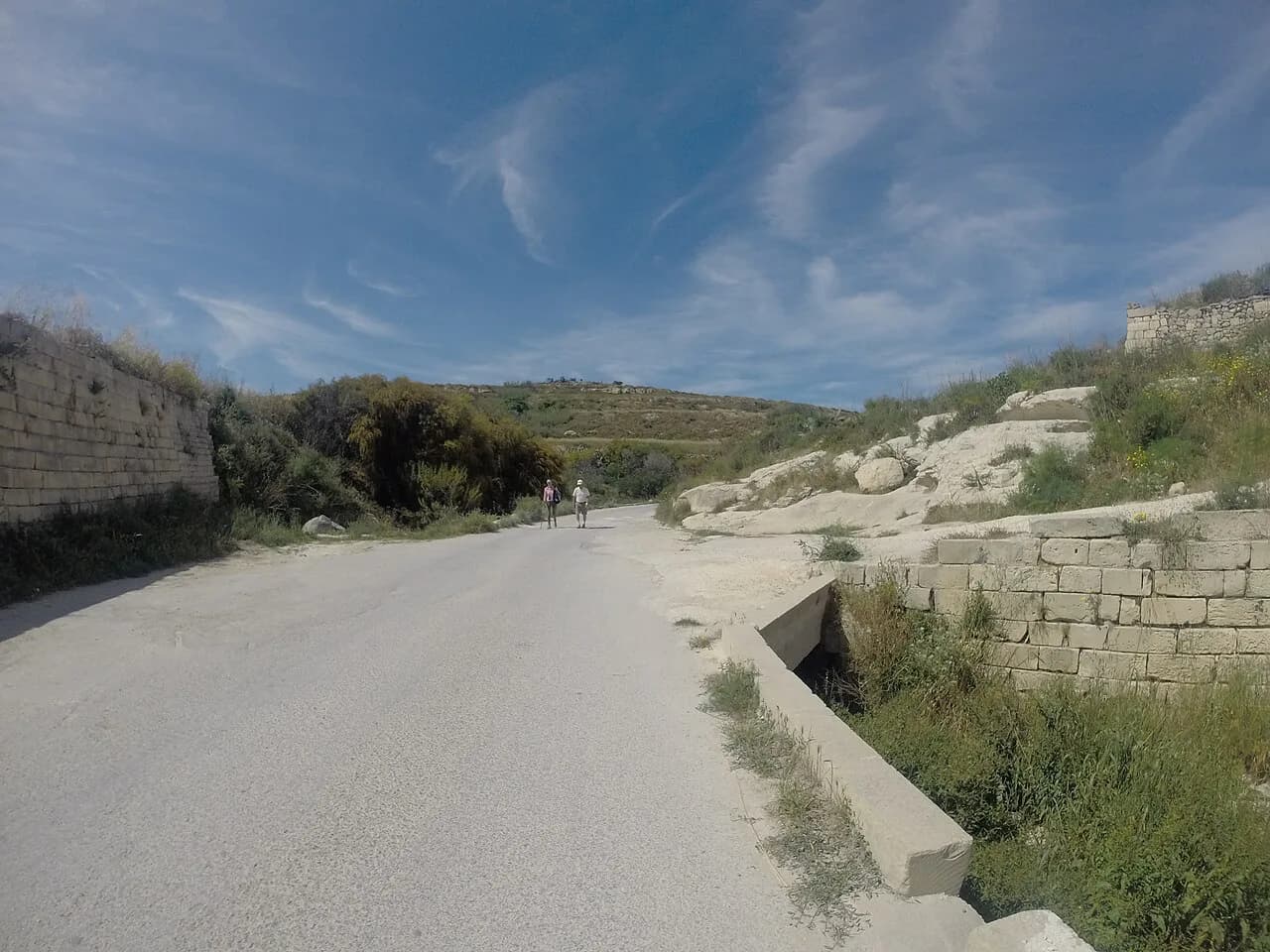
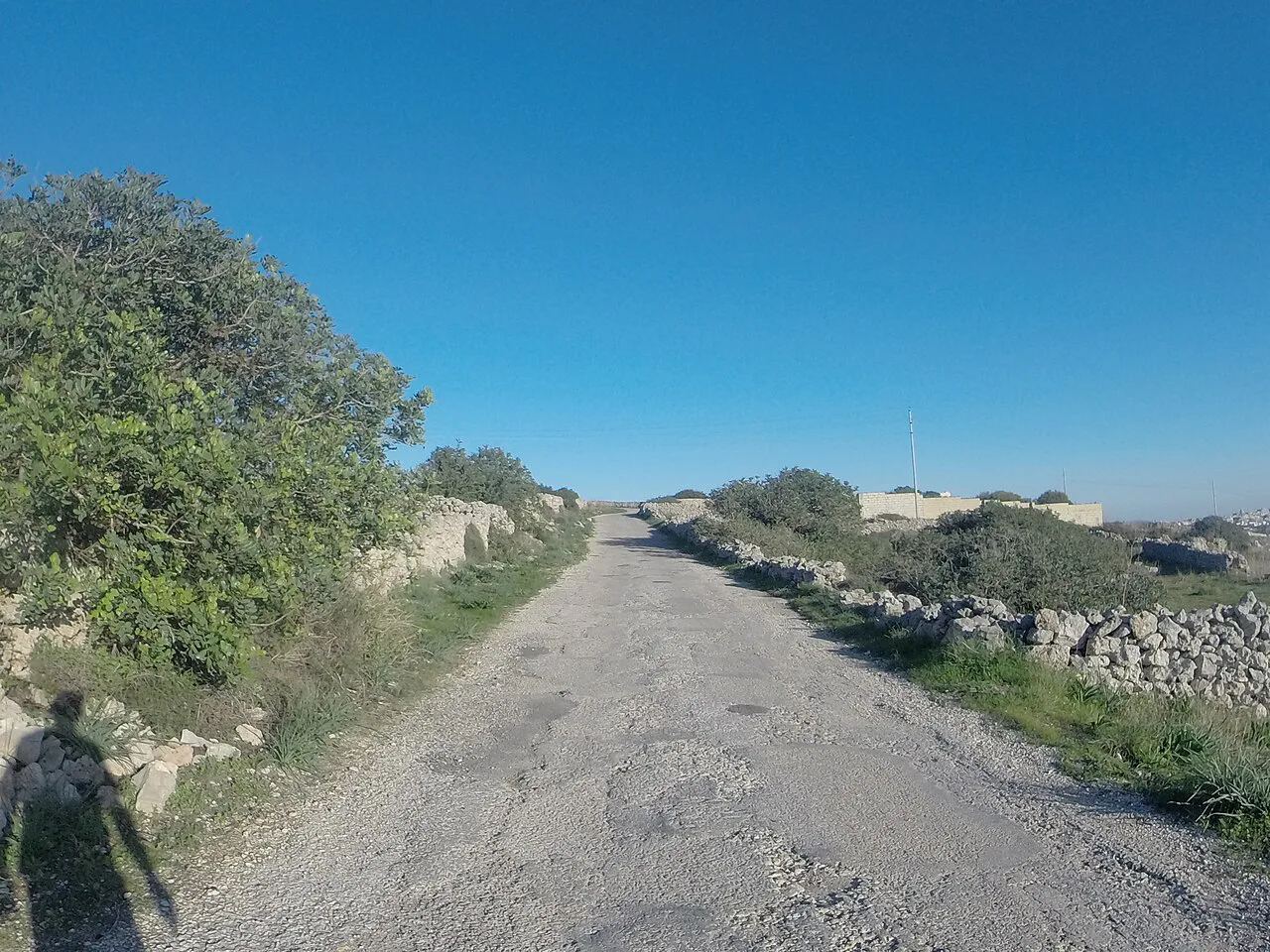
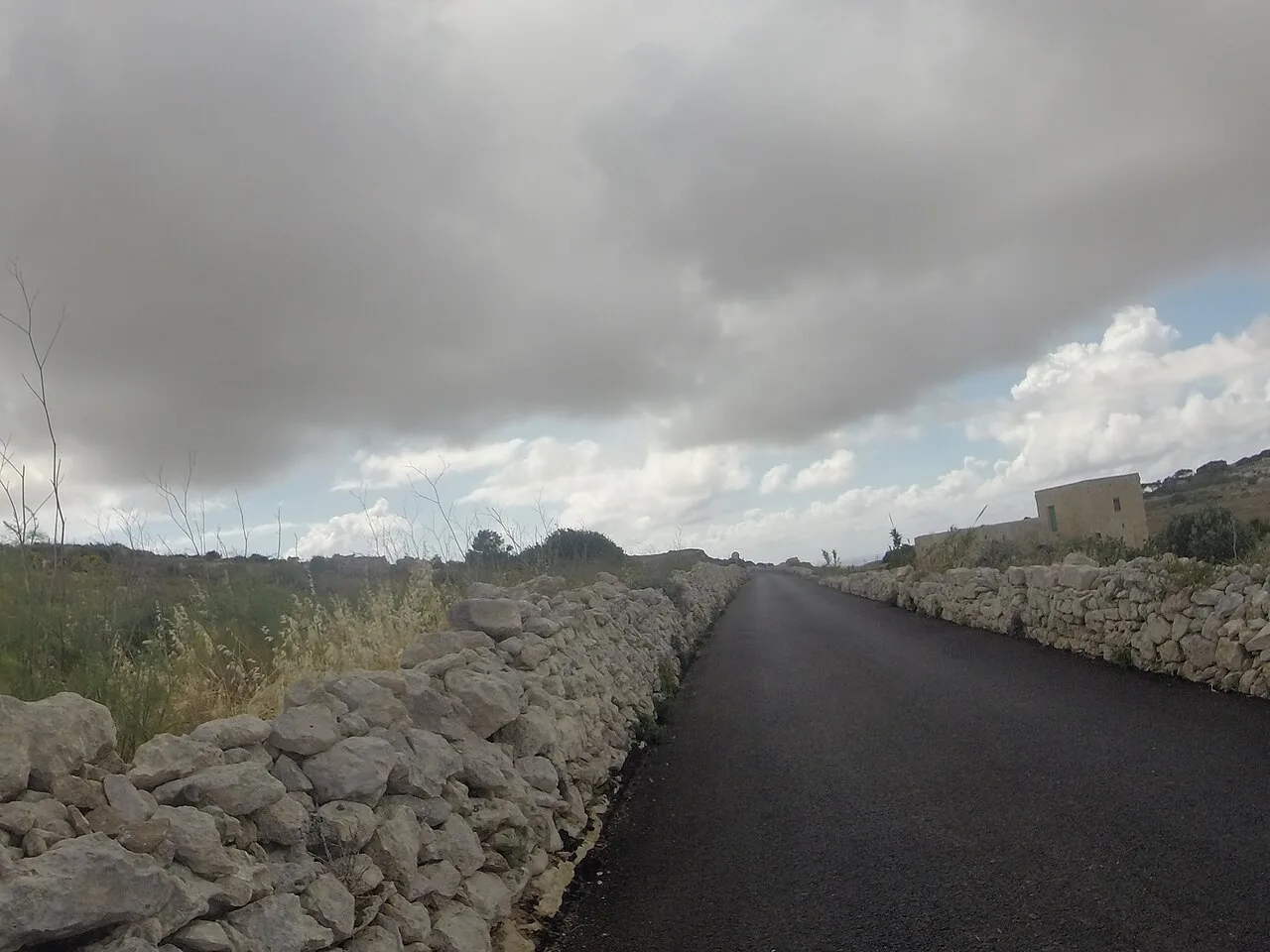
Town centres mean narrow, winding lanes that are awkward in a car, while rural roads can be potholed and less well kept than UK drivers expect. Add dense traffic in the built-up belt and the driving is more tiring than the distances suggest.
Indicator use is patchy and overtaking on the inside happens despite being against the rules, so leave a bigger gap than you would at home. Parking rules, by contrast, are enforced firmly, which is where the next section earns its keep.
Driving in Valletta: is it worth taking a car into the capital?
Valletta is the hardest place on the island to bring a hire car. Parking in main towns and cities is limited, the streets were not built for modern traffic, and a car becomes a liability you have to park rather than a convenience for seeing the city.
The practical answer is to arrive by bus or on foot and use the car for the rest of the day. Malta's compact scale makes a car useful for the island's outskirts but unnecessary for the capital itself, so plan Valletta as a car-free day.
Parking in Malta: town-centre limits and double yellow lines
Double yellow lines mean no parking, and enforcement is strict enough that a badly placed car can be towed. Many town-centre roads operate as time-limited parking zones, so read the signs before you leave the vehicle.
Paid car parks are common and reasonably priced relative to the hassle they save, which makes them the sensible choice in busy areas. Blue Badges are recognised in Malta if you need accessible parking.
Taking a hire car across to Gozo
The car can cross to Gozo with you, and the compact island rewards having your own transport for village centres such as Xagħra or Għarb. Treat the crossing as its own decision, because the queue at the ferry terminal in summer eats into a day that a passenger crossing would not.
Check with the hire company that cross-island travel is permitted and whether any paperwork is needed before you join the queue, and buy the crossing at the port rather than assuming it is bundled in. For the wider planning side of the trip, our Malta tips hub has the surrounding advice.
When a car makes sense on a Malta trip, and when it doesn't
Hire a car for the days you want the temple sites, the quieter village centres, or a run across the island to Marsaxlokk or the south coast. Those are the trips where buses are slow and a car saves real time.
Skip it for Valletta days, for Sliema and St Julian's where you will walk and eat out, and for any day built around a boat trip. A car parked all afternoon is money spent for nothing, and our Malta Tips hub has more on planning the city days.
Budget the trip as a whole rather than just the hire cost, since fuel and parking add up; our guide to whether Malta is expensive sets out the wider daily costs. If you are only here for a short city break, a car is rarely worth the trouble.
What to do if you break down or have an accident
If the car fails, move it off the road where it is safe, put the warning triangle 50 metres behind it and keep sidelights on in poor visibility. Call your rental company's collection station rather than a general recovery number.
For police, ambulance or fire, the single emergency number is 112. Keep your rental agreement and insurance details in the car so a report can be completed without a trip back to the hotel.
Five mistakes UK drivers make in Malta
Driving without headlights in daylight, assuming a UK licence means no hire-age surcharge, parking on double yellows, taking a car into Valletta, and joining the Gozo ferry queue without checking the hire terms are the five that cost visitors most. Each is avoidable with a minute's planning.
A sixth, softer error is expecting UK pace. Maltese roads are congested and slow, so build slack into any day that ends with a ferry or a timed ticket.
Should you hire a car for your Malta trip?
Hire a car for the middle of the trip, when you want the temples, the village centres and a cross-island run, and hand it back before your Valletta and Sliema days. That way you get the freedom where it matters without paying to park a car you are not using.
Check the age terms, the cross-Gozo permission and the equipment in the car at the booking stage, and confirm current fuel and ferry costs with the supplier. The rest of the planning sits in our Malta tips hub.
Explore more Malta guides
Frequently Asked Questions
Is it worth renting a car in Malta?
For temple sites, village centres and cross-island days, yes. For Valletta, Sliema and St Julian's, no: parking is limited and you will walk anyway. Many visitors hire for a few days rather than the whole stay.
Is driving in Malta the same as the UK?
Partly. Traffic keeps left, hire cars are usually right-hand drive and road signs look familiar. The differences are 40 km/h urban and 60 km/h rural limits, compulsory headlights in daylight, no motorways, and narrower, busier roads.
Is driving difficult in Malta?
Town centres and rural lanes test your patience more than your skill, and local habits such as patchy indicating demand extra care. Confident drivers cope fine; nervous ones are better off with buses for the cities and a car only for out-of-town days.
What should I know before driving in Malta?
Carry your licence, passport and rental agreement, expect the 0.08% alcohol limit, never park on double yellows, and keep the emergency number 112 to hand. Check hire age terms and Gozo crossing permission before you book.
Sources
Notes for your Malta trip
Optional updates when we add or correct a Malta or Gozo guide.
You might also like
Continue reading
More guides you'll find useful