Tipping in Malta: What to Leave in Restaurants, Cafés, Taxis and Tours
Tipping in Malta is discretionary, and many diners leave about 5% for good service. Here is what to give in restaurants, cafés, hotels, taxis and tours.
On this page
Tipping in Malta is not obligatory, but leaving something for good service is normal, and most Maltese diners who tip at all consider about 5% fair. This guide covers what to leave in restaurants and cafés, hotels, taxis and guided tours, how service charges and VAT affect the bill, and why a little cash in euros is the easiest option.
The numbers below come from a survey of 500 people for the Association of Catering Establishments (ACE) and from restaurant trade reporting, so treat them as a picture of habits rather than a rulebook. Nothing here is a fee you owe.
What tipping in Malta actually looks like
Tipping is discretionary across Malta and Gozo, but it is common enough that staff will not be surprised by an extra euro or two left on the table. The most useful benchmark is local behaviour: in the ACE survey, most Maltese respondents said 5% is a fair tip when they are satisfied with the meal and service.
Visitors behave differently. The same survey found that 40% of tourists leave no tip at all, while only 14% of locals skip it entirely, which means servers cannot assume anything extra is coming from a table of holidaymakers. If you have had good service, leaving a few euros is a genuine courtesy rather than a formality.
Spending patterns explain some of the difference. Tourists in the survey spent about 42 euros per outing, with most reporting around 50 euros, while locals averaged roughly 95 euros a month spread across several meals out. A tip on a single holiday dinner therefore tends to feel like a bigger decision for the diner than for the regular.
How much to tip in Maltese restaurants and cafés
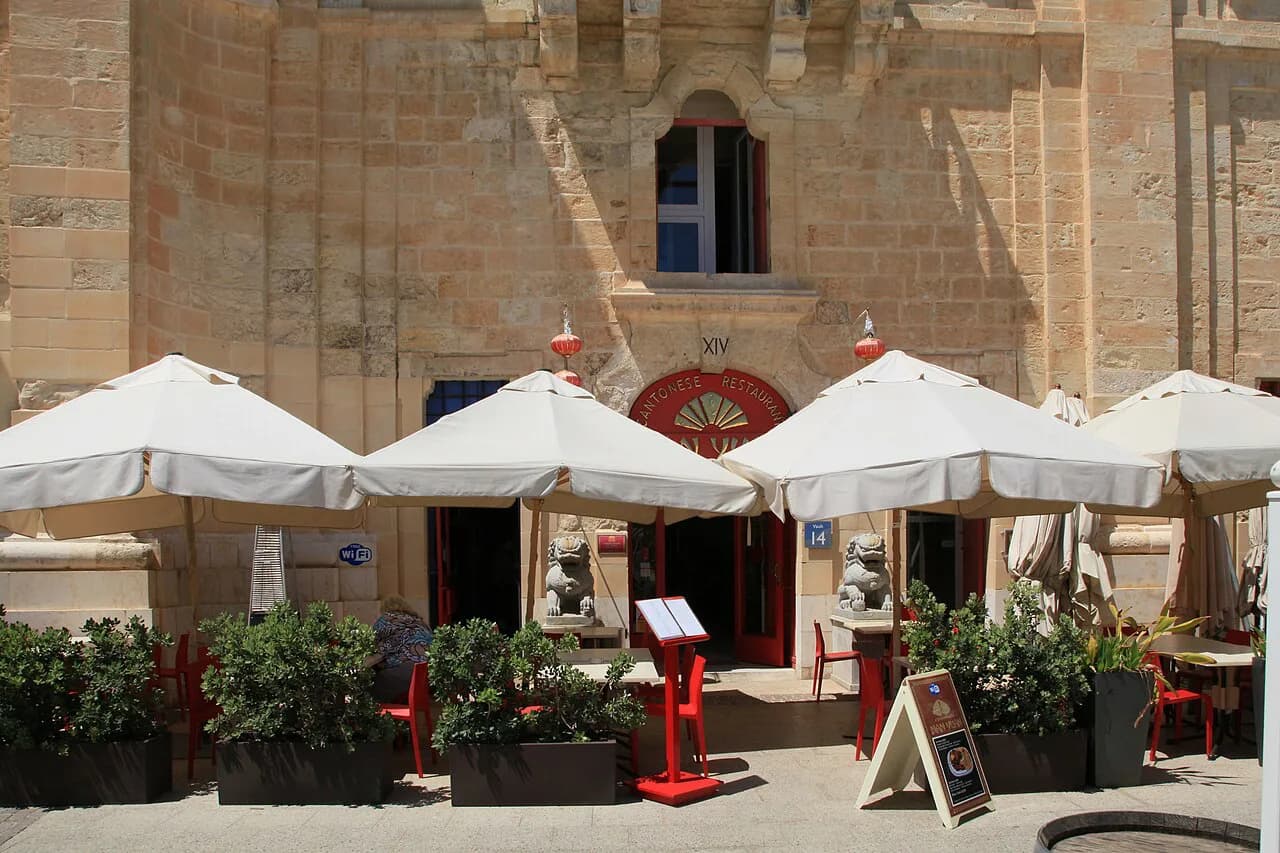
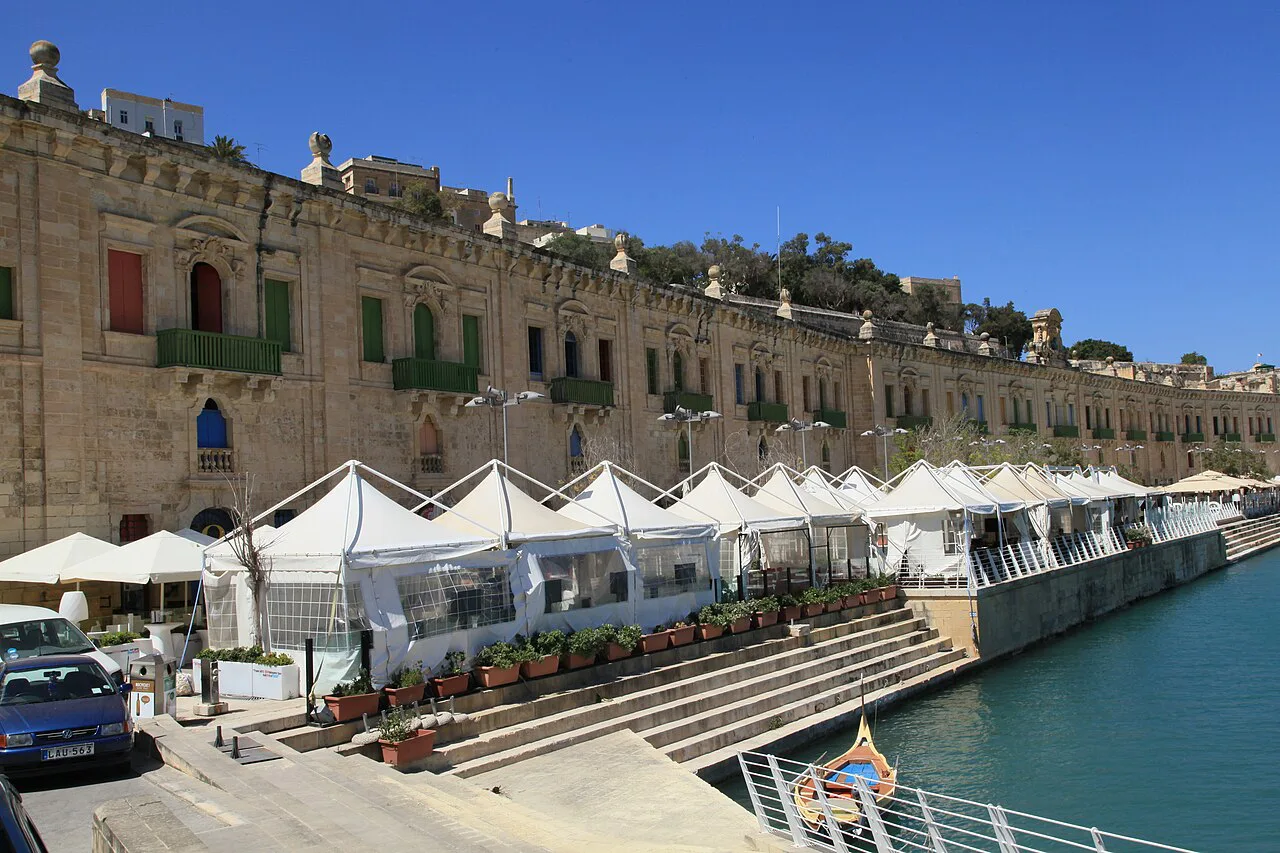
For a sit-down restaurant meal, 5% is a safe figure for good service and 10% is generous by local standards. Tipping guides aimed at visitors often suggest around 10%, and 15% for exceptional service, but that sits above what Maltese diners reported leaving, so treat it as a ceiling rather than a starting point.
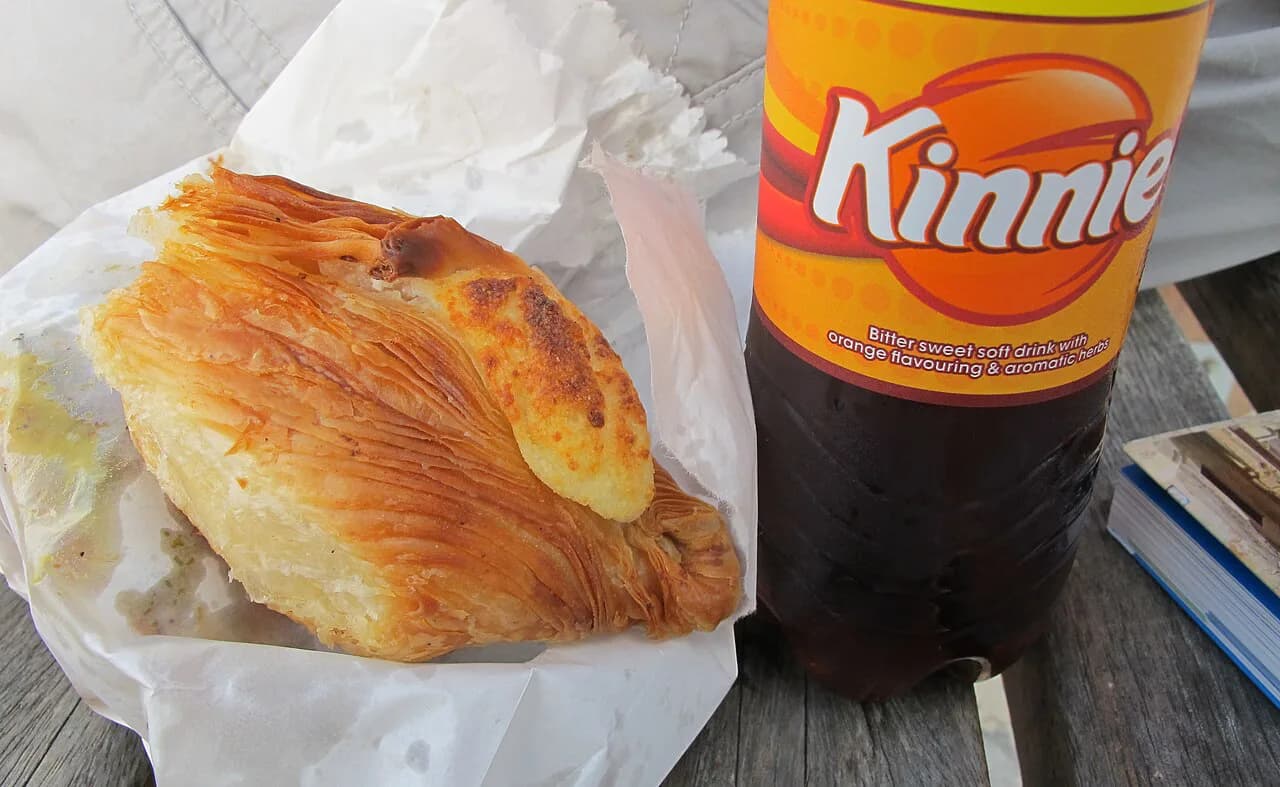
In cafés and bars, rounding up is the cleaner habit, especially when you are ordering a coffee or a couple of drinks rather than a full meal. Paying for a pastry and leaving the change costs little and avoids the awkward arithmetic of a percentage on a small bill.
Some restaurateurs argue the culture is shifting. Oswald Caruana, who runs La Sfoglia on Merchant Street in Valletta, told WhosWho.mt that tipping had declined over the previous three years, particularly among Maltese diners, and that prices for produce such as king prawns had risen sharply. That context matters if a bill feels high before any tip is added.
Service charges and VAT: check the bill before you add a tip
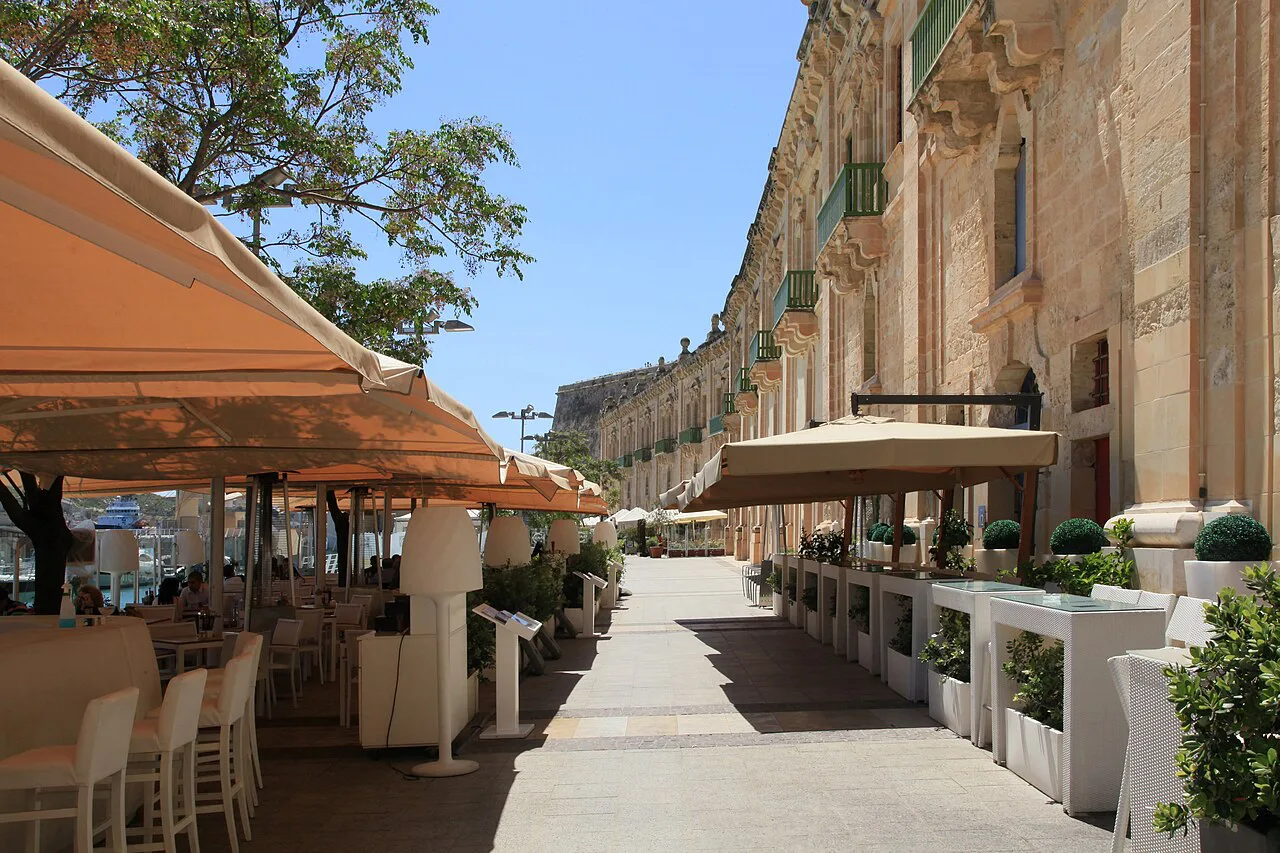
Before you add a percentage, look at the bill for a service charge. If a gratuity is already included, a tip is not necessary, and if you are unsure how the establishment handles it, ask before you pay rather than after.
Part of what makes Maltese restaurant bills look steep is tax rather than service. Restaurants pay 18% VAT, a rate the ACE has described as higher than in many Mediterranean countries, and the association has lobbied the government to cut it. That figure sits in the bill already, so it is not a service charge and not a reason to reduce a tip.
In the same survey, 58.5% of Maltese respondents said restaurants in Malta are expensive, against only 14.5% of tourists. If your own reaction is that the food is pricey, you are in line with local opinion; if you think it is good value, you are in line with most visitors. See our pick of the best restaurants in Malta and our Malta tips for the wider question of what a holiday here costs.
Tipping in hotels: housekeeping, porters and concierge
Hotel tipping is where the published advice varies most, so use it as a range rather than a rule. One guide suggests 10% for hotels generally, with about 1 to 2 euros per bag for porters and 2 to 3 euros a day for housekeeping, while another sets housekeeping at 5 to 10 euros and concierge tips at 10 to 15 euros for exceptional help.
A practical approach is to leave a couple of euros a day for housekeeping in cash, hand porters a coin or two per bag, and tip the concierge only if someone has genuinely solved a problem for you. Booking a taxi or holding a table is normal service, not a favour worth a note.
Taxis: rounding up rather than a set percentage
Malta taxis are not a strong tipping tradition. Guidance for visitors suggests drivers are not required to receive a tip and that rounding up the fare or leaving around 10% is sufficient, particularly if the driver has been helpful with directions or luggage.
In practice, paying a cash fare with the next note up and letting the driver keep the change is simpler than calculating a percentage on a short hop. For a longer run to the airport or across the island, a euro or two on top of the fare is plenty.
Tour guides and drivers: what a tip looks like on a half-day or full-day tour
On a guided tour, a tip of around 10% of the tour cost is the figure one guide gives, with drivers tipped at roughly half what you give the guide. On a half-day group tour that works out modestly per person; on a private full-day tour it is a more meaningful sum, so decide before you book how much you want to set aside.
If the tour is included in a package with no separate price shown, a flat few euros per person for the guide and a smaller amount for the driver is an easy way to handle it. Carry small notes for this reason alone: guides cannot take a card on the steps of a church.
Spas, hairdressers and other service staff
For spa treatments, 5% to 10% is the suggested range, and hairdressers are usually tipped around 10% of the bill. Check whether a gratuity has already been added before you add one of your own, since treatment bills sometimes include it.
For other one-off services, the same instinct applies: a small round-up or a couple of euros for good service is enough, and nothing is expected for a simple transaction.
Cash or card: practical ways to leave a tip in euros
Tips in Malta are given in euro, and small notes and coins are the most useful thing to carry. The currency in Malta is the euro, so a card that offers to charge you in pounds is adding a conversion step you do not need.
Cards are widely accepted in restaurants and hotels, and you can often add a tip on the card machine. If you want to be sure the money is allocated as a gratuity, hand over cash or say clearly that you are adding a tip for the server.
How much should you actually leave?
For most visitors the simplest plan works: about 5% in a restaurant where you are happy, a round-up in a café, a couple of euros a day for housekeeping, a rounded-up taxi fare, and around 10% on a guided tour split between guide and driver. That keeps you in line with local habits without treating every bill as a test.
Check the bill once for a service charge, carry a few euro coins and small notes, and let good service rather than convention set the amount.
Explore more Malta guides
Sources
Notes for your Malta trip
Optional updates when we add or correct a Malta or Gozo guide.
You might also like
Continue reading
More guides you'll find useful