10 Days in Malta: A Day-by-Day Itinerary for Malta, Gozo and Comino
A practical 10-day Malta itinerary: Valletta, Mdina and Rabat, the Three Cities, Gozo and Comino, with ferry crossings, walking days and where to split your stay.
On this page
Ten days is enough to cover Malta, Gozo and Comino without racing: two full days in Valletta, a day each for Mdina and Rabat and for the Three Cities, a day in the south, then two separate Gozo days either side of a Comino boat trip. This itinerary sets a base, sequences the days so the Ċirkewwa ferry crossing sits in the right place, and flags which tickets and crossings the plan turns on.
The schedule assumes you stay on the main island and take day trips rather than hauling luggage between bases, and that you keep the final morning light for the run to Malta International Airport. Walking times and heat are covered alongside the days so you can drop an item without unravelling the rest.
Where to base yourself for 10 days: Valletta, Sliema or St Julian's, and whether to split with Gozo
Valletta puts you inside the fortifications with the main sights on foot, but parking is awkward and evenings are quiet once the day visitors leave. Sliema and St Julian's give you a seafront promenade, more choice at dinner and easy ferries and buses, at the cost of a bus or ferry ride into Valletta each morning. Pick Valletta if the walled city is the point of the trip; pick Sliema or St Julian's if you want a relaxed base between outings.
For ten days, the sensible split is seven nights on the main island and two or three on Gozo, so the ferry crossing becomes part of the holiday rather than a day trip. Use the Gozo nights to cover Victoria and the Citadel at an unhurried pace, then work Ġgantija and the villages of Xagħra and Għarb into the same stay. Travellers comparing the main island with the smaller one can read our take on Malta vs Cyprus for a broader sense of what each delivers.
If you are weighing up whether ten days is the right length at all, the honest answer is that it lets you slow down rather than add more. Fewer days mean trimming the second Gozo day or the Comino trip. Our guide to how many days in Malta sets out what three, five and seven days realistically cover, so you can see what ten days buys you beyond a shorter break.
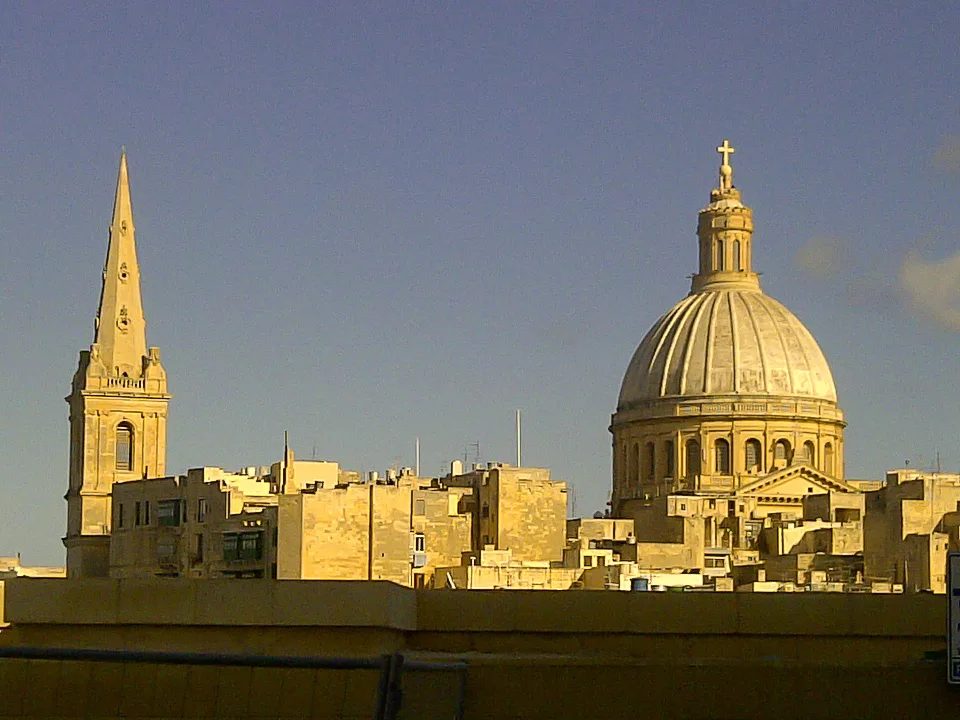
Day 1: Valletta on foot, from the City Gate to St John's Co-Cathedral and the Upper Barrakka Gardens
Start at the City Gate and walk straight up Republic Street, the spine of the grid the knights laid out, until you reach St John's Co-Cathedral. Set aside the best part of a morning here: the interior is dense with gilding, marble and the Caravaggio paintings in the Oratory, and a rushed pass does it no favours. Great Britain's travellers often underestimate how much there is inside a single church.
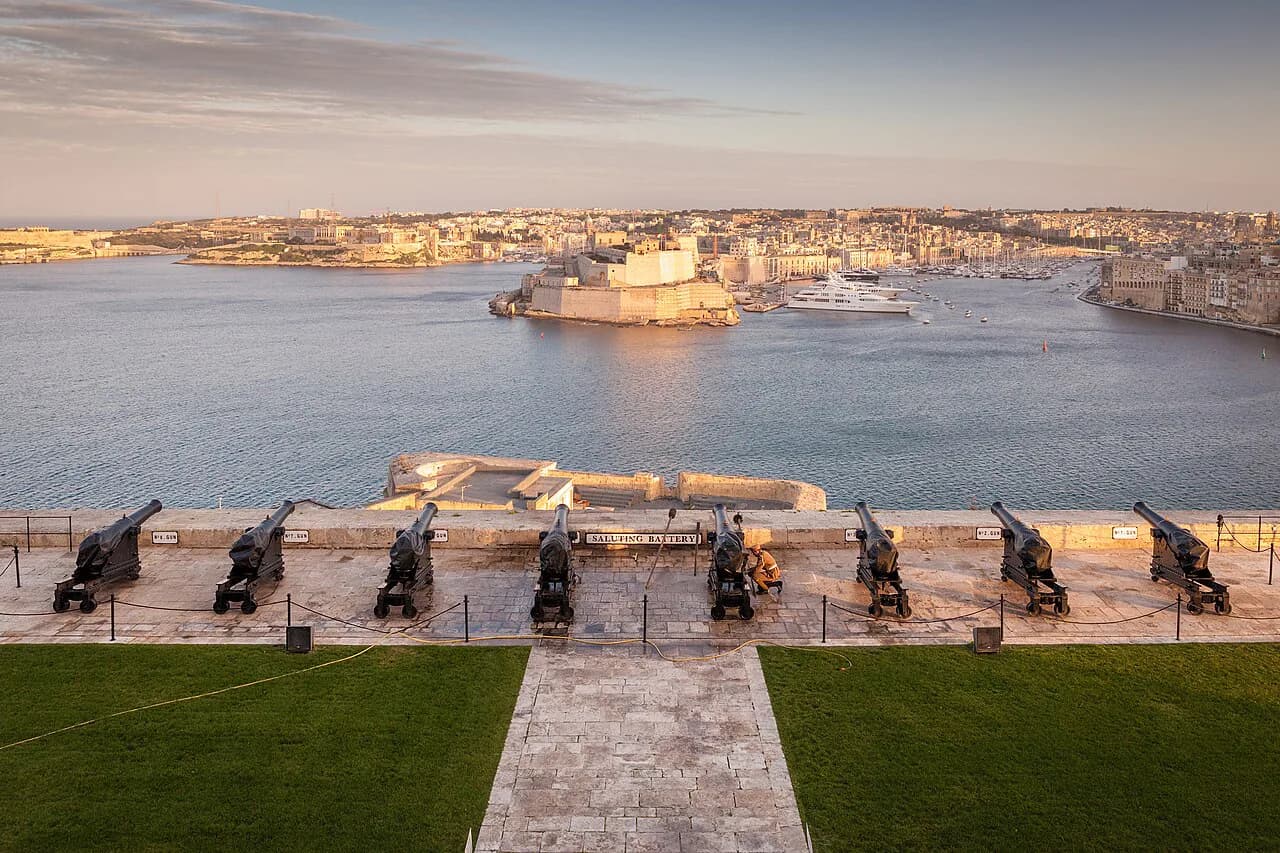
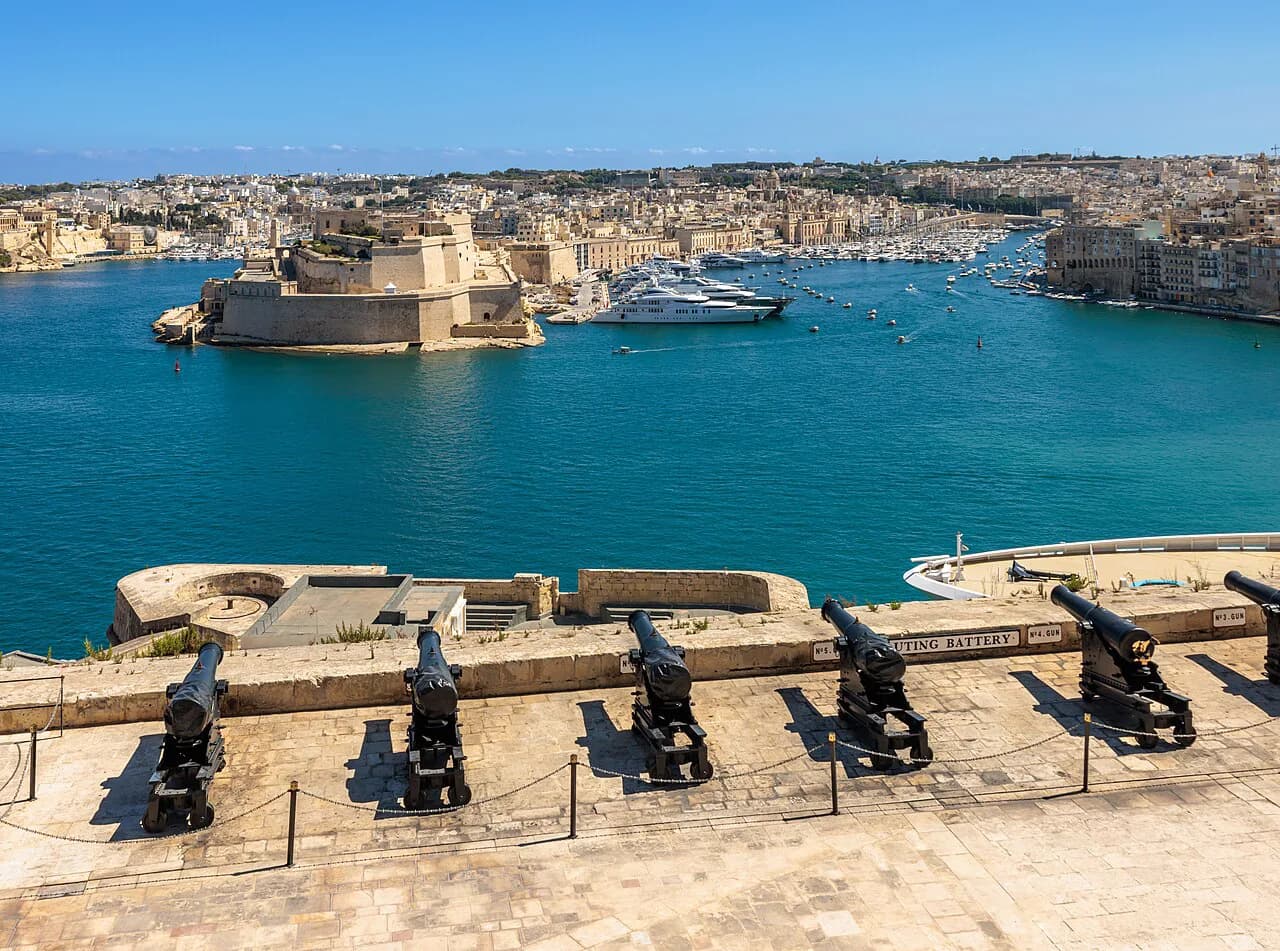
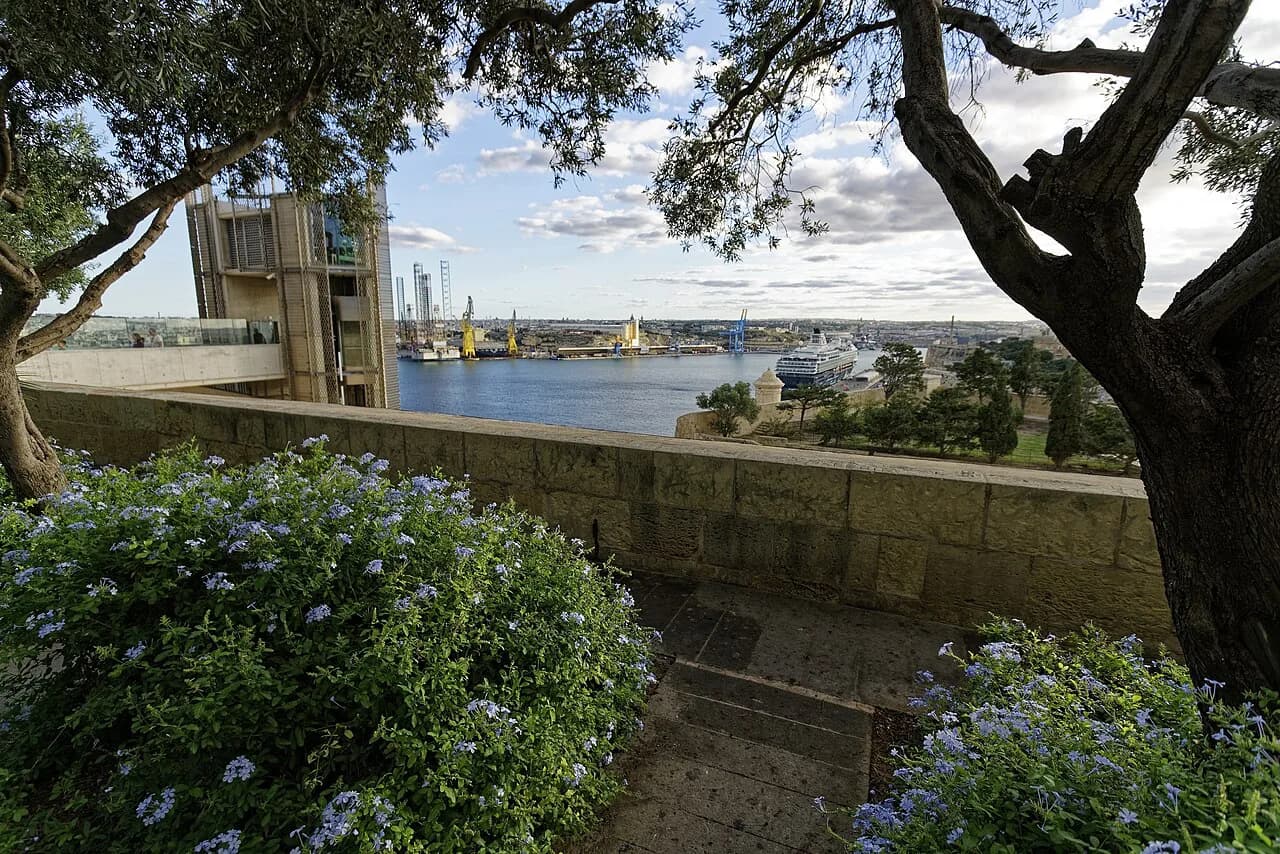
Carry on to the Upper Barrakka Gardens, which look down over the Grand Harbour and the fortifications on the far side; the lift down to the waterfront is useful if your legs are tired. The gardens are the natural place to stop for a breath before lunch.
Our day-by-day Malta itinerary expands the Valletta days street by street, and a separate 2 days in Malta guide suits anyone who wants the City Gate and Co-Cathedral compressed into a shorter visit. For a ten-day trip, finish the afternoon on the Valletta Waterfront below the bastions, where the old warehouses now hold cafés and shops, and eat early rather than late.
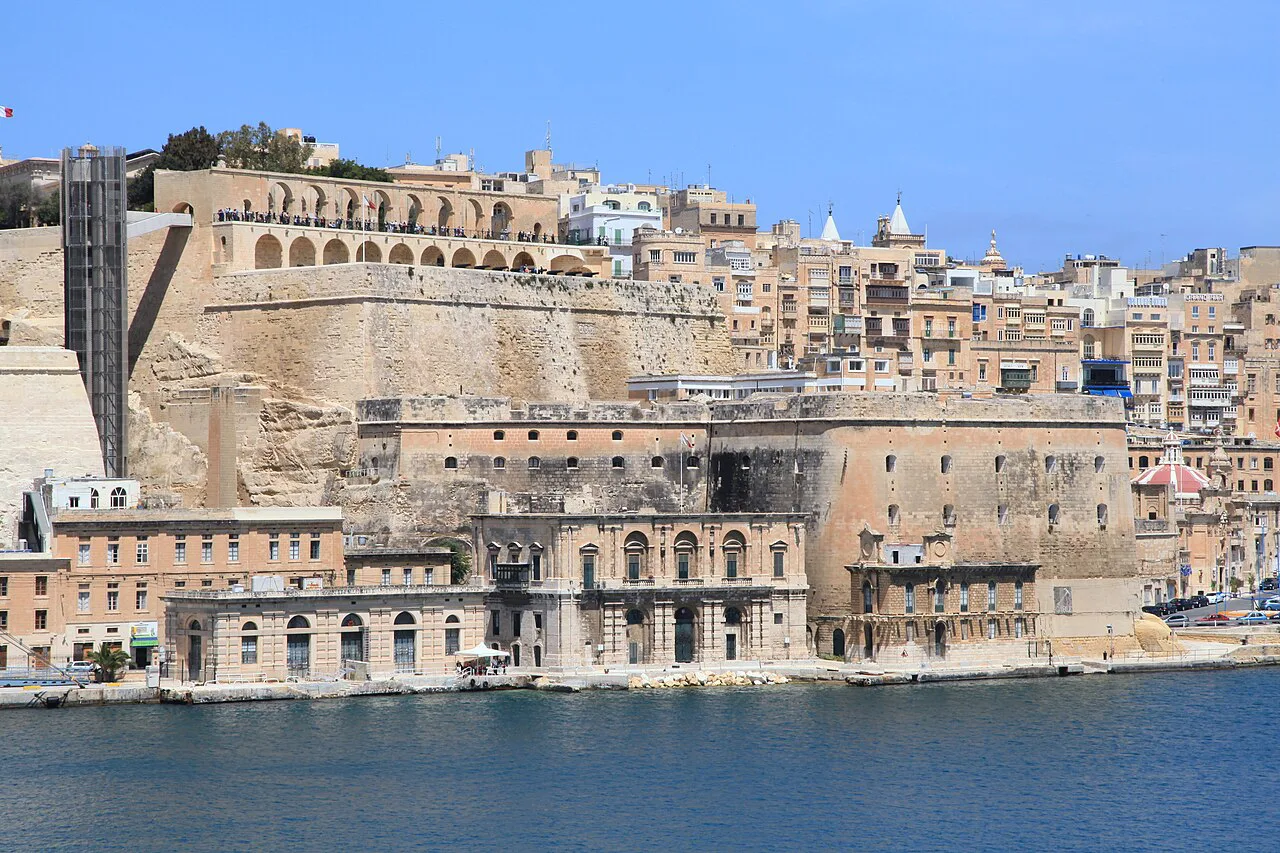
Day 2: Valletta's museums and the waterfront, and what to move to a second day
Keep the second Valletta day for the National Museum of Archaeology, which holds the material from Malta's prehistoric temple sites and makes the temples on Day 6 far easier to read. The combination of cathedral and museum in one day is too much for most people, which is why the plan splits them. Check current hours and prices with the museum itself before you travel.
Use the rest of the day for the parts of the city that reward wandering: the auberges of the knights' langues, the side streets dropping towards the bastions, and the view from the top of the grid down to the harbour. If you are considering a shorter version of the trip, our 3 days in Malta guide shows what fits when Valletta gets a single day.
Because Valletta is compact, the temptation is to cram. Resist it: ten days gives you the licence to sit in a square with a coffee and watch the city work, and the walking is uncannily hilly for such a small place. Keep the evening free and go back out after the day crowds thin.
Day 3: Mdina and Rabat, including St Paul's Catacombs and the Domus Romana
Mdina is the walled former capital in the centre of the island, entered through the main gate and best walked without a plan: the lanes are narrow, the buildings are Baroque and cars are largely kept out. From the bastion edge you can see a wide sweep of the island, which makes the trip worthwhile even for travellers with little interest in architecture, and the quiet is the point of the place.
Rabat sits immediately outside the Mdina walls and holds two stops worth your afternoon: St Paul's Catacombs, the underground early Christian burial complex, and the Domus Romana, a Roman townhouse with mosaic floors. Check the current ticket price and opening times before you travel.
Take the bus from Valletta rather than driving if you can, because parking around Mdina's gate is limited and the approach roads are steep. Eat lunch in Rabat rather than inside Mdina, where the options are fewer and pricier. Buses run frequently enough that you need not fix a return time in advance.
Day 4: Birgu (Vittoriosa) and the Three Cities, with the ferry from Valletta
The Three Cities sit across the Grand Harbour from Valletta: Birgu (Vittoriosa), Senglea (L-Isla) and Cospicua (Bormla). The quickest and most enjoyable approach is the short passenger ferry from the Valletta waterfront, which lands you in Birgu within minutes and saves the long way round by road. From the landing point you walk into the Collachio, the grid of lanes the knights used before Valletta existed.
Give Birgu a morning for the Fort St Angelo headland, the Inquisitor's Palace and the waterfront, then walk or take a short bus ride round to Senglea for the Vedette and the harbour views back towards Valletta's bastions. Cospicua is the working town of the three and repays a pass-through rather than a stop. Our 4 days in Malta plan shows how these three fit a shorter trip.
Finish with an early dinner in Birgu's square and take the ferry back across as the light goes. It is one of the best-value half-days on the island, and the crossing itself is a sightseeing trip.
Day 5: Marsaxlokk and the south, including the Blue Grotto boat trip near Wied iż-Żurrieq
Head south to Marsaxlokk, the fishing village built round a bay full of the painted boats the Maltese call luzzijiet, and eat seafood on the waterfront. The Sunday fish market is the busiest morning of the week here, so confirm the day before relying on it. Weekday mornings are calmer and easier for photographs.
Then drive or take the bus west to Wied iż-Żurrieq, where the small boats run out beneath the cliffs to the Blue Grotto, a group of sea caves known for the colour of the water and the limestone around them. A guide to the area lists nine caves and notes the viewing point above the inlet. Boats do not run in all conditions, so ask at the jetty on the day rather than booking blind.
Allow time for the viewpoint even if you skip the boat, because the cliffs and the islet of Filfla on the horizon are the reason people come. Our one week in Malta itinerary covers a compressed version of this southern loop if you are cutting days.
Day 6: the prehistoric temples, Ħaġar Qim and Mnajdra and Ġgantija on Gozo, and the heat at midday
The temple sites are the reason Malta's prehistory matters, and Ħaġar Qim and Mnajdra on the south coast can be seen in a single visit because they sit within the same archaeological park, a short walk apart down towards the sea. Book a slot in advance if the operator allows it and go early: the sites are exposed with almost no shade, and the walk between the two is longer than it looks on a map. Carry water and a hat.
Ġgantija, on Gozo above Xagħra, is the other great temple complex and is best visited on one of your Gozo days rather than as a day trip from the main island. Check current prices and hours at the site before you go. Our 5 days in Malta guide gives a shorter version for anyone trimming the temples to one visit.
The practical rule for both sites is to be there when they open and to be gone by early afternoon, when the stone radiates heat and the coach groups arrive. If you are travelling with someone who finds heat difficult, split the temples across two mornings rather than doubling up.
Day 7: the Gozo ferry from Ċirkewwa, Victoria and the Citadel, and how the day fits around the crossing
The car ferry to Gozo leaves from Ċirkewwa at the northern tip of Malta and lands at Mġarr on Gozo; in summer the queue for the crossing can swallow an hour of your morning, so start early and do not book a fixed-time appointment on the other side. If you are staying on Gozo for a couple of nights, the crossing stress disappears entirely.
From Mġarr, drive or take the bus up to Victoria, Gozo's capital, which visitors also call Rabat. The Citadel, the Ċittadella, sits on the hill at its centre and holds the cathedral, museums and the best views on the island. Confirm opening arrangements on arrival.
Eat lunch in Victoria rather than at the ferry port, where the options are thinner and the prices higher. If you are travelling by bus, plan the return around a mid-afternoon departure from Mġarr so you are not queuing in the dark.
Day 8: a second Gozo day for Ġgantija and the villages of Xagħra and Għarb
The second Gozo day belongs to the north and west of the island. Start at Ġgantija above Xagħra, then drop into Xagħra itself for its square and the lanes around it, and continue west to Għarb, a village of stone houses and a Baroque parish church that rewards a slow hour on foot. This is the part of Gozo most day-trippers skip, which is exactly why it is worth a day of its own.
If you are based on Gozo for these nights, you can do the whole loop without touching the ferry, which is the strongest argument for splitting the stay. If you are based on the main island, take the car across on the ferry for these two days so you are not chained to a bus timetable in the villages, where services are thin.
Return via Victoria for dinner in the evening, or stay in Xagħra if you want an early night before the Comino boat the following day. Our guide to whether Malta is worth visiting puts the case for the smaller island in context for anyone deciding how to divide ten days.
Day 9: Comino and the Blue Lagoon by boat, with a return to a quieter Sliema or St Julian's evening
Comino sits between Malta and Gozo and is reached by boat trips from both islands, most of them heading for the Blue Lagoon, the sheltered inlet of pale water on its western side. Operators set their own prices and schedules, so compare a couple before you commit. Boats fill in high season, so book a day or two ahead rather than turning up at the jetty.
Comino itself is small: a walk up to the Santa Marija Tower and along the coastal path takes an hour or two and gets you away from the crowd at the lagoon. Take water, because the island's facilities are limited and the sun is unforgiving on the rock. The Blue Lagoon is busiest in peak season, so arrive early if you want space on the rock.
Finish the day back on the main island with a quiet evening in Sliema or St Julian's, where the promenade gives you a walk and a meal without the crush. Our 2 days in Malta page is useful if you are slotting a short city break around this longer trip.
Day 10: a slower last morning, what to leave for the final day, and the run to the airport
Keep the final day for something small and close: a last walk through Valletta's side streets, a coffee in a square, or a return to the Upper Barrakka Gardens if the light was wrong earlier in the week. Do not schedule a temple visit or a Gozo crossing on departure day, because the ferry queue and the road traffic can wipe out your buffer. Malta International Airport is a short drive from Valletta and Sliema, but allow for check-in and the drive in the heat.
If you are flying late, leave your bags at your accommodation and spend the morning on the Sliema promenade rather than trekking back into the city with luggage. Our itinerary hub pulls the day plans together if you want to reshuffle the order.
Daily rhythm: heat, closed museums, church dress codes and how to keep the walking realistic
Malta is hot and bright for much of the year, and the temple sites and the walled cities have little shade, so the workable rhythm is an early start, a long lunch indoors, and a late afternoon second push. Museums tend to keep daytime hours and shut in the evening, which makes them the natural midday refuge; confirm the day before you go. Keep a light layer for churches, where shoulders and knees should be covered.
Walking in Valletta and Mdina is hillier than the maps suggest, with flights of steps between streets and steep gradients down to the water. Build in one slow afternoon for every three active days, and use the Upper Barrakka lift, the Birgu ferry and the buses rather than walking the same stretches twice.
The most common way ten days goes wrong is treating each day as a checklist. Leave at least two afternoons unplanned and let the weather, the queues and your own energy decide what fills them.
Trip costs in euros: which tickets and ferry fares the day plans turn on
The costs that matter on this itinerary are the St John's Co-Cathedral ticket, the National Museum of Archaeology, the Rabat sites, the Ħaġar Qim and Mnajdra park, Ġgantija, the Gozo ferry and the Comino boat. Check the operator or site's own page for the price you will actually pay, and budget a margin: ferry fares, museum tickets and boat trips are all set by the operators and can change between seasons. Carry some cash for small boats, market stalls and village cafés, where card readers are not guaranteed.
Food is the other steady cost. Eating one main meal at lunch and something light in the evening keeps the daily spend predictable across ten days.
Getting between Malta, Gozo and Comino without wasting days
Malta's bus network reaches Valletta, Mdina and Rabat, Marsaxlokk and Ċirkewwa, so a car is not essential for the main island days. A car earns its keep for the temple sites, the southern coast and the Gozo villages, where buses are infrequent and the walks between stops are long. A hybrid plan works well: buses for Valletta and the Three Cities, a hire car for two or three days covering the south and Gozo.
The Comino boat is the one leg you cannot drive, and operators run from both Malta and Gozo, so book the trip from whichever island you are on that day rather than backtracking. The official tourism site is the place to start for transport information and the list of operators.
Allow a buffer on any day that involves the Ċirkewwa ferry in summer. Queues build through the morning, and a late return can push your evening meal back by an hour or more.
Ten days in Malta: is the split-stay plan worth it?
Yes, if you want Valletta and Mdina without rushing and Gozo without a single exhausting day trip. Seven nights on the main island plus two or three on Gozo gives you the two temple mornings, the Comino boat and a proper last day, with the ferry crossing folded into the holiday rather than fought against.
Book the Co-Cathedral, the archaeology museum and the temple sites ahead where you can, and leave the ferry and boat trips to the day before so you can check the weather. Check the price you will actually pay on each operator's own page, and let the ten days run at a pace you can actually keep.
Explore more Malta guides
Frequently Asked Questions
Is 10 days in Malta too long?
Not if you use the time for Gozo and Comino rather than repeating Valletta. Ten days lets you split the Valletta sightseeing across two days, give Gozo two separate days and still keep a slow final morning. If you only want the main island highlights, a shorter trip covers them and this plan simply adds breathing room.
Do you need a car for 10 days in Malta?
No. Buses reach Valletta, Mdina and Rabat, Marsaxlokk and Ċirkewwa, and the Birgu ferry crosses from the Valletta waterfront. A car helps for the temple sites, the southern coast and the Gozo villages, and many travellers hire one for two or three days rather than the whole trip.
How many days should you give Gozo?
Two days is the useful minimum: one for Victoria and the Citadel plus the ferry crossing, and one for Ġgantija, Xagħra and Għarb. Staying two or three nights on Gozo removes the ferry from both days and lets you see the villages at a slower pace than a day trip allows.
What should you book in advance for a 10-day Malta trip?
Book the St John's Co-Cathedral visit, the National Museum of Archaeology and the temple sites where advance booking is offered, and reserve the Comino boat a day or two ahead in high season. Check current prices and opening times on each operator's own page before you travel.
Sources
Notes for your Malta trip
Optional updates when we add or correct a Malta or Gozo guide.
You might also like
Continue reading
More guides you'll find useful