Is Malta Worth Visiting? An Honest Answer for UK Travellers
Yes, Malta earns a trip if you want compact walled cities, temples and harbours in a short break. Here is what you actually get, and where it falls short.
On this page
Malta is worth visiting if you want a lot of history packed into a small, walkable space, and it suits a short city break better than a beach holiday. Valletta's old town is compact and easy to explore on foot, and the island strings together walled towns, harbours and museums within short distances.
This guide sets out what you actually see, how long to give it, what everyday costs look like, how to get around without a car and where Malta falls short. It also covers the winter question and a fair comparison with Cyprus, so you can decide whether the island matches the trip you have in mind.
What you actually see: Valletta, Mdina, the Three Cities and Gozo
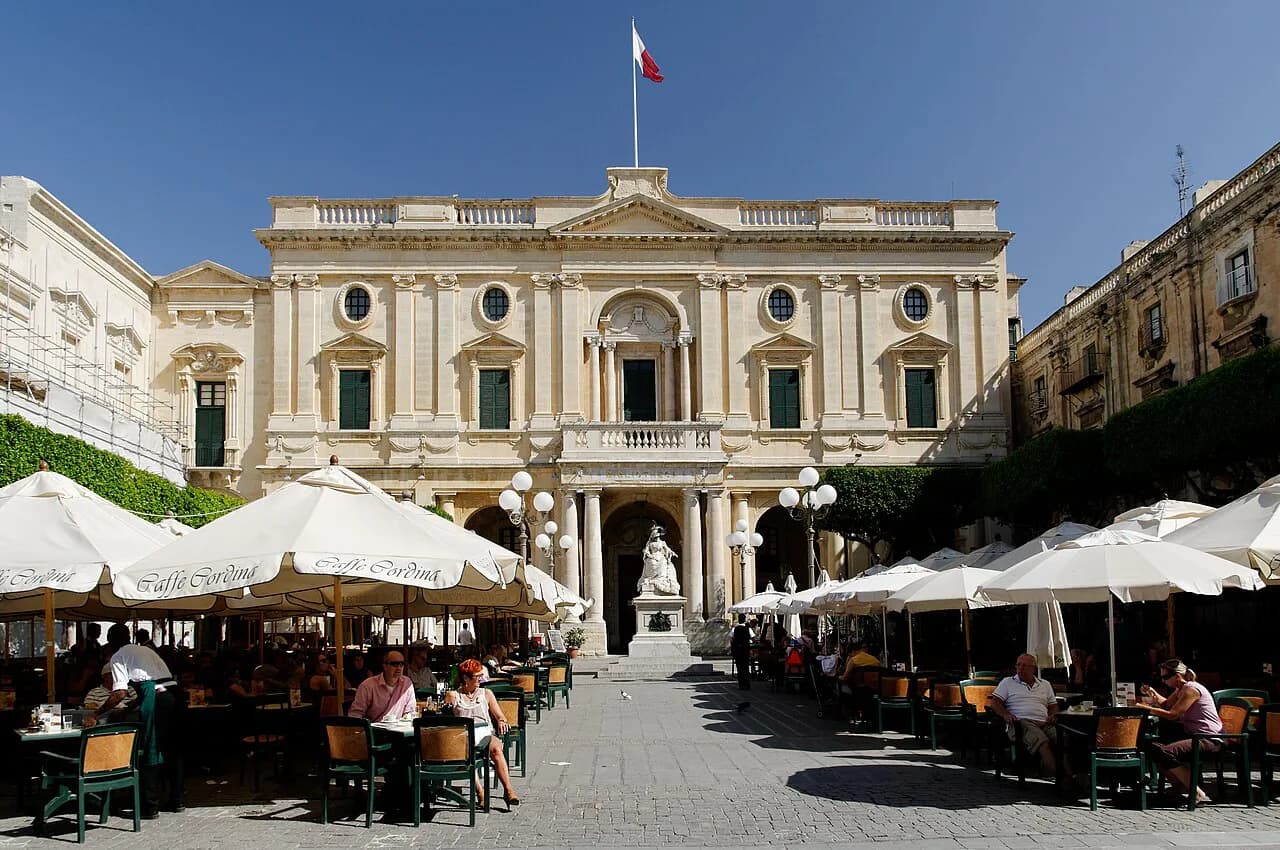
Valletta is the reason most people come, and it rewards a full day. The city is a UNESCO World Heritage Site and was European Capital of Culture in 2018, with narrow cobbled streets, honey-coloured buildings and squares such as City Gate Square, Republic Square and St George's Square.
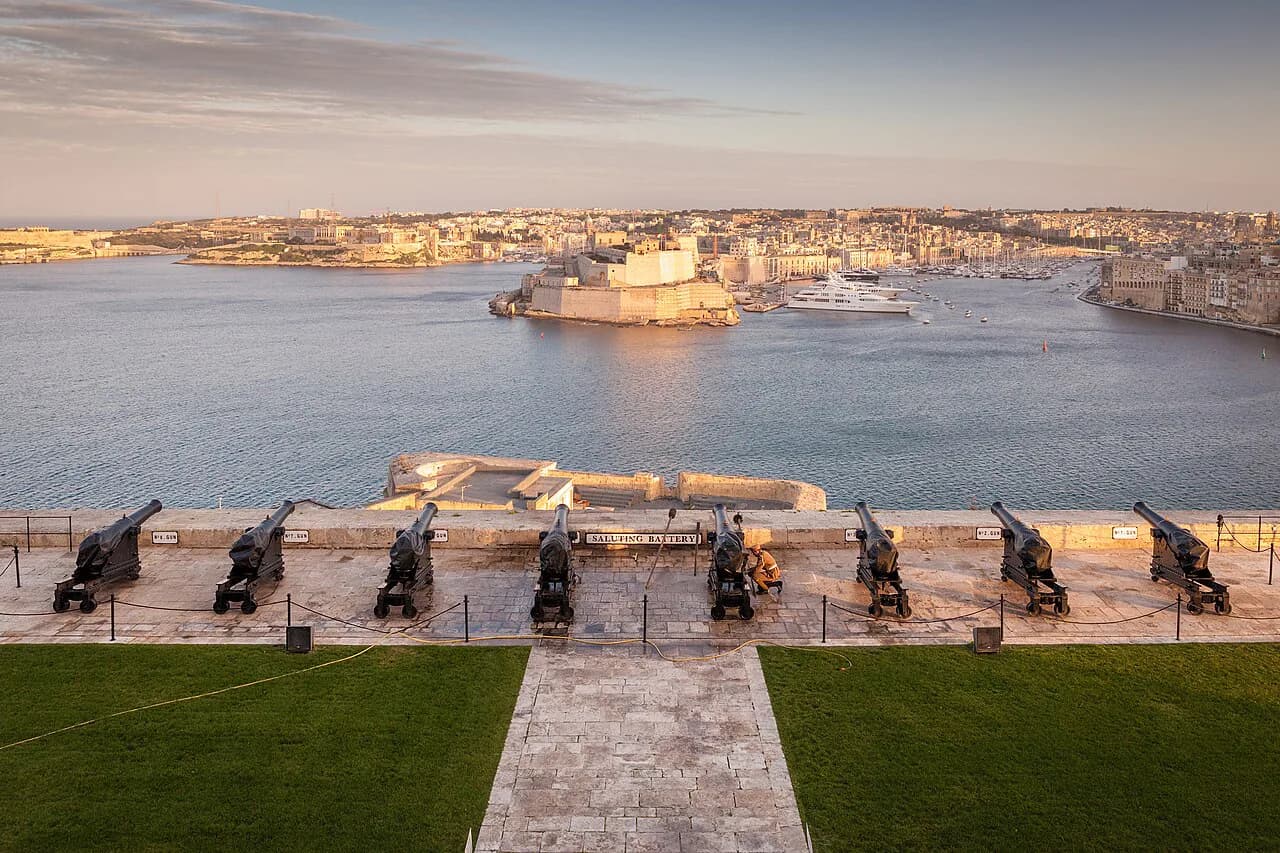
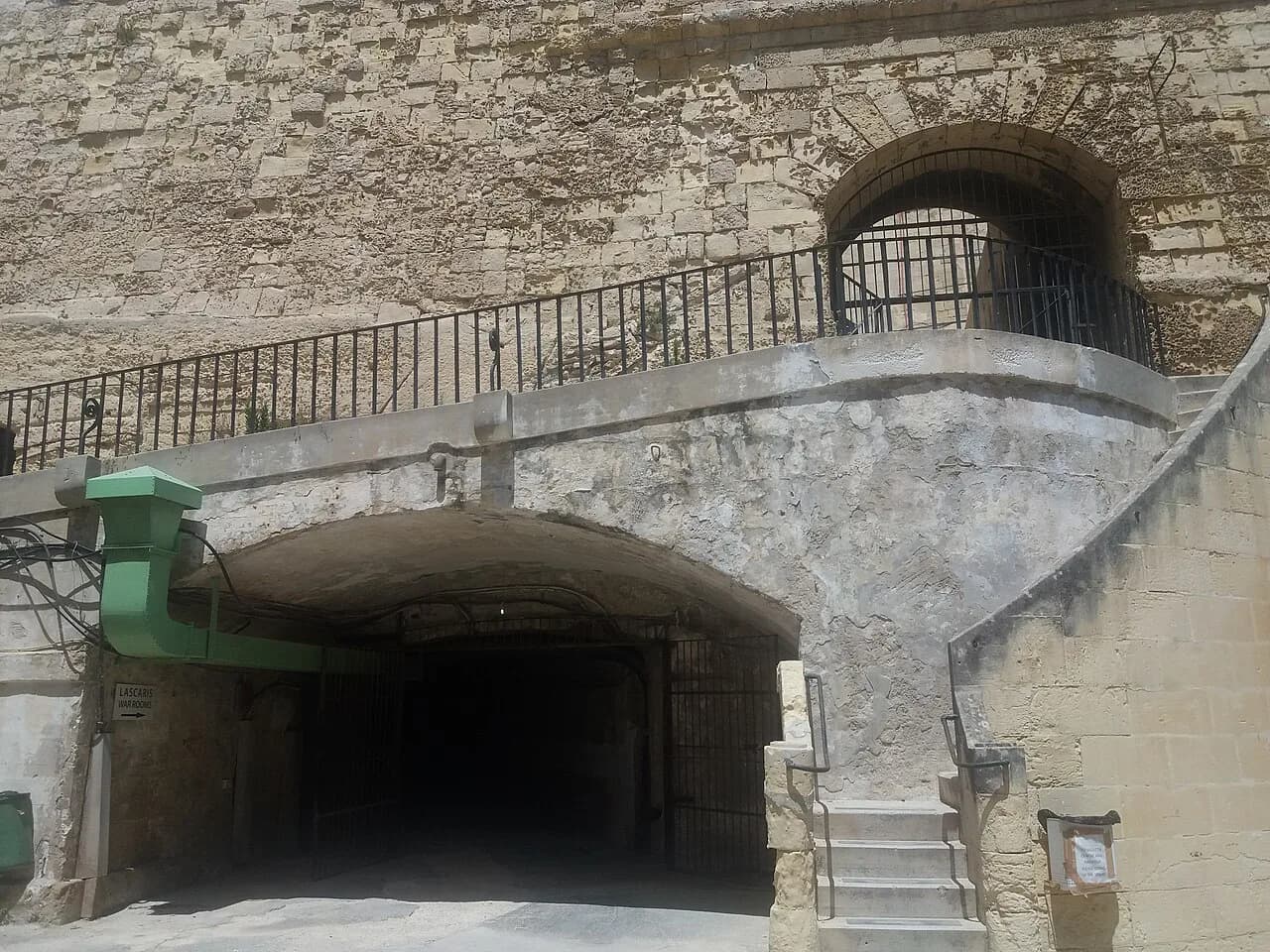
The sightseeing core is dense: St John's Co-Cathedral, the Grand Master's Palace, the National Museum of Archaeology, MUZA, the Lascaris War Rooms and the Saluting Battery at Barrakka Gardens all sit inside the same small grid. Fort St Elmo and the National War Museum anchor the far end, so a sensible day works from the City Gate end down to the fort and back along the bastions.
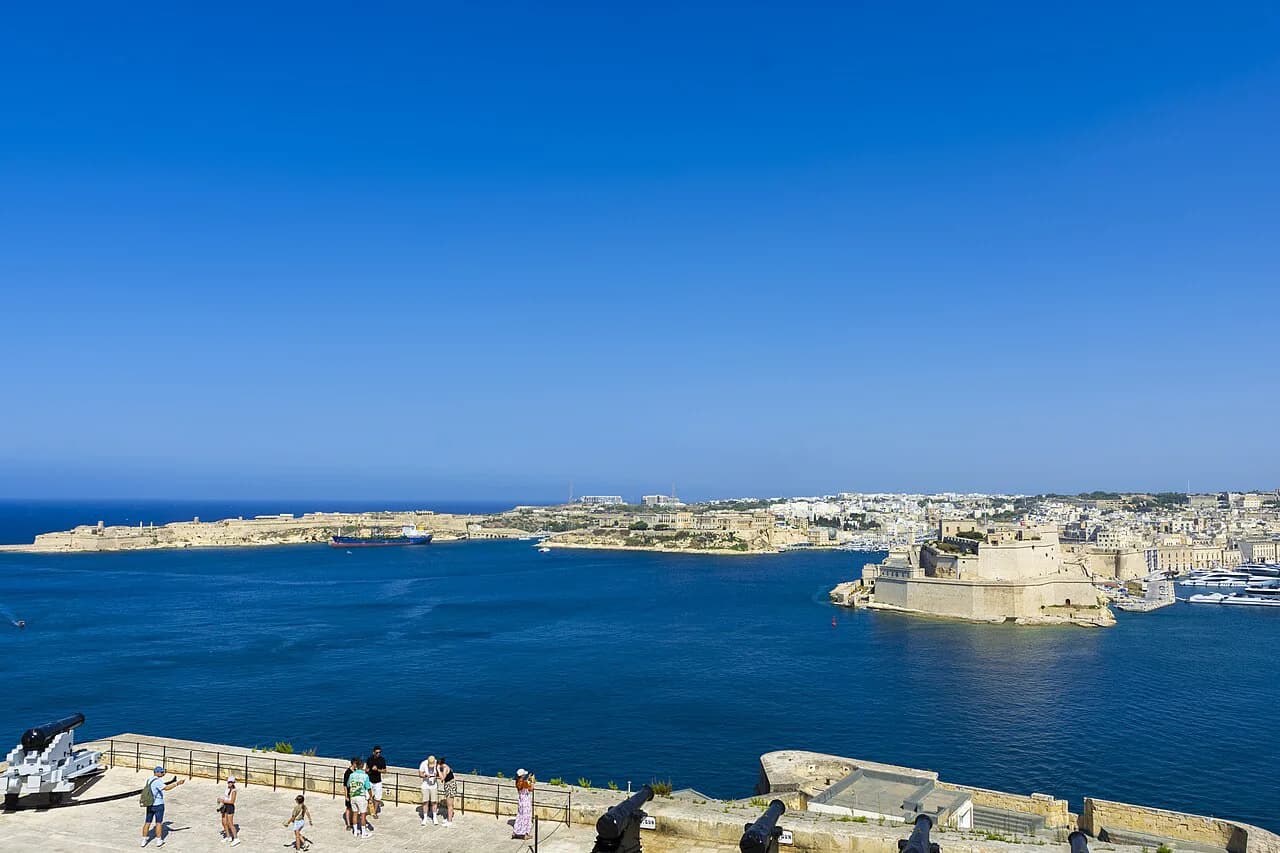
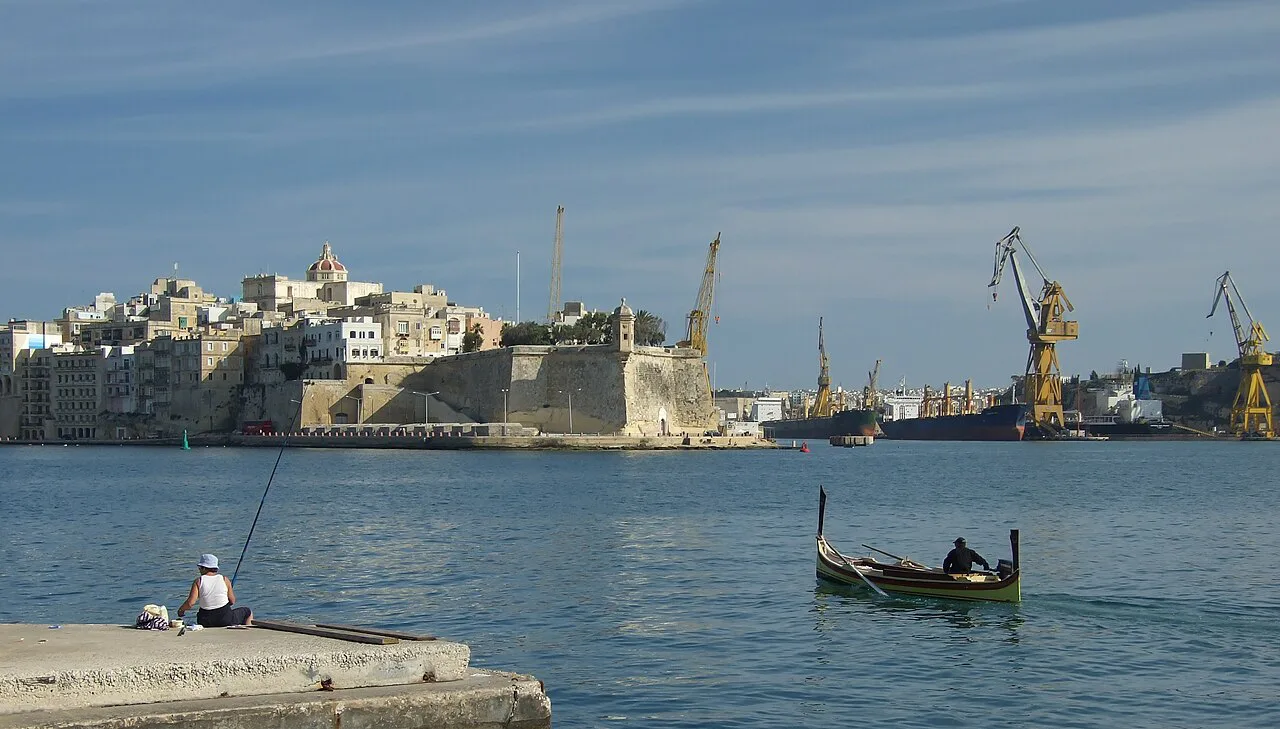
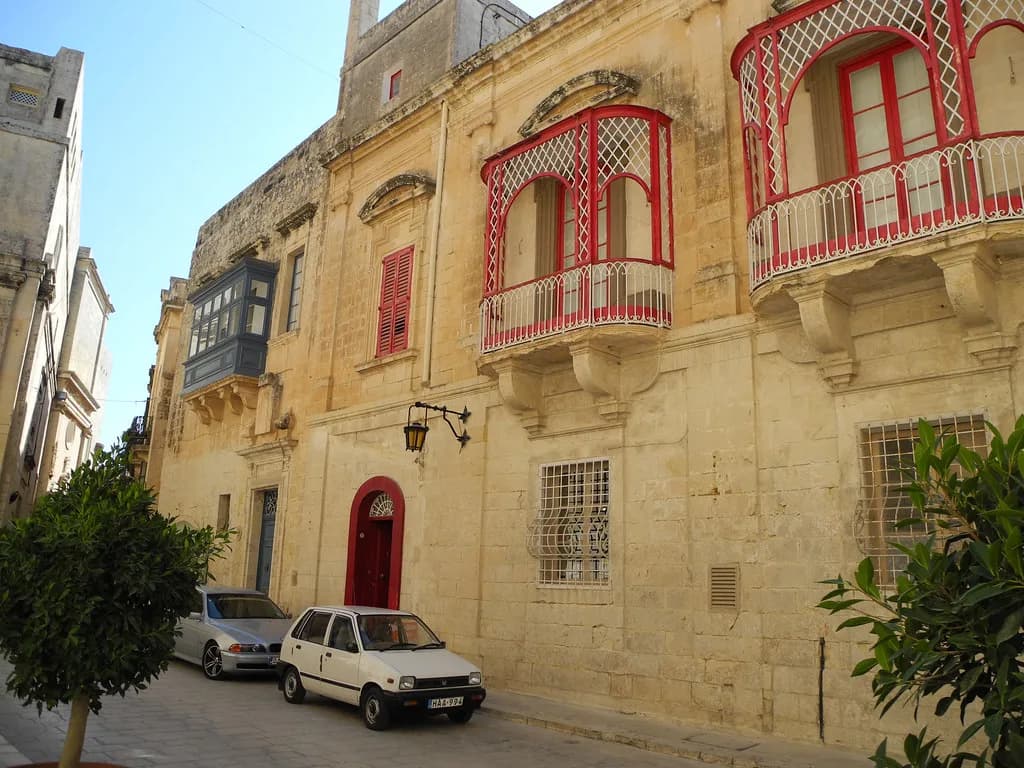
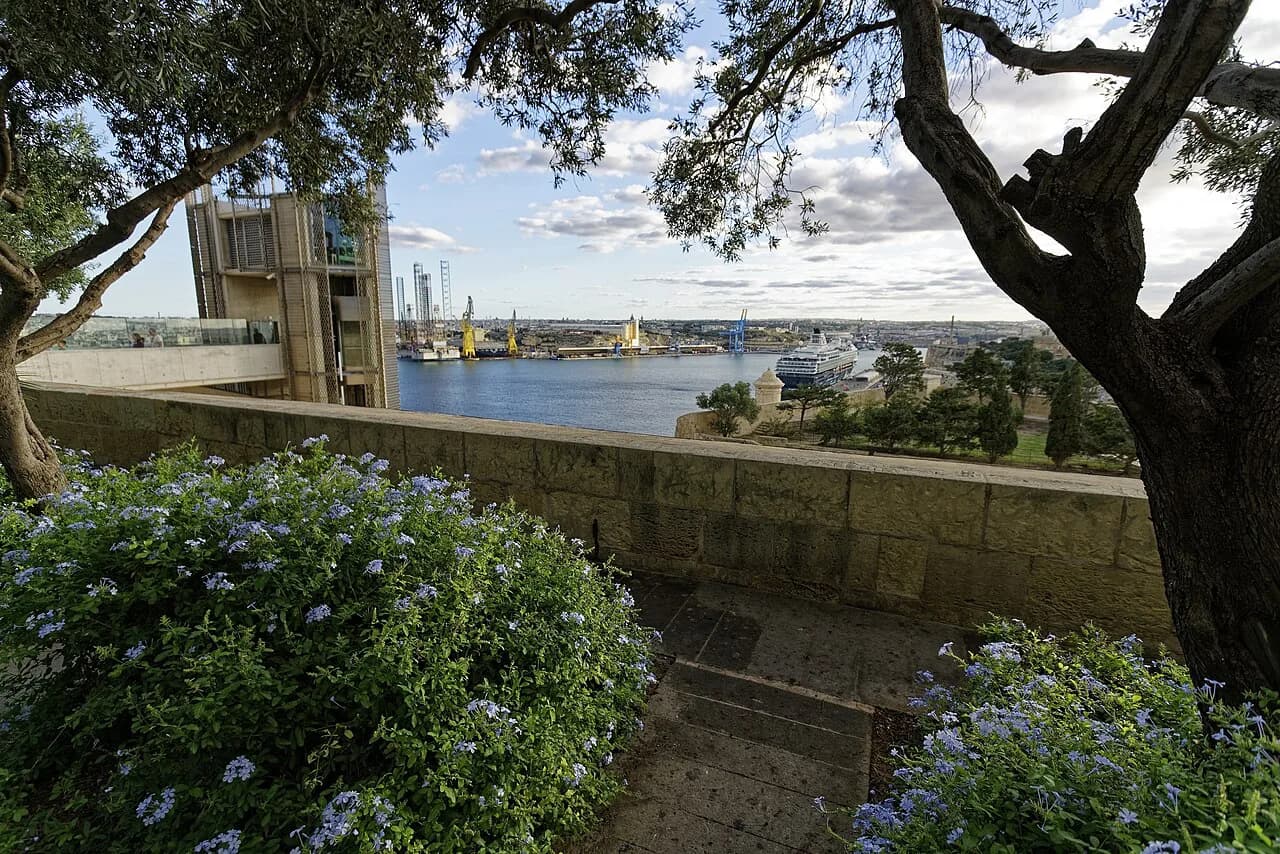
Beyond the capital, Mdina is a medieval walled town of narrow lanes, and the Three Cities of Birgu (Vittoriosa), Senglea (L-Isla) and Cospicua (Bormla) face Valletta across the Grand Harbour with well-preserved fortifications. Gozo is a short crossing away and gives you green hills, quiet villages and a slower pace for a day or two.
How much time Malta needs: a city break versus a week
Two full days covers Valletta properly plus one of Mdina or the Three Cities, which is the realistic shape of a short break. Spread your time across 2 days and you will be moving briskly, with the harbour boat trip or a Barrakka Gardens pause as your slack.
A week lets you add Gozo, Marsaxlokk, the southern temples and a slower afternoon in Sliema without feeling rushed. Malta is small, but traffic eats into transfer time, so treat each day as two or three stops rather than a tick-list. Working out how many days in Malta you can spare is the decision that shapes everything else.
What it costs: currency, tipping and everyday eating
Malta uses the euro, and credit cards are widely accepted, so a card with no foreign transaction fee covers most spending. Tipping is customary, with a gratuity of between 5 and 10% standard for good service, though a service charge already on the bill removes the need.
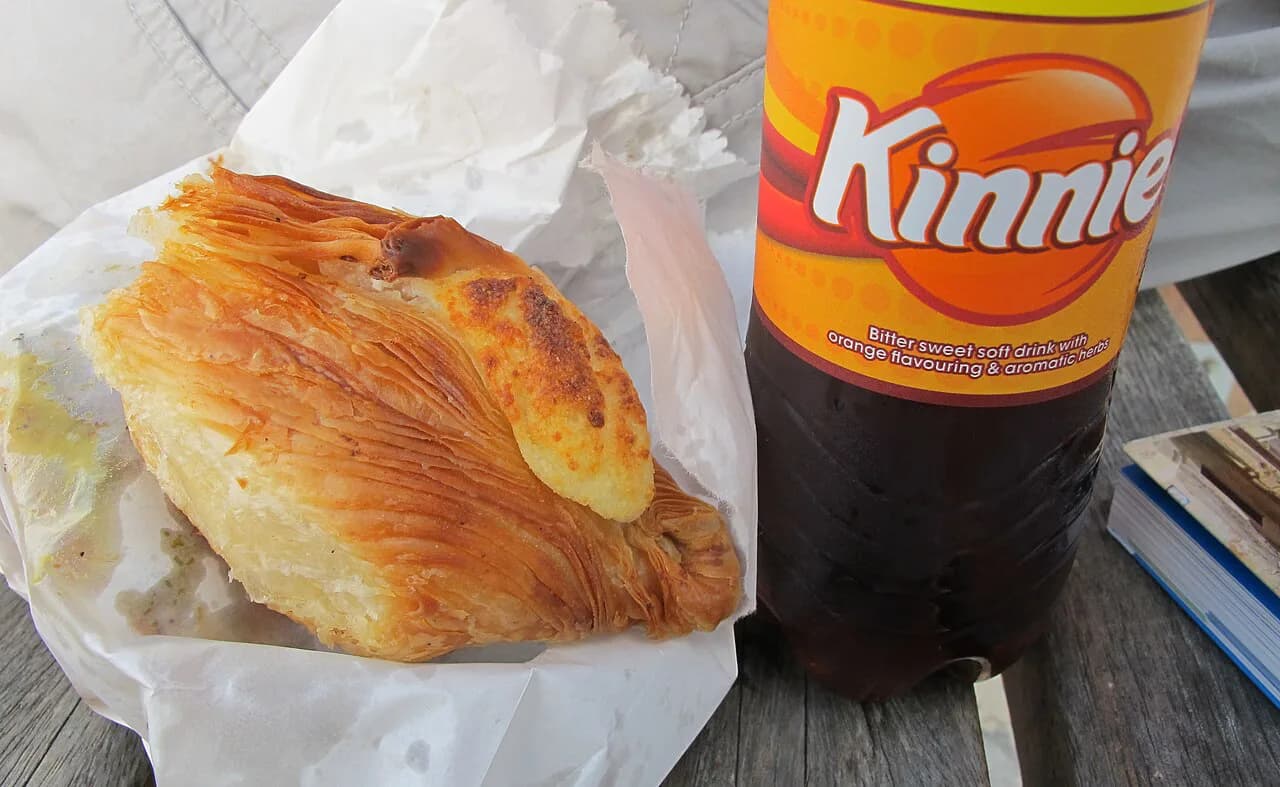
Everyday eating is where Malta is easy on the wallet: pastizzi, the flaky pastries filled with ricotta or spiced peas, make a cheap snack, while ġbejna, ftira and rabbit stew (stuffat tal-fenek) are the dishes to try.
Attraction tickets are the line item to budget separately, and the operator or official site publishes current entry prices for each museum and site. Set your budget from those published figures rather than from outdated trip reports.
Getting around without a car
Public transport links the airport, Valletta and the main towns, and it is easy to use, though it is slow when traffic builds. That makes buses fine for reaching Mdina, the Three Cities or the ferry points, but poor for tight schedules.
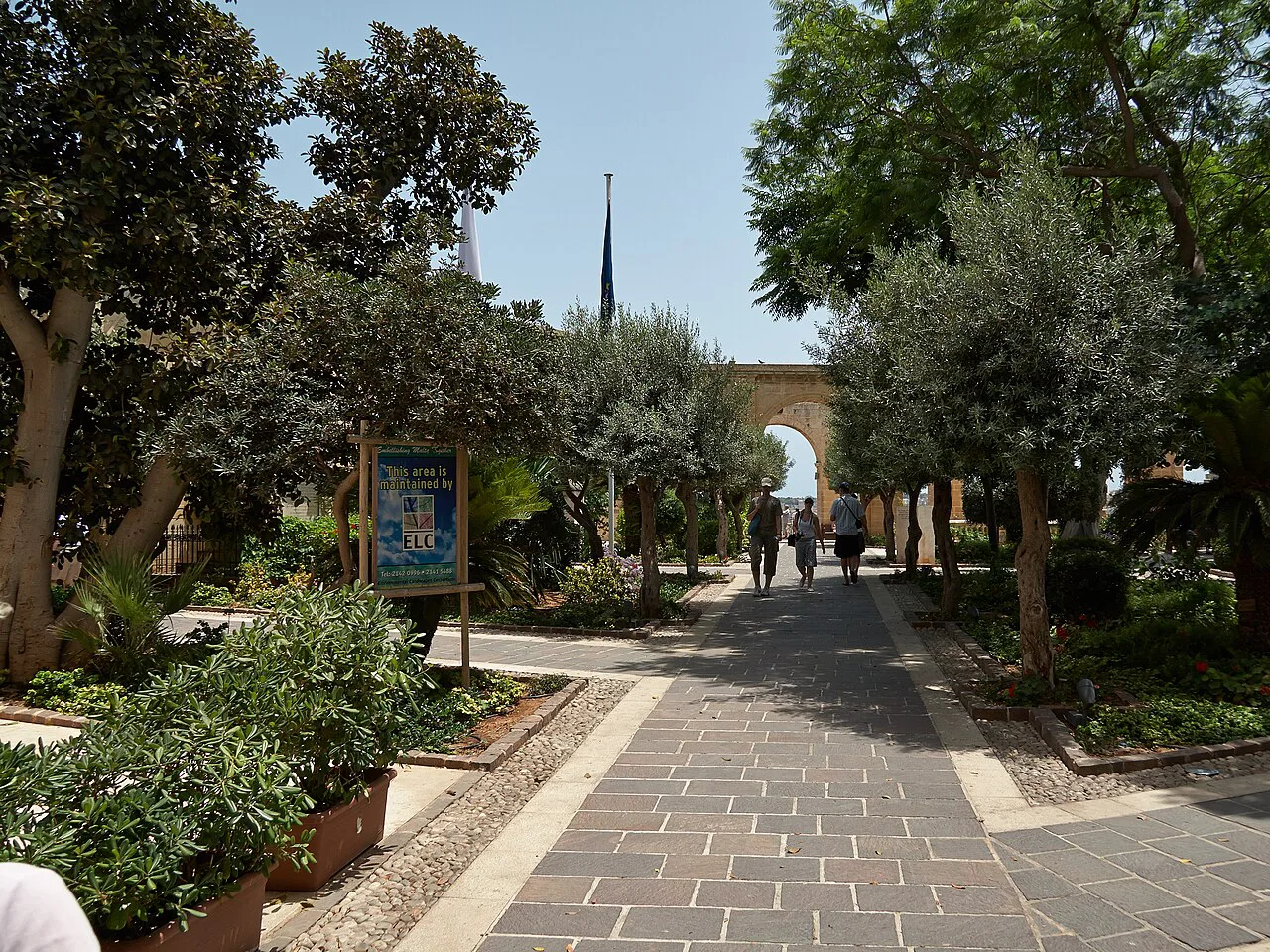
Inside Valletta you do not need any transport at all: the old town is compact and walkable, and wandering off the main thoroughfare is how you find the quieter squares and side streets. The awkward legs are the ones between towns, so group sights by area and walk within each.
When the weather works in your favour
Malta has a Mediterranean climate with hot, dry summers and mild, wetter winters. Typical summer highs reach around 32°C and winter averages sit near 12°C, with most rain falling between October and March and very little in summer.
Those averages are climate figures, not a forecast, and they point to spring and autumn as the comfortable window for sightseeing on foot. Midday heat in summer makes exposed sites and long walks hard work, so plan indoor stops such as museums and churches for the hottest hours.
Where Malta falls short: traffic, crowds and no city beaches
Traffic is the main practical frustration on the island, and it is worst on the roads between towns rather than inside the old town. Build slack into any day that involves two or more bus journeys.
The centre of Valletta has no beach, so if swimming matters, the Sliema ferry is the simple way to reach a swim rather than a walk from your hotel. Beach-first holidaymakers should be honest with themselves about this before booking Valletta as a base.
Cruise days add pressure to the main streets and the popular sights, so start early and take the quieter lanes when a ship is in. The upside is that the city never feels large: you can always retreat to a square and reset.
Malta or Cyprus for a warm-weather break?
Malta wins on sightseeing density: walled cities, forts, museums and harbours sit within a few kilometres of each other, which suits a short break where you want to see a lot without long drives. Cyprus is the better fit if your priority is space, longer coastlines and a slower beach-led rhythm.
On cost, compare like with like: flights, accommodation and car hire vary by season and route, so check live prices for your dates rather than relying on generalisations. For a sightseeing-led trip, Malta's compactness usually means less time and money spent moving between the things you came to see.
Is Malta worth visiting in winter?
Yes, if you treat winter as a sightseeing season rather than a beach one. Temperatures average around 12°C and rain concentrates between October and March, so pack for wet days and plan museum-heavy afternoons around Valletta's collections.
The trade-off is fewer daylight hours and the chance of a washed-out day, offset by thinner crowds and a calmer old town. Indoor sights such as the Lascaris War Rooms, MUZA and the National War Museum make good wet-weather anchors.
Who Malta suits and who it does not
Malta suits short-break sightseers who like walking a compact city, history-minded travellers who want forts, churches and museums close together, and winter visitors who prefer cool sightseeing to heat. It also works well for anyone based in the UK or Ireland who wants a short flight and a dense few days.
It suits beach-first holidaymakers less: the city centre has no beach, and reaching a swim means the Sliema ferry. If your ideal day is sand and shallow water with sightseeing as an afterthought, look elsewhere or plan to base yourself by the coast.
Travellers who dislike traffic and heat should weight spring or autumn, when walking is easier and buses move more predictably. If your must-see list is heavy on Valletta and Mdina, a short break delivers it; if it leans towards Gozo's villages and the south, give it 4 days or more.
So should you book Malta?
Book Malta if your trip is about cities, forts, churches, harbours and food, and you are happy to walk a compact capital and take buses between towns. Give it two days for the essentials and a week if you want Gozo and the south without rushing.
Skip it, or choose a coastal base instead, if beaches are the point of your holiday; Valletta's centre has none, and the Sliema ferry is your swim route. Either way, weight your dates towards spring or autumn for comfortable walking, and check current opening times and ticket prices on official sites before you commit.
Explore more Malta guides
Frequently Asked Questions
Is Malta a walkable city?
Valletta itself is compact and easy to explore on foot, and the old town is small enough that you are unlikely to get lost. Between towns, buses do the work, and traffic can slow those journeys considerably.
What kind of food is popular in Malta?
Expect pastizzi, flaky pastries filled with ricotta or spiced peas, along with ġbejna, ftira and rabbit stew (stuffat tal-fenek). The cooking draws on Mediterranean and Sicilian influences, with fresh fish and vegetables central to most menus.
Which is nicer, Malta or Cyprus?
Malta is the stronger choice for dense sightseeing in a small area, with Valletta, Mdina and the Three Cities close together. Cyprus gives you more space and longer coasts, so it suits a beach-led trip better than a city break.
Sources
Notes for your Malta trip
Optional updates when we add or correct a Malta or Gozo guide.
You might also like
Continue reading
More guides you'll find useful