2 Days in Malta: A Day-by-Day Itinerary for a Short Trip
Two days in Malta: a day-by-day plan for Valletta, Mdina and Rabat or the temples, with timings, transport trade-offs and Gozo as a swap, not an addition.
On this page
Two days in Malta buys you one day in Valletta and one day outside it: Mdina and Rabat, or the Ħaġar Qim and Mnajdra temples. Treat Gozo as a replacement for that second day rather than an addition, and plan the whole thing around a single base. This page sets out the route for each day, how long the stops take and which options to cut.
Travellers fly into Malta International Airport, and the two most useful practical decisions are made before you land: where you sleep on the first night and whether you drive or use buses. Both change how quickly Day 2 starts.
Two days in Malta: the short answer
Give Valletta and the harbours the first day and Mdina with Rabat the second, and you have covered the two places that define a short Maltese trip. Swap Mdina for Ħaġar Qim and Mnajdra if prehistoric sites interest you more than a walled city, or for Gozo if you accept losing time to the crossing.
A fortnight on the islands lets you loop from Valletta through the coast, the temples and Gozo at a relaxed pace, but two days forces choices and rules out most of the west coast. For a version with more slack, the 3 days in Malta plan adds a third day without changing the order of these two.
Day 1 morning: Valletta on foot
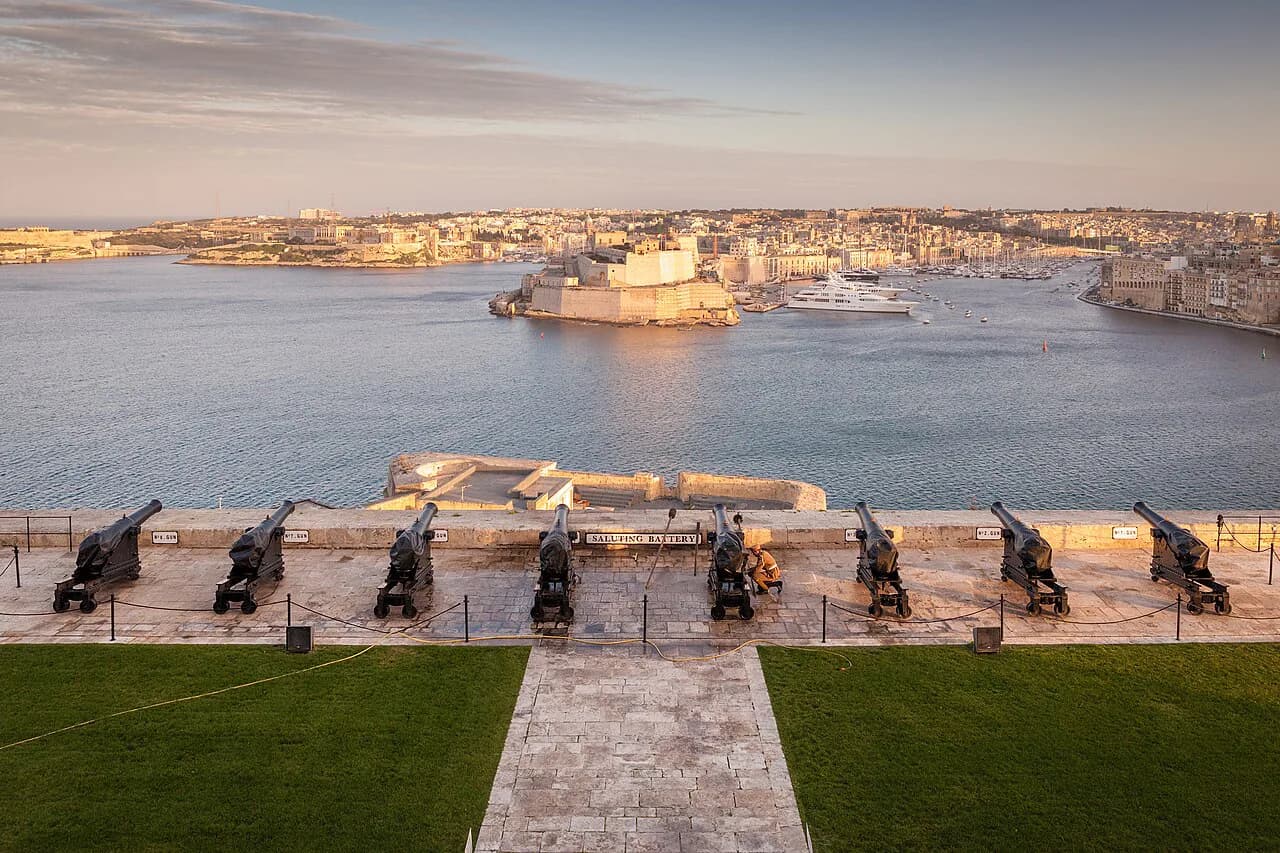
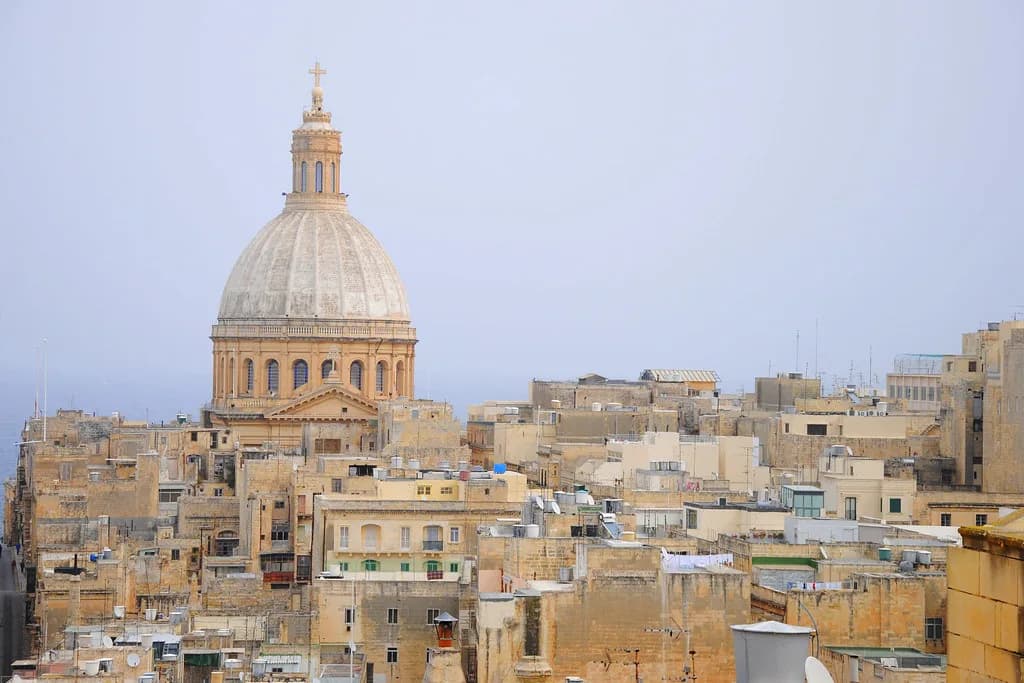
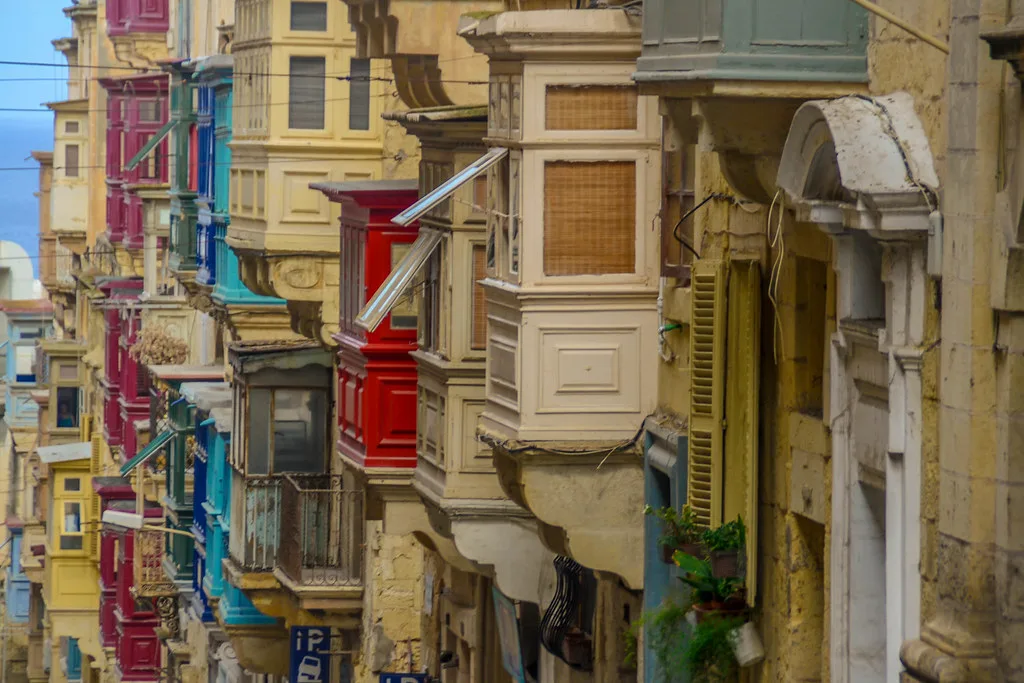
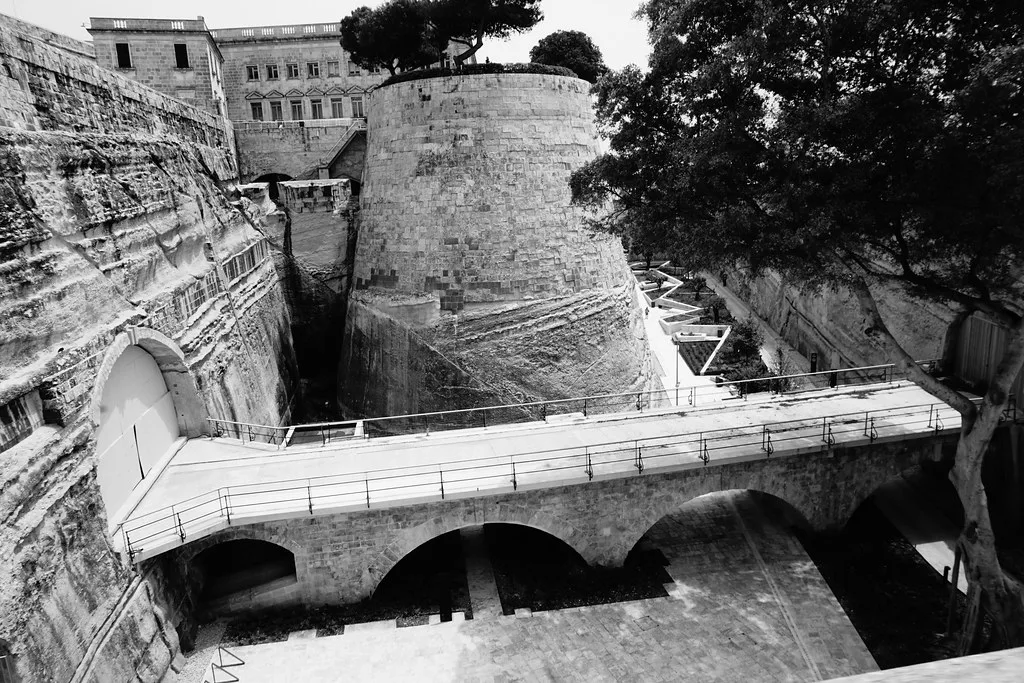
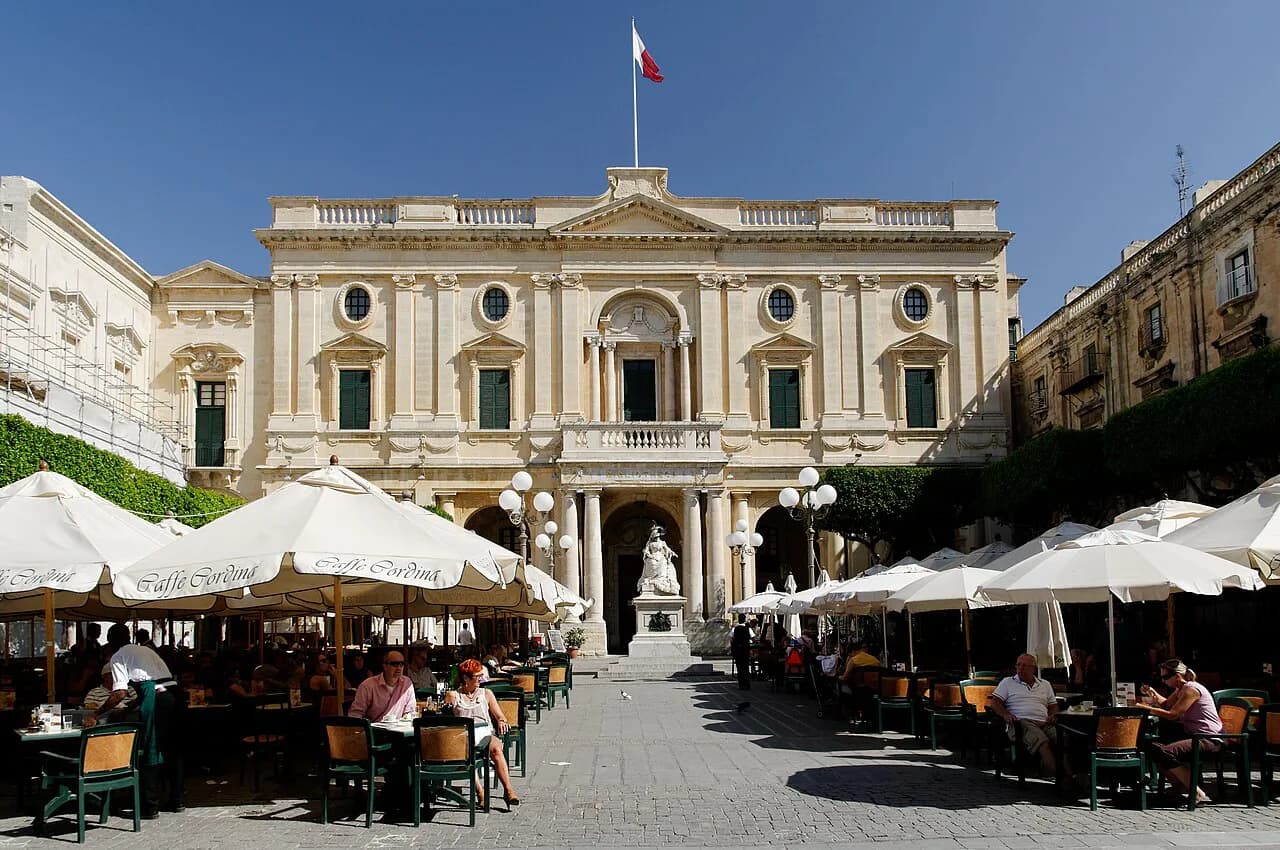
Start at City Gate and walk straight up Republic Street, the spine of the grid, past the auberges and squares to the bastion edges above the Grand Harbour. St John's Co-Cathedral sits a couple of streets off the main axis and takes around an hour if you read the floor and the oratories properly.
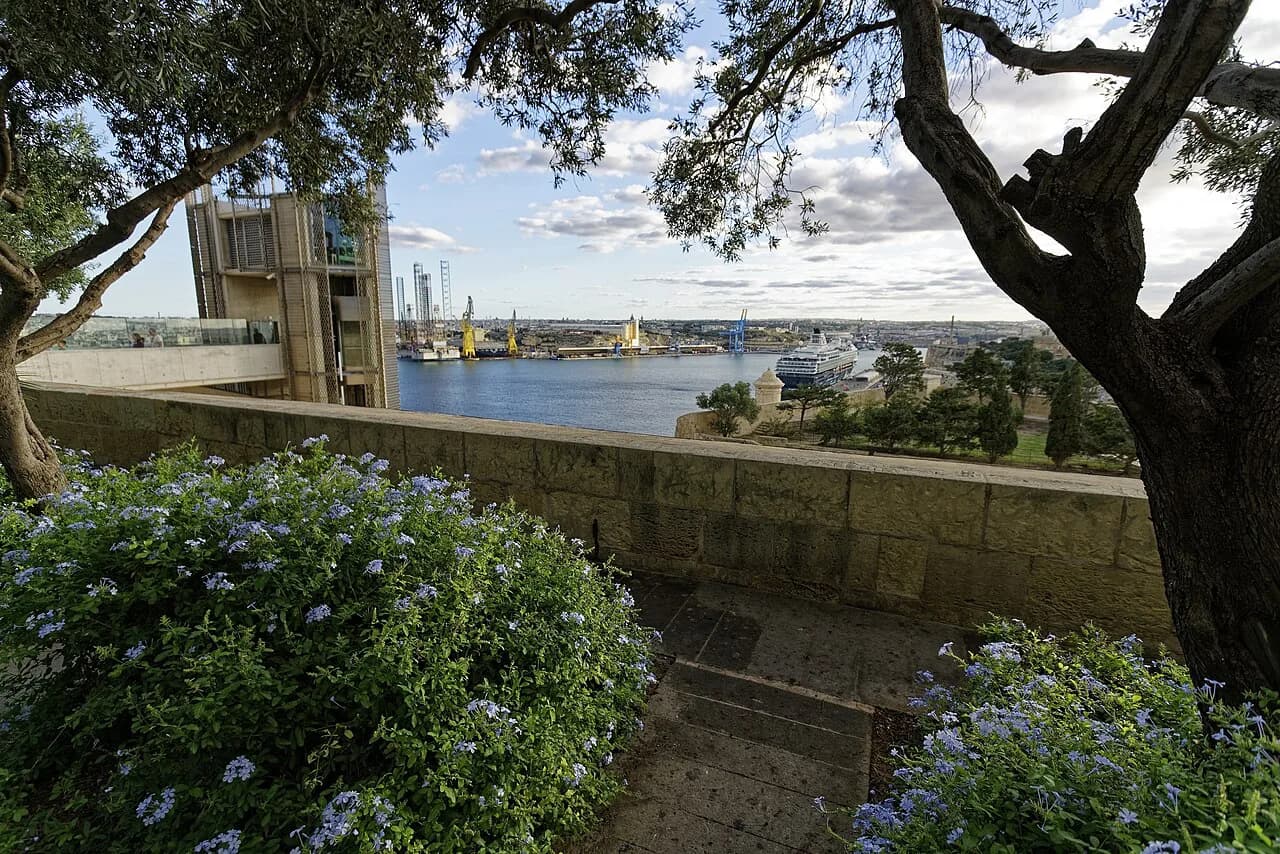
Compact as Valletta is, the slope between the gate and the bastions is steady, so build in a pause at one of the viewpoints before turning back. Valletta can absorb four days of sightseeing, which is why a short visit needs the gate-to-bastion route rather than a wander.
A two-day Valletta suggestion covers the cathedral, the streets and the waterfront, and that order works: the indoor stop in the morning, the open streets before the heat peaks. Check the cathedral's current opening hours and entry terms on its own site before you set the timing.
Day 1 afternoon: the Three Cities or Birgu's waterfront
Cross the Grand Harbour to Birgu (Vittoriosa), L-Isla (Senglea) and Bormla (Cospicua), the Three Cities, where the lanes are quieter than Valletta's and the waterfront gives you the classic view back at the capital. The Malta Maritime Museum at Birgu anchors the afternoon indoors if the sun is fierce.
If boats and harbour crossings appeal, this is where a short trip uses them, and the afternoon is the natural slot. Without a car the harbour crossings and buses do the work, so the route stays simple.
Day 1 evening: where you base changes Day 2
Valletta, Sliema or St Julian's all put you within reach of Day 1, but they start Day 2 differently: Valletta is closest to the bus terminus, while Sliema and St Julian's sit further along the coast and add a transfer. Choose by what the first hour of Day 2 costs you, not by hotel quality.
If you are still weighing the islands themselves, the Malta or Gozo comparison covers the base question from the other direction.
Day 2 option A: Mdina and Rabat
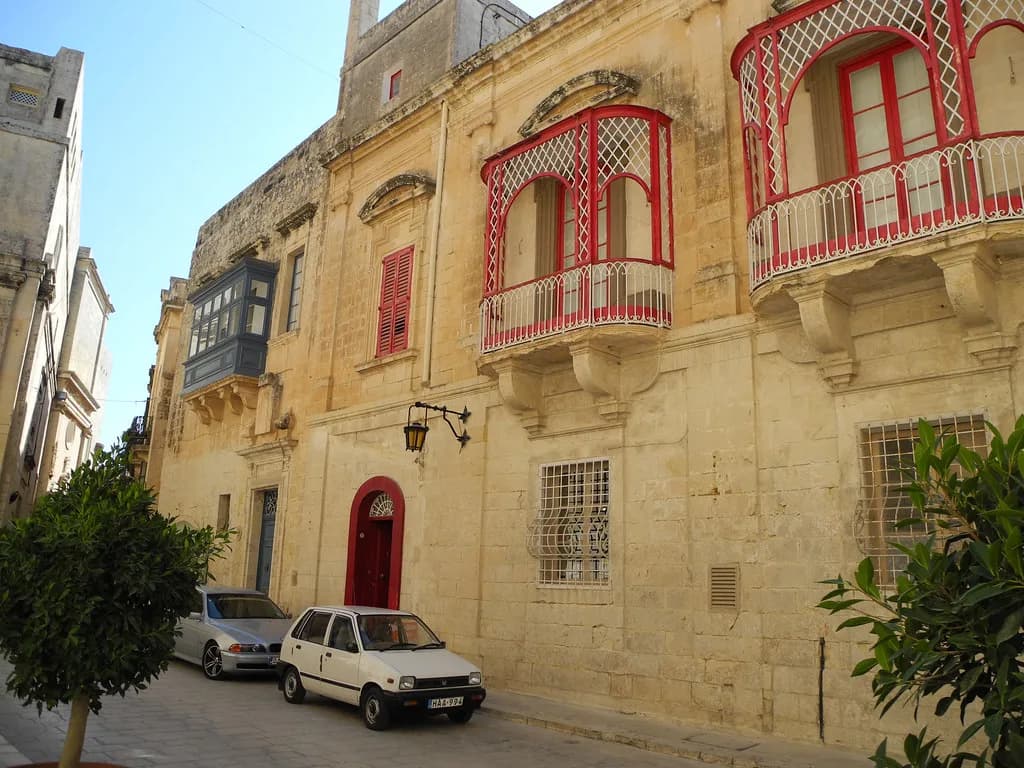
Mdina, the walled former capital, is small enough to walk in a morning, and the nobility's departure for Valletta left it quiet, which is why it earns the silent city label. Pair it with Rabat below the walls, where the Roman villa and the catacombs fill an afternoon.
The catacombs are Roman burial chambers cut into the rock outside the walls, and they are a different experience from the underground chambers of the Hypogeum. A route that runs Mdina, then Rabat's villa and catacombs, keeps you in one place for the day with no driving between stops.
Mosta sits on the way, and its dome, described in one account as the fourth largest unsupported dome in the world, is a quick stop rather than a half-day. The Palazzo Parisio and gardens at Mosta, which one account describes as a former Jesuit property turned into a residence by a banker in the late nineteenth century, make a separate short visit.
Day 2 option B: Ħaġar Qim, Mnajdra and the Blue Grotto on the south-east coast
The Ħaġar Qim and Mnajdra temples on the south coast are a UNESCO-protected pair of megalithic sites, and one day covers them comfortably with the Blue Grotto, whose caves lie on the south-east coast, within reach. Both temple sites are open-air and exposed, so the order matters more than the number of stops.
The Blue Grotto, on the south-east coast, is a set of sea caverns where the water reflects Blue onto the walls and ceilings, with some caverns glowing phosphorescent and others a deeper shade. Check current access, sailing conditions and fares locally on the day rather than assuming a schedule.
For scale, one fortnight itinerary gives the temples their own day and the grotto its own, which tells you how much a two-day trip compresses. A southern Day 2 leaves room for a seafood stop on the way back if you keep the temples to a morning.
Day 2 option C: Gozo as a day trip
Gozo in one day is possible: you see the highlights, and the island's coastlines are more rugged than Malta's. The cost is the crossing itself, and in summer the ferry queue eats into the day before you have seen anything.
On Gozo, head for Victoria (Rabat) and the Citadel, then out to the Ġgantija temples, the Rotunda church, the salt pans and the lighthouse if time allows. That list is a full day in one account's plan, so pick three stops rather than six.
Treat Gozo as a swap for Mdina or the temples, not an addition to them: with two days, you cannot do Gozo and the south coast temples in the same plan without cutting Valletta short.
Getting around in two days: bus, car or tour
Public transport, private drivers, rentals and boats are the options, and booking early is generally the cheaper approach. Renting a car buys freedom to reach temples, countryside and villages at your own pace, but it also means parking in Mdina and at the temple sites.
A tour or private driver removes the navigation problem and makes the Mdina and temple combinations fit a single day, at the cost of flexibility. If you would rather not drive at all, the Malta without a car plan explains how buses and boats do the work instead.
Ħal Saflieni Hypogeum: the booking that reshapes the plan
The Hypogeum at Ħal Saflieni is the underground complex at the centre of Day 3 of a longer route, and the world's only known underground temple of its kind. It has three levels, with the second holding at least five chambers including the Main Chamber, Oracle Room, Decorated Room, Snake Pit and Holy of Holies; the first level holds tombs.
Tickets sell out weeks ahead, and a small number are released the day before, which is how one visitor secured entry through a hotel concierge who queued for hours. For a two-day trip that means either fix a Hypogeum slot first and rebuild the days around it, or leave it for a longer return.
Don't count on the Hypogeum sat inside a two-day plan unless you have a confirmed time. Do check the official booking channel for what is actually released and when.
What to leave out of a two-day trip
Beaches, the Blue Lagoon, diving and coastal walks all deserve more time than two days allow, and Gozo, Mdina and the temples between them already fill the days. The Catacombs, Dingli Cliffs, the Victoria Lines and the salt pans belong to longer itineraries.
Ten days in Malta or one week in Malta give the west coast and the quieter villages room to happen; the one-week plan lists what a seven-day stay covers. Use the shorter version as a rule: two days is Valletta plus one.
Where to eat in the time you have
A Maltese lunch in Valletta fits the Day 1 route if you eat near the cathedral or the waterfront, and Marsaxlokk is the better setting on a southern Day 2. Fresh seafood is the common thread in accounts of both.
Prices vary by venue, so rather than carry a guess, check the menu boards before you sit down and budget in euros accordingly. A lunch stop costs you an hour; a long one costs you a temple.
Two days in Malta in the heat
Midday at Ħaġar Qim and Mnajdra is the hardest slot of the trip: the sites are open and unshaded, and there is little to break the walk between them. Shoulder season, April to May and September to October, gives milder weather and fewer crowds than high summer.
Put the temples at either end of the day and the Blue Grotto boat in between, or hold the exposed sites for the morning and give the afternoon to Mdina's shaded lanes instead. A hat, water and a slower pace make the difference.
Which Day 2 suits you best?
Pick Mdina and Rabat if you want one compact, walkable day with the Roman villa and catacombs. Pick Ħaġar Qim and Mnajdra if you want the prehistoric temples, with the Blue Grotto sea caves on the south-east coast as a possible add-on. Take Gozo only if you accept one island instead of two stops.
Whichever you choose, the first hour of Day 2 decides the day, and a confirmed Hypogeum slot decides the whole trip. Set the itinerary around that, then fill in the rest. For the wider picture of what a longer stay covers, the Malta itinerary maps the days either side.
Explore more Malta guides
Frequently Asked Questions
How many days do you need in Malta?
Malta can be covered in a week at an easy pace; two weeks lets you add Gozo and Comino and slow down. With only two days, Valletta plus one of Mdina and Rabat, the temples or Gozo is the sensible shape, and you should plan a return for the rest.
Is Malta expensive for tourists?
Malta is moderately priced by European standards. Food, transport and entry tickets vary by venue, so check the menus and official ticket pages for current costs before you commit to a day plan.
Sources
Notes for your Malta trip
Optional updates when we add or correct a Malta or Gozo guide.
You might also like
Continue reading
More guides you'll find useful