4 Days in Malta: A Day-by-Day Itinerary
Plan 4 days in Malta: Valletta on foot, the Three Cities by ferry, Mdina with the Ħaġar Qim temples, and a Gozo day, with what to cut when time runs short.
On this page
Four days is enough in Malta for Valletta on foot, the Three Cities across the Grand Harbour, Mdina with the Ħaġar Qim and Mnajdra temples, and a full day on Gozo. Give Valletta and the Three Cities a day each, pair Mdina with the temple site rather than treating the walled city as a whole day, and keep day four for Gozo so the ferry crossing and the Citadel at Victoria are not rushed. The Malta itinerary overview sets out the same four-day shape.
The order matters more than the list. Valletta first puts you in the capital while you are fresh and still learning the buses, day two takes the short ferry to Birgu (Vittoriosa), and day three heads inland to Mdina and Rabat before the temples, finishing with the Gozo crossing last. That means one boat trip to Gozo rather than two, and one long inland day rather than two half-days of driving.
Each day below names its starting point, the specific gate, street, garden or palace to aim for, and the trade-off that decides the day. Where a ticket price, opening time or ferry timetable is not confirmed here, buy on arrival or check the operator's own page before you set out.
4 days in Malta at a glance: which day goes where, and why this order
Day one is Valletta on foot, from the City Gate along Republic Street to the Upper Barrakka Gardens. Day two crosses the Grand Harbour to Birgu, then Senglea (L-Isla) and Cospicua (Bormla), using the Valletta–Birgu ferry as the transport decision rather than an afterthought. Day three takes Mdina and Rabat in the morning and the Ħaġar Qim and Mnajdra temples after, and day four is Gozo: ferry, Victoria, the Citadel (Ċittadella) and back. The 2 Days in Malta guide covers the capital in half the time if your break shrinks.
This shape keeps you off the road on the days when walking is the point. Valletta and the Three Cities are compact and hilly, so comfortable shoes do more for you than any ticket; Mdina and the temples need a bus or car because they sit inland and on the south coast. Gozo is the one day that depends on a boat, so put it last: if the crossing is delayed or you decide to skip it, you lose the final day, not the middle of the trip.
If you are weighing this against a shorter or longer stay, the honest comparison is in how many days in Malta the sights actually need. The plan below assumes four usable days, not four nights with two half-days lost to flights.
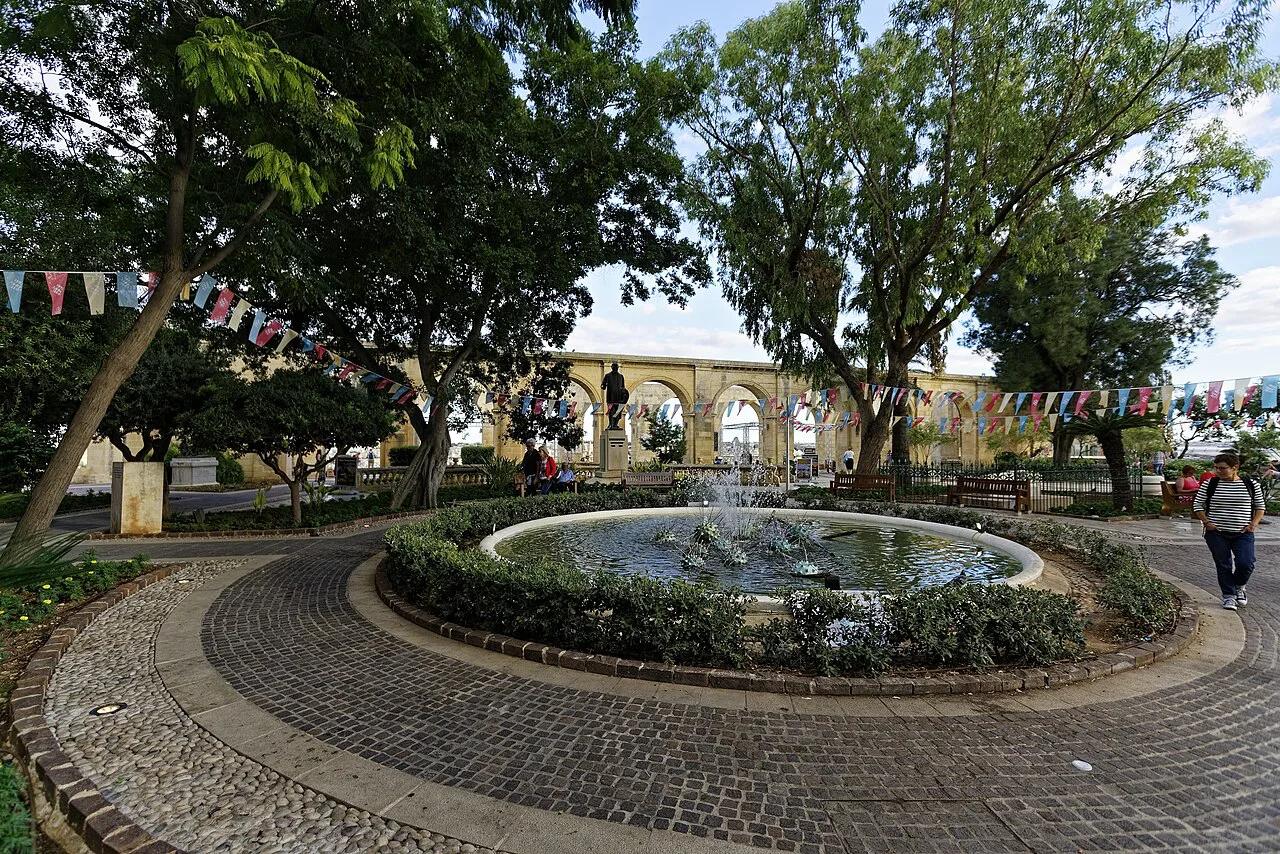
Day 1: Valletta on foot — city gate to the bastions
Start at the City Gate and walk up Republic Street, the capital's main spine, past cafés, shops and balconies. Valletta is a UNESCO World Heritage Site and a concentrated historic city, so the distances are short but the gradients are real; the climb to the Upper Barrakka Gardens is worth doing early, before the midday heat.
Put St John's Co-Cathedral near the top of the day. The baroque interior, inlaid marble tombs and Caravaggio's Beheading of St John the Baptist are the reason most people come to Valletta, and it is a single stop rather than a wander. Check the cathedral's own times before you go, because services and visitor hours change and the queue moves slowly when a cruise ship is in.
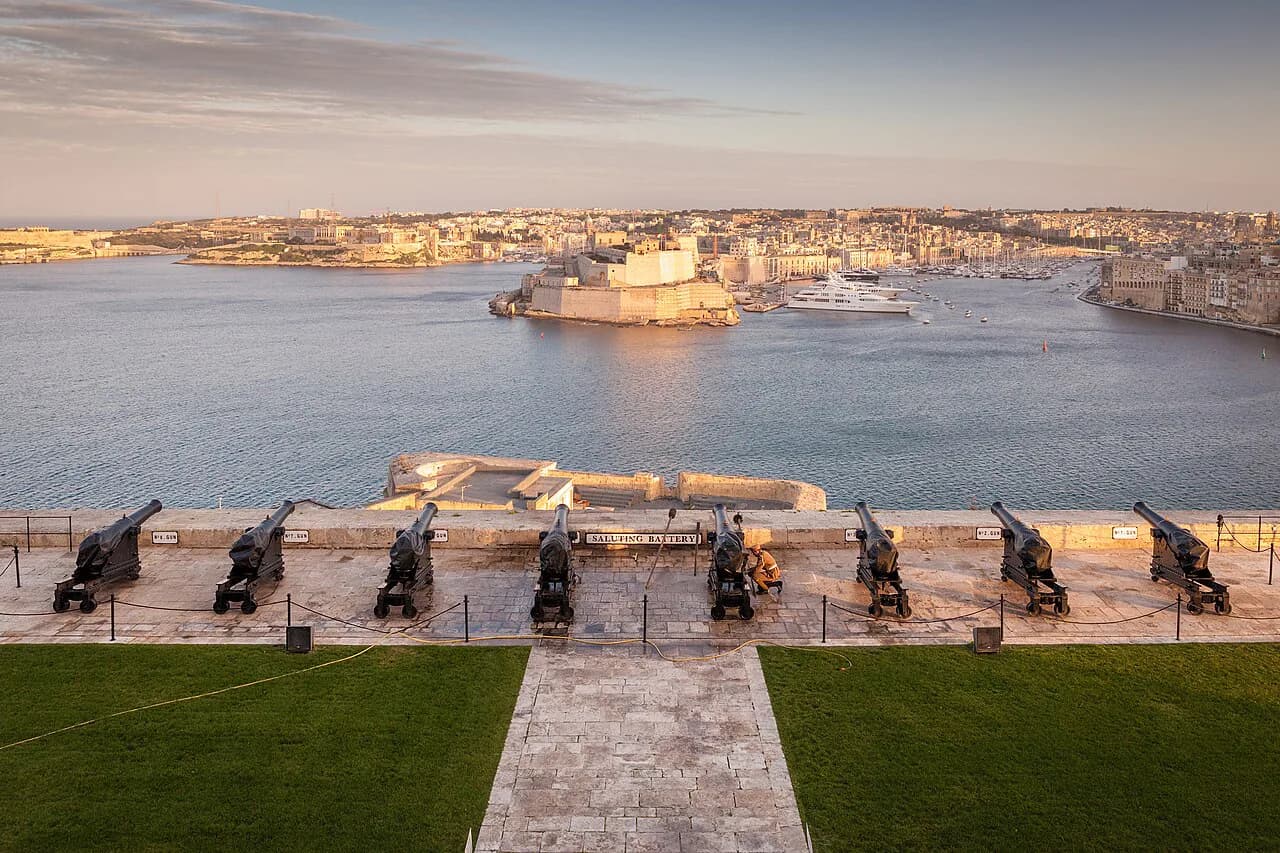
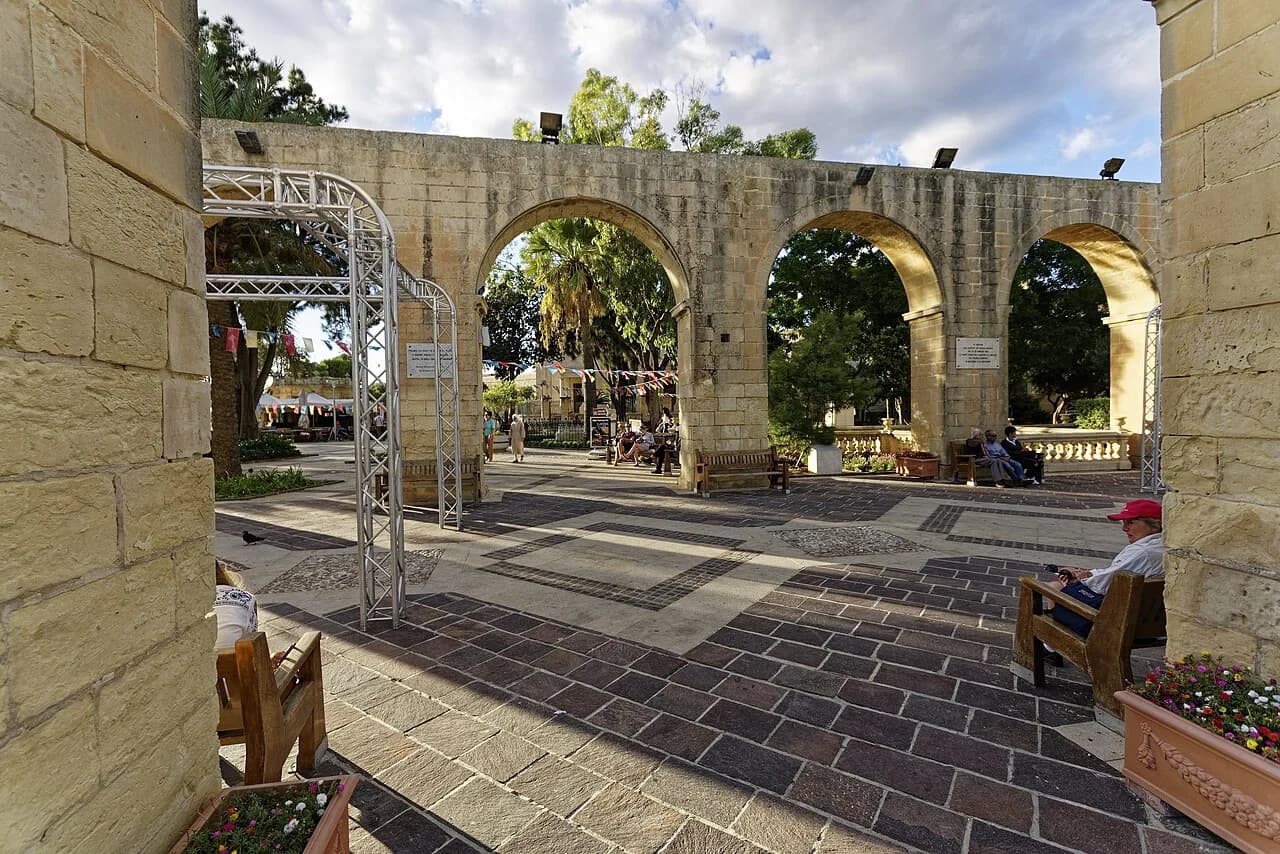
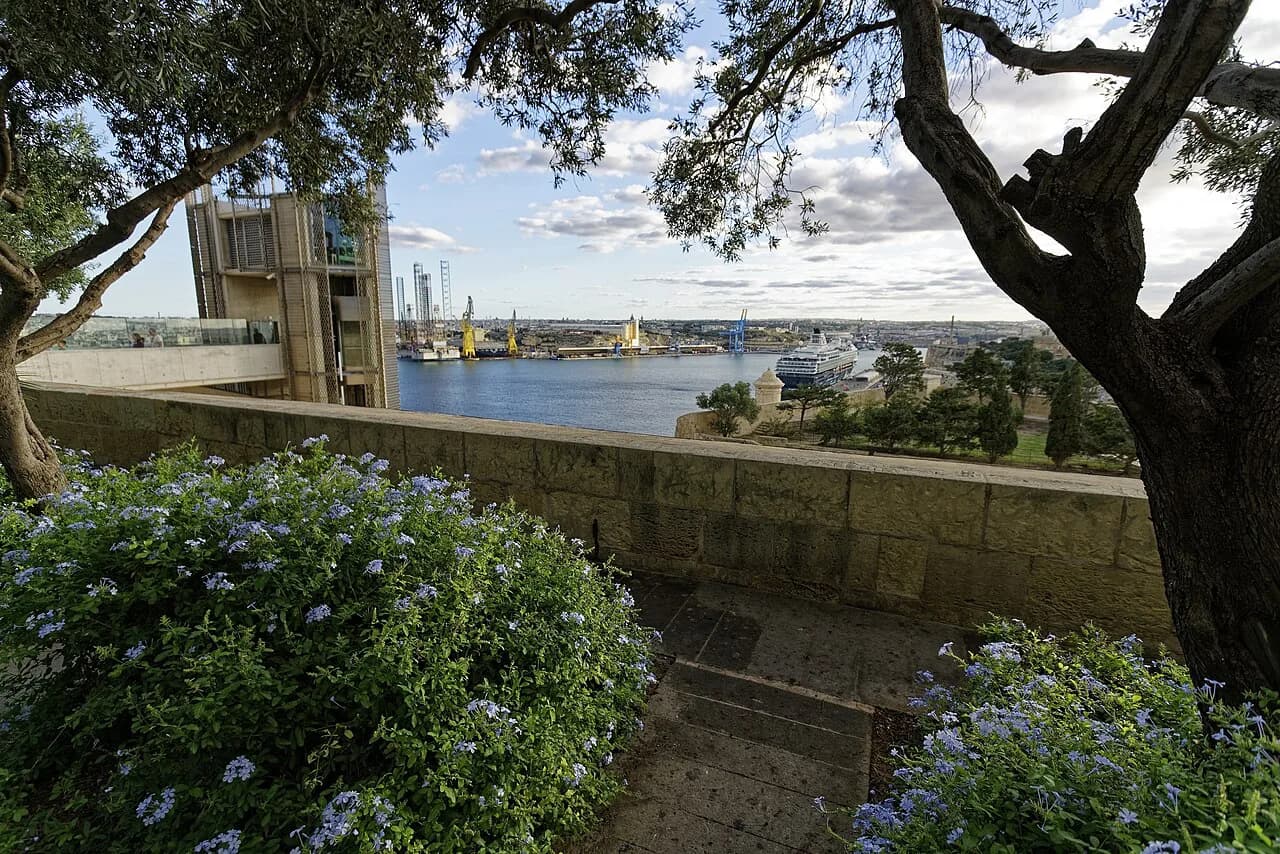
After the cathedral, walk Republic Street to the Upper Barrakka Gardens for the Grand Harbour view across to the Three Cities. The noon cannon salute at the gardens is a fixed point in the day for many visitors, so time your arrival around it rather than planning to come back. From the bastions you can see Fort St Angelo across the water, which sets up day two.
The trade-off on day one is depth against coverage. Valletta rewards a slow morning in the cathedral and an hour on the bastions more than a rushed circuit of every museum, and cruise-day crowds in the centre are the main reason to start early. If you only have a short break, the 2 days in Malta plan covers the same ground in half the time.
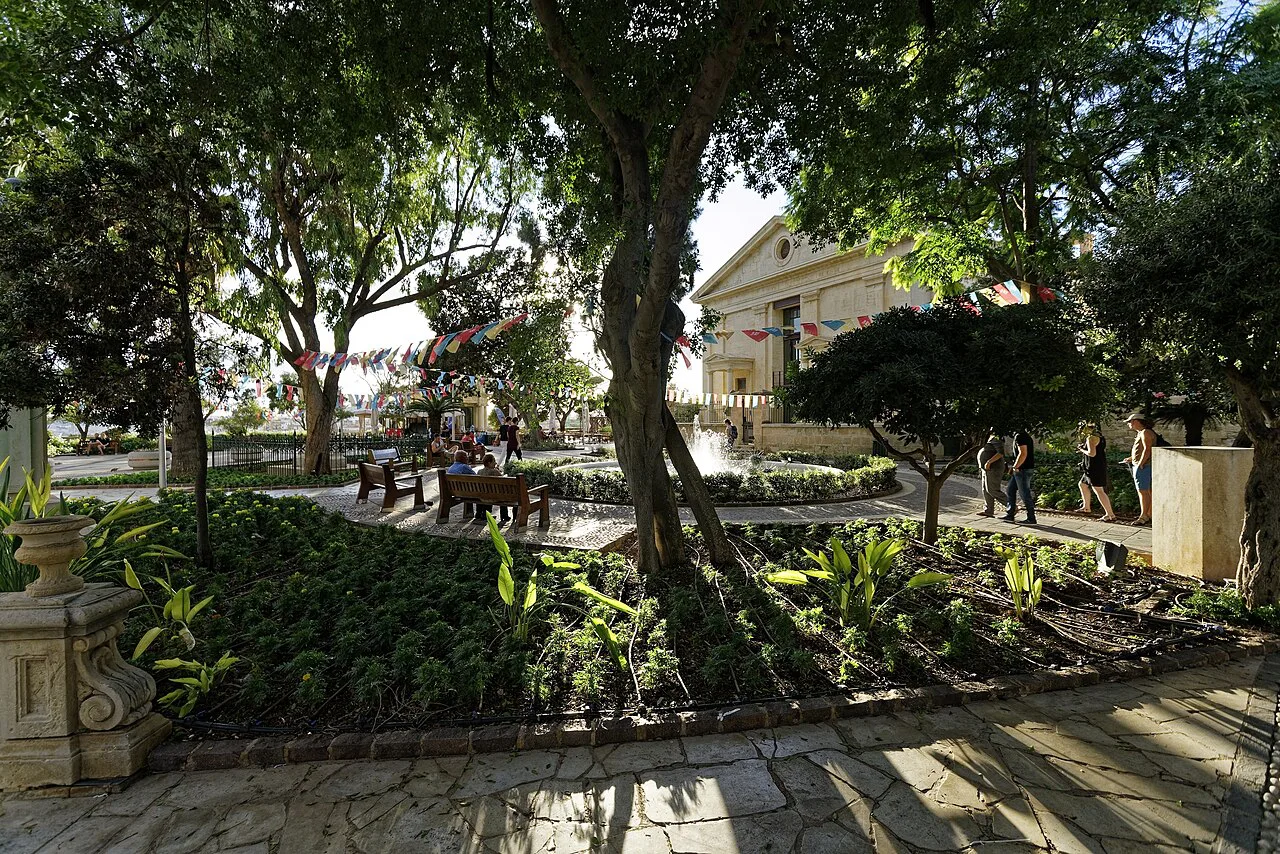
Valletta stops worth your time
Beyond the cathedral, the Malta Experience film gives you the island's long story in one sitting, which is useful before you meet the temples on day three. The Knights Hospitaller hospital, once known across Europe for its care, is the other interior worth the time if you like medical and military history.
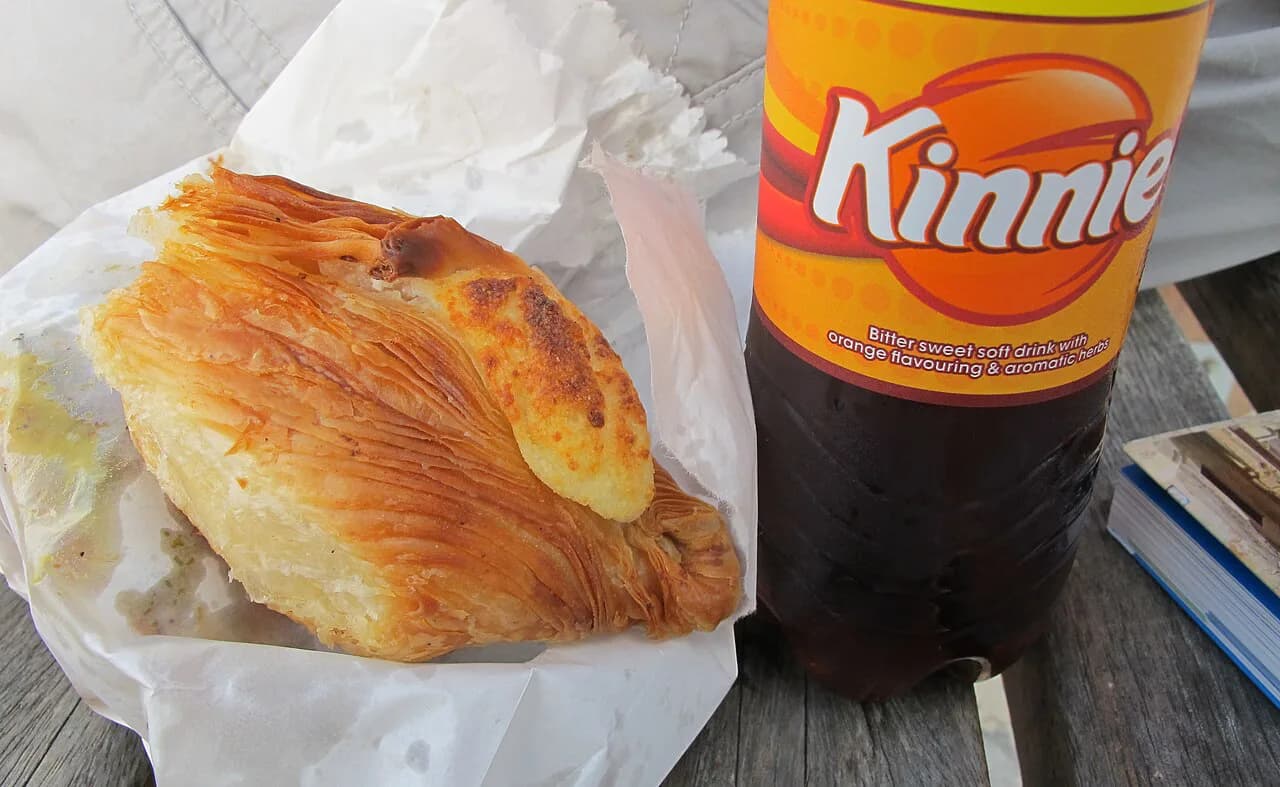
For lunch, Nenu the Artisan Baker serves traditional Maltese ftira baked in stone ovens, and Rampila sits inside Valletta's bastion walls with terrace views. Both suit a day where you want one proper sit-down meal. A warm pastizzi and a glass of Kinnie are the cheaper, faster option if you would rather keep walking.
End the day with a twilight stroll through the softly lit lanes and harbour overlooks. Dinner in Valletta is convenient, but sleeping in Sliema or St Julian's and taking the ferry or bus in the next morning works too, and keeps the evenings quieter.
Day 2: the Three Cities across the water
Take the Valletta–Birgu ferry across the Grand Harbour; the short crossing gives you postcard views of the fortifications and drops you in Birgu (Vittoriosa). From the landing, walk into the narrow lanes toward Fort St Angelo, headquarters of the Knights during the Great Siege of 1565, and the Inquisitor's Palace, a rare surviving example of its kind in Europe. Both are the anchors of the morning rather than optional extras.
In the afternoon, continue to Senglea (L-Isla) for the Gardjola Gardens, where the watchtower carved with eyes and ears symbolises vigilance and the harbour view opens up. Stroll the Cospicua (Bormla) waterfront afterwards and stop at a harbour café for lunch. The Three Cities are quieter than Valletta, which is the point of putting them on day two.
Dinner at a marina restaurant looking back at illuminated Valletta is the natural close. Keep the evening loose: the ferry back is short, and the walk from the landing up into Valletta is steep enough that you will not want to sprint for it.
Getting from Valletta to Birgu by ferry, and what the crossing gives you
The ferry is the day's transport decision, and its value is the view as much as the convenience: it puts the Grand Harbour fortifications in front of you instead of behind a bus window. The crossing between Valletta and the Three Cities is described as one of Malta's most scenic and inexpensive experiences, which is why it beats a taxi for this route. Check the operator's current timetable and fare before you travel, since neither is fixed here.
If the ferry is not running when you want it, the fallback is a bus or taxi around the harbour, which takes longer but removes the timing risk. Build the day around the boat rather than squeezing it in at the end, and you will have the afternoon for Senglea and Cospicua without watching the clock.
Day 3: Mdina and Rabat in the morning, then the temples
Enter Mdina through its stone gate and walk the quiet lanes of the walled city, which feels empty early and crowded by mid-morning. Visit St Paul's Cathedral with its marble floors and gilded chapels, then Palazzo Falson, a preserved Norman palace filled with period furnishings, art and antique weaponry. Both are short visits that add up to a full morning.
Pause for a drink on the rooftop café terrace for the countryside view before you leave. Mdina is small enough that the gate, cathedral and palace sit within a few minutes of each other, so the morning is about pacing rather than distance. Rabat next door is where you eat before the temples, and returning to Mdina or Rabat for dinner after the site is a sensible end to the day.
The afternoon is Ħaġar Qim and Mnajdra, the megalithic temples on the south coast with an interpretive centre explaining how they were built. Midday heat is the scheduling constraint here: the site is exposed, so go later in the afternoon if you can, carry water, and treat the visitor centre as shade rather than a detour. Check the site's opening times and ticket price with Heritage Malta before you go, because neither is confirmed here.
Mdina on foot: the city gate, cathedral and palace
Mdina's draw is atmosphere rather than volume: the gate, the cathedral and the palace, then the lanes between them. The rooftop terrace pause is the one stop where sitting still beats another church, and it breaks up a morning that otherwise runs cathedral to palace without a breather.
If you would rather not drive, a bus from Valletta or Sliema reaches Mdina and Rabat, but the temple site afterwards is the awkward leg on public transport. A taxi between Mdina and the temples, or a car for the day, saves the connection and gives you control over when you arrive.
Ħaġar Qim and Mnajdra: the visitor centre, heat and how to reach the site
The two temples sit close together with the visitor centre between them and the coast. Go early or late for the light and the temperature; the stone is exposed and the walk between the temples is short but shadeless. The interpretive centre is where you make sense of the alignments and carvings before or after, and it is the natural place to wait out the hottest part of the afternoon.
Reaching the site without a car means a bus plus a walk or a taxi, and the return leg is the part that catches people out on a tight afternoon. If you are combining Mdina and the temples on one day, a car or a booked transfer is the lower-risk choice; if you are relying on buses, cut the Mdina rooftop pause rather than the temple visit.
Note that the temples and the Hypogeum are different sites, and only the temple site is on this plan. If you want the underground site as well, it needs its own slot in the day, which is why the four-day shape leaves it out.
Day 4: a Gozo day — the ferry, Victoria and the Citadel
Drive or take the bus to the Gozo ferry, cross, and head for Victoria, the island's capital, where the Citadel (Ċittadella) gives you the island view from the top. The Citadel is a short walk from the town centre, so the day is ferry, town, walls and back rather than a tour of the whole island. Published itineraries that add Gozo as an optional extra day follow the same shape.
A tour that combines Comino and Gozo in one day exists and includes pickup, the ferry and a bus on Gozo, which suits travellers without a car. The trade-off is control: you see the Citadel and the local streets, but you do not choose the pace, and the Comino stop takes up part of the day. A quieter shoulder-season crossing avoids the summer crowds that build on the Comino boats.
Check the ferry operator's timetable and the Citadel's opening times before you commit, and start early enough that the return crossing is not the last one of the day. Gozo is the day most likely to be cut when something goes wrong earlier in the trip, so treat it as the flexible one.
Where to put Gozo if you would rather keep day 4 on the main island
The main-island swap for day four is a slower Valletta or Sliema day with the harbour in front of you: a late breakfast in Sliema, the ferry to Valletta, and the streets and squares you rushed on day one. It costs you Gozo but saves the longest transfer of the trip.
A second option is to keep Gozo but drop Comino from the crossing, going straight to Victoria and the Citadel and returning on an earlier boat. This gives the island a real half-day without the tour bus pace, and leaves the evening free on the main island.
What to drop if you only have three usable days
If the trip shrinks to three days, cut Gozo first and fold the temples into the Mdina morning. That keeps Valletta, the Three Cities and Mdina with Ħaġar Qim and Mnajdra, which is the core of the island in a straight line. If you lose a second day, drop the temples rather than the Three Cities, because the harbour crossing and Birgu's lanes are harder to replicate elsewhere.
If you gain a day instead, put it on Gozo rather than adding a fourth church: the extra time covers Victoria properly and allows a slower return crossing. The 5 days in Malta plan shows where that day fits without repeating day one.
How to get around for four days: ferry, bus or car
Use the Valletta–Birgu ferry on day two and buses or walking for Valletta on day one; both days are better without a car, which is a liability in the capital's narrow streets and parking. For day three, a car or taxi between Mdina and the temples is the practical choice. For day four, the ferry to Gozo plus a bus or car on the island covers it, and a tour removes the driving entirely.
The Valletta streets are compact and hilly, so plan on walking more than you expect and carrying water in the warmer months. Between the days, Sliema and St Julian's work as a base because the ferry and buses connect them to Valletta, which keeps the mornings simple.
Which day would you cut first?
The order to protect is Valletta, then the Three Cities by ferry, then Mdina with the temples, with Gozo last. That sequence keeps the boat crossings to one day, puts the exposed temple site at the end of its morning, and leaves the day most dependent on a timetable in the slot where a cancellation costs least.
Book the temple site and any Hypogeum visit separately, confirm the ferry and Citadel times with their operators, and decide early whether Gozo gets the fourth day or the main island does. If you are still choosing between a long weekend and a week, the day-count comparison is the more useful decision than any single museum.
Explore more Malta guides
Frequently Asked Questions
Is four days enough to see Malta and Gozo?
It is enough for Valletta, the Three Cities, Mdina with the Ħaġar Qim and Mnajdra temples, and one Gozo day covering the ferry, Victoria and the Citadel. It is not enough to add the Hypogeum, a second Gozo day and a slow day on the water without something giving way. Put Gozo last so a delay costs you the final day rather than the middle of the trip.
Do you need a car for four days in Malta?
No for Valletta and the Three Cities, where walking and the Birgu ferry do the work. A car or taxi helps on the Mdina and temples day, because the connection between the walled city and the south-coast site is the awkward leg on buses. For Gozo, a tour with pickup removes the driving if you would rather not take a car on the ferry.
What should I drop first if I only have three days?
Drop the Gozo day and keep Valletta, the Three Cities, and Mdina with the temples. Those three days cover the capital on foot, the harbour crossing to Birgu, Senglea and Cospicua, and the inland walled city with the megalithic site. If you lose another day, keep the Three Cities and drop the temples.
Sources
Notes for your Malta trip
Optional updates when we add or correct a Malta or Gozo guide.
You might also like
Continue reading
More guides you'll find useful