How Many Days in Malta? What 3, 5 and 7 Days Actually Cover
Malta is small enough for three days, but five to seven let you add Gozo and Comino. Here is what each trip length covers and how transport changes it.
On this page
Give Malta three full days and you can see Valletta, the Three Cities and Mdina without rushing; allow five to seven and you can add a day on Gozo, the Comino crossing and the southern coast. The islands are compact, so the real limit is not distance but how many days you are willing to spend on ferries, buses and parking. This guide sets out what each trip length covers, how basing yourself in one town compares with splitting between Malta and Gozo, and which choices quietly consume a day.
How many days you need: the direct answer
Three days is the sensible minimum for a first trip. One day goes to Valletta, one to the Three Cities and one to Mdina and Rabat, and that is a full, satisfying introduction. Add days only when you want Gozo, Comino or the temple sites, because each of those costs a substantial block of the day in travel.
Four to seven days lets you see the main sights, leave room to relax and take day trips to Gozo and Comino, as one Malta planning guide puts it. That mirrors the practical arithmetic: the archipelago is small and easy to navigate, but every crossing and every rural site carries its own overhead.
A single base works well because Malta is a small country and day trips reach most destinations from one town, as a five-day self-drive route puts it. The trade-off is that you repeat the same drive or bus ride each morning instead of waking up already in Mdina or Victoria.
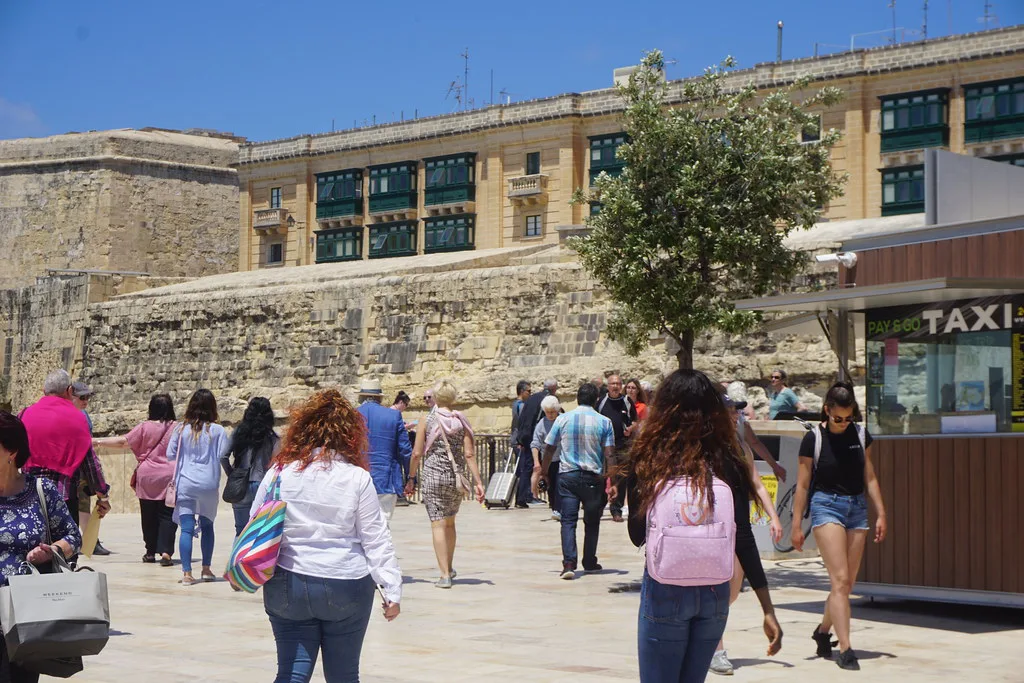
What two to three days covers: Valletta, the Three Cities and Mdina
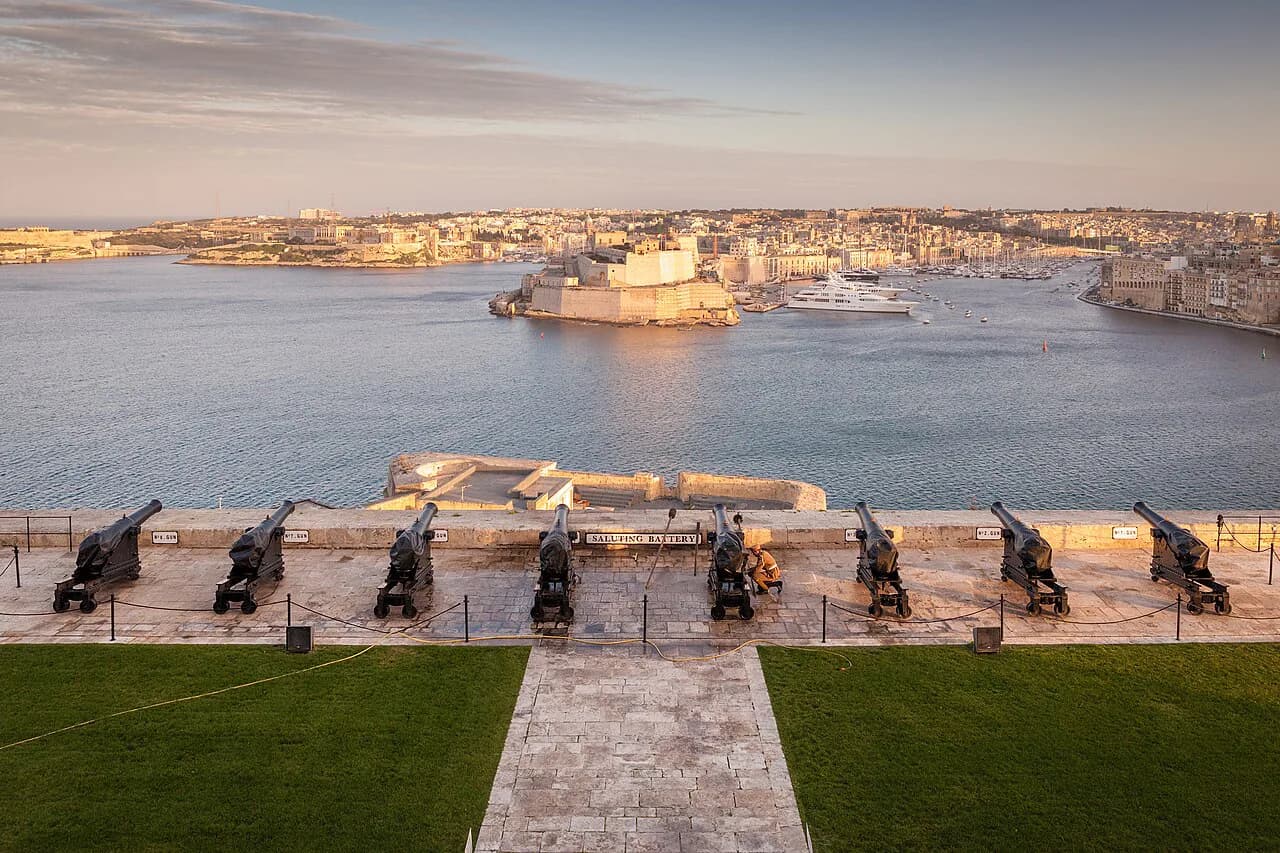
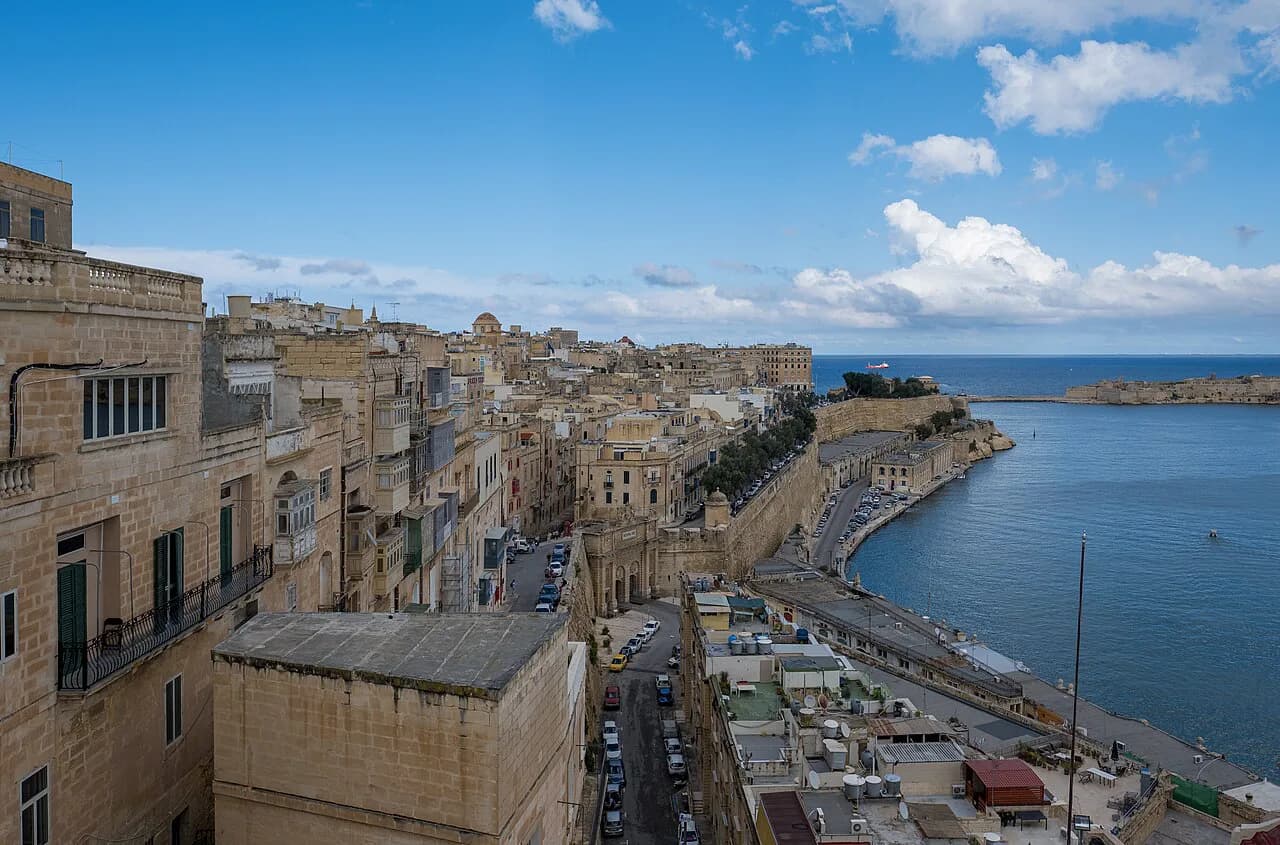
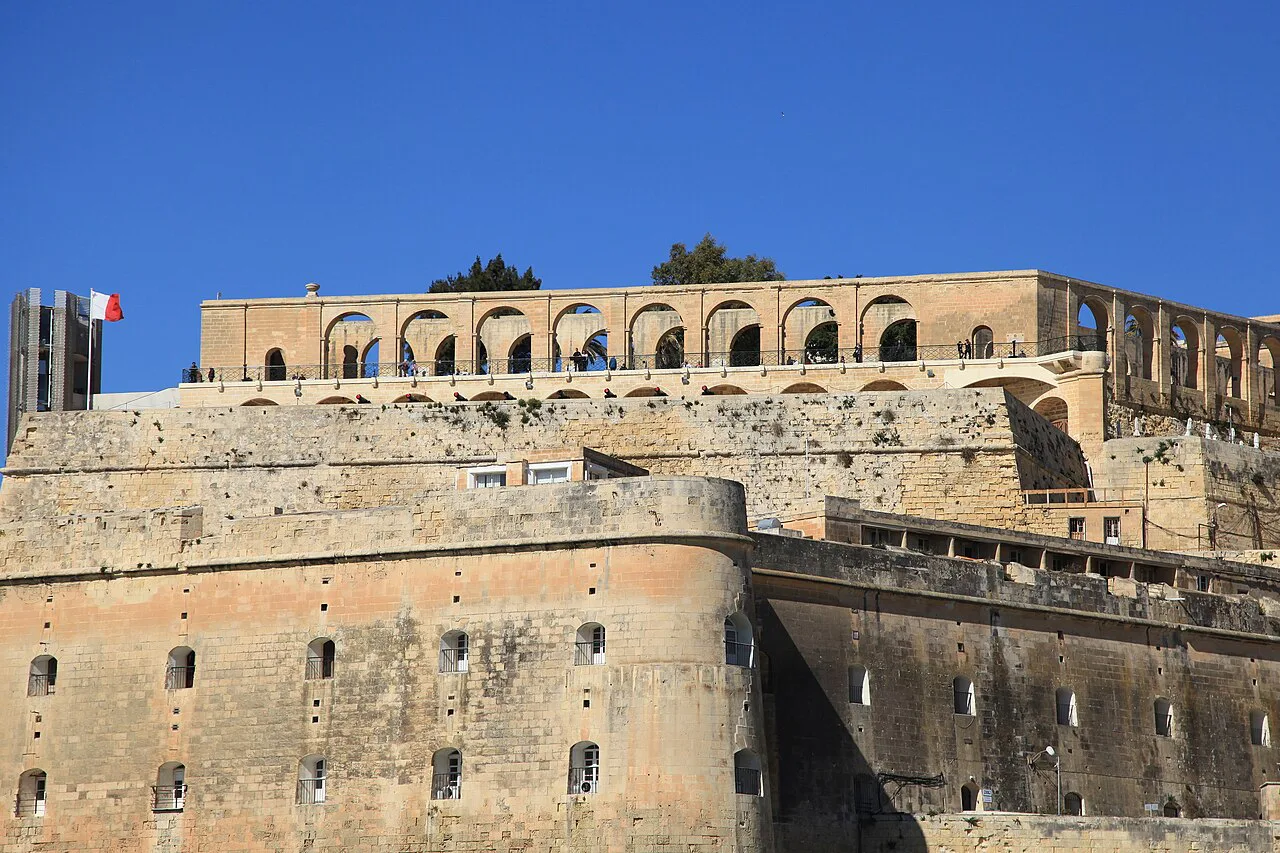
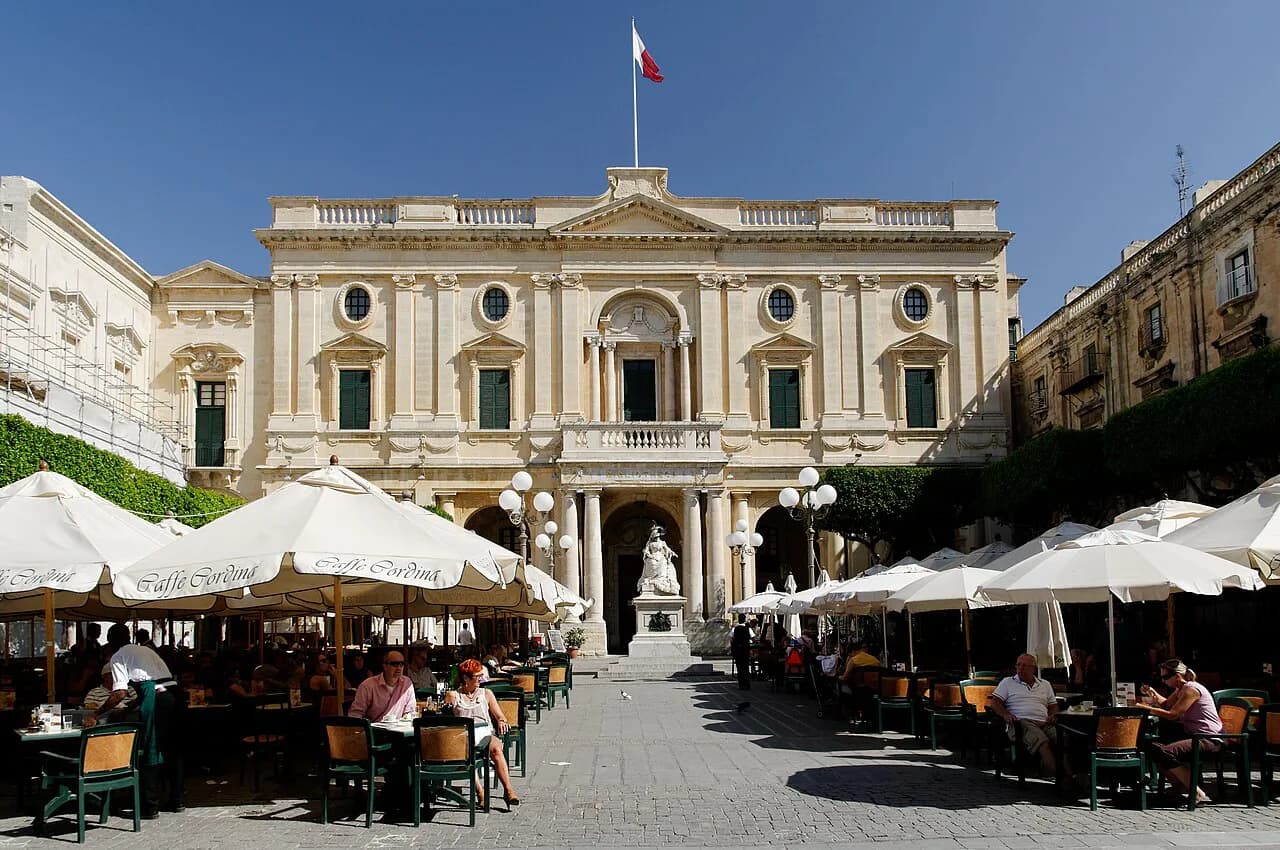
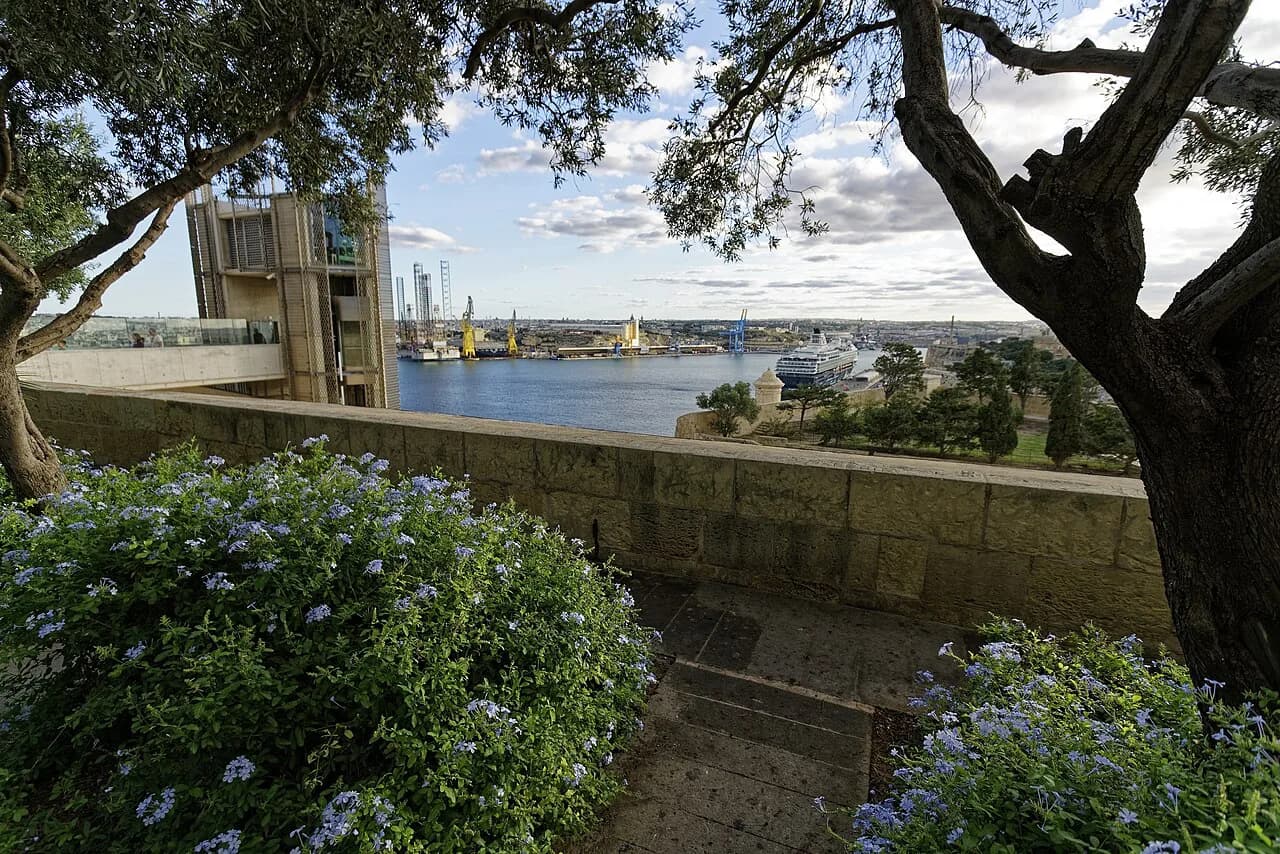
Give Valletta a full day on foot and you will use it. The city is built on a grid of sloping streets, so you will climb and descend constantly between the City Gate end and the fortifications, and good shoes matter more than a detailed plan. Start at the City Gate, work through the centre to St John's Co-Cathedral and finish at the Upper Barrakka Gardens for the harbour view.
The Three Cities sit across the water and reward a half-day or more. Birgu, known to visitors as Vittoriosa, is the one to prioritise: its lanes are narrow and largely residential, and the pace is far calmer than Valletta's. From there you can walk or take a short crossing to Senglea (L-Isla) and Cospicua (Bormla).
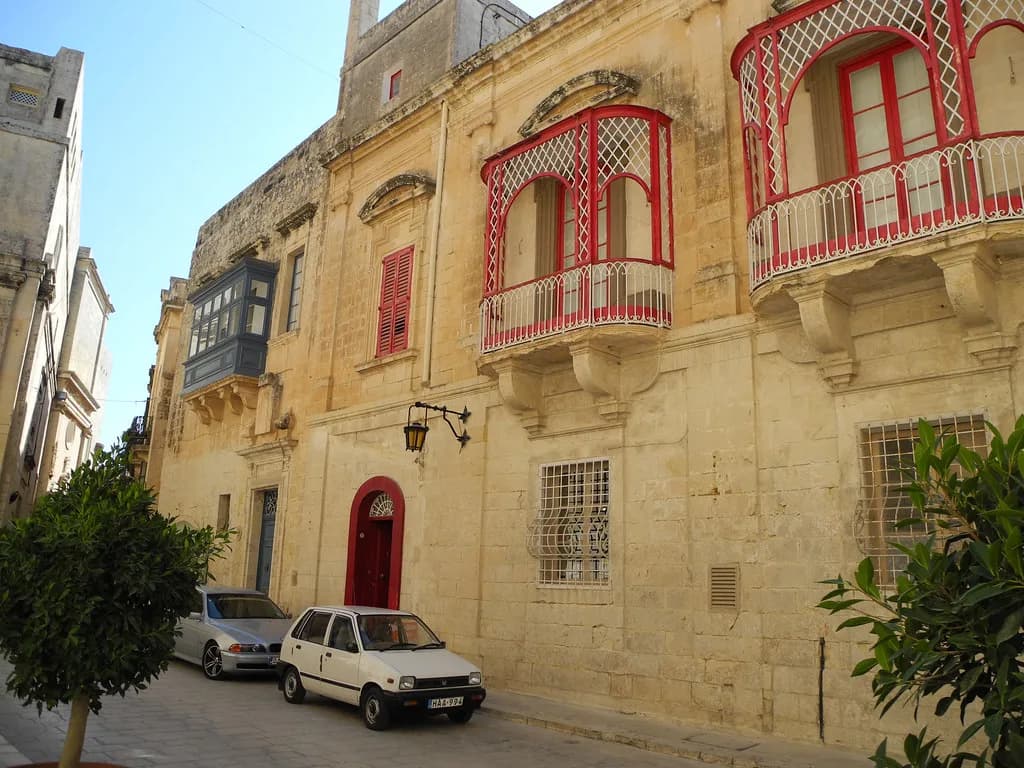
Mdina and Rabat take another day between them. Mdina is a walled, largely car-free grid of lanes that most visitors cross in a couple of hours, so pair it with Rabat next door and the catacombs beyond the walls rather than treating the walled city alone as a day out.
If you only have two days, cut the Three Cities or Mdina rather than trying to fold both into one afternoon. Squeezing Valletta and a walled city into the same day leaves you walking past rather than looking, and the heat in the middle of the day makes the mistake worse. Our 2 Days in Malta guide is the place to start if that is your window.
What four to five days adds: Gozo, Comino and the south
Five days is where the trip stops feeling tight. A common shape gives one day to Valletta and the Three Cities, one to Marsaxlokk and the southern coast, one to Gozo, and one to Comino, with the last day left for Mdina, Rabat and a slower finish. That structure appears in a published five-day route and is a fair reflection of how much fits comfortably.
Gozo takes a whole day, not a morning. You reach it by ferry to Mġarr and then continue by bus, taxi or car, and the return leg is the part that catches people out; on rough seas, sitting toward the back of the boat helps if you are prone to seasickness. Plan Mġarr harbour as your arrival and departure point rather than assuming the ferry lands you in Victoria.
Comino is reached by boat, and you cannot take a car. That means the day is organised around the crossing rather than around a route you drive yourself, so treat it as one of your five rather than an add-on squeezed around sightseeing.
The south deserves a day rather than an afternoon. Marsaxlokk's harbour is the obvious anchor, and the Blue Grotto and Dingli Cliffs sit on the western side of a loop that can be driven in a day but not without time behind the wheel. Trying to bolt all three onto Valletta leaves no room to enjoy any of them.
What a full week adds: temples, Rabat and a slower pace
Seven days buys you the things five days leaves out: Ħaġar Qim and Mnajdra on the southern coast, the Tarxien Temples, more time in Rabat, and an unhurried second pass through Valletta. It also lets you stop treating every day as a route and spend an afternoon somewhere without a target.
Book the Ħal Saflieni Hypogeum well before you travel. The Hypogeum and Tarxien Temples sit in the same southern area, and a seven-day itinerary that assumes you can turn up on the day will often have to drop the underground site entirely. Slot it early in the week so a sold-out date does not derail the rest of the plan.
Keep one day deliberately loose. In Malta the loose day is usually the one that becomes the best one, whether that means a second swim or an extra hour at the Upper Barrakka Gardens watching the harbour rather than crossing the city off a list.
Basing yourself in one place versus splitting between Malta and Gozo
One base wins on time. Malta is small, everything is reachable on day trips, and staying put removes the packing, transfer and check-in that eats into a short break. Valletta is the natural anchor for a first visit because it puts the main sights on your doorstep; our Malta itinerary sets out a workable order.
Splitting nights between Malta and Gozo suits a longer trip but has a hidden cost. Moving between the two means committing to the ferry crossing with luggage, and a boat booked in the wrong direction can mean a wait for the next sailing, as one traveller found when an open return was booked the wrong way round.
If you are weighing the two islands as bases, think about what you want each morning rather than the hotel. Malta gives you the harbour cities and the south; Gozo gives you a quieter start and Victoria's Citadel within reach, at the price of a crossing every time you want the main island.
Getting around: car, bus and ferry, and how each changes your day count
A car is the most flexible option and the one that lets a five-day trip cover as much as a bus-based week. Malta drives on the left, which most UK and Irish drivers will find familiar, but the signs and navigation instructions can be confusing and local drivers are impatient, so a calm approach matters more than speed.
Parking is the catch. You can park for free only between white lines, and spaces are hardest to find in Valletta, so the practical move is to park once on arrival and walk the capital and the Three Cities rather than circling. Driving into central Valletta itself is best avoided.
Without a car the buses and ferries still cover the main sights, but each day carries fewer stops and more waiting. Ferries link Valletta with Sliema and the Three Cities, and separate services run from Malta to Gozo and Comino, which is workable for a three or five-day trip and frustrating for a packed seven.
The honest arithmetic: a car can add usable sightseeing time each day, but only if you are willing to drive narrow roads and hunt for parking. If that sounds like a chore rather than a freedom, cut your plan by a day instead and use the buses.
Common mistakes that eat a day
Circling Valletta looking for parking is the classic one. Park once, leave the car, and treat the city and the Three Cities as a walking day; the cobbles and slopes are tiring enough without adding a car.
Underestimating the Gozo crossing is the second. It is a ferry plus onward transport to wherever you actually want to be, so build the return into the day rather than assuming you will simply catch the next boat.
Leaving the Hypogeum to chance is the third, and the most expensive in regret. Decide early whether you want it, book accordingly, and place it in the first half of the trip so a sold-out date does not sit at the end.
Is more than seven days too long?
Not if you use the extra time well. Ten days lets you add diving, slower mornings and a proper Gozo stay without repeating yourself, and one traveller who spent 10 days on the islands found it not nearly enough. The risk is not boredom but padding: a second week spent re-walking Valletta is time better given to Gozo's villages or the southern coast.
If you are deciding between Malta and a Mediterranean alternative on length alone, note that Malta packs a lot into a small area, which makes a short trip feel full rather than thin. That is an argument for three to five days, not for stretching to two weeks.
How many days for a first trip if you also want to dive or swim
Add days rather than compress. A seven-day itinerary built around diving gave two days to diving and still left a day for Mdina, which is the realistic shape if underwater time is the point of the trip. Sightseeing days and dive days do not merge well.
If swimming is the aim rather than diving, a five-day trip with one loose afternoon works better than a tightly routed one. Keep that afternoon near wherever you are based and resist the urge to drive across the island for an hour in the water.
Three, five or seven days: which trip to book
Book five days for a first trip with Gozo and Comino included, and cut to three if Valletta, the Three Cities and Mdina are all you want. Choose seven if the temples, Rabat and a slower pace matter to you, or if you are diving and need real days underwater.
Whichever length you pick, decide on the car before you decide on the day count, put the Hypogeum booking in the first half of the trip, and leave one day unplanned. Those three choices are worth more than an extra day on paper.
Explore more Malta guides
Sources
Notes for your Malta trip
Optional updates when we add or correct a Malta or Gozo guide.
You might also like
Continue reading
More guides you'll find useful