3 Days in Malta: A Day-by-Day Itinerary
Plan three days in Malta with a day-by-day route through Valletta, the Three Cities, Mdina, the temples and Gozo, with harbour ferries and honest trade-offs.
On this page
Three days in Malta covers Valletta and the Three Cities in full, then one of Mdina or the southern temples, then Gozo. Cramming Mdina, the temples and Gozo into the same three days means long spells on buses and little time on foot in any of them. This plan gives each day a clear shape, with timings, harbour crossings and the stops worth cutting.
Day 1 morning: St John's Co-Cathedral and the Grandmaster's Palace
Start in Valletta, which covers about 0.6 sq km and sits entirely within a UNESCO World Heritage Site, so the morning's sights are minutes apart on foot. St John's Co-Cathedral is the first stop: gilded interiors, marble floors and Caravaggio's Beheading of St John the Baptist reward a slow visit. Dress modestly inside, and note that stilettos are not allowed because they damage the marble floor.
Then walk to the Grandmaster's Palace, once the home of the Knights' rulers, for the State Rooms and the Armoury. Allow about two hours there so you see the halls and armour displays without rushing. The cathedral and palace together fill a morning comfortably.
Finish the morning at Fort St Elmo on the harbour side, where the National War Museum covers Malta's military history. If you are running late, Fort St Elmo is the piece to move to day three rather than squeeze. Anyone with only two days should cut the palace and keep the cathedral and the harbour walk.
Day 1 afternoon: the ferry to Birgu, Senglea and Cospicua
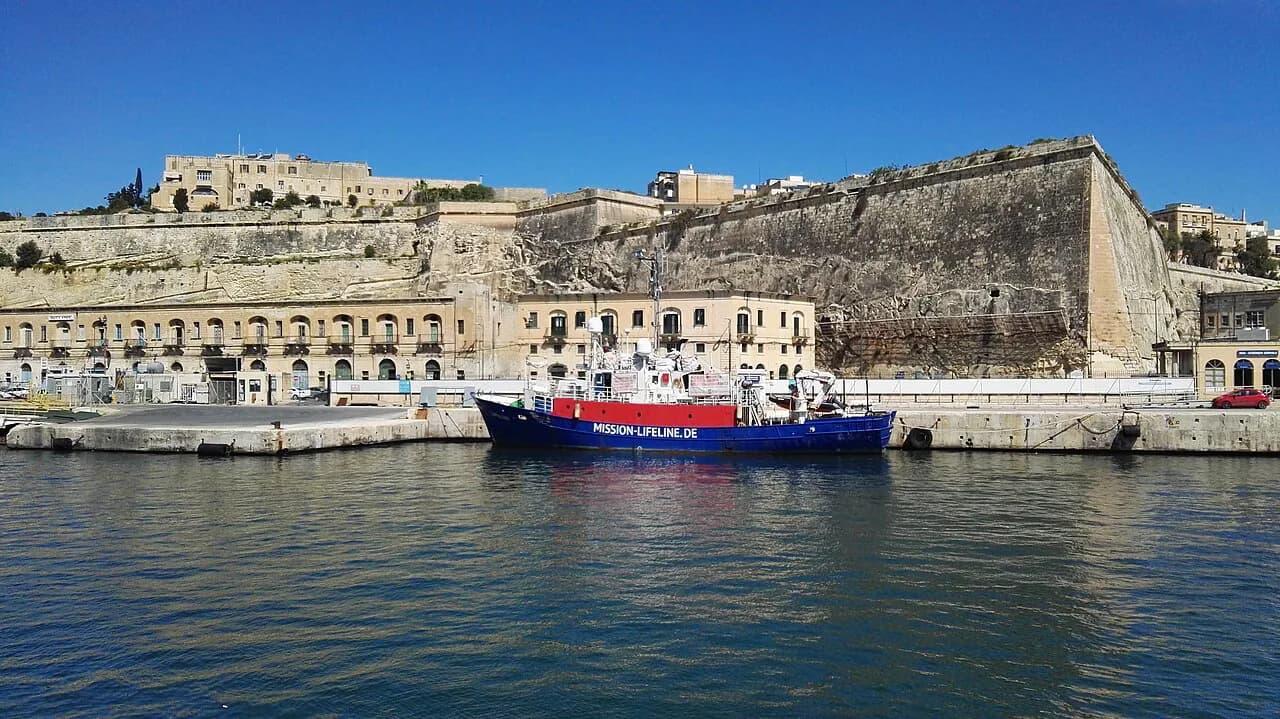
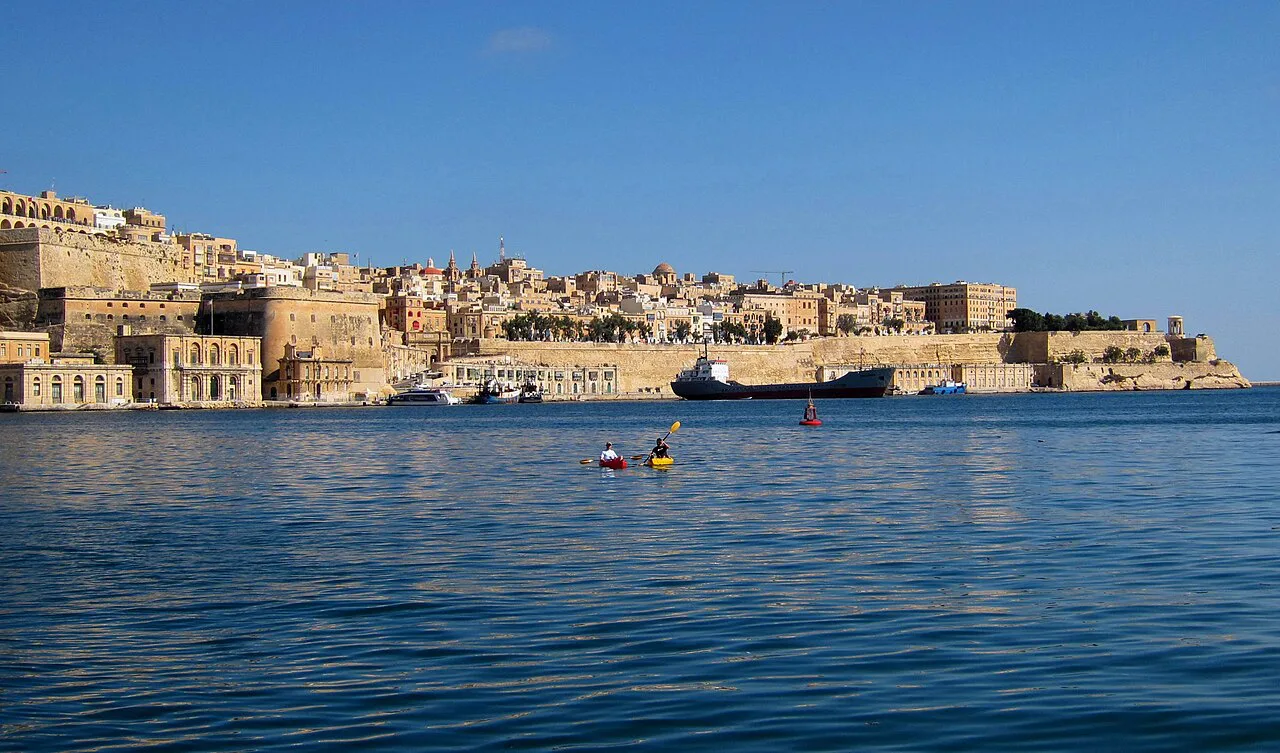
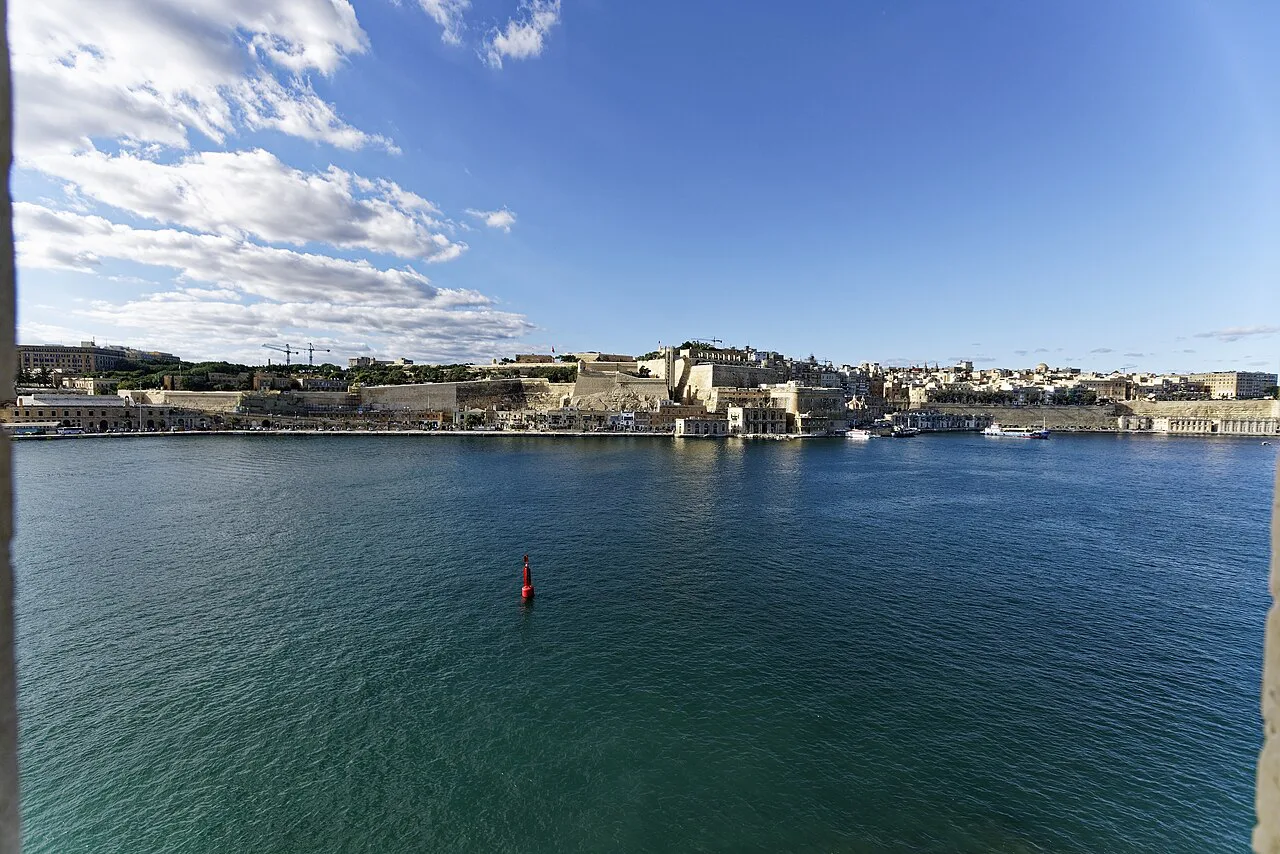
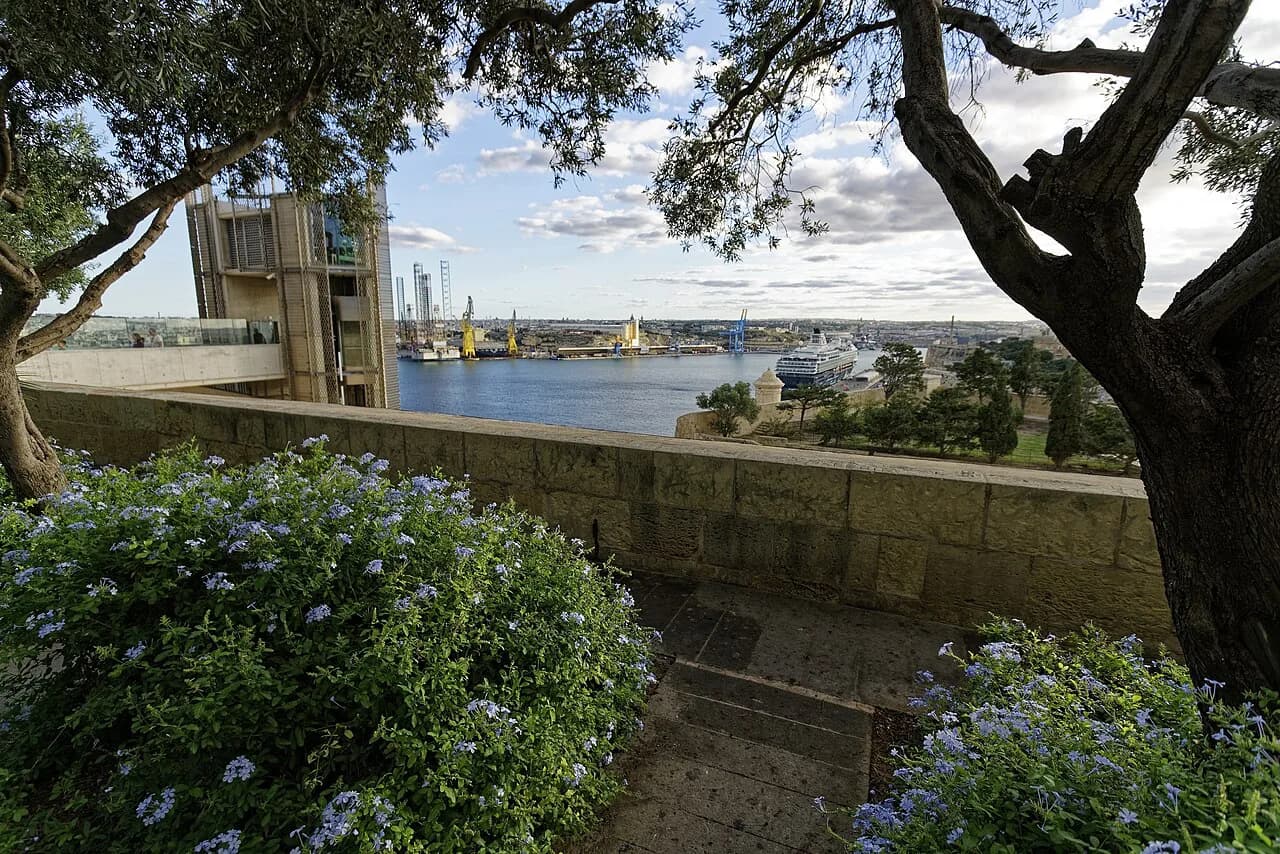
Cross the Grand Harbour by ferry from the Valletta waterfront to Birgu in about ten minutes, which beats the 30 to 45 minutes a bus takes through traffic and the 15 to 20 minutes a taxi needs. Ferries run frequently, so you can walk the Three Cities and come back when you are ready.
Birgu (Vittoriosa) is where you will spend most of the afternoon: St Lawrence's Church, Victory Square, the Inquisitors' Palace and Fort St Angelo overlooking the water. Birgu also has the Birgu Ditch Gardens and the Sicolo Norman House. The tourist train in Vittoriosa runs a 40-minute circuit if your feet give out.
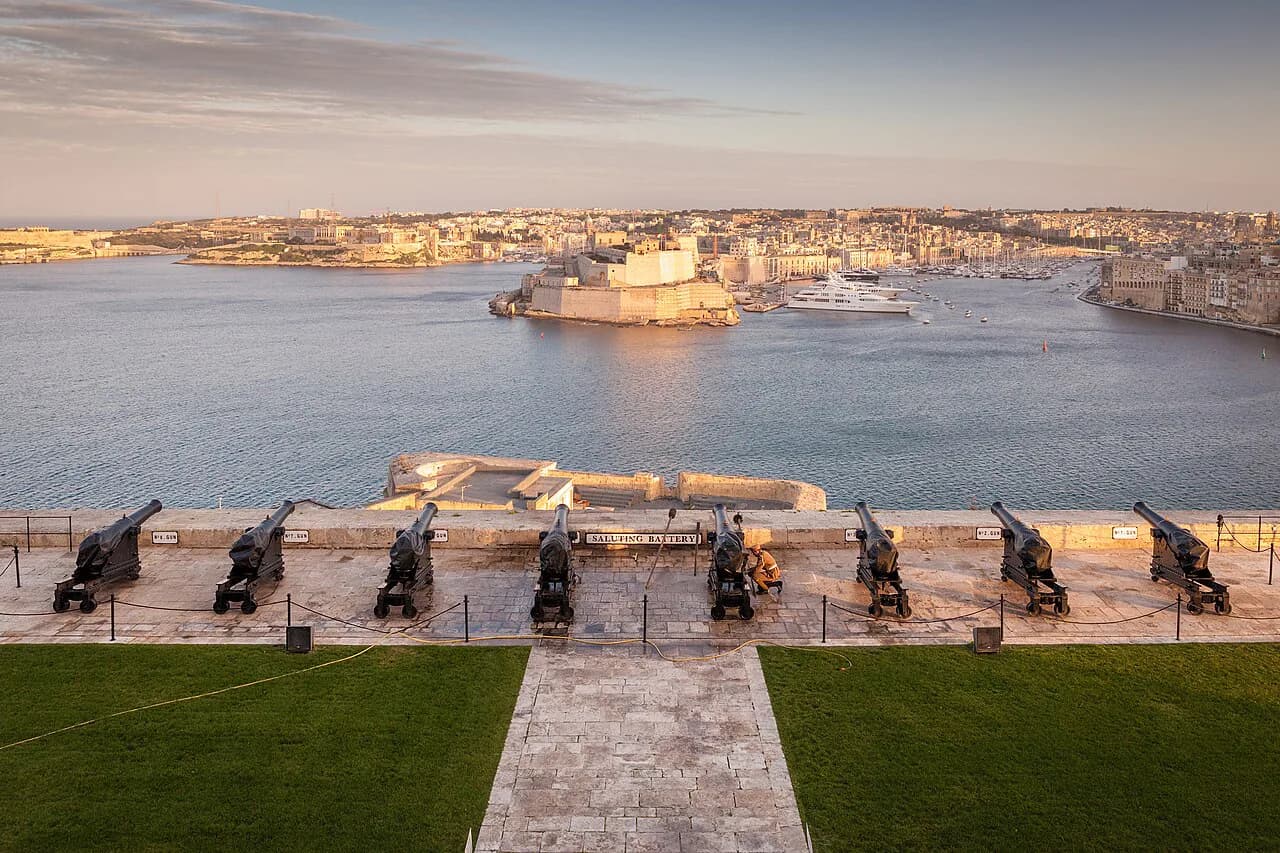
Senglea (L-Isla) adds the fortifications walk, Senglea Parish Church and the Gardjola Gardens, a viewpoint back across to Valletta. Cospicua (Bormla) suits slow wandering between the defensive walls, with Fort Verdala seen from outside. You can walk between all three, and two hours is enough for Birgu plus one of the others.
Day 1 evening: dinner in Valletta or on the Birgu waterfront
Stay in the Three Cities for dinner if you want harbourfront seafood and a quieter evening than Valletta's centre. Birgu Waterfront has cafés and restaurants looking over the marina and the superyachts. Otherwise take the ferry back and eat in Valletta, where your day began.
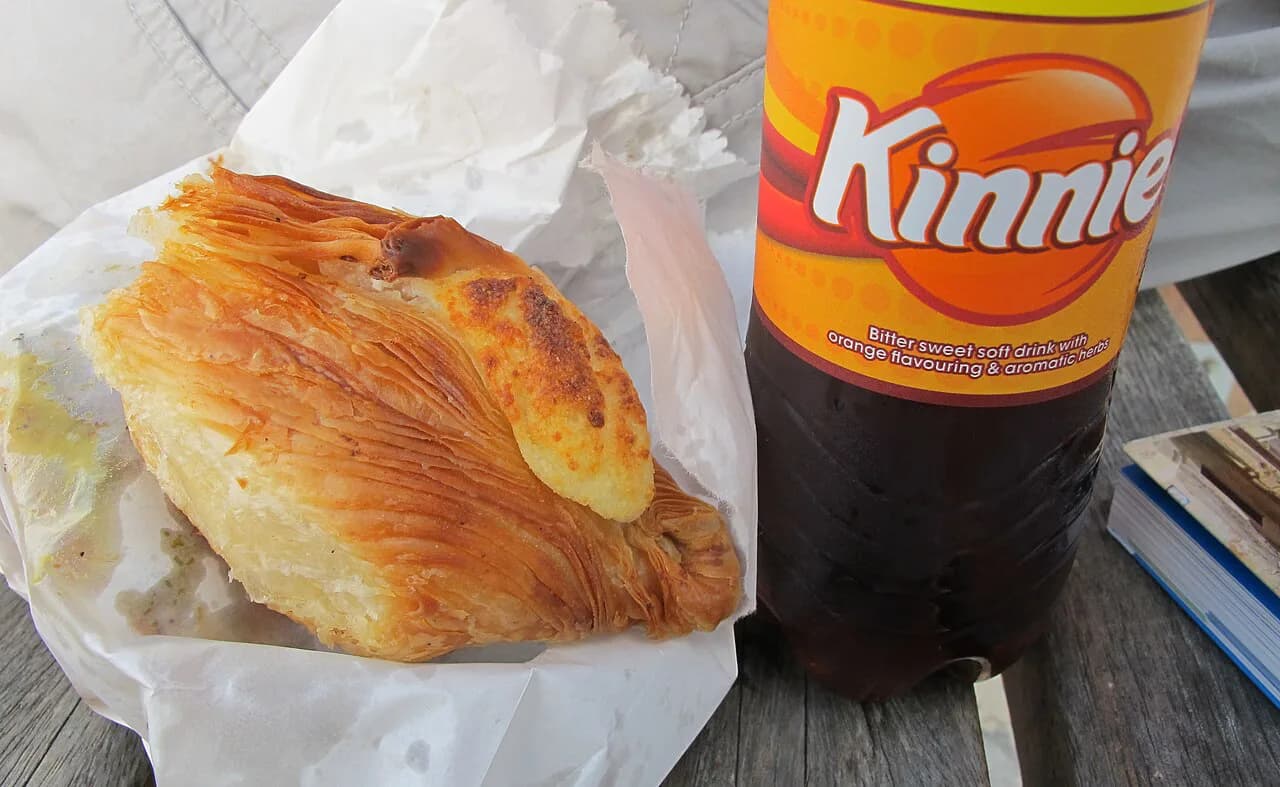
Valletta has the wider choice, including Maltese cooking such as ftira, but book ahead on cruise days when the centre fills up. Restaurant prices vary by venue and season, so check menus outside before you commit. Nights are cooler than the midday hours, which makes the walk back to your base easier.
Day 2 option A: Ħaġar Qim, Mnajdra and the south coast
Take day two south for the temples at Ħaġar Qim and Mnajdra, which sit close together above the coast. Visit early: the temple sites are exposed limestone with almost no shade, so midday heat makes the walking hard. Ticket prices and seasonal opening hours are published by the site operator and change by season.
After the temples, continue to Marsaxlokk for the harbour and lunch, then add the Blue Grotto if the light and the boats are running. Both are southern stops that fit one loop by car. By bus, pick Marsaxlokk or the Blue Grotto rather than both.
Day 2 option B: Mdina and Rabat by bus
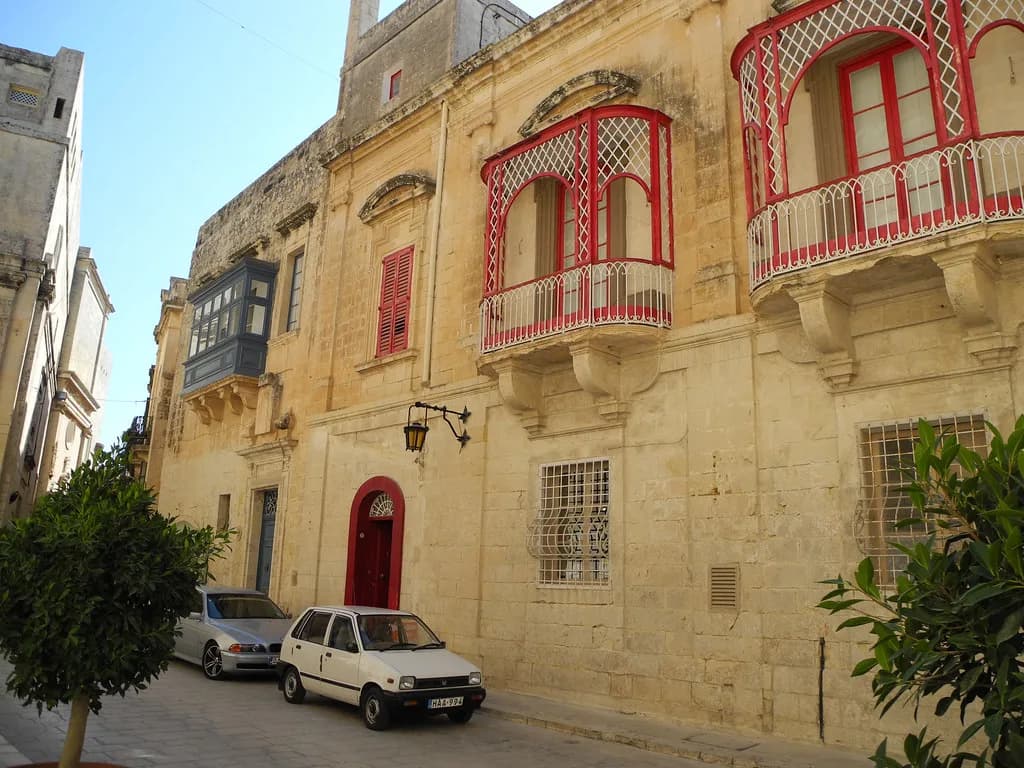
Mdina, the Silent City, is a walled town of narrow, car-free lanes that suits a morning on foot. From Valletta, buses run to Mdina from the main bus terminal, and the ride takes you up into the centre of the island. Start early, because the lanes are quietest before the day trippers arrive.
Walk Mdina's alleys and the bastion edges, then drop into Rabat next door, where the streets are busier and more everyday. Mdina and Rabat together take half a day at an easy pace. If you have a car, park outside the walls and walk in; the lanes are not for driving.
Day 3: Gozo as a day trip from Ċirkewwa
Take the car ferry from Ċirkewwa at Malta's northern tip to Gozo, a crossing of about 30 minutes, and go early to avoid the summer queue. Ferries run often, but loading vehicles takes time, so build slack into the morning.
In Victoria, walk up to the Citadel (Ċittadella) for views over the whole island, then use the rest of the day for one more Gozo stop rather than three. Ġgantija near Xagħra is the obvious temple choice if you skipped the southern sites. The Gozo ferry fare and timetables are published by the operator and vary by season and vehicle size.
If you are short of time, cut the second Gozo stop and return on an early afternoon ferry. Driving yourself gives the most flexibility on the island, while a tour removes the logistics but fixes your stops. Either way, plan the day around one Gozo highlight, not a circuit of the island.
Fitting Comino and the Blue Lagoon in, and what it costs you
Comino and Gozo on the same day leaves little time in either. A seven-hour boat tour that stops at Comino, the Blue Lagoon and Gozo gives free time at each but only enough to get a feel for them. If both islands matter, take the tour; if Gozo is the point, give it the whole day.
Tours leave from the north of Malta, so you may need a taxi or bus to the meeting point, and boats do not wait for late arrivals. Tour prices and departure times are set by each operator and should be confirmed when you book. Pick up a seat on the top deck early if you want the views.
Getting around: ferry, bus and car on three days
The harbour ferry is the best way between Valletta and the Three Cities, at about ten minutes against 30 to 45 minutes by bus or 15 to 20 minutes by taxi. Choose your transport by the day's shape, not by habit.
A car earns its place for the temples, Marsaxlokk and Gozo, where buses are slow and stops are spread out. In Valletta and Mdina, park outside the walls and walk, because the lanes are narrow and parking is limited. If you are not driving, one organised day trip covers the harder-to-reach sights.
Where to base yourself and what it costs in travel time
Valletta is the practical base for three days: the airport is on the main island and the ferry to the Three Cities leaves from the waterfront. From Valletta, Mdina and the south are day trips rather than transfers with luggage.
Basing yourself in Gozo suits a slower trip but adds ferry time to every Malta day, so it works against a three-day schedule. Sliema and St Julian's are an alternative if you want the harbour on your doorstep, at the cost of a bus or walk into Valletta each morning. Hotel prices move by season and should be checked for your dates.
What to leave out of a three-day trip
Leave Ġgantija out if you have already seen Ħaġar Qim and Mnajdra, and drop the Blue Grotto if the boats are not running. Skip a second Gozo village and the Comino stop if Gozo is your priority. Three days rewards depth over coverage.
Also leave out any plan that crosses the island twice in a day; the roads are well maintained but the distances add up. Keep the evenings light and stay near your base. That way, a delayed ferry or a long lunch does not derail the next morning.
Which day two should you pick?
Pick Mdina if you want a walled town on foot and an easy bus ride from Valletta; pick the temples and the south if you want prehistoric sites and the coast. Both fill a day, and neither needs a car if you accept slower buses. Whichever you choose, keep Valletta and the Three Cities for day one and Gozo for day three.
The one thing to confirm before you go is the ferry and site timing for your dates: the Gozo crossing, the harbour ferry and temple opening hours all vary by season. Everything else in this plan fits a normal three-day stay.
Frequently Asked Questions
Is three days enough for Malta?
Three days covers Valletta and the Three Cities properly, plus one of Mdina or the southern temples, plus a day on Gozo. It is not enough for both Mdina and the southern coast at a relaxed pace, so choose one for day two. Add days if you want Comino as well.
Do you need a car for three days in Malta?
No. The harbour ferry reaches the Three Cities in about ten minutes, and buses run from Valletta to Mdina and the south. A car helps for the temples, Marsaxlokk and Gozo, where buses are slower and stops are spread out. For Gozo, a car gives the most flexibility on the island.
What should you be careful of in Malta?
Midday heat at exposed sites such as Ħaġar Qim and Mnajdra, cruise-day crowds in Valletta, and the summer queue for the Gozo ferry. In St John's Co-Cathedral, dress modestly and leave stilettos behind, because they damage the marble floor. Boats and ferries do not wait for late arrivals.
Is three days in Malta worth it?
Yes, if you accept that three days covers the main sights and not the whole island. Valletta, the Three Cities and Gozo alone justify the trip. Days four and five add Mdina, the temples and Comino without rushing.
Sources
Notes for your Malta trip
Optional updates when we add or correct a Malta or Gozo guide.
You might also like
Continue reading
More guides you'll find useful