One Week in Malta: A 7-Day Itinerary That Fits It All In
Plan one week in Malta day by day, grouping Valletta, Mdina, Gozo and the Three Cities so you travel less and see more of each place.
On this page
One week in Malta is enough coverage for a first visit, provided each day is tied to one area instead of a list of cross-island hops. This plan gives Valletta two days, the Three Cities a morning, Mdina and Rabat a day, Mellieħa a day, Gozo a full day and a final run south to Marsaxlokk.
What makes the week work is scale. Distances are short, and bus rides between areas rarely run past an hour, so a single base covers everything without repacking.
Is one week in Malta enough?
Yes, for the main sights. A week takes in Valletta, Mdina, Mellieħa, a Gozo day and a harbour village with time left over, whereas squeezing the same list into 2 days means choosing between the capital and the island; walking the plan below with that in mind makes the week feel generous rather than rushed, and the same stops arranged as a Malta itinerary can be stretched or trimmed around your dates. If you want the ferry crossing, the fort and the Rabat museum all in one trip, a week is the version that does not force a compromise.
Give Valletta at least one full day, and take two slower days if you can; the capital is compact enough to walk but dense enough that a single rushed pass misses the gardens, the palace and the co-cathedral. Fort St Angelo in Birgu needs around two hours on its own, which is why the Three Cities get their own day rather than an add-on.
Ten days buys noticeably more breathing room, with a spare day for heat, weather or a return visit to a favourite square. If your dates are still open, deciding between 5 days and a full week mostly comes down to whether Gozo gets its own day or shares one.
How to get around without a hire car
Buses and ride-hailing apps cover the island well without a car. Buses connect almost every corner and delays build during peak hours, so travellers who skip the rental often reach Dingli Cliffs and the Gozo ferry by mixing the two. Uber and Bolt fill the gaps in the evening and on longer runs.
Driving is an option and rental is relatively inexpensive by European standards, but parking is the sticking point around Valletta, Sliema and popular beaches, and you drive on the left. If the car is only for reaching Gozo and Mdina, the bus and app combination is the simpler choice; our guide to Malta without a car works through the alternatives stop by stop.
Either way, plan the week by area so you are not crossing the island twice in a day. A Valletta day, a second day in the Three Cities and a Mdina day each sit in a different corner, and grouping them cuts the time spent in transit between them.
Where to anchor the week
Stay in one place for the whole week rather than moving hotels. Day trips reach every corner of the island from a single base, and the daily packing and check-in routine costs you half a day you could spend in Mdina or on the ferry.
Treat Valletta as the centrepiece and the rest of the week as spokes around it. A base near the capital keeps the harbour, the Three Cities ferry and the bus routes to the south within easy reach, and the Gozo day becomes a single early start rather than a relocation.
If you would rather split the week between the two islands, consider whether Gozo deserves more than a day trip: the ferry crossing and the slower pace on Gozo suit some travellers better than a flying visit. The rest of this plan assumes one base on Malta.
Day 1: Valletta's gates, streets and gardens
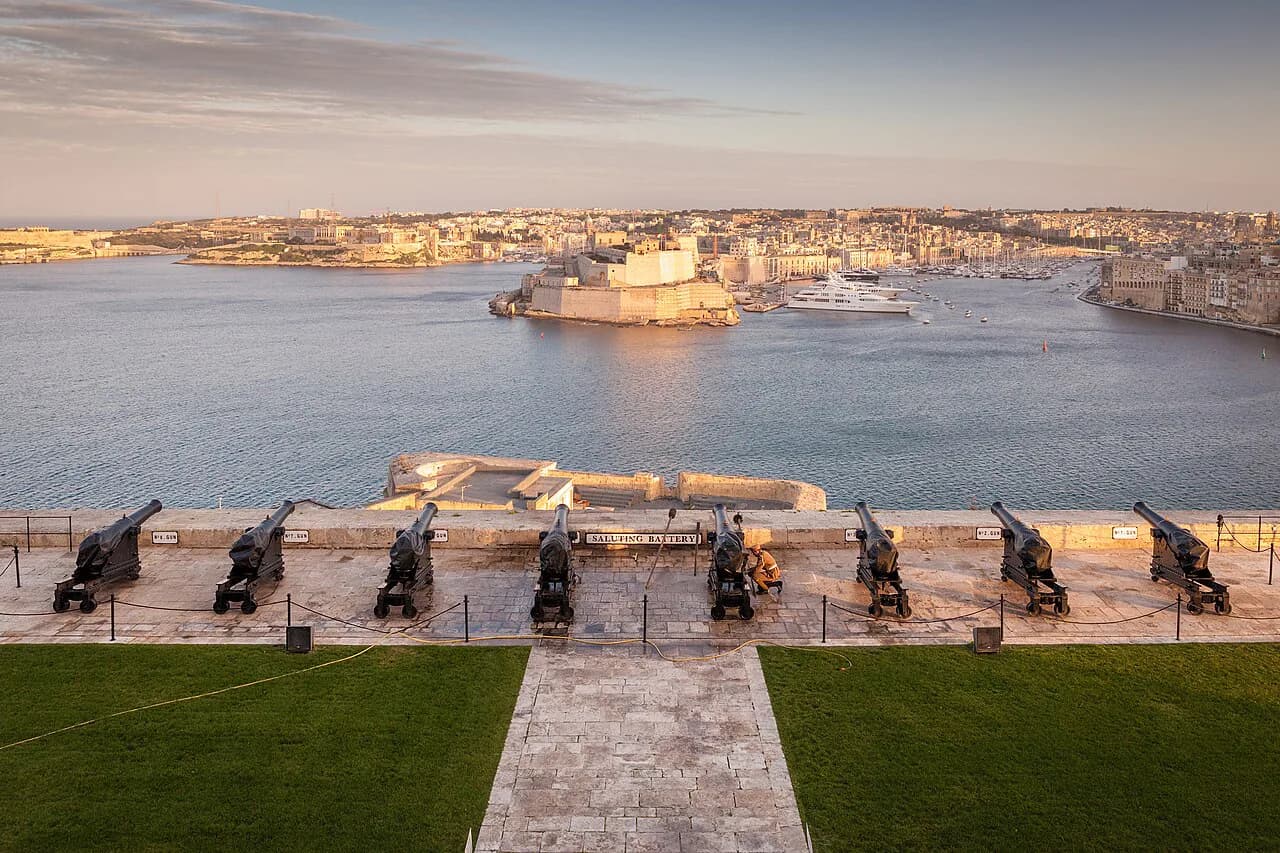
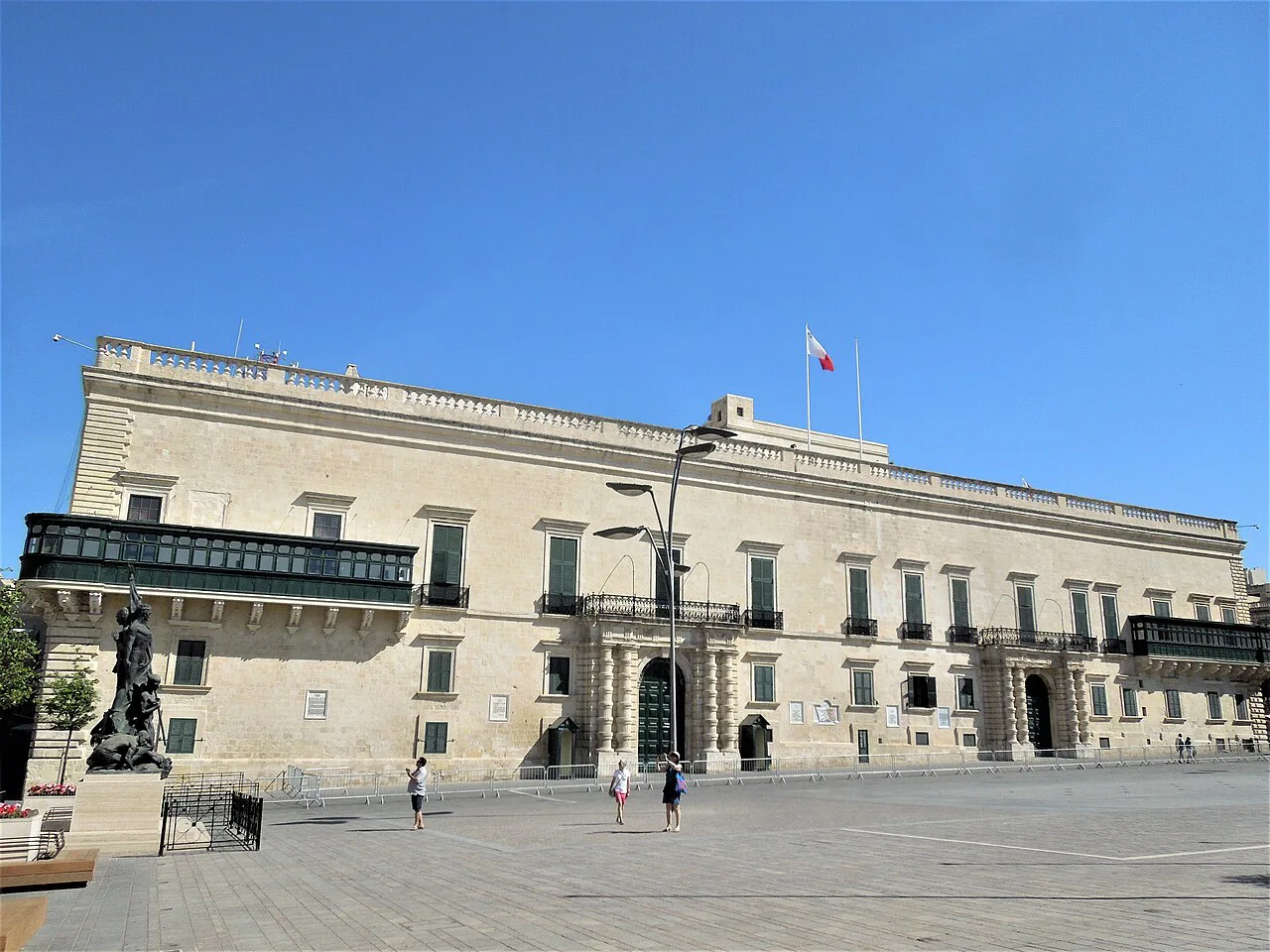
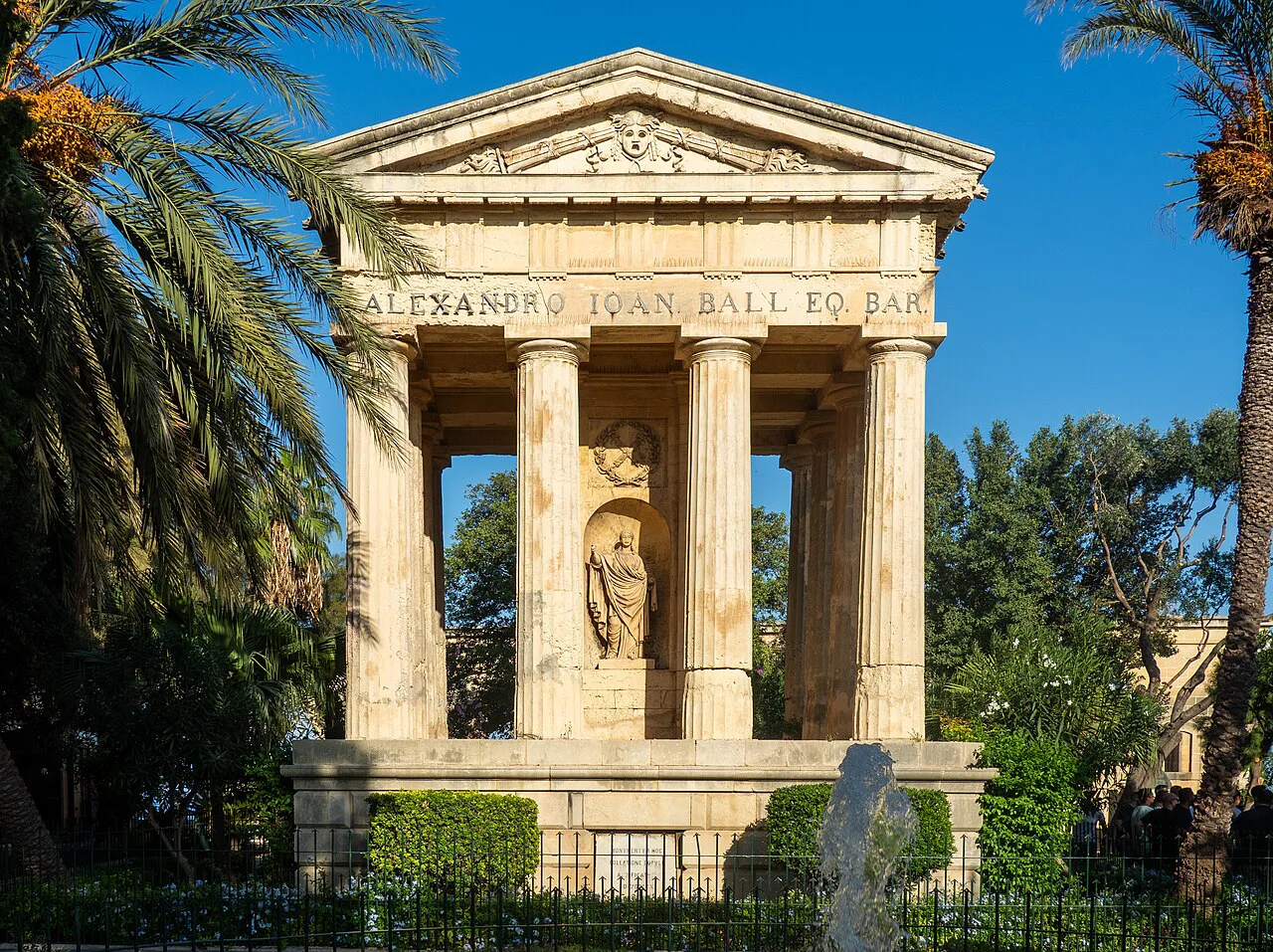
Start at City Gate and walk up Republic Street, which puts the Grandmaster's Palace and the Upper and Lower Barrakka Gardens within a short stretch. The gardens are at their quietest early, so take the harbour view first and the streets second.
Spend the afternoon on two interiors: Casa Rocca Piccola, a palace in the heart of the city, and St John's Co-Cathedral, which has stood in Valletta since the 1500s. Both reward a slow visit, and pairing them keeps you off your feet in the hottest part of the day.
Eat on Republic Street in the evening rather than trekking back to the hotel. Book a table if you want a terrace, and keep the walk back short so the day does not end in a taxi queue.
Day 2: Grand Harbour and the Three Cities
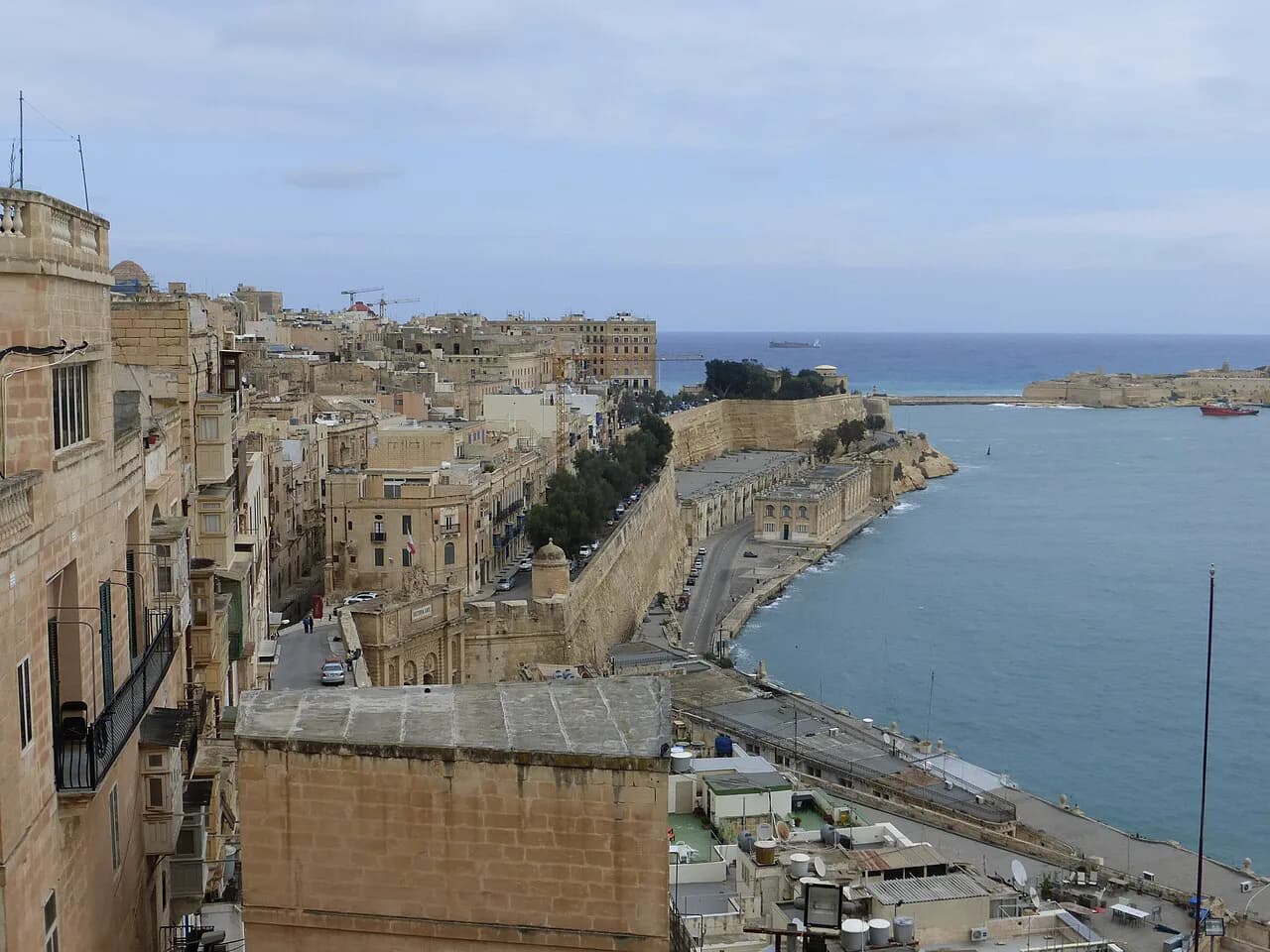
Walk the Grand Harbour side of Valletta in the morning for the view across the water to Fort St Angelo, then cross to Birgu (Vittoriosa). Allow around two hours inside the fort, so arrive early enough to walk the walls without hurrying.
The Three Cities reward wandering between the fort and the waterfront rather than a checklist. Birgu's lanes, Senglea (L-Isla) and Cospicua (Bormla) sit close together, and an unhurried afternoon here balances the density of Valletta the day before.
Day 3: Mdina, Rabat and a short Roman stop
Mdina is around a 25-minute drive from Valletta and straightforward by car, taxi, bus or tour. Go through Mdina Gate, see the cathedral that overlooks the city, then walk the lanes at a slow pace; the walled centre is small but the surfaces are uneven and the sun is direct.
Domus Romana, the Roman house museum, is a short stop of around half an hour and pairs naturally with Rabat next door. Add Rabat's streets and a late lunch, and the day fills without another long transfer.
If the week is shrinking, a trimmed version of this day plus Valletta fits 4 days. The trade-off is Rabat: keep it for lunch and skip the museum rather than rushing both.
Day 4: Mellieħa village and parish church
Mellieħa suits a slower day after three city days. The village and its parish church are the anchor, with the bay nearby if you want to sit rather than walk, and the pace here is well below Valletta's.
Build the day around heat rather than distance. Exposed squares and steps are punishing at midday, so take the church and village in the morning or late afternoon and use the middle hours for a long lunch.
Day 5: Gozo, Victoria and the Citadel
Give Gozo its own full day rather than bolting it onto a Malta day. Aim for the early ferry, then head to Victoria (Rabat) for the Citadel (Ċittadella) and the lanes below it before working out to a village.
Keep the island's villages as the afternoon rather than a second walled town. One Citadel, one village and a slow lunch is a realistic Gozo day; three stops plus the return crossing is not.
Day 6: Sliema, St Julian's and Marsaxlokk
Walk the Sliema and St Julian's waterfront in the morning, when the promenade is still comfortable, then take the harbour route south to Marsaxlokk. The fishing village is the reward at the end of the week: boats, a working quay and a slower evening than the northern strip.
If you have already seen the north, swap the promenade for a return to Birgu or Mdina and keep Marsaxlokk for the evening. That keeps the day to two stops rather than three, which is the difference between a holiday and a schedule.
Day 7: a slower day, a boat trip or a return
Leave the last day open. A boat trip, a return to whichever square you liked best, or simply a long lunch all beat cramming in a final museum before the airport. Group activities by area again so the last day does not undo the week's logic.
If your week is actually five days, cut Mellieħa and keep the Gozo day intact, a trim covered in detail in 5 days in Malta. Travellers weighing the island against other Mediterranean options can read is Malta worth visiting for the honest trade-offs on cost and crowding.
Pacing around heat and cruise crowds
Valletta fills on cruise days, and the Barrakka Gardens and Republic Street feel it first. Start early, take the interiors at midday and walk the quieter lanes in the late afternoon rather than fighting the flow at eleven.
Heat matters more than distance at exposed sites. Fort walls, temple sites and Mdina's open squares have little shade, so plan outdoor stretches for the morning and evening and keep the middle hours indoors or at a table.
What to book ahead and what to leave flexible
Book the things with fixed capacity: a terrace table for a Valletta evening, a boat trip if you want one, and any timed entry you have set your heart on. Everything else in this plan survives a reshuffle, which is the point of grouping days by area.
Leave the Gozo day and the final day flexible so weather and ferry queues do not sink the week. Check current opening times and ferry sailings before you travel.
Which day would you cut first?
If the week has to lose a day, cut Mellieħa first: it is the easiest to fold into another drive and the village rewards a whole day less than Valletta or Gozo do.
Keep Valletta at two days and Gozo at one, and the week still feels unhurried even with one day gone. Shorter trips follow the same logic at a tighter scale, and how many days in Malta sets out what 3, 5 and 7 days actually cover.
Explore more Malta guides
Frequently Asked Questions
How many days is enough for a first trip to Malta?
A week covers Valletta, Mdina, Mellieħa, a full Gozo day and a harbour village at a comfortable pace. Five days means dropping one area, usually Mellieħa, while keeping Valletta and Gozo intact.
Do you need a car for this week?
No. Buses reach most areas and ride-hailing apps cover evenings and long runs; the trade-off is peak-hour delays. Driving brings parking pressure around Valletta and Sliema and left-hand traffic.
Is Gozo worth a full day?
Yes, if Victoria, the Citadel and a village are on your list. It needs its own day and an early start for the ferry, particularly in summer when the crossing queue builds.
Sources
Notes for your Malta trip
Optional updates when we add or correct a Malta or Gozo guide.
You might also like
Continue reading
More guides you'll find useful