Malta Without a Car: Getting Around by Bus, Ferry and on Foot
See Malta without a car using buses, ferries and walking, with a sample day plan, honest trade-offs and the sights that need extra planning.
On this page
Yes, you can see Malta without a car. The bus network covers the main island and Gozo, ferries link Malta with Gozo and Comino, and a compact pair of bases — Valletta and Sliema — puts most of what a first-time visitor wants within walking distance or a short bus ride.
This guide sets out the transport you will actually use, why Valletta and Sliema work on foot, a realistic day plan linking the two, and the places that need more planning than a simple bus stop. It also gives the car-hire trade-off straight, because choosing buses is a genuine decision rather than a default.
Can you see Malta without a car? The short answer
You can cover the core of a Malta trip — Valletta, Sliema and St Julian's, plus a Gozo day — on buses, ferries and foot. For an easy mix of history, food and sea views across a week, Valletta or Sliema are the two bases that make a car-free trip work.
Where a car earns its keep is the scattered sights: temples, quieter villages and the far south, which sit off the most convenient walking routes. Gozo and Comino add a ferry leg, so build those days around the crossing rather than squeezing them into a Valletta morning.
Treat the four-night Sliema-and-Valletta pattern below as a shape, not a timetable. It shows how a car-free trip strings together, and you can stretch or shorten it using a fuller Malta itinerary once you know your dates.
The transport you will actually use: buses, ferries and the dgħajsa water taxi
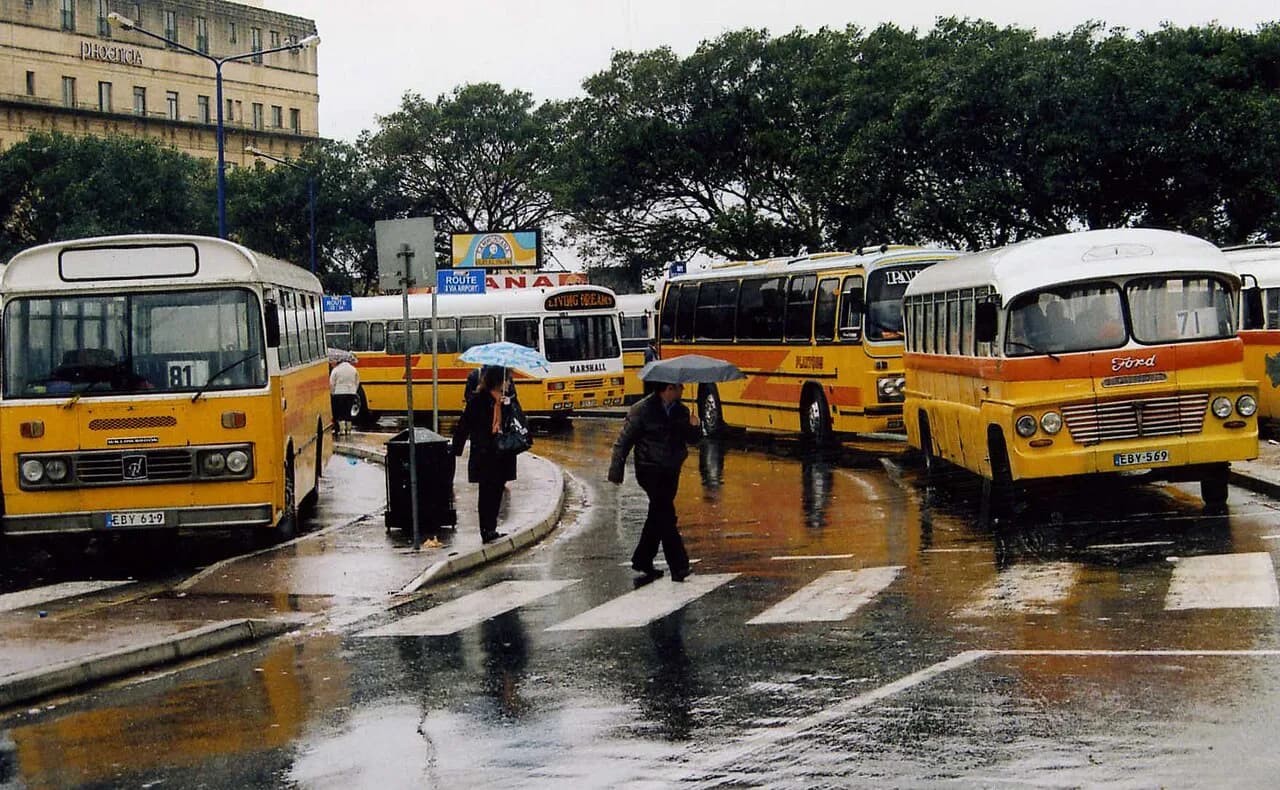
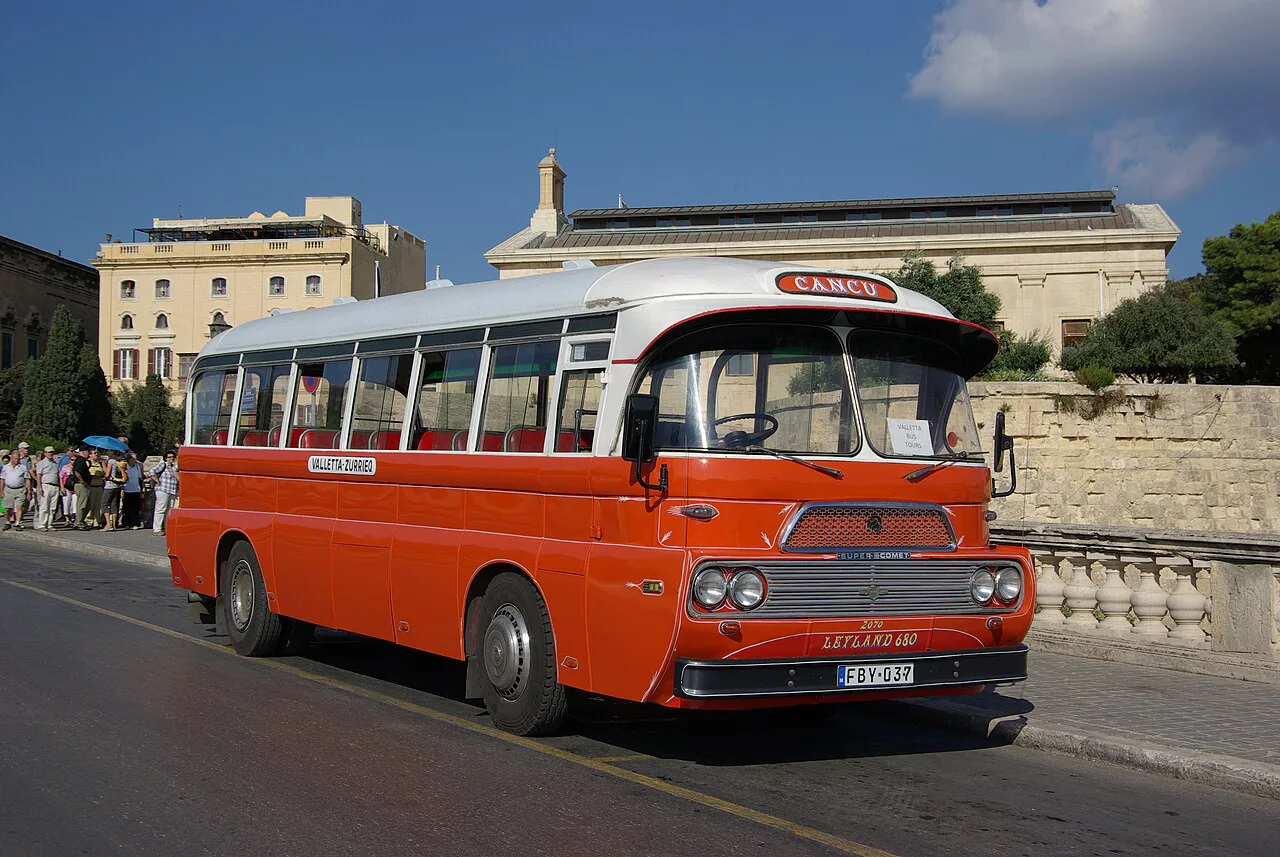
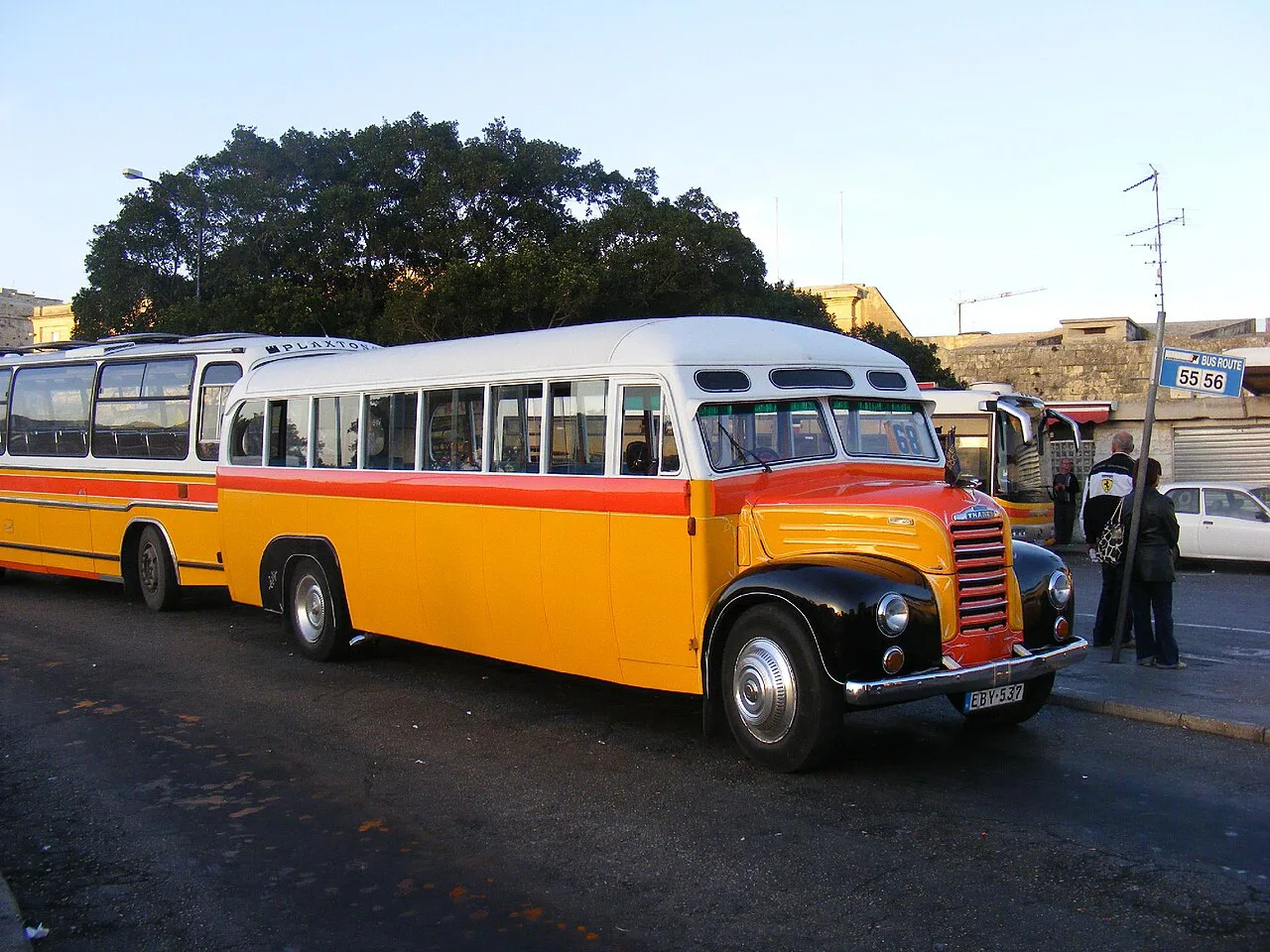
Buses are the backbone of a car-free trip. The network runs across the main island and on Gozo, which makes it possible to reach most towns without arranging private transport.
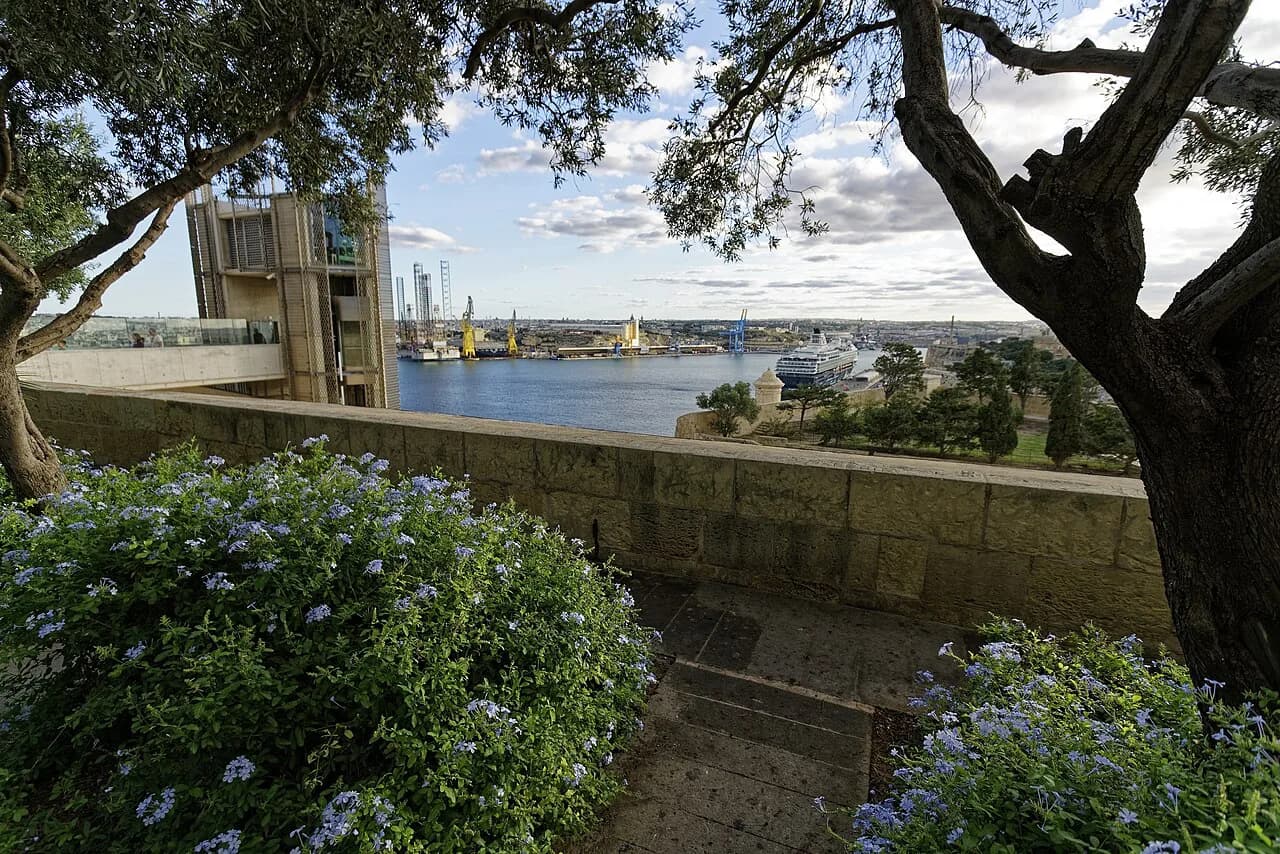
Ferries connect Malta with Gozo and Comino, so island-hopping does not require a car. In Valletta's Grand Harbour, the traditional Maltese boat known as a dgħajsa (pronounced dye-sa) is a water-taxi option that turns a transfer into a short harbour ride.
Fares, timetables and crossing times change, so confirm the details for your dates before you rely on a particular sailing or departure. That matters most on a Gozo day, where a missed ferry reshapes the afternoon.
Which bases work best on foot: Valletta and Sliema
Sliema suits a car-free stay: it has easy transport links, sea views and plenty of places to eat, all without a car. That combination makes it a comfortable base for evenings and for reaching Valletta.
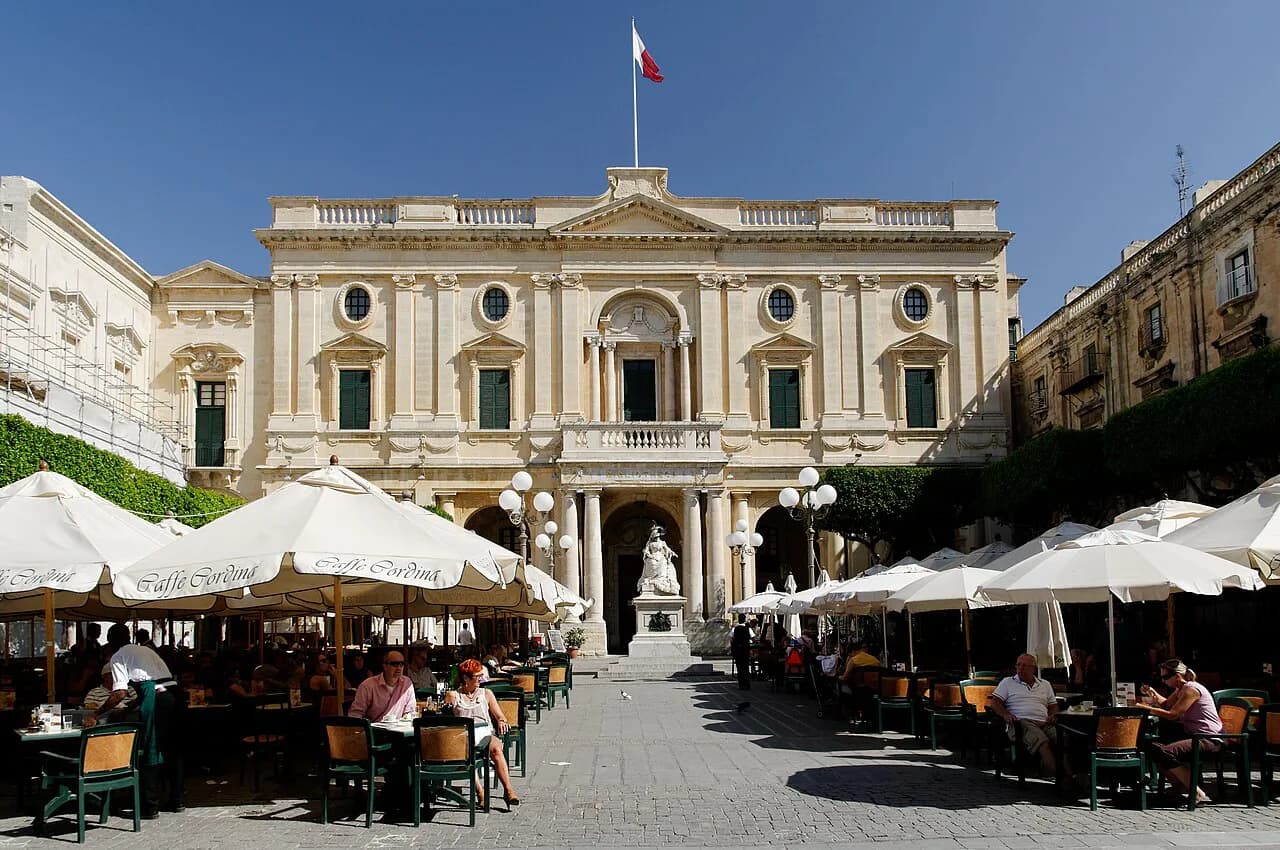
Valletta is the other strong choice, and it is the base that pairs best with Sliema on a car-free trip. Within the walls, a short walk takes you past City Gate, the grid of straight streets and St John's Co-Cathedral, so a day there needs no vehicle at all.
If your time is short, 2 days in Malta is enough for Valletta and Sliema on foot with a bus hop between them. With more time you can add Gozo and the Three Cities without changing the car-free approach.
A sample day plan without a car: Sliema and Valletta
Start in Sliema. Walk the seafront in the morning, then take the bus or the harbour crossing over to Valletta so you arrive with the day still ahead of you.
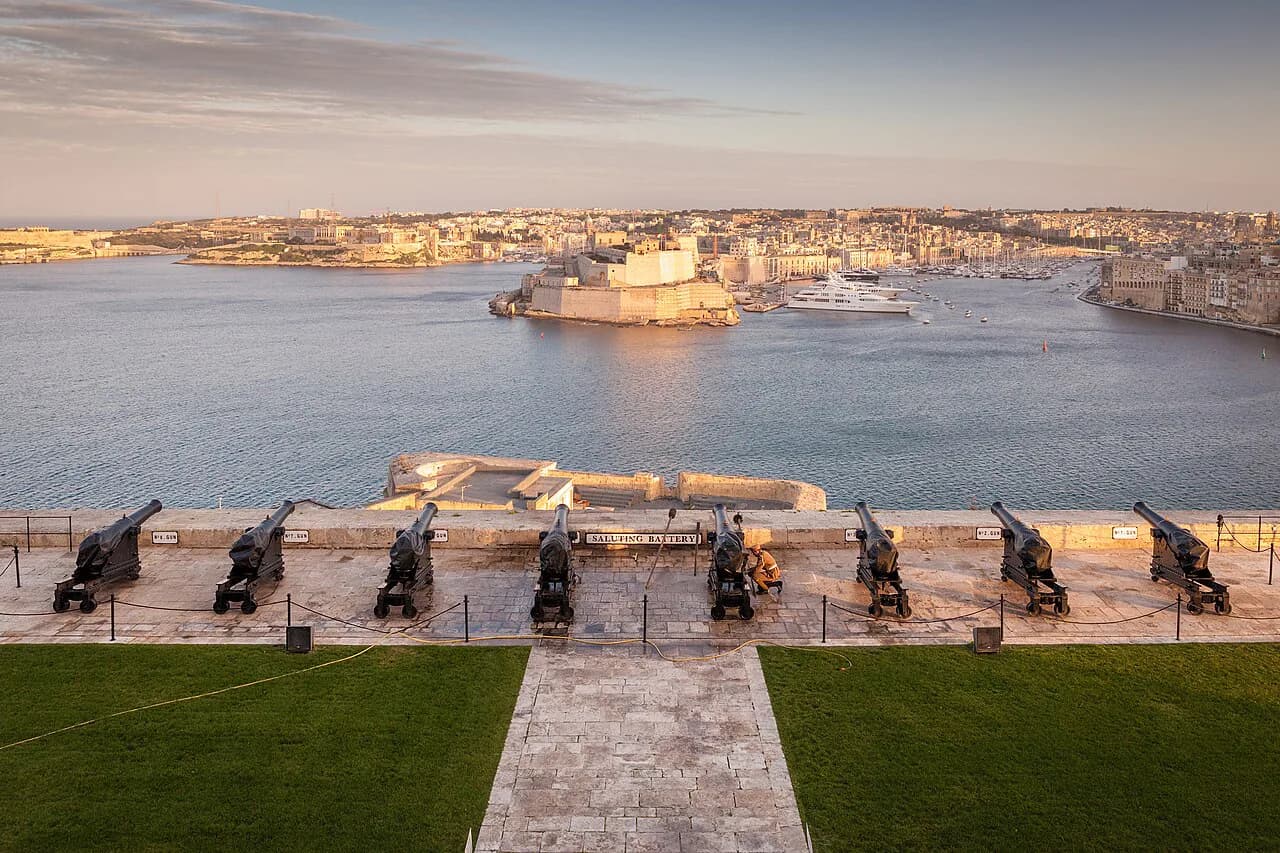
In Valletta, work from City Gate down Republic Street, stopping at St John's Co-Cathedral and the squares that open off the main spine. Because the city is compact, you can walk the core in a morning and still leave time for the bastion views in the afternoon.
If the pace suits you, this Sliema-and-Valletta day fits neatly into a 3 days in Malta plan, with the third day kept for Gozo or the Three Cities. Travellers with a longer stay can move the same day plan into a 4 days in Malta or 5 days in Malta framework and add side trips around it.
What to do on a day you want to cover more ground
A full-day island tour package is one way to cover ground without driving, because the transport is handled for you. It suits travellers who want to see more in a single day than buses comfortably allow.
Ferries open up Comino and Gozo for the day, and boats to Comino run as day trips that need no car at either end. On a longer trip, one week in Malta gives you room for Valletta, Sliema, Gozo and a tour day without rushing any of them.
If you are still deciding how much time to give the islands, how many days in Malta you need depends on whether Gozo and the temples are musts or optional. Car-free travellers usually do well to protect two full days for Valletta and Sliema before adding anything further afield.
Places that are harder to reach without a car, and how to handle them
The far south, the outlying temples and quieter villages are the places that make a car tempting. Timetables and routes change, so check the current bus options for the specific site before committing a day to it.
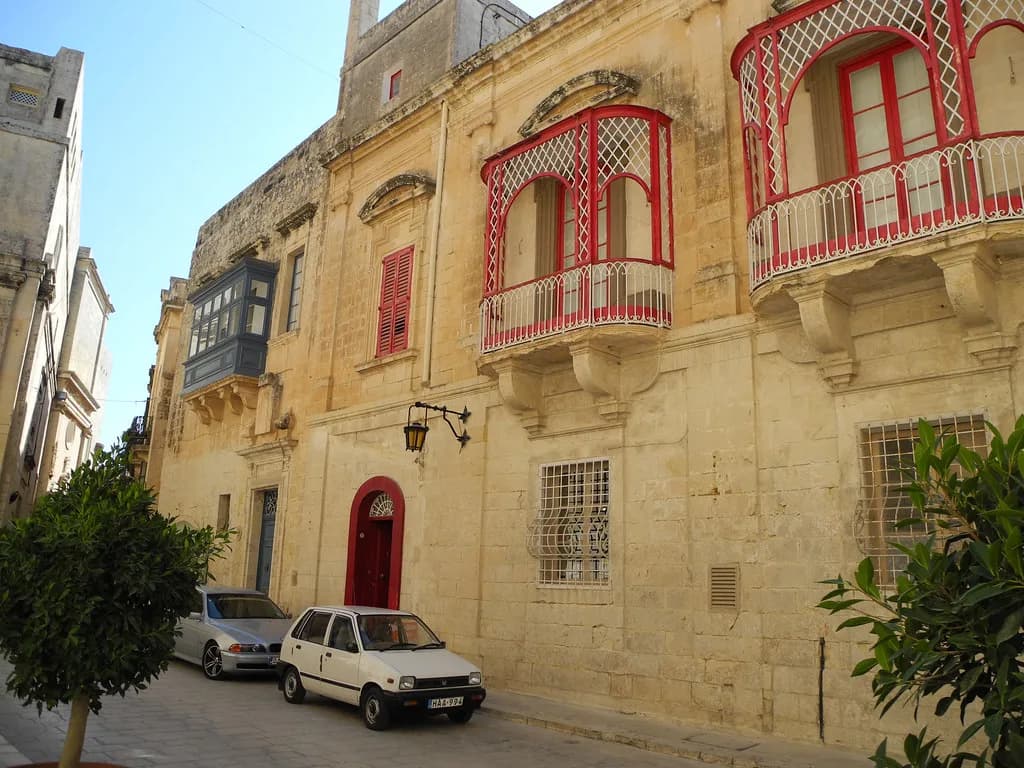
Mdina and Rabat are the kind of outing that repays planning around departures rather than a spontaneous drive. The same applies to Birgu and the Three Cities: allow a whole afternoon so the trip is comfortable rather than rushed.
For anything with timed entry or limited capacity, book ahead. The Hypogeum and the major temple sites are the usual candidates for selling out, so secure tickets first and build the rest of the day around them.
Car hire versus buses: the trade-offs
The case against a car is straightforward: hire, fuel and parking all add cost, and parking in Valletta and Sliema is a chore. Buses also let you look out of the window rather than navigate narrow streets after a long day.
The catch is time. Bus journeys and waiting can eat into a short break, and a car gives you freedom to reach remote temples and villages at your own pace. The choice is a genuine trade-off between cost and convenience, not an obvious win either way.
I would hire a car only for a specific day or two covering sights the buses serve badly, and lean on ferries and walking for the rest. Travellers weighing up other destinations will find Malta vs Cyprus or Malta or Gozo useful for checking how the transport and pace compare.
Should you hire a car or stick to buses?
Base yourself in Valletta or Sliema, use buses and the dgħajsa, and you will see most of what makes Malta worth visiting. Reserve car hire for a single day if a temple or village really justifies it, and remember that ferries extend the same approach to Gozo and Comino.
Before you book, check current bus routes and ferry times for your dates, and if a car is still on your list, weigh it against the time you would lose waiting.
If you are still choosing between the islands, is Malta worth visiting sets out who the trip suits before you commit to a car-free plan.
Sources
Notes for your Malta trip
Optional updates when we add or correct a Malta or Gozo guide.
You might also like
Continue reading
More guides you'll find useful