Malta Dress Code: What to Wear and How to Cover Up in Churches
Malta's dress code is relaxed day to day, but churches ask for covered shoulders and legs. Here is what to wear, what to pack and what to skip.
On this page
Malta's dress code is relaxed in the street and strict only at the church door: cover your shoulders and legs before you step into a cathedral or heritage site, and wear whatever keeps you comfortable everywhere else. This guide sets out what St John's Co-Cathedral and Mdina's cathedral expect, how to build an outfit that passes the cover-up test, and which shoes and fabrics earn their suitcase space on limestone streets.
Nothing here requires a second wardrobe. One shawl, one light layer and a pair of broken-in shoes cover almost every situation a short trip throws at you, from a morning in Valletta to a village church you spot from the bus.
Do you need a dress code in Malta?
Not in any formal sense. Public streets, cafés, buses and ferries in Valletta, Mdina and the Gozo villages have no dress code, and visitors wear shorts and sandals all day without comment. The constraint appears indoors: churches and heritage sites expect modest clothing, and that is the only rule worth planning around.
Treat it as a packing decision rather than a fashion one. If every daytime outfit already works with a shawl over the shoulders and legs covered to the knee, you can walk into any church you pass without turning back to the hotel. Anyone who has done the walk from Misraħ ir-Repubblika in Victoria up to the Citadel will recognise the moment a cool interior becomes tempting.
The practical test is simple: lay out what you plan to wear, add the scarf, and check that the result looks deliberate rather than improvised. An outfit that only works in full sun will keep you out of the places that make the trip worthwhile.
What churches and cathedrals ask you to wear
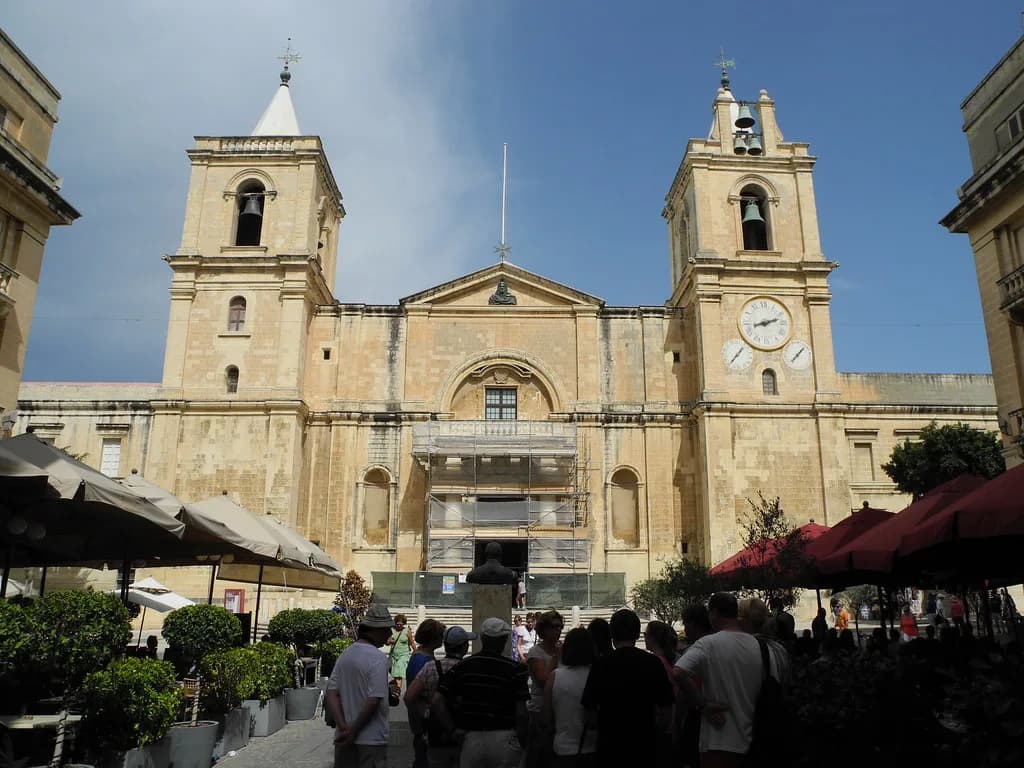
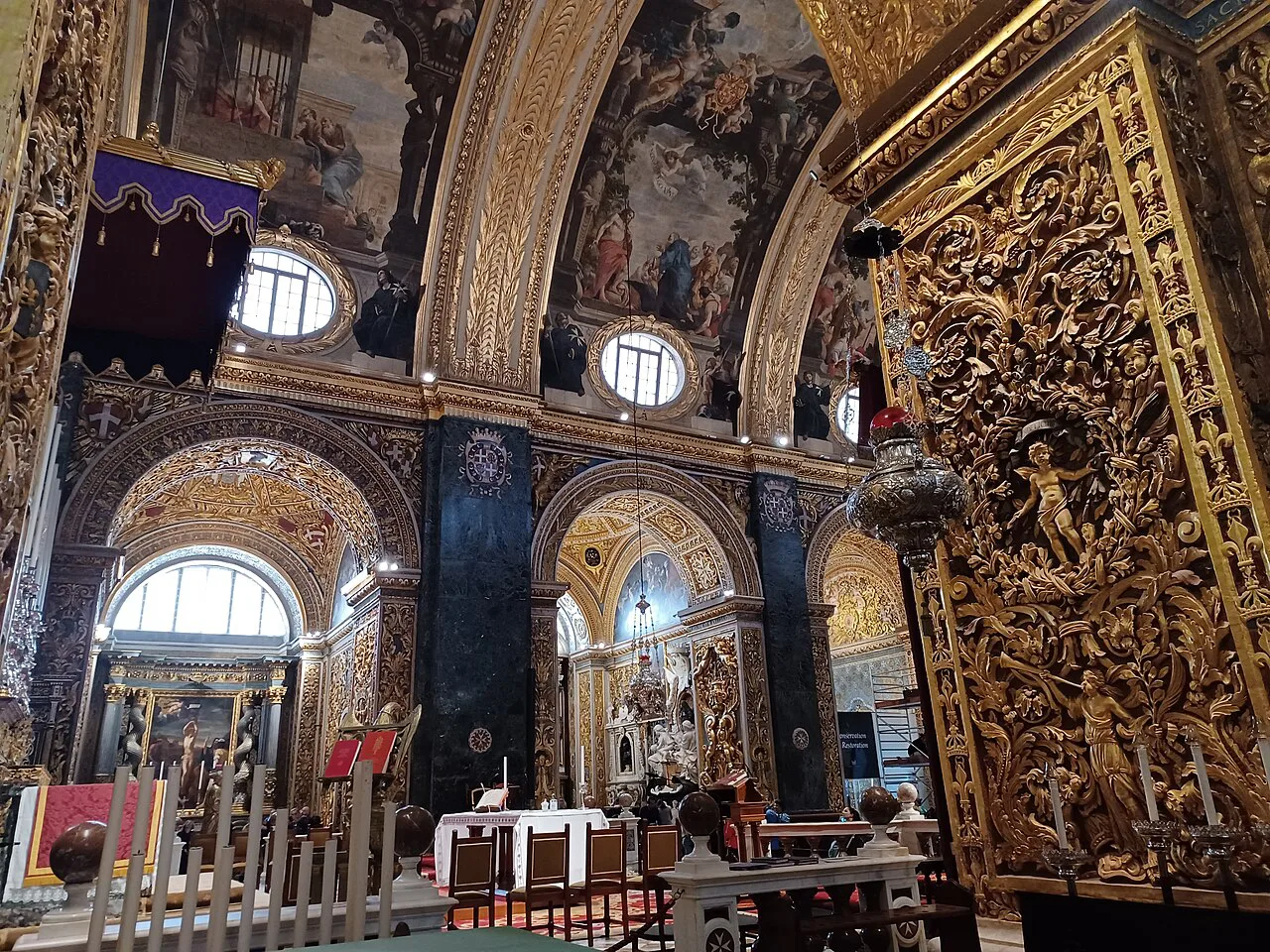
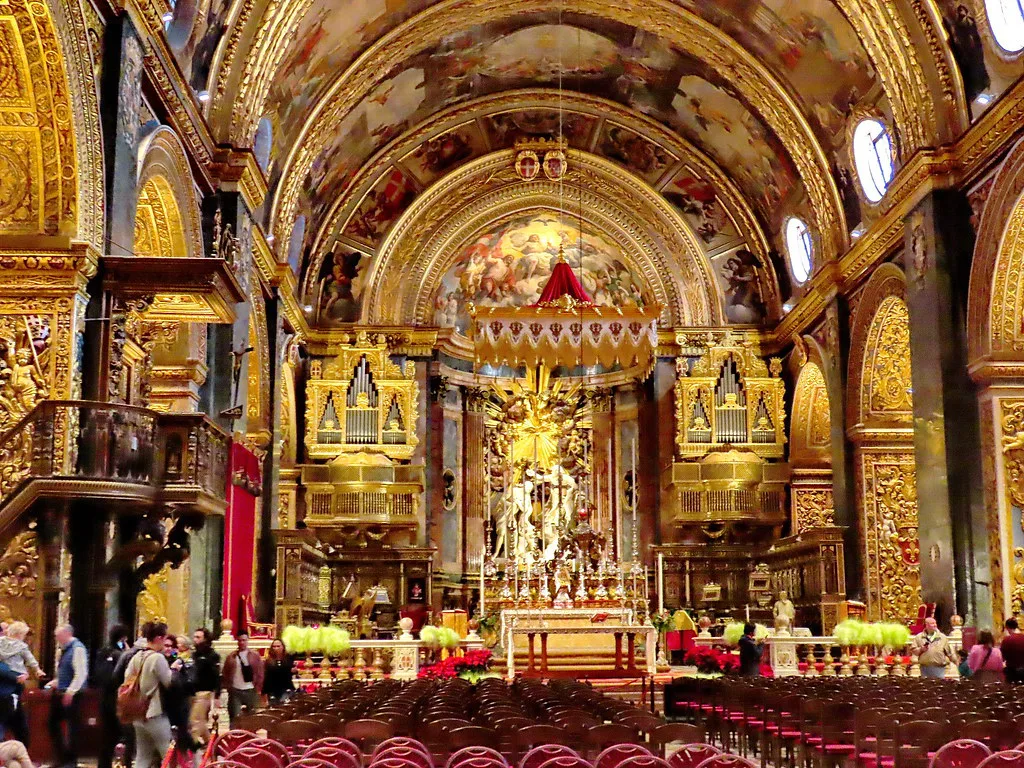
St John's Co-Cathedral in Valletta sets the tone: its visitor guidance asks guests to enter decently dressed, and wraps are available at the entrance for anyone who arrives with bare shoulders. That is the clearest published request among Malta's churches, and it applies to the building everyone visits first.
Mdina's cathedral is the other place most visitors hit, and the expectation there is the same in practice: shoulders covered before you step inside. Travellers comparing notes on church visits in Malta consistently describe long trousers for men and no vests for either sex, with women avoiding anything too skimpy.
Carry the same standard into the smaller churches in Rabat, Birgu and Gozo's villages. A shawl worn across the shoulders and a skirt or trousers past the knee will get you through every door, and the local congregation will not be the only people who appreciate it.
Covering shoulders and legs: what actually works
A large, light scarf is the single most useful item you can pack. Folded over the shoulders it reads as a layer rather than a cover-up, and it takes no space in a day bag for the walk between Valletta's auberges and the waterfront. Keep it in your bag rather than your suitcase.
For legs, loose trousers or a skirt that reaches the knee do the job without turning a summer afternoon into a chore. Wide-leg linen trousers are cooler than denim on limestone streets, and a midi skirt with flat sandals handles both a church visit and an evening in Spinola Bay without a change of clothes.
Avoid relying on a cardigan alone. Thin knits cling in heat and look improvised over a vest; a proper wrap covers the upper arms and chest in one movement and can be tied at the waist once you are back outside.
What to wear day to day in Valletta, Mdina and the villages
Light shirts, easy shorts, one pair of chinos and a breezy dress make a dozen mix-and-match outfits that work from breakfast through dinner. Choose pieces that dry overnight and resist creasing, so a small bag covers a week.
Breathable cotton and linen regulate body temperature better than synthetics in warm climates, which matters on the climb up Mdina's streets or the walk along Valletta's bastions in the middle of the day. Pale colours reflect the sun and hide the dust that limestone kicks up.
Maltese streets are casual, so there is no need to dress up for a café or a museum. Aim for clean and comfortable rather than smart, and keep one smarter outfit for a harbour dinner if you want it.
Money and card decisions are separate from clothing but equally practical: check the currency in Malta before you pack a wallet, since day-to-day spending is in euros.
Footwear for limestone streets and cobbles
Footwear is the decision that makes or breaks a day of walking. Malta's pavements are limestone and cobbled, and polished soles slip on both, especially after rain or on the smooth flagstones around Mdina's gates.
Walk a block or two in any sandals before packing them; if they pinch at home they will rub on cobbles. Flat, closed sandals or light trainers with grip handle a full day of sightseeing better than new leather soles or thin flip-flops.
Bring one pair you can walk in all day and one that dries quickly, and leave the rest at home. Shoes take up more room than anything else in a cabin bag and rarely earn it.
What to pack that earns its place: a scarf, a light layer, breathable fabrics
Beyond the shawl, pack a light layer for the evening and one reusable water bottle for hot days. Sunscreen, a hat and a wide-brimmed cover for the back of the neck do more for a day at the temples than another shirt.
A crossbody bag keeps your hands free and your valuables in front of you on crowded streets and buses. A small microfiber towel dries fast and packs flat, which helps on a hot day out.
Check the plug type before you fly so chargers work on arrival; Malta uses the same three-pin sockets as the UK.
If you are deciding how much to bring, the honest answer is less than you think. Laundry is easy, and a bag you can carry up a flight of stairs in a townhouse hotel is worth more than a third pair of trousers.
Evening layers when the harbour breeze picks up
After sunset the heat fades and the breeze along the harbours feels sharper than it did at noon. A light jacket or linen blazer adds polish without bulk and is the layer you will actually reach for in Sliema or around St Julian's.
The same wrap that gets you into a church works over a dress at dinner; you do not need a separate evening wardrobe. Wear the layers in the evening and shed them during the day.
If you are working out what a night out costs, check is Malta expensive before you commit to a harbour-front table.
What not to wear into a church
Skip vests, strapless tops, very short shorts and anything that leaves the shoulders or upper legs bare. Swimwear belongs at the beach and never inside a church, even in a beach town on a hot afternoon.
Loud prints and slogans are not forbidden, but they read as beachwear in a quiet interior, so keep the loudest pieces for the street. Hats come off indoors out of courtesy as much as custom.
If you have packed only for heat, keep one clean, tidy outfit aside for the cathedral stop. St John's is the one interior where the request is explicit and the queue is long enough that turning back is a waste of a morning.
Pack one shawl, one layer and walkable shoes
Malta's dress code comes down to two habits: keep a scarf and a light layer in your day bag, and wear shoes you can walk in on cobbles. Do that and every church, street and harbour on the islands is open to you without a second thought about what you are wearing.
For the rest of the trip logistics, from transport to everyday costs, work through our Malta Tips before you finalise the bag.
Explore more Malta guides
Frequently Asked Questions
Can I wear shorts into churches in Malta?
Long trousers are the safer choice for men and knee-length skirts or trousers for women. Very short shorts leave the upper legs bare and are best kept for the street and the waterfront.
Are wraps available at St John's Co-Cathedral?
St John's Co-Cathedral asks visitors to enter decently dressed and offers wraps at the entrance for anyone who arrives with bare shoulders. Carrying your own scarf means you never depend on one being free when you arrive.
Do I need a different outfit for Gozo?
No. The same clothes work on both islands, and the modest-clothing expectation in churches in Victoria and the villages is the same as in Valletta and Mdina. One shawl and one light layer cover the whole trip.
Sources
Notes for your Malta trip
Optional updates when we add or correct a Malta or Gozo guide.
You might also like
Continue reading
More guides you'll find useful