Maltese Food: The Dishes to Try and What's in Them
A practical guide to Maltese food: pastizzi, ftira, ħobż biż-żejt, rabbit stew, lampuki, ġbejna and imqaret, with what is in each dish and how it is served.
On this page
Maltese food is bread, olive oil, capers, tomatoes, cheese and fish, cooked plainly and served in generous portions. This guide works through the dishes you are most likely to meet on a short trip, explains what is inside each one, and points out which are divisive.
It runs in the order a day tends to unfold: a bakery snack in the morning, a filled bread at lunch, a slow stew or a baked pasta dish in the evening, and a seasonal fish when it is in the market. Venues appear only where the dish is clearly tied to one, and there are no invented prices or hours.
What Maltese food is: bread, oil, capers, tomatoes, cheese and fish
The everyday ingredients define the cooking more than any single recipe does. Local tomatoes, wild capers, olive oil, dried legumes and crusty bread are the staples that turn up again and again in Maltese kitchens.
The island position explains the range: Sicilian, North African, Middle Eastern and British influences all left marks, and the cooking is rustic, seasonal and built on a few good ingredients rather than extravagance. Expect coarse country flavours rather than restaurant polish.
Fish is the traditional protein on an island surrounded by sea, though pork and beef appear in several well-known dishes. That balance is a useful guide when you scan a menu: if the fish is fresh, order it; if the pork and rabbit dishes are on, they are worth a look too.
Pastizzi: ricotta or pea pastries and how they are eaten
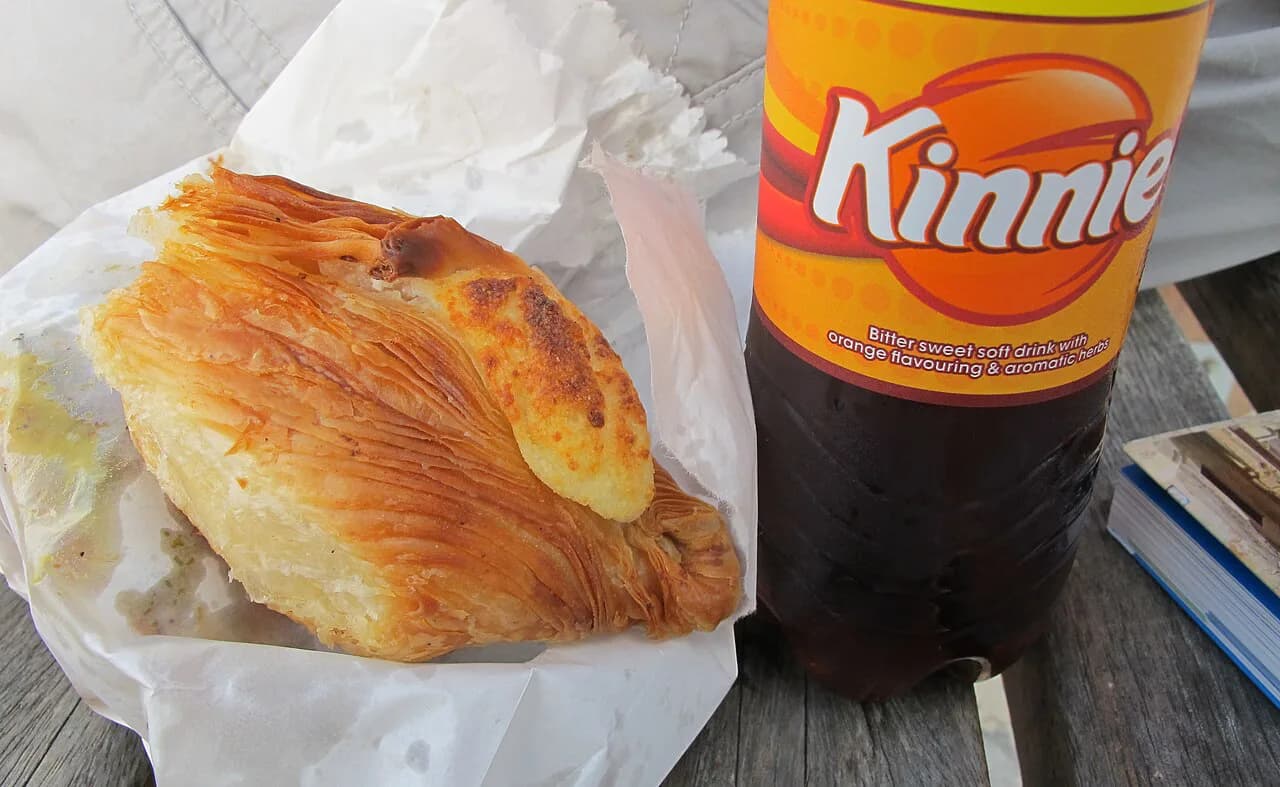
Pastizzi are small pastries with a flaky casing, filled either with ricotta cheese or with a paste of peas. They are the cornerstone of Maltese street food and are eaten hot, often with a coffee, at any point in the day.
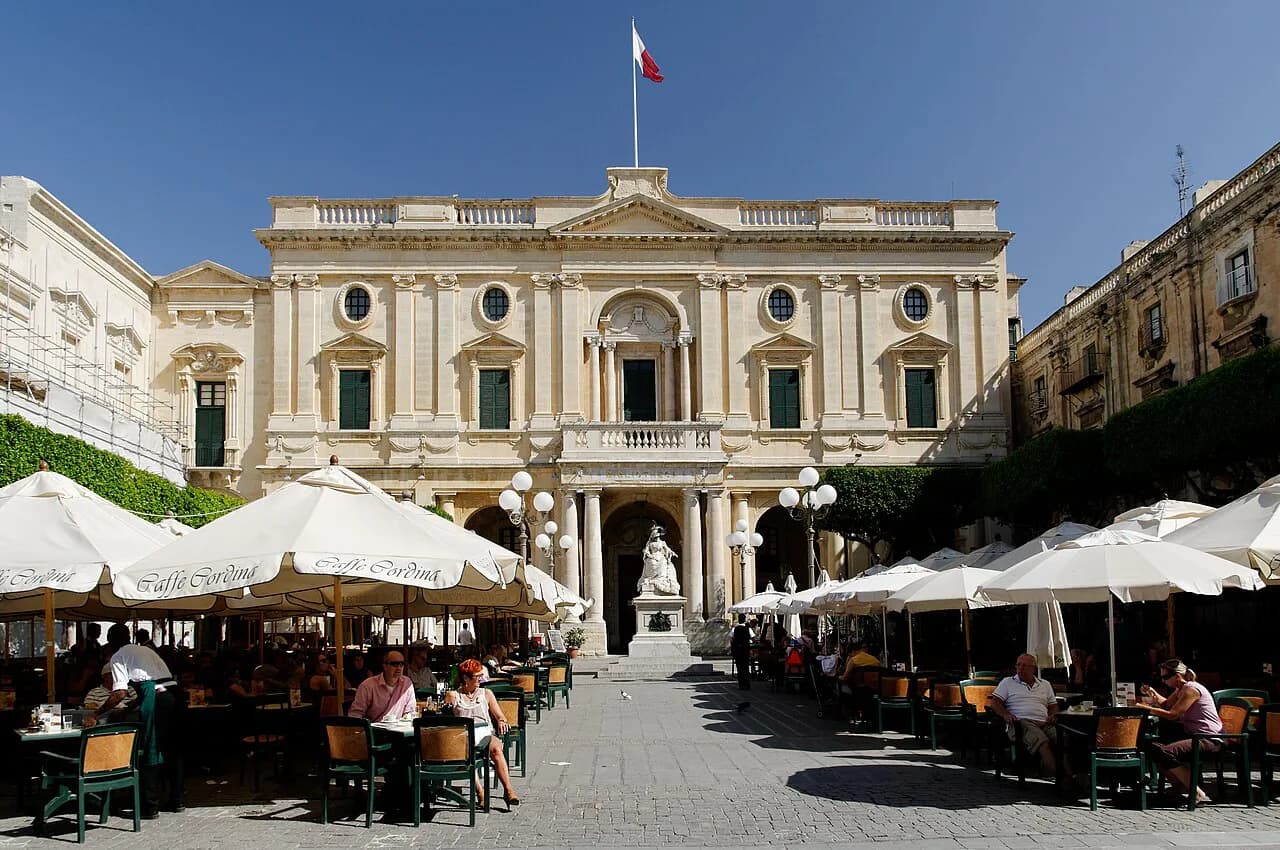
The same shops usually sell qassatat, a different pastry stuffed with cheese, peas and spinach, along with oily square pizza slices and rice balls. Buy one of each rather than committing to a single pastry — the texture contrast is the point. One traveller account singles out the pastizzi at Caffe Cordina in Valletta as its favourite.
Pastizzi arrive very greasy, which is part of their appeal and also why one or two is usually enough before a proper meal.
Ħobż biż-żejt and ftira: Maltese bread, tomato, oil and toppings
Ħobż biż-żejt means bread with oil: sliced Maltese bread with extra virgin olive oil, tomato paste, salt and pepper, often built up with tuna and capers. It is the most common way the local loaf is sold as street food and makes a good hot-weather lunch.
The loaf itself, ħobż tal-Malti, has a hard, crunchy crust and a soft white centre, and it goes stale quickly, so buy it the day you eat it. Bakeries start early, and the village of Qormi is known for its bakers, with fresh bread on sale in the morning.
Ftira is the flat, ring-shaped bread built for toppings and open sandwiches, rubbed with tomato and drizzled with oil, then loaded with capers, tuna, olives and ġbejna. It is inscribed on the UNESCO Intangible Cultural Heritage list; for the full explanation of the ring shape and the filled Gozitan version, see Ftira: Maltese Ring Bread and Gozitan Ftira Explained.
Stuffat tal-fenek: the rabbit stew and how it is cooked and served
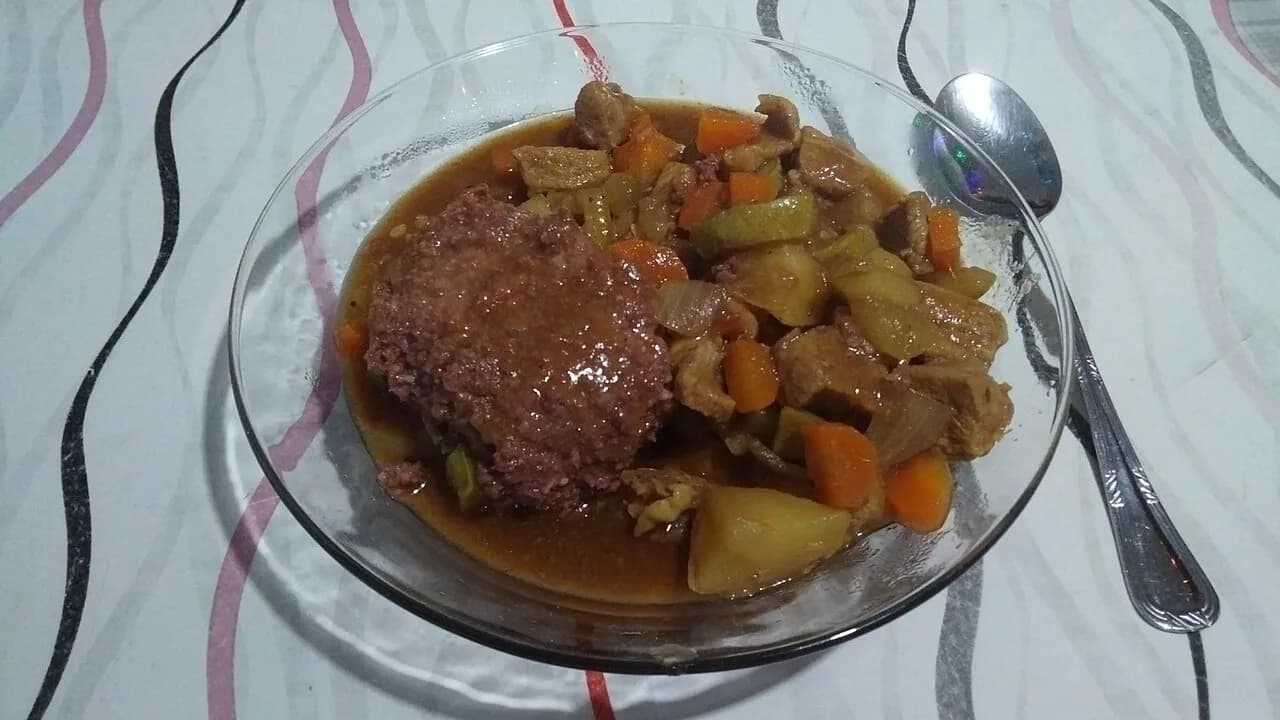
Rabbit stew, stuffat tal-fenek, is commonly described as Malta's national dish, and it is the one sit-down plate most visitors are told not to miss. The meat is marinated in local red wine, then simmered for a couple of hours or longer in a wine and tomato sauce with bay, garlic and herbs.
It is served with bread and wine, and the bread matters: the sauce is the best part. One traveller account tried it at Coogi's in Mdina, which is worth knowing if you are already spending the day inside the walls.
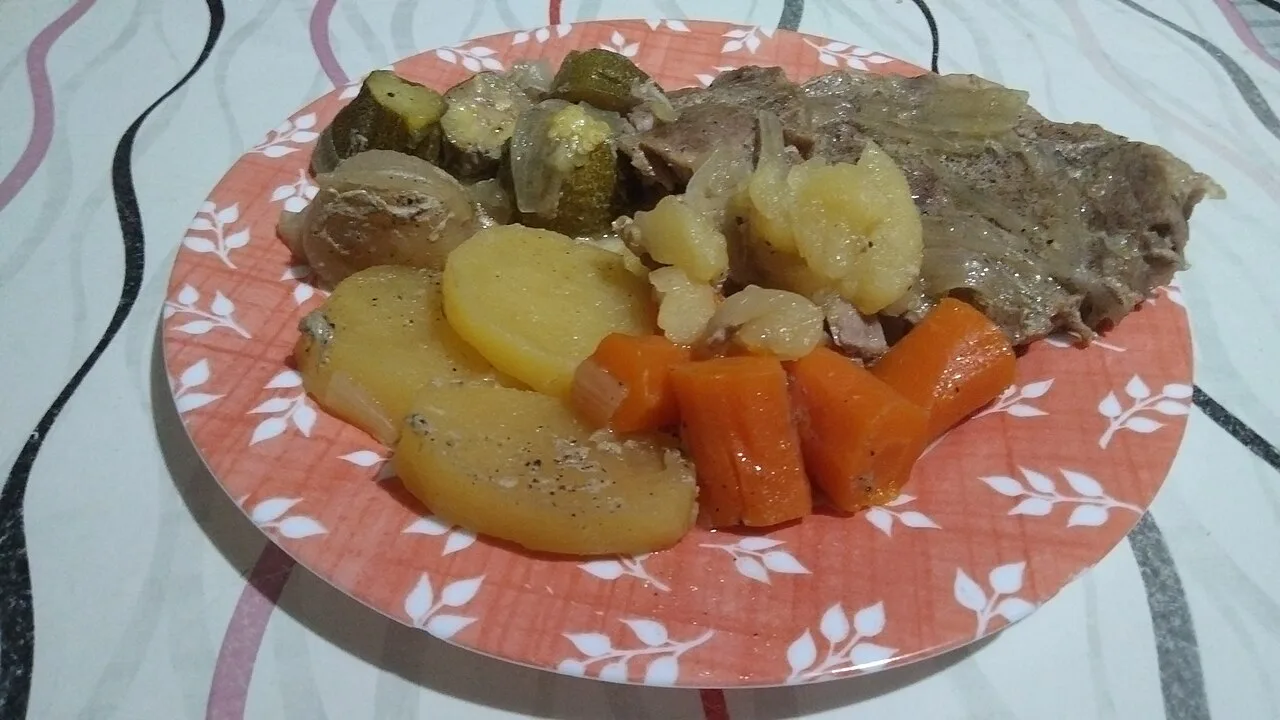
Bragioli, beef olives, belong to the same slow-cooked family of dishes and suit anyone who wants a red-wine braise without rabbit.
Lampuki: the seasonal fish and torta tal-lampuki
Lampuki is the local name for mahi-mahi, caught seasonally rather than all year. The fishing season starts on 15 August, which is also a public holiday, and runs to the end of December; outside those months the fish on your plate will not be at its freshest.
It is eaten fried, but the form to look for is torta tal-lampuki, the fish pie. If you are in Malta in autumn, order it once; if you are visiting in spring, choose something else and treat lampuki as a reason to come back.
Ġbejna, bigilla and galletti: the cheese, bean dip and crackers on a Maltese platter
A Maltese platter is the quickest way to taste several local things at once. Ġbejna is a small cheese made from goat's milk and salt; bigilla is a dip of mashed beans with garlic and herbs such as parsley, mint and oregano; galletti are thin savoury water crackers that carry either.
The full board usually adds smoked Maltese sausage, sun-dried tomato, pickled egg, tomato paste and olives, all of which are traditional dishes in their own right. One account tried the platter at Ta' Doni in Rabat, which fits neatly into a day at Mdina and its neighbour.
Order it to share rather than as a main, and ask for extra bread to finish the bigilla.
Aljotta: the fish soup and where it fits in a meal
Aljotta is a rustic fish soup in a tomato-based broth, served with herbs and lemon, and it sits comfortably as a first course before a larger plate. One traveller account describes it as derived from the French bouillabaisse and made with mahimahi, which ties it to the same fish as lampuki.
That account ate it at Roots Restaurant in Marsaxlokk, a natural pairing given the village's fishing harbour. If you are spending the morning at the market, this is the obvious order for a light lunch.
Timpana, ross il-forn and qassatat: baked and pastry dishes to look for
Timpana is a baked pasta dish and ross il-forn is baked rice; both turn up on traditional menus and both are filling enough to be a meal in themselves. They are the dishes to choose when you want something baked and savoury rather than fried.
Qassatat sit with pastizzi in the pastry case, stuffed with cheese, peas and spinach. They are a sensible order if you want something lighter than the ricotta pastizzi.
Bebbux and summien: the more divisive dishes
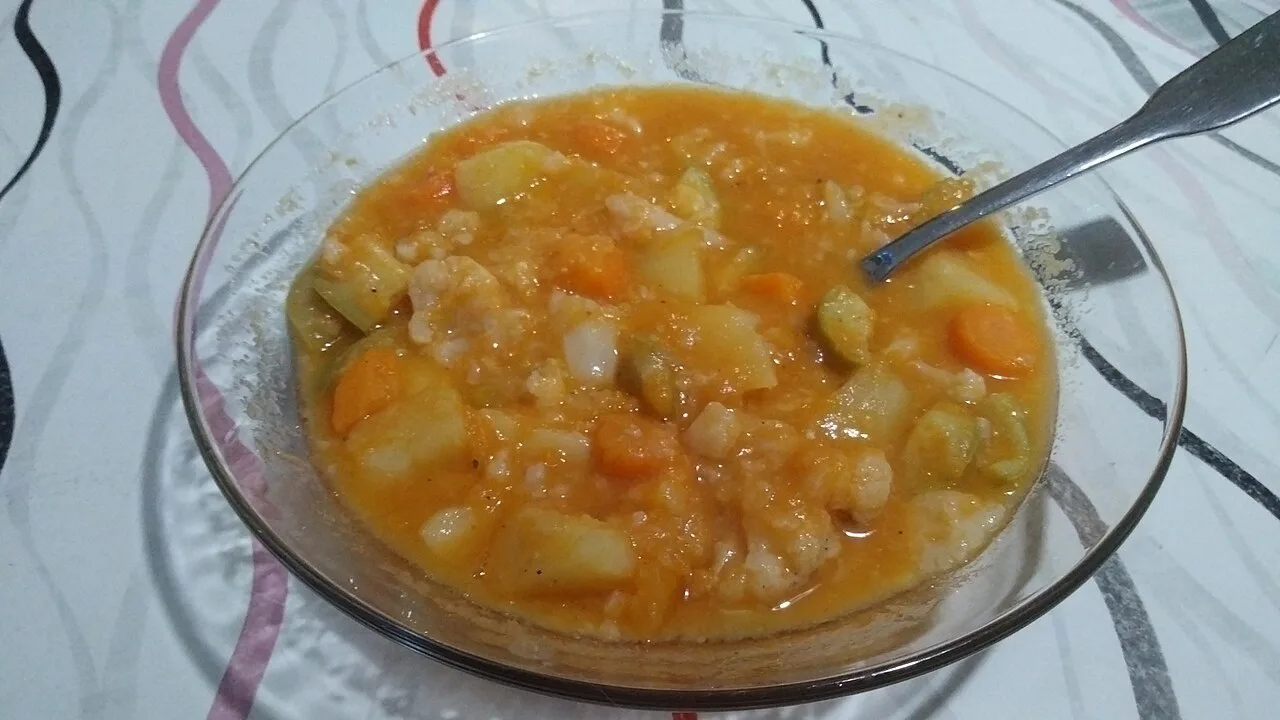
Bebbux are edible snails cooked in a rich tomato sauce with herbs and garlic and served with crusty bread. They are prepared during the rainy months, and opinions divide sharply, so share a portion before committing to a whole plate.
Summien are quails, fried and then cooked in red wine and balsamic vinegar with garlic and herbs, and served with roast potatoes. Availability is tied to quail hunting season, so treat them as something you might find rather than something to plan around. One account ate both bebbux and summien at Tal-Majjistra Eat House in Mgarr.
Imqaret and kannoli: the sweet side
Imqaret are date pastries, and kannoli are the Sicilian-style tubes of crisp pastry filled with ricotta, chocolate, cherries or citrus. Both are sold in cake and pastry shops across the island, and both are best eaten the day they are made.
Pastry shops and street stalls in the fishing villages sell them alongside savoury food, so you can end a savoury lunch with one without hunting for a dessert menu.
Maltese sausage, tomato paste and capers: what to buy and take home
The pantry is the practical souvenir. Zalzetta tal-Malti is a smoked Maltese sausage made with pork, garlic, peppercorn, coriander seeds, parsley and spices; jars of traditional tomato paste, olives, pickled capers and caper leaves travel well, and galletti are light enough to pack.
Buy local olive oil and sun-dried tomatoes last, so they do not weigh down the rest of the trip. If you want to cook one dish properly at home, take the sausage and the tomato paste and make the rabbit stew.
What to order first if you only have one meal
With one meal, start with a pastizz and a ħobż biż-żejt, share a Maltese platter, then have the rabbit stew as your main. That sequence covers the bread, the cheese and dip, and the national dish inside an hour or two.
If you are in autumn, swap the stew for lampuki pie; if you want something baked and filling instead, take timpana. Where you eat matters less than what you order, which is why the best restaurants in Malta are a useful next read once you know what you are looking for.
Which Maltese dishes should you order first?
Order pastizzi in the morning, bread with tomato and oil at lunch, and rabbit stew or lampuki pie in the evening, and you will have covered most of what the island cooks best. Add a platter of ġbejna, bigilla and galletti to fill the gaps.
Two details are worth checking before you set out: whether the kitchen has lampuki, since it depends on the season, and whether the place you have in mind is open when you want to eat, as opening hours change by day and by month.
Explore more Malta guides
Sources
Notes for your Malta trip
Optional updates when we add or correct a Malta or Gozo guide.
You might also like
Continue reading
More guides you'll find useful