Maltese Rabbit Stew (Stuffat tal-Fenek): What It Is and How It's Served
Stuffat tal-fenek is Malta's rabbit stew, slow-cooked with red wine, garlic, bay and tomatoes. Here's what goes into it and how a fenkata is served.
On this page
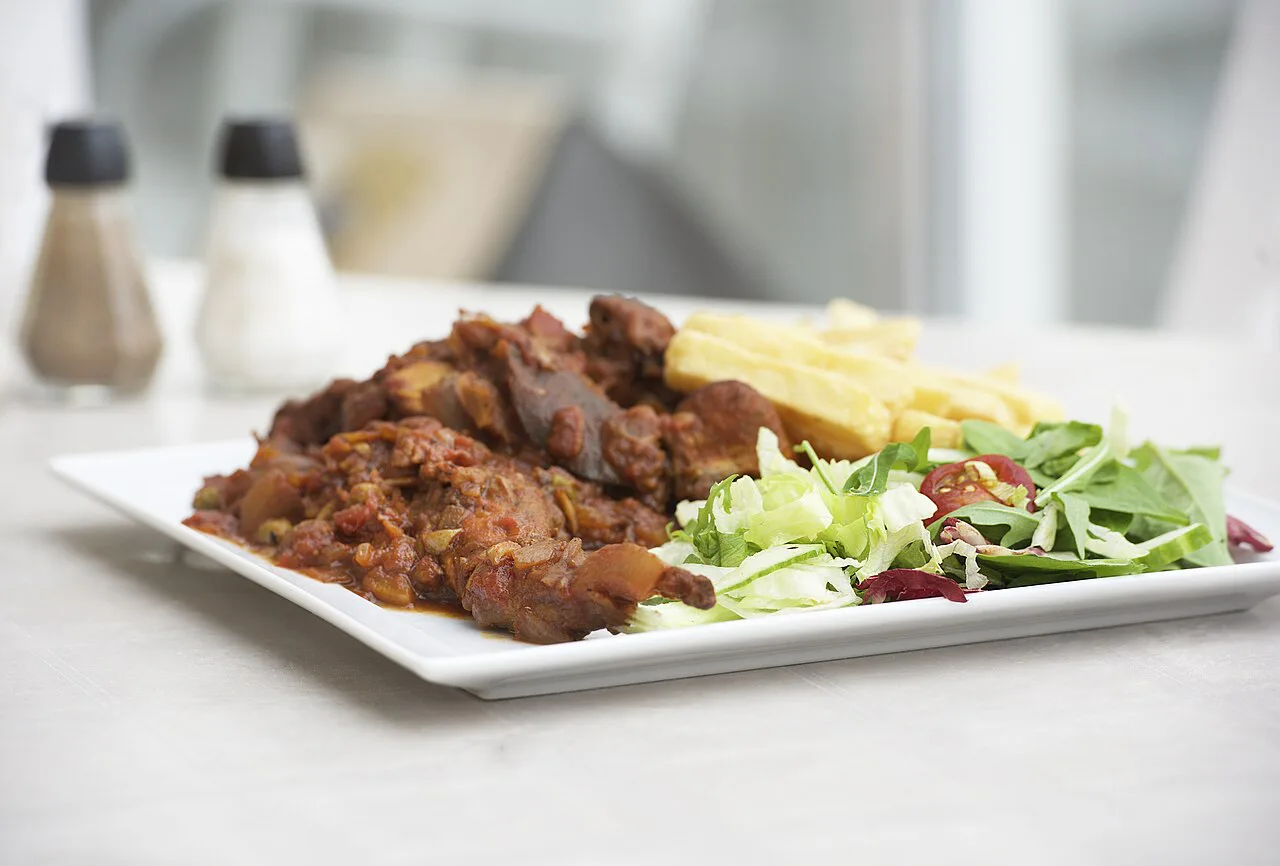
Stuffat tal-fenek is Malta's rabbit stew, a slow braise of bone-in rabbit with red wine, garlic, bay leaves and tomatoes, and it is widely described as the island's national dish. This guide covers what goes into the pot, the overnight marinade that separates a proper version from a quick braise, the two-stage way it reaches the table, and the fenkata gathering built around it.
The dish sits firmly in the Mediterranean braising tradition, so the flavours will feel familiar even if you have never cooked rabbit. What surprises most visitors is the serving order and the social format rather than the taste itself.
Why stuffat tal-fenek is called Malta's national dish
Recipe writers and Maltese hospitality guides consistently call rabbit stew the national dish. The stew is treated as a symbol of family gatherings and reunions rather than an everyday plate, which is why it turns up at long lunches and celebrations, and hosts plan a whole fenkata around it.
One account links the dish to hunting restrictions imposed under the Knights of St John, when rabbit became central to home cooking; treat that as one telling of the story rather than settled history. What matters for a traveller is simpler: this is the plate Maltese cooks reach for when they want to mark an occasion.
What goes into the pot
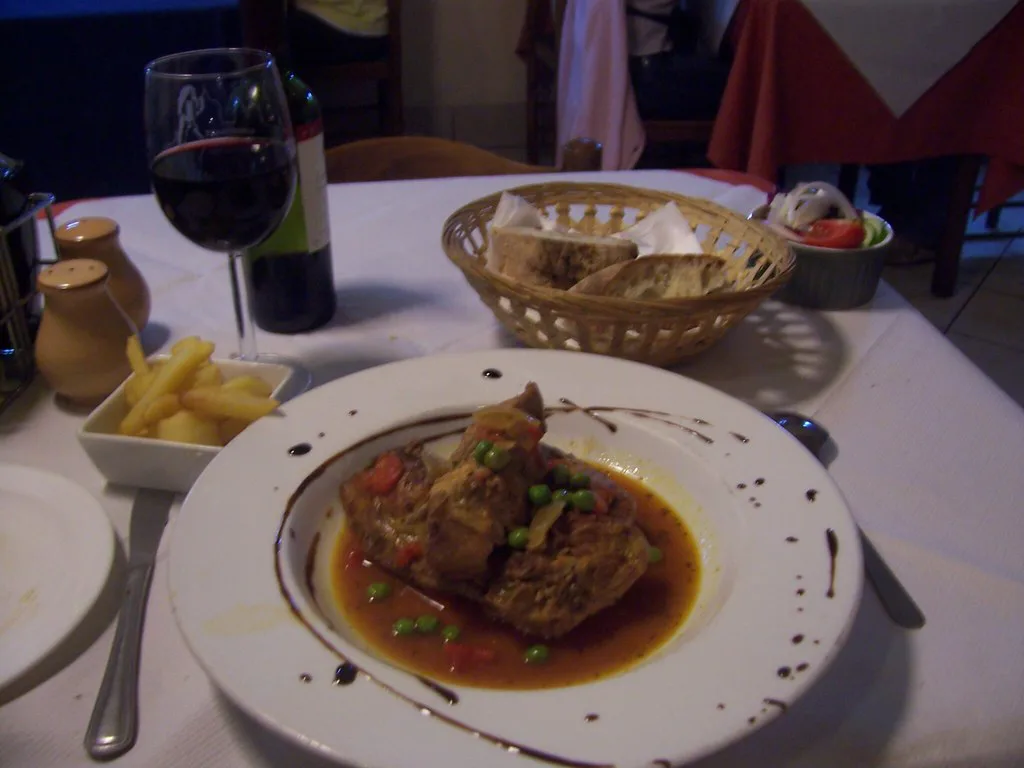
The core is bone-in rabbit, browned first and then simmered in a tomato and red wine sauce with bay leaves, thyme, garlic and onion. Carrots and potatoes go in later so they hold their shape, and some versions add frozen peas near the end.
Red wine does real work here, so pick a deep drinking wine rather than a bottle labelled for cooking. Rosemary, peppercorns and plenty of garlic round out the marinade in a home version that calls for the meat to sit overnight.
Traditional settings may include the heart and liver, and the liver is sometimes fried separately in butter and used as a garnish rather than simmered with the rest. If offal at the table would bother you, that is worth knowing before you order.
How it's cooked: marinade, brown, then simmer
The step that separates a proper stuffat from a weeknight braise is time. Marinating the rabbit overnight in wine, garlic, peppercorns and bay leaves, then browning it hard before it goes into the sauce, builds the depth the dish is known for.
In one adapted home version the rabbit simmers covered for roughly half an hour, then the carrots, potatoes and tomato paste go in and it cooks uncovered for about another half hour, stirred now and then. The aim is a sauce reduced enough to coat the meat without the rabbit drying out.
A slow-cooker route exists for people who want the same flavours with less attention: brown the rabbit, add stock and the rest, and cook on low for six to seven hours, thickening with a slurry at the end. It is a fair trade-off, since you lose some of the reduction that a hob gives you.
How it's served: spaghetti first, then the rabbit
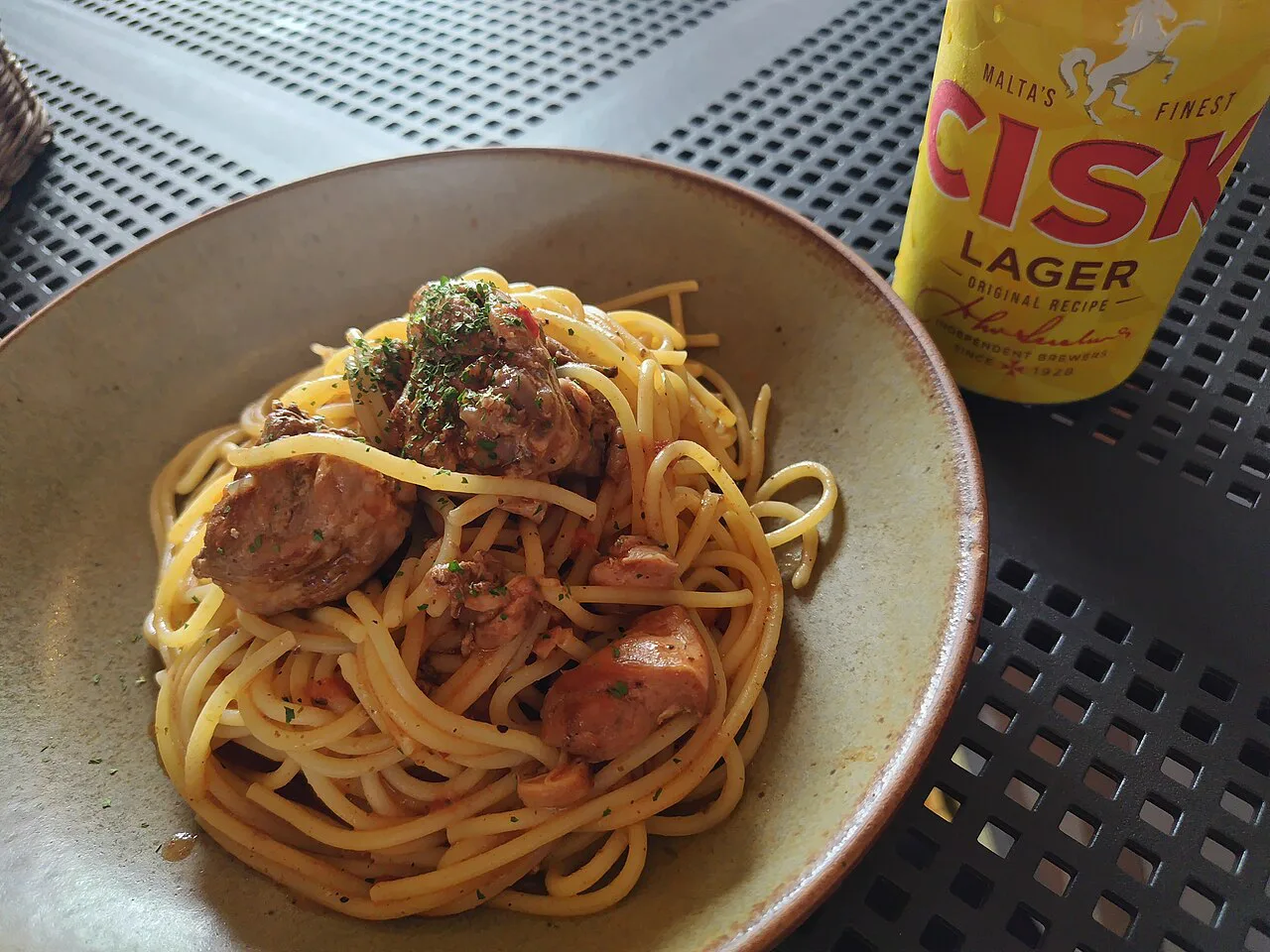
In Malta the stew often arrives in two stages. Spaghetti is tossed in the sauce from the pot and eaten first, before the rabbit itself comes to the table, which is the detail most recipe pages bury at the bottom.
The main plate is often served with roast potatoes scattered with fennel seeds and crusty Maltese bread for mopping the sauce. The bread is not optional in practice; it is there to catch what the potato leaves behind.
If you want the full traditional spread, order the stew as a main and expect a starter-sized pasta course before it. That is also the moment to ask whether the liver is included, since versions differ.
The fenkata: a gathering, not just a dish
Fenkata is the word Maltese hosts use for the whole occasion, not only the stew. It covers work gatherings, long Sunday lunches, birthdays and reunions, with the pot at the centre and plenty of fries, bread and wine around it.
That social framing explains why the dish is rarely a quick solo meal. Family recipes are passed down and treated as a point of pride, so a home-cooked version is a different experience from a restaurant plate.
Rabbit as an everyday meat in Malta
Rabbit has been part of Maltese cooking for a long time, and butchers commonly cut it into bone-in chunks of two to three inches and may include the head and liver unless you ask otherwise. That is routine there and worth stating plainly for anyone nervous about it.
Cooks describe the meat as mild and light, closer to chicken than to game, which is why the stew reads as comfort food rather than something challenging. The liver, cooked briefly in butter, is treated by some as a small delicacy in its own right.
Where to try it, and what to order
Order stuffat tal-fenek when you see it on a menu, and ask whether it comes with the pasta course, since that changes how much else you should order. Recipes and presentations vary, so check the board or ask staff on the day rather than relying on older write-ups.
For the rest of the Maltese table, pastizzi are the cheap everyday benchmark, and they are a useful way to judge a café before committing to a longer meal.
If you've never cooked or eaten rabbit
For a first attempt, the slow-cooker version is forgiving: brown the pieces, add stock and aromatics, and let it run on low until the meat is tender. The margin for error is wider than on a hob, where a long uncovered simmer can dry the meat out.
Some cooks substitute chicken thighs and report a very similar result in a stew where wine, garlic and bay dominate. If you do that, be honest with yourself that you are tasting the sauce rather than the rabbit.
Should you order the fenkata?
Yes, if you want the meal Maltese cooks treat as their own. Order it where the pasta-in-sauce course comes first, ask about the liver, and keep bread on the table for the sauce.
If you are cooking at home, give the marinade its overnight run and brown the rabbit properly; that effort is what people remember, not the cut of meat.
Explore more Malta guides
Frequently Asked Questions
What is rabbit called in Maltese?
Fenek is the Maltese word for rabbit, which is why the stew is stuffat tal-fenek and the gathering around it is a fenkata.
Is rabbit meat popular in Malta?
Yes. It is treated as the national dish and appears at family gatherings, long lunches and celebrations, often with pasta in the sauce first and bread alongside the rabbit.
What are some traditional Maltese dishes to try alongside it?
Pastizzi are the everyday savoury pastry, ftira is the ring bread used for filled snacks, and timpana is a baked pasta pie. All are worth ordering in the same trip.
Sources
Notes for your Malta trip
Optional updates when we add or correct a Malta or Gozo guide.
You might also like

Continue reading
More guides you'll find useful