Timpana: Malta's Baked Pasta Pie Explained
Timpana is a Maltese baked pasta pie of penne or ziti with a rich tomato sauce, egg and pastry on top. Here is what goes into it and how it bakes.
On this page
Timpana is a Maltese baked pasta pie, not a pasta bake in a dish: the pasta is mixed with a thick sauce and egg, topped with pastry and baked until the lid is golden. What separates it from an ordinary oven pasta is that pastry lid and the egg that helps the filling set, so a good portion slices rather than slumps. This guide covers what goes into it, how the documented versions are assembled and baked, and how to judge a portion on a Maltese menu.
What timpana is and how it differs from a pasta bake
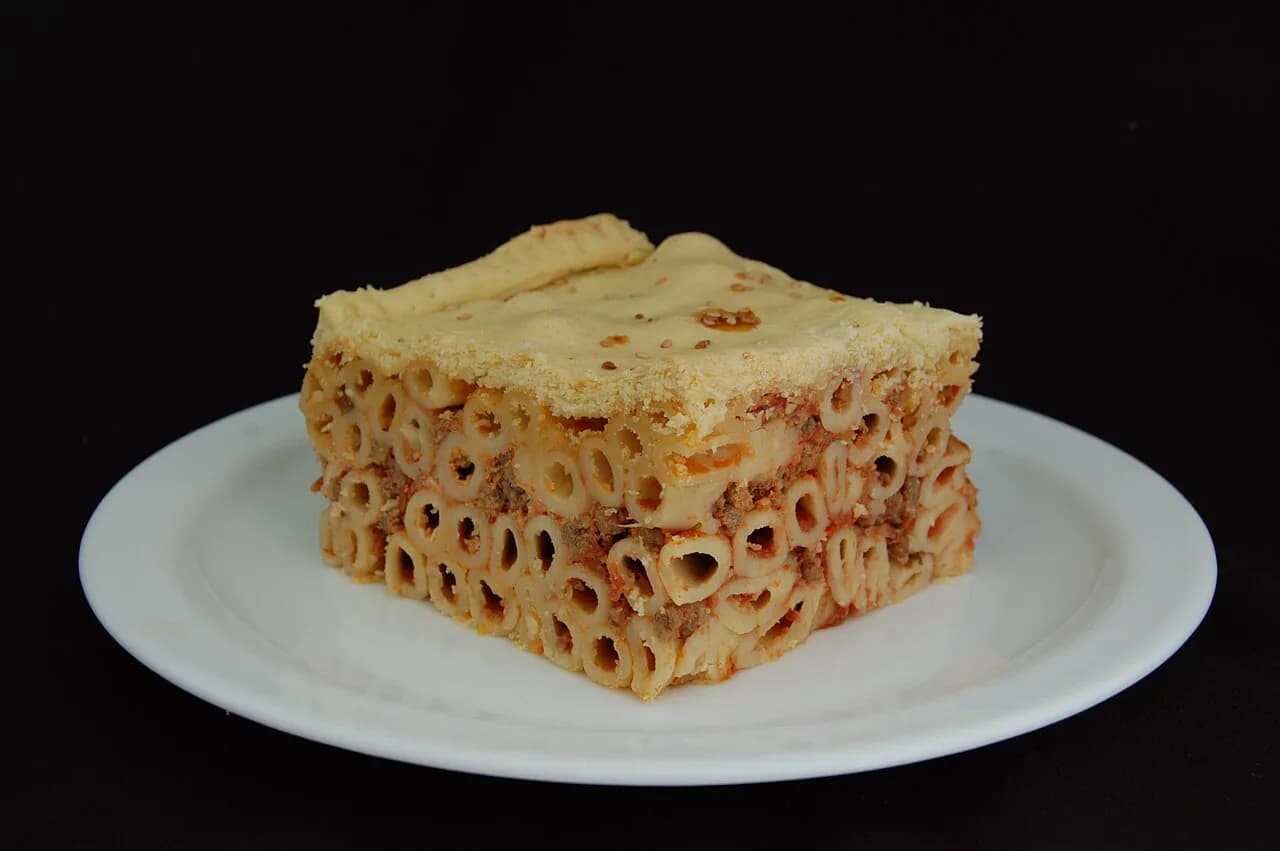
Think of timpana as a pie whose filling happens to be pasta. Cooked pasta is combined with a rich, reduced sauce, bound with beaten egg and sometimes cheese, then enclosed in pastry and baked. The result is firmer and richer than a sauced pasta served straight from the pan, and it is usually cut into wedges or squares rather than twirled with a fork.
That structure is what to look for when you read a menu. If the description mentions pastry, a lid or baking, you are dealing with timpana; if it describes pasta tossed with sauce, it is something else. The pastry is also why portions feel substantial: a modest slice carries the weight of pasta, sauce, egg and crust together.
What goes into timpana
There is no single fixed ingredient list. One home recipe from a Maltese food site builds the pie from penne, bacon, minced beef, hard-boiled egg, tomato paste, chopped tomatoes and parmesan, with nutmeg, oregano and a bay leaf in the sauce. A version attributed to Frances Bissell in *The Times Cookbook* (1995) uses pork and beef with chicken livers, stock or wine and tomatoes, and simmers the sauce for one to one-and-a-half hours.
Commercial versions push the filling further. Malta Joe's version, sold as a bake-at-home pie in the United States, lists mushrooms, onions, ground beef, sausage, parmesan, ricotta and mozzarella inside a handmade pastry crust. Treat any single recipe as one interpretation rather than the definitive formula: the shared elements are pasta, a slow-cooked tomato sauce, egg and a pastry top.
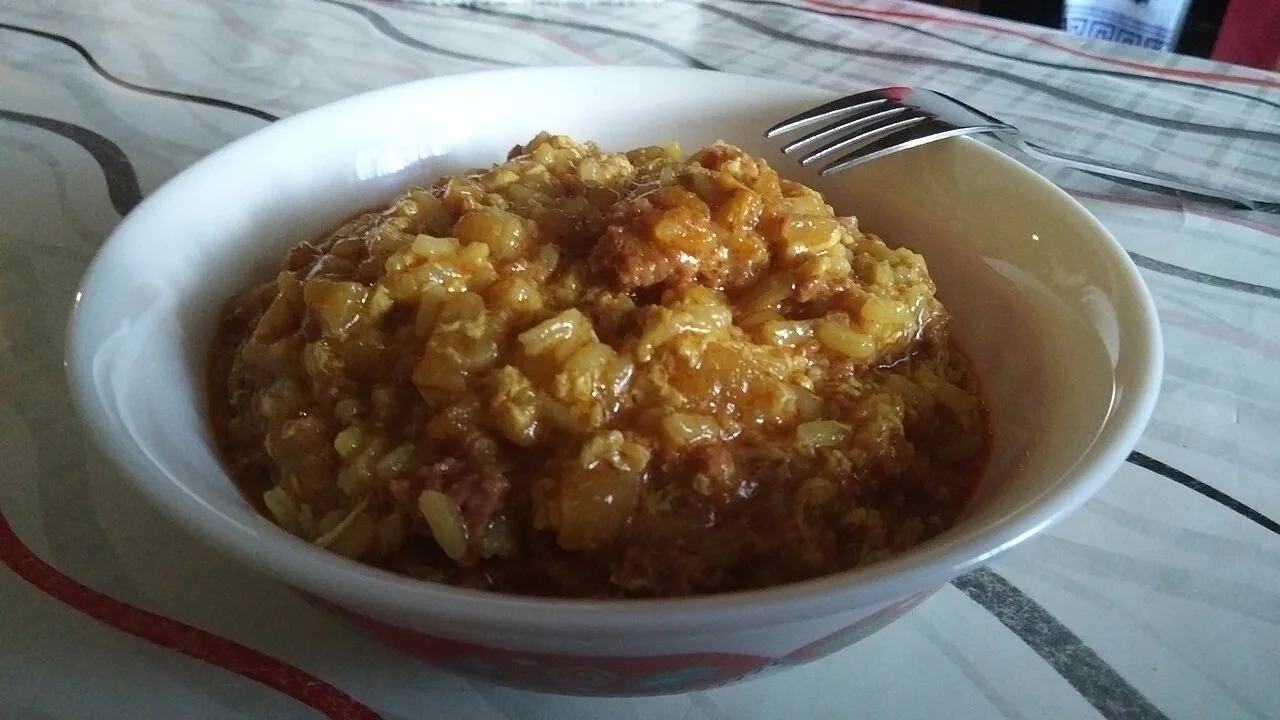
The pasta: penne or ziti, cooked al dente
Short tubular pasta is the norm: penne in the meat version, ziti in the vegan one. Both recipes cook the pasta only to al dente before it goes into the dish, because it softens further in the oven as it absorbs sauce. Overcooked pasta going into the pie gives you a soft, indistinct filling once baked.
The sauce: onion, garlic, tomato, wine and meat
The sauce is built slowly. The meat version softens onion and garlic in oil, adds chopped tomato and cooks it down before the beef goes in, then adds tomato paste, oregano, salt, nutmeg and bay and simmers on a low heat for about an hour. The vegan version follows a similar path with soy chunks in place of meat, plus carrot, celery, mushroom, curry powder and a splash of red wine.
Reducing the sauce matters more than the exact aromatics. A wet sauce will make the pastry soggy and the filling loose, which is why the meat recipe warns to add water only if the pan dries out too far. If you are comparing recipes, look at how long the sauce cooks and how thick it ends up, not just at the ingredient list.
The egg and pastry layer that sets timpana apart
Egg does two jobs here. Two lightly beaten eggs are mixed into the pasta and sauce along with parmesan in the meat version, which helps the filling hold together when sliced. That binding step, more than the pasta shape or the sauce, is what distinguishes timpana from a plain baked pasta.
Pastry closes the pie. The meat recipe lines small springform pans or baking dishes with pastry rounds, fills them, tops with smaller rounds, crimps the edges and brushes the tops with egg whisked with milk. The vegan version spreads the pasta and sauce in a dish, adds a layer of cream in the middle, covers with puff pastry and bakes at 180°C for about 30 minutes until golden.
How timpana is assembled and baked
Assembly is straightforward once the sauce and pasta are ready. The meat recipe heats the oven to 220°C, bakes the pies for 10 minutes, then reduces to 180°C for a further 15 minutes or until the pastry is golden, and rests them for 10 minutes before serving. That resting period is not optional in practice: cutting too early lets the filling run.
The two documented methods differ in shape and timing. Small individual pies give more crust per portion and a neater slice; one large dish is quicker to assemble and easier to share. Neither approach is more correct, so judge a recipe by whether the sauce is thick, the pasta is undercooked and the pastry is fully baked underneath.
A vegan version: soy chunks, tomato and puff pastry
The vegan timpana keeps the pie structure and swaps the animal components. Soy chunks replace the meat, vegan Worcestershire sauce and a bay leaf season the tomato base, and a layer of soy cream runs through the middle in place of the egg-and-cheese binding. Puff pastry covers the top instead of a meat-pie crust.
It is a useful benchmark for non-vegetarian cooks too, because it shows which parts of the dish are structural and which are preference. The sauce, the al dente pasta, the middle layer and the pastry lid all remain; only the protein and the dairy change. If you see a vegetarian timpana on a menu, those are the components worth asking about.
How to order and eat it in Malta
Expect a rich, dense portion. Timpana combines pasta, slow-cooked meat sauce, egg and pastry, so a serving is closer to a pie course than a light primo, and sharing one between two with a vegetable side or salad is a sensible approach. It sits naturally on a menu alongside the baked and braised dishes in our guide to Maltese Food, including Ħobż biż-żejt and Stuffat tal-fenek, and pairs with a simple tomato salad better than with another pastry course.
Ask what is in the filling before ordering if you avoid pork, beef or liver, since the documented recipes vary widely and some include chicken livers. Menus in tourist areas often describe the dish only as baked pasta, which tells you little. Prices, portion sizes and availability vary by venue and season, so check the menu board or ask staff rather than relying on a figure from elsewhere.
Where timpana fits alongside other Maltese dishes
Timpana belongs with Malta's baked and pastry-based savouries rather than its light snacks. It shares the pastry craft seen in pastizzi, where filo pastry wraps a ricotta or pea filling, but timpana is a sit-down dish rather than something eaten on the go with a coffee.
For a broader tour of the island's everyday eating, our ftira article covers the ring bread and the filled snack version, while imqaret, bragioli and Maltese rabbit stew show how dates, red wine and slow braising recur in local cooking. Timpana is the baked, layered end of that spectrum, and a good introduction for anyone who wants to understand how Maltese home cooking treats pasta.
Should you order timpana or cook it at home?
Order it in Malta if you want to see how the pastry lid and egg binding work in a properly rested pie, and share a portion if you are pacing yourself across a long lunch. Cook it at home if you want control over the filling: the meat version suits a Sunday oven session, while the vegan version is the simpler route because puff pastry does the work.
Frequently Asked Questions
Is timpana the same as a pasta bake?
No. A pasta bake is pasta and sauce cooked in a dish, usually with cheese on top. Timpana is bound with beaten egg and enclosed in pastry before baking, so it sets firm enough to cut into slices or wedges.
Does timpana always contain meat?
No. The documented meat version uses bacon and minced beef, and a 1995 recipe uses pork, beef and chicken livers, but a vegan version replaces meat with soy chunks and uses soy cream and puff pastry instead of egg and cheese.
What pasta is used for timpana?
Short tubular pasta: penne in the meat recipe and ziti in the vegan one. Both are cooked only to al dente before baking, because the pasta continues to soften in the oven as it absorbs the sauce.
Can I make timpana ahead of time?
The sauce can be prepared in advance; the Times Cookbook method notes the sauce can be made to that stage the day before it is needed. Assemble and bake the pie when you plan to serve it, and let it rest briefly before cutting.
Sources
Notes for your Malta trip
Optional updates when we add or correct a Malta or Gozo guide.
You might also like
Continue reading
More guides you'll find useful