Bajtra: Malta's Prickly Pear Liqueur, Explained
Bajtra is Malta's prickly pear liqueur, made from Opuntia ficus-indica fruit. What it is, how it is normally drunk, and what to look for when buying Zeppi's.
On this page
Bajtra is Malta's prickly pear liqueur, a sweet alcoholic drink made from the fruit of the Opuntia ficus-indica cactus, which grows around the Mediterranean. This guide covers what it is, how it is normally drunk and how to buy a bottle.
It sits alongside the other Maltese drinks you will meet on a menu, from soft drinks to beer. If you are working out what to order with a meal, the wider picture helps.
What bajtra is
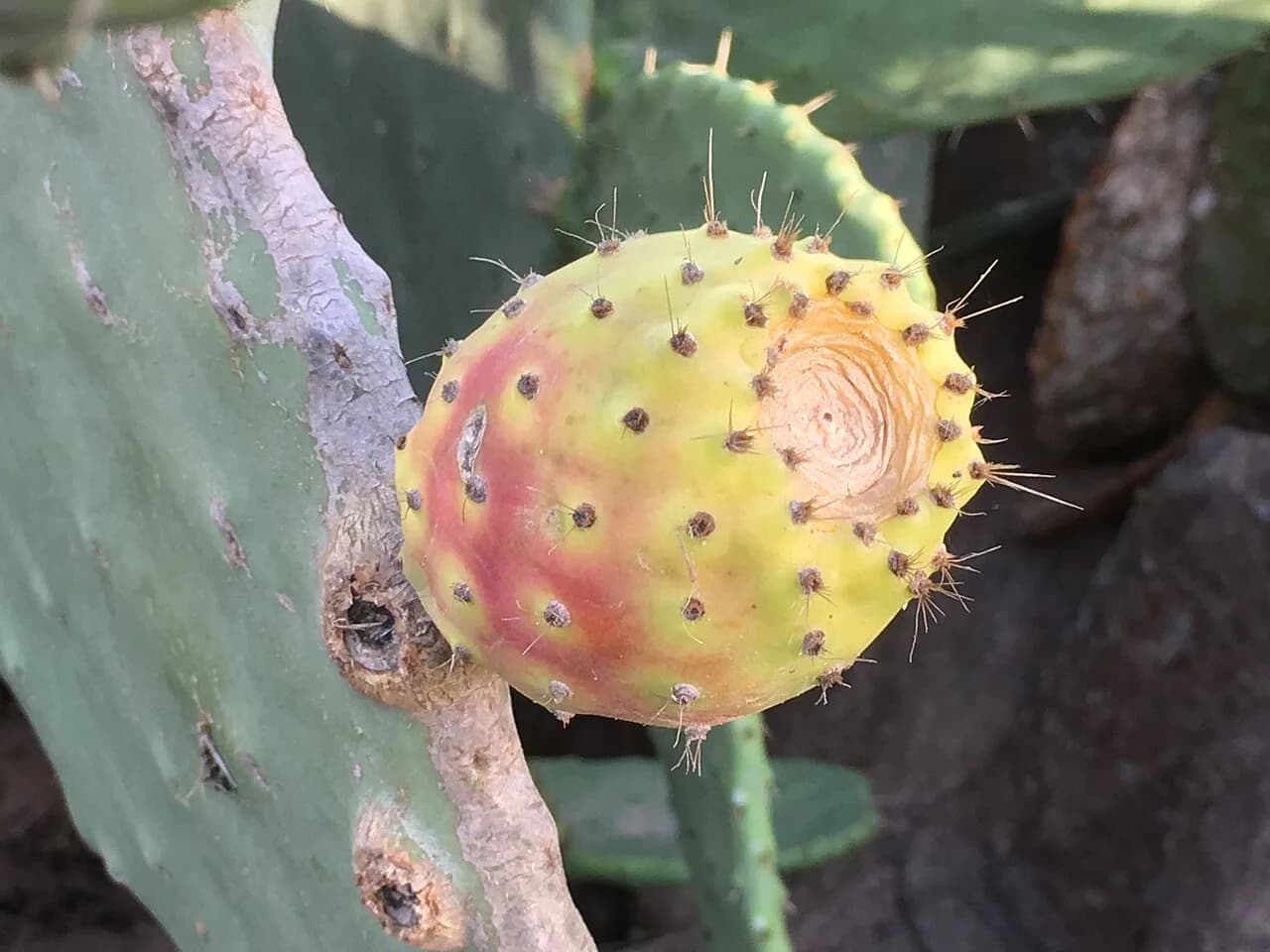
Bajtra is a liqueur, meaning a sweetened spirit rather than a fermented drink like beer or wine. Its defining ingredient is the prickly pear, a fruit that grows on a cactus suited to hot, dry conditions and which became established around the Mediterranean after arriving from Mexico.
The distinction worth holding onto is between bajtra the drink and Zeppi's the brand. Bajtra is the general name for the liqueur, an increasingly popular drink made from prickly pears, and Zeppi's is a bottled version you may see on a shelf. Treating the two words as exactly the same thing makes a shop confusing.
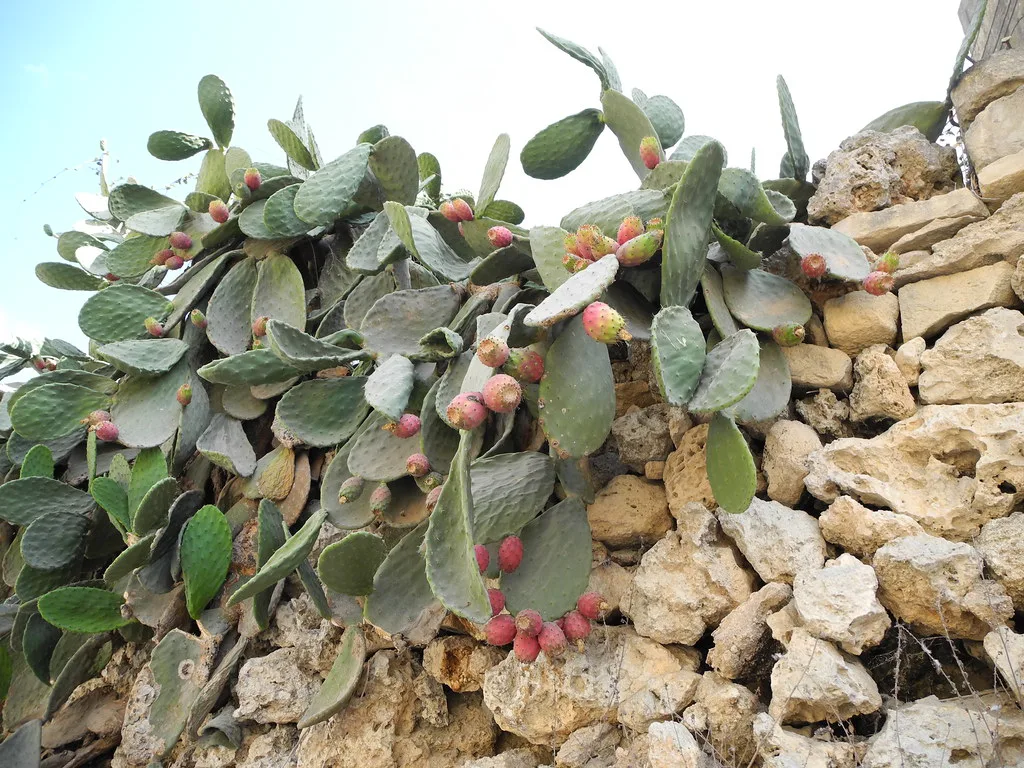
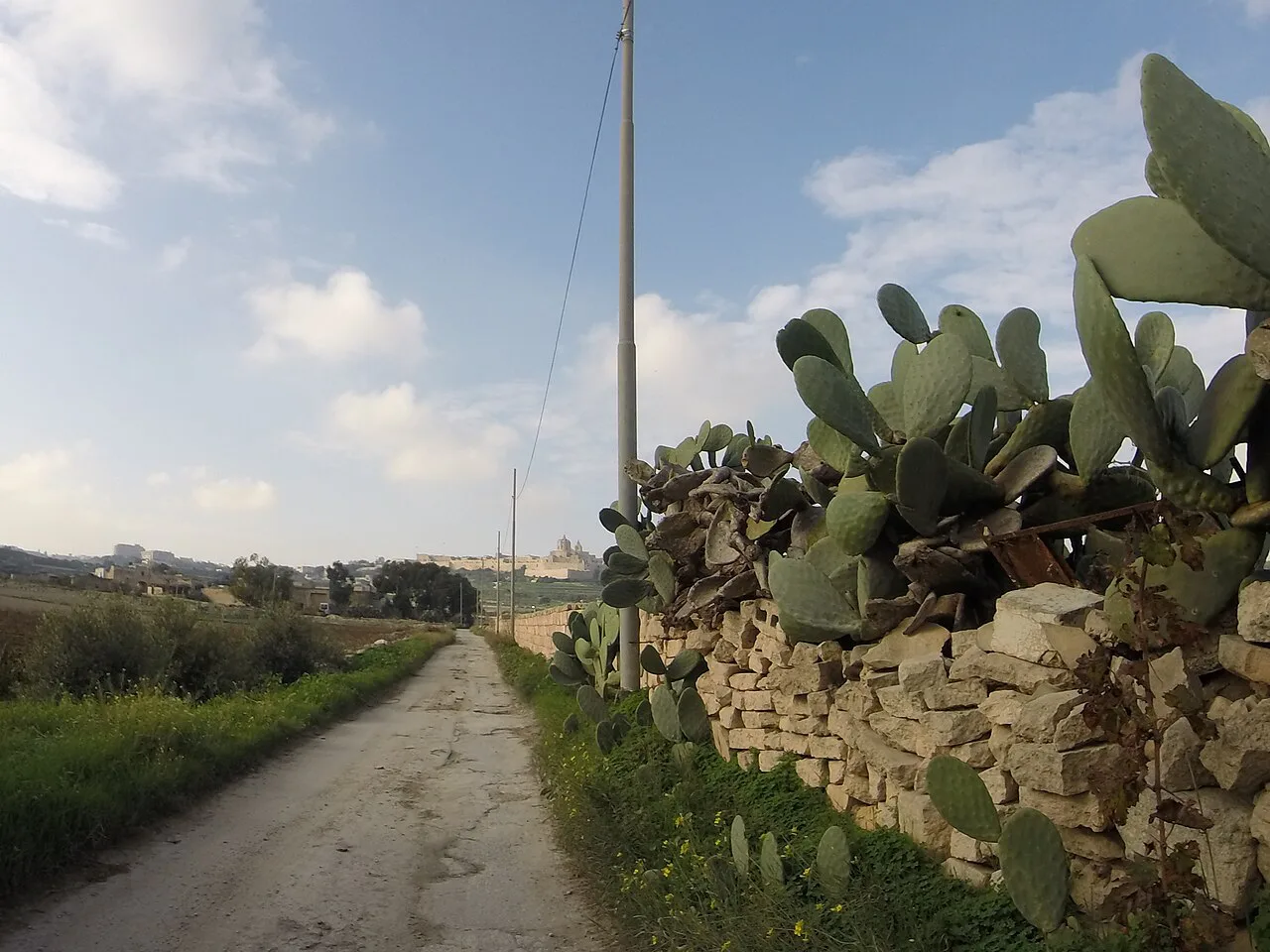
Why prickly pear grows in Malta and how the fruit reaches the bottle
The Opuntia ficus-indica is a cactus, so it stores water and tolerates long dry spells that would ruin softer fruit. Malta's hot, rainless summer suits it, and the plant naturalised across the islands rather than needing irrigation or care. That abundance is what makes a liqueur economic: the raw material is cheap and the harvest is heavy.
The fruit, not the pad, is what goes into the bottle. The mucilage inside the fruit — the gelatinous substance protecting its seeds — is part of what gives the finished drink its body.
How bajtra is made: fruit, alcohol and sugar
The Pilgrimaps account describes a drink made by fermenting prickly pears with alcohol and sugar, and otherwise describes the drink's history rather than a modern recipe. Recipes vary by household and producer, so a house bajtra can taste quite different from a branded bottle.
Because recipes vary by household and producer, there is no single strength or sweetness to rely on. Read the label of the bottle in front of you rather than assuming one brand matches another.
What bajtra tastes like and how it is usually drunk
Bajtra is a sweet liqueur, which is the character the sugar gives it. It is normally served as a digestif after a meal, which is the role it plays in Maltese drinking rather than as something you drink in quantity. A little goes a long way.
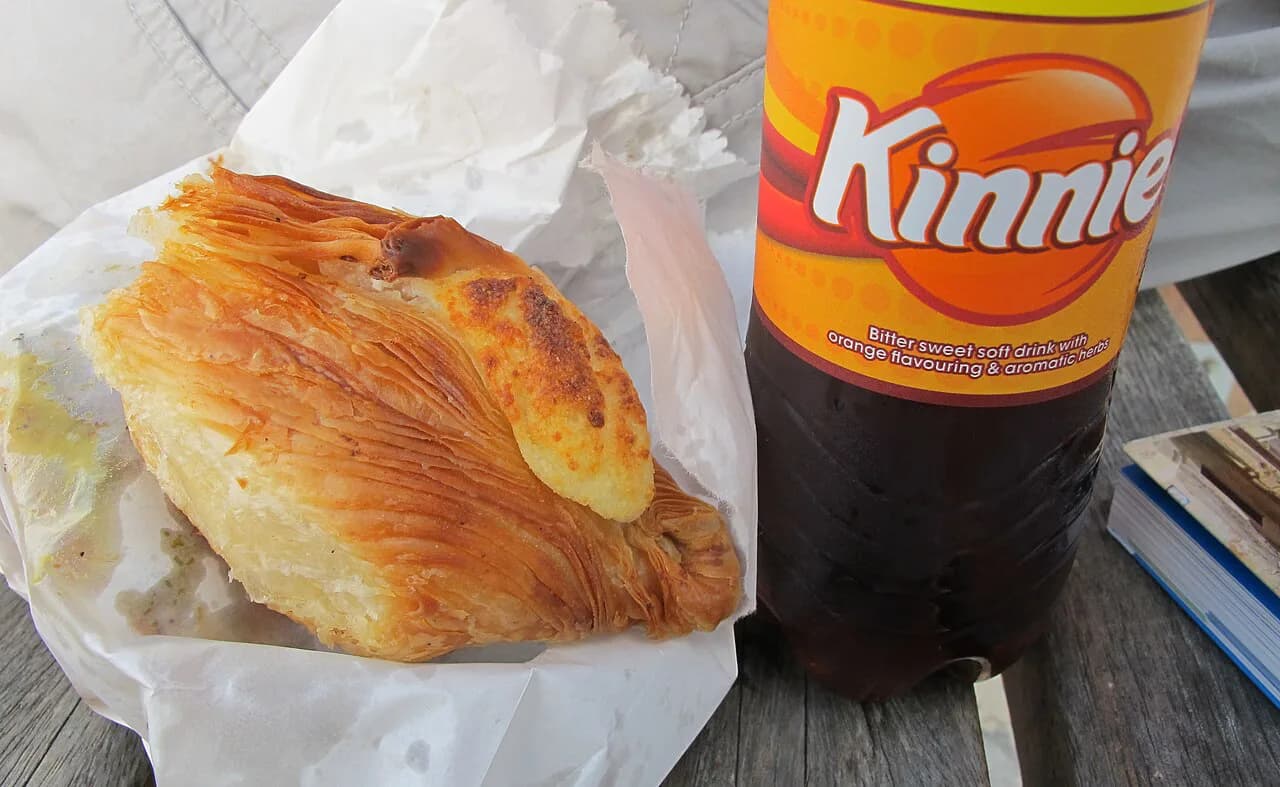
If sweet liqueurs are not your thing, the same after-dinner slot can be filled by a coffee. For the island's non-alcoholic options in general, see the guide to Kinnie, the bitter-orange soft drink, and the wider Maltese drinks shelf.
Zeppi's Bajtra: the brand you are most likely to see
Zeppi's is a bottled bajtra brand sold in Malta; Times of Malta reported in 2003 that the liqueur is made from prickly pears and owes its origin to a founder. That does not tell you what is on the shelf today, so read the label of whichever bottle you pick up.
A 70cl bottle of Zeppi's bajtra is one of the sizes on sale, so a single bottle is a sensible souvenir rather than something to split across a group. Check the label for the alcohol strength, since liqueurs vary and a stronger bottle is a different drink from a lighter one.
What to look for on the label
Read the producer name, the alcohol strength by volume and the fruit named on the label. A label that names the producer and the fruit tells you more than one that simply says liqueur, and it is the quickest way to compare two bottles.
If you want to compare it with the rest of the local drinks shelf, look at what else is bottled in Malta rather than imported: the island has its own beer tradition, and Cisk Lager is the lager you will see everywhere. Mixing a bottle of bajtra with a few local beers makes a more interesting pack than buying the same liqueur twice.
What a bottle costs
Prices move with the shop and change over time, so no single figure holds across Malta. Check the price on the shelf or label in the shop rather than budgeting from memory, and compare two or three bottles if you want the best value on the day.
If budget matters, compare a few shops before you commit, and check the price and strength on the label every time.
Taking bottles home to the UK and Ireland
Liqueur goes in your checked bag, not your hand luggage, because of the liquid limits at airport security. Wrap the bottle in clothing or a padded sleeve, seal it in a plastic bag, and place it upright in the middle of the case. A 70cl glass bottle is heavy enough to damage other items if it breaks.
Customs allowances differ between the UK and Ireland and depend on the strength of the drink, so look up the current allowance on your government's official page before you fill a case. Duty-free purchases at the airport are not automatically exempt from those limits. Buy no more than you can declare comfortably.
Should you buy a bottle of bajtra?
Buy one if you want a genuinely local drink to take home and you like sweet liqueurs served after dinner; skip it if you prefer dry spirits, because the sugar is the point. Zeppi's is a bottled bajtra sold in Malta, so it is an easy one to find.
Drink it chilled in a small glass after a meal, and read the label before you buy. For the rest of the local drinks picture, from soft drinks to beer, work through the Maltese Drinks guides before you fly.
Explore more Malta guides
Frequently Asked Questions
What is bajtra made from?
Bajtra is the Maltese liqueur made from prickly pear fruit, the produce of the Opuntia ficus-indica cactus, and Times of Malta describes Zeppi's bajtra as made from prickly pears. Recipes vary, so check the label of the bottle you buy.
What does bajtra taste like?
It is a sweet liqueur made from prickly pear fruit, normally served as a digestif after a meal. The sugar is the defining character; the exact flavour varies between producers, so try a small glass before you commit to a bottle.
Sources
Notes for your Malta trip
Optional updates when we add or correct a Malta or Gozo guide.
You might also like
Continue reading
More guides you'll find useful