Pastizzi: Malta's Ricotta and Pea Pastries Explained
Pastizzi are Malta's flaky pastries filled with ricotta or curried peas. Learn the two shapes, how to order them and where to try them in Rabat and Valletta.
On this page
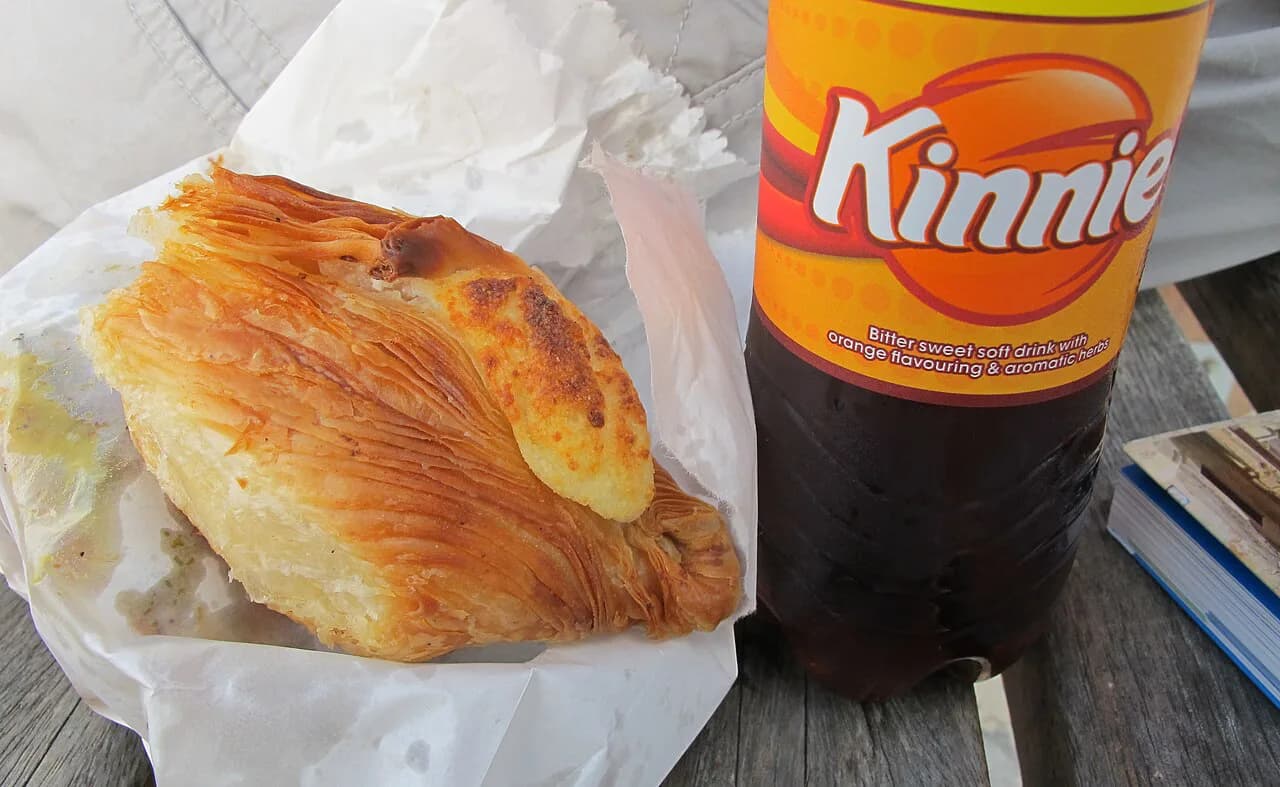
Pastizzi are Malta's everyday savoury pastry: small, flaky parcels eaten warm, most often for breakfast. They come in two standard fillings, ricotta or curried peas, and the way the pastry is folded is your clue to which one you are picking up.
This guide explains both fillings, how to read the shapes at the counter, the Maltese words to order with, and where pastizzi are sold. It also covers what to expect to pay and how to work a village breakfast stop into a day trip.
What pastizzi are: a savoury pastry from Malta with ricotta or pea filling
A pastizz is a small savoury pastry with a thin, flaky casing and a soft filling, sold across Malta in shops that specialise in them. The plural, which is what you ask for, is pastizzi. The filling is what defines the snack: creamy ricotta or a spiced pea mixture.
They belong with the rest of the island's plain, baked, everyday cooking rather than restaurant food, which is why they turn up alongside other savoury staples such as ftira, the Maltese ring bread, and the baked items in this round-up of Maltese food.
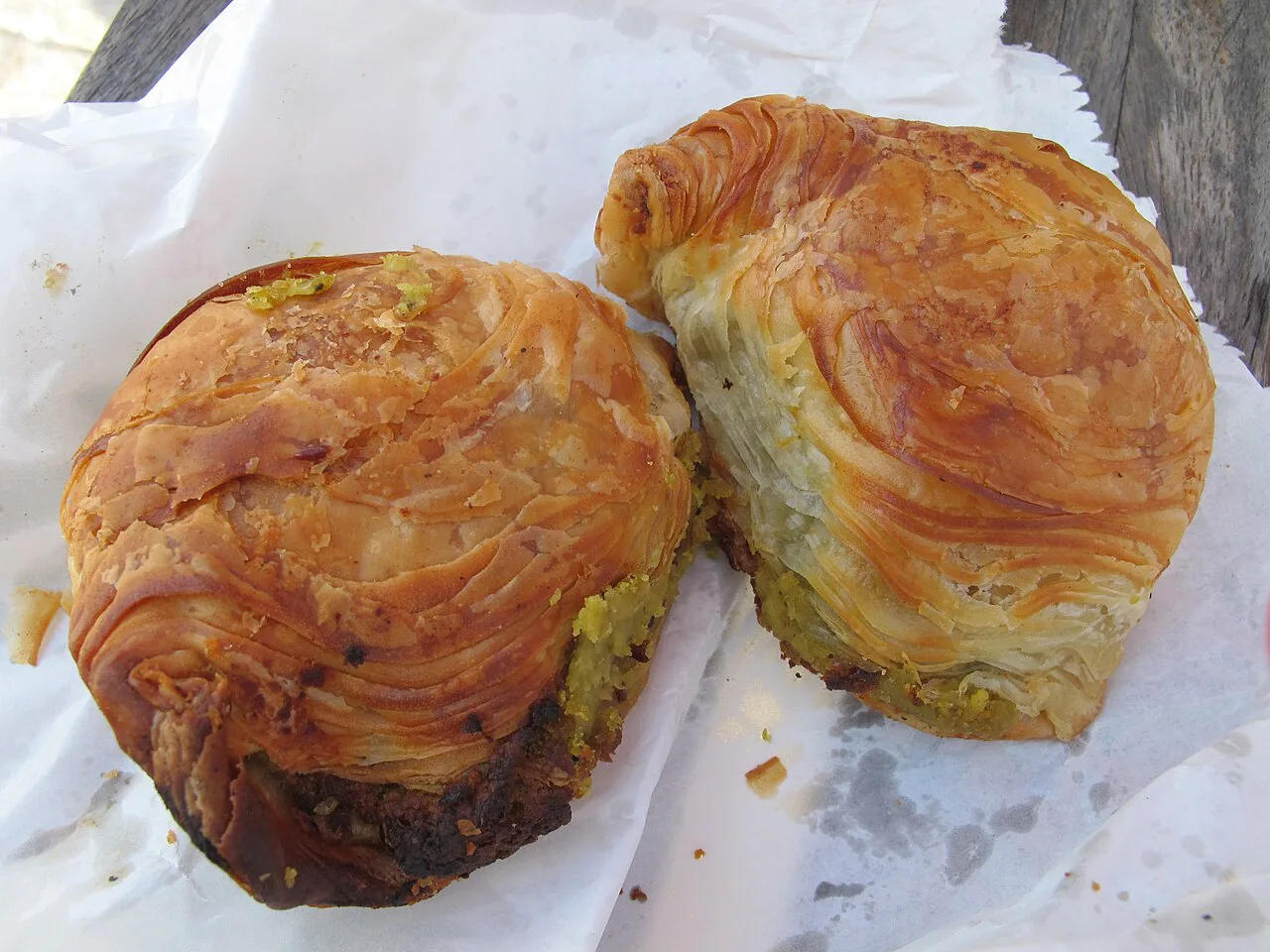
Ricotta or peas: the two fillings and how they taste
Ricotta pastizzi are the milder of the two: smooth, lightly seasoned cheese in a crisp shell, with salt and a little egg stirred through the filling before baking. Pea pastizzi are the bolder choice; one traveller describes the peas cooked soft and flavoured with onion, garlic and a dash of curry powder.
Try one of each before you commit. If you only have room for one, take the ricotta as the baseline, then decide on a second visit whether the spiced pea version is more your register.
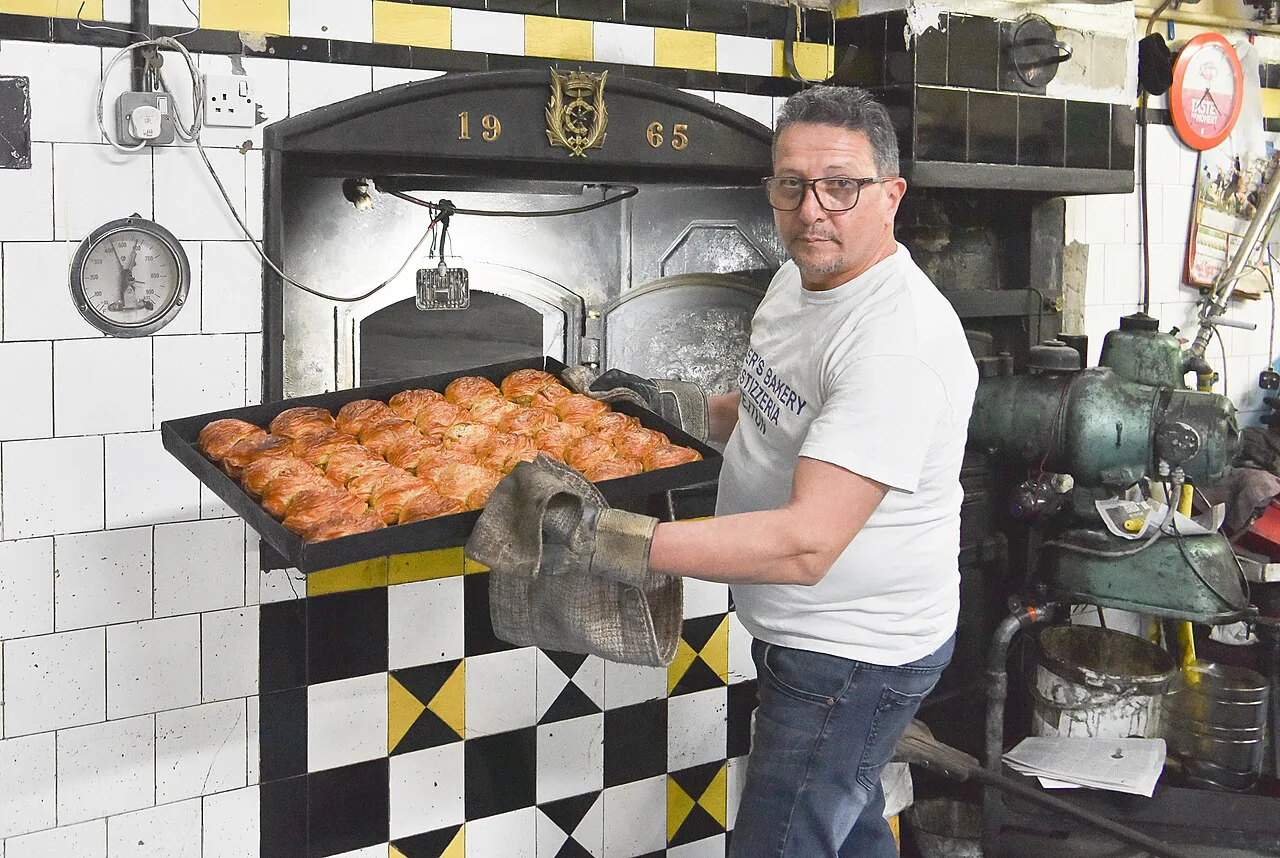
How to tell them apart: the folded-middle ricotta shape and side-folded pea shape
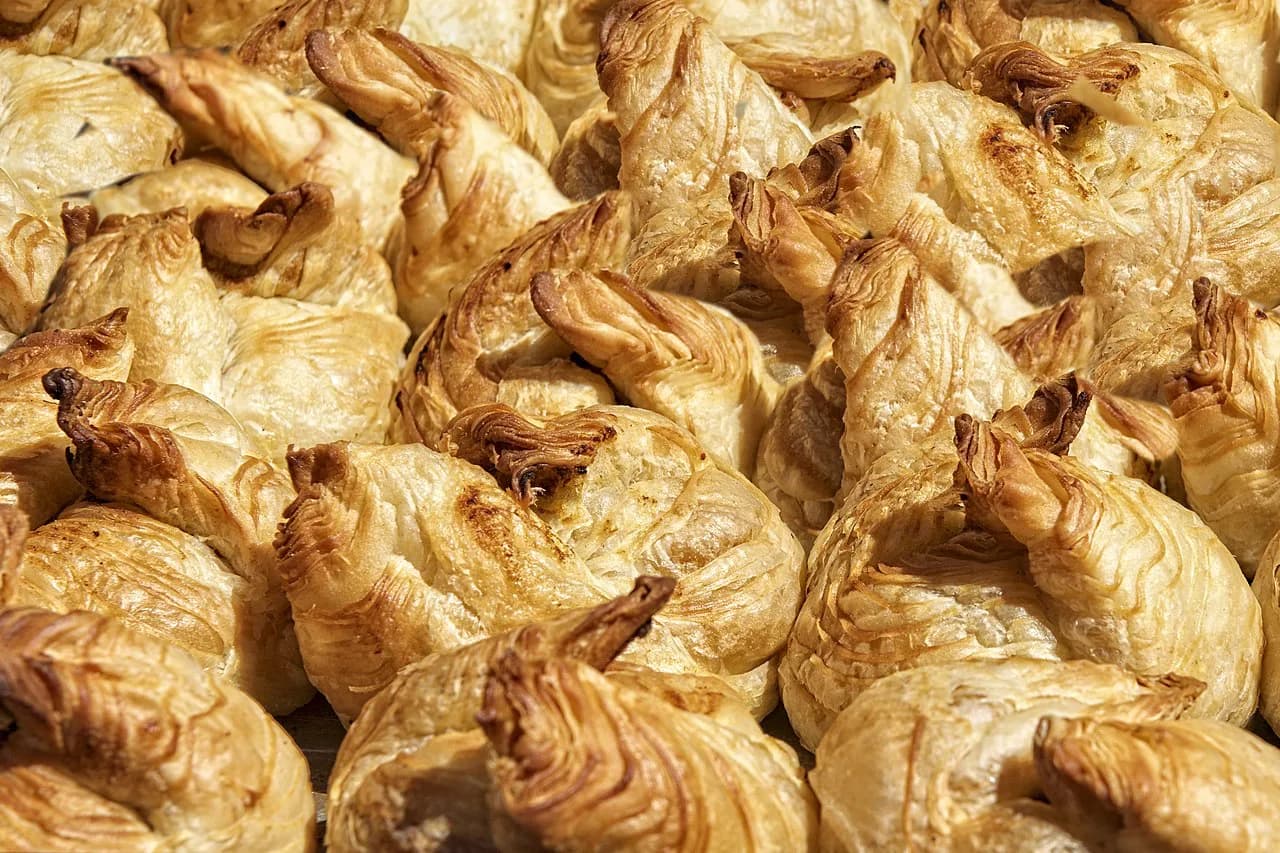
The shapes are not decorative: pastizzi come either diamond-shaped or round, and the fold runs down the middle for ricotta and down the side for peas. The round ones are sometimes called pastizzi tax-xema' in Maltese.
At a busy counter, look at the seam rather than the colour, because both bake to the same golden brown. A middle fold means tal-ħaxu, or ricotta; a side fold means tal-piżelli, or peas.
Tal-ħaxu and tal-piżelli: the Maltese names to use when ordering
Ordering in Maltese is short and practical. Ask for pastizzi tal-irkotta, also called tal-ħaxu, or pastizzi tal-piżelli for the pea version, and say how many you want. At a village counter, listen once and copy the phrasing of the person in front of you.
Maltese food vocabulary also uses pastizzi in everyday sayings about things selling or appearing quickly, so the word is worth knowing beyond the counter. In a village pastizzeria someone behind you will usually order in Maltese, so listen once and copy the phrasing.
Where to buy them: the pastizzerija, plus bars, cafés and street vendors
Pastizzi are sold from a pastizzerija, usually a small family-run shop with trays coming out of the oven through the morning. The same pastries are also sold in bars, cafés and by street vendors, so you do not need to hunt out a specialist bakery to find them.
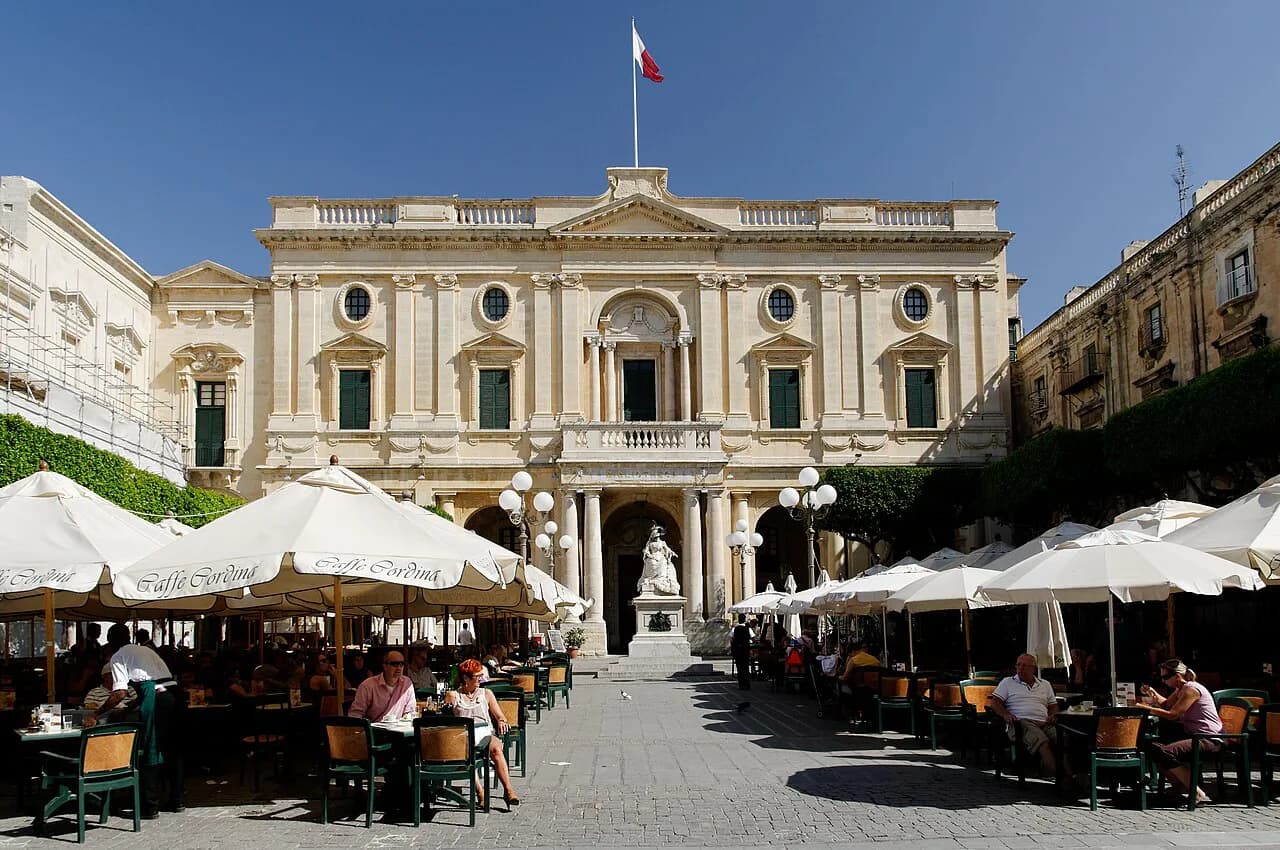
In Valletta, Malta Pastizzi appears in restaurant listings under the capital, so it is an easy first stop if you are staying in the centre. Judge a pastizzeria on turnover rather than decoration: busy trays through the morning usually mean fresher pastries.
How they are made and served: filo-like pastry, baked on trays, served warm
The casing is a thin, flaky pastry close to filo, sometimes made with puff pastry instead, and the pastries are baked on metal trays in large electric or gas ovens. Bakers work the dough thin, fill and fold it, then bake until puffed and crisp.
Home cooks aiming at the same texture use frozen puff pastry, a ricotta, mozzarella and parmesan filling and a hot oven at 220°C, or 200°C fan-forced, for 20 to 25 minutes. That is a three-cheese variation rather than a shop standard, so treat it as a kitchen approximation.
Eat them soon after buying, while the pastry still shatters rather than bends. A pastizz that has sat in a paper bag all afternoon is a different snack; this is not food to save for later.
What pastizzi cost in Malta in euros
Pastizzi are cheap, but the going rate shifts with the shop and the year, so ask the price at the counter rather than carrying a fixed figure in your head. One travel account gives 50 cents for a ricotta pastizz at the time of writing; treat it as a rough sense of scale rather than a current price.
Buy by the number you will actually eat, not by the tray. Cash is handy at small counters and at busy breakfast hours, and a mixed order of four or five is a normal purchase rather than a large one.
Crystal Palace (Is-Serkin) in Rabat: the pastizzeria near Mdina
Crystal Palace, known as Is-Serkin, is a pastizzeria in Rabat, the town just outside Mdina's walls, and it features prominently in traveller accounts of where to eat pastizzi. One traveller describes it as an unassuming shopfront with a bar feel rather than a café, frequented by local older gentlemen, and dating its opening to the early 1940s. Go early, order at the counter and eat standing or take them away towards the city gate.
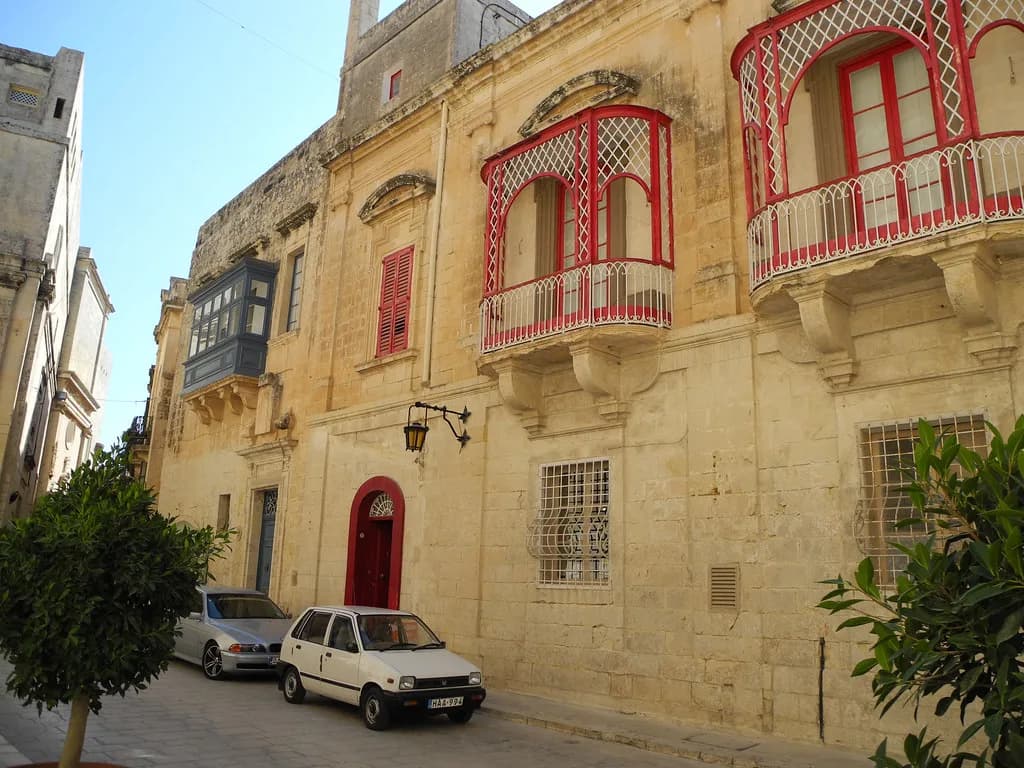
The pairing is the reason to make the trip: Rabat sits immediately outside Mdina, so you can eat breakfast pastizzi in Rabat and walk into the walled town while it is still quiet. That is a better use of a morning than adding the stop on the way back.
Eating pastizzi at breakfast in smaller villages
Several accounts describe pastizzi as breakfast food, eaten at the bar with a coffee before the day starts rather than as a midday snack. The crowd is local, the pace is quick and the trays are freshest early.
Other savoury Maltese staples fill the same role at different times of day, including timpana, the baked pasta pie, for something more substantial at lunch. Pastizzi stay the morning option; plan your day around having one before the buses and ferries fill up.
Should you build pastizzi into your Malta day?
Yes, and the simplest version is a breakfast in Rabat before Mdina rather than a detour to chase a specific shop. Order one ricotta and one pea, read the fold to tell them apart, and start your morning with the quiet part of the day.
If you are in Valletta, a pastizzeria in the centre brings the same snack within a few minutes of your first stop. Ask what the day's tray costs and let the rest of your eating follow the same pattern of plain, local, freshly made food.
Explore more Malta guides
Frequently Asked Questions
What do you serve with pastizzi?
Pastizzi are usually eaten on their own, warm, with a coffee, especially at breakfast in village bars. If you want a fuller plate, add another savoury Maltese baked item rather than a side dish.
What is a traditional Maltese pastry besides pastizzi?
Pastizzi are the standard savoury pastry, and the sweet side of Maltese baking includes imqaret, the diamond-shaped date pastries fried and sold by weight. Both are sold as everyday snacks rather than restaurant desserts.
Can you buy pastizzi outside Malta?
Maltese communities have carried the recipe abroad, and pastizzerije have opened in Australia, Canada, the UK and the United States. Quality and fillings vary, so expect a close approximation rather than the village version.
Sources
Notes for your Malta trip
Optional updates when we add or correct a Malta or Gozo guide.
You might also like
Continue reading
More guides you'll find useful