Malta Facts: What Visitors Should Know Before They Go
Malta facts for visitors: how many islands there are, how big Malta is, what languages people speak and which dates and heritage sites matter.
On this page
Malta is not a single island but an archipelago of three main islands: Malta, Gozo and Comino. The whole country covers about 316 square kilometres (122 square miles), so distances are short but the sightseeing list is long. This guide covers the geography, languages, population and dates that matter when you plan days around Valletta, Mdina and the temples.
How many islands make up Malta, and which ones can you visit?
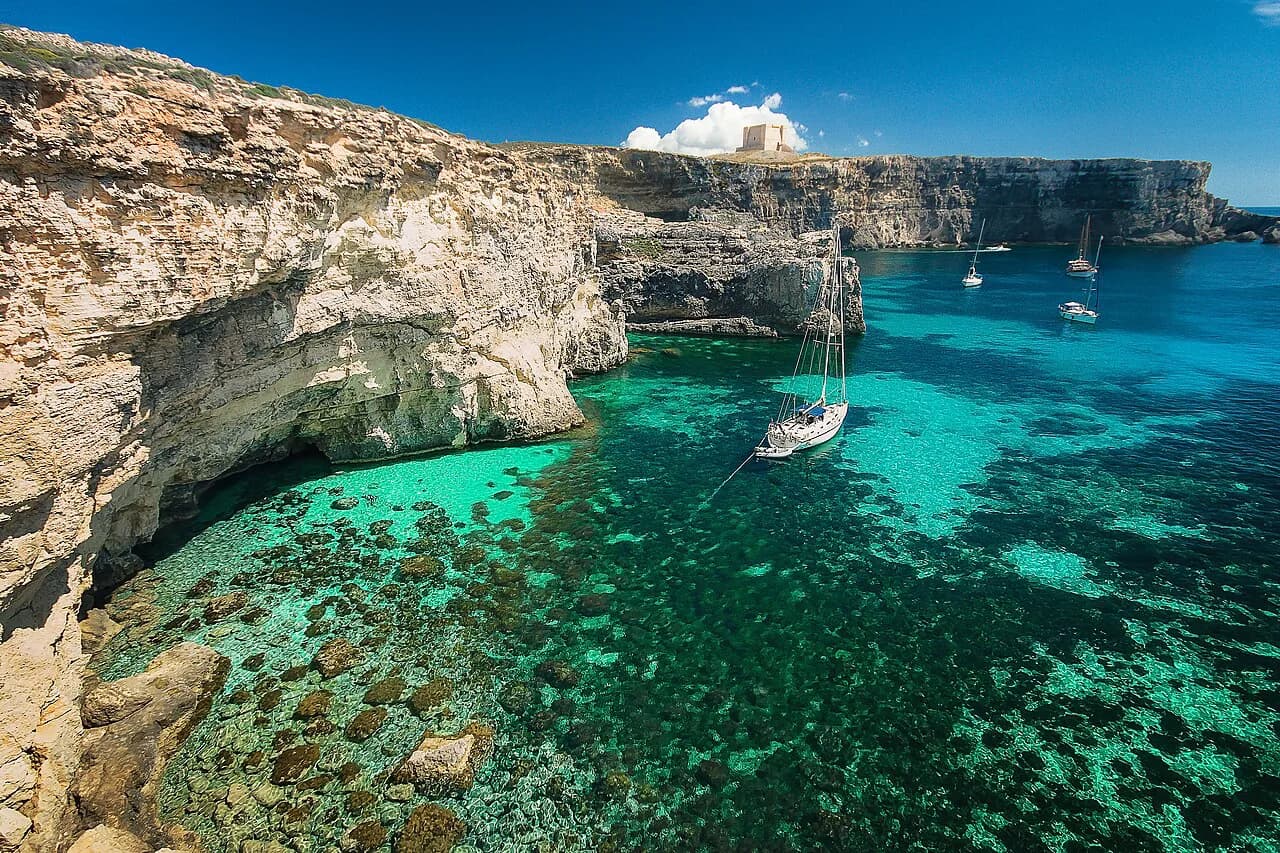
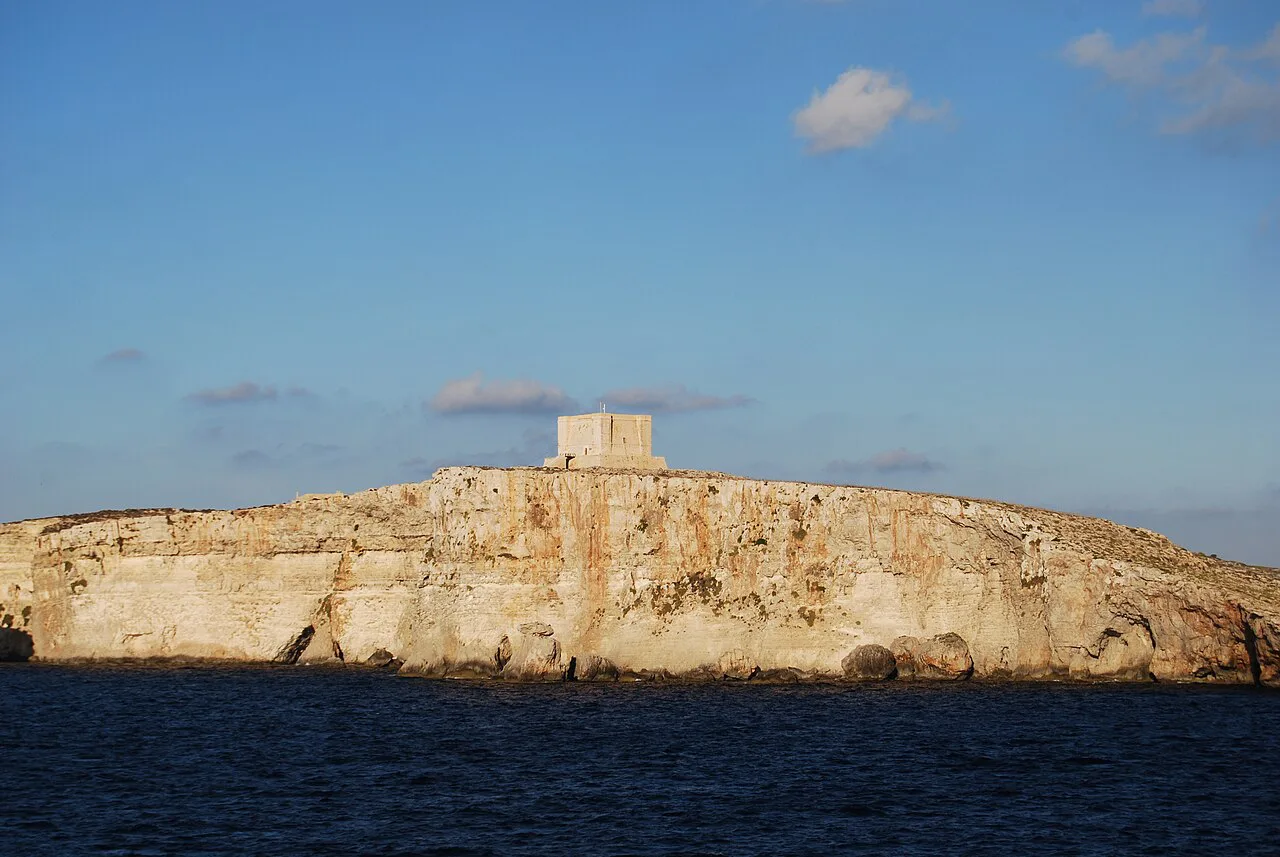
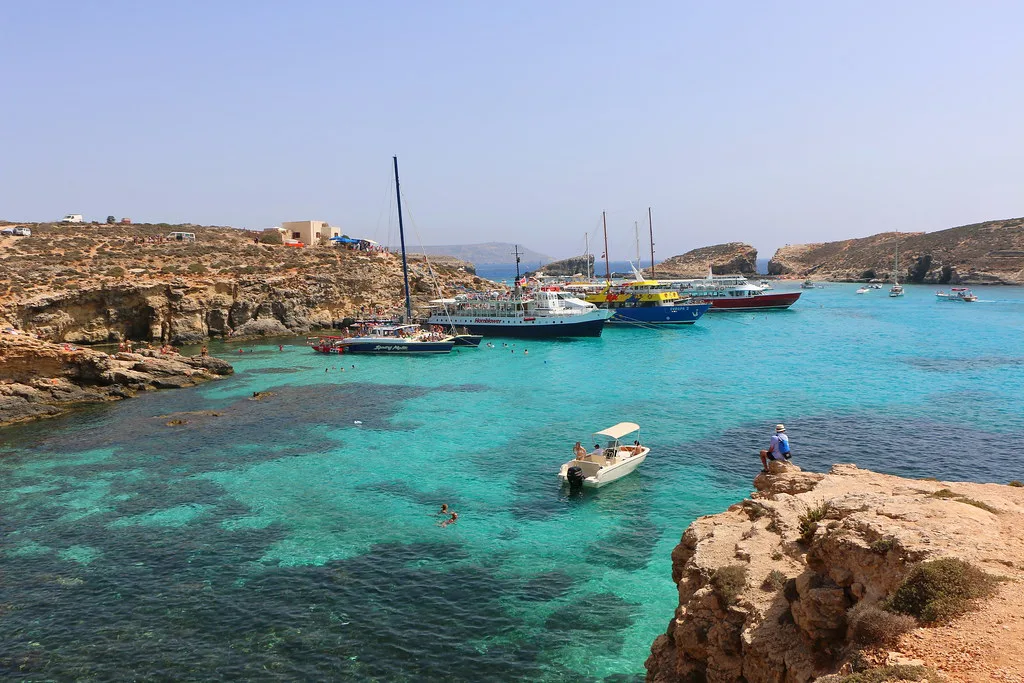
Three main islands form the Maltese archipelago: Malta, Gozo and Comino, each with a different character. Malta holds the capital, Valletta; Gozo is the quieter northern island reached by ferry; Comino sits between them and is largely uninhabited. Boat services link the islands, so a base on the main island can still include a day on Gozo.
Treat the three as separate destinations rather than one. Valletta, Mdina and the harbour cities fill days on Malta itself, while Gozo's Victoria and Citadel run to a different rhythm once you add the ferry crossing. Plan island-hopping as a full day, not a gap between two Valletta appointments.
How big is Malta, and how does that shape a trip?
At roughly 316 square kilometres, Malta ranks among the world's smaller countries, and that compactness is the practical advantage. You can sleep in one base and reach most of the island's sites within a single day's driving, which is why four days is often enough for the main highlights. The trade-off is traffic between those sites, so short distances do not always mean short journeys.
Traffic concentrates in the commuting windows, with the busiest stretches reported around 7–9am and 3:30–6pm. If you are heading to the airport or a timed slot at a heritage site, travel outside those hours. Buses remain a sensible way to cross the island without hiring a car.
What is Malta's population?
Malta's population was recorded at 493,559 in 2019, which makes it one of Europe's most densely populated countries. The density shows in the built-up harbour area around Valletta and Msida rather than spread evenly across the countryside. For a visitor, that means urban sights cluster close together while open landscapes sit further out.
What languages do people speak, and what currency is used?
Maltese and English are both official languages, a legacy of the island's Mediterranean setting and its years under British rule. English is widely used in signage, menus and museums, so UK and Irish visitors can manage without any Maltese. Learning a few place names with their diacritics helps: Mellieħa, Buġibba, Marsaxlokk and Ħaġar Qim all sound different from how they look.
The currency is the euro, and card payments are normal in hotels, museums and restaurants, though cash still helps at small kiosks and village cafés. Bus travel is economical: a two-hour ticket costs €1.50. That makes a bus-based day of sightseeing a cheap way to cover a lot of ground.
Which historical periods left their mark on the islands?
Successive powers shaped the islands: Phoenicians, Carthaginians, Byzantines and Romans all left traces before the Knights of St John took control. French and then British rule followed, and Malta became a Republic in 1974. That sequence explains why one day can take in Roman remains, a Baroque cathedral and a British-era waterfront; our Malta history overview joins the dots between them.
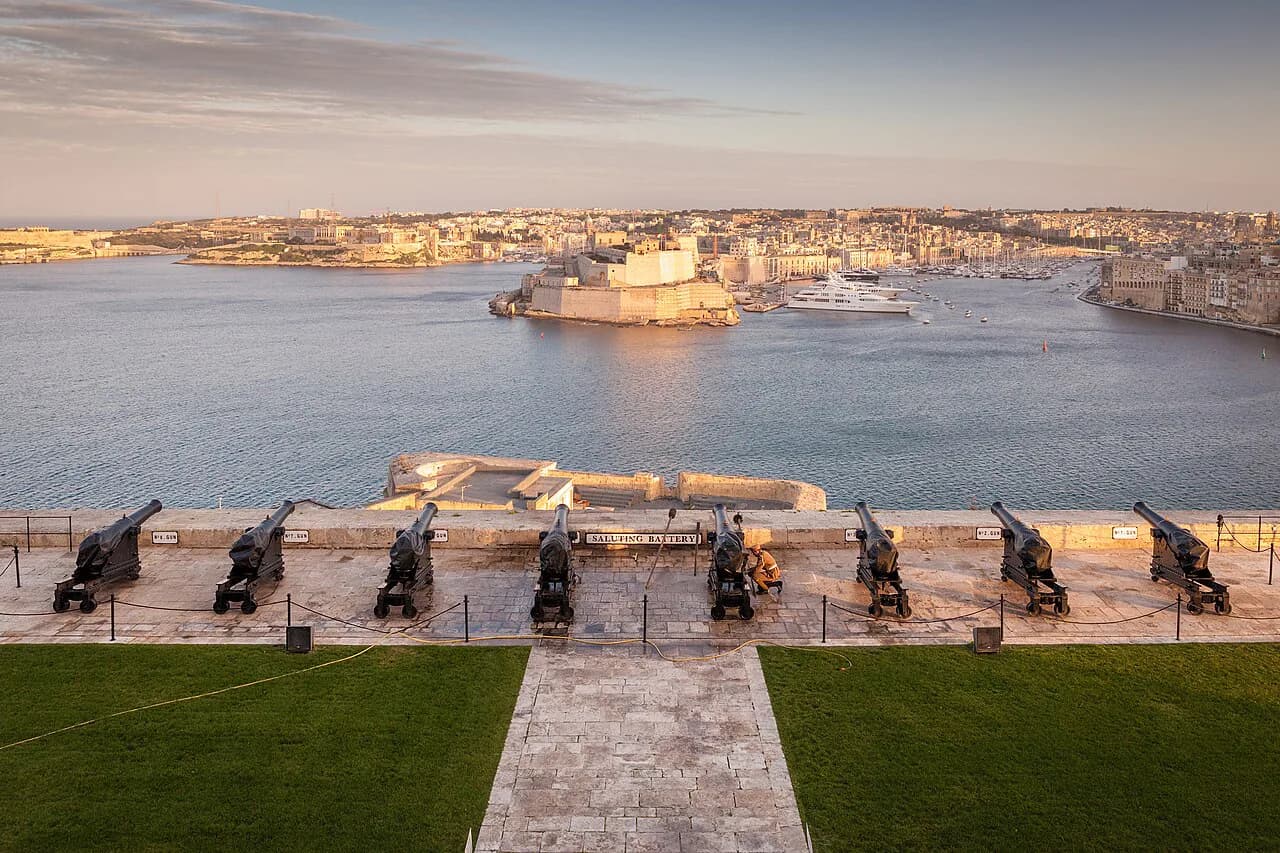
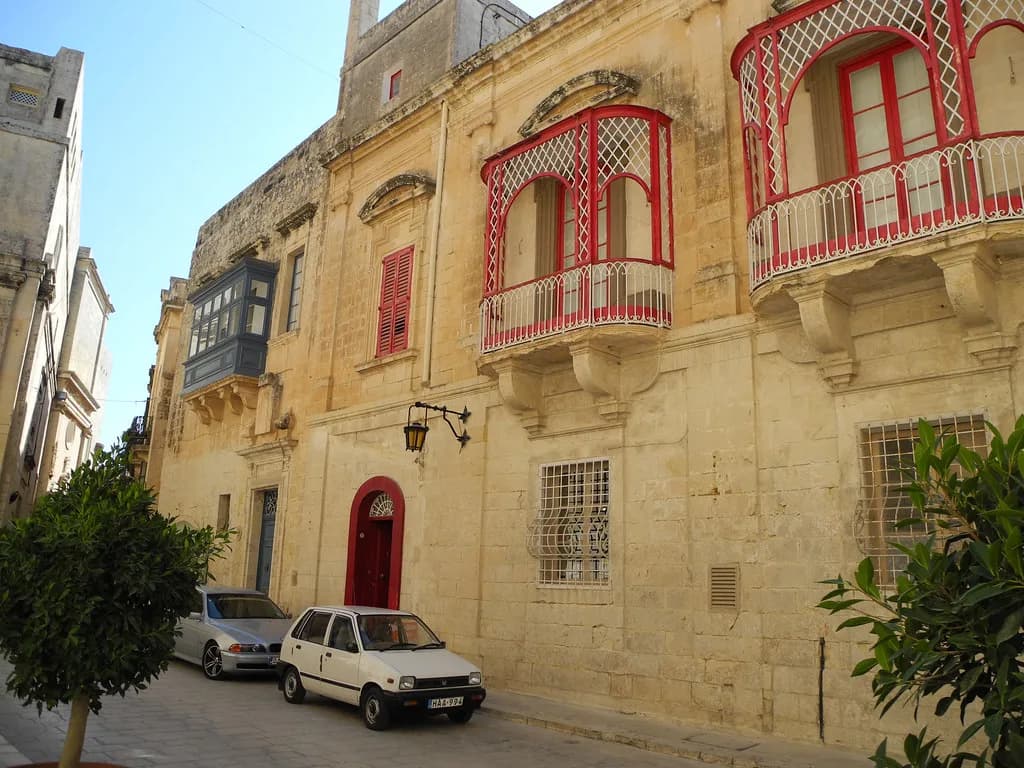
The Knights left the grandest architectural legacy, and you see it most clearly at St John's Co-Cathedral in Valletta, where the order's two-and-a-half centuries of rule are written into the interior. The walled city of Mdina preserves the medieval layer that predates them. Reading up on the order before you go makes both visits far more legible.
Why is Valletta's founding date worth knowing?
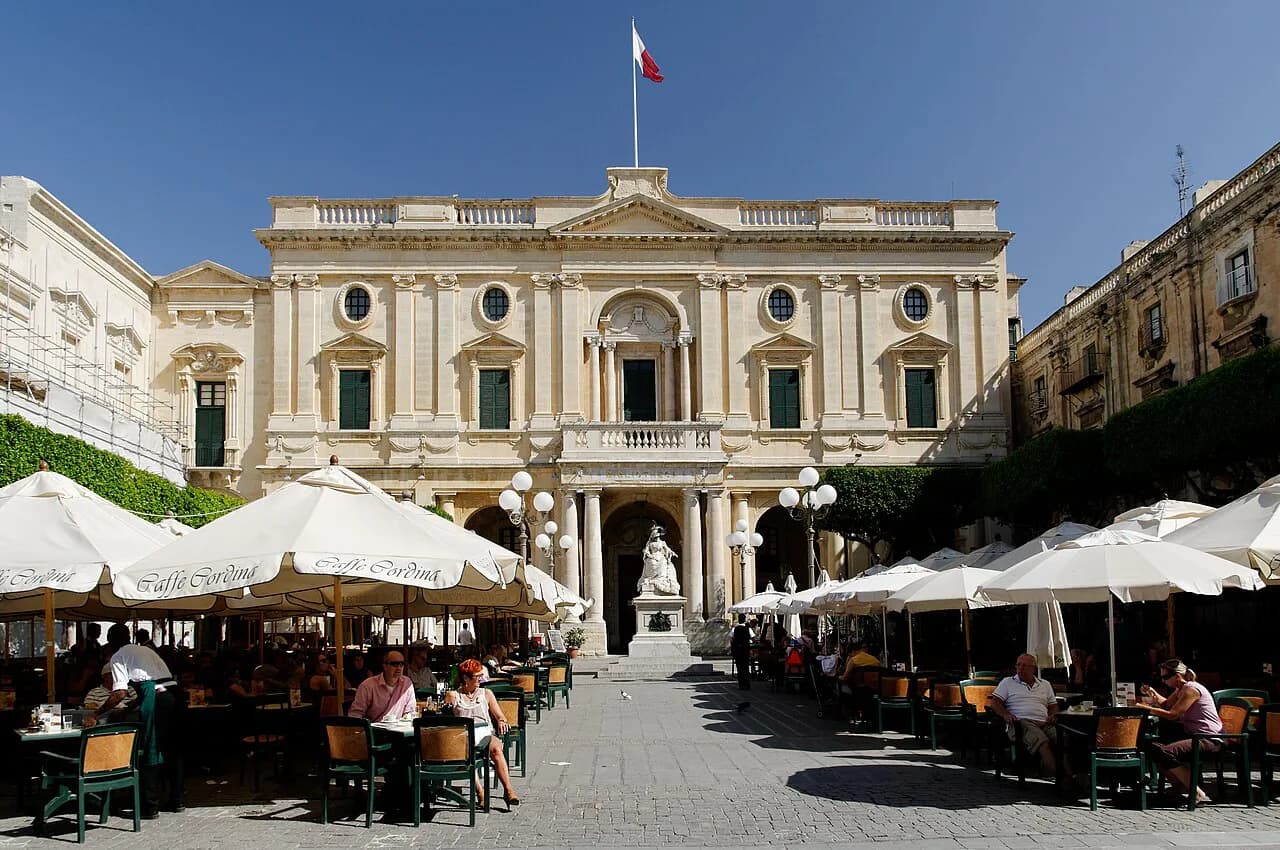
Valletta was founded in 1566, the year after the Great Siege, and the grid plan still reflects that deliberate, defensive origin. Knowing the date helps you read the city: the bastions, the auberges and the Co-Cathedral were built within a defined period rather than accumulated over centuries. It is also a UNESCO World Heritage Site.
The city is compact enough to walk end to end, but heat and cruise-day crowds decide how much you see. Start early at the City Gate end and work downhill towards the harbour. A single focused half-day beats trying to cover every museum.
Which sites carry UNESCO World Heritage status?
Three Maltese sites hold UNESCO World Heritage status: the Ħal Saflieni Hypogeum, the City of Valletta and the Megalithic Temples of Malta, which comprise seven prehistoric temples. A further seven sit on the tentative list, including Mdina, the Cittadella in Gozo, Qawra and the Victoria Lines fortifications. For planning, build days around the three inscribed sites.
The temple group spreads across several locations rather than sitting in one place. Ħaġar Qim and Mnajdra share a coastal site on Malta's south side, so you can see two of the seven in one visit. Allow a half-day for the pair, including travel.
What are the Megalithic Temples, and how old are they?
The Megalithic Temples were built between 3600 BC and 2500 BC, which makes them more than 6,000 years old. Cited sources describe them as older than Stonehenge and the Egyptian pyramids, a claim worth treating as attributed rather than settled. What matters on the ground is the scale of the stonework and how exposed the sites are.
Exposure is the practical catch: the temple platforms sit in open ground with little shade. Visit in the morning or late afternoon and carry water. A midday visit in high summer is possible but punishing.
What is the Ħal Saflieni Hypogeum, and why does it need planning?
The Ħal Saflieni Hypogeum is an underground cemetery in use around 4000 BC and forms part of the islands' UNESCO listing. Because it is a subterranean site, access is managed in small groups rather than as a walk-in museum. That makes it the one sight on the island where you fix your date first and build the rest of the day around it.
What is Mdina's role in Malta's story?
Mdina is the medieval walled city that served as Malta's capital before Valletta, and it remains a fortified hilltop of noble palaces and narrow lanes. It appears on the tentative UNESCO list rather than the inscribed one, a useful distinction if you are prioritising. Enter through the main gate and walk uphill towards the bastions for the open views.
The scale is small, so two to three hours covers the cathedral, the streets and the ramparts without rushing. Pair it with Rabat just outside the walls rather than treating Mdina as a full day.
What food should you try, and what is the national dish?
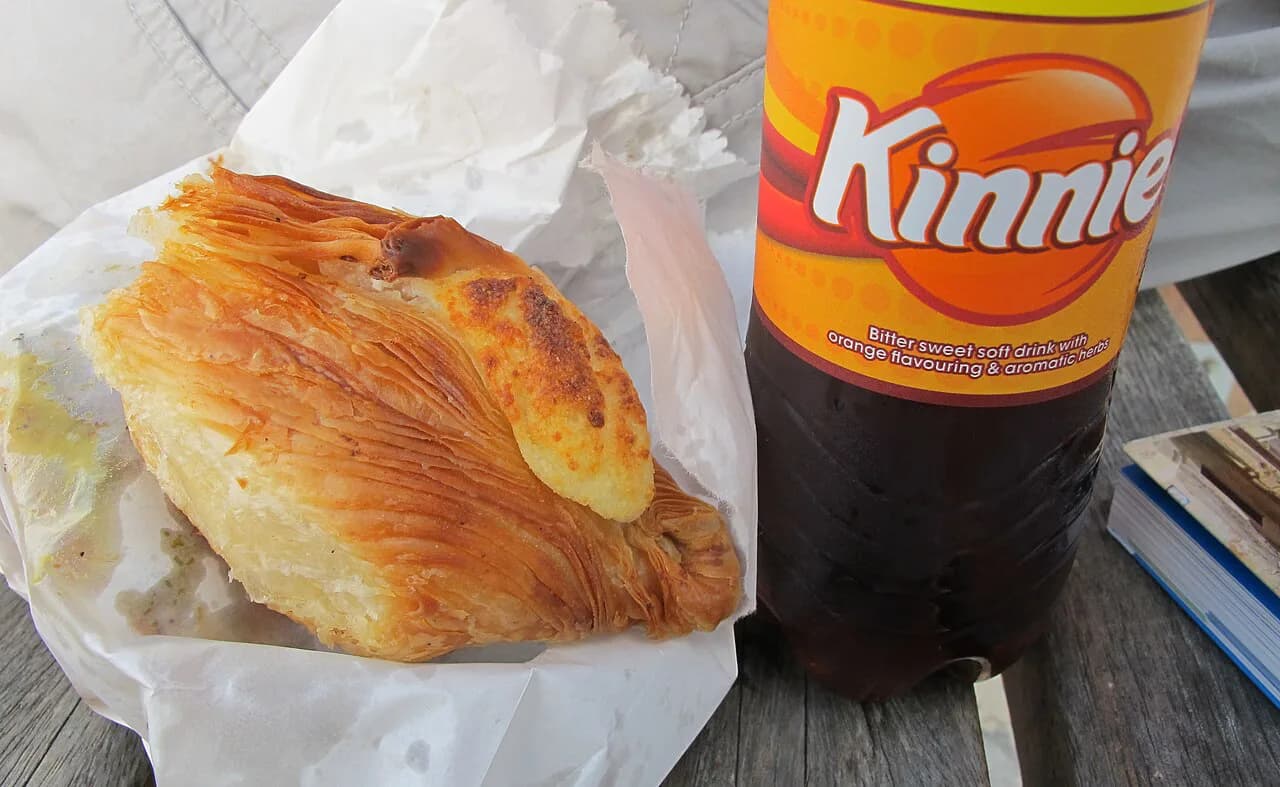
Rabbit stew, known as fenkata, is a very popular Maltese dish, and pastizzi — flaky pastries filled with cheese or mushy peas — are the everyday snack. Fresh seafood features heavily on menus, reflecting the island's Mediterranean position. Eating out tends to run late, with tables booking from around 8pm for the best atmosphere.
Dining costs sit below UK levels for most visitors, though the island is not the cheapest spot in Europe. Budget your meals the way you would at home and you will rarely be surprised. A pastizzi stop at lunch keeps the day's spend down.
Which everyday details surprise first-time visitors?
Traffic drives on the left, which feels familiar to UK and Irish drivers and odd to everyone else. The climate is Mediterranean, with warm, dry summers and mild, rainy winters; in November the average temperature is around 17°C. Those are climate norms rather than a forecast, so check the days before you travel for what to pack.
The Maltese cross, an eight-pointed symbol, appears on everything from souvenirs to bus livery. It comes from the Knights Hospitaller of the Order of St John, so knowing that turns a decorative motif into a marker of the island's ruling order. The George Cross on the flag, awarded in 1942, is a separate national honour.
Which Malta facts should shape your itinerary?
Superlatives travel faster than dates. Claims that a site is the oldest or largest in the world usually rest on a single measure, so treat the temple comparison with Stonehenge and the pyramids as an attributed statement rather than a settled ranking. Where a figure matters, go to the body that publishes it rather than a travel blog.
Population figures also go stale quickly, and the 493,559 figure dates from 2019. For current numbers, read the official statistics office releases rather than repeating a blog figure. The same discipline applies to any price or opening time you see quoted on a travel page.
Which Malta facts should shape your itinerary?
Let three facts do the planning work: the country is three islands, the whole of it fits into 316 square kilometres, and its heritage sites are split between Valletta, Mdina, the southern temples and the Hypogeum. That tells you to base yourself once, travel outside the 7–9am and 3:30–6pm rush, and lock in the Hypogeum day first.
Everything else — the language, the euro, left-hand driving and the late dinner hour — you will absorb within a day of arriving. Spend the preparation time on dates and transport instead.
Explore more Malta guides
Frequently Asked Questions
What are three interesting facts about Malta?
Malta is made up of three main islands: Malta, Gozo and Comino. It has two official languages, Maltese and English. The Megalithic Temples were built between 3600 BC and 2500 BC, and cited sources describe them as predating Stonehenge and the Egyptian pyramids.
What was Malta called before?
There is no single earlier official name for Malta in the material used here; the island's labels changed with its ruling powers. The firmer historical markers are that Valletta was founded in 1566 and Malta became a Republic in 1974.
What is the currency in Malta?
Malta uses the euro. Cards are accepted widely in hotels, museums and restaurants, but carry some cash for small kiosks and village cafés.
Is Malta a country?
Yes. Malta is an independent Republic in the Mediterranean, made up of three main islands, with Valletta as its capital and Maltese and English as its official languages.
Sources
Notes for your Malta trip
Optional updates when we add or correct a Malta or Gozo guide.
You might also like
Continue reading
More guides you'll find useful