Gozo History: A Visitor's Guide to the Island's Past
Gozo's history runs from Neolithic temples to a 1551 Ottoman siege, Knights' walls and British rule. See where each era still shows on the island today.
On this page
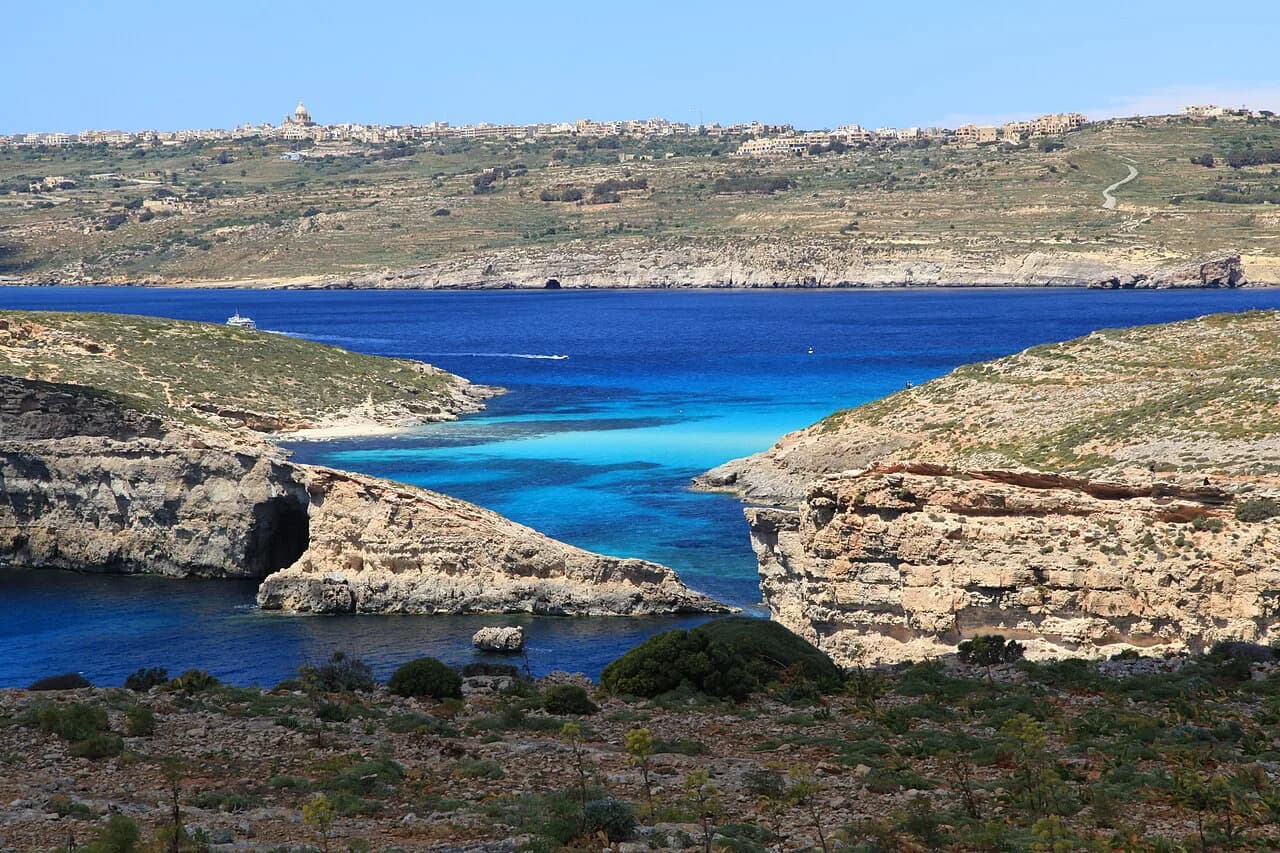
Gozo's history is best read on the ground: the Ġgantija temples on the Xagħra plateau, the Citadel above Victoria, and the burial slabs on the Ta' Ċenċ plateau each mark a different era of the island. The Maltese name for the island is Għawdex, and it is the second largest island in the Maltese archipelago. This guide runs through the periods in order and names the places where you can still see what each one left behind.
Gozo at a glance
Gozo covers about 67 square kilometres, with most of its attractions spread across roughly 14 kilometres by 7 kilometres. The population is usually given as around 37,000. That compact scale is why a single day on the island can take in temples, a fortified hill town and a coastal village without long drives.
The island's capital goes by two names. Victoria is the name given in 1887 to mark Queen Victoria's Golden Jubilee, and residents use Victoria and Rabat interchangeably for the same town. If you see Rabat on a Gozo sign, it is not the Rabat on Malta.
Neolithic beginnings and the Ġgantija Temples
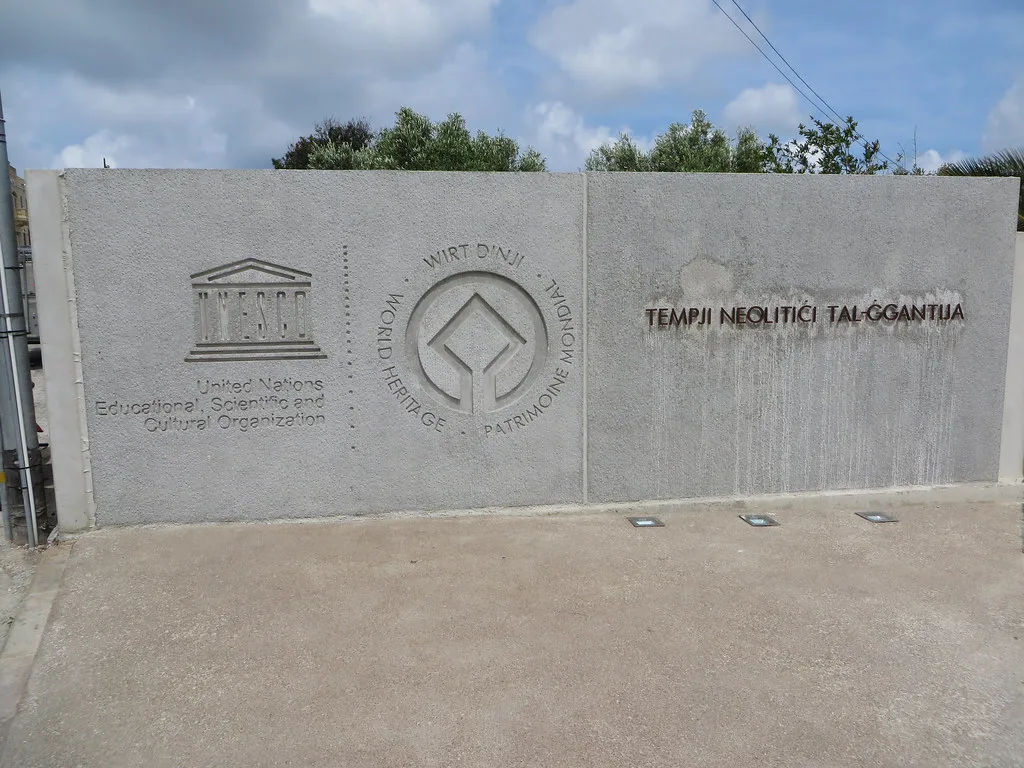
Neolithic farmers reached Gozo from Sicily around 5000 BCE and left behind the megalithic Ġgantija temples, now a UNESCO World Heritage Site. The temple complex is dated to roughly 3600 BCE. The name comes from the Maltese word for giant, a reference to the size of the megaliths, some of which weigh up to 50 tonnes.
Visiting takes planning rather than luck: the two temples sit within a surrounding wall on the Xagħra side of the island, and the exposed stone means little shade at midday. Pair the visit with the island's other prehistoric and historic sites using the Gozo map before you set out, so the driving between them stays short.
Bronze Age burials and the Ta' Ċenċ plateau
Bronze Age Gozo is visible in the rock-cut burials on the Ta' Ċenċ plateau, where three megalithic tombs use a limestone slab supported on stone blocks. These are the kind of remains that reward a deliberate detour rather than a passing glance, since they sit in open country rather than behind museum glass.
Phoenician, Carthaginian and Roman rule
Phoenicians and Carthaginians established a colony in the Maltese islands, drawn by the local ports, and held them until 218 BCE. Near the village of Santa Luċija there are remains of a Punic rock sanctuary on the south-west tip of Gozo. After the Romans defeated the Carthaginians, Gozo was organised with a degree of self-government, and Christianity took root during this period.
Arab and Norman influence on names
Arabs settled in Malta from 870, and their influence is still audible in Gozo's place names and surnames. The Normans took over in 1127, and a feudal regime followed in which islanders paid substantial taxes. In 1397 the Gozitans formed a group to defend local interests and their old privileges.
The Knights of St John and the 1551 siege
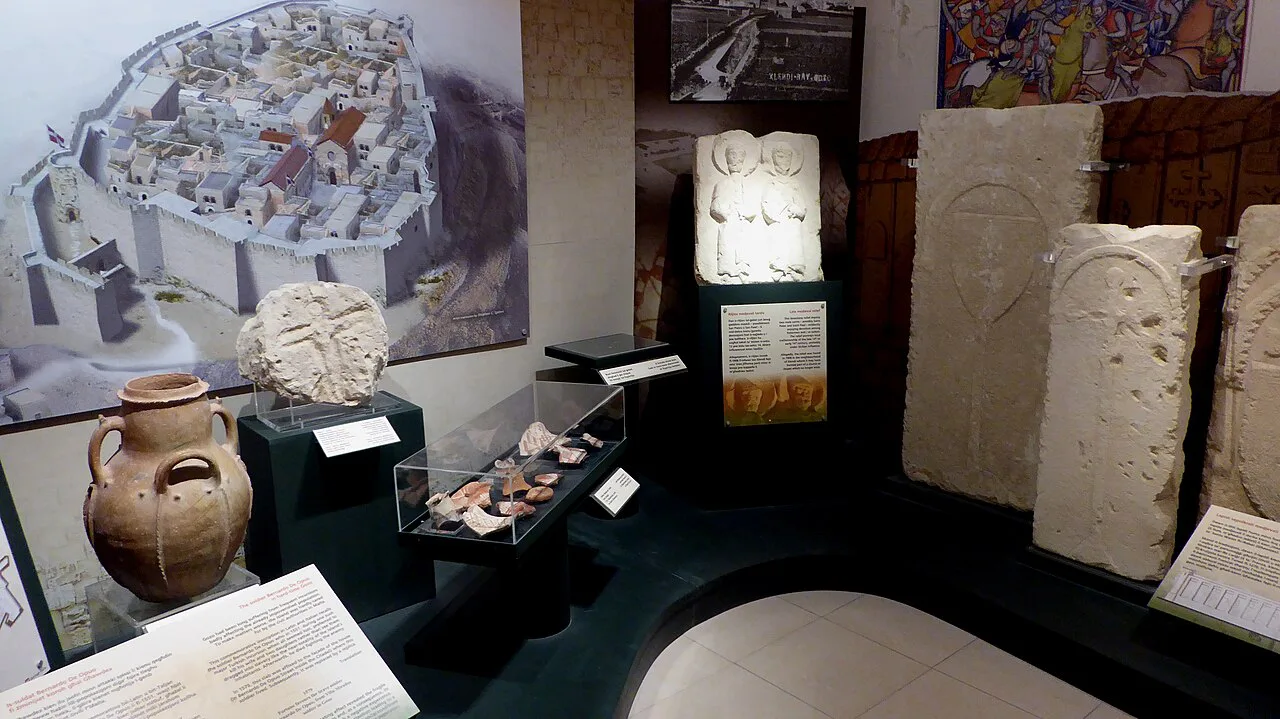
The Knights of St John took control of the islands in 1530. In 1551 the Ottoman Turks besieged the Citadel, and the medieval walls, built without the sloping earthworks that resist gunpowder artillery, gave way. The population was taken into slavery at this period, an event that shapes how the Citadel is understood today.
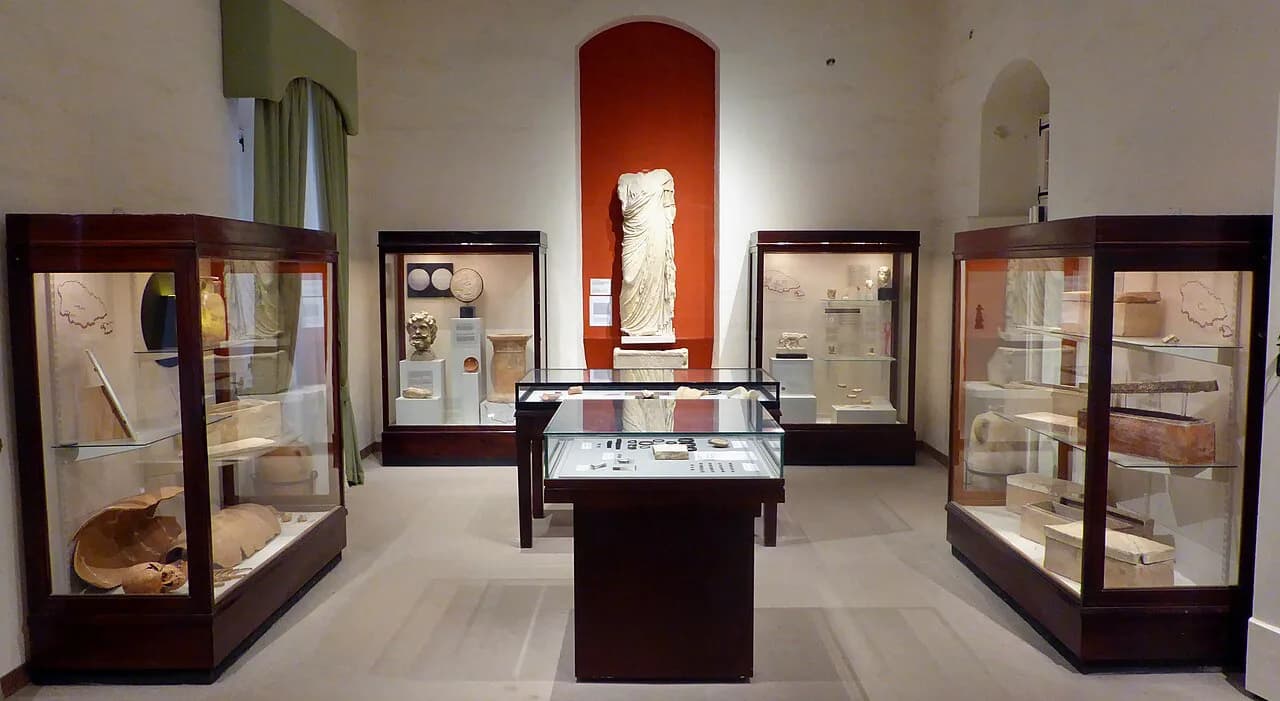
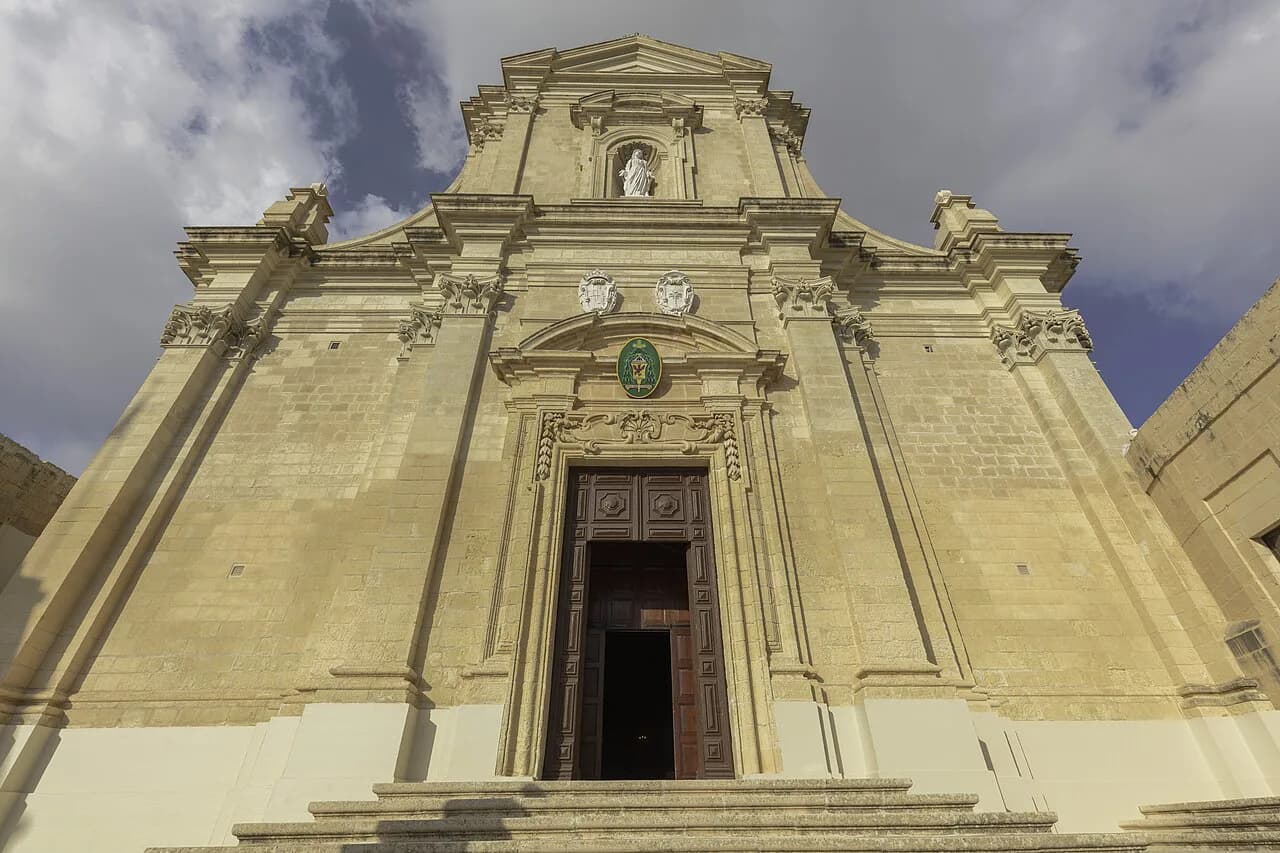
The Knights then strengthened Gozo's defences, including work on the Citadel in Victoria. Inside the walls you can still see the Cathedral of the Assumption, and the site also holds the Gozo Museum of Archaeology and the Gran Castello Historic House, which covers folklore. Allow a couple of hours for the museums and the ramparts together, and go early if you want the viewpoints over the island to yourself.
French occupation and British colonial rule
Napoleon Bonaparte's forces ousted the Knights in 1798, but French rule lasted only until 1800, when the islanders rose against the French with British support. Malta then became a British crown colony, a status it held until 1964. Some of the red telephone boxes in Victoria are a remnant of that period.
Modern Gozo: independence and island life
Malta gained independence in 1964, and Gozo has since settled into a quieter rhythm than the main island. The countryside between the towns is still farmed, and the food follows it: ġbejniet made from sheep's milk, ftira baked in a wood-fired oven, and rabbit stew known as fenek.
Where to see Gozo's history today
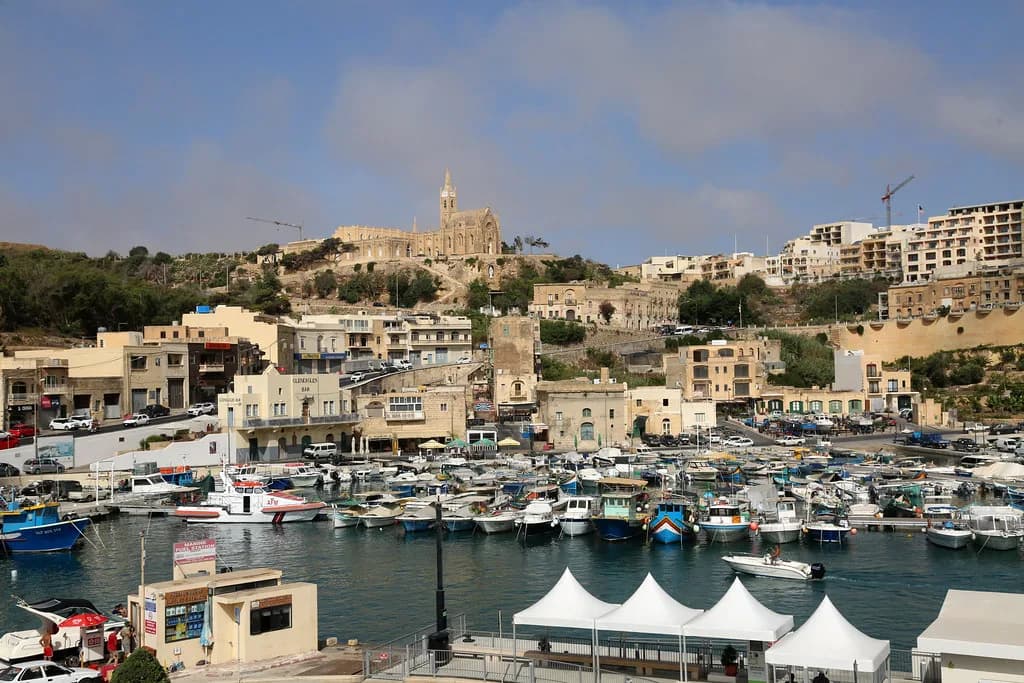
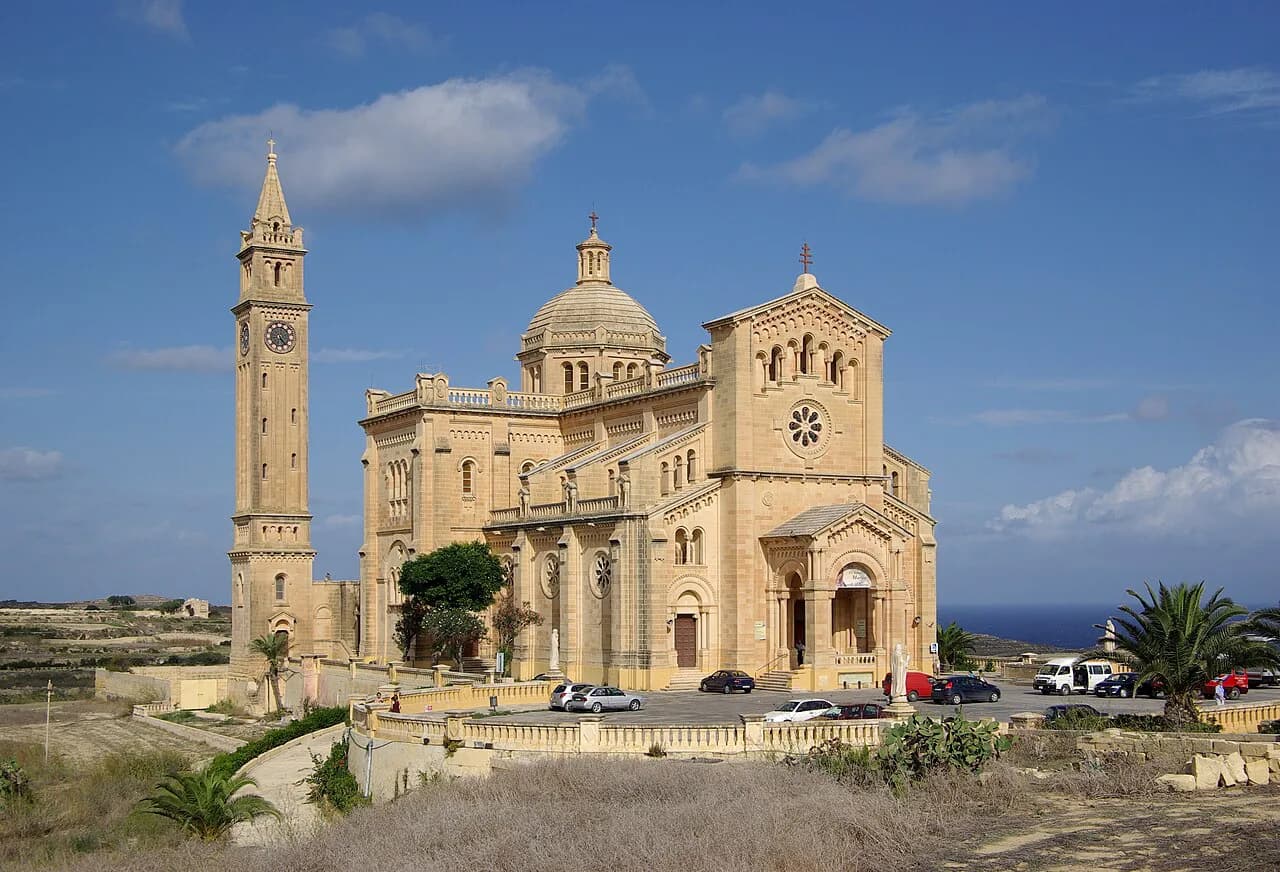
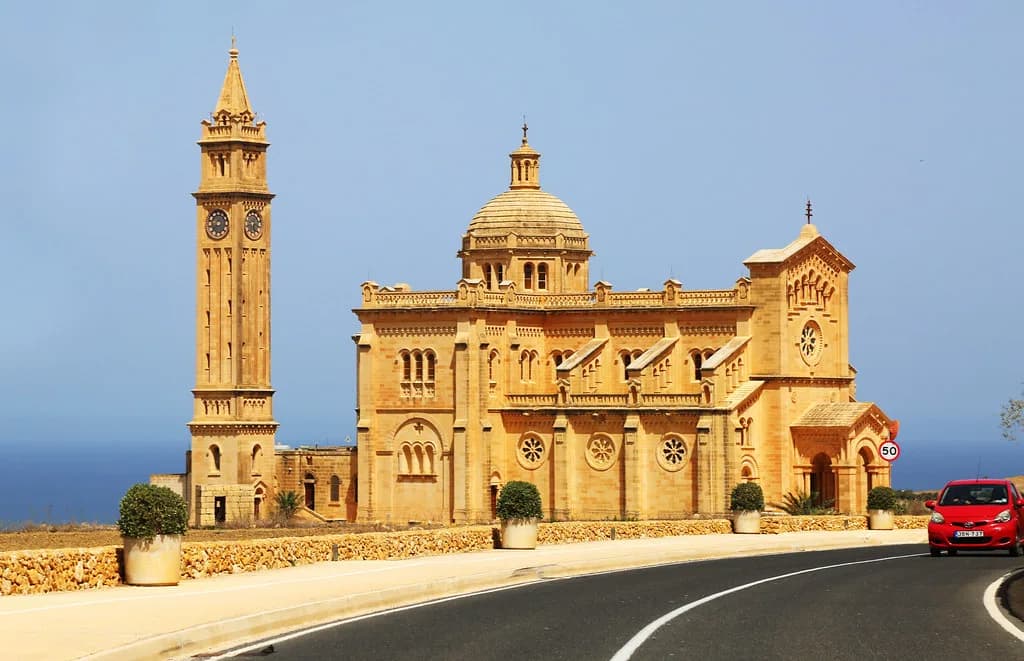
A practical route puts the Citadel and its museums in the morning and the Ġgantija temples in the afternoon, or the reverse if you are arriving from Mġarr harbour. The Ta' Pinu Basilica in the countryside between them makes a natural pause, and you can plan the circuit with the Gozo Map before you set out.
The Things to Do in Gozo guide covers the individual sites in detail, from fortresses to windmills, so you can pick the ones that match the periods you care about. Ticket prices and opening times change, so check the official site for each site before you go.
Legend alongside the record
Tradition links Gozo to Homer's Ogygia, where the nymph Calypso is said to have kept Odysseus for seven years. Treat that as legend rather than documented history. The physical record, by contrast, is dated: the Ġgantija temples to around 3600 BCE and the 1551 siege to a specific year you can follow through the Citadel's walls.
How to fit Gozo's history into one day
Start at the Citadel in Victoria for the cathedral, the archaeology museum and the island views, then drive to the Ġgantija temples while you still have energy for uneven ground in the heat. Add Ta' Ċenċ or the Punic sanctuary only if you have a car and a full day, since both sit away from the main routes.
Confirm current opening hours and admission charges with each site before you travel. If you are crossing from Malta for the day, keep the return leg flexible so the Citadel does not have to be rushed.
Explore more Gozo guides
Sources
Notes for your Malta trip
Optional updates when we add or correct a Malta or Gozo guide.
You might also like
Continue reading
More guides you'll find useful